Beginner Guide to Climbing Mount Kilimanjaro
Climbing Mount Kilimanjaro as a beginner is possible, but it requires good preparation and determination. You do not need technical climbing skills, which makes it different from many other high mountains. However, the climb is still challenging because of the high altitude and long trekking days.
Mount Kilimanjaro is located in Tanzania and stands at 5,895 meters above sea level. It is the highest mountain in Africa and attracts thousands of climbers every year, including many first-time trekkers. The journey to the summit usually takes between 6 to 9 days, depending on the route you choose. During this time, you will walk through different environments, from rainforest to alpine desert and finally to the snowy summit.
The main difficulty of climbing Kilimanjaro is not the steep paths, but the reduced oxygen at high altitude. As you climb higher, your body needs time to adjust. Without proper acclimatization, you may experience altitude sickness. This is why choosing the right route and walking slowly are very important for beginners.
In this guide, you will learn everything you need to start your journey. It will explain how hard the climb is, how to prepare physically and mentally, what equipment to bring, and which routes are best for beginners. With the right planning and support, many people with no prior climbing experience successfully reach the summit every year.
What Is Mount Kilimanjaro?
Mount Kilimanjaro is the highest mountain in Africa and one of the most famous trekking destinations in the world. It is located in northern Tanzania, near the border with Kenya, and rises to a height of 5,895 meters above sea level. Because of its great height and unique environment, it attracts thousands of climbers every year, including many beginners.
Kilimanjaro is a free-standing mountain, which means it is not part of a mountain range. It was formed by volcanic activity and has three main volcanic cones: Kibo, Mawenzi, and Shira. The highest point, called Uhuru Peak, is found on Kibo and is the main goal for climbers. Reaching this summit is considered a major achievement, especially for those who are climbing a high mountain for the first time.
One of the reasons Mount Kilimanjaro is so popular is that it does not require technical climbing skills. Unlike other high mountains, you do not need ropes or advanced equipment. This makes it accessible to beginners who are physically prepared and willing to take on the challenge. However, the climb is still demanding because of the altitude and changing conditions.
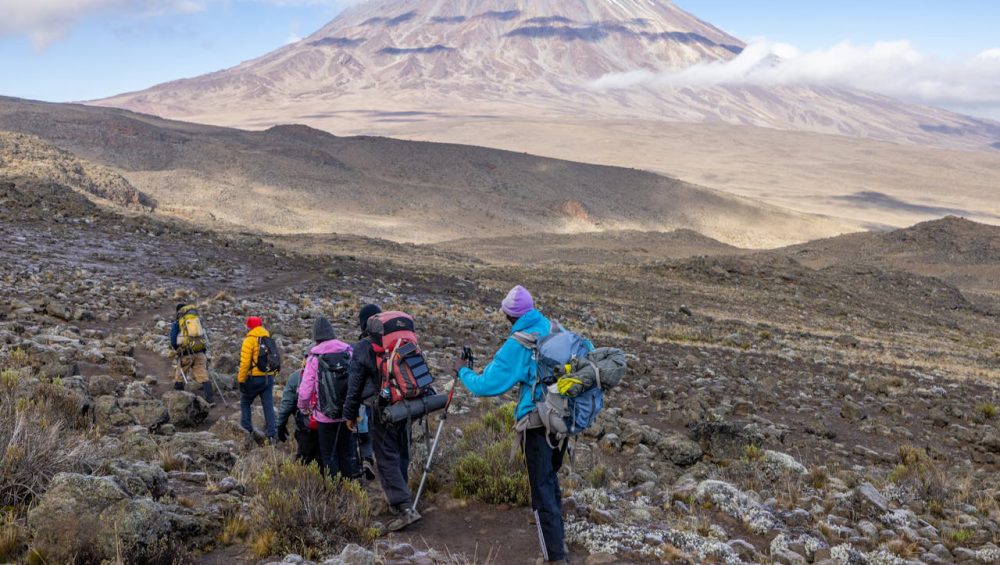
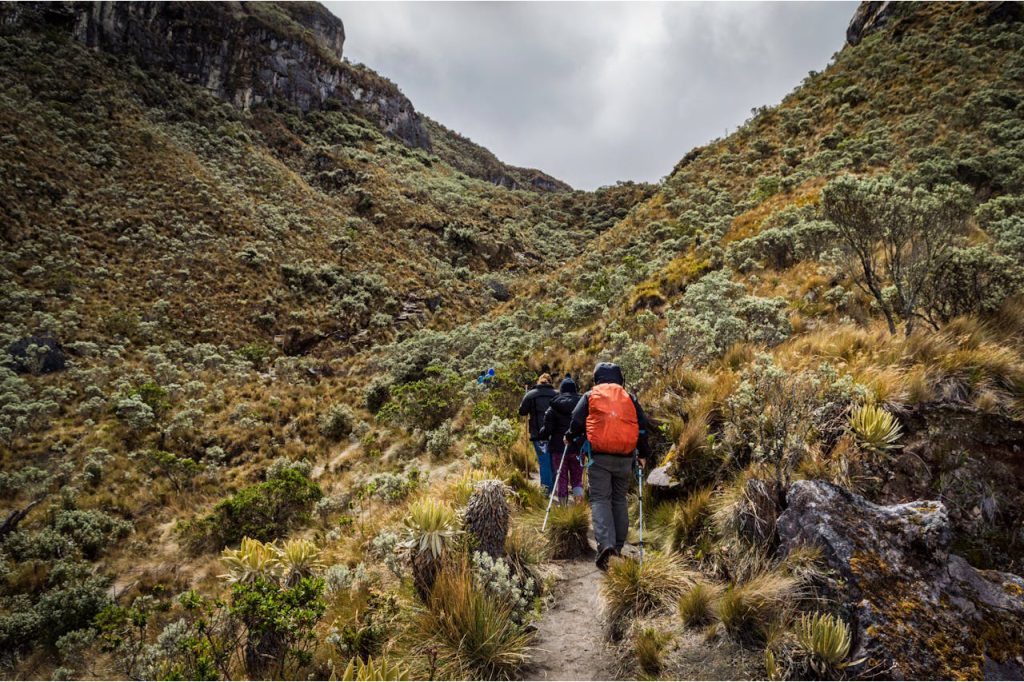
Another reason for its popularity is the variety of landscapes you experience during the climb. As you go higher, you pass through different climate zones, starting from lush rainforest, then moving to moorland, alpine desert, and finally the icy summit. This makes the journey not only challenging but also very scenic and memorable.
In addition, Kilimanjaro is known as the “Roof of Africa,” which gives it a special attraction for travelers and adventurers. Many people see climbing it as a once-in-a-lifetime experience. With proper preparation, guidance, and determination, it is a goal that many beginners can achieve.
How Difficult Is Mount Kilimanjaro
Climbing Mount Kilimanjaro is considered a moderate to challenging trek, but it is not a technical climb. This means you do not need special climbing skills such as using ropes, harnesses, or ice axes. In fact, many people who have never climbed a mountain before successfully reach the summit every year. The real difficulty comes from endurance, altitude, and long walking days rather than technical skills.
The main challenge on Kilimanjaro is high altitude. As you climb higher, the air becomes thinner and contains less oxygen. This can make your body feel tired, slow, or uncomfortable. Some climbers may also experience altitude sickness, which is why proper acclimatization is very important. Walking slowly, drinking enough water, and choosing a longer route can greatly improve your chances of success.
Another factor that affects difficulty is the duration of the trek. Most routes take between 6 to 9 days to complete. Each day involves several hours of hiking, sometimes on steep or uneven paths. While the pace is slow, the continuous walking can still be physically demanding, especially for beginners who are not used to long-distance trekking.
Weather conditions also change as you climb. You start in a warm rainforest, but as you go higher, temperatures drop significantly, especially near the summit where it can be freezing. This requires good preparation in terms of clothing and mental strength.
Overall, Kilimanjaro is not a technical mountain, but it is a physically and mentally challenging adventure. With the right preparation, fitness level, and route choice, beginners can successfully reach the summit.
Best Routes for Beginners
The best routes for beginners on Mount Kilimanjaro are Lemosho Route, Machame Route, and Marangu Route. These routes are popular because they offer different levels of comfort, scenery, and success rates. Among them, the Lemosho Route is often recommended as the best option for first-time climbers due to its excellent acclimatization and high summit success rate.
Each route has its own advantages, but beginners usually choose based on how much time they have, their fitness level, and how comfortable they want the journey to be. Choosing the right route is very important because it directly affects how your body adapts to altitude and how enjoyable your climb will be.
Lemosho Route (Best for Beginners)
The Lemosho Route is considered the best choice for beginners because it offers a longer and more gradual ascent. This helps your body adjust slowly to high altitude, reducing the risk of altitude sickness. It also has some of the most beautiful scenery on Kilimanjaro, starting from lush rainforest and passing through diverse landscapes. The route usually takes 7 to 8 days, giving climbers enough time to acclimatize properly and increase their chances of reaching the summit successfully.
Marangu Route (Shortest but More Challenging for Beginners)
The Marangu Route is often called the “Coca-Cola Route” because it is the only route that offers hut accommodation instead of camping. This makes it seem easier, but in reality, it is one of the hardest routes for beginners in terms of acclimatization. The climb is shorter, usually 5 to 6 days, which gives less time for the body to adjust to altitude. Because of this, the success rate is lower compared to Lemosho and Machame.
Overall, these three routes are popular because they are well-established, offer different levels of challenge, and provide safe access to the summit. For beginners, choosing a longer route like Lemosho is usually the best option for a safer and more successful climb.
Fitness and Preparation
To successfully climb Mount Kilimanjaro, you do not need to be an elite athlete, but you must have a reasonable level of fitness and good preparation. The climb is long, involves many hours of walking each day, and takes place at high altitude. This means your body and mind must be ready for steady effort over several days. Proper preparation greatly increases your chances of reaching the summit safely and comfortably.
Walking Practice
One of the best ways to prepare is simple walking practice. Since Kilimanjaro is mainly a trekking mountain, your body needs to get used to walking for long hours. You should practice walking for 2 to 6 hours at a time, ideally on uneven ground or hills. This helps strengthen your legs, improve endurance, and prepare your feet for long-distance hiking boots. The more you walk before the climb, the easier the trek will feel.
Cardio Training
Cardio exercises are very important because they improve your heart and lung strength. Activities like jogging, cycling, swimming, or fast walking can help your body use oxygen more efficiently. This is especially useful because Kilimanjaro has high altitude where oxygen levels are lower. Doing cardio training at least 3 to 4 times a week before your trip can make a big difference in your energy levels during the climb.
Mental Preparation
Mental strength is just as important as physical fitness. Kilimanjaro is not a race it requires patience, discipline, and determination. You will walk slowly for many hours each day, sometimes in cold or tiring conditions. Being mentally prepared helps you stay positive when the journey becomes difficult. Setting realistic expectations and understanding that altitude can slow you down will help you stay focused and motivated.
Overall, preparing for Kilimanjaro is about building steady endurance, improving your heart fitness, and strengthening your mindset. With consistent preparation, even beginners can handle the challenge and enjoy the journey to the summit.
Best Time to Climb
The best time to climb Mount Kilimanjaro is during the dry seasons, when the weather is more stable, the trails are less slippery, and visibility is better for enjoying the scenery. Choosing the right time is very important because it can make your climb safer, more comfortable, and increase your chances of reaching the summit successfully.
The first ideal period is from January to March. During these months, the weather is generally clear and slightly warmer compared to other times of the year. The skies are often open, giving you beautiful views of the mountain and surrounding landscapes. This period is also less crowded, so you can enjoy a quieter and more peaceful trekking experience. However, it can be colder at the summit, especially in the early morning hours.
The second best period is from June to October, which is the most popular climbing season. This time falls during the long dry season in Tanzania, meaning there is very little rain and the trails are in good condition. The weather is stable, and the chances of clear summit views are very high. Because of this, many climbers choose this period, so routes can be busier compared to January March.
Avoiding the rainy seasons (April to May and November) is usually recommended for beginners. Heavy rain can make the trails muddy and more difficult to walk, and clouds may block the views.
Overall, the best time to climb Kilimanjaro depends on your preference, but both dry seasons January to March and June to October offer the safest and most enjoyable conditions for beginners.
Tips for Success
On this mountain climb, walking slowly is essential because it helps the body adjust to high altitude. Hydration is also a key factor during the journey, as the air becomes thinner while ascending Mount Kilimanjaro. Choosing the right route plays a major role in reaching the summit of Kilimanjaro, especially for first-time climbers.
Walk Slowly (Pole Pole)
One of the most important tips is to walk slowly, also known as “pole pole” in Swahili, which means “slowly, slowly.” On Kilimanjaro, speed is not important steady movement is. Walking too fast can cause exhaustion and increase the risk of altitude sickness. A slow and steady pace helps your body adjust to higher altitudes and saves energy for the final summit push. Even if you feel strong, it is better to move slowly and consistently.
Drink Water
Another key factor is to drink enough water throughout the day. Staying hydrated is essential because your body loses water faster at high altitude. Dehydration can make you feel tired, dizzy, or increase symptoms of altitude sickness. Most guides recommend drinking small amounts of water regularly instead of waiting until you feel thirsty. Proper hydration keeps your body strong and helps you maintain energy during long trekking days.
Choose Longer Route
It is also very important to choose a longer route for better acclimatization. Routes that take more days, such as Lemosho or Machame, give your body more time to adjust to the altitude. This significantly increases your chances of reaching the summit compared to shorter routes. Although longer routes may seem more difficult at first, they are actually safer and more successful for beginners.
Overall, success on Kilimanjaro comes from patience, preparation, and smart decisions. By walking slowly, staying hydrated, and choosing the right route, beginners can greatly improve their chances of completing this incredible journey.
Cost of Climbing
The cost of climbing Mount Kilimanjaro depends on the route, number of days, tour operator, and level of service you choose. In general, climbing Kilimanjaro is not a cheap trip because it includes park fees, guides, porters, food, camping equipment, and safety services. However, understanding the cost helps beginners plan properly and avoid unexpected expenses.
Most Kilimanjaro climbs fall into a budget range of around 1,800 to 4,500 USD per person. Lower-cost trips usually use basic services and shorter routes, while higher-cost packages include better equipment, more experienced guides, and longer routes that improve acclimatization and summit success rates. Choosing the cheapest option is not always the best idea because safety and quality support are very important on the mountain.
The price usually includes several key services. First, it covers park fees, which are required by Kilimanjaro National Park for entry, camping, and conservation. These fees make up a large part of the total cost. Second, it includes professional guides and porters who carry equipment, prepare meals, and support you throughout the climb. Their experience is essential for safety and success on the mountain.
Most packages also include meals and drinking water during the trek, ensuring you stay energized and hydrated. In addition, basic camping equipment such as tents, sleeping mats, and cooking gear is usually provided by the tour company. Some higher-end packages may also include extra services like portable toilets or better-quality tents for more comfort.
Overall, the cost of climbing Kilimanjaro reflects the level of safety, support, and experience provided. While it may seem expensive, it includes everything needed for a safe and well-organized adventure to the highest peak in Africa.
Frequently Asked Questions (FAQ)
Is Mount Kilimanjaro Suitable for First-Time Climbers?
Yes, Mount Kilimanjaro is suitable for beginners because it does not require technical climbing skills. You do not need ropes or special equipment. However, you must be physically prepared for long walking days and high altitude conditions.
Kilimanjaro Climb Duration: How Long Does It Take?
Most Kilimanjaro climbs take between 6 to 9 days, depending on the route you choose. Longer routes give your body more time to adjust to altitude and increase your chances of reaching the summit successfully.
What is the hardest part of climbing Kilimanjaro?
The hardest part is the high altitude, not the walking itself. As you go higher, oxygen levels decrease, which can make you feel tired or slow. Proper acclimatization and a slow pace help reduce this challenge.
Do I need to be very fit to climb Kilimanjaro?
You do not need to be an athlete, but you should have a good level of fitness. Regular walking, cardio exercises, and mental preparation are usually enough for most beginners.
What is the best route for beginners?
The Lemosho Route is considered the best for beginners because it offers gradual ascent and better acclimatization. The Machame Route is also popular, while the Marangu Route is shorter but gives less time for adjustment.
How much does it cost to climb Kilimanjaro?
The cost usually ranges from 1,800 to 4,500 USD, depending on the route, number of days, and level of service. This price includes park fees, guides, porters, food, and camping equipment.
What should I pack for Kilimanjaro?
You should pack warm clothes, hiking boots, water bottles or hydration systems, and a headlamp. Layered clothing is important because temperatures change from hot at the base to freezing near the summit.
Conclusion
Climbing Mount Kilimanjaro is a challenging but achievable adventure for beginners when proper preparation is done. It is not a technical climb, but it requires patience, physical endurance, and the right mindset to deal with high altitude and long trekking days. With good planning, even first-time climbers can successfully reach the summit.
The key to success is choosing the right route, preparing your body with regular walking and cardio, and following simple but important rules during the climb such as walking slowly, staying hydrated, and listening to your guide. Longer routes like Lemosho or Machame are often better for beginners because they give the body more time to adjust to altitude, increasing the chance of reaching Uhuru Peak.
Packing the right equipment and choosing the best season also make a big difference in your overall experience. Dry seasons such as January to March and June to October offer better weather and safer trekking conditions.
In the end, Kilimanjaro is not just about reaching the top it is about the journey, the landscapes, and the personal achievement. With the right preparation and attitude, beginners can turn this dream into a reality and enjoy one of the most unforgettable adventures in Africa.