Best Routes to Climb Kilimanjaro for First-Timers
Introduction
What is the best Kilimanjaro route for beginners, and why does choosing the right one matter? The answer is simple: the route you choose can greatly affect your overall experience, comfort, safety, and most importantly, your chances of reaching the summit. Although all Kilimanjaro routes lead to Uhuru Peak, they are not the same when it comes to difficulty, altitude adjustment, and success rate.
For beginners, this decision is very important because climbing Mount Kilimanjaro is not a technical climb, but a high-altitude trek. This means the biggest challenge is not the terrain, but how your body reacts to rising altitude. Some routes allow more time for acclimatization, giving your body a better chance to adjust slowly. Other routes are shorter, which may feel faster but can increase the risk of altitude sickness and reduce the chances of reaching the summit.
Difficulty level also varies between routes. Some paths are more gradual and beginner-friendly, while others involve steeper sections or faster ascents. This directly impacts how tired you feel during the climb and how well your body performs each day. In addition, success rates are higher on routes that give more days for adjustment, which is why route selection plays a key role in your overall success.
In this guide, you will learn the best Kilimanjaro route for beginners and understand how different options compare in terms of difficulty, altitude adaptation, and summit success. By the end, you will have a clear idea of which route gives you the best chance to reach the top safely and confidently.
What Makes a Route Suitable for First-Time Climbers?
What makes a Kilimanjaro route suitable for beginners? The answer depends on several important factors that directly influence safety, comfort, and the chances of reaching the summit successfully. Since Mount Kilimanjaro is a high-altitude trek rather than a technical climb, beginners should focus on routes that give the body enough time to adapt while keeping the physical challenge manageable.
Altitude acclimatization
Altitude acclimatization is the most important factor when choosing a route. As you climb higher, oxygen levels gradually decrease, and your body needs time to adjust to these changes. A good beginner-friendly route follows a gradual ascent, allowing climbers to move slowly between different elevation zones. This helps reduce the risk of altitude sickness, such as headaches, fatigue, and dizziness, and improves overall performance during the climb. Routes that include rest days or a “climb high, sleep low” pattern are especially helpful for beginners because they give the body more time to adapt naturally.
Duration of climb
The number of days spent on the mountain plays a major role in determining how easy or difficult the experience will be. Longer routes are generally better for beginners because they spread the climb over more days, reducing daily walking pressure. This allows climbers to rest properly, recover energy, and adjust to altitude step by step. Shorter routes may seem attractive because they take less time, but they often increase physical strain and reduce the body’s ability to adapt, making the climb more challenging.
Difficulty level
Difficulty level refers to how physically demanding the route is in terms of terrain, walking hours, and elevation gain. Some routes have steep sections and longer hiking days, while others are more gradual and easier to manage. Beginners should choose routes with steady slopes and moderate daily distances to avoid exhaustion. A less difficult route helps conserve energy, reduces stress on the body, and makes the overall experience more enjoyable and sustainable.
Success rate
Success rate shows how many climbers actually reach the summit using a specific route. Routes that allow better acclimatization and longer trekking periods usually have higher success rates. For beginners, choosing a route with a strong success rate is very important because it increases the likelihood of reaching Uhuru Peak safely. A higher success rate often means the route is well-designed for gradual climbing and proper altitude adjustment.
Overall, a good Kilimanjaro route for beginners is one that balances gradual altitude gain, enough climbing days, manageable difficulty, and a high success rate.
Best Routes for First-Time Climbers
What is the best Kilimanjaro route for beginners? The answer depends on how well a route supports altitude acclimatization, overall safety, comfort, and success rate. Since Kilimanjaro is a high-altitude trek, beginners should choose routes that give the body enough time to adjust gradually while still offering a manageable level of physical challenge.
Machame Route (Best Overall Choice)
The Machame Route is widely regarded as one of the best options for beginners who are physically prepared and want a higher chance of reaching the summit. It usually takes 6 to 7 days to complete, which is important because the extra time helps the body adapt slowly to the decreasing oxygen levels at higher altitudes. This gradual ascent makes a big difference in reducing altitude-related problems.
Why it is recommended
The Machame Route is recommended because it follows a “climb high, sleep low” strategy. This means climbers hike to higher elevations during the day and descend slightly to sleep at lower camps. This pattern helps the body adjust more efficiently to altitude changes. It also reduces stress on the body and improves endurance over the entire journey. Another reason it is popular is that it offers a balanced mix of challenge and support, making it suitable for beginners who are reasonably fit.
Success rate
The success rate on the Machame Route is generally higher than shorter routes. This is mainly because the longer itinerary allows proper acclimatization, which is the key factor in reaching Uhuru Peak. Beginners benefit from the extra days of gradual climbing, giving them more time to recover and adjust each day. As a result, many climbers using this route successfully reach the summit compared to faster routes with shorter schedules.
Scenery
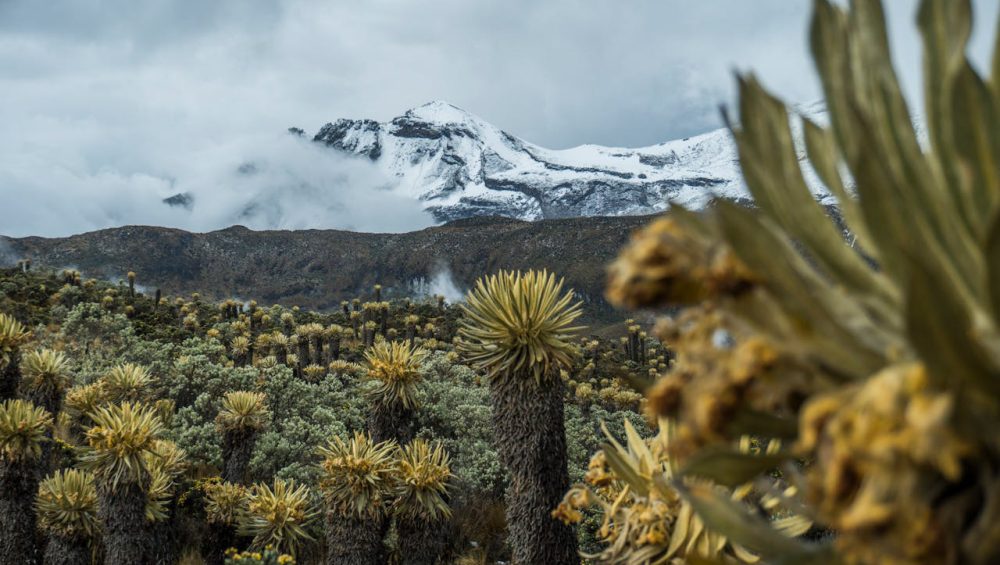
One of the biggest highlights of the Machame Route is its scenery. Climbers experience a wide range of environments, starting from dense rainforest, moving through moorland, and eventually reaching alpine desert and glacier zones near the summit. This variety makes the journey more interesting and enjoyable, especially for first-time climbers who want to experience different landscapes during their adventure.
Marangu Route (Easier but Riskier)
The Marangu Route is often considered the most straightforward route on Mount Kilimanjaro. It is popular among beginners who prefer a more comfortable experience because it offers hut accommodation instead of tents. However, despite its comfort, it has both advantages and disadvantages that climbers should understand before choosing it.
Comfort (huts)
One of the main advantages of the Marangu Route is its hut accommodation. Climbers sleep in shared wooden huts that provide basic shelter, beds, and protection from rain and cold. This makes the experience more comfortable compared to camping routes. It is especially appealing to beginners who are not used to outdoor camping conditions and prefer a more structured sleeping environment.
Shorter duration
The Marangu Route usually takes 5 to 6 days, making it one of the shortest routes on Kilimanjaro. This shorter duration can be attractive for travelers with limited time. However, it also means that the body has less time to adjust to increasing altitude levels. The faster pace of ascent can make the climb more physically demanding in terms of acclimatization, even if the walking itself feels easier.
Lower success rate
Because of the shorter itinerary, the Marangu Route generally has a lower success rate compared to longer routes like Machame or Lemosho. The limited time for acclimatization increases the risk of altitude sickness, especially for beginners. Many climbers find it more challenging to adapt quickly to high altitude conditions, which can affect their ability to reach the summit successfully.
Overall, while the Marangu Route offers comfort and simplicity, the Machame Route is often considered the better choice for beginners due to its higher success rate, better acclimatization, and more rewarding trekking experience.
Machame vs Marangu for Beginners
What is the difference between Machame and Marangu for beginners, and which one is better? The answer depends on what you value more success rate and scenery, or comfort and simplicity. Both routes can be completed by beginners, but they offer very different climbing experiences on Mount Kilimanjaro.
Difficulty Comparison
When comparing difficulty, Machame is generally more physically demanding than Marangu. The Machame Route involves longer walking days, steeper sections, and a more gradual ascent that requires steady endurance. It is not technical, but it does require good fitness and patience. Marangu, on the other hand, follows a more direct and straightforward path. The walking terrain is slightly easier, but the faster ascent can make it more challenging for the body to adjust to altitude. In simple terms, Machame feels harder on the legs, while Marangu can feel harder on altitude adaptation.
Success Rate Comparison
Success rate is one of the most important differences between the two routes. Machame has a higher success rate because it allows more days for acclimatization. This gives the body time to adjust slowly to thinner air, reducing the risk of altitude sickness. Marangu has a lower success rate for many climbers because it is shorter, meaning less time for the body to adapt. Even though it may feel easier in terms of walking, the faster schedule can make reaching the summit more difficult for beginners.
Comfort and Experience
In terms of comfort, Marangu is the more convenient option because it offers hut accommodation instead of tents. This makes sleeping more comfortable, especially in cold or rainy conditions. Machame uses camping, which is less comfortable but gives a more adventurous and immersive experience in nature. When it comes to overall experience, Machame is more scenic and varied, while Marangu is simpler and more structured.
Overall, Machame is better for success and adventure, while Marangu is better for comfort and simplicity.
Essential Tips for First-Time Climbers
What are the most important tips for beginners climbing Mount Kilimanjaro? The answer is that success on the mountain depends more on smart habits than speed or strength. Since Kilimanjaro is a high-altitude trek, beginners should focus on pacing, hydration, preparation, and choosing the right route to increase their chances of reaching the summit safely.
Go slowly (pole pole)
One of the most important rules on Kilimanjaro is “pole pole,” which means “slowly, slowly” in Swahili. Walking slowly helps your body adjust to the decreasing oxygen levels as you climb higher. Many beginners fail because they walk too fast at the beginning and become exhausted later. A slow and steady pace conserves energy and reduces the risk of altitude sickness, which is the main challenge on the mountain.
Choose longer route
Choosing a longer route is one of the smartest decisions for beginners. Routes that take more days, such as 7 to 8 days, give your body enough time to adapt to altitude changes. This gradual ascent improves your comfort and significantly increases your chances of reaching Uhuru Peak. Shorter routes may seem easier, but they often reduce the time needed for proper acclimatization.
Stay hydrated
Staying hydrated is very important during the climb. At high altitude, your body loses water faster, even if you do not feel thirsty. Drinking water regularly helps reduce headaches, fatigue, and symptoms of altitude sickness. Beginners should aim to drink small amounts frequently throughout the day instead of waiting until they feel thirsty.
Train before climb
Physical preparation before the trip also makes a big difference. Beginners should do simple training such as walking, hiking, jogging, or stair climbing to build stamina and leg strength. You do not need to be extremely fit, but being prepared helps your body handle long trekking days more comfortably.
Overall, following these simple tips walking slowly, choosing a longer route, staying hydrated, and training in advance greatly improves your chances of successfully climbing Mount Kilimanjaro.
FAQ
Which climbing path is best for first-time climbers?
The best Kilimanjaro route for beginners is usually the Lemosho Route or Machame Route because both offer longer trekking days and better altitude acclimatization. These routes give your body more time to adjust to high elevation, which greatly increases the chance of reaching the summit safely. Lemosho is often considered the best overall because it is longer, less crowded, and has a very high success rate. Machame is also a strong option because it is popular, scenic, and provides good acclimatization through its gradual ascent.
Is Kilimanjaro difficult for first-time climbers?
Kilimanjaro is not a technical mountain, so you do not need climbing skills or ropes to reach the summit. However, it is still challenging for first-time climbers because of the high altitude. As you go higher, oxygen levels drop, and your body needs time to adjust. Most beginners succeed when they walk slowly, stay hydrated, choose a longer route, and follow guide instructions carefully. With proper preparation, even first-time climbers can reach Uhuru Peak.
How many days are needed for a successful summit attempt?
Beginners should choose a route that takes at least 6 to 8 days. Longer climbs are better because they allow gradual acclimatization to altitude changes. Shorter routes may seem faster, but they reduce the time your body has to adjust, which can increase the risk of altitude sickness. Extra days on the mountain significantly improve comfort and summit success rates.
Which option offers the highest summit success?
The Lemosho Route has one of the highest success rates for beginners because it follows a slow and steady ascent. This gives climbers enough time to adapt to altitude and reduces the risk of fatigue or sickness. The Machame Route also has a good success rate, but Lemosho is generally considered safer and more beginner-friendly due to its longer itinerary and lower crowd levels.
Is the Marangu Route suitable for first-time climbers?
Yes, beginners can choose the Marangu Route because it is easier in terms of walking and offers hut accommodation instead of tents. However, it is shorter, usually 5 to 6 days, which means less time for acclimatization. This can make it harder for some climbers to adjust to altitude, resulting in a lower success rate compared to longer routes like Machame or Lemosho.
Do I need experience to climb Kilimanjaro?
No, you do not need any mountaineering experience to climb Kilimanjaro. It is a trekking mountain, not a technical climb, so no ropes or special climbing skills are required. However, beginners should still prepare physically by walking, hiking, or doing cardio exercises before the trip. Good fitness, mental preparation, and following guide instructions are very important for a successful summit attempt.
Conclusion
What is the best Kilimanjaro route for beginners? The answer depends on safety, acclimatization, and overall success rate, but in most cases, longer routes such as Lemosho and Machame are the best choices. These routes give your body more time to adjust to high altitude, which is the most important factor when climbing Mount Kilimanjaro.
For beginners, Lemosho is often considered the best overall option because it is longer, less crowded, and has a very high success rate. Machame is also a great choice because it offers a good balance of adventure, scenery, and acclimatization. The Marangu Route can still be an option for those who prefer comfort and hut accommodation, but its shorter duration can make altitude adjustment more difficult.
In the end, there is no single “perfect” route for everyone. The best choice depends on your fitness level, budget, available time, and personal comfort. However, beginners should always prioritize routes that allow gradual climbing and enough time for the body to adapt.
With proper preparation, a positive mindset, and the right route, even first-time climbers can successfully reach the summit of Mount Kilimanjaro and enjoy one of the greatest trekking experiences in the world.