Guide to a Successful Mountain Climb Experience
Climbing Kilimanjaro successfully requires choosing a 7 to 8 day route like Lemosho or Machame for better acclimatization, training your body with cardio exercises, and preparing for high-altitude trekking conditions. Success depends on pacing slowly, staying hydrated, and following your guide’s instructions.
The main routes vary in difficulty, scenery, and duration, but longer routes generally increase summit success rates. Costs typically include park fees, guides, porters, food, and accommodation, making Kilimanjaro a fully supported expedition rather than a simple hike.
The mountain is located in northern Tanzania and rises dramatically above the surrounding plains, making it visible from far distances. It stands at 5,895 meters above sea level, making it the highest mountain in Africa and one of the famous “Seven Summits” of the world. People from different countries travel here not only to reach the top but also to experience the beauty of its changing environments and the sense of achievement that comes with standing on Uhuru Peak. For many adventurers, climbing Kilimanjaro is not just a physical challenge but also a personal goal that represents endurance, discipline, and courage.
What is Mount Kilimanjaro?
Mount Kilimanjaro is the highest mountain in Africa and the world’s tallest free-standing mountain, rising 5,895 meters (19,341 feet) above sea level in Tanzania. It is a massive dormant stratovolcano made up of three volcanic cones Kibo, Mawenzi, and Shira and is known for its shrinking glaciers and unique natural environment.
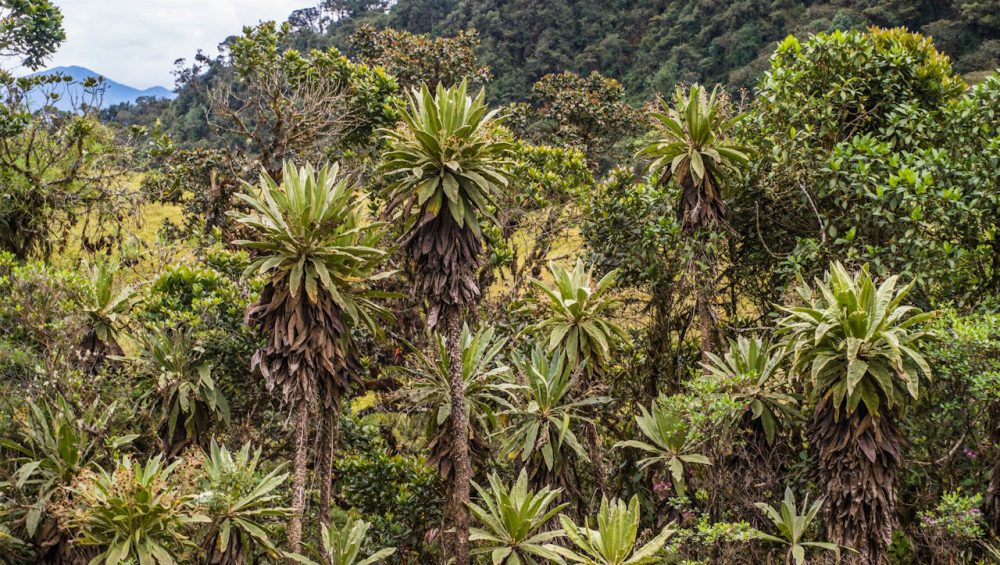
The mountain features five distinct ecological zones, ranging from tropical rainforest at the base to arctic conditions at the summit. These changing environments make Kilimanjaro one of the most diverse and visually striking mountains in the world, attracting trekkers and nature lovers from across the globe.
Mount Kilimanjaro is located in northern Tanzania, near the border with Kenya, within the protected Kilimanjaro National Park. The nearest major gateway city for climbers is Arusha, which connects travelers to both safari parks and mountain expeditions. One of the most unique features of Kilimanjaro is its location near the equator, which creates multiple climate zones on a single mountain. As climbers ascend, they pass through tropical rainforest, moorland, alpine desert, and finally reach the icy summit zone. This dramatic environmental change makes the climb feel like traveling through several different ecosystems in one journey.
Mount Kilimanjaro is famous because it is one of the few high mountains in the world that can be climbed without technical mountaineering experience. It is also part of the Seven Summits, the highest peaks on each continent. Its stunning scenery, diverse landscapes, and the sense of achievement at Uhuru Peak make it one of the most sought-after trekking experiences globally.
Machame Route
The Machame Route is one of the most popular routes on Mount Kilimanjaro and is often called the “Whiskey Route” because it is more challenging than easier options. It is known for its beautiful scenery and high success rate, making it a favorite among adventurous trekkers. The route usually takes 6 to 7 days, which allows good acclimatization time. Climbers experience diverse landscapes including rainforest, moorland, and alpine desert. Although it is more physically demanding due to steep sections, it is considered one of the best routes for scenic beauty and overall experience.
Lemosho Route
The Lemosho Route is widely considered one of the most beautiful and best-balanced routes on Kilimanjaro. It starts from the western side of the mountain and offers a quieter, more remote experience in the early days of the climb. This route usually takes 7 to 8 days, giving climbers more time to adapt to altitude changes. Because of this gradual ascent, it has one of the highest summit success rates. It is often recommended for beginners who want a safer, less crowded, and more scenic climbing experience.
Marangu Route
The Marangu Route is the oldest and most established route on Kilimanjaro and is often called the “Coca-Cola Route.” It is the only route that offers hut accommodation instead of camping, which makes it more comfortable for some trekkers. However, it is also the shortest route, usually taking 5 to 6 days, which means less time for acclimatization. Because of this, it has a lower summit success rate compared to longer routes. It is easier in terms of trail conditions but more challenging in terms of altitude adaptation, especially for beginners.
Rongai Route
The Rongai Route approaches Kilimanjaro from the northern side near the Kenyan border. It is the quietest route with fewer climbers, making it ideal for those who want a more peaceful experience. The terrain is drier and less crowded, and the climb is more gradual, which makes it physically easier for many trekkers. It usually takes 6 to 7 days and is a good option during rainy seasons because it receives less rainfall. Although the scenery is less dramatic in the early stages, it offers a unique and calm climbing experience.
Route is Best for Beginners?
For first-time trekkers, the best routes are usually the Lemosho Route and Machame Route. Lemosho is highly recommended because it offers a longer acclimatization period, beautiful scenery, and a high success rate. Machame is also a great option for those who want a more adventurous and slightly more challenging experience with equally stunning views. The Marangu Route is comfortable but less ideal for beginners due to its shorter duration, while Rongai is good for those seeking a quieter and less crowded climb.
Overall, the best choice depends on your fitness level, time, and personal preference, but longer routes with gradual ascent always give the highest chance of reaching the summit successfully.
Cost of Climbing Mount Kilimanjaro
The cost of climbing Mount Kilimanjaro depends on the route, number of days, level of service, and tour operator you choose. On average, the total cost ranges from $1,500 to $4,000+ per person. This price may seem high at first, but it reflects the full expedition setup required to safely climb a high-altitude mountain. Unlike a normal hike, Kilimanjaro requires a complete support team, park regulations, food supply, and safety management, all of which are included in the overall cost.
Understanding the cost breakdown is important for first-time trekkers because it helps you avoid unsafe cheap offers and choose a reliable operator that prioritizes safety and success.
Budget Range ($1,500 – $4,000+)
The price of a Kilimanjaro climb usually falls into three main categories: budget, mid-range, and luxury.
Budget climbs typically start around $1,500 to $2,000. These are group tours with basic camping services and standard equipment. Mid-range climbs often range from $2,000 to $3,000 and include better equipment, more experienced guides, and improved services. Luxury climbs can go above $4,000 and offer private guides, upgraded tents, better meals, and more personalized attention.
While cheaper options exist, it is important to choose carefully because extremely low prices often reduce safety standards or proper support on the mountain.
Park Fees
Park fees are one of the largest and most important parts of the total cost. These fees are paid directly to Kilimanjaro National Park and are mandatory for all climbers.
They include entry fees, camping or hut fees, rescue fees, and conservation charges. These payments help maintain the park, protect the environment, and support emergency rescue services when needed. Since Kilimanjaro is a protected national park, these fees cannot be avoided or reduced, and they ensure that the mountain remains safe and well-managed for all visitors.
Guides and Porters
A professional mountain crew is essential for every Kilimanjaro climb. This includes experienced guides, assistant guides, cooks, and porters. Guides are responsible for navigation, safety, and monitoring your health, especially at high altitude. Porters carry camping equipment, food, and supplies, allowing climbers to focus on walking.
This team system is one of the reasons Kilimanjaro climbs are successful and safe. Their wages, insurance, and support costs are included in the total package price. Without this team, climbing Kilimanjaro would not be possible for most trekkers.
Food and Logistics
Food and logistics are also a key part of the climbing cost. During the trek, climbers are provided with three meals a day, including breakfast, lunch, and dinner. Meals are designed to provide enough energy for long trekking days at high altitude.
In addition, logistics include transportation to and from the mountain, camping equipment, cooking supplies, and daily mountain operations. Everything must be carried up the mountain by porters and managed by the crew. This level of organization ensures climbers remain safe, well-fed, and properly supported throughout the journey.
Tips for a Successful Kilimanjaro Climb
Successfully climbing Mount Kilimanjaro is not only about fitness or experience it is about smart preparation, patience, and following proven trekking strategies. Many first-time trekkers underestimate the mountain and focus only on physical strength, but in reality, success depends on how well you manage altitude, energy, and pacing throughout the journey. The following tips are essential for increasing your chances of reaching the summit safely and comfortably.
Go Slowly (“Pole Pole”)
One of the most important rules on Kilimanjaro is “pole pole,” a Swahili phrase meaning slowly, slowly. This is the golden rule for altitude climbing. Walking too fast increases fatigue and raises the risk of altitude sickness. The body needs time to adjust to decreasing oxygen levels as you go higher.
Even if the trail feels easy, experienced guides always recommend maintaining a slow and steady pace. Successful climbers are not the fastest they are the most patient. Taking small steps, breathing steadily, and resting when needed helps the body adapt gradually and improves your chances of reaching the summit.
Drink Enough Water
Hydration is extremely important during the climb. At high altitude, your body loses water faster due to dry air and physical effort. Drinking enough water helps prevent dehydration, reduces fatigue, and supports your body in adjusting to altitude changes.
Climbers are usually advised to drink at least 3 to 4 liters of water per day. Even if you do not feel thirsty, you should continue drinking regularly. Proper hydration also helps reduce symptoms like headaches, dizziness, and tiredness, which are common at higher elevations.
Train Before Climbing
Physical preparation before your climb greatly improves your performance on the mountain. While Kilimanjaro does not require technical climbing skills, it does require strong endurance for long walking days and steep terrain.
Good training includes hiking, running, cycling, stair climbing, and long walks with a backpack. The goal is to build stamina rather than speed. Strong leg muscles and cardiovascular fitness make it easier to handle daily trekking for several hours. Training also helps reduce fatigue and improves confidence during the climb.
Choose a Longer Route
Choosing a longer route is one of the smartest decisions for first-time trekkers. Longer routes, such as 7 to 8 days, give your body more time to adjust to altitude. This process is called acclimatization and is one of the key factors for summit success.
Shorter routes may seem easier or cheaper, but they increase the risk of altitude sickness because your body does not have enough time to adapt. Longer routes provide a gradual ascent, which significantly improves your chances of reaching the summit safely and comfortably.
Follow Guide Instructions
Professional mountain guides are essential for a safe and successful climb. They understand weather conditions, altitude effects, and trail safety better than anyone. Following their instructions is very important throughout the journey.
Guides monitor your health daily and can identify early signs of altitude sickness. They also control the pace of the group to ensure safe climbing speed. Listening to your guide, trusting their experience, and communicating any discomfort immediately can make a major difference in your success on the mountain.
How to Prepare for the Climb
Preparing properly for climbing Mount Kilimanjaro is one of the most important steps for a successful summit. Many first-time trekkers focus only on booking the trip, but real success depends on how well you prepare your body, mind, equipment, and understanding of altitude. Good preparation increases your chances of reaching the summit safely and enjoying the journey instead of struggling on the mountain.
Physical Training
Physical training is essential before attempting Kilimanjaro. Although the climb does not require technical skills, it involves long trekking days that can last several hours, often uphill and at high altitude. To prepare your body, focus on building endurance rather than speed.
Activities such as hiking, jogging, cycling, swimming, and stair climbing are highly recommended. Walking long distances with a backpack helps simulate real mountain conditions. Strong leg muscles, good stamina, and cardiovascular fitness make the climb much easier and reduce fatigue during long trekking days. Ideally, training should start at least 6 to 8 weeks before your trip.
Mental Preparation
Mental preparation is just as important as physical fitness. Kilimanjaro is a slow and challenging climb, and many trekkers struggle not because of strength, but because of mindset. You need patience, determination, and a positive attitude throughout the journey.
There will be moments of cold weather, tiredness, and slow progress. Understanding that this is normal helps you stay focused. Successful climbers accept discomfort as part of the process and keep moving forward step by step. Staying mentally strong is often the key difference between reaching the summit or turning back early.
Packing Gear
Proper packing is critical for safety and comfort on the mountain. Kilimanjaro has multiple climate zones, so you must be prepared for warm, cold, and freezing conditions. Essential items include warm layered clothing, waterproof jackets, hiking boots, gloves, hats, sunglasses, and a sleeping bag suitable for low temperatures.
You will also need a daypack for carrying essentials like water, snacks, and extra clothing during daily hikes. Trekking poles are highly recommended to reduce pressure on your knees, especially during steep sections. Packing the right gear ensures you stay warm, dry, and comfortable throughout the climb.
Acclimatization Importance
Acclimatization is one of the most important factors for a successful climb. As you ascend higher on Mount Kilimanjaro, oxygen levels decrease, and your body needs time to adjust. Without proper acclimatization, you risk altitude sickness, which can affect your ability to continue the climb.
Choosing longer routes helps your body adapt gradually to altitude changes. Climbing slowly, staying hydrated, and resting properly also improve acclimatization. Many successful climbers follow the “climb high, sleep low” strategy, which helps the body produce more red blood cells and adjust to lower oxygen levels. Good acclimatization is often the key factor that determines whether a climber reaches the summit or not.
Frequently Asked Questions (FAQ)
Here are some of the most common questions people ask before climbing Mount Kilimanjaro. These answers will help first-time trekkers understand what to expect and how to prepare properly.
Do I need experience for Kilimanjaro?
No, you do not need technical climbing experience to climb Mount Kilimanjaro. It is a trekking mountain, which means you will be walking on established trails rather than using ropes or climbing equipment. However, good physical fitness, proper preparation, and a strong mindset are important for success.
How many days does it take to climb Kilimanjaro?
Most climbs take between 5 to 9 days, depending on the route you choose. Longer routes such as Lemosho or Machame are recommended because they allow better acclimatization and increase your chances of reaching the summit successfully.
Best time for Kilimanjaro trekking?
The best time to climb is during the dry seasons, which are January to March and June to October. These months offer clearer skies, better trail conditions, and more comfortable weather for trekking.
How much does it cost to climb Kilimanjaro?
The cost usually ranges from $1,500 to $4,000+ per person, depending on the route, number of days, and level of service. This includes park fees, guides, porters, food, and accommodation during the climb.
Is climbing Kilimanjaro difficult?
Climbing Kilimanjaro is physically challenging but not technically difficult. The main challenge is the high altitude, which can affect breathing and energy levels. With proper pacing, hydration, and acclimatization, many first-time trekkers successfully reach the summit.
What should I pack for the climb?
You should pack layered clothing, a warm jacket, waterproof gear, hiking boots, gloves, a hat, sunglasses, and a sleeping bag. These items are important because the temperature changes significantly as you climb higher.
Can beginners successfully reach the summit?
Yes, beginners can successfully reach the summit if they prepare well. Choosing a longer route, going slowly, staying hydrated, and following your guide’s instructions are key factors that increase your chances of success.
Do I need a guide to climb Kilimanjaro?
Yes, it is mandatory to climb Mount Kilimanjaro with a licensed guide. Independent climbing is not allowed because the mountain is located inside a national park and requires proper safety and management.
Final Thoughts
Climbing Mount Kilimanjaro is one of the most rewarding adventures you can experience, especially for first-time trekkers looking to challenge themselves and achieve something truly meaningful. While the journey is not technically difficult, it requires proper preparation, patience, and the right approach to altitude and endurance. Success on the mountain is not about being the fastest or the strongest it is about consistency, smart planning, and determination.
Throughout this guide, you have learned everything needed to plan a successful climb, from understanding the best routes and choosing the right one for your level, to knowing the cost and what it includes. You have also seen how important it is to prepare physically and mentally, stay hydrated, go slowly, and allow your body to acclimatize properly. These factors are what separate a successful summit from an unsuccessful attempt.
For beginners, one of the biggest mistakes is underestimating the importance of choosing the right route and taking enough days on the mountain. Longer routes with better acclimatization significantly increase your chances of reaching the summit. At the same time, having a professional and experienced support team ensures your safety and comfort throughout the journey.
Reaching Uhuru Peak, the highest point on Mount Kilimanjaro, is more than just standing on top of a mountain it is a moment of achievement that reflects discipline, resilience, and personal growth. The journey itself, from the rainforest to the summit, is filled with unforgettable views and experiences that make every step worthwhile.