Kilimanjaro Packing list : A Beginners Guide
Introduction
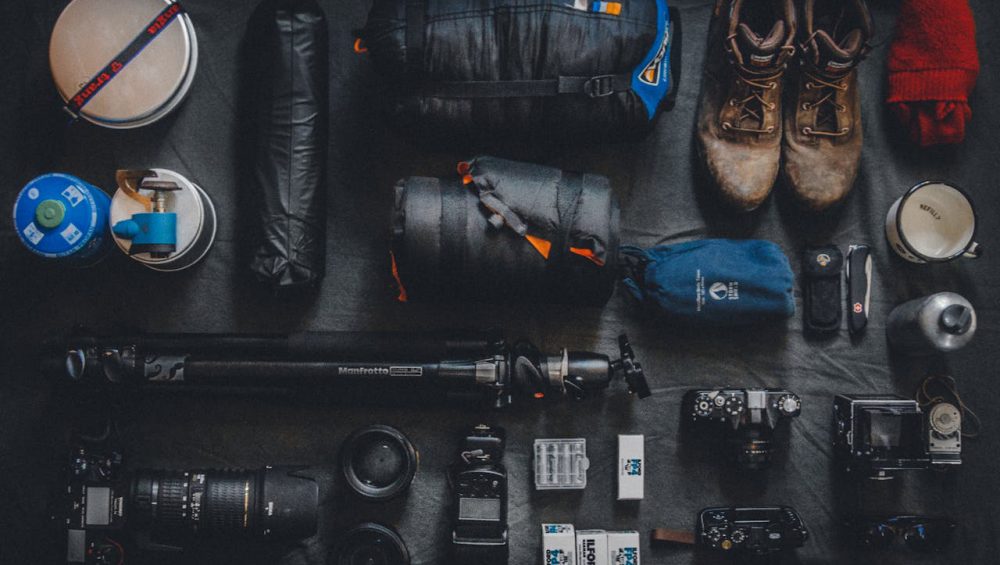
What should first-time climbers pack for Mount Kilimanjaro, and why is it so important to prepare the right gear? The answer is simple: packing correctly can make the difference between a successful, comfortable climb and a very difficult experience on the mountain.
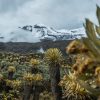
Mount Kilimanjaro has extremely changing weather conditions. As you start your journey, you will walk through warm and humid rainforest areas at the base of the mountain. In this section, light clothing may feel comfortable. However, as you continue climbing higher, the environment changes dramatically. You move through colder moorlands, then dry alpine desert, and finally reach the summit zone, where temperatures can drop below freezing. This means your body must be ready for both hot and extremely cold conditions within the same trek.
Because of these rapid weather changes, many first-time climbers make the mistake of either overpacking or forgetting essential items. Carrying the wrong gear can lead to discomfort, fatigue, or even safety risks during the climb. That is why having a clear and well-planned packing list is very important before starting your Kilimanjaro adventure.
This guide is designed to help beginners understand exactly what to pack for a successful climb. It explains the essential clothing, equipment, and personal items needed for different stages of the mountain. By following this packing list, you will be better prepared for the journey, stay more comfortable in changing conditions, and improve your chances of reaching the summit safely and confidently.
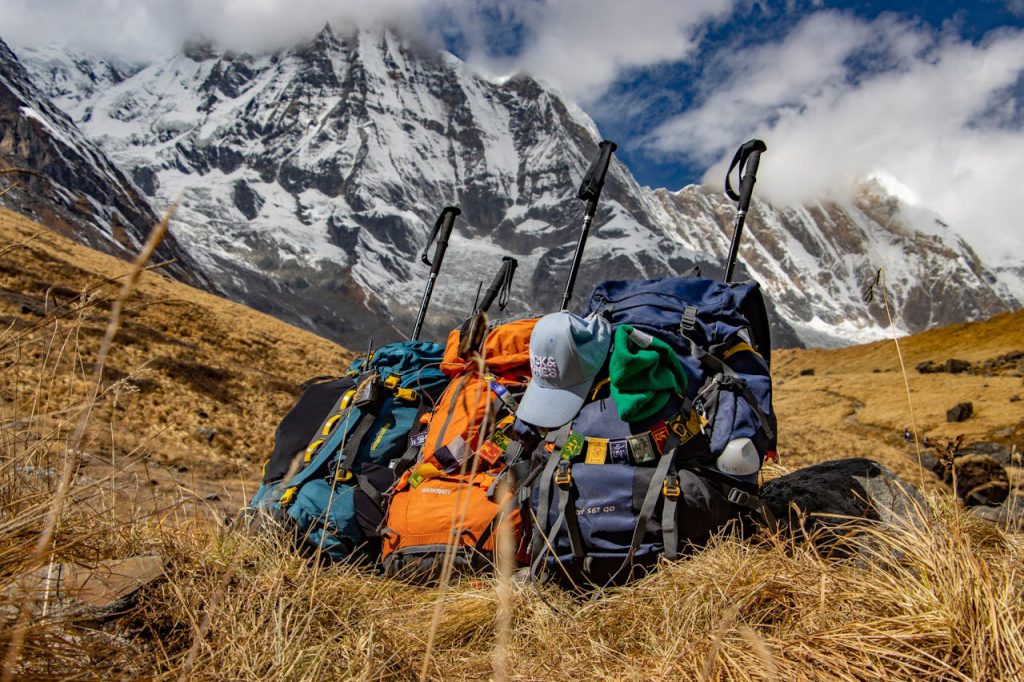
Why Packing Correctly Matters on Kilimanjaro
Packing correctly for Mount Kilimanjaro is very important because it directly affects your safety, comfort, and success on the mountain. The answer is simple: if you bring the right gear, your climb becomes easier, safer, and more enjoyable, but if you pack poorly, the journey can become uncomfortable and even risky, especially at high altitude where conditions are harsh and unpredictable.
Safety and Comfort
The main reason proper packing matters is safety and comfort. Kilimanjaro is not a single-weather mountain it changes as you climb. You may start in warm rainforest conditions and end in freezing temperatures near the summit. Without the right clothing and equipment, you can easily feel too cold, too hot, or exhausted. Good packing ensures you stay warm at night, dry during rain, and comfortable while walking long distances. Items like layered clothing, strong hiking boots, and a headlamp help you move safely and confidently on different terrains. When you are comfortable, your energy is saved for the long trek instead of struggling with bad gear.
Protection from Cold and Altitude
Another important reason is protection from extreme cold and high altitude conditions. As you climb higher, the air becomes thinner and temperatures drop significantly. At the summit, it can be freezing even during the day. Proper warm clothing, gloves, hats, and insulated layers protect your body from cold-related problems like hypothermia. At the same time, good hydration tools and suitable gear help your body adjust better to altitude, reducing the risk of altitude sickness. Packing the right equipment gives your body the support it needs to perform in these challenging conditions.
Avoid Overpacking or Missing Essentials
Packing correctly also helps you avoid two common mistakes: overpacking and missing important items. Overpacking makes your backpack heavy and slows you down, increasing fatigue during long hikes. On the other hand, forgetting essentials like water bottles, warm layers, or a headlamp can create serious problems on the mountain, especially during summit night when conditions are most difficult. A well-planned packing list ensures you carry only what is necessary, keeping your load light and efficient.
Hiking Efficiency and Confidence
Good packing also improves your overall hiking experience. When everything you need is organized and ready, you can focus more on the climb instead of worrying about missing items. This builds confidence, reduces stress, and helps you enjoy the journey from the rainforest to the summit.
Overall, packing correctly is not just about preparation it is a key part of your success on Mount Kilimanjaro.
Clothing You Need for Kilimanjaro
What clothing do you need for Mount Kilimanjaro, and why is it important? The answer is that you need a layered clothing system that can handle very different temperatures as you climb. Kilimanjaro does not have one stable climate. You will move from warm rainforest at the base to freezing conditions near the summit. Because of this, wearing the right clothing in layers is the best way to stay warm, dry, and comfortable throughout the journey.
Base Layers (Thermal wear)
Base layers are the clothing you wear closest to your skin. Their main job is to keep your body warm and manage sweat. During long walking days, your body produces heat and sweat, and without proper base layers, you can quickly feel cold once you stop moving. Thermal shirts and leggings made from materials like merino wool or synthetic fabric are ideal because they dry quickly and keep heat trapped close to your body. Cotton should be avoided because it stays wet and makes you cold. For beginners, having at least two sets of base layers is recommended so you can change when needed.
Mid Layers (Fleece or warm jackets)
The mid layer is where most of your warmth comes from. This layer traps body heat and protects you from the cold air as you gain altitude. A fleece jacket or lightweight insulated jacket is commonly used. As you climb higher, temperatures drop, especially in the evening and at night. The mid layer helps you stay warm without adding too much weight to your backpack. Many climbers also carry an extra warm jacket for summit night when temperatures can become extremely low.
Outer Layers (Waterproof jacket & pants)
The outer layer is your protection against wind, rain, and snow. Kilimanjaro weather can change quickly, and you may experience rain in the lower zones or strong winds at higher altitudes. A waterproof and windproof jacket and pants are essential to keep you dry and protect your inner layers. This layer acts as a shield, allowing you to stay comfortable even in harsh weather conditions. Good quality outerwear also prevents heat loss, which is very important when climbing at night or in cold environments.
Overall, using a proper three-layer clothing system ensures that you stay warm, dry, and adaptable throughout your Kilimanjaro climb.
Backpack and Daypack Essentials
What kind of bags do you need for Mount Kilimanjaro, and why are they important? The answer is that you need two different types of bags: a main backpack (duffel bag) and a daypack. Each one has a specific role during the climb. The main backpack is carried by porters, while the daypack is carried by you. Using the right setup helps you stay organized, reduce weight on your shoulders, and carry everything needed for a safe and comfortable trek.
Main Backpack (Carried by Porters)
The main backpack, often a duffel bag, is where you store most of your gear for the entire climb. This bag is carried by the porters from camp to camp, so you do not have to carry its full weight during the hike. It should be strong, waterproof, and durable, because it will go through different weather conditions and rough handling on the mountain.
In this bag, you pack items such as extra clothing, sleeping gear, toiletries, and anything you do not need during the day. Since porters carry it, you should organize your items in waterproof bags inside the main backpack to protect them from rain or dust. It is also important to keep the weight within the limit set by your tour operator, usually around 15–20 kg, to ensure safe and fair porter support.
Daypack (You Carry Daily Essentials)
The daypack is the small backpack you carry every day during hiking. This bag is very important because it holds everything you need while walking on the trail. Unlike the main bag, you will have access to the daypack throughout the day, so it must be light, comfortable, and easy to carry.
Inside your daypack, you should carry essential items such as water bottles or hydration systems, snacks, a rain jacket, sunscreen, sunglasses, a camera or phone, and any personal medication. These items help you stay hydrated, protected, and energized during long trekking hours.
A good daypack should have padded shoulder straps and a waist belt to reduce pressure on your back. It should also be large enough to carry essentials but not too heavy, usually around 15 to 25 liters in size.
Overall, having the right backpack system helps you stay organized and comfortable throughout the climb. The main backpack supports your heavy gear, while the daypack keeps your daily essentials within easy reach, making your Kilimanjaro journey smoother and more efficient.
Hydration and Health Items
What hydration and health items do you need for Mount Kilimanjaro, and why are they so important? The answer is that you need proper water storage and basic medical supplies because your body is under more stress at high altitude. On Kilimanjaro, you walk for several hours each day in changing weather conditions, and your body loses water faster than normal. At the same time, altitude can affect how you feel physically, so staying hydrated and prepared for minor health issues is essential for a safe and successful climb.
Water Bottles or Hydration System
Staying hydrated is one of the most important parts of climbing Kilimanjaro. At high altitude, your body uses more water, and dehydration can lead to tiredness, headaches, and increased risk of altitude sickness. That is why you must carry enough water every day and drink regularly, even if you do not feel thirsty.
You can use either water bottles or a hydration system (hydration bladder). Water bottles are simple and reliable, and they allow you to easily track how much water you are drinking. Most climbers carry two bottles so they have enough water between refill points. A hydration system is another option, where water is stored in a bladder inside your backpack with a tube for easy drinking while walking. This makes it easier to sip water regularly without stopping.
It is important to choose a system that is easy to use and does not leak. Drinking small amounts consistently throughout the day helps maintain energy and reduces altitude-related problems.
First Aid Kit and Medication
A basic first aid kit is also essential for Kilimanjaro. Even though guides carry group medical supplies, having your own kit ensures you can handle small health issues quickly. Common items include pain relievers, blister plasters, bandages, antiseptic wipes, and any personal medication you may need.
Blisters are very common due to long walking hours, so foot care items are especially important. You should also consider altitude medication if recommended by a doctor, as it can help your body adjust to higher elevations. In addition, items like rehydration salts can help restore energy if you feel weak or dehydrated.
Overall, proper hydration tools and a well-prepared first aid kit are key to staying healthy, strong, and comfortable during your Kilimanjaro climb.
Important Gear for Safety and Comfort
What important gear do you need for safety and comfort on Mount Kilimanjaro, and why is it necessary? The answer is that you need specific equipment that helps you stay safe, stable, and comfortable during long hiking days and extreme conditions. Kilimanjaro is not only about walking it also includes cold nights, steep paths, and summit trekking in darkness. Having the right gear makes the journey safer and much easier, especially for first-time climbers.
Headlamp (for summit night)
A headlamp is one of the most important safety items on Kilimanjaro. During summit night, climbers usually start walking very early in the morning, often around midnight or 1 a.m., when it is completely dark. A headlamp allows you to see the trail clearly while keeping your hands free for balance and trekking poles. This is very important because the path to the summit can be steep, rocky, and tiring. A good headlamp should be lightweight, bright, and have extra batteries, since cold temperatures can reduce battery life quickly.
Trekking Poles
Trekking poles are extremely helpful for balance and reducing strain on your legs. The Kilimanjaro trail includes long downhill sections that can put pressure on your knees, and uphill sections that require extra support. Trekking poles help distribute your weight and make walking more stable, especially on loose gravel or slippery paths. Many beginners find that poles reduce fatigue and help them maintain a steady pace, which is important for altitude adjustment.
Gloves, Hat, and Sunglasses
Gloves, hats, and sunglasses are essential for protecting your body from cold, sun, and wind. At higher altitudes, temperatures can drop below freezing, so warm gloves are needed to keep your hands comfortable and functional. A warm hat helps retain body heat, especially during cold nights and summit attempts. Sunglasses are equally important because the sun’s reflection on snow and bright landscapes can be very strong, causing eye strain or discomfort. UV-protected sunglasses help protect your eyes during the entire climb.
Overall, these essential gear items improve your safety, comfort, and performance on Mount Kilimanjaro. With proper equipment, beginners can handle changing conditions more confidently and focus on reaching the summit successfully.
Personal Items You Should Not Forget
What personal items should you bring for Mount Kilimanjaro, and why are they important? The answer is that small personal essentials help you stay clean, protected, and comfortable throughout the climb. Even though Kilimanjaro is a remote mountain, you still need basic hygiene and skin protection items because you will be hiking for several days in different weather conditions. These items may seem small, but they make a big difference in your overall comfort and health during the trek.
Toiletries
Basic toiletries are necessary for maintaining hygiene on the mountain. You should pack items such as a toothbrush, toothpaste, biodegradable soap, toilet paper, and hand sanitizer. Since camping conditions are basic, you need simple and compact products that are easy to use and carry. Keeping clean during the trek helps you feel more comfortable and reduces the risk of infections. Hand sanitizer is especially important because access to clean water is limited at certain points during the climb.
Sunscreen and Lip Balm
Sun protection is extremely important on Mount Kilimanjaro. At higher altitudes, the sun becomes stronger because there is less atmosphere to filter UV rays. This means you can get sunburned even when it feels cold. A high-SPF sunscreen protects your skin from damage during long hours of walking. Lip balm is also essential because cold wind and strong sun can quickly dry out your lips, causing cracks and discomfort. Using sunscreen and lip balm regularly helps protect your skin throughout the journey.
Wet Wipes and Towel
Wet wipes are very useful on Kilimanjaro because shower facilities are not available during the trek. They help you clean your face, hands, and body after long hiking days, making you feel fresh and comfortable. A small quick-dry towel is also important for drying yourself or cleaning up when needed. These items are lightweight but very effective for maintaining hygiene in a mountain environment.
Overall, personal items like toiletries, sun protection, and wet wipes help you stay clean, healthy, and comfortable. Even though they are simple, they play an important role in making your Kilimanjaro experience more enjoyable and manageable.
What NOT to Pack
What should you avoid packing for Mount Kilimanjaro, and why does it matter? The answer is that carrying the wrong items can make your climb much harder, slower, and more uncomfortable. Kilimanjaro is a trekking mountain, not a casual trip, so every extra kilogram adds pressure on your body and affects your energy. Packing smart is just as important as packing the right items.
Heavy Unnecessary Items
One of the biggest mistakes first-time climbers make is bringing heavy items they do not actually need. Things like extra gadgets, large books, unnecessary electronics, or too many luxury items only increase the weight of your bag. Since porters carry your main luggage within a strict weight limit, overpacking can also cause problems and extra stress. The key rule is simple: if an item is not essential for warmth, safety, or basic comfort, it is better to leave it behind.
Too Many Clothes
Another common mistake is packing too many clothes. Kilimanjaro requires a layered clothing system, not a large wardrobe. Many beginners think they need different outfits for each day, but this is unnecessary. You will repeat outfits during the climb, and that is completely normal. Bringing too many clothes makes your bag heavier and harder to manage. Instead, focus on a few high-quality, warm, and quick-drying layers that can be reused and adjusted depending on weather conditions.
Hard Suitcases (Not Suitable for Trekking)
Hard suitcases are not suitable for Kilimanjaro at all. The mountain requires soft, waterproof duffel bags because they are easier for porters to carry and fit better in storage areas. Hard suitcases are bulky, difficult to transport on rough terrain, and can easily get damaged. They are also inconvenient during transfers from vehicles to camps. A flexible, durable duffel bag is always the best choice for this type of adventure.
Overall, avoiding unnecessary weight, overpacking clothes, and using the wrong luggage type will make your Kilimanjaro experience smoother, safer, and more enjoyable. Packing light and smart is one of the most important steps toward a successful climb.
Frequently Asked Questions (FAQ)
What is the most important thing to pack for Kilimanjaro?
The most important items are warm layered clothing, good hiking boots, a waterproof jacket, and a headlamp. These items protect you from cold weather, rough terrain, and help you stay safe during night climbing on summit day.
How many clothes should I pack for Kilimanjaro?
You do not need many clothes. It is better to pack a small number of high-quality layers that you can reuse. Most climbers rotate 2 to 3 sets of base layers, a few warm mid-layers, and one outer waterproof set.
Can I wear sneakers or normal shoes on Kilimanjaro?
No, you should not use sneakers or normal shoes. You need strong, waterproof hiking boots that support your ankles and protect your feet on rocky and uneven paths. Proper boots also reduce the risk of injury and blisters.
Do I need a sleeping bag for Kilimanjaro?
Yes, a warm sleeping bag is very important, especially for cold nights at higher altitude. Most tour companies also recommend a sleeping bag rated for freezing temperatures.
Is it better to pack light or heavy for Kilimanjaro?
It is always better to pack light and smart. Heavy bags make the climb harder and increase fatigue. Only pack essential items like clothing layers, safety gear, and personal necessities.
What should I avoid packing for Kilimanjaro?
You should avoid heavy unnecessary items, too many clothes, and hard suitcases. These items make traveling and trekking more difficult and are not suitable for mountain conditions.
Do I need special gear for summit night?
Yes, summit night requires extra gear such as a headlamp, warm gloves, thick jacket, hat, and trekking poles because temperatures drop very low and you will be walking in the dark for several hours.
Conclusion
Climbing Mount Kilimanjaro may look challenging at first, but with the right preparation, it is absolutely achievable for beginners. The key to a successful climb is not only fitness, but also packing smart and choosing the right equipment for the changing mountain conditions. From warm layered clothing to strong hiking boots and essential safety gear, every item you bring plays an important role in your comfort and success.
Kilimanjaro is a mountain of many environments, starting from rainforest at the base and rising to freezing temperatures at the summit. Because of these extreme changes, having a clear and well-planned packing list helps you stay ready for every stage of the journey. It also reduces stress, prevents unnecessary weight, and ensures you do not forget important essentials.
For first-time climbers, the most important lesson is to keep things simple and practical. Do not overpack, focus on quality gear, and make sure everything you carry has a purpose. With good preparation and the right mindset, you can fully enjoy the experience and increase your chances of reaching Uhuru Peak successfully.
In the end, Kilimanjaro is not just about reaching the top it is about the journey, the preparation, and the achievement. With proper planning, beginners can turn this dream into reality and enjoy one of the most unforgettable adventures in Africa.