Mount Kilimanjaro Altitude Sickness: Symptoms, Prevention and Tips
Introduction
What is altitude sickness, and why do so many climbers talk about it when planning to climb Mount Kilimanjaro? The answer is that altitude sickness is a common condition that can affect people when they move quickly to high elevations where the air has less oxygen. On Mount Kilimanjaro, this becomes an important topic because the mountain rises to 5,895 meters above sea level, making it one of the highest free-standing mountains in the world.
Altitude sickness happens because your body needs time to adjust to lower oxygen levels as you climb higher. At lower altitudes, breathing feels normal because there is enough oxygen in the air. However, as you go higher on Kilimanjaro, the air becomes thinner, and your body must work harder to get the oxygen it needs. This change can cause symptoms like headache, tiredness, dizziness, or nausea, especially if you ascend too quickly without proper acclimatization.
Kilimanjaro is unique because climbers start in warm rainforest zones and move through different environments up to freezing conditions near the summit. This fast change in altitude makes the body adjustment even more challenging, especially for beginners who may not have experience with high-altitude trekking.
Understanding altitude sickness is very important for first-time climbers because it helps you prepare mentally and physically before the journey. Many people assume that fitness alone is enough, but in reality, altitude is the main challenge on Kilimanjaro. Knowing how your body reacts to height can help you make better decisions during the climb, such as walking slowly, drinking enough water, and choosing the right route.
In simple terms, altitude sickness is not something to fear, but something to understand. With the right knowledge and preparation, beginners can reduce the risks and enjoy a safer and more successful journey to the Roof of Africa.
What Is Altitude Sickness on Mount Kilimanjaro?
What exactly is altitude sickness on Mount Kilimanjaro? The answer is that it is a condition that can happen when your body struggles to adjust to the lower oxygen levels found at high elevations. As you climb higher on Kilimanjaro, your body receives less oxygen with every breath, and this change can affect how you feel physically and mentally.
Altitude sickness is not a disease, but a natural reaction of the body to fast changes in height. Many climbers experience it when they move too quickly from low altitude areas to higher camps without giving their body enough time to adapt. On Mount Kilimanjaro, this is especially important because climbers ascend from warm, lowland areas into very high, cold environments within a few days.
The main reason altitude sickness happens is the decrease in oxygen pressure as you go higher. Even though the air still contains oxygen, the amount your body can absorb becomes lower at higher altitudes. This means your lungs and blood must work harder to deliver oxygen to your brain and muscles. If your body does not adjust properly, you may start feeling symptoms such as headache, tiredness, or dizziness.
On Kilimanjaro, the altitude increases very quickly compared to normal hiking conditions. This rapid change is what makes altitude sickness more common for climbers, especially beginners who are not used to high elevations. That is why guides always recommend walking slowly and allowing the body enough time to adapt during the climb.
In simple terms, altitude sickness on Mount Kilimanjaro is your body’s response to less oxygen in the air. Understanding this helps climbers prepare better, move at the right pace, and increase their chances of reaching the summit safely.
Symptoms of Altitude Sickness
What are the symptoms of altitude sickness on Mount Kilimanjaro? The answer is that symptoms can appear in different stages, from mild signs that are common and manageable, to severe symptoms that require immediate attention. Recognizing these signs early is very important for a safe and successful climb because it helps climbers react before the condition becomes worse.
Altitude sickness affects people differently, but most climbers will notice changes as they go higher on Kilimanjaro. These symptoms usually happen because the body is getting less oxygen and is trying to adjust to the new environment. Understanding both mild and severe symptoms helps beginners stay alert and prepared during the trek.
Mild Symptoms
Mild symptoms are the first signs that your body is adjusting to high altitude. These symptoms are common and do not always mean you must stop climbing, but they should not be ignored.
- Headache is one of the most common early signs and may feel like a constant pressure in the head.
- Tiredness can appear even after a short walk, as your body uses more energy to get oxygen.
- Dizziness may occur when standing or walking slowly, especially at higher camps.
These mild symptoms often improve when climbers rest, drink enough water, and move at a slower pace.
Severe Symptoms
Severe symptoms are more serious and require immediate action. If they appear, climbers should not continue ascending.
- Vomiting can happen when the body is struggling to adjust to low oxygen levels.
- Difficulty breathing may feel like shortness of breath even when resting.
- Confusion can affect thinking clearly and may cause difficulty following instructions.
These symptoms are warning signs that the body is not coping well with altitude and should be taken very seriously. On Kilimanjaro, guides are trained to monitor these signs and take action to keep climbers safe.
In simple terms, knowing the symptoms of altitude sickness helps climbers react early, stay safe, and improve their chances of reaching the summit successfully.
How to Prevent Altitude Sickness on Kilimanjaro
How can you prevent altitude sickness on Mount Kilimanjaro? The answer is that you cannot fully remove the risk, but you can greatly reduce it by following the right climbing habits. Prevention is very important because it helps your body adjust slowly to high altitude and lowers the chances of getting sick during the trek. Most successful climbers reach the summit not because they are the fittest, but because they climb smartly and take care of their body along the way.
Climb Slowly (important)
One of the most effective ways to prevent altitude sickness is to climb slowly. On Kilimanjaro, guides often use the phrase “pole pole,” which means “slowly slowly.” Walking at a steady, slow pace allows your body to adjust to decreasing oxygen levels. Rushing increases the risk of fatigue and altitude symptoms, while a slow pace improves your chances of reaching the summit safely.
Stay Hydrated
Drinking enough water is very important during the climb. At high altitude, your body loses more water through breathing and sweating, even if you do not feel thirsty. Staying hydrated helps your body function properly and can reduce headaches and tiredness. Climbers are usually advised to drink small amounts of water regularly throughout the day.
Choose Longer Routes
Choosing a longer route is one of the best ways to prevent altitude sickness. Routes that take more days give your body extra time to adjust to higher elevations. This gradual ascent reduces stress on the body and increases your chances of a successful summit. Short routes may be cheaper, but they give less time for acclimatization.
Proper Acclimatization
Proper acclimatization means allowing your body enough time to adapt to altitude changes. This includes spending extra days on the mountain, sleeping at different elevations, and following the “climb high, sleep low” approach when possible. Good acclimatization is one of the key reasons experienced climbers reach the summit successfully.
In simple terms, preventing altitude sickness on Kilimanjaro is about patience, hydration, and choosing the right route. With these habits, climbers can greatly improve their safety and overall experience on the mountain.
Tips to Handle Altitude on the Mountain
How should you handle altitude while climbing Mount Kilimanjaro? The answer is that you need to support your body with good habits during the climb. Even if you feel strong at the beginning, altitude becomes more challenging as you go higher. The key is to stay calm, follow guidance, and take care of your energy every day on the mountain.
Listen to Your Guide
Your mountain guide is your most important support during the climb. Guides are trained to recognize early signs of altitude sickness and understand how the body reacts at different heights. Listening carefully to their instructions can help you stay safe and make the right decisions at the right time. If a guide tells you to slow down or rest, it is important to follow their advice immediately.
Rest When Needed
Rest is very important at high altitude. Your body uses more energy than usual, even when walking slowly. Taking short breaks during the hike and getting enough sleep at camp helps your body recover and adjust. Ignoring tiredness can increase the risk of altitude sickness, so it is better to rest early instead of pushing too hard.
Eat Enough Food
Eating well gives your body the energy it needs to cope with low oxygen levels. Even if you do not feel very hungry, it is important to eat all meals provided during the climb. Carbohydrates and warm meals help maintain energy and keep your body strong throughout the trek.
Don’t Rush to the Summit
One of the biggest mistakes climbers make is moving too fast on summit day. Rushing can quickly exhaust your body and make altitude symptoms worse. A slow and steady pace is the safest way to reach the top. Remember that reaching the summit is not a race, but a journey that requires patience.
In simple terms, handling altitude on Kilimanjaro is about listening, resting, eating well, and moving slowly. These simple habits can make a big difference in your safety and success on the mountain.
Is Altitude Sickness Dangerous?
Is altitude sickness on Mount Kilimanjaro dangerous? The answer is that it can become serious if it is ignored, but it is usually manageable when climbers act early and follow proper guidance. In most cases, altitude sickness starts with mild symptoms, but if a person continues to climb without rest or treatment, it can develop into a more severe condition that affects breathing, balance, and clear thinking.
The main risk of altitude sickness is that it reduces the body’s ability to function normally at high elevation. When oxygen levels are too low for the body to adapt, symptoms can get worse quickly. This is why climbers are always advised not to ignore early warning signs such as headache, dizziness, or unusual tiredness. Acting early is the safest way to prevent the condition from becoming dangerous.
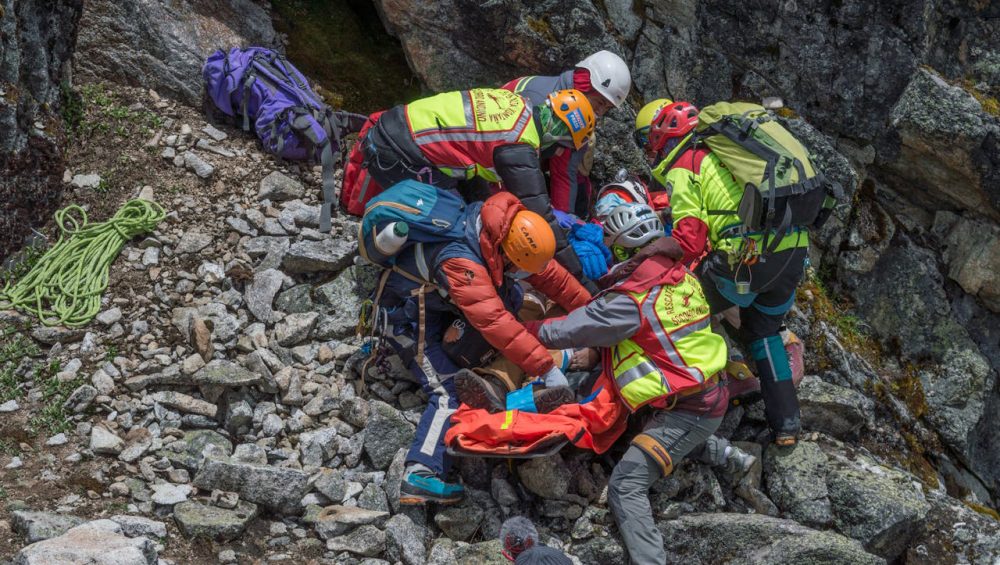
On Mount Kilimanjaro, guides play a very important role in keeping climbers safe. Professional guides are trained to monitor each climber’s health throughout the journey. They regularly check how you are feeling, how you are walking, and whether you show any signs of altitude problems. If needed, they can make decisions such as slowing the pace, giving extra rest, or stopping the climb to protect your health.
Early signs of altitude sickness are extremely important because they are your body’s warning system. Recognizing these signs early allows climbers to take action before the situation becomes worse. Simple steps like resting, drinking water, or descending slightly can make a big difference in recovery.
In simple terms, altitude sickness can be dangerous if ignored, but it is usually safe when managed properly. With the help of experienced guides and careful attention to early symptoms, climbers can reduce the risks and continue their journey safely toward the summit of Kilimanjaro.
FAQ Section
Who gets altitude sickness?
Altitude sickness can affect anyone, even very fit people. It does not depend only on age or fitness level. What matters most is how your body adjusts to lower oxygen as you climb higher on Mount Kilimanjaro. Some people feel symptoms quickly, while others adjust more easily, but no one is completely immune.
Can beginners avoid altitude sickness?
Beginners cannot fully avoid altitude sickness, but they can greatly reduce the risk. The key is to climb slowly, stay hydrated, choose longer routes, and listen to your guide. Proper preparation and good pacing make a big difference in how your body reacts to altitude.
Which route is safest for altitude sickness?
Longer routes are generally safer because they give your body more time to adjust. Routes like Lemosho and Northern Circuit are considered best for acclimatization, while Machame (7 days) is also a good balance of safety and popularity.
How long does it take for the body to adjust to altitude?
Most climbers need a few days to start adjusting. This is why longer Kilimanjaro routes (6–8 days or more) are recommended. The slower the ascent, the better your body adapts to reduced oxygen levels.
When should you stop climbing?
You should stop climbing if symptoms become severe, such as strong headache, vomiting, confusion, or difficulty breathing. In such cases, guides usually recommend resting or descending immediately for safety.
Does fitness prevent altitude sickness?
Good fitness helps you climb easier, but it does not fully prevent altitude sickness. Even strong athletes can feel symptoms at high altitude because the main challenge is oxygen, not strength.
What is the best way to prepare before climbing Kilimanjaro?
The best preparation includes regular walking or hiking, cardio exercise, staying hydrated, and mentally preparing for slow trekking. Understanding altitude sickness before the climb also helps you react better on the mountain.
Conclusion
Altitude sickness is one of the most important challenges to understand before climbing Mount Kilimanjaro. While it can affect any climber, it is not something to fear if you are well prepared and aware of how your body reacts at high altitude. The key is to recognize that the mountain becomes harder not because of distance or fitness, but because of the decreasing oxygen as you go higher.
The good news is that altitude sickness can be managed and reduced with the right approach. Climbing slowly, staying hydrated, choosing longer routes, and following your guide’s instructions all play a major role in keeping you safe. Most climbers who take their time and listen to their bodies are able to adjust well and continue their journey toward the summit.
For beginners, the most important lesson is patience. Kilimanjaro is not a race. It is a step-by-step journey where your body needs time to adapt. When you understand altitude sickness and prepare properly, you increase your chances of reaching Uhuru Peak safely and enjoying the experience.
In simple terms, with the right knowledge, good preparation, and smart decisions on the mountain, altitude sickness becomes manageable and your dream of climbing Kilimanjaro becomes achievable.