Complete Guide to Tours and Mountain Activities
Planning a trek to the “Roof of Africa” in 2026–2027 requires choosing the right route, operator, and timing to maximize safety and success. With summit heights reaching 5,895 meters (19,341 feet), this guide outlines the top routes, costs, and best times for your adventure.
Climbing Kilimanjaro is a multi-day trekking experience that takes you through diverse climate zones, from rainforest to alpine desert and finally to arctic conditions at the summit. Most climbs take between 5 and 9 days, depending on the route you select.
To increase your chances of success, longer routes such as Lemosho and Machame are highly recommended because they allow better acclimatization. Choosing a reliable operator is also essential, as guided support, safety planning, and proper logistics play a key role in reaching the summit.
The best time to visit is during the dry seasons January to March and June to October when weather conditions are more stable and trails are safer for trekking. Costs typically include park fees, guides, porters, food, and accommodation, as Kilimanjaro is a fully supported expedition.
With proper preparation, fitness training, and the right itinerary, climbers can safely enjoy one of the world’s most iconic trekking adventures.
Trekking Mount Kilimanjaro
Trekking Mount Kilimanjaro is a multi-day hiking adventure that takes you to the highest point in Africa at 5,895 meters (19,341 feet), and it is achievable without technical climbing skills when you are properly prepared.
It involves walking through different climate zones from rainforest to icy summit conditions over 5 to 9 days depending on the route. Success depends on choosing a longer route for better acclimatization, maintaining a slow pace, staying hydrated, and following your guide’s instructions.
With the right preparation and mindset, most fit trekkers can safely reach the summit.
Unlike many other high mountains, climbing Kilimanjaro does not require technical mountaineering skills. However, trekkers must be physically prepared because the journey involves several days of hiking at high altitude.
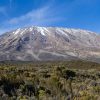
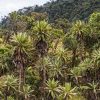
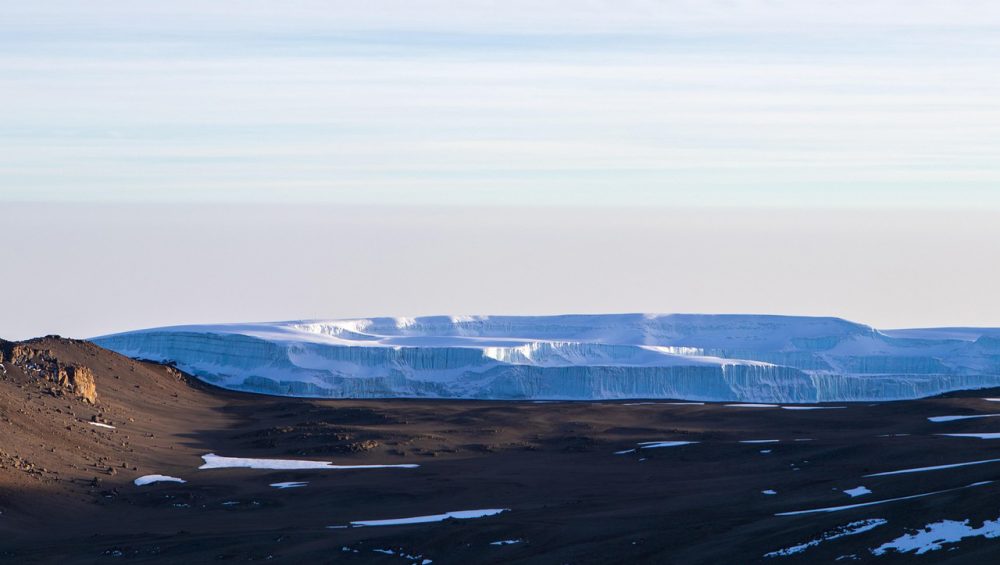
The trek usually takes 6 to 9 days, depending on the route chosen. Climbers pass through different climate zones during the journey. The trek begins in a tropical rainforest, then moves into moorland, alpine desert, and finally reaches the cold and icy summit zone.
Several routes lead to the summit, and each route offers a different trekking experience. Popular routes include the Machame Route, Lemosho Route, Marangu Route, and Rongai Route. Some routes are longer and allow better acclimatization, which increases the chances of reaching the summit successfully.
During the trek, climbers are supported by experienced mountain guides, cooks, and porters who help carry equipment and prepare meals. Their support plays an important role in helping climbers safely reach the summit.
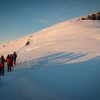
Reaching Uhuru Peak is a challenging but rewarding achievement. Standing on the roof of Africa and watching the sunrise above the clouds is an unforgettable experience for many travelers.
Acclimatization Strategies for Climbing Kilimanjaro
Acclimatization is one of the most important factors for successfully climbing Mount Kilimanjaro. Because the mountain rises to 5,895 meters, the oxygen level becomes lower as climbers ascend. Without proper acclimatization, trekkers may experience Acute Mountain Sickness, which can affect their ability to reach the summit.
To increase the chances of reaching Uhuru Peak, climbers should follow several important acclimatization strategies during the trek.
Gradual Ascent Plan
A gradual ascent is the best way to allow the body to adjust to high altitude. Most Kilimanjaro itineraries are designed so climbers gain elevation slowly over several days. Longer routes such as the Lemosho Route and Machame Route are popular because they provide more time for acclimatization compared to shorter routes.
Climbing slowly helps the body adapt to decreasing oxygen levels and reduces the risk of altitude sickness.
Rest Days and Acclimatization Hikes
Many Kilimanjaro trekking itineraries include rest days at certain camps. These days allow climbers to recover and adjust to the altitude before continuing the ascent.
Trekkers may also take short acclimatization hikes during the afternoon after reaching camp. This strategy is often called “climb high, sleep low.” Climbers hike to a slightly higher elevation during the day and then return to sleep at a lower altitude, which helps the body adapt more effectively.
Hydration During the Trek
Drinking enough water is essential during the climb. Proper hydration helps the body adjust to altitude and reduces symptoms such as headaches and fatigue.
Most guides recommend drinking three to four liters of water per day while trekking. Climbers should also avoid excessive alcohol and caffeine because these can contribute to dehydration.
Preventing Altitude Sickness
Altitude sickness is one of the biggest challenges when climbing Kilimanjaro. Common symptoms include headaches, dizziness, nausea, fatigue, and shortness of breath.
To prevent serious problems, climbers should:
- Walk slowly and maintain a steady pace
- Drink plenty of water
- Eat enough food to maintain energy
- Inform the guide immediately if symptoms appear
Professional mountain guides carefully monitor climbers’ health throughout the trek and may recommend descending if symptoms become severe.
Why Acclimatization Is Important
Proper acclimatization greatly increases the chance of successfully reaching the summit of Kilimanjaro. Climbers who follow gradual ascent plans, stay hydrated, and listen to their guides are more likely to have a safe and enjoyable trekking experience.
Guided vs Self-Guided Treks on Kilimanjaro
When planning a trek to Mount Kilimanjaro, climbers often wonder whether they should choose a guided tour or attempt an independent trek. Understanding the differences between these options helps travelers prepare properly for the adventure.
In reality, climbing Kilimanjaro is different from many mountains around the world because trekking with a licensed guide is required by the park authorities. However, it is still useful to understand the advantages of guided trekking and the considerations involved in independent-style travel.
Guided Trekking on Kilimanjaro
Most climbers reach the summit through organized guided tours. These tours are operated by licensed trekking companies that provide professional guides, porters, and cooks to support climbers during the expedition.
Guided treks usually include transportation, park permits, camping equipment, meals, and safety monitoring throughout the journey. Guides also help climbers manage altitude challenges while trekking toward Uhuru Peak.
Benefits of a Guided Tour
Guided trekking offers several important advantages for climbers attempting to reach the summit.
First, experienced guides understand the mountain conditions and know how to manage altitude-related challenges such as Acute Mountain Sickness. They monitor climbers’ health and can respond quickly if symptoms appear.
Second, guides and porters handle most of the logistics. Porters carry camping equipment, food supplies, and other gear, allowing climbers to focus mainly on walking and conserving energy during the trek.
Another benefit is safety. Professional teams are trained in mountain rescue procedures and emergency protocols, which greatly improves climbers’ chances of completing the trek successfully.
Independent Trekking Considerations
Unlike some trekking destinations in other countries, independent trekking is not allowed on Kilimanjaro. All climbers must be accompanied by a registered guide according to the regulations of Kilimanjaro National Park.
However, travelers can still choose smaller or more customized trekking groups if they prefer a more private experience. Some climbers book private expeditions with fewer participants, which offers greater flexibility and a more personal trekking pace.
Choosing the Best Option
For most travelers, joining a guided Kilimanjaro trek is the safest and most practical way to climb the mountain. Professional support, proper logistics, and experienced leadership greatly increase the chances of reaching the summit while maintaining safety throughout the journey.
Wildlife Safari in Amboseli National Park
A wildlife safari in Amboseli National Park is one of the best experiences travelers can enjoy after climbing Mount Kilimanjaro. Located just across the border in southern Kenya, Amboseli is famous for its incredible wildlife and spectacular views of the snow-capped mountain rising in the background.
The park is particularly well known for its large herds of African elephants. Visitors on safari can often see elephants walking across the open plains with Mount Kilimanjaro towering behind them. This creates one of the most iconic safari landscapes in East Africa.
Wildlife in Amboseli
Amboseli National Park is home to a wide variety of wildlife species. During a safari, visitors may encounter elephants, lions, cheetahs, giraffes, zebras, wildebeests, hyenas, and many other animals. The park is also a great destination for birdwatching, with hundreds of bird species living around its wetlands and open savannah.
Because the park has wide open plains, animals are often easy to spot during game drives. This makes Amboseli an excellent safari destination for photographers and wildlife lovers.
Scenic Views of Mount Kilimanjaro
One of the most unique features of Amboseli is its clear view of Mount Kilimanjaro, Africa’s highest mountain. On clear mornings, the snow-covered summit can be seen rising above the clouds while wildlife moves across the savannah below.
These breathtaking views make Amboseli one of the most photographed safari locations in Africa.
Combining Kilimanjaro Trekking and Safari
Many travelers combine a Kilimanjaro climbing adventure with a safari in Amboseli. After several days of trekking to Uhuru Peak, relaxing on a safari while watching wildlife and enjoying scenic landscapes is a perfect way to complete the journey.
This combination of mountain adventure and wildlife exploration makes the Kilimanjaro region one of the most diverse and exciting travel destinations in East Africa
Cultural Experience in a Maasai Village
A cultural visit to a Maasai village is one of the most memorable experiences for travelers exploring the region around Mount Kilimanjaro and northern Tanzania. The Maasai people are one of the most well-known communities in East Africa, famous for their traditional lifestyle, colorful clothing, and strong cultural heritage.
Learning About Maasai Traditions
During a village visit, travelers can learn about the daily life and traditions of the Maasai people. Local guides often explain how the community lives, including their pastoral lifestyle based on raising cattle and goats. Livestock is very important in Maasai culture and represents wealth and social status.
Visitors may also learn about traditional Maasai homes called bomas, which are built using natural materials such as mud, sticks, and grass.
Traditional Dance and Music
A highlight of the cultural experience is watching traditional Maasai songs and dances. Maasai warriors often perform the famous jumping dance, where young men jump high into the air while singing rhythmic chants. This dance is part of cultural ceremonies and celebrations within the community.
Travelers are sometimes invited to join the dance, making the experience interactive and memorable.
Maasai Handicrafts and Beadwork
Another important part of the visit is seeing handmade Maasai crafts. Maasai women are well known for their beautiful beadwork, which includes necklaces, bracelets, and earrings made with colorful beads. These items are often sold to visitors and provide an important source of income for the community.
Supporting Local Communities
Visiting a Maasai village is not only a cultural experience but also a way to support local communities. Tourism helps provide income for families and supports education and development projects within the village.
A Unique Cultural Experience
Combining a Kilimanjaro trek with a Maasai cultural visit allows travelers to experience both the natural beauty and cultural richness of Tanzania. It offers visitors a deeper understanding of the traditions and lifestyle of one of Africa’s most iconic communities.
Birdwatching in Lake Natron
Birdwatching at Lake Natron is one of the most unique wildlife experiences in northern Tanzania. Located in the eastern Great Rift Valley, the lake is famous for its dramatic landscapes, alkaline waters, and large populations of birds.
The lake is especially known as one of the most important breeding sites for the Lesser Flamingo in the world. Thousands to millions of flamingos gather at Lake Natron each year, creating a spectacular pink landscape along the shoreline.
Flamingo Breeding Ground
Lake Natron provides a safe environment for flamingos to breed because its highly alkaline water protects them from predators. The shallow waters and abundant algae provide the perfect feeding conditions for these birds.
During the breeding season, visitors can witness large flocks of flamingos nesting and feeding around the lake, which makes it a paradise for bird lovers and wildlife photographers.
Other Bird Species
Besides flamingos, Lake Natron is home to many other bird species. Birdwatchers may see pelicans, storks, herons, and various migratory birds that visit the region throughout the year.
The surrounding wetlands, rivers, and escarpments provide different habitats that support a wide diversity of birdlife.
Scenic Landscape and Nature Walks
The area around Lake Natron is also known for its stunning natural scenery. Visitors can enjoy guided nature walks, explore nearby waterfalls, and admire views of Ol Doinyo Lengai, an active volcano considered sacred by the Maasai people.
The combination of birdlife, dramatic landscapes, and cultural experiences makes Lake Natron a fascinating destination for travelers exploring northern Tanzania.
A Perfect Addition to the Mountain Experience
Many travelers include Lake Natron in their itinerary after trekking Mount Kilimanjaro or visiting nearby national parks. Birdwatching in this remote and beautiful location offers a peaceful and unique way to experience Tanzania’s natural environment.
Hiking in West Kilimanjaro Forest Reserve
Hiking in West Kilimanjaro Forest Reserve is an exciting outdoor activity for travelers who want to explore nature around Mount Kilimanjaro without climbing to the summit. This protected area lies on the western side of the mountain and is known for its beautiful landscapes, diverse wildlife, and peaceful hiking trails.
Natural Environment and Scenic Views
The reserve features a mixture of forests, open savannah, and volcanic landscapes. During hikes, visitors can enjoy breathtaking views of Mount Kilimanjaro rising above the surrounding plains. On clear days, the snow-capped summit creates a spectacular background for nature walks and photography.
Wildlife Encounters
West Kilimanjaro is also home to a variety of wildlife species. Hikers may encounter animals such as giraffes, zebras, antelopes, and sometimes elephants moving through the woodland areas. Because the reserve is less crowded than many national parks, visitors can enjoy a quieter and more natural wildlife experience.
Guided Nature Walks
Most hikes in the reserve are conducted with experienced local guides who know the terrain and wildlife behavior. Guided walks allow visitors to learn about the plants, animals, and ecosystems found in the Kilimanjaro region. These walks are usually shorter and less demanding than climbing the main mountain.
A Relaxing Adventure Near Kilimanjaro
For travelers who want to experience the natural beauty of the Kilimanjaro area at a slower pace, hiking in West Kilimanjaro Forest Reserve is an excellent option. It offers a combination of scenic landscapes, wildlife viewing, and fresh mountain air.
This activity is often included in travel itineraries before or after trekking Mount Kilimanjaro, making it a perfect addition to a Kilimanjaro adventure.
Coffee Plantation Tours
A coffee plantation tour is a wonderful cultural and agricultural experience for visitors exploring the slopes of Mount Kilimanjaro. The fertile volcanic soil and favorable climate around the mountain create perfect conditions for growing high-quality coffee. Many local farms produce Arabica coffee, which is known for its rich flavor and aroma.
Discovering Local Coffee Farms
Most coffee plantations are located in villages on the lower slopes of Kilimanjaro, where the local Chagga people have been cultivating coffee for generations. During the tour, visitors walk through green coffee farms surrounded by banana trees and learn how coffee is grown and harvested.
Local guides explain the different stages of coffee production, from planting and picking ripe coffee cherries to drying and preparing the beans.
Traditional Coffee Processing
One of the highlights of the tour is participating in the traditional coffee-making process. Visitors can help roast coffee beans over a small fire, grind them using traditional tools, and brew fresh coffee in the traditional way.
This interactive experience allows travelers to understand the effort and skill involved in producing one of Tanzania’s most famous agricultural products.
Cultural Interaction with Local Communities
Coffee plantation tours also provide an opportunity to interact with local families and learn about their daily life. Visitors may hear stories about farming traditions, local history, and the importance of coffee in the community.
In many villages, guests are welcomed with traditional songs and dances, making the experience both educational and enjoyable.
A Perfect Cultural Activity Near Kilimanjaro
After hiking or trekking on Mount Kilimanjaro, a coffee plantation tour offers a relaxing and authentic cultural experience. It allows travelers to explore rural life, taste freshly prepared coffee, and appreciate the agricultural heritage of the Kilimanjaro region.
Cultural Immersion at Mto wa Mbu Village
A visit to Mto wa Mbu Village is a perfect way to end your Kilimanjaro adventure with an authentic cultural immersion. Located between Lake Manyara National Park and the slopes of Mount Kilimanjaro, Mto wa Mbu is a vibrant village known for its rich cultural diversity, agriculture, and warm local community.
Exploring Local Life
Visitors to Mto wa Mbu can explore the bustling village markets, where locals sell fresh fruits, vegetables, spices, and handmade crafts. Walking through the streets, travelers can see traditional homes, interact with families, and learn about daily life in a rural Tanzanian community.
Cultural Activities and Traditions
Mto wa Mbu offers a variety of cultural experiences, such as:
- Traditional cooking demonstrations learn how local dishes like ugali, chapati, and banana-based meals are prepared.
- Craft workshops watch artisans create beadwork, pottery, and other handicrafts.
- Music and dance performances enjoy traditional songs and dances performed by village residents.
Agricultural Tours
The village is also surrounded by farms and plantations. Visitors can participate in farming activities such as banana, cassava, and maize cultivation. This hands-on experience provides insight into the agricultural practices that sustain local communities.
Why Visit Mto wa Mbu?
Cultural immersion at Mto wa Mbu allows travelers to:
- Gain a deeper understanding of Tanzanian rural life
- Interact directly with local communities in a respectful way
- Support local tourism and community development
Perfect Ending to a Kilimanjaro Adventure
After trekking Mount Kilimanjaro, going on wildlife safaris, and exploring northern Tanzania’s natural wonders, visiting Mto wa Mbu offers a meaningful way to connect with the people and culture of the region. It’s an experience that combines learning, participation, and cultural appreciation, leaving travelers with lasting memories.
Waterfall Hikes in Materuni
Hiking to Materuni Waterfalls is one of the most scenic and rewarding outdoor activities near Mount Kilimanjaro. Located on the slopes of the mountain, the trail takes visitors through lush tropical forests, local farms, and small villages before reaching the stunning waterfall.
The Hiking Experience
The Materuni hike is a moderate trek suitable for most travelers, including families. Along the trail, visitors can enjoy:
- Dense forests with tropical plants and wildlife
- Local banana and coffee farms
- Scenic viewpoints overlooking the Kilimanjaro region
The trek usually takes 1 to 2 hours to reach the waterfall, depending on fitness levels and pace.
Reaching Materuni Waterfalls
At the end of the hike, the waterfall offers a spectacular sight as water cascades into a natural pool below. Visitors can swim in the refreshing water, relax on rocks near the falls, and enjoy the peaceful natural surroundings.
Cultural and Coffee Experience
Many tours combine the Materuni waterfall hike with a coffee plantation visit, where travelers learn about the Chagga people’s traditional coffee farming methods. This makes the hike both a natural and cultural experience.
Why Visit Materuni Waterfalls
Materuni is perfect for travelers looking for a day activity after climbing Kilimanjaro or as part of a northern Tanzania itinerary. It offers:
- Beautiful scenery and nature trails
- A moderate physical challenge suitable for most visitors
- A cultural experience with local guides and coffee tours
Hiking to Materuni Waterfalls provides a refreshing way to connect with Tanzania’s natural beauty while learning about the local communities living on the slopes of Kilimanjaro.
Visit Chemka (Kikuletwa) Hot Springs
After climbing the mountain, many travelers relax at the beautiful Chemka Hot Springs. The natural geothermal springs are located about 40 kilometers from Moshi and are surrounded by palm trees and clear turquoise water.
Visitors can swim, relax in the warm water, and enjoy a picnic under the trees. It is one of the most popular places to visit after a Kilimanjaro trek.
Cultural Tours in Chagga Villages
The Kilimanjaro region is home to the Chagga people, who have lived on the mountain slopes for centuries. Cultural tours allow visitors to explore traditional villages, banana farms, and historical sites.
Some tours include visits to the famous Chagga underground caves, which were used as protection during historical conflicts with Maasai warriors.
These tours give travelers the opportunity to learn about local traditions, food, and lifestyle.
FAQs
Can I combine my Kilimanjaro trek with a safari experience?
Yes! Many travelers combine a Mount Kilimanjaro trek with a safari in northern Tanzania or even across the border in Kenya. After reaching Uhuru Peak, you can relax and enjoy wildlife experiences in some of East Africa’s most famous parks.
Popular safari destinations near Kilimanjaro include:
- Amboseli National Park Known for large elephant herds and spectacular views of Kilimanjaro.
- Arusha National Park Offers game drives, walking safaris, and crater exploration.
- Lake Manyara National Park Famous for flamingos, tree climbing lions, and diverse birdlife.
- Serengeti National Park Perfect for classic safari experiences with lions, cheetahs, and wildebeests.
Tips for combining trekking and safari:
- Schedule rest days after the trek before starting a safari.
- Book a safari with a reputable tour operator to handle logistics.
- Choose a safari that matches your time and budget you can do a 2 to 5 day safari after the climb.
Combining a Kilimanjaro trek with a safari is a perfect way to experience both adventure and wildlife in northern Tanzania, creating an unforgettable journey.
Are there cultural experiences available during the tour?
Absolutely! The Kilimanjaro region offers rich cultural experiences that travelers can enjoy alongside trekking and wildlife activities. Visiting local communities allows you to learn about the traditions, lifestyle, and history of the people who live on the mountain slopes.
Popular cultural experiences include:
- Maasai Village Visits Learn about Maasai traditions, watch traditional dances, explore their bomas (homes), and interact with local families.
- Chagga Village and Coffee Plantation Tours Discover how the Chagga people farm coffee and bananas, participate in traditional coffee-making, and see local farming practices.
- Mto wa Mbu Village Immersion Explore local markets, enjoy cooking demonstrations, try traditional foods, and witness community life.
These cultural activities provide hands on experiences and allow travelers to connect with local communities in a meaningful way. They also support sustainable tourism by contributing directly to the income of these villages.
Can I include birdwatching during the mountain tour?
Yes! Birdwatching is a fantastic activity to include in your Kilimanjaro tour. The Kilimanjaro region and its surrounding areas host a wide variety of bird species, making it a paradise for both amateur and experienced birdwatchers.
Top birdwatching spots include:
- Lake Natron Famous for huge flocks of Lesser Flamingos and other waterbirds.
- West Kilimanjaro Forest Reserve Offers forest and savannah bird species such as turacos, hornbills, and sunbirds.
- Arusha and Lake Manyara National Parks Great for seeing raptors, pelicans, storks, and colorful wetland birds.
Tips for birdwatching during your tour:
- Bring binoculars and a camera for capturing birds in their natural habitat.
- Go early in the morning when birds are most active.
- Hire a local guide to help spot and identify species.
Including birdwatching in your itinerary not only enhances your nature experience but also complements trekking and wildlife safaris, making your Kilimanjaro adventure diverse and memorable.
How long is a typical Maasai village visit included in the itinerary?
A typical Maasai village visit usually lasts 2 to 4 hours, depending on the package and the activities included
What the visit typically includes:
- Walking around the village to explore traditional bomas (homes) and livestock areas.
- Watching traditional Maasai dances and songs performed by village warriors and women.
- Interacting with the community and learning about daily life, culture, and customs.
- Sometimes, visiting local markets or craft stalls to see handmade beadwork and souvenirs.
Tips for planning your visit:
- Schedule the visit in the morning or early afternoon to avoid the hottest part of the day.
- Respect local customs by asking before taking photos and following guide instructions.
- Combine the visit with other nearby activities, like coffee plantation tours or Materuni Waterfall hikes, to make the most of your day.
A Maasai village visit is a short but immersive experience that adds a meaningful cultural dimension to your Kilimanjaro adventure.
What wildlife can I expect to see during an Amboseli safari?
During a safari in Amboseli National Park, visitors can experience some of Africa’s most iconic wildlife species, all set against the stunning backdrop of Mount Kilimanjaro. The park is famous for its open savannah, large elephant herds, and excellent game viewing opportunities.
Key wildlife species you may see include:
- African elephants Amboseli is renowned for its large herds and matriarch led family groups.
- Lions and cheetahs Predators often spotted on the plains or near water sources.
- Giraffes and zebras Commonly seen grazing across the savannah.
- Buffalo, wildebeest, and impalas Herd animals frequently observed during game drives.
- Birdlife Over 400 species, including flamingos, storks, pelicans, and raptors.
Tips for wildlife viewing in Amboseli:
- Go on early morning or late afternoon game drives when animals are most active.
- Bring binoculars and a camera for the best viewing experience.
- Hire a knowledgeable safari guide to spot animals and explain their behaviors.
An Amboseli safari is a perfect complement to a Kilimanjaro trek, offering a peaceful and unforgettable wildlife experience while enjoying the majestic view of Africa’s highest mountain.
Is Lake Natron suitable for novice birdwatchers?
Yes! Lake Natron is an excellent destination for novice birdwatchers as well as experienced enthusiasts. Its shallow, alkaline waters attract thousands of birds, creating a visually stunning environment that is easy to enjoy even for beginners.
Why it’s beginner friendly:
- High visibility: The large flocks of Lesser Flamingos and other waterbirds are easy to spot from a distance.
- Guided tours available: Local guides help novice birdwatchers identify species and understand their behaviors.
- Accessible terrain: Viewing areas around the lake are safe and require only light walking.
- Short excursions possible: You don’t need a full day trek to enjoy the birds; half-day tours are common.
Tips for novice birdwatchers at Lake Natron:
- Bring binoculars and a camera for better viewing.
- Visit during early morning or late afternoon when birds are most active.
- Combine the visit with nearby attractions like Ol Doinyo Lengai volcano views or local village visits to enrich your experience.
Lake Natron provides a rewarding and low-stress birdwatching experience, making it a perfect addition to a Kilimanjaro tour for families, first-time travelers, or anyone new to birdwatching.
How is transportation arranged for these additional activities?
Transportation for nearby experiences such as safaris, cultural visits, waterfalls, and birdwatching is usually arranged by your operator to ensure a smooth and stress-free journey.
Common transportation arrangements include:
- Private 4×4 vehicles or safari jeeps Most safaris (e.g., Amboseli, Lake Manyara, Serengeti) are done in 4×4 vehicles with open roofs for wildlife viewing.
- Shuttle or minivans For shorter day trips, such as Materuni Waterfalls, coffee tours, or Maasai village visits, comfortable vans or minibuses transport visitors from Moshi or Kilimanjaro area hotels.
- Guided transfers Many tour companies provide a driver and guide who also serve as your local expert for navigation, safety, and insights during the trip.
- Airport and lodge pickups Transfers to and from Kilimanjaro International Airport, Moshi, or nearby lodges are usually included in multi day tour packages.
Tips for travelers:
- Confirm with your tour operator whether transportation is included or if it needs to be booked separately.
- Check vehicle comfort, especially for longer drives (e.g., Amboseli or Lake Natron).
- Private or small-group transport often provides more flexibility for stopping at viewpoints or taking photos.
With organized transportation, travelers can focus on enjoying the experience rather than navigating roads, making the Kilimanjaro adventure safer and more convenient.
Conclusion
Visiting Mount Kilimanjaro and exploring the surrounding region offers a unique blend of adventure, nature, and culture. From trekking to Uhuru Peak, to wildlife safaris in Amboseli National Park, birdwatching at Lake Natron, and immersive cultural experiences in Maasai and Chagga villages, there is something for every type of traveler.
The Kilimanjaro region is not just about the mountain itself. Activities such as hiking through West Kilimanjaro Forest Reserve, visiting Materuni Waterfalls, and touring local coffee plantations give travelers a deeper connection to Tanzania’s landscapes, communities, and traditions. Each experience offers both relaxation and adventure, making it an ideal destination for 2026 to 2027.
By following proper trekking and acclimatization strategies, participating in guided tours, and exploring both natural and cultural attractions, visitors can enjoy a safe, memorable, and enriching journey. Whether you are a seasoned adventurer or a first-time traveler to Africa, Kilimanjaro tours provide a perfect mix of challenge, discovery, and cultural immersion.
In summary, Kilimanjaro and its surrounding region are among the top destinations in Africa, offering unforgettable experiences that combine mountains, wildlife, waterfalls, forests, and vibrant communities. Planning your adventure carefully will ensure you make the most of all that northern Tanzania has to offer in 2026 to 2027.