Mount Everest Deaths
Estimated reading time: 1 minute
Mount Everest deaths have become a major topic of interest due to the mountain’s extreme conditions, with many climbers losing their lives each year in pursuit of the summit. This article explores Mount Everest deaths statistics, major disasters, and survival stories that reveal both the dangers and human resilience on the world’s highest peak.
Most deaths on Everest occur due to altitude sickness, exhaustion, falls, avalanches, extreme weather, and a lack of oxygen in the mountain’s infamous Death Zone. Above 8,000 meters (26,247 feet), the human body begins to deteriorate rapidly, turning even simple tasks into major challenges. At these extreme altitudes, climbers must battle freezing temperatures, powerful winds, and dangerously low oxygen levels while making critical decisions under physical and mental stress.
Despite these dangers, Everest continues to attract adventurers from around the world. For many climbers, standing on the highest point on Earth represents the ultimate mountaineering achievement. However, the mountain’s history includes tragic disasters, remarkable rescues, and survival stories that reveal both the risks and rewards of high-altitude climbing.
In this guide, you’ll discover the latest Mount Everest death statistics, the deadliest disasters in Everest history, the main causes of fatalities, famous stories of climbers who never returned, and the reasons people continue to pursue the dream of reaching the summit despite the risks.
Table of contents
- Mount Everest Deaths
- How Many People Have Died on Mount Everest?
- Why Do People Die on Mount Everest?
- What Is the Everest Death Zone?
- The Deadliest Disasters in Everest History
- Famous Mount Everest Death Stories
- What Happens to Bodies on Mount Everest?
- Is Climbing Everest More Dangerous Than Before?
- Why Do People Still Climb Everest?
- Mount Everest Death Statistics by Decade
- Final Thoughts
- Read Also:
How Many People Have Died on Mount Everest?
Mount Everest has claimed the lives of more than 340 climbers since the first expeditions began in the early 1900s. While the exact number changes almost every climbing season, Everest records more deaths than any other mountain on Earth because thousands of climbers attempt to reach its summit each year.
Despite these statistics, Everest is not the deadliest mountain in the world when measured by mortality rate. Mountains such as K2 and Annapurna have historically recorded much higher percentages of deaths among climbers. However, Everest’s popularity means that even a relatively low mortality rate results in a large number of fatalities over time.
The causes of death vary from season to season. Some climbers die from altitude-related illnesses, while others lose their lives in avalanches, falls, storms, or accidents during the descent. Many fatalities occur above 8,000 meters (26,247 feet), an area known as the Death Zone, where oxygen levels become dangerously low and the human body begins to deteriorate rapidly.
Understanding Everest’s death statistics provides important insight into the risks of climbing the world’s highest mountain and explains why proper preparation, experience, and decision-making remain essential for survival.
Total Deaths on Everest
More than 340 people have died on Mount Everest since the first recorded climbing expeditions in the early twentieth century. The number includes climbers, guides, and Sherpas from many different countries who lost their lives while attempting to reach the summit or descend safely from the mountain.
Deaths have occurred throughout Everest’s climbing history, from the early British expeditions of the 1920s to modern commercial climbs. Some seasons pass with only a few fatalities, while others experience major disasters that claim multiple lives in a single event. Avalanches, earthquakes, storms, and overcrowding have all contributed to spikes in Everest’s death toll.
One reason Everest records so many fatalities is the sheer number of people who attempt the climb. Every year, hundreds of climbers travel to Nepal hoping to stand on the highest point on Earth. As climbing permits increase and more people enter the mountain, the total number of deaths also continues to rise.
Although modern equipment, weather forecasting, and guiding services have improved safety, Everest remains an extreme environment where even experienced climbers can face life-threatening situations.
Everest Mortality Rate
Everest’s mortality rate is relatively low compared to many other famous Himalayan peaks. Modern estimates place the mortality rate at roughly 1% to 2% of all climbers who attempt the summit, although the figure varies depending on the season and the data source.
This percentage may seem small, but it represents a significant risk when hundreds of climbers attempt the mountain every year. Unlike lower mountains, Everest exposes climbers to extreme altitude, freezing temperatures, strong winds, and prolonged physical exhaustion. Even minor mistakes can have serious consequences in such an environment.
The mortality rate on Everest has generally declined over time. Advances in climbing gear, supplemental oxygen systems, communication technology, and weather forecasting have helped reduce risks. Professional guiding companies also provide structured support that was unavailable to early explorers.
However, the mountain remains dangerous. Crowding near the summit, changing weather patterns, and the growing number of inexperienced climbers continue to create new challenges. As a result, Everest’s mortality rate remains a major concern for mountaineers and expedition organizers worldwide.
Death Statistics at a Glance
The following statistics provide a quick overview of Mount Everest deaths and climbing risks:
| Statistic | Figure |
|---|---|
| Total Recorded Deaths | 340+ |
| Mountain Height | 8,849 m (29,032 ft) |
| Death Zone Begins | 8,000 m (26,247 ft) |
| Estimated Mortality Rate | 1%-2% |
| Deadliest Disaster Year | 2015 |
| Notable Recent High-Fatality Season | 2023 |
| Main Causes of Death | Altitude sickness, falls, avalanches, exhaustion, weather |
| First Major Recorded Disaster | 1922 Avalanche |
These numbers highlight both the extraordinary challenge of climbing Everest and the reasons why careful preparation remains critical for anyone attempting the world’s highest mountain.
Why Do People Die on Mount Everest?
Mount Everest presents a combination of dangers that few places on Earth can match. Climbers must contend with extreme altitude, freezing temperatures, powerful storms, dangerous terrain, and physical exhaustion. While modern equipment and guiding services have improved safety, Everest remains an unpredictable environment where even experienced mountaineers can lose their lives.
Most fatalities occur in the Death Zone above 8,000 meters (26,247 feet), where oxygen levels drop dramatically and the human body begins to deteriorate. At these heights, climbers often face several dangers at the same time. A tired climber may struggle with low oxygen, poor weather, and difficult terrain while making critical decisions that affect their survival.
Understanding the leading causes of death on Everest helps explain why reaching the summit is only half the challenge. For many climbers, the descent proves even more dangerous than the climb itself.
Altitude Sickness
Altitude sickness is one of the leading causes of death on Mount Everest. As climbers ascend higher into the atmosphere, air pressure decreases and oxygen becomes less available. At Everest’s summit, climbers breathe only about one-third of the oxygen available at sea level. This lack of oxygen places enormous stress on the body and can quickly become life-threatening.
Many climbers experience symptoms such as headaches, dizziness, nausea, fatigue, and shortness of breath. In severe cases, altitude sickness can develop into High Altitude Pulmonary Edema (HAPE), where fluid builds up in the lungs, or High Altitude Cerebral Edema (HACE), where fluid causes the brain to swell. Both conditions can lead to confusion, loss of coordination, unconsciousness, and death if climbers do not descend immediately.
The danger increases because altitude sickness often affects judgment. A climber may fail to recognize symptoms or continue climbing despite clear warning signs. Even with proper acclimatization, the human body cannot fully adapt to the extreme conditions found in Everest’s Death Zone. For this reason, supplemental oxygen, careful pacing, and strict monitoring remain essential for survival.
Falls
Falls account for many fatalities on Mount Everest. The mountain features steep ridges, exposed slopes, icy rock faces, and deep crevasses that create constant hazards throughout the climb. A single mistake can have fatal consequences, especially at extreme altitudes where climbers move slowly and struggle to maintain balance.
Several sections of the route require climbers to cross narrow ridges with significant drop-offs on either side. Strong winds, poor visibility, and fatigue can make these sections particularly dangerous. Even experienced climbers sometimes lose their footing on icy terrain or slip while descending steep slopes.
The descent from the summit often presents the greatest risk. After many hours of climbing, exhaustion reduces concentration and physical coordination. Climbers may have little energy left to navigate technical sections safely. Some fatal falls occur because individuals continue climbing despite extreme fatigue or remain too high on the mountain after dark.
Modern fixed ropes, harnesses, and safety systems have reduced the risk of falls, but they cannot eliminate it entirely. Everest’s terrain demands constant attention from the moment climbers leave base camp until they return safely.
Avalanches
Avalanches rank among the deadliest natural hazards on Mount Everest. These massive flows of snow, ice, and rock can strike without warning and overwhelm climbers within seconds. Unlike altitude sickness or exhaustion, which often develop gradually, avalanches can kill large numbers of people in a single event.
One of the most dangerous areas is the Khumbu Icefall on Everest’s southern route. This constantly shifting maze of ice towers, crevasses, and unstable seracs creates one of the mountain’s greatest objective dangers. In 2014, the collapse of an ice serac triggered an avalanche that killed 16 Sherpas, making it one of the deadliest disasters in Everest’s history.
Weather conditions also influence avalanche risk. Heavy snowfall, rising temperatures, and unstable snowpack can increase the likelihood of large slides. Climbers and guides carefully monitor conditions, but predicting avalanches remains difficult.
Although modern forecasting and route management have improved safety, avalanches continue to pose a serious threat. Their unpredictable nature means that even well-prepared climbers can find themselves in danger when conditions suddenly change.
Extreme Weather
Everest’s weather can change dramatically within hours, turning a manageable climb into a survival situation. Temperatures near the summit often fall far below freezing, while strong winds can exceed hurricane-force speeds. Combined with low oxygen levels, these conditions create a harsh environment where mistakes become increasingly costly.
Storms often bring whiteout conditions that reduce visibility to only a few meters. Climbers can lose the route, become separated from teammates, or struggle to locate camps during a descent. Strong winds also increase the risk of frostbite and hypothermia by stripping heat from exposed skin.
The 1996 Everest disaster demonstrated how quickly weather can transform a successful summit day into a tragedy. Several climbers reached the summit but became trapped by a powerful storm during their descent. Poor visibility, exhaustion, and freezing temperatures contributed to multiple deaths.
Modern weather forecasting helps climbers choose safer summit windows, but forecasts are not always perfect. Conditions can deteriorate unexpectedly, leaving climbers exposed high on the mountain with limited options for escape.
Exhaustion and Human Error
Exhaustion and human error contribute to many deaths on Mount Everest. A summit attempt often requires climbers to spend 10 to 18 hours moving through thin air while carrying equipment and battling cold temperatures. The physical and mental demands of such an effort can overwhelm even strong athletes.
Severe fatigue affects decision-making, concentration, and reaction time. Climbers may forget important safety procedures, ignore warning signs, or continue climbing when they should turn back. In the Death Zone, low oxygen levels can worsen these problems and impair judgment even further.
Human error can take many forms. Some climbers start their summit push too late, run out of oxygen, underestimate changing weather, or push beyond their physical limits. Others focus so intensely on reaching the summit that they ignore the risks of the descent.
Experienced guides often say that the summit is only halfway. Reaching the top means little if a climber lacks the strength and resources to return safely. Many Everest tragedies result not from a single mistake but from a chain of small decisions that gradually increase risk until disaster becomes unavoidable.
What Is the Everest Death Zone?
The Death Zone is the area on Mount Everest above 8,000 meters (26,247 feet). At this altitude, oxygen levels become so low that the human body can no longer function normally. Climbers can survive in the Death Zone for only a limited time before their physical and mental abilities begin to decline.
Unlike lower elevations where the body can adapt through acclimatization, the Death Zone pushes human physiology beyond its limits. Every breath delivers significantly less oxygen to the muscles, organs, and brain. As a result, climbers face a much higher risk of altitude sickness, exhaustion, frostbite, poor decision-making, and death.
Most Everest fatalities occur within or near the Death Zone. This is why climbers try to spend as little time there as possible during their summit attempt. Understanding the Death Zone helps explain why reaching the summit of Everest remains one of the greatest challenges in mountaineering.
Where the Death Zone Begins
The Death Zone begins at approximately 8,000 meters (26,247 feet) above sea level. On Mount Everest, this zone includes some of the most famous sections of the climb, such as the South Col, the Balcony, the South Summit, and the final ridge leading to the summit.
At these elevations, the atmosphere contains much less oxygen than at sea level. Even simple tasks such as walking, adjusting equipment, or drinking water require enormous effort. Climbers often move extremely slowly, taking only a few steps before stopping to catch their breath.
Most summit attempts begin late at night from Camp IV, located near the edge of the Death Zone. Climbers aim to reach the summit and descend before spending too much time at extreme altitude. However, delays caused by weather, traffic jams, equipment problems, or physical weakness can increase exposure and dramatically raise the risk of serious illness or death.
Although climbers use supplemental oxygen to improve their chances of success, oxygen systems do not completely remove the dangers of the Death Zone. Every hour spent at these heights places additional stress on the body and reduces a climber’s ability to recover.
How Low Oxygen Affects the Body
Low oxygen is the defining feature of the Death Zone and the primary reason it is so dangerous. At Everest’s summit, climbers breathe only about one-third of the oxygen available at sea level. This severe oxygen shortage affects every part of the body.
The brain is one of the first organs to suffer. Climbers often experience slower thinking, poor concentration, confusion, and impaired judgment. Some people struggle to perform simple calculations or make basic decisions. In extreme cases, climbers may experience hallucinations or lose awareness of their surroundings.
The muscles also receive less oxygen, causing rapid fatigue and weakness. Tasks that seem easy at lower elevations become exhausting. Many climbers describe feeling as though they are running a marathon while taking only a few steps at a time.
Low oxygen also increases the risk of life-threatening conditions such as High Altitude Pulmonary Edema (HAPE) and High Altitude Cerebral Edema (HACE). These illnesses can develop quickly and may become fatal if climbers do not descend immediately. Even healthy and experienced mountaineers remain vulnerable because the human body simply was not designed to function at such extreme altitudes.
Why Rescue Is So Difficult
Rescuing climbers in the Death Zone is one of the most challenging tasks in mountaineering. The same conditions that threaten injured climbers also endanger rescuers. Low oxygen, freezing temperatures, strong winds, and extreme exhaustion make every rescue attempt slow, risky, and physically demanding.
Above 8,000 meters, even experienced guides and Sherpas have limited strength. Carrying or assisting another person often requires tremendous effort that can place rescuers in danger as well. In many situations, climbers must rely on their own ability to descend because rescue options become extremely limited.
Helicopters cannot safely operate near Everest’s summit under most conditions, which means rescuers usually have to travel on foot. Reaching an injured climber may take several hours, and worsening weather can make evacuation impossible.
These challenges explain why many bodies remain on Everest. Recovering a deceased climber from extreme altitude can require large teams, specialized equipment, and significant financial resources. More importantly, recovery missions expose rescuers to serious risks. For this reason, climbers often say that self-reliance becomes essential in the Death Zone. Once a person enters this hostile environment, survival depends largely on preparation, sound judgment, and the ability to return safely under their own power.
Death Zone Facts Table:
| Fact | Detail |
|---|---|
| Death Zone Starts | 8,000 m (26,247 ft) |
| Everest Summit | 8,849 m (29,032 ft) |
| Oxygen Available | About 33% of sea-level oxygen |
| Main Risks | HAPE, HACE, frostbite, exhaustion |
| Time Climbers Spend There | Usually less than 24 hours |
The Deadliest Disasters in Everest History
Mount Everest has witnessed many tragedies since climbers first attempted to reach its summit. While individual accidents occur almost every climbing season, several disasters stand out because they claimed multiple lives and changed the way people approach high-altitude mountaineering.
These events reveal the dangers of avalanches, storms, earthquakes, and extreme altitude. They also highlight how unpredictable Everest can be, even for experienced climbers and guides. Many of the safety practices used today emerged from lessons learned during these tragic incidents.
The 1922 Avalanche
The 1922 British Everest Expedition marked a major milestone in mountaineering history. It was the first expedition to climb above 8,000 meters (26,247 feet), pushing human endurance to new limits. However, the expedition also suffered one of Everest’s first major disasters.
On June 7, 1922, a powerful avalanche struck a group of climbers and porters as they ascended the mountain’s North Col route. Seven porters lost their lives, making this the first recorded mass-fatality event on Everest. The tragedy shocked the climbing world and highlighted the dangers of snow and ice movement at high altitude.
The disaster demonstrated that Everest’s greatest threats often come from natural forces rather than technical climbing challenges. It also reminded future expeditions that success on Everest depends as much on understanding mountain conditions as on physical strength and determination.
George Mallory’s Death in 1924
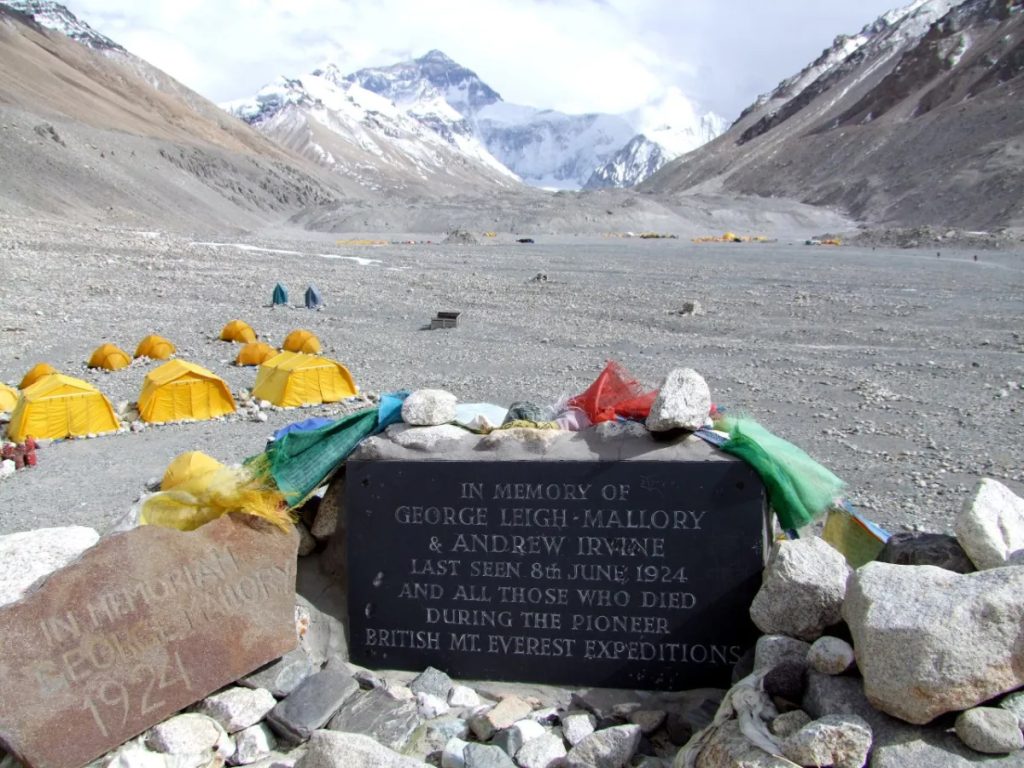
Few Everest mysteries have captured the public imagination like the disappearance of George Mallory and Andrew Irvine. During the 1924 British Everest Expedition, the two climbers attempted to reach the summit via the mountain’s northern side.
On June 8, 1924, another member of the expedition spotted Mallory and Irvine climbing high on the mountain before clouds obscured the view. Neither man returned. Their disappearance created one of mountaineering’s greatest unanswered questions: Did they reach the summit before vanishing?
For decades, the mystery remained unsolved. In 1999, climbers discovered Mallory’s body at about 8,155 meters (26,755 feet) on the mountain’s North Face. The discovery provided valuable clues but failed to answer the central question. Irvine’s body and camera have never been found.
The story of Mallory and Irvine continues to symbolize both the ambition and risks associated with Everest exploration.
The 1996 Everest Disaster
The 1996 Everest disaster remains one of the most famous tragedies in mountaineering history. During the spring climbing season, several commercial expeditions attempted to guide clients to the summit during a narrow weather window.
On May 10 and 11, climbers encountered severe storms while descending from the summit. Strong winds, freezing temperatures, poor visibility, and exhaustion created a deadly combination. Many climbers remained high on the mountain after their planned turnaround times, increasing their exposure to dangerous conditions.
Eight climbers died during the disaster, making it one of the deadliest events in Everest history at the time. The tragedy gained worldwide attention through books, documentaries, and personal accounts from survivors.
The disaster prompted guides and climbers to place greater emphasis on turnaround times, weather forecasting, decision-making, and risk management during summit attempts.
The 2014 Khumbu Icefall Tragedy
The Khumbu Icefall is one of the most dangerous sections of Everest’s southern route. This constantly shifting maze of ice towers and deep crevasses forces climbers and Sherpas to navigate unstable terrain on their way to higher camps.
On April 18, 2014, a massive block of ice collapsed above the route, triggering an avalanche that swept through the Icefall. Sixteen Sherpas lost their lives, making it one of the deadliest single incidents in Everest history.
The tragedy highlighted the enormous risks Sherpas face while carrying equipment, establishing camps, and supporting climbing expeditions. It also sparked discussions about compensation, safety standards, and the role of local workers in the Everest industry.
Many climbers and expedition companies canceled their summit attempts following the disaster, and the event remains a defining moment in modern Everest history.
The 2015 Earthquake Avalanche
On April 25, 2015, a powerful 7.8-magnitude earthquake struck Nepal. The earthquake triggered a massive avalanche that swept into Everest Base Camp from the slopes of nearby peaks.
The avalanche devastated parts of the camp, destroying tents, equipment, and support facilities. About 19 people lost their lives, making it the deadliest single-day disaster ever recorded on Mount Everest.
Unlike many Everest accidents that occur high on the mountain, this tragedy struck climbers and support staff at Base Camp. The event demonstrated that dangers on Everest extend beyond the climbing route itself. Even individuals who had not yet begun their summit attempts found themselves in harm’s way.
The earthquake ended the 2015 climbing season and left a lasting impact on Nepal’s tourism industry and mountaineering community.
The Record Deaths of 2023
The 2023 climbing season became one of the deadliest in Everest’s history. Authorities and mountaineering databases recorded approximately 18 fatalities during the season, surpassing many previous records.
Unlike the disasters of 2014 and 2015, most deaths in 2023 did not result from a single catastrophic event. Instead, climbers died from a combination of altitude sickness, exhaustion, falls, and other high-altitude complications. Experts also pointed to overcrowding and the growing number of climbers attempting Everest as contributing factors.
The season reignited debates about climbing permits, experience requirements, route congestion, and safety regulations. It also served as a reminder that even with modern equipment, weather forecasts, and professional guiding services, Everest remains one of the most challenging and dangerous mountains on Earth.
| Year | Disaster | Deaths |
|---|---|---|
| 1922 | Avalanche | 7 |
| 1924 | Mallory & Irvine Disappearance | 2 |
| 1996 | Summit Storm Disaster | 8 |
| 2014 | Khumbu Icefall Avalanche | 16 |
| 2015 | Earthquake Avalanche | 19 |
| 2023 | Record Fatality Season | 18 |
Famous Mount Everest Death Stories
Throughout Everest’s history, several tragedies have captured worldwide attention. Some became famous because of the climbers involved, while others raised difficult questions about risk, survival, and human ambition. These stories remind us that Everest is more than a mountain it is a place where determination, courage, and danger often meet.
George Mallory and Andrew Irvine
George Mallory and Andrew Irvine disappeared during their summit attempt on June 8, 1924. The two British climbers were last seen ascending high on Everest’s northeast ridge before clouds hid them from view. Neither man returned to camp.
Their disappearance created one of mountaineering’s greatest mysteries. Many people still wonder whether they reached the summit nearly three decades before the first confirmed ascent by Edmund Hillary and Tenzing Norgay in 1953.
In 1999, climbers discovered Mallory’s body at an altitude of about 8,155 meters (26,755 feet). However, Irvine’s body and camera have never been found. If the camera is ever recovered, it could help answer whether the pair reached the summit.
Their story symbolizes the spirit of early exploration and the enormous risks faced by Everest’s first climbers.
Rob Hall
Rob Hall was one of the world’s most respected mountain guides and the founder of Adventure Consultants. During the 1996 Everest disaster, Hall successfully guided several clients to the summit before severe weather struck the mountain.
As conditions deteriorated, Hall stayed behind to help struggling climber Doug Hansen descend safely. This decision left him trapped high on the mountain as a powerful storm developed.
Hall remained in radio contact with his team and family while stranded near the South Summit. Despite rescue efforts, he could not descend and died on the mountain. His final conversations became some of the most emotional moments in Everest history.
Hall’s story highlights the difficult choices guides face on Everest and demonstrates the extraordinary commitment many leaders show toward their clients.
Scott Fischer
Scott Fischer led the Mountain Madness expedition during the 1996 climbing season. Known for his strength and experience, Fischer had built a reputation as one of the most accomplished high-altitude climbers of his generation.
After reaching the summit on May 10, Fischer became severely exhausted during the descent. The combination of extreme altitude, fatigue, and worsening weather left him unable to continue safely.
Rescuers attempted to assist him, but conditions on the mountain made evacuation impossible. Fischer died on the southeast ridge during the storm that claimed multiple lives.
His death reminded climbers that experience alone cannot eliminate Everest’s dangers. Even elite mountaineers remain vulnerable to the mountain’s extreme conditions.
Francys Arsentiev
Francys Arsentiev became known as one of Everest’s most tragic figures. In 1998, she attempted to become the first American woman to summit Everest without supplemental oxygen.
She and her husband, Sergei Arsentiev, successfully reached the summit. However, the climb left them exhausted and vulnerable at extreme altitude. During their descent, the couple became separated on the mountain.
Francys spent a night exposed to the elements in the Death Zone. Several climbers encountered her during the following day, but the conditions made a rescue impossible. She died high on the mountain, while Sergei later lost his life attempting to save her.
Her story illustrates how quickly conditions can turn deadly on Everest and why even successful summit attempts can end in tragedy.
David Sharp
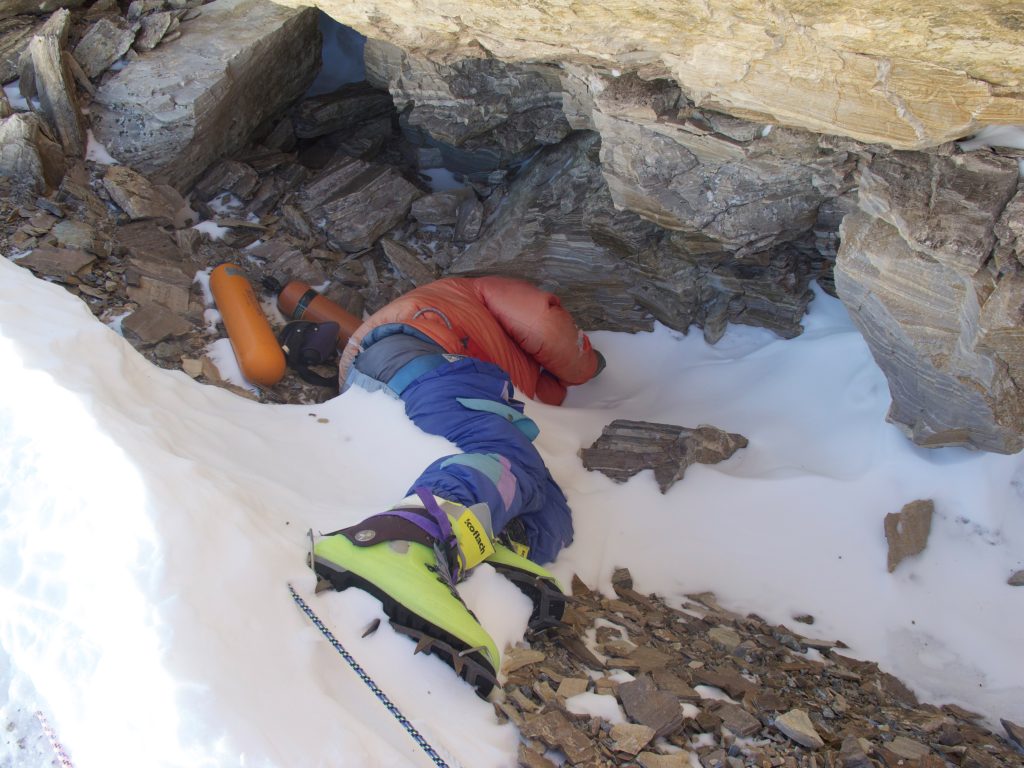
David Sharp was a British climber who attempted Everest largely on his own in 2006. During his descent from the summit, he became trapped near a rocky shelter known as the Green Boots Cave.
Over the course of several hours, dozens of climbers passed the area while making their own summit attempts. Sharp’s condition continued to worsen, and he eventually died on the mountain.
The incident sparked an international debate about ethics in high-altitude climbing. Many people questioned whether more could have been done to help him, while others argued that the extreme conditions of the Death Zone limited what climbers could realistically do.
Sharp’s death forced the mountaineering community to confront difficult questions about responsibility, survival, and decision-making at extreme altitude.
What Happens to Bodies on Mount Everest?
Mount Everest’s extreme environment makes recovering the bodies of deceased climbers one of the most difficult tasks in mountaineering. Unlike mountains at lower elevations, Everest presents rescuers with severe challenges, including low oxygen levels, freezing temperatures, dangerous terrain, and unpredictable weather.
Over the decades, hundreds of climbers have lost their lives on Everest. While some bodies have been recovered and returned to their families, many remain on the mountain because recovery operations can place rescuers at significant risk.
The presence of these climbers serves as a reminder of Everest’s dangers and the harsh realities of high-altitude mountaineering. Understanding why recovery is so difficult helps explain one of the most unique and challenging aspects of climbing the world’s highest mountain.
Why Recovery Is Difficult
Recovering a body from Mount Everest requires an enormous amount of effort, manpower, and resources. Most fatalities occur above 8,000 meters (26,247 feet) in the Death Zone, where oxygen levels become dangerously low and even simple physical tasks demand tremendous energy.
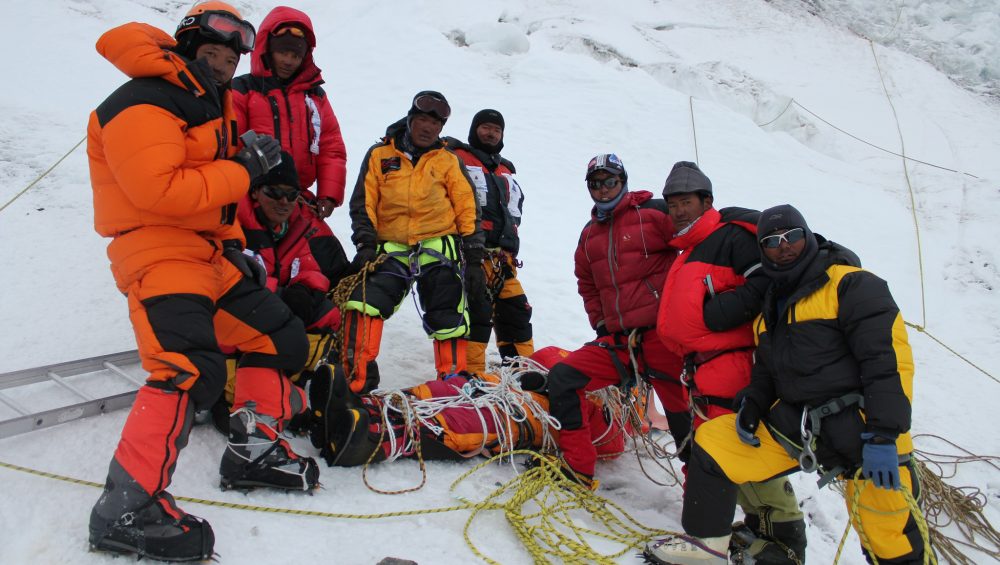
A recovery team often needs multiple experienced Sherpas, specialized equipment, supplemental oxygen, and favorable weather conditions. Moving a body across steep slopes, icy ridges, and deep snow can take many hours or even several days. At extreme altitudes, rescuers face the same dangers that claimed the climber’s life, including altitude sickness, exhaustion, storms, and falls.
The physical challenge becomes even greater because bodies can weigh significantly more when combined with frozen clothing, climbing gear, and accumulated ice. Every recovery mission requires careful planning to minimize risks to the rescue team.
For these reasons, expedition leaders and families must carefully weigh the emotional importance of recovery against the safety of those who would perform the operation.
Why Some Bodies Remain on the Mountain
Many bodies remain on Mount Everest because recovery is often too dangerous, expensive, or technically difficult. In some cases, climbers die in locations that rescuers cannot safely access. Steep cliffs, crevasses, and exposed ridges can make retrieval nearly impossible without placing additional lives at risk.
The Death Zone creates another major challenge. Above 8,000 meters, rescuers have limited time and energy to work safely. Spending too long at these altitudes increases the risk of serious illness and death, even for highly experienced climbers.
Financial considerations also play a role. Recovery missions can cost tens of thousands of dollars and require large teams working under hazardous conditions. As a result, some families choose not to pursue recovery efforts.
While the idea may seem unusual to people outside the mountaineering community, many climbers understand these realities before attempting Everest. Some even express their wishes regarding recovery before beginning their expedition.
Modern Recovery Efforts
Advances in equipment, logistics, and climbing expertise have improved how teams recover bodies from Mount Everest. These tools help teams carry out recovery operations more safely than in the past.
These teams improve safety on climbing routes, reduce environmental impact, and show respect for climbers who lost their lives on Everest.
Despite these improvements, body recovery remains one of the most difficult tasks in high-altitude mountaineering. Every mission requires careful planning, stable weather conditions, and highly experienced teams willing to operate in one of the harshest environments on Earth.
For this reason, Mount Everest continues to hold a unique place in mountaineering history. Its extreme altitude, technical terrain, and unpredictable conditions ensure that recovery efforts will remain complex and dangerous for future generations of climbers and rescue teams.
Is Climbing Everest More Dangerous Than Before?
Climbing Mount Everest is generally safer today than it was several decades ago, thanks to advances in mountaineering equipment, more accurate weather forecasting, improved communication systems, and experienced guiding companies. These improvements have increased summit success rates and helped climbers make better decisions on the mountain.
However, Everest is far from safe. The mountain still presents life-threatening risks, including extreme altitude, unpredictable weather, avalanches, and the challenges of climbing above 8,000 meters (26,247 feet). In recent years, another major concern has emerged crowding. During the short summit season, long queues of climbers can delay ascents and increase the time spent in the dangerous Death Zone, raising the risk of exhaustion and altitude-related illnesses.
Improved Equipment
Modern climbing equipment has significantly reduced many of the risks associated with climbing Everest. Today’s climbers benefit from lightweight insulated clothing, high-performance mountaineering boots, durable crampons, reliable climbing ropes, advanced ice axes, and high-quality oxygen systems that perform much better than those used by early expeditions.
Communication has also improved dramatically. Satellite phones, GPS devices, and emergency communication equipment allow climbers and expedition teams to stay connected even in remote areas of the mountain. Many guided expeditions also carry portable weather devices and emergency medical supplies, making it easier to respond to changing conditions.
These innovations have made Everest more accessible and have contributed to higher summit success rates. Even so, no equipment can eliminate the dangers of extreme altitude, severe cold, or sudden storms. Climbers must still rely on proper training, physical fitness, careful acclimatization, and sound decision-making to reach the summit safely.
Better Weather Forecasting
One of the biggest improvements in modern Everest expeditions is the accuracy of weather forecasting. In the past, climbers often had limited information about approaching storms and had to rely largely on observation and experience. Today, expedition leaders receive detailed forecasts from professional meteorologists who monitor wind speeds, snowfall, temperatures, and atmospheric pressure throughout the climbing season.
These forecasts help teams identify short periods of stable weather, commonly known as summit windows, when conditions are most favorable for reaching the top. By choosing the right time to climb, expeditions can reduce their exposure to dangerous winds, whiteout conditions, and extreme cold.
Although forecasting technology has greatly improved safety, it is not foolproof. Weather on Everest can change rapidly, and even the most accurate predictions cannot prevent every storm. Climbers must remain prepared to turn back if conditions deteriorate, even when they are close to the summit.
Crowding and New Risks
While technology has made Everest safer in many ways, the growing popularity of the mountain has introduced new dangers. Each climbing season, hundreds of mountaineers from around the world attempt to reach the summit, often during the same narrow weather windows. This can create long lines on steep sections such as the Hillary Step and the Southeast Ridge.
Traffic jams at high altitude force climbers to spend more time in the Death Zone, where oxygen levels are too low for the human body to function normally over extended periods. Waiting in line increases oxygen consumption, causes fatigue, and exposes climbers to freezing temperatures for longer than planned. In some tragic cases, delays have contributed to altitude sickness, frostbite, and fatalities.
Crowding also places additional pressure on guides, Sherpas, rescue teams, and fixed-rope systems. As a result, many mountaineering experts believe that managing the number of permits, improving climber experience requirements, and encouraging responsible expedition planning are essential steps toward making Everest safer in the future.
Overall, modern technology has reduced many traditional risks, but Mount Everest remains one of the world’s most dangerous mountains. Success still depends on careful preparation, responsible decision-making, favorable weather, and respecting the mountain’s extreme environment.
Why Do People Still Climb Everest?
Despite the dangers, high costs, and physical challenges, thousands of people continue to dream of climbing Mount Everest every year. For many, reaching the summit of the world’s highest mountain represents far more than an adventure it is the fulfillment of a lifelong ambition. Others are motivated by personal goals, a love of mountaineering, or the desire to test their limits in one of the harshest environments on Earth.
While every climber has a unique reason for attempting Everest, most are driven by a combination of challenge, achievement, and the unforgettable experience of standing on the highest point on the planet.
The Challenge
For experienced mountaineers, Everest is considered the ultimate climbing challenge. Standing at 8,849 meters (29,032 feet) above sea level, the mountain demands months of physical training, technical preparation, mental resilience, and careful acclimatization.
Climbers must endure freezing temperatures, hurricane-force winds, steep ice slopes, deep crevasses, and extremely low oxygen levels. Even simple tasks such as eating, walking, or putting on gloves become exhausting at high altitude. Reaching the summit requires determination, patience, and the ability to make sound decisions under intense physical and mental stress.
For many adventurers, overcoming these obstacles is what makes climbing Everest one of the greatest achievements in mountaineering.
Personal Achievement
Many people climb Everest to accomplish a personal goal rather than to break records or gain recognition. For some, it represents years of preparation and dedication. Others see the climb as a way to celebrate a milestone, honor a loved one, raise money for charity, or prove to themselves that they can overcome extraordinary challenges.
The journey to the summit teaches valuable lessons about perseverance, teamwork, discipline, and resilience. Climbers often describe the expedition as life-changing, not only because they reached the top of the world but because they discovered their own physical and mental strength along the way.
Even those who do not reach the summit frequently consider the experience rewarding, having pushed themselves beyond what they believed was possible.
The Dream of Standing on the Highest Point on Earth
For countless adventurers, the greatest motivation is the opportunity to stand on the highest point on Earth. The summit of Mount Everest has become a global symbol of exploration, courage, and human determination. Reaching the top is a dream that inspires climbers from every continent, regardless of age, nationality, or background.
After weeks of trekking, acclimatization, and climbing through the Khumbu Icefall, high camps, and the Death Zone, successful climbers are rewarded with breathtaking views across the Himalayas and the unforgettable feeling of standing above every other place on Earth.
For many, that moment lasts only a few minutes, but the memories and sense of accomplishment remain for a lifetime. It is this powerful combination of adventure, personal growth, and the pursuit of an extraordinary goal that continues to draw people to Mount Everest despite its well-known risks.
Mount Everest Death Statistics by Decade
Since the first serious attempts to climb Mount Everest in the early 20th century, hundreds of climbers have lost their lives on the world’s highest mountain. However, the causes and patterns of these deaths have changed significantly over time. Advances in climbing technology, improved forecasting, and commercial expeditions have increased the number of successful summits, but they have also brought more people and new risks to Everest.
Looking at Everest deaths by decade helps illustrate how mountaineering has evolved and why fatalities continue to occur despite major improvements in safety.
Early Expeditions
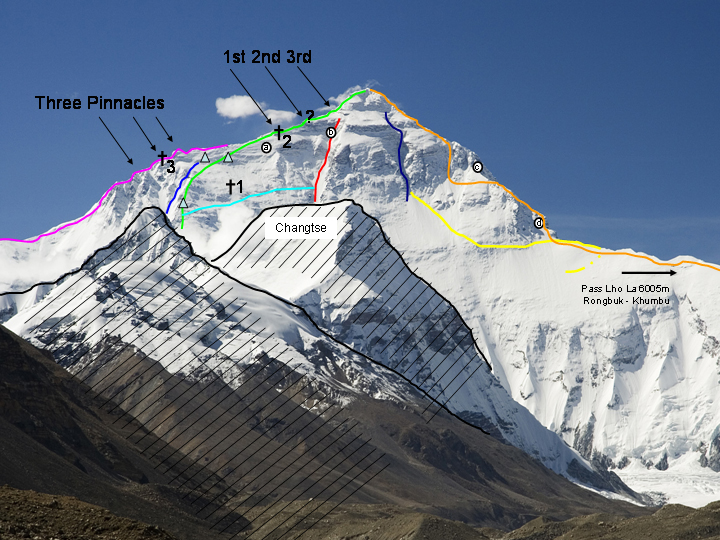
The earliest Everest expeditions, from the 1920s through the 1950s, were among the most dangerous in mountaineering history. Climbers explored unknown routes with limited equipment, heavy clothing, early oxygen systems, and almost no reliable weather forecasting. Maps were incomplete, communication was nearly impossible, and rescue operations were extremely limited.
One of the first major tragedies occurred during the 1922 British Everest Expedition, when an avalanche killed seven Sherpas the first recorded fatalities on Mount Everest. Two years later, British climbers George Mallory and Andrew Irvine disappeared high on the mountain while attempting the summit. Their fate remained one of mountaineering’s greatest mysteries for decades.
Although relatively few expeditions took place during this period, each climb carried enormous risks due to the lack of modern technology and limited understanding of high-altitude physiology.
The Commercial Climbing Era
Everest changed dramatically in the 1990s as commercial guiding companies began offering expeditions to paying clients. Advances in equipment, fixed ropes, bottled oxygen, and professional guiding made the mountain accessible to experienced amateur climbers rather than only elite mountaineers.
The number of summit attempts increased rapidly, leading to both greater success and more accidents. The most well-known tragedy of this era was the 1996 Everest disaster, when sudden storms claimed the lives of eight climbers in a single day. The event highlighted how quickly weather can change on Everest and demonstrated that even experienced guides and well-organized expeditions remain vulnerable to the mountain’s extreme conditions.
Throughout the commercial climbing era, fatalities were often linked to altitude sickness, exhaustion, falls, avalanches, and severe weather. As more people attempted Everest each year, the total number of deaths also gradually increased.
Modern Trends
In recent years, Everest has experienced record numbers of climbers, resulting in both higher summit totals and continued fatalities. These innovations have significantly increased the overall summit success rate compared with earlier decades.
However, modern challenges have also emerged. During favorable weather windows, hundreds of climbers may attempt the summit within a few days, creating long queues in the Death Zone. These delays can increase oxygen consumption, worsen fatigue, and expose climbers to extreme conditions for longer than planned.
Recent climbing seasons have shown that most fatalities are no longer caused solely by poor equipment or lack of knowledge. Instead, deaths often result from a combination of extreme altitude, underlying medical conditions, unpredictable weather, exhaustion, and heavy traffic on the mountain.
Overall, Mount Everest has become more accessible and better understood than ever before, but it remains one of the world’s most demanding and unforgiving environments. While modern technology has improved safety, no advancement can eliminate the inherent risks of climbing nearly 9,000 meters above sea level.
This section answers some of the most common questions people ask about Mount Everest deaths, risks, and climbing conditions. These quick answers help clarify important facts about the mountain and how dangerous it really is.
More than 300 people have died on Mount Everest since expeditions began in the early 20th century. The exact number changes slightly each year as new data is updated, but fatalities remain relatively high due to the extreme altitude, harsh weather, and technical difficulty of the climb. Most deaths occur above 8,000 meters, in what is known as the Death Zone.
These were the first known fatalities linked directly to Everest climbing attempts. Later, in 1924, British climbers George Mallory and Andrew Irvine disappeared during an attempt to reach the summit. Their fate remains one of mountaineering’s greatest mysteries.
The Death Zone refers to altitudes above 8,000 meters (26,247 feet), where oxygen levels are too low to sustain human life for extended periods. In this zone, the body begins to deteriorate rapidly due to lack of oxygen, extreme cold, and physical exhaustion. Climbers must rely on supplemental oxygen, but even then, long exposure significantly increases the risk of altitude sickness, confusion, and death.
Helicopter rescues on Mount Everest are extremely limited and only possible under very specific conditions. While helicopters have successfully performed rescues from lower sections of the mountain, the high altitude near the summit is often beyond safe operating limits for most aircraft. Thin air, unpredictable winds, and dangerous terrain make rescue operations extremely risky and rare at extreme elevations.
Yes, climbers often pass bodies during their ascent or descent on Mount Everest. Due to the extreme difficulty and danger of recovery operations, many bodies remain on the mountain permanently. Over time, snow and ice may partially cover them, but some remain visible for years, serving as a sobering reminder of the risks involved in high-altitude climbing.
Mount Everest is not the deadliest mountain in terms of fatality rate, but it is the most famous and one of the most dangerous due to the number of climbers who attempt it each year. Other mountains, such as Annapurna, have higher death rates, but far fewer people climb them. Everest’s combination of extreme altitude, weather conditions, and heavy traffic contributes to its overall risk.
Final Thoughts
Mount Everest remains one of the most powerful symbols of human ambition and endurance. While modern technology, better forecasting, and experienced guiding teams have made climbing safer than in the past, the mountain is still extremely dangerous. Every season reminds the world that Everest is not just a destination it is a serious high-altitude environment where even small mistakes can have life-threatening consequences.
Understanding the Risks of Everest
Understanding the risks of Everest is essential for anyone interested in high-altitude mountaineering. The dangers come from a combination of extreme altitude, unpredictable weather, physical exhaustion, and limited oxygen above 8,000 meters. Even well-prepared climbers with modern equipment face serious challenges, especially in the Death Zone where the human body begins to deteriorate rapidly.
Another important factor is decision-making. Many accidents occur not because climbers lack skill, but because they push forward despite worsening conditions, fatigue, or overcrowding on the route. The mountain demands respect, patience, and the ability to turn back when necessary.
Why Everest Continues to Inspire Climbers
Despite the risks, Everest continues to attract climbers from around the world. For many, it represents the ultimate test of endurance, discipline, and mental strength. Standing on the highest point on Earth is a rare achievement that holds deep personal meaning, often symbolizing years of preparation and sacrifice.
Everest also inspires people because it represents exploration and the limits of human possibility. Each climber who attempts the summit becomes part of a long history of adventure and discovery. Even for those who do not reach the top, the journey itself often becomes a life-changing experience.
In the end, is Everest not only about danger or statistics it is about human determination, respect for nature, and the desire to explore what lies beyond ordinary limits.
Read more Everest