Reusch Crater
Estimated reading time: 27 minutes
Most climbers who reach the summit of Mount Kilimanjaro celebrate at Uhuru Peak before beginning their descent. Few realize that one of the mountain’s most fascinating volcanic features lies hidden just beyond the crater rim. Deep within Kibo, Kilimanjaro’s highest volcanic cone, sits Reusch Crater, a smaller inner crater that reveals the mountain’s fiery geological past.
Named after Richard Reusch, a missionary, explorer, and one of Kilimanjaro’s most dedicated early climbers, Reusch Crater remains one of the least-visited attractions on Africa’s highest mountain. While tens of thousands of trekkers attempt Kilimanjaro each year, only a small number venture into the crater area to see this remarkable landmark.
Beyond its historical significance, Reusch Crater offers a rare opportunity to explore the volcanic heart of Mount Kilimanjaro. Its dramatic walls, proximity to the famous Ash Pit, and location within the vast Kibo Crater make it one of the mountain’s most unique geological features.
In this guide, you’ll learn what Reusch Crater is, where it is located, how it formed, who Richard Reusch was, and whether visiting this hidden corner of Kilimanjaro is worth adding to your climb.
Table of contents
- Reusch Crater
- What Is Reusch Crater?
- What Is Reusch Crater?
- Where Is Reusch Crater Located?
- Quick Facts About Reusch Crater
- How Did Reusch Crater Form?
- What Is the Ash Pit?
- Is Kilimanjaro Still an Active Volcano?
- Who Was Richard Reusch?
- The Story of the Frozen Leopard
- Timeline of Richard Reusch and Reusch Crater
- Reusch Crater vs Kibo Crater
- Can You Visit Reusch Crater?
- Is Visiting Reusch Crater Worth It?
- Frequently Asked Questions About Reusch Crater
- Final Thoughts on Reusch Crater
What Is Reusch Crater?
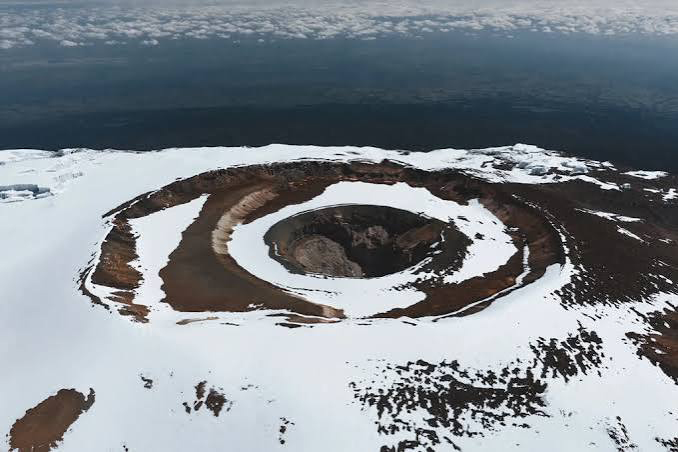
Reusch Crater is a small volcanic crater located inside Kibo Crater, the main summit crater of Mount Kilimanjaro. It sits near the center of Kibo’s crater floor and surrounds the famous Ash Pit, one of the most active geothermal areas on the mountain.
Although many climbers reach Uhuru Peak, very few continue into the crater to visit Reusch Crater. As a result, it remains one of Kilimanjaro’s best-kept secrets.
Quick Answer
Reusch Crater is an inner volcanic crater located within Kibo Crater on Mount Kilimanjaro. Named after Richard Reusch in 1954, it surrounds the Ash Pit and provides some of the clearest evidence of Kilimanjaro’s volcanic origins.
Why Is Reusch Crater Famous?
Reusch Crater is famous for three main reasons. First, it contains the Ash Pit, a deep depression where heat and sulfur gases still emerge from beneath the mountain. Second, it offers a rare glimpse into the geological history of Kilimanjaro’s volcano. Third, the crater bears the name of Richard Reusch, one of the most influential figures in the mountain’s exploration history.
For geologists, climbers, and history enthusiasts alike, Reusch Crater represents an important piece of Kilimanjaro’s story.
Why Most Climbers Never See It
Most Kilimanjaro itineraries focus on reaching Uhuru Peak and descending shortly afterward. Visiting Reusch Crater requires additional time, careful planning, and in many cases an overnight stay in the crater area.
Because of the extra effort involved, only a small percentage of climbers venture beyond the summit trail. Those who explore it enjoy a quieter, more remote experience and gain a unique view of the mountain’s volcanic interior.
What Is Reusch Crater?
Reusch Crater is a smaller volcanic crater located inside Kibo Crater, the summit crater of Mount Kilimanjaro. Found near the center of Kibo’s crater floor, it surrounds the famous Ash Pit and offers a unique look into the mountain’s volcanic past. Explorers named the crater after Richard Reusch in 1954, and it remains one of Kilimanjaro’s least-visited but most fascinating geological features.
Quick Answer
Reusch Crater is an inner volcanic crater located within Kibo Crater on Mount Kilimanjaro. Measuring about 820 meters (2,690 feet) in diameter, it surrounds the Ash Pit and serves as a reminder that Kilimanjaro is a dormant volcano rather than an extinct one. Explorers named the crater after Richard Reusch, a missionary, explorer, and early Kilimanjaro climber who made numerous ascents of Africa’s highest mountain.
Why It Is Famous
Reusch Crater is famous because it sits at the heart of Kilimanjaro’s volcanic system. Unlike Uhuru Peak, which attracts thousands of climbers each year, Reusch Crater gives visitors a deeper understanding of how the mountain formed.
One of its most notable features is the Ash Pit, a deep depression where scientists still detect traces of volcanic heat and sulfur gases. Scientists consider this area one of the strongest pieces of evidence that volcanic activity still exists beneath Kibo, even though the mountain has not erupted in modern times.
The crater is also famous for its connection to Richard Reusch, one of Kilimanjaro’s most influential historical figures. His contributions to exploration, guiding, and mountain research earned him the rare honor of having explorers name a major feature of Kilimanjaro after him.
Why Most Climbers Never See It
Although nearly every summit attempt passes near Kibo Crater, very few climbers actually visit Reusch Crater. Most trekking itineraries focus on reaching Uhuru Peak before descending to lower camps on the same day.
Visiting the crater requires extra time and often involves an overnight stay in the crater area or a special excursion after reaching the summit. Because of the additional effort, only a small percentage of climbers leave the main trail to explore this hidden volcanic landmark.
Those who do make the journey experience one of the most remote and remarkable places on Mount Kilimanjaro. Away from the crowds at Uhuru Peak, Reusch Crater provides dramatic volcanic landscapes, unique geological features, and a rare chance to stand inside the mountain’s ancient volcanic heart.
Where Is Reusch Crater Located?
Reusch Crater lies within Kibo Crater, the main summit crater of Mount Kilimanjaro. Located near the center of Kibo’s crater floor, it forms part of a series of volcanic features that reveal the mountain’s geological history. While thousands of climbers stand on the crater rim at Uhuru Peak each year, only a small number venture farther into the crater to see Reusch Crater itself.
Position Inside Kibo Crater
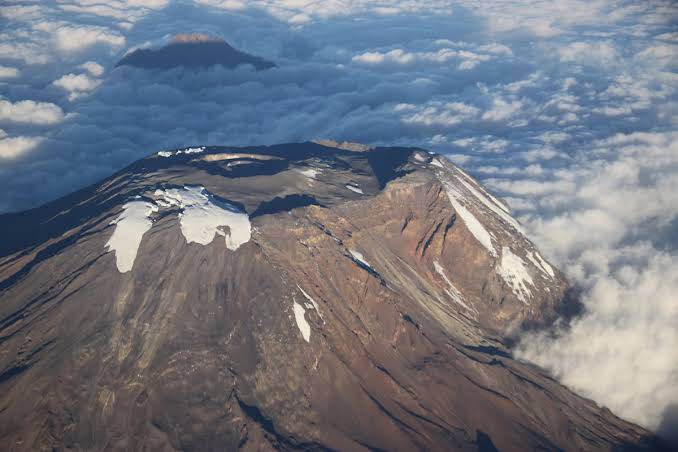
Mount Kilimanjaro consists of three volcanic cones: Shira, Mawenzi, and Kibo. Kibo is the youngest and highest of the three and contains the mountain’s summit.
At the top of Kibo lies the large Kibo Crater. Within this crater is an Inner Cone, and inside the Inner Cone sits Reusch Crater. At the center of Reusch Crater is the famous Ash Pit, the deepest and most geologically active feature on Kilimanjaro.
This nesting of craters creates a fascinating volcanic structure, with each layer representing a different stage in the mountain’s formation.
Elevation and Size
Reusch Crater is located at an elevation of approximately 5,700 meters (18,700 feet) above sea level, placing it among the highest volcanic craters in the world.
The crater measures about 820 meters (2,690 feet) in diameter. Although much smaller than Kibo Crater, it remains an impressive geological feature. Its walls rise from the surrounding crater floor and encircle the Ash Pit, creating a dramatic landscape of volcanic rock, ash, and alpine desert terrain.
At this altitude, climbers experience thin air, freezing temperatures, and breathtaking views across Kilimanjaro’s summit plateau.
Distance from Uhuru Peak
Reusch Crater is located southeast of Uhuru Peak, the highest point on Mount Kilimanjaro and in Africa.
The walking distance between Uhuru Peak and Reusch Crater is approximately 1.5 to 2 kilometers (0.9 to 1.2 miles), depending on the route taken across the crater floor. Most trekkers can reach the crater in about one hour after leaving the summit area.
Because standard summit itineraries focus on descending immediately after reaching Uhuru Peak, few climbers make the additional journey. However, those who continue into the crater gain access to one of Kilimanjaro’s most unique and least-visited locations.
Reusch Crater Location Map
Reusch Crater sits within a series of volcanic features at Kilimanjaro’s summit.
| Feature | Location |
|---|---|
| Uhuru Peak | Highest point on the crater rim |
| Kibo Crater | Main summit crater of Kilimanjaro |
| Inner Cone | Volcanic cone inside Kibo Crater |
| Reusch Crater | Inner crater surrounding the Ash Pit |
| Ash Pit | Deepest volcanic depression at the center |
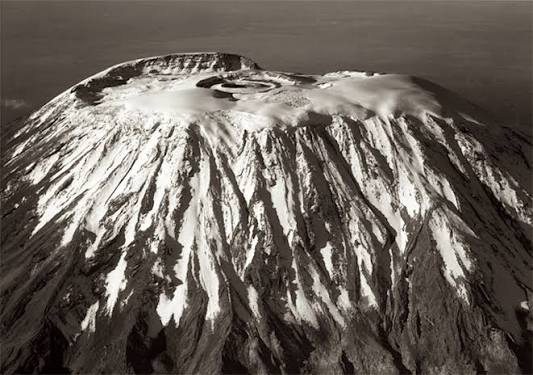
Visualizing these features as concentric circles helps explain their relationship. Kibo Crater forms the outer boundary, the Inner Cone rises from its floor, Reusch Crater sits within the cone, and the Ash Pit occupies the very center. Together, they form the hidden volcanic heart of Mount Kilimanjaro.
Quick Facts About Reusch Crater
Reusch Crater stands as one of the most remarkable yet least-visited features on Mount Kilimanjaro. Located within Kibo Crater near the mountain’s summit, it provides valuable insight into Kilimanjaro’s volcanic history and remains an important destination for climbers interested in geology and exploration.
Reusch Crater Facts Table
| Feature | Detail |
|---|---|
| Name | Reusch Crater |
| Location | Inside Kibo Crater, Mount Kilimanjaro |
| Mountain | Mount Kilimanjaro |
| Country | Tanzania |
| Elevation | Approximately 5,700 m (18,700 ft) |
| Diameter | About 820 m (2,690 ft) |
| Volcano Cone | Kibo |
| Named After | Richard Reusch |
| Year Named | 1954 |
| Notable Feature | The Ash Pit |
| Volcano Status | Dormant |
| Distance from Uhuru Peak | Approximately 1.5-2 km |
Geological Highlights
Reusch Crater forms part of a complex volcanic system that developed during the creation of Kibo, Kilimanjaro’s highest volcanic cone. It sits inside the larger Kibo Crater and surrounds the Ash Pit, a deep volcanic depression located at the center of the summit area.
One of the crater’s most important geological features is the presence of residual geothermal activity. Although Mount Kilimanjaro has not erupted in recorded history, scientists still detect heat and sulfur gases around the Ash Pit. These signs indicate that Kibo remains dormant rather than extinct.
The landscape around Reusch Crater consists of volcanic ash, lava rock, and alpine desert terrain. Combined with nearby glaciers and snowfields, the area creates one of the most unusual environments in Africa.
Visitor Statistics
Every year, tens of thousands of climbers attempt to reach Uhuru Peak, the highest point on Mount Kilimanjaro. However, only a small percentage continue beyond the summit trail to explore the crater floor.
Most climbers descend immediately after reaching the summit because of altitude, fatigue, and itinerary schedules. As a result, Reusch Crater receives only a fraction of the visitors who stand on Uhuru Peak.
This limited access makes Reusch Crater one of the quietest and most exclusive locations on the mountain. Visitors who reach the crater often enjoy a more remote experience, with fewer people, dramatic volcanic scenery, and a closer look at Kilimanjaro’s geological heart.
How Did Reusch Crater Form?
Reusch Crater is the result of millions of years of volcanic activity that shaped Mount Kilimanjaro into Africa’s highest mountain. Its formation began deep beneath the Earth’s surface, where tectonic forces created conditions for repeated volcanic eruptions. Understanding how Reusch Crater formed requires looking at the evolution of Kilimanjaro itself, from the birth of its volcanic cones to the development of the crater system visible today.
Formation of Mount Kilimanjaro
Mount Kilimanjaro formed along the East African Rift System, a vast geological region where the African tectonic plate is slowly splitting apart. As the Earth’s crust stretched and weakened, magma from the mantle rose toward the surface, creating a series of volcanic eruptions.
Between approximately 2.5 million and 1 million years ago, these eruptions built the three volcanic cones that make up Kilimanjaro: Shira, Mawenzi, and Kibo. Over time, lava flows, ash deposits, and explosive eruptions increased the mountain’s size until it became the tallest free-standing mountain in the world.
Today, Kilimanjaro stands at 5,895 meters (19,341 feet), dominating the surrounding plains of northern Tanzania.
Development of Kibo Volcano
Kibo is the youngest and highest of Kilimanjaro’s three volcanic cones. While Shira collapsed long ago and Mawenzi became heavily eroded, Kibo continued to grow through repeated eruptions.
As magma accumulated beneath the volcano, layers of lava and volcanic ash built a massive cone. Eventually, the summit area became unstable after major eruptions emptied underground magma chambers. The surface collapsed inward, creating the large depression now known as Kibo Crater.
This crater remains the dominant feature at Kilimanjaro’s summit and serves as the setting for several smaller volcanic structures, including Reusch Crater.
Creation of the Inner Cone
After Kibo Crater formed, volcanic activity continued within the crater itself. New eruptions pushed lava and ash upward from the crater floor, gradually building a secondary volcanic cone near the center.
This feature became known as the Inner Cone. Unlike the outer crater walls, which formed through collapse, the Inner Cone grew through the accumulation of volcanic material during later stages of Kibo’s activity.
The Inner Cone represents one of the final phases of Kilimanjaro’s volcanic development and shows that volcanic activity persisted even after the formation of the main summit crater.
Formation of Reusch Crater
Reusch Crater formed within the Inner Cone during the later stages of volcanic activity on Kibo. Explosive eruptions and the release of volcanic gases created a smaller crater inside the cone, producing the circular depression visible today.
At the center of Reusch Crater lies the Ash Pit, a deep volcanic vent that marks one of the youngest volcanic features on Mount Kilimanjaro. Scientists believe powerful eruptions created the Ash Pit and surrounding crater by expelling ash, rock fragments, and gases from beneath the volcano.
Although Kilimanjaro has not erupted in recorded history, geothermal heat and sulfur emissions near the Ash Pit suggest that volcanic processes still exist beneath the surface. For this reason, Reusch Crater is more than a scenic landmark it is one of the clearest reminders that Kibo remains a dormant volcano with a living geological history.
What Is the Ash Pit?
The Ash Pit is a deep volcanic vent located at the center of Reusch Crater on Mount Kilimanjaro. It is one of the youngest volcanic features on the mountain and provides important evidence of Kilimanjaro’s volcanic history. Although most climbers focus on reaching Uhuru Peak, the Ash Pit offers a rare opportunity to explore the geological core of Africa’s highest mountain.
Location of the Ash Pit
The Ash Pit lies within Reusch Crater, which itself is located inside the larger Kibo Crater at Kilimanjaro’s summit. This makes it the innermost feature in a series of volcanic structures that formed during different stages of the mountain’s development.
The pit reaches approximately 200 meters (656 feet) in depth, and climbers can reach it by crossing the crater floor from the summit area. Its steep walls descend into a dark volcanic depression, creating one of the most dramatic landscapes on Kilimanjaro.
Because it sits near the center of Kibo Volcano, the Ash Pit represents the closest point visitors can reach to the mountain’s ancient volcanic vent system.
Why It Is Important
The Ash Pit is important because it helps scientists understand how Mount Kilimanjaro evolved over time. It serves as a visible reminder of the powerful eruptions that once shaped the mountain’s summit and created the crater system seen today.
Geologists study the Ash Pit to learn about Kilimanjaro’s volcanic activity, eruption history, and internal structure. The pit also provides clues about the volcano’s current condition and whether any geothermal activity remains beneath the surface.
For climbers, visiting the Ash Pit offers a unique experience that goes beyond simply reaching the summit. It allows them to stand at the center of one of the world’s largest free-standing volcanoes and witness features that few visitors ever see.
Evidence of Ongoing Volcanic Activity
Although Mount Kilimanjaro is classified as a dormant volcano, the Ash Pit shows signs that volcanic activity has not completely disappeared. Scientists have recorded elevated temperatures beneath the crater floor, and sulfur gases can sometimes be detected in the area.
These geothermal conditions indicate that heat remains trapped beneath Kibo Volcano. While there is no evidence that an eruption is imminent, the presence of underground heat suggests that Kilimanjaro is not extinct.
Another indication of ongoing geothermal activity is the lack of permanent snow inside parts of the Ash Pit. Heat rising from below can melt snowfall shortly after it accumulates, even in the freezing conditions found near the summit.
As a result, the Ash Pit remains one of the most scientifically significant locations on Mount Kilimanjaro and one of the strongest pieces of evidence that the volcano still possesses an active geological system beneath its surface.
Is Kilimanjaro Still an Active Volcano?
Although Mount Kilimanjaro has not erupted in thousands of years, it is not considered an extinct volcano. Instead, geologists classify its highest volcanic cone, Kibo, as dormant, meaning it is currently inactive but still has the potential to erupt in the future. While there is no indication that an eruption is imminent, scientific evidence shows that volcanic heat remains beneath the mountain’s surface.
Understanding Kilimanjaro’s volcanic status helps visitors appreciate how features such as Reusch Crater, the Ash Pit, and Kibo Crater were formed and why they remain important to scientists studying East Africa’s volcanic history.
Dormant vs Extinct
The terms dormant and extinct are often confused, but they describe two very different stages in a volcano’s life.
A dormant volcano is one that has not erupted for a long time but still contains a magma system capable of becoming active again. An extinct volcano, on the other hand, has lost its magma supply and is not expected to erupt again.
Mount Kilimanjaro consists of three volcanic cones:
- Shira – Extinct
- Mawenzi – Extinct
- Kibo – Dormant
Kibo is the youngest of the three cones and is home to Reusch Crater, Kibo Crater, and the Ash Pit. Because volcanic activity has not completely ceased beneath Kibo, scientists continue to classify it as dormant rather than extinct.
Heat Beneath the Mountain
One of the strongest pieces of evidence that Kilimanjaro is still geologically active is the presence of heat beneath Kibo’s summit.
Within the Ash Pit, researchers have recorded elevated ground temperatures and identified fumaroles small openings that release warm volcanic gases. These features indicate that magma remains deep below the surface, even though no eruption has occurred in recorded history.
This underground heat is a reminder that Kilimanjaro’s volcanic system is still alive beneath its glaciers, lava formations, and summit craters. Although visitors cannot always see these geothermal features, they play an important role in helping scientists monitor the volcano’s long-term activity.
Future Eruption Possibilities
Could Mount Kilimanjaro erupt again? The answer is yes, but not anytime soon based on current scientific knowledge.
Because Kibo is classified as a dormant volcano, geologists cannot completely rule out the possibility of a future eruption. However, there are currently no signs that indicate an eruption is imminent Scientists continue to monitor the volcano through geological research, and they would likely detect any significant changes
such as increased seismic activity, rising gas emissions, or ground deformation well before an eruption.
For climbers and visitors, there is no evidence that Kilimanjaro poses an immediate volcanic threat. Today, the mountain remains a safe destination for trekking, while its volcanic landscape continues to provide valuable insights into the geological evolution of East Africa.
Who Was Richard Reusch?
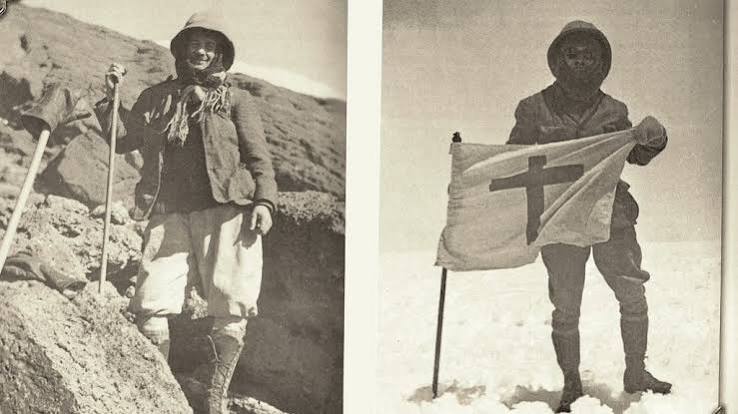
Richard Reusch was a German missionary, educator, mountaineer, and explorer who became one of the most influential figures in the history of Mount Kilimanjaro. Although he spent much of his life serving communities in what is now Tanzania, he is best remembered for his extensive exploration of Kilimanjaro’s summit area and his contributions to understanding the mountain’s volcanic landscape. His name lives on through Reusch Crater, one of the most remarkable geological features on Kibo, Kilimanjaro’s highest volcanic cone.
Early Life
Richard Reusch was born in Germany in the late 19th century and developed an early interest in education, religion, and the natural world. After completing his theological studies, he chose to dedicate his life to missionary work in East Africa. His curiosity extended beyond his religious mission, leading him to study the landscapes, cultures, and mountains of the region. This passion eventually inspired him to explore Mount Kilimanjaro, where he made several significant discoveries.
Missionary Work in Tanzania
Reusch spent many years serving as a Lutheran missionary in northern Tanzania, particularly among communities living around Mount Kilimanjaro. In addition to his religious work, he was committed to education and community development, earning the respect of local people through his long service. Living close to Africa’s highest mountain gave him the opportunity to study its geography and volcanic features in greater detail than many explorers of his time.
His Kilimanjaro Expeditions
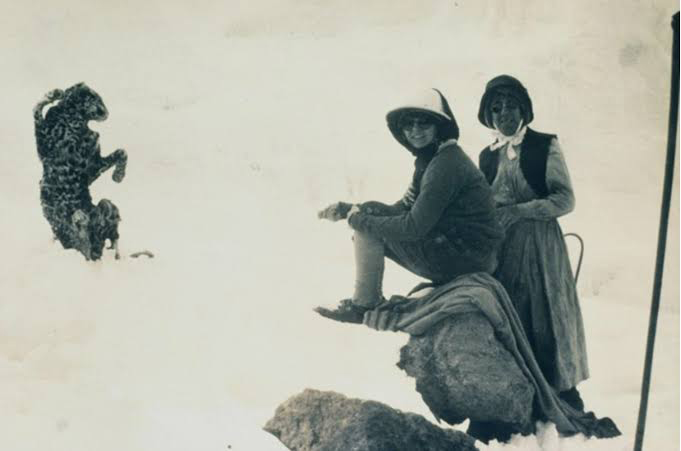
Richard Reusch climbed Mount Kilimanjaro numerous times during the early 20th century, making him one of the mountain’s most experienced explorers of that era. His expeditions focused not only on reaching the summit but also on documenting the mountain’s volcanic formations, glaciers, and craters. During one of these climbs in 1926, he discovered the remains of a frozen leopard near the summit, a finding that later inspired one of Kilimanjaro’s most enduring mysteries. His careful observations and exploration helped improve scientific knowledge of Kibo’s summit and its volcanic history.
Why the Crater Was Named After Him
Reusch Crater was named in honor of Richard Reusch because of his exceptional contributions to the exploration and study of Mount Kilimanjaro. His repeated expeditions, detailed observations, and dedication to understanding the mountain’s volcanic landscape earned him lasting recognition from the mountaineering and scientific communities. Today, Reusch Crater stands as a tribute to his legacy and remains one of the most fascinating destinations for climbers who venture beyond Uhuru Peak to explore Kilimanjaro’s hidden volcanic heart.
The Story of the Frozen Leopard
The story of the frozen leopard on Mount Kilimanjaro is one of the mountain’s most famous and mysterious legends. It blends real historical exploration with literary imagination, creating a tale that continues to attract curiosity from climbers, historians, and writers around the world. The discovery is closely linked to Richard Reusch and the summit region of Kibo, where extreme cold preserves rare traces of life at high altitude.
Discovery in 1926
In 1926, Richard Reusch made a remarkable discovery near the summit area of Mount Kilimanjaro. During one of his expeditions, he came across the frozen remains of a leopard positioned high on the mountain close to the volcanic crater zone. The animal was found at an altitude where survival is extremely difficult due to low oxygen levels, freezing temperatures, and harsh volcanic terrain. What made the discovery even more unusual was the question of how the leopard had reached such an extreme height in the first place. At that time, the finding was documented and later became widely discussed among explorers and scientists studying Kilimanjaro’s unique ecosystem.
Hemingway and the Leopard
The frozen leopard became even more famous after it was referenced in literature, especially through the works of Ernest Hemingway. In his writing about Africa and Mount Kilimanjaro, Hemingway used the image of a leopard near the summit as a powerful symbol of endurance, ambition, and isolation. Although his story was not a direct scientific account, it helped transform the discovery into a global legend. Over time, the “leopard on Kilimanjaro” became part of popular culture, representing both the mystery of high-altitude survival and the emotional symbolism of reaching great heights.
Theories Behind the Mystery
Several theories have been proposed to explain how the leopard reached such an extreme altitude. One explanation suggests that the animal may have followed prey upward or become lost while hunting in unfamiliar terrain. Another theory proposes that environmental changes or unusual migration patterns temporarily pushed wildlife higher up the mountain than expected. Some researchers also consider the possibility that the leopard climbed gradually through accessible routes before becoming trapped in freezing conditions near the summit.
Despite these theories, no single explanation fully resolves the mystery. The frozen leopard remains one of Kilimanjaro’s most intriguing stories, combining real exploration history with unanswered scientific questions and literary imagination. It continues to symbolize the mountain’s wild and unpredictable nature.
Timeline of Richard Reusch and Reusch Crater
The history of Richard Reusch and Reusch Crater closely links to the early exploration of Mount Kilimanjaro and scientific efforts to understand its volcanic summit. Over time, his expeditions and discoveries shaped how people know the crater today.
Major Events
The timeline of Richard Reusch’s involvement with Mount Kilimanjaro begins in the early 20th century when he arrived in East Africa as a missionary. During his years of service, he developed a deep interest in the geography and natural environment of the region. This curiosity led him to make multiple expeditions up Mount Kilimanjaro, where he explored the summit zones of Kibo.
One of the most important moments in this timeline occurred in 1926, when Reusch documented the discovery of the frozen leopard near the upper slopes of the mountain. This finding brought international attention to Kilimanjaro and added scientific and cultural interest to its summit region. His repeated climbs also contributed to early mapping and understanding of the volcanic crater system at the top of Kibo.
Naming of the Crater
Reusch Crater was named in honor of Richard Reusch because of his significant contributions to exploring and documenting the summit area of Mount Kilimanjaro. His expeditions provided valuable insights into the volcanic structure of Kibo and helped bring global attention to features such as the inner crater system and the Ash Pit. The naming recognizes his role as one of the early explorers who helped reveal the geological complexity of the mountain’s highest zone.
Historical Legacy
Scientific history and cultural storytelling preserve the legacy of Richard Reusch. Researchers continue to reference his work on Mount Kilimanjaro in studies of the mountain’s volcanic structure and exploration history. Beyond science, his association with the frozen leopard story and the crater named after him has made him a well-known figure in mountaineering history. Today, Reusch Crater stands as a lasting symbol of early exploration on Africa’s highest mountain and the human effort to understand its remote summit environment.
Reusch Crater vs Kibo Crater
Reusch Crater and Kibo Crater are two important volcanic features located at the summit of Mount Kilimanjaro. Although they are connected within the same volcanic system, they differ in size, structure, formation, and the experience they offer to climbers. Understanding these differences helps visitors better appreciate the complex geology of Kilimanjaro’s highest zone.
Size Comparison
Kibo Crater is the larger and more dominant of the two formations. It forms the main summit crater of Mount Kilimanjaro and surrounds the highest point of Africa, Uhuru Peak. Reusch Crater, on the other hand, is smaller and lies within the inner summit area of Kibo. While Kibo Crater stretches across a wide volcanic depression, Reusch Crater appears as a more compact inner crater feature located closer to the central volcanic cone.
This difference in size makes Kibo Crater more visually expansive, while Reusch Crater feels more enclosed and specialized within the summit landscape.
Geological Differences
Geologically, Kibo Crater represents the main caldera structure formed by ancient volcanic activity that shaped Mount Kilimanjaro’s summit. It is part of the broader volcanic system of Kibo, which is the only dormant cone among Kilimanjaro’s three volcanic peaks.
Reusch Crater forms a smaller inner crater within this larger system. It connects to secondary volcanic activity and includes features such as the Ash Pit and inner cone structures. These formations suggest that volcanic activity continued after the main caldera formed, creating layered geological features inside the summit area.
Together, the two craters show different stages of volcanic development on the same mountain.
Visitor Experience
For climbers reaching the summit of Mount Kilimanjaro, Kibo Crater is often the first major feature they encounter after reaching Uhuru Peak. It provides wide panoramic views of the summit landscape and surrounding glaciers.
Reusch Crater, however, is more remote and less frequently visited due to its position within the inner summit area and the difficulty of access. It offers a quieter and more isolated experience, often reserved for experienced climbers or guided summit excursions that go beyond the standard summit route.
While Kibo Crater represents the iconic summit experience of Kilimanjaro, Reusch Crater offers a deeper geological exploration of the mountain’s volcanic heart.
Can You Visit Reusch Crater?
Reusch Crater is located in the inner summit area of Mount Kilimanjaro, making it one of the most remote and challenging geological features on the mountain. While it is not part of the standard trekking experience, it is possible to visit it under specific conditions. Access depends on weather, guide expertise, and a climber’s physical ability, as the terrain around the Kibo summit is steep, cold, and highly exposed.
Routes That Reach the Crater
Most Kilimanjaro trekking routes do not directly reach Reusch Crater, because standard routes such as Machame, Marangu, Lemosho, and Rongai take climbers to Uhuru Peak before they descend. However, all summit routes technically pass through the broader Kibo summit area, where Reusch Crater is located.
To get closer to Reusch Crater, climbers must reach the summit zone of Kibo and then navigate carefully around the crater rim area. This is typically only possible under the guidance of experienced mountain guides who are familiar with the terrain and safe access points.
Guided Crater Excursions
Visiting Reusch Crater requires specialized guided support. Most climbers who attempt this are already experienced trekkers who have reached Uhuru Peak and are continuing exploration of the summit region. Local guides may offer extended summit excursions that include visits to geological features such as the Ash Pit and inner crater zones.
These excursions are not guaranteed and depend heavily on weather conditions, visibility, and the physical condition of the climber. Due to thin air at high altitude and extreme cold, careful planning and acclimatization are essential before attempting such an extension of the climb.
Best Time to Visit
The best time to explore Reusch Crater or any part of the Kibo summit zone is during Mount Kilimanjaro’s dry seasons. These occur from June to October and December to February, when weather conditions are more stable and visibility is higher.
During these periods, climbers are more likely to experience clear summit views and safer footing on volcanic rock and ice. The rainy seasons, by contrast, make access more dangerous due to slippery surfaces, heavy cloud cover, and unpredictable storms.
Even in the best seasons, visiting Reusch Crater requires strong preparation, proper gear, and experienced guides to ensure safety in one of the highest and most extreme environments in Africa.
Is Visiting Reusch Crater Worth It?
Visiting Reusch Crater is considered a rare and highly rewarding experience for climbers who reach the summit region of Mount Kilimanjaro. Unlike the main summit point at Uhuru Peak, Reusch Crater offers a more secluded and geological-focused experience that reveals the deeper volcanic structure of Kibo. For those who are physically prepared and fortunate enough to access it, the visit provides a unique perspective on Africa’s highest mountain.
Views and Photography
The views around Reusch Crater are striking and very different from the standard summit scenery. Instead of the wide, open panorama seen at Uhuru Peak, Reusch Crater offers a more dramatic and enclosed volcanic landscape. The terrain features rugged crater walls, ash formations, and remnants of ancient volcanic activity.
For photography, this area provides rare opportunities to capture close-up geological details that most climbers never see. The lighting at high altitude, combined with the raw volcanic textures, creates powerful and atmospheric images. However, conditions are often harsh, so clear visibility depends on weather and timing.
Geological Significance
Reusch Crater is highly valuable from a geological perspective because it reveals the inner structure of Kibo’s volcanic system. It is part of a complex summit environment that includes the Ash Pit and inner cone formations, which help scientists understand the volcanic evolution of Mount Kilimanjaro.
Unlike the more commonly visited summit areas, Reusch Crater represents a deeper layer of volcanic activity that occurred after the main crater was formed. This makes it an important feature for studying how stratovolcanoes develop over time and how Kilimanjaro’s summit has changed through geological history.
Unique Summit Experience
The experience of reaching Reusch Crater is significantly different from a standard Kilimanjaro summit climb. While most climbers focus on reaching Uhuru Peak, visiting Reusch Crater adds an extra level of exploration and adventure within the summit zone.
It is quieter, more remote, and far less crowded, offering a sense of isolation and discovery. Standing within this volcanic landscape gives climbers a deeper appreciation of Kilimanjaro’s natural power and history. For those interested in geology, exploration, and rare summit experiences, Reusch Crater is considered well worth the effort.
Frequently Asked Questions About Reusch Crater
Reusch Crater reaches an estimated depth of about 200 meters (656 feet). This depth reflects the powerful volcanic activity that shaped the inner summit of Mount Kilimanjaro over thousands of years. Its steep walls and enclosed structure make it one of the most dramatic geological features on Kibo’s summit.
Climbers can access Reusch Crater only under specific conditions and with experienced guides. The terrain around the inner summit area is steep, cold, and exposed, so most standard Kilimanjaro routes do not include a direct descent into the crater. Only well-prepared climbers who reach the summit zone and continue under guided supervision can explore it safely.
Reusch Crater presents a challenging and high-risk environment due to extreme altitude, low oxygen levels, and unpredictable weather conditions. Loose volcanic rock and icy surfaces also increase difficulty. While it does not pose volcanic eruption danger today, the physical conditions require strong fitness, proper acclimatization, and expert guidance.
Reusch Crater lies within the summit region of Kibo, relatively close to Uhuru Peak in geographical terms. However, the terrain between the two points is rugged and difficult to navigate, which makes travel between them challenging and slow. Most climbers do not visit both areas unless they undertake an extended summit exploration with guides.
Explorers named Reusch Crater after Richard Reusch in recognition of his contributions to Mount Kilimanjaro’s exploration and scientific study. His repeated climbs and documented discoveries helped expand knowledge of the mountain’s summit geology, and his name remains permanently linked to this unique volcanic feature.
Final Thoughts on Reusch Crater
Reusch Crater stands as one of the most fascinating and least-visited features on Mount Kilimanjaro. It reveals a hidden side of the mountain that most climbers never experience, offering a deeper look into its volcanic history and inner structure.
Unlike the popular summit point at Uhuru Peak, Reusch Crater gives climbers a more remote and geological experience. It highlights the powerful forces that shaped Kibo and continues to attract interest from scientists, explorers, and adventurous trekkers.
For those who reach it, the crater delivers a rare sense of discovery and isolation. It also helps visitors understand Kilimanjaro not only as Africa’s highest peak but also as a living record of volcanic activity and natural history.
Read more Kilimanjaro