Climb Kilimanjaro During the Rainy Season
Estimated reading time: 25 minutes
Yes, you can climb Mount Kilimanjaro during the rainy season. The mountain remains open throughout the year, and guided treks operate even during wetter months. However, climbing conditions are more challenging because trails become muddy, visibility may be reduced, and rainfall can make it harder to stay warm and comfortable.
Kilimanjaro has two rainy seasons: the long rains from March to May and the short rains in November. While many climbers prefer the dry months, the rainy season offers unique advantages, including fewer crowds, greener landscapes, quieter campsites, and a greater chance of seeing fresh snow near the summit.
The best routes for rainy-season climbs are typically the Rongai Route, which receives less rainfall on Kilimanjaro’s northern side, and the Marangu Route, which provides hut accommodation instead of tents. With the right route, proper gear, and realistic expectations, climbing Kilimanjaro during the rainy season can still be a rewarding experience.
In this guide, you’ll learn what to expect during the rainy season, the best routes to choose, the advantages and disadvantages of wet-season trekking, and whether a rainy-season climb is the right choice for you.
Table of contents
- Climb Kilimanjaro During the Rainy Season
- Can You Climb Kilimanjaro During the Rainy Season?
- Understanding Kilimanjaro’s Rainy Seasons
- What Is It Like to Climb Kilimanjaro During the Rainy Season?
- Pros and Cons of Climbing Kilimanjaro During the Rainy Season
- Which Kilimanjaro Routes Are Best During the Rainy Season?
- Does the Rainy Season Affect Summit Success Rates?
- What Does Kilimanjaro Look Like During the Rainy Season?
- What Gear Do You Need for a Rainy-Season Kilimanjaro Climb?
- How to Prepare for a Kilimanjaro Climb During the Rainy Season
- Is It Cheaper to Climb Kilimanjaro During the Rainy Season?
- Who Should Avoid Climbing Kilimanjaro During the Rainy Season?
- Month-by-Month Guide to Climbing Kilimanjaro During the Rainy Season
- Frequently Asked Questions About Climbing Kilimanjaro During the Rainy Season
- Final Thoughts: Should You Climb Kilimanjaro During the Rainy Season?
- Read Also:
Can You Climb Kilimanjaro During the Rainy Season?
Yes, you can climb Mount Kilimanjaro during the rainy season. The mountain remains open year-round, and guided treks continue throughout both the long and short rainy seasons. While rain creates more challenging trail conditions, many climbers successfully reach Uhuru Peak during these months.
The key to a successful rainy-season climb is choosing the right route, packing appropriate gear, and preparing for changing weather conditions. For some travelers, the benefits of fewer crowds, greener scenery, and quieter campsites outweigh the challenges of occasional rain.
Is It Possible to Climb Kilimanjaro in the Rainy Season?
Absolutely. Kilimanjaro is not closed during the rainy season, and thousands of climbers reach the summit every year outside the peak dry months. Although rainfall is more frequent between March and May and during November, rain rarely falls continuously throughout the day.
Weather on Kilimanjaro can change quickly. Mornings are often clear, while rain showers are more common in the afternoons and evenings. Climbers who come prepared with waterproof clothing and realistic expectations can still enjoy a rewarding trekking experience.
The best rainy-season climbs usually take place during the short rains in November, when rainfall is generally lighter and less predictable than during the long rains.
Is It Safe to Climb During the Rainy Season?
Yes, climbing Kilimanjaro during the rainy season is generally safe when you trek with experienced guides and use proper equipment. However, wet weather does increase some risks compared to the dry season.
Rain can make trails muddy and slippery, particularly in the rainforest zone. Lower temperatures combined with wet clothing can also increase the risk of discomfort and, in severe cases, hypothermia. Reduced visibility caused by clouds and fog may limit mountain views but does not usually affect the safety of the climb.
To stay safe, climbers should wear waterproof outer layers, keep spare clothing dry, follow their guide’s instructions, and choose an itinerary that allows enough time for acclimatization.
Who Should Consider a Rainy-Season Climb?
A rainy-season climb can be an excellent choice for travelers who prefer quieter trails and do not mind occasional rain. It is particularly suitable for climbers who have flexible expectations and want to experience Kilimanjaro away from the peak-season crowds.
You may enjoy a rainy-season climb if you:
- Prefer less crowded routes and campsites
- Want a more peaceful mountain experience
- Are looking for greater route availability
- Enjoy lush green landscapes and dramatic scenery
- Have travel dates that fall during the rainy months
On the other hand, if your main goal is clear summit views, dry trails, and the most predictable weather, climbing during the dry season may be a better option.
Understanding Kilimanjaro’s Rainy Seasons
Mount Kilimanjaro experiences two distinct rainy seasons each year: the long rainy season and the short rainy season. While rainfall can occur at any time of year, these periods bring the highest levels of precipitation to the mountain. Understanding when the rains occur and how they affect trekking conditions can help climbers choose the best time for their adventure.
Long Rainy Season (March to May)
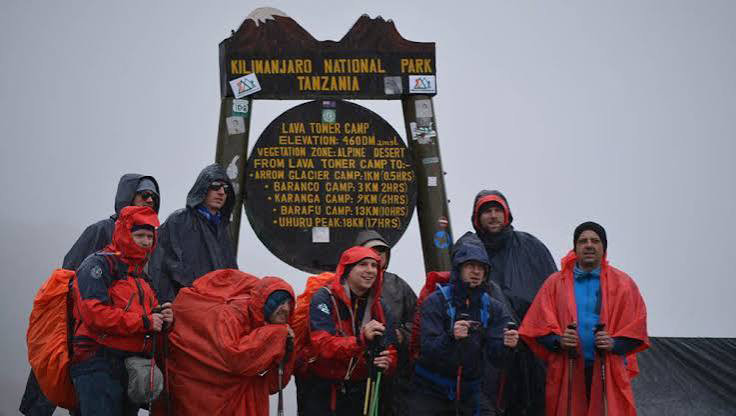
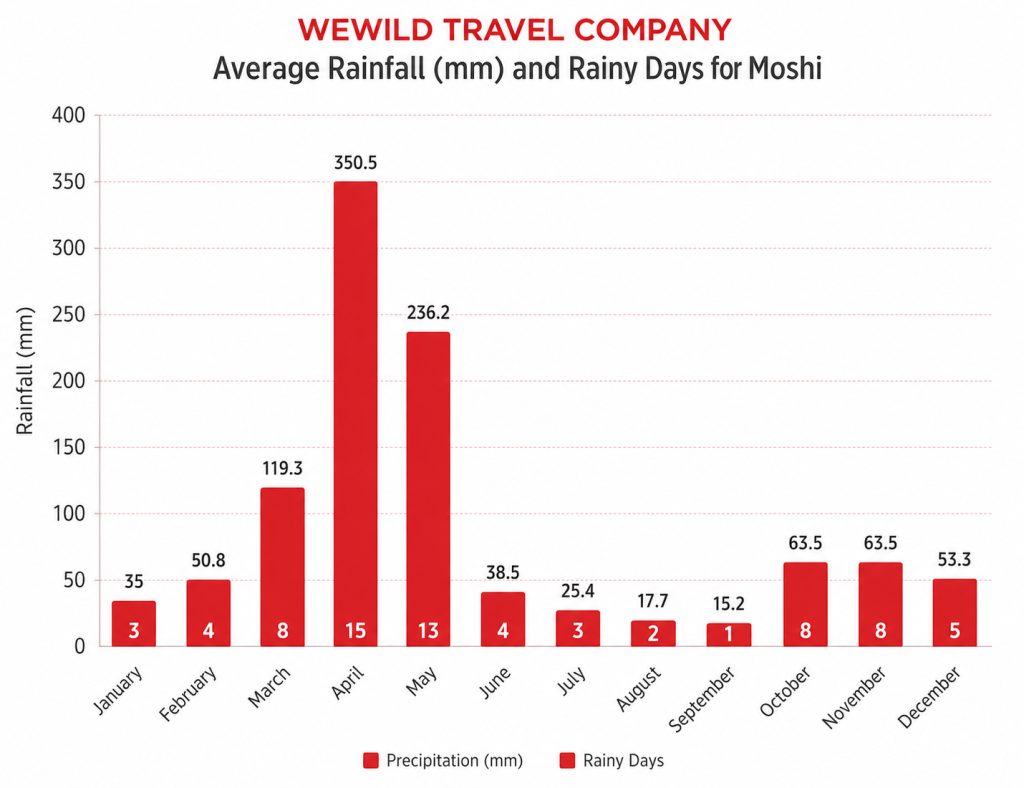
The long rainy season is the wettest time of year on Mount Kilimanjaro. It typically begins in late March and continues through May, with April often receiving the heaviest rainfall.
During this period, the lower slopes and rainforest zone experience frequent rain showers, making trails muddy and slippery. Clouds and fog are also more common, which can reduce visibility and limit views of the surrounding landscape.
Although climbing is still possible, the long rains create more challenging trekking conditions. As a result, fewer people attempt Kilimanjaro during these months, leaving routes and campsites much quieter than usual.
Short Rainy Season (November to Early December)
The short rainy season usually occurs between November and early December. Unlike the long rains, this period is characterized by lighter and less consistent rainfall.
Rain often falls in the afternoon or evening, while mornings may remain clear and suitable for trekking. Because the weather is generally less severe than during the long rains, many climbers consider November a reasonable time to climb Kilimanjaro, especially when using routes that receive less rainfall.
The short rainy season also offers several advantages, including fewer crowds, greener scenery, and a greater chance of seeing fresh snow near the summit.
How Much Rain Falls on Kilimanjaro?
Rainfall on Kilimanjaro varies significantly depending on altitude and location. The southern slopes receive the most precipitation because they face moisture-rich winds from the Indian Ocean. In contrast, the northern side of the mountain is generally drier throughout the year.
The rainforest zone receives the highest rainfall totals, while the alpine desert and summit zones remain much drier. Even during the rainy season, climbers may experience rain at lower elevations and relatively dry conditions higher on the mountain.
Rainfall patterns are also unpredictable. Some days may bring heavy showers, while others remain dry and clear. This variability is one reason why successful climbs are possible throughout the year.
Kilimanjaro Rainfall Calendar
| Month | Weather Pattern | Climbing Conditions |
|---|---|---|
| January | Mostly dry and warm | Excellent |
| February | Warm and relatively dry | Excellent |
| March | Start of long rains | Fair |
| April | Wettest month of the year | Challenging |
| May | Continued heavy rainfall | Challenging |
| June | Rain begins to decrease | Good |
| July | Dry season | Excellent |
| August | Dry season | Excellent |
| September | Dry season | Excellent |
| October | Mostly dry | Very Good |
| November | Short rainy season | Fair to Good |
| December | Mixed conditions, improving toward the end of the month | Good |
This rainfall calendar provides a general guide, but mountain weather can change quickly. Climbers should always prepare for rain regardless of the season, as Kilimanjaro creates its own weather patterns and conditions can vary from one day to the next.
What Is It Like to Climb Kilimanjaro During the Rainy Season?
Climbing Mount Kilimanjaro during the rainy season is a very different experience from trekking during the dry months. The mountain becomes greener, quieter, and more dramatic, but climbers must also deal with wetter trails, changing weather, and reduced visibility. While the challenges increase, many trekkers enjoy the peaceful atmosphere and unique scenery that the rainy season brings.
Trail Conditions and Muddy Paths
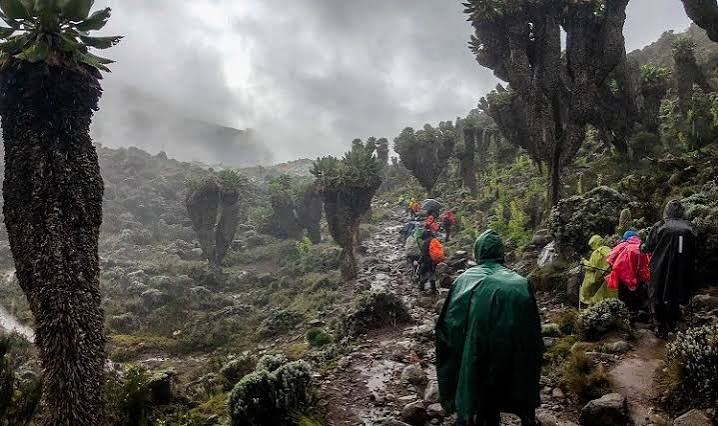
The biggest difference during the rainy season is the condition of the trails. Rainfall can turn sections of the mountain, especially in the rainforest zone, into muddy and slippery paths.
Routes on Kilimanjaro’s southern slopes, such as Machame, Lemosho, and Shira, often receive the most rainfall and can become particularly wet. Hikers may encounter muddy tracks, small streams crossing the trail, and slippery rocks that require extra caution.
Good hiking boots with strong grip, waterproof gaiters, and trekking poles become even more important during this time. Although the trails can be more challenging, experienced guides help climbers navigate these conditions safely.
Visibility and Mountain Views
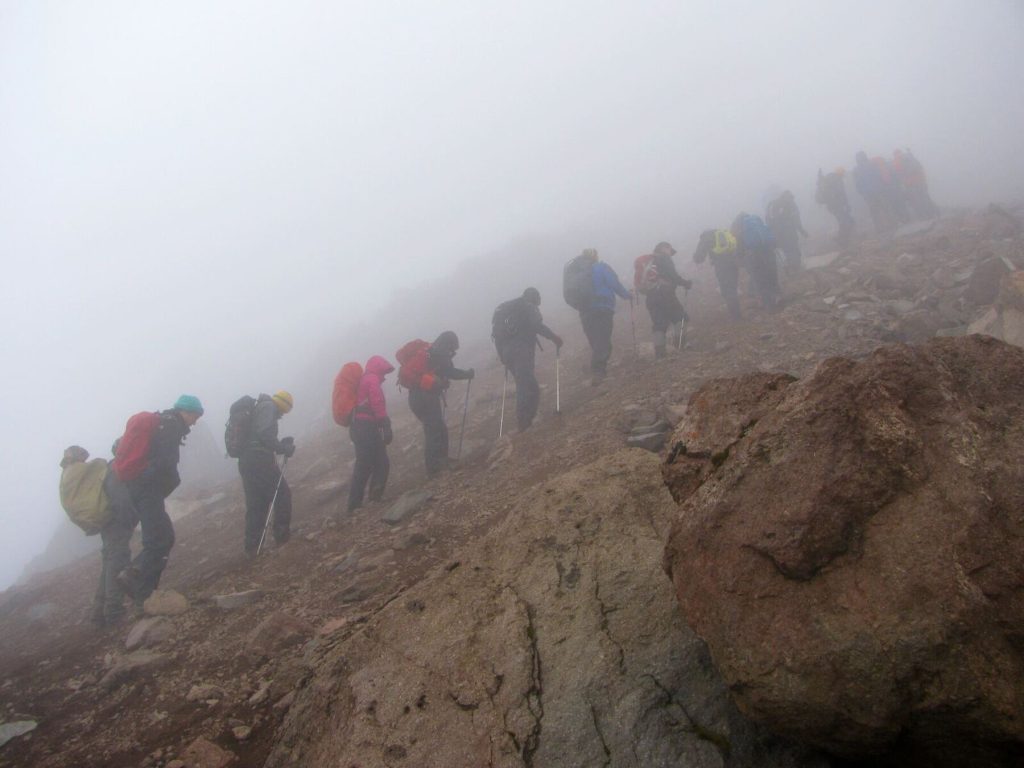
One of the main drawbacks of climbing during the rainy season is reduced visibility. Clouds, mist, and fog frequently cover parts of the mountain, especially at lower elevations.
On some days, climbers may miss the panoramic views that Kilimanjaro is famous for. However, the weather is not always gloomy. Rain often falls during specific periods rather than all day, and clear mornings can provide spectacular views above the cloud layer.
In many cases, trekkers who reach higher elevations are rewarded with breathtaking scenes of clouds stretching across the plains below, creating a completely different perspective from a dry-season climb.
Temperature and Weather Changes
Rainy-season weather on Kilimanjaro can change quickly. A sunny morning may turn into a rainy afternoon, followed by a cold evening at camp.
Wet clothing combined with cooler temperatures can make the mountain feel colder than it actually is. This is why layering clothing is essential during a rainy-season trek. Climbers should carry waterproof outer layers while also packing warm insulation for higher elevations.
Despite the rain, summit temperatures remain extremely cold throughout the year. Near Uhuru Peak, temperatures often drop well below freezing during the night, regardless of the season.
Summit Day Experience
Summit day during the rainy season can be both challenging and rewarding. Climbers may encounter strong winds, clouds, snow, or light rain as they make their way toward Uhuru Peak.
The climb can feel more demanding because wet conditions increase fatigue and require extra attention on slippery sections of the trail. However, there is also a greater chance of seeing fresh snow on the upper slopes, giving the summit a more dramatic appearance.
Because fewer people attempt Kilimanjaro during the rainy season, summit day is often quieter and less crowded. Many climbers enjoy the peaceful atmosphere and the feeling of having more of the mountain to themselves.
For those who come prepared and maintain a positive attitude, reaching the Roof of Africa during the rainy season can be just as memorable as climbing during the peak dry months.
Pros and Cons of Climbing Kilimanjaro During the Rainy Season
Climbing Kilimanjaro during the rainy season offers a very different experience from trekking during the popular dry months. While many climbers avoid the mountain because of the wetter conditions, others see the rainy season as an opportunity to enjoy quieter trails, greener landscapes, and a more peaceful adventure. Understanding both the advantages and disadvantages can help you decide whether a rainy-season climb is right for you.
Advantages of a Rainy-Season Climb
One of the biggest benefits of climbing Kilimanjaro during the rainy season is the lack of crowds. Popular routes and campsites that are often busy during the dry season become much quieter, allowing climbers to enjoy a more remote and personal mountain experience.
The scenery is another major advantage. Rain transforms the lower slopes into a lush green landscape filled with vibrant vegetation, flowing streams, and seasonal flowers. The rainforest zone becomes particularly beautiful during this time of year.
Climbers may also find greater availability for preferred departure dates and accommodations. Because fewer people are attempting the mountain, planning a trek can be more flexible than during peak climbing seasons.
Another benefit is the possibility of seeing fresh snow near the summit. Combined with dramatic cloud formations and changing weather conditions, this can create unique photographic opportunities that are rarely seen during drier months.
Challenges of Climbing in Wet Conditions
The primary challenge of a rainy-season climb is dealing with wet and muddy trails. Rain can make hiking more physically demanding, especially in the rainforest and moorland zones where paths become slippery.
Reduced visibility is another common issue. Clouds, fog, and mist may block some of Kilimanjaro’s famous views, particularly at lower elevations. Climbers hoping for uninterrupted panoramic scenery may be disappointed on rainy days.
Keeping warm and dry can also be difficult. Wet clothing combined with cool temperatures increases discomfort and may raise the risk of hypothermia if proper waterproof gear is not used.
In addition, some routes become less attractive during periods of heavy rainfall. Certain sections may be muddy, while river crossings and steep trails require extra caution. Climbers must be prepared for changing weather and more challenging trekking conditions than they would encounter during the dry season.
Pros and Cons Comparison Table
| Pros of Climbing During the Rainy Season | Cons of Climbing During the Rainy Season |
|---|---|
| Fewer climbers on the mountain | Muddy and slippery trails |
| Quieter campsites and routes | Increased physical difficulty |
| Lush green scenery | Reduced visibility and views |
| More route and date availability | Greater chance of getting wet |
| Opportunity to see fresh snowfall | More challenging photography conditions |
| Peaceful trekking experience | Need for additional waterproof gear |
| Unique mountain atmosphere | Weather can change quickly |
| Potential low-season travel deals | Less predictable trekking conditions |
For many climbers, the decision comes down to priorities. If you value solitude, dramatic landscapes, and flexibility, the rainy season can be a rewarding time to climb Kilimanjaro. However, if you prefer dry trails, consistent weather, and clear summit views, the dry season may provide a more comfortable experience.
Which Kilimanjaro Routes Are Best During the Rainy Season?
Choosing the right route is one of the most important decisions when climbing Kilimanjaro during the rainy season. Some routes receive significantly more rainfall than others, while certain trails offer better shelter, drier conditions, or more gradual acclimatization. If you’re planning a wet-season trek, selecting a route suited to rainy conditions can greatly improve your comfort and chances of reaching the summit.
Rongai Route
The Rongai Route is widely considered the best route for climbing Kilimanjaro during the rainy season. Approaching the mountain from the northern side near the Kenyan border, it receives less rainfall than the southern slopes.
Because the northern side lies in a rain shadow, trails are often drier and less muddy than those found on routes such as Machame or Lemosho. This makes hiking more comfortable and reduces the challenges associated with slippery terrain.
The Rongai Route is also known for its quieter trails and gradual ascent profile, making it a good option for climbers seeking both solitude and a higher chance of successful acclimatization.
Marangu Route
The Marangu Route is another popular choice during the rainy season because it is the only Kilimanjaro route that uses mountain huts instead of tents.
After a wet day on the trail, many climbers appreciate having a dry shelter where they can warm up, change clothes, and rest comfortably. The huts provide protection from rain, wind, and cold temperatures, making the overall experience more comfortable than camping in wet conditions.
Although Marangu receives more rainfall than Rongai, its accommodation system makes it one of the most practical rainy-season options for many trekkers.
Northern Circuit Route
The Northern Circuit Route is an excellent choice for experienced trekkers who want a longer and less crowded adventure during the rainy season.
Large portions of the route travel around Kilimanjaro’s northern slopes, where rainfall is generally lower than on the southern side of the mountain. The longer itinerary also provides more time for acclimatization, which can improve summit success rates.
While the Northern Circuit requires additional trekking days, many climbers consider it one of the most scenic and rewarding routes on Kilimanjaro, particularly when visitor numbers are low.
Routes to Avoid During Heavy Rain
Although all Kilimanjaro routes remain open during the rainy season, some become considerably more difficult after prolonged rainfall.
The Machame, Lemosho, and Shira routes cross wetter areas on the southern and western sides of the mountain. Their rainforest sections can become muddy, slippery, and challenging to navigate during periods of heavy rain.
These routes are still possible during the rainy season, but climbers should be prepared for wetter trail conditions and more demanding trekking. If minimizing rain exposure is a priority, Rongai or the Northern Circuit are generally better alternatives.
Route Comparison Table
| Route | Rainy Season Suitability | Key Advantage | Main Challenge |
|---|---|---|---|
| Rongai Route | Excellent | Drier northern side of the mountain | Less varied scenery than some routes |
| Marangu Route | Very Good | Comfortable hut accommodation | More climbers during peak periods |
| Northern Circuit Route | Very Good | Low rainfall and excellent acclimatization | Requires more trekking days |
| Machame Route | Fair | Beautiful scenery | Muddy trails during heavy rain |
| Lemosho Route | Fair | Scenic wilderness experience | Wet forest sections |
| Shira Route | Fair | Dramatic landscapes | Exposure to rain and muddy conditions |
For most climbers, the Rongai Route offers the best balance of weather, comfort, and summit success during the rainy season. However, travelers who prefer sleeping in huts may find the Marangu Route more appealing, while those seeking a longer and less crowded trek should consider the Northern Circuit Route.
Does the Rainy Season Affect Summit Success Rates?
Yes, the rainy season can affect summit success rates on Mount Kilimanjaro, but it does not prevent climbers from reaching Uhuru Peak. Most climbers who prepare well, choose an appropriate route, acclimatize properly, and trek with experienced guides still have a good chance of reaching the summit. Weather alone rarely determines success. Instead, physical fitness, acclimatization, route selection, and mental resilience play much larger roles.
Impact on Hiking Difficulty
Rain increases the difficulty of climbing Mount Kilimanjaro by making trails wetter, muddier, and more slippery. Forest sections become especially challenging because exposed roots and loose rocks reduce traction. Climbers often need to move more carefully, which can slow their pace and increase physical effort.
Rain also creates colder conditions when clothing becomes wet. Strong winds near the summit can make temperatures feel even lower, adding to the challenge. Despite these conditions, experienced guides adjust the pace and help climbers navigate difficult sections safely.
Acclimatization Challenges
The rainy season does not directly affect how the body adapts to altitude. Your body still needs time to adjust to lower oxygen levels, regardless of the weather. However, continuous rain, cold temperatures, and physical fatigue can make acclimatization feel more demanding.
Choosing an itinerary with additional acclimatization days gives your body more time to adapt and reduces the risk of altitude sickness. Climbers should maintain a slow, steady pace, stay hydrated, eat enough energy-rich food, and communicate any symptoms to their guides as soon as they appear.
Factors That Influence Summit Success
Several factors influence summit success more than the rainy season itself. Route choice plays a major role because some routes receive less rainfall and offer better trail conditions. A longer itinerary also improves success by allowing gradual acclimatization.
Physical preparation before the climb helps climbers manage long hiking days and changing weather conditions. High-quality waterproof clothing and proper footwear keep the body warm and dry, reducing discomfort throughout the trek. Finally, experienced mountain guides make important decisions about pacing, safety, and weather conditions, giving climbers the best possible chance of reaching Uhuru Peak safely during the rainy season.
What Does Kilimanjaro Look Like During the Rainy Season?
The rainy season transforms Mount Kilimanjaro into one of the greenest and most vibrant landscapes in East Africa. Frequent rainfall refreshes the mountain’s forests, fills seasonal streams, and creates lush vegetation across the lower slopes. Although clouds may occasionally limit long-distance views, the mountain offers a different kind of beauty that many climbers never experience during the dry season.
Green Forests and Lush Landscapes
Rainfall brings Kilimanjaro’s rainforest to life. Dense vegetation becomes greener, wildflowers bloom, and moss-covered trees create a rich, tropical environment. The mountain’s lower slopes appear fresh and vibrant, making the early stages of the climb especially scenic. Climbers who enjoy nature often appreciate the colorful landscapes and peaceful atmosphere that the rainy season provides.
Waterfalls and Seasonal Streams
Heavy rainfall increases the flow of streams and waterfalls throughout the mountain. Small creeks that remain dry during the dry season begin flowing again, while waterfalls become more powerful and impressive. These seasonal water features add beauty to the rainforest zone and create excellent opportunities for nature photography.
Snow on the Summit
The summit of Mount Kilimanjaro often retains patches of snow and ice throughout the year. During the rainy season, fresh snowfall may cover parts of the summit when temperatures drop below freezing. Although weather conditions change frequently, climbers can still enjoy the striking contrast between the white summit glaciers and the green forests far below.
Wildlife and Birdlife Activity
The rainy season encourages wildlife and bird activity across Kilimanjaro’s lower elevations. Birds become more active during breeding periods, making this an excellent time for birdwatching. Climbers may also spot blue monkeys, colobus monkeys, bushbucks, and other forest animals as they move through the lush vegetation. The abundance of water and fresh plant growth creates favorable conditions for many species to thrive.
What Gear Do You Need for a Rainy-Season Kilimanjaro Climb?
Choosing the right gear is essential for a successful Kilimanjaro climb during the rainy season. Wet conditions can make the trek more challenging, but high-quality waterproof equipment helps keep you warm, dry, and comfortable throughout the journey. Proper clothing and well-protected gear also reduce the risk of cold-related problems and allow you to focus on reaching the summit.
Essential Waterproof Clothing
A waterproof jacket and waterproof trousers provide your first line of defense against rain and wind. Choose breathable outer layers that keep moisture out while allowing sweat to escape. Waterproof gaiters help prevent mud and water from entering your boots, while quick-drying base layers and insulating mid-layers keep you warm even when temperatures drop. Avoid cotton clothing because it absorbs moisture and dries slowly.
Best Footwear for Wet Trails
Waterproof hiking boots with good ankle support and deep tread offer the best grip on muddy and slippery trails. Break in your boots before the climb to prevent blisters and improve comfort. Wear moisture-wicking hiking socks and carry extra pairs so you can change into dry socks when needed. Trekking poles also improve stability and reduce strain when walking on wet, uneven terrain.
Protecting Electronics and Personal Items
Rain can damage cameras, phones, batteries, passports, and other important items if you do not protect them properly. Store electronics inside waterproof dry bags or resealable waterproof bags before placing them in your backpack. A rain cover adds another layer of protection for your pack, while spare batteries should stay in a dry, insulated pouch because cold temperatures can reduce battery life.
Rainy-Season Packing Checklist
Pack a waterproof jacket, waterproof trousers, waterproof hiking boots, gaiters, moisture-wicking base layers, warm insulating clothing, waterproof gloves, a warm hat, extra hiking socks, trekking poles, a backpack rain cover, dry bags for electronics, quick-drying towels, and waterproof bags for important documents. Bringing these essentials helps you stay comfortable, protect your equipment, and prepare for changing weather conditions throughout your Kilimanjaro climb.
How to Prepare for a Kilimanjaro Climb During the Rainy Season
Proper preparation can make a rainy-season Kilimanjaro climb safer, more comfortable, and more enjoyable. Although wet weather adds extra challenges, climbers who choose the right itinerary, pack appropriate gear, and prepare physically can still have a successful summit experience.
Choosing the Right Dates
Choosing the right travel dates can improve your overall climbing experience. The long rainy season usually brings the heaviest rainfall from March through May, while the short rainy season typically occurs during November and early December. If your schedule allows, consider climbing near the beginning or end of these rainy periods, when weather conditions may become more favorable. Checking recent weather forecasts before departure can also help you prepare for changing mountain conditions.
Adding Extra Acclimatization Days
Adding an extra acclimatization day increases your chances of reaching the summit successfully. A longer itinerary allows your body to adjust gradually to higher elevations, reducing the risk of altitude sickness. Routes lasting seven or eight days generally provide better acclimatization than shorter itineraries, especially when rainy weather slows hiking speeds.
Staying Warm and Dry
Staying warm and dry should remain a top priority throughout the climb. Wear moisture-wicking base layers, insulating mid-layers, and waterproof outer clothing to protect yourself from rain and cold temperatures. Change into dry clothing after each hiking day whenever possible, and keep your sleeping bag and spare clothes inside waterproof bags. Dry clothing helps maintain body heat and improves comfort during cold nights.
Hydration and Health Tips
Many climbers drink less water during rainy weather because cooler temperatures reduce their sense of thirst. However, proper hydration remains essential for acclimatization and overall health. Drink water regularly throughout each day, eat nutritious meals to maintain energy, and get enough rest each night. If you develop symptoms of altitude sickness, inform your guide immediately so they can assess your condition and recommend the safest course of action.
Is It Cheaper to Climb Kilimanjaro During the Rainy Season?
Yes, climbing Mount Kilimanjaro during the rainy season often costs less than climbing during the peak dry seasons. Fewer travelers visit the mountain during these months, so many tour operators, hotels, and airlines offer more competitive prices. While you may save money, you should also prepare for wetter trails and more unpredictable weather.
Low-Season Prices
The rainy season is generally considered the low season for Kilimanjaro tourism. Many tour companies reduce their prices or offer seasonal promotions to attract climbers. Some operators also provide added value through discounted private climbs, free hotel nights, or flexible booking options. Comparing several reputable operators can help you find the best balance between price and service quality.
Flight and Accommodation Costs
Flights to Tanzania often cost less during the rainy season because demand decreases. Hotels and lodges in Moshi and Arusha may also offer lower room rates and special packages. Booking several months in advance can increase your chances of securing even better prices on flights and accommodation.
Value for Money
For many travelers, the rainy season offers excellent value for money. Lower travel costs, quieter trails, and fewer crowds create a more peaceful climbing experience. If you bring suitable waterproof gear and accept the possibility of rain, you can enjoy significant savings without sacrificing the opportunity to reach Uhuru Peak.
Who Should Avoid Climbing Kilimanjaro During the Rainy Season?
Although many climbers successfully reach the summit during the rainy season, this time of year does not suit everyone. Wet trails, reduced visibility, and unpredictable weather can make the climb more demanding. Some travelers may enjoy a safer and more rewarding experience by choosing the dry season instead.
First-Time Trekkers
First-time trekkers may find the rainy season more challenging than the dry season. Muddy trails, slippery rocks, and frequent rain require greater balance, endurance, and confidence on uneven terrain. Climbers with little hiking experience often enjoy a more comfortable introduction to Kilimanjaro during the drier months, when trail conditions remain more stable.
Photographers Seeking Clear Views
Photographers who want uninterrupted views of Kilimanjaro’s landscapes may prefer the dry season. Clouds and mist often cover the mountain during the rainy season, reducing visibility and limiting panoramic views. Although the rain creates lush scenery and dramatic cloud formations, clear sunrise and summit photographs become less predictable.
Travelers With Flexible Schedules
Travelers with flexible schedules should consider waiting for the dry season if they want the highest chance of favorable weather. Climbing between January and early March or from June through October usually brings clearer skies, drier trails, and more consistent summit conditions. Choosing these months can improve visibility, comfort, and the overall climbing experience.
Month-by-Month Guide to Climbing Kilimanjaro During the Rainy Season
Weather conditions vary throughout Kilimanjaro’s rainy season. Some months experience frequent rainfall, while others offer improving trail conditions and occasional clear skies. Understanding what to expect each month can help you choose the best time for your climb.
March
March marks the beginning of Kilimanjaro’s long rainy season. Rainfall gradually increases throughout the month, especially in the rainforest and moorland zones. Trail conditions become wetter, but many days still include dry periods and clear summit views. Climbers who choose late March should prepare for more frequent showers and muddy trails.
April
April is usually the wettest month on Mount Kilimanjaro. Heavy rainfall creates muddy paths, slippery rocks, and low cloud cover across much of the mountain. Visibility often changes throughout the day, and climbers should expect prolonged periods of rain. Although fewer people climb during April, those who do enjoy quieter trails and a peaceful mountain environment.
May
Rainfall begins to decrease during May, although showers remain common, especially early in the month. Trail conditions gradually improve as the month progresses, and clear weather becomes more frequent. Climbers who visit in late May often experience fewer crowds while benefiting from improving hiking conditions.
November
November brings Kilimanjaro’s short rainy season. Rain usually falls in shorter, less intense showers than during April, and many mornings begin with clear skies before afternoon clouds develop. Trail conditions remain manageable on many routes, making November a reasonable choice for climbers who want to avoid peak-season crowds while accepting the possibility of occasional rain.
Frequently Asked Questions About Climbing Kilimanjaro During the Rainy Season
No. Rain rarely falls continuously throughout the day on Mount Kilimanjaro. During the rainy season, many days begin with clear skies before clouds build and afternoon or evening showers develop. Weather conditions change quickly, so climbers may experience sunshine, mist, and rain on the same day.
April is generally the wettest month on Mount Kilimanjaro. Heavy rainfall occurs more frequently during this month, especially in the rainforest and moorland zones. Trails often become muddy and slippery, while cloud cover reduces visibility for much of the day.
Yes, November can be a good time to climb Kilimanjaro if you do not mind occasional rain. The short rainy season usually brings lighter and shorter showers than the long rainy season. Many climbers enjoy quieter trails, fewer crowds, and lower travel costs during November.
Yes, beginners can climb Kilimanjaro during the rainy season, but they should prepare carefully. Choosing a longer route, packing high-quality waterproof gear, and climbing with experienced guides can improve both safety and comfort. Beginners who prefer easier trail conditions may find the dry season more suitable.
The Rongai Route is often the best choice during the rainy season because it approaches the mountain from the drier northern side. The Northern Circuit Route also performs well thanks to its gradual ascent and excellent acclimatization profile. Many climbers also choose the Marangu Route because its mountain huts provide shelter from rain.
Yes. Mount Kilimanjaro remains open throughout the year, including the rainy seasons. Climbers can attempt the summit in any month, although weather conditions vary. Choosing the right route, preparing properly, and climbing with a reputable guide help ensure a safe and enjoyable experience regardless of the season.
Final Thoughts: Should You Climb Kilimanjaro During the Rainy Season?
Climbing Mount Kilimanjaro during the rainy season offers both rewards and challenges. You experience quieter trails, lower prices, and lush green landscapes, but you also face wet conditions, reduced visibility, and more demanding hiking conditions. Your decision depends on your goals, experience level, and tolerance for unpredictable weather.
When a Rainy-Season Climb Makes Sense
A rainy-season climb makes sense if you want fewer crowds and lower costs. It also suits climbers who value solitude and do not mind wet or muddy trails. Experienced trekkers often enjoy the added challenge because they can handle changing conditions and still focus on reaching Uhuru Peak.
When You Should Wait for the Dry Season
You should wait for the dry season if you prefer clear views, stable weather, and easier trail conditions. First-time climbers often benefit from better visibility and drier paths, which reduce physical strain and make the overall experience more predictable and comfortable. Photographers also get better chances for clear summit and landscape shots during dry months.
Our Recommendation
The best time to climb kilimanjaro depends on your priorities. If you want the safest and most comfortable experience, choose the dry season. If you want a quieter adventure with lower costs and do not mind rain, the rainy season still offers a rewarding climb. With proper preparation, either season can lead you successfully to the summit of Africa’s highest mountain.
Read more climb Kilimanjaro