Highest Mountains to Climb in the USA: Top Peaks for Every Climber
Estimated reading time: 26 minutes
The Highest Mountains to Climb in the USA offer incredible adventures for hikers, climbers, and mountaineers, from beginner-friendly summits to extreme alpine expeditions. Denali, the tallest mountain in the United States, reaches 20,310 feet (6,190 meters) and leads a list of impressive peaks across Alaska, California, and Colorado. This guide explores America’s highest mountains, climbing difficulty, best seasons, and what makes each peak unique.
The 15 tallest mountains in the USA are mainly located in Alaska, with a few major peaks in California and Colorado. These mountains offer different climbing experiences, from non-technical summit hikes to demanding glacier expeditions that require advanced skills.
For beginners, peaks such as Mount Elbert and Mount Whitney provide a great introduction to high-altitude climbing. For experienced mountaineers, Alaska’s highest mountains offer some of the most challenging and rewarding climbs in North America.
In this guide, you will discover the highest mountains to climb in the USA, their elevations, locations, difficulty levels, best climbing seasons, and what makes each peak unique.
Table of contents
- Highest Mountains to Climb in the USA: Top Peaks for Every Climber
- What Are the Highest Mountains in the USA?
- The 15 Highest Mountains to Climb in the USA
- Which Highest Mountains Can Beginners Climb?
- Which Mountains Are the Most Difficult to Climb?
- Why Alaska Dominates the List of America’s Highest Mountains?
- Highest Mountains by State
- How Difficult Are the Highest Mountains in the USA?
- Best Time to Climb America’s Highest Mountains
- Essential Gear for High-Altitude Mountain Climbing
- Permits, Regulations, and Climbing Safety
- USA’s Highest Mountains vs Other Famous Peaks
- Frequently Asked Questions
- Final Thoughts
- Read Also:
What Are the Highest Mountains in the USA?
The highest mountains in the USA are mainly located in Alaska, with Denali ranking as the tallest peak at 20,310 feet (6,190 meters). The country’s highest mountains include massive Alaskan peaks, as well as famous high-altitude mountains in California and Colorado. These peaks offer a wide range of climbing experiences, from beginner-friendly hikes to advanced glacier expeditions.
The top highest mountains in the USA include Denali, Mount Saint Elias, Mount Foraker, Mount Bona, Mount Blackburn, Mount Sanford, and Mount Fairweather, with most of them found in Alaska.
The Highest Mountain in the United States
Denali is the highest mountain in the United States and the tallest peak in North America. It rises to 20,310 feet (6,190 meters) above sea level and is located in Alaska’s Alaska Range.
Denali is famous not only for its height but also for its challenging climbing conditions. The mountain requires advanced preparation because climbers face glaciers, extreme cold, strong winds, and remote wilderness conditions.
Unlike many high peaks that can be reached through hiking trails, Denali is a true mountaineering expedition that requires skills in glacier travel, cold-weather camping, and high-altitude climbing.
Where Most of America’s Highest Peaks Are Located
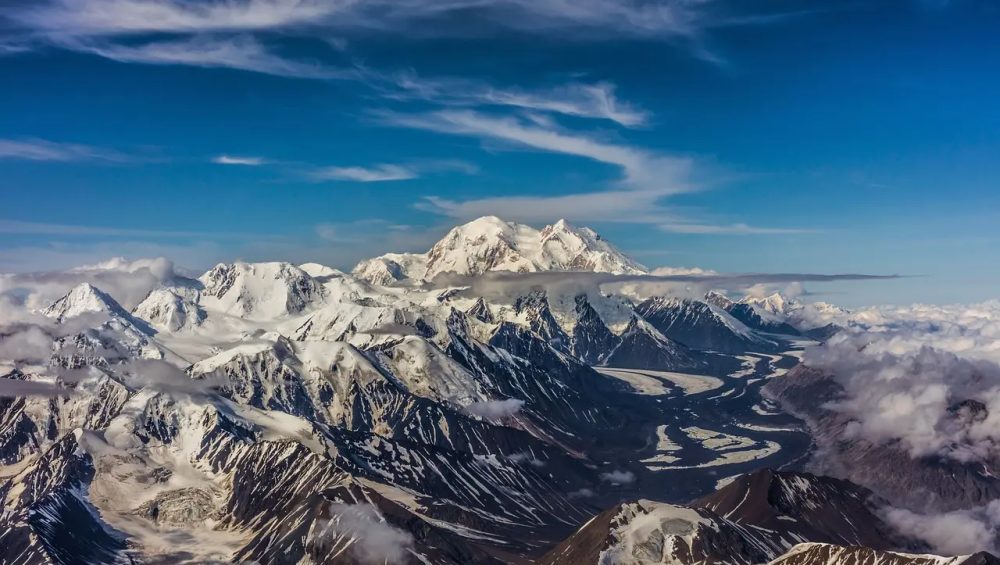
Most of America’s highest mountains are located in Alaska because the state contains some of the largest and most dramatic mountain ranges in North America. Alaska’s combination of active geology, massive glaciers, and extreme climate has created many of the country’s tallest peaks.
The majority of the highest mountains are found in:
- Alaska – home to Denali, Mount Saint Elias, Mount Foraker, and other giant peaks.
- California – home to Mount Whitney, the highest mountain in the contiguous United States.
- Colorado – famous for its many 14,000-foot peaks, including Mount Elbert and Mount Massive.
Alaska dominates the list because its mountains reach much higher elevations and create some of the most challenging climbing environments in the USA. However, California and Colorado provide more accessible high-altitude climbs for hikers and beginner mountaineers.
The 15 Highest Mountains to Climb in the USA
The highest mountains to climb in the USA offer a wide variety of experiences, from accessible high-altitude hikes to some of the most demanding mountaineering expeditions in North America. Most of the tallest peaks are located in Alaska, where climbers face glaciers, extreme weather, and remote wilderness. However, California and Colorado also offer famous high mountains that attract thousands of climbers every year.
Denali (Alaska)
Denali is the highest mountain in the USA and the tallest peak in North America, reaching 20,310 feet (6,190 meters). Located in the Alaska Range, Denali is one of the world’s most challenging non-Himalayan climbs.
The mountain is famous for its massive glaciers, extreme cold, strong winds, and remote environment. Climbing Denali requires advanced preparation, glacier travel skills, and experience with long high-altitude expeditions.
Mount Saint Elias (Alaska)
Mount Saint Elias is the second-highest mountain in the USA, rising to 18,009 feet (5,489 meters). It is located in the Saint Elias Mountains and is known for its steep elevation gain and difficult climbing conditions.
Although it is lower than Denali, Mount Saint Elias is considered one of the hardest peaks in North America because of its technical routes, heavy snowfall, glaciers, and unpredictable weather.
Mount Foraker (Alaska)
Mount Foraker reaches 17,400 feet (5,304 meters) and is located near Denali in the Alaska Range. It is often called one of Alaska’s most impressive climbing objectives.
Mount Foraker is less crowded than Denali but offers serious challenges, including steep terrain, glacier travel, and complex climbing routes. It is mainly attempted by experienced mountaineers.
Mount Bona (Alaska)
Mount Bona stands at approximately 16,500 feet (5,029 meters) and is one of the highest volcanoes in the United States.
The mountain provides a true glacier expedition experience, with large ice fields and remote climbing conditions. Climbers must prepare for cold temperatures, isolation, and changing weather.
Mount Blackburn (Alaska)
Mount Blackburn reaches 16,390 feet (4,996 meters) and is the highest peak in the Wrangell Mountains.
The mountain is known for its long approaches, glaciers, and challenging routes. Because of its remote location and difficult conditions, Mount Blackburn attracts experienced climbers seeking a serious Alaskan adventure.
Mount Sanford (Alaska)
Mount Sanford rises to about 16,237 feet (4,949 meters) and is one of the highest volcanic mountains in Alaska.
The peak has steep slopes, glacier-covered areas, and unpredictable weather. Few climbers attempt Mount Sanford because it requires strong expedition skills and careful planning.
Mount Fairweather (Alaska)
Mount Fairweather reaches 15,325 feet (4,671 meters) and is one of the most difficult mountains in the USA.
Despite its name, the mountain is known for harsh conditions, heavy snowfall, glaciers, and severe storms. Its remote location and technical terrain make it a challenging objective even for experienced climbers.
Mount Whitney (California)
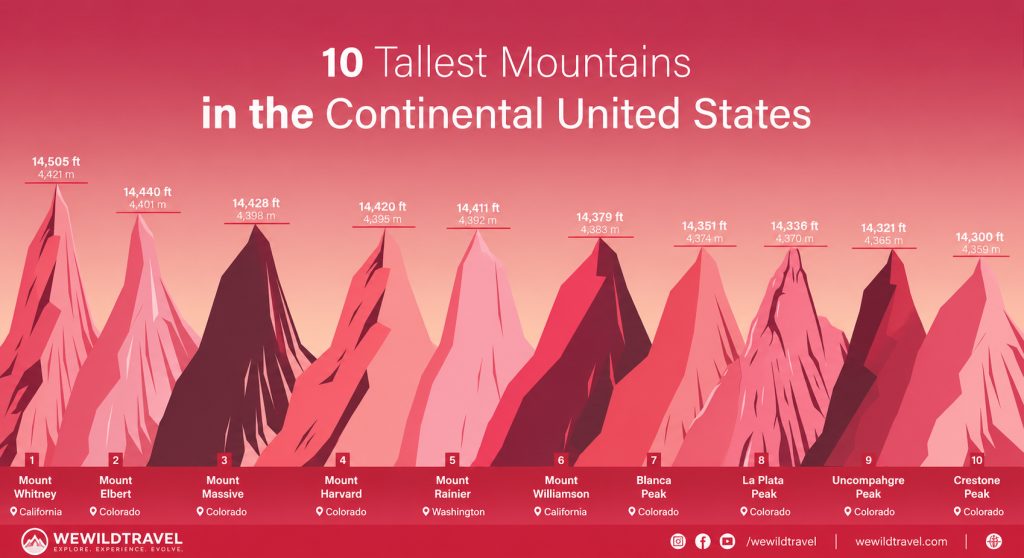
Mount Whitney is the highest mountain in California and the tallest peak in the contiguous United States, reaching 14,505 feet (4,421 meters).
Unlike Alaska’s giant peaks, Mount Whitney can be climbed through a non-technical hiking route during normal summer conditions. It is popular among hikers who want to experience a major American summit without advanced mountaineering equipment.
Mount Elbert (Colorado)
Mount Elbert is the highest mountain in Colorado, standing at 14,440 feet (4,401 meters).
It is one of the most beginner-friendly high mountains in the USA because the standard routes are hiking trails rather than technical climbs. However, climbers still need preparation because of altitude, distance, and changing mountain weather.
Mount Massive (Colorado)
Mount Massive reaches 14,428 feet (4,398 meters) and is the second-highest mountain in Colorado.
The mountain is famous for its long ridgeline and beautiful Rocky Mountain scenery. Like Mount Elbert, it is a non-technical climb but requires strong endurance due to its elevation and length.
Other Highest Peaks Overview
The remaining mountains in the top 15 highest peaks in the USA are mainly located in Alaska. These mountains include Mount Hunter, Mount Whitney’s surrounding high peaks, and other remote Alaskan summits.
Many of these peaks are not climbed as frequently because they require advanced skills, complex logistics, and experience in extreme mountain environments. Together, these mountains represent the incredible diversity of climbing opportunities in the USA, from beginner-friendly 14,000-foot hikes to world-class expedition climbs.
Highest Mountains Comparison Table
| Rank | Mountain | Elevation | State | Difficulty |
|---|---|---|---|---|
| 1 | Denali | 20,310 ft (6,190 m) | Alaska | Extreme |
| 2 | Mount Saint Elias | 18,009 ft (5,489 m) | Alaska | Extreme |
| 3 | Mount Foraker | 17,400 ft (5,304 m) | Alaska | Very Difficult |
| 4 | Mount Bona | 16,550 ft (5,044 m) | Alaska | Very Difficult |
| 5 | Mount Blackburn | 16,390 ft (4,996 m) | Alaska | Very Difficult |
| 6 | Mount Sanford | 16,237 ft (4,949 m) | Alaska | Very Difficult |
| 7 | Mount Fairweather | 15,325 ft (4,671 m) | Alaska | Extreme |
| 8 | Mount Hubbard | 14,950 ft (4,556 m) | Alaska | Very Difficult |
| 9 | Mount Bear | 14,831 ft (4,520 m) | Alaska | Very Difficult |
| 10 | Mount Hunter | 14,573 ft (4,442 m) | Alaska | Extreme |
| 11 | Mount Whitney | 14,505 ft (4,421 m) | California | Moderate |
| 12 | University Peak | 14,470 ft (4,410 m) | Alaska | Very Difficult |
| 13 | Mount Elbert | 14,440 ft (4,401 m) | Colorado | Moderate |
| 14 | Mount Massive | 14,428 ft (4,398 m) | Colorado | Moderate |
| 15 | Mount Harvard | 14,423 ft (4,396 m) | Colorado | Moderate |
Which Highest Mountains Can Beginners Climb?
Beginners can climb several of the highest mountains in the USA without needing advanced technical mountaineering skills. The best beginner-friendly peaks usually have well-established trails, lower technical difficulty, and manageable elevation challenges. Mountains like Mount Elbert and Mount Whitney offer high-altitude experiences while allowing new climbers to build confidence before attempting more difficult peaks like Denali.
Mount Elbert
Mount Elbert is the highest mountain in Colorado and one of the most accessible high peaks in the United States. It reaches 14,440 feet (4,401 meters) and is part of the Sawatch Range.
The standard routes to Mount Elbert are hiking routes rather than technical climbs, making it a popular choice for beginners who want to experience a true high-altitude summit. The mountain requires good fitness because of the elevation gain, long hiking distance, and thin air near the top.
Beginners should prepare for:
- Long uphill hiking
- Changing mountain weather
- Altitude effects
- Basic navigation skills
With proper preparation, Mount Elbert is one of the best first 14,000-foot peaks in America.
Mount Whitney (Trail Route)
Mount Whitney is the highest mountain in the contiguous United States, reaching 14,505 feet (4,421 meters) above sea level. It is located in the Sierra Nevada and attracts thousands of hikers every year.
The Mount Whitney Trail is a non-technical route, meaning beginners do not need climbing equipment such as ropes or advanced mountaineering skills. However, the hike is still challenging because of its distance, elevation, and altitude.
Beginners should consider:
- Training for a full-day hike
- Acclimatizing to altitude
- Carrying enough water and supplies
- Checking permit requirements before climbing
Mount Whitney is a great choice for hikers who want to experience one of America’s highest summits without extreme technical climbing.
Other Beginner-Friendly High Peaks
Besides Mount Elbert and Mount Whitney, several other high mountains in the USA offer achievable climbs for beginners with good preparation.
Some popular options include:
- Mount Massive – Colorado’s second-highest peak with a challenging but non-technical hiking route.
- Mount Sherman – One of the easier Colorado fourteeners for new high-altitude hikers.
- Mount Bierstadt – A beginner-friendly Colorado 14er with a popular trail.
These mountains help new climbers gain experience with elevation, weather changes, and mountain endurance before moving to more demanding climbs.
For beginners, the best approach is to start with a non-technical summit, train properly, and gradually progress toward more challenging mountains.
Which Mountains Are the Most Difficult to Climb?
The most difficult mountains in the USA are found mainly in Alaska, where extreme elevation, glaciers, unpredictable weather, and technical terrain create serious challenges. Peaks like Denali, Mount Saint Elias, and Mount Fairweather require advanced mountaineering skills, strong physical preparation, and experience with harsh alpine environments.
Denali
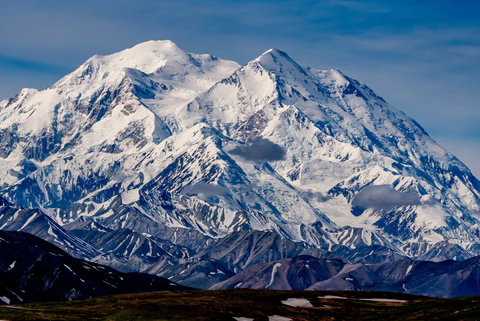
Denali is the highest mountain in North America, standing at 20,310 feet (6,190 meters). It is one of the most challenging climbs in the world because of its extreme altitude, freezing temperatures, strong winds, and remote location.
Unlike many high peaks that rely mainly on hiking, Denali requires true mountaineering skills. Climbers must travel across glaciers, manage heavy equipment, and handle changing mountain conditions.
The main challenges include:
- Extreme cold and high winds
- Glacier travel
- High-altitude acclimatization
- Long expeditions lasting several weeks
- Self-sufficient camping in remote terrain
Denali is considered a major achievement for experienced climbers and is often a stepping stone toward higher Himalayan expeditions.
Mount Saint Elias
Mount Saint Elias is the second-highest mountain in both the United States and Canada, reaching 18,009 feet (5,489 meters). Despite being lower than Denali, many climbers consider it more difficult because of its steep slopes, unstable weather, and technical routes.
Mount Saint Elias rises dramatically from the nearby coastline, creating a huge vertical challenge. Climbers face:
- Steep climbing sections
- Heavy snowfall
- Avalanche risk
- Remote access
- Complex route planning
The mountain’s combination of height and technical difficulty makes it one of North America’s toughest climbs.
Mount Fairweather
Mount Fairweather reaches 15,325 feet (4,671 meters) and is one of the most difficult peaks in Alaska. Despite its name, the mountain is known for harsh weather, glaciers, and challenging climbing conditions.
Mount Fairweather is difficult because of:
- Severe storms
- Large glaciers
- Steep terrain
- Limited access
- Changing snow conditions
Only experienced mountaineers usually attempt this peak because small mistakes can become serious in such an isolated environment.
Technical Skills Required
Climbing America’s hardest mountains requires more than physical fitness. Climbers need technical knowledge and experience to safely manage difficult mountain environments.
Important skills include:
- Glacier travel techniques
- Ice axe and crampon use
- Rope systems and crevasse safety
- Navigation in remote areas
- Avalanche awareness
- Cold-weather survival skills
Before attempting mountains like Denali, Mount Saint Elias, or Mount Fairweather, climbers usually gain experience on easier peaks and develop strong expedition skills.
These mountains represent the highest level of American mountaineering, where preparation, teamwork, and experience are essential for success.
Why Alaska Dominates the List of America’s Highest Mountains?
Alaska dominates the list of America’s highest mountains because it has the tallest peaks, the largest mountain ranges, and some of the most extreme climbing environments in the country. The state’s combination of massive glaciers, active geology, and cold climate creates ideal conditions for producing and preserving some of North America’s highest summits.
Most of the tallest mountains in the USA are located in Alaska, including Denali, Mount Saint Elias, Mount Foraker, and Mount Bona. These peaks are much higher and more rugged than most mountains in the lower 48 states.
Alaska Range
Alaska Range contains many of the highest mountains in the United States, including Denali, the tallest peak in North America at 20,310 feet (6,190 meters).
The Alaska Range stretches across southern Alaska and features dramatic peaks, huge glaciers, and challenging climbing routes. Its isolated location and extreme weather make many mountains in this range difficult even for experienced climbers.
Key features of the Alaska Range include:
- North America’s highest summit
- Massive glacier systems
- Remote wilderness areas
- Severe mountain weather
- Technical climbing routes
The range attracts climbers from around the world who want to experience some of the most demanding peaks in the USA.
Saint Elias Mountains
Saint Elias Mountains contain some of the most dramatic and difficult mountains in North America. This range includes Mount Saint Elias, one of the highest peaks in the United States.
The Saint Elias Mountains rise sharply from coastal areas, creating enormous elevation changes over short distances. Their combination of height, glaciers, and unpredictable weather makes them extremely challenging.
The range is known for:
- Large ice fields
- Steep mountain faces
- Heavy snowfall
- Remote climbing conditions
- Complex expedition routes
These conditions make the Saint Elias Mountains some of the wildest climbing environments in America.
Climate and Geological History
Alaska’s extreme mountains developed because of powerful geological forces and unique climate conditions. The collision of tectonic plates helped create massive mountain ranges, while glaciers and erosion continue to shape the landscape today.
The climate also plays a major role in making Alaska’s mountains so challenging. Climbers must deal with:
- Freezing temperatures
- Strong winds
- Rapid weather changes
- Heavy snow and ice
- Short climbing seasons
Alaska’s combination of geological activity and harsh weather explains why it contains the majority of America’s highest peaks. The state offers some of the most impressive and demanding mountain adventures on Earth.
Highest Mountains by State
The highest mountains in the USA are spread across several states, but Alaska, California, and Colorado contain many of the country’s most famous high peaks. Each state offers a different climbing experience, from Alaska’s extreme glacier expeditions to Colorado’s accessible high-altitude hiking routes.
Understanding the highest peak in each state helps climbers choose mountains that match their experience level and goals.
Alaska
Denali is the highest mountain in Alaska and the tallest peak in the United States, reaching 20,310 feet (6,190 meters). Located in the Alaska Range, Denali is a world-famous mountaineering challenge.
Alaska has the greatest concentration of America’s highest mountains, including:
- Denali – 20,310 ft (6,190 m)
- Mount Saint Elias – 18,009 ft (5,489 m)
- Mount Foraker – 17,400 ft (5,304 m)
- Mount Bona – 16,500 ft (5,029 m)
Most high peaks in Alaska require advanced skills because of glaciers, extreme weather, and remote locations.
California
Mount Whitney is the highest mountain in California and the tallest peak in the contiguous United States, reaching 14,505 feet (4,421 meters).
Located in the Sierra Nevada, Mount Whitney is popular among hikers because its main trail does not require technical climbing skills during normal summer conditions.
California’s highest peak offers:
- High-altitude hiking experience
- Beautiful alpine scenery
- A non-technical summit route
- A challenge for strong hikers
It is one of the best choices for climbers who want to experience a major American summit without extreme mountaineering.
Colorado
Mount Elbert is the highest mountain in Colorado, reaching 14,440 feet (4,401 meters). It is located in the Sawatch Range.
Colorado is famous for its fourteeners – mountains higher than 14,000 feet. Many of these peaks are reachable by hiking routes, making the state one of the best places in the USA for beginner and intermediate high-altitude climbers.
Popular high peaks include:
- Mount Elbert – 14,440 ft
- Mount Massive – 14,428 ft
- Mount Harvard – 14,420 ft
Colorado provides a good introduction to high-altitude climbing before attempting more technical mountains in Alaska.
Highest Peak in Every Major Mountain State
Many states across the USA have impressive high points. Some of the highest state peaks include:
| State | Highest Mountain | Elevation |
|---|---|---|
| Alaska | Denali | 20,310 ft |
| California | Mount Whitney | 14,505 ft |
| Colorado | Mount Elbert | 14,440 ft |
| Washington | Mount Rainier | 14,411 ft |
| Wyoming | Gannett Peak | 13,804 ft |
| Utah | Kings Peak | 13,528 ft |
| Nevada | Boundary Peak | 13,147 ft |
| Montana | Granite Peak | 12,807 ft |
These mountains show the incredible diversity of American landscapes. Some offer beginner-friendly hiking, while others require advanced mountaineering skills and expedition experience.
How Difficult Are the Highest Mountains in the USA?
The difficulty of climbing the highest mountains in the USA depends on the peak, route, altitude, weather, and technical skills required. Some mountains, such as Mount Whitney and Mount Elbert, can be climbed by experienced hikers, while Alaska’s highest peaks require advanced mountaineering knowledge and expedition experience.
The biggest challenges come from high elevation, glaciers, technical terrain, and unpredictable mountain conditions.
Altitude Challenges
Altitude is one of the biggest difficulties when climbing America’s highest mountains. As elevation increases, the air becomes thinner, making physical effort harder and increasing the risk of altitude-related problems.
Mountains like Denali create a major altitude challenge because climbers must spend time adapting to the high elevation while carrying heavy gear.
Common altitude challenges include:
- Reduced oxygen levels
- Faster exhaustion
- Slower recovery
- Need for proper acclimatization
Even climbers with strong fitness need to respect altitude because it affects everyone differently.
Glacier Travel
Many of America’s highest mountains, especially in Alaska, require glacier travel. Glaciers create unique hazards and require specialized skills that are not needed on normal hiking trails.
Climbers may need to understand:
- Using crampons and ice axes
- Moving safely on snow and ice
- Rope techniques
- Glacier navigation
- Crevasse awareness
Peaks such as Denali and Mount Saint Elias involve large glacier systems, making preparation and experience essential.
Technical Climbing
Technical climbing separates simple high-altitude hiking from serious mountaineering. Some of America’s highest mountains require skills in rock, snow, and ice climbing.
Technical challenges may include:
- Steep ice sections
- Rock climbing routes
- Rope management
- Route finding
- Advanced mountain decision-making
Mountains like Mount Fairweather and other Alaskan peaks demand strong climbing experience because of their remote and complex terrain.
Weather Risks
Weather is one of the most unpredictable factors on America’s highest mountains. Conditions can change quickly, especially in Alaska where storms, strong winds, and freezing temperatures are common.
Major weather risks include:
- Heavy snowfall
- Extreme cold
- High winds
- Limited visibility
- Sudden storms
Climbers must carefully choose the right season, monitor forecasts, and carry proper equipment.
Overall, the highest mountains in the USA offer different levels of difficulty. Beginner-friendly peaks focus on endurance and altitude, while Alaska’s giants test advanced mountaineering skills, teamwork, and expedition planning.
Best Time to Climb America’s Highest Mountains
The best time to climb America’s highest mountains depends on the region, mountain conditions, and the type of experience a climber wants. Alaska’s giant peaks have short climbing windows because of extreme weather, while mountains in Colorado and California offer longer seasons with more predictable conditions.
Choosing the right season improves safety, increases summit chances, and helps climbers avoid the most dangerous weather conditions.
Alaska Climbing Season
Alaska has the shortest and most demanding climbing season in the United States. The best time to climb Alaska’s highest mountains is usually during late spring and early summer, especially from May through July.
This period offers longer daylight hours, more stable weather, and better glacier conditions. It is the main season for climbing mountains such as Denali because winter conditions are extremely severe and make most expeditions much more dangerous.
Even during the best season, Alaska remains unpredictable. Climbers must prepare for sudden storms, strong winds, freezing temperatures, and rapidly changing conditions. Advanced preparation and expedition experience are important because many Alaskan peaks are remote and require several days or weeks on the mountain.
Rocky Mountain Season
The Rocky Mountains, especially in Colorado, have a longer and more accessible climbing season compared with Alaska. The most popular time to climb Colorado’s highest peaks is from June through September when snow levels decrease and trails become easier to access.
Mountains like Mount Elbert and Mount Massive attract many hikers during summer because most standard routes are non-technical.
However, afternoon thunderstorms are common during the summer months, so climbers usually start early in the morning. Spring and early winter climbs can provide more challenging snow conditions and require additional skills.
Sierra Nevada Season
The Sierra Nevada climbing season is mainly from late spring through early fall, with the best conditions usually appearing from June to September. This region includes Mount Whitney, the highest mountain in the contiguous United States.
During summer, snow melts from many trails, making routes easier for hikers and beginner climbers. The weather is generally dry, but altitude and long distances still make these climbs physically demanding.
Winter and early spring create a completely different experience. Snow and ice can turn normal hiking routes into technical mountaineering challenges that require extra equipment and experience.
Seasonal Comparison Table
| Region | Best Climbing Months | Conditions | Best For |
|---|---|---|---|
| Alaska | May – July | Short season, glaciers, extreme weather | Experienced mountaineers |
| Rocky Mountains | June – September | Warmer weather, accessible trails | Beginner and intermediate climbers |
| Sierra Nevada | June – September | Dry conditions, high-altitude hiking | Hikers and moderate climbers |
Overall, summer provides the best opportunity for most climbers to attempt America’s highest mountains. However, the ideal season depends on the mountain because Alaska, Colorado, and California each have different weather patterns and climbing challenges.
Essential Gear for High-Altitude Mountain Climbing
Climbing the highest mountains in the USA requires the right equipment because conditions can change quickly at high elevations. Proper gear helps climbers manage cold temperatures, strong winds, rough terrain, and unexpected weather. The equipment needed depends on the mountain, route difficulty, and whether the climb is a simple hike or a technical mountaineering expedition.
Clothing System
A good clothing system is one of the most important parts of high-altitude climbing because mountain weather can change within minutes. Climbers need clothing that keeps the body warm, dry, and comfortable while allowing movement during long climbs.
The best approach is using multiple layers instead of one heavy jacket. A base layer helps control moisture, an insulating layer provides warmth, and an outer layer protects against wind and rain.
For high mountains, climbers usually need:
- Moisture-managing base layers
- Warm insulation layers
- Waterproof and windproof outer layers
- Gloves and warm hats
- Quality hiking or mountaineering boots
The correct clothing system is especially important on peaks like Denali, where freezing temperatures and strong winds can create extreme conditions.
Navigation and Safety Equipment
High mountains often have complex terrain, limited visibility, and remote locations, making navigation and safety equipment essential. Even experienced climbers rely on reliable tools because trails may disappear and weather can reduce visibility.
Important navigation and safety equipment includes:
- Map and compass
- GPS device
- Headlamp
- Emergency communication tools
- First-aid supplies
- Emergency shelter
Good navigation skills are also important because technology can fail in cold and remote environments.
Glacier Travel Gear
Many of America’s highest mountains, especially in Alaska, involve glacier travel. Glaciers require specialized equipment because climbers must safely move across snow and ice.
Glacier climbing equipment may include:
- Crampons for walking on ice
- Ice axe for stability
- Climbing rope systems
- Harness and safety equipment
- Snow protection gear
Mountains such as Denali and Mount Saint Elias require glacier experience because safe travel depends on proper technique and teamwork.
Complete Packing Checklist
The exact packing list changes depending on the mountain, but high-altitude climbers usually prepare for several days in changing conditions.
A complete climbing pack normally includes clothing layers, shelter equipment, food supplies, navigation tools, safety equipment, and emergency items. Climbers should balance carrying enough equipment with keeping the pack manageable because long approaches and high elevation make every extra weight more difficult.
Preparing gear before the climb helps reduce problems and improves safety during the expedition.
Permits, Regulations, and Climbing Safety
Climbing America’s highest mountains often requires planning beyond physical preparation. Many peaks are located in protected areas with specific rules designed to protect climbers, wildlife, and natural landscapes.
Understanding permits, regulations, and safety practices helps create a safer and more responsible mountain experience.
National Park Requirements
Many famous high mountains are located inside national parks or protected areas. Climbers may need permits before starting their climb, especially on popular peaks such as Mount Whitney.
Permit systems help manage visitor numbers, protect fragile environments, and support search and rescue operations. Climbers should always check current requirements before planning their trip because rules can vary by location and season.
Guided vs Independent Climbs
Choosing between a guided climb and an independent climb depends on experience, mountain difficulty, and personal goals.
Guided climbs are useful for beginners and climbers attempting difficult mountains because professional guides provide route knowledge, safety support, and technical instruction.
Independent climbs may suit experienced mountaineers who already understand navigation, risk management, and mountain conditions.
For extremely difficult peaks like Denali, many climbers choose guided expeditions because the environment requires advanced skills and careful planning.
Leave No Trace Principles
Responsible climbing means protecting the mountains for future generations. Leave No Trace principles encourage climbers to minimize their impact and respect natural environments.
Good mountain practices include:
- Carrying out all waste
- Respecting wildlife
- Staying on approved routes when possible
- Avoiding damage to fragile landscapes
- Leaving natural areas unchanged
Following these principles helps preserve America’s highest mountains while allowing future climbers to enjoy the same landscapes.
USA’s Highest Mountains vs Other Famous Peaks
America’s highest mountains offer some of the toughest climbing experiences in the world, but how do they compare with other famous peaks around the globe? Mountains like Denali, Kilimanjaro, Aconcagua, and Mount Rainier each provide a different challenge based on altitude, terrain, weather, and technical difficulty.
Comparing these peaks helps climbers understand which mountains require hiking skills, advanced mountaineering experience, or full expedition preparation.
Denali vs Kilimanjaro
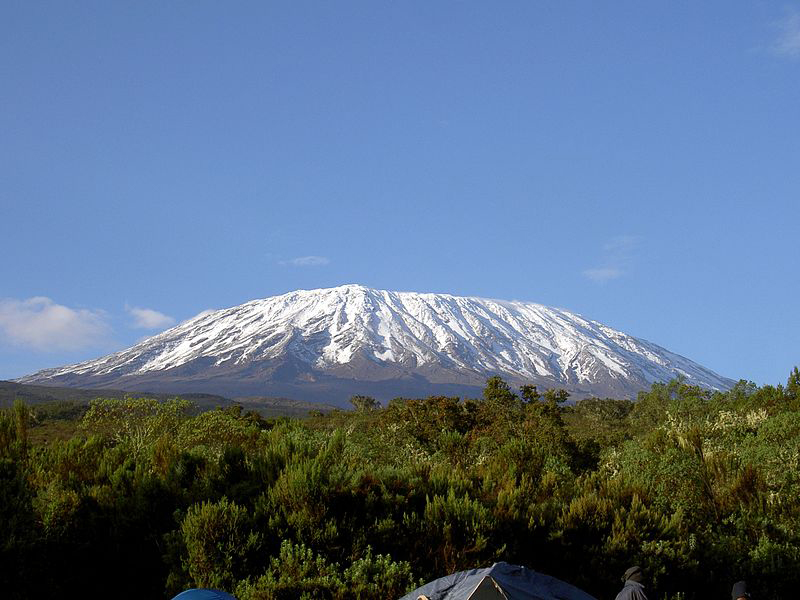
Denali and Mount Kilimanjaro are both famous high-altitude mountains, but their climbing experiences are very different.
Standing at 20,310 feet (6,190 meters), Denali is the highest mountain in North America. Located in Alaska, it is a demanding mountaineering expedition that involves glaciers, extreme cold, technical skills, and long periods in a remote wilderness environment.
By comparison, Mount Kilimanjaro reaches 19,341 feet (5,895 meters) and is the highest mountain in Africa. The climb does not usually require technical equipment, making it a popular high-altitude trekking adventure focused on endurance and acclimatization.
The biggest difference between these two mountains is the type of challenge they provide. Denali tests advanced climbing skills and expedition experience, while Kilimanjaro mainly challenges climbers with altitude, fitness, and proper preparation.
Denali vs Aconcagua
Aconcagua is the highest mountain outside Asia, reaching 22,837 feet (6,961 meters). Although Aconcagua is higher than Denali, many climbers find the challenges different.
Denali is lower in elevation but more technically demanding because of glaciers, extreme cold, and remote wilderness conditions. Climbers need strong expedition skills and experience with ice and snow.
Aconcagua is a non-technical high-altitude climb on the normal route, but its extreme elevation creates major altitude challenges. Weather, wind, and thin air remain serious concerns.
Denali tests technical ability and survival skills, while Aconcagua mainly tests altitude endurance and preparation.
Denali vs Mount Rainier
Mount Rainier reaches 14,411 feet (4,392 meters) and is one of the most famous climbing mountains in the United States.
Compared with Denali, Mount Rainier is much lower, but it is still a serious mountaineering objective because of glaciers, crevasses, and technical climbing requirements.
Many climbers use Mount Rainier as preparation before attempting larger expeditions like Denali. It teaches important skills such as glacier travel, rope systems, and climbing in changing conditions.
Denali is a bigger and more demanding expedition, while Mount Rainier is a challenging training ground for future mountaineers.
Which Is Hardest?
The hardest mountain depends on the type of challenge being measured.
Denali is often considered the hardest mountain in the USA because it combines high altitude, glaciers, extreme cold, and isolation. It requires advanced preparation and strong mountaineering skills.
However, other peaks challenge climbers in different ways:
- Kilimanjaro challenges climbers with altitude and endurance.
- Aconcagua challenges climbers with extreme elevation and weather.
- Mount Rainier challenges climbers with glacier skills and technical movement.
For overall climbing difficulty, Denali ranks among the toughest because it combines many dangers at the same time. It is not only a high mountain but also a demanding wilderness expedition.
Frequently Asked Questions
Denali is the highest mountain in the USA, reaching 20,310 feet (6,190 meters) above sea level. It is located in Alaska’s Alaska Range and is also the highest peak in North America. Denali is famous for its extreme conditions, including glaciers, freezing temperatures, and challenging climbing routes.
No, Denali is not considered a beginner-friendly mountain. Although climbers with strong fitness can prepare for it, the mountain requires advanced skills, glacier experience, cold-weather knowledge, and expedition preparation.
Mount Elbert is often considered one of the easiest high mountains in the USA. It reaches 14,440 feet (4,401 meters) and has a non-technical hiking route to the summit.
Yes, climbers need a permit to climb Mount Whitney during the main hiking season. The permit system helps protect the area and manage the large number of visitors who want to reach the highest summit in the contiguous United States.
The best months to climb Denali are usually May and June. This period provides longer daylight, better expedition conditions, and the most common climbing window.
The USA has more than 100 mountains above 14,000 feet, with most of them located in Colorado, Alaska, and California. These peaks are especially popular among high-altitude hikers and mountaineers because they provide different levels of challenge.
Final Thoughts
Read more mountains in the USA
The highest offer incredible adventures for every type of climber, from beginners searching for their first high-altitude summit to experienced mountaineers looking for extreme challenges. Mountains like Mount Elbert and Mount Whitney provide accessible routes, while Alaska’s giants such as Denali and Mount Saint Elias demand advanced skills and expedition-level preparation.
Choosing the right mountain depends on experience, fitness level, climbing goals, and the type of adventure you want. A successful climb is not only about reaching the summit but also about selecting a mountain that matches your abilities and preparing properly for the conditions.
Choosing the Right Mountain
The best mountain to climb is different for every person. Beginners should start with peaks that have established trails and lower technical difficulty, while experienced climbers can explore more demanding mountains that involve glaciers, steep terrain, and unpredictable weather.
A good progression is to begin with non-technical high peaks such as Mount Elbert or Mount Whitney, then build skills before attempting harder climbs in Alaska. Understanding the mountain’s elevation, route difficulty, season, and required equipment helps climbers choose realistic goals.
Every mountain offers a unique experience. Some provide beautiful landscapes and hiking challenges, while others test advanced mountaineering skills and endurance.
Planning for Safety and Success
A successful mountain climb starts long before reaching the trailhead. Proper training, research, equipment preparation, and understanding mountain conditions all play an important role in safety.
Before climbing any high mountain in the USA, climbers should study the route, check seasonal conditions, prepare the right gear, and understand possible risks. For difficult peaks, gaining experience through guided climbs or smaller mountains can improve confidence and decision-making.
Respecting the mountain environment is also part of a successful adventure. Following safety practices, protecting natural areas, and preparing responsibly allow climbers to enjoy America’s highest mountains while preserving them for future generations.
Whether you choose a beginner-friendly summit or a challenging Alaskan expedition, the right preparation can turn a mountain dream into a safe and memorable achievement.