Top 5 Reasons to Choose the 8-Day Lemosho Route on Mount Kilimanjaro
Estimated reading time: 1 minute
Choosing the right route is one of the most important decisions when climbing Mount Kilimanjaro. In this guide, we explore the Top 5 Reasons to Choose the 8-Day Lemosho Route and why this itinerary is one of the best options for a successful and enjoyable Kilimanjaro adventure.
The 8-Day Lemosho Route offers a gradual ascent, better acclimatization, stunning scenery, fewer crowds, and more time to enjoy the mountain experience. Unlike shorter routes, this itinerary allows climbers to adjust to the altitude slowly while preparing physically and mentally for the summit of Uhuru Peak.
In this blog, you will discover why the 8-Day Lemosho Route is highly recommended for beginners, experienced trekkers, photographers, and anyone looking for a balanced combination of safety, challenge, and adventure on Mount Kilimanjaro.
Table of contents
- Top 5 Reasons to Choose the 8-Day Lemosho Route on Mount Kilimanjaro
- Top 5 Reasons to Choose the 8-Day Lemosho Route
- Why Eight Days Make a Big Difference
- 8-Day vs. 7-Day Lemosho Route
- Day-by-Day 8-Day Lemosho Route Itinerary
- How Difficult Is the 8-Day Lemosho Route?
- Summit Success Rate on the 8-Day Lemosho Route
- What Makes the Lemosho Route So Beautiful?
- Wildlife You May See Along the Route
- Best Time to Climb the 8-Day Lemosho Route
- What to Pack for the 8-Day Lemosho Route
- Common Mistakes to Avoid
- Who Should Choose the 8-Day Lemosho Route?
- 8-Day Lemosho Route vs. Other Kilimanjaro Routes
- Expert Tips for a Successful Summit
- Frequently Asked Questions
- Final Thoughts
- Read Also:
8-Day Lemosho Route at a Glance
Before exploring the top reasons to choose the 8-day Lemosho Route, it’s helpful to understand the basics. The table below highlights the route’s key features and explains why many trekkers consider it one of the best ways to climb Mount Kilimanjaro.
Quick Facts
| Feature | Details |
|---|---|
| Route Length | Approximately 70 km (43 miles) |
| Duration | 8 days / 7 nights |
| Difficulty | Moderate to challenging |
| Summit Success Rate | High, thanks to excellent acclimatization |
| Highest Point | Uhuru Peak – 5,895 m (19,341 ft) |
| Starting Gate | Lemosho Gate |
| Ending Gate | Mweka Gate |
| Best Climbing Seasons | January to March and June to October |
Why Choose the 8-Day Itinerary Instead of a Shorter Climb?
The number of days you spend on Mount Kilimanjaro plays a major role in your summit success. While shorter itineraries may save time and money, they give your body less time to adjust to the altitude. As a result, many climbers experience fatigue or altitude sickness before reaching the summit.
In contrast, the 8-day Lemosho Route follows a slower and more gradual ascent. This extra day allows your body to acclimatize naturally while reducing physical stress. Consequently, many trekkers feel stronger and more confident on summit night.
Another advantage is the relaxed pace. Instead of rushing between camps, you’ll have more time to enjoy Kilimanjaro’s diverse landscapes, take photographs, and recover after each day’s hike. Moreover, the longer itinerary creates a more enjoyable trekking experience from start to finish.
If your goal is to maximize your chances of reaching Uhuru Peak safely while enjoying one of the mountain’s most scenic routes, the 8-day Lemosho Route offers an excellent balance of adventure, comfort, and acclimatization.
Where Is the Lemosho Route?
The Lemosho Route begins on the western side of Mount Kilimanjaro. It starts at Lemosho Gate, one of the mountain’s most scenic entry points. Unlike some other routes, it approaches the mountain through a quiet rainforest before crossing the expansive Shira Plateau.
As the trek continues, the route joins the Machame Route near Lava Tower. From there, climbers follow the southern circuit around the mountain before making their summit attempt from either Barafu Camp or Kosovo Camp, depending on the itinerary. Finally, all climbers descend via the Mweka Route and exit through Mweka Gate.
The western approach offers spectacular scenery from the very first day. In addition, it provides a gradual ascent that supports better acclimatization throughout the climb.
Route Location on Mount Kilimanjaro
The Lemosho Route is located on the western slopes of Mount Kilimanjaro in northern Tanzania. It lies within Kilimanjaro National Park and is widely regarded as one of the mountain’s most scenic routes. The trail passes through dense montane rainforest, open moorland, the Shira Plateau, alpine desert, and the arctic summit zone.
Because the route begins on the quieter western side, climbers often enjoy a more peaceful trekking experience during the first few days. However, it eventually joins the Machame Route, where the number of trekkers increases.
Route Map Overview
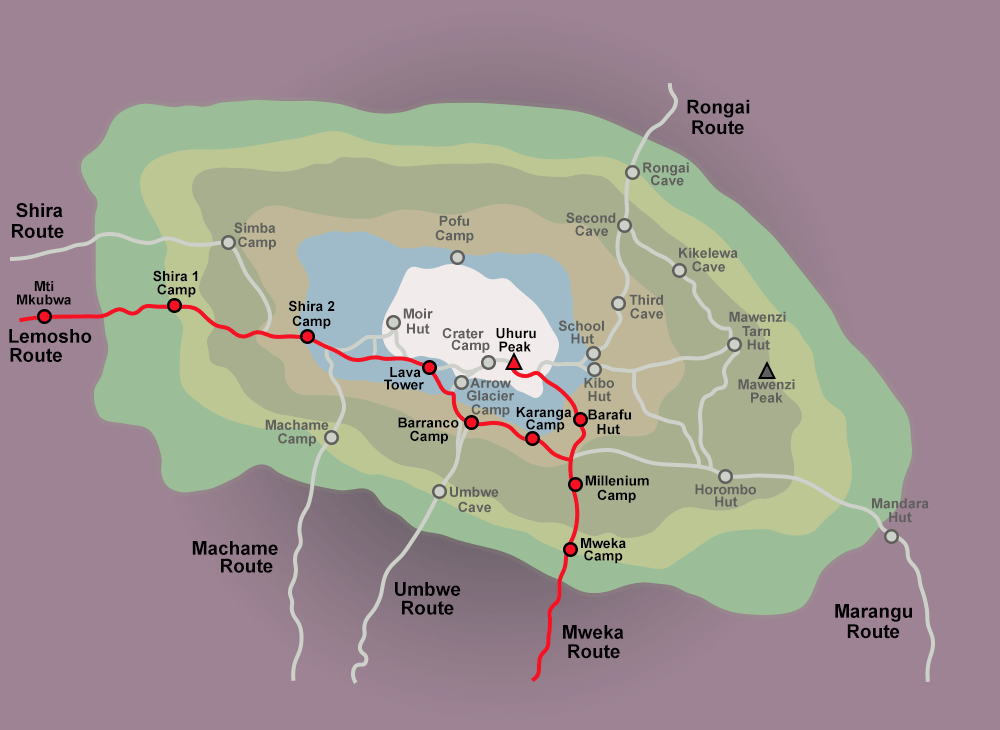
The 8-day Lemosho Route follows a gradual west-to-east crossing of Mount Kilimanjaro. The journey starts at Lemosho Gate and continues through Mti Mkubwa Camp, Shira Camp 1, Shira Camp 2, Lava Tower, Barranco Camp, Karanga Camp, and Barafu Camp or Kosovo Camp before reaching Uhuru Peak, the highest point in Africa. After celebrating at the summit, climbers descend through Mweka Camp and finish at Mweka Gate.
This route follows the important “climb high, sleep low” principle for much of the trek. Consequently, it gives your body more time to adapt to the altitude while allowing you to experience many of Kilimanjaro’s most famous landscapes.
Top 5 Reasons to Choose the 8-Day Lemosho Route
The 8-Day Lemosho Route is one of the best choices for climbing Mount Kilimanjaro because it provides more time for acclimatization, beautiful scenery, fewer crowds, and better preparation for reaching Uhuru Peak. Unlike shorter Kilimanjaro itineraries, the 8-day climb allows your body to adjust gradually to the increasing altitude, making the journey safer and more enjoyable.
Choosing the right number of days on Kilimanjaro is important because altitude is one of the biggest challenges climbers face. A longer itinerary does not mean an easier climb, but it gives you more time to adapt, recover, and prepare for the summit attempt.
1.Better Acclimatization and Higher Summit Success
The main advantage of the 8-Day Lemosho Route is the extra time it provides for proper acclimatization. The route follows a gradual altitude gain, allowing your body to adjust slowly as you climb higher on Mount Kilimanjaro.
When you ascend too quickly, your body has less time to adapt to lower oxygen levels, which can increase the chance of altitude-related problems. The 8-day itinerary reduces this pressure by spreading the climb over more days and creating a more comfortable pace.
During the trek, climbers have more opportunities to follow the “climb high, sleep low” principle, where you gain elevation during the day but rest at a lower altitude. This helps your body adapt better before reaching the higher camps.
With better acclimatization, climbers usually arrive at summit day feeling stronger and more prepared. The additional time helps improve your chances of reaching Uhuru Peak (5,895m) while enjoying the experience instead of rushing through the mountain.
2.Incredible Scenic Diversity Across Five Climate Zones
One of the biggest reasons to choose the 8-Day Lemosho Route on Mount Kilimanjaro is the incredible variety of landscapes you experience throughout the climb. The route takes you through different ecological zones, allowing you to see how the environment changes as you move from the lower slopes of the mountain to the summit.
The journey begins in the lush rainforest zone, where the trail passes through dense vegetation, tall trees, and a rich natural environment. This section of the climb offers a beautiful introduction to Kilimanjaro and gives you the chance to experience the mountain’s unique ecosystem.
As you gain altitude, the landscape changes into the moorland zone, where forests become open valleys covered with grasses, shrubs, and unique high-altitude plants. This area provides wide views of the mountain and the surrounding scenery.
The route then reaches the famous Shira Plateau, one of the most impressive areas on Kilimanjaro. This ancient volcanic landscape offers panoramic views, dramatic scenery, and a feeling of being surrounded by the vast wilderness of Africa’s highest mountain.
Higher up, climbers enter the alpine desert zone, where the environment becomes dry, rocky, and more challenging. The contrast between the empty landscapes and the towering peaks creates some of the most memorable views along the route.
Near the summit, the trail reaches the arctic zone, where glaciers, ice fields, and extreme conditions dominate the landscape. Standing near Uhuru Peak, climbers experience a completely different world compared with the rainforest they started in.
3.A Quieter and More Peaceful Trekking Experience
Another reason many climbers choose the 8-Day Lemosho Route is the opportunity to enjoy a quieter and more peaceful experience on Mount Kilimanjaro. While some routes can become busy during peak climbing seasons, the Lemosho Route begins on the remote western side of the mountain, where there are typically fewer trekkers during the first days of the climb.
This less crowded start creates a stronger sense of wilderness and adventure. Instead of constantly meeting large groups of climbers, you can spend more time surrounded by Kilimanjaro’s natural beauty and enjoy the tranquility of the mountain. The quieter trails also allow you to appreciate the sounds of nature, from birds in the rainforest to the silence of the higher-altitude landscapes.
The peaceful atmosphere makes it easier to focus on the journey itself rather than the crowds around you. Many climbers find that the Lemosho Route feels more immersive and rewarding because it offers a closer connection to the mountain’s diverse environments.
For travelers seeking both adventure and solitude, the 8-Day Lemosho Route provides one of the most enjoyable trekking experiences on Kilimanjaro, combining spectacular scenery with a genuine feeling of being in the heart of the wilderness.
4.More Time to Enjoy the Journey and Recover Each Day
One of the often-overlooked benefits of the 8-Day Lemosho Route is the extra time it gives climbers to enjoy the experience without feeling rushed. Unlike shorter itineraries that require longer hiking days and faster altitude gains, the 8-day schedule spreads the journey more evenly across the mountain.
A balanced walking pace allows you to conserve energy and focus on the trek rather than constantly trying to reach the next campsite. With fewer demanding days back-to-back, many climbers find the route more comfortable and enjoyable, especially as they gain altitude.
The additional day also provides more opportunities for rest and recovery. After each day’s hike, your body has time to recover before the next stage of the climb. This can help reduce fatigue and keep energy levels more consistent throughout the trek.
Better energy management becomes especially important as you approach summit day. Instead of arriving at the higher camps already exhausted, climbers on the 8-Day Lemosho Route often feel better prepared for the final ascent to Uhuru Peak.
Perhaps most importantly, the extra time allows you to fully appreciate the journey. You can take in the changing landscapes, enjoy the views from camp, and experience the unique atmosphere of Mount Kilimanjaro without constantly feeling pressured by a tight schedule. For many trekkers, this slower and more relaxed approach makes the climb far more rewarding than simply reaching the summit as quickly as possible.
5.Excellent Balance of Challenge, Safety, and Adventure
The 8-Day Lemosho Route offers an excellent balance of challenge, safety, and adventure, making it one of the most recommended routes on Mount Kilimanjaro. While the climb is still physically demanding and requires preparation, the longer itinerary helps make the challenge more manageable for a wide range of climbers.
The route provides a true sense of adventure as it crosses remote wilderness areas, diverse landscapes, and high-altitude environments on the way to Uhuru Peak. At the same time, the extra day allows for a more gradual ascent, giving climbers additional time to acclimatize and recover. This creates a more comfortable experience without taking away the excitement of climbing Africa’s highest mountain.
Unlike some shorter routes that can feel rushed, the 8-day itinerary allows trekkers to enjoy the journey while maintaining a strong focus on safety. The combination of better acclimatization, balanced hiking days, and spectacular scenery helps create a more rewarding and enjoyable climb.
For many climbers, the 8-Day Lemosho Route represents the ideal Kilimanjaro experience. It provides enough challenge to make reaching the summit feel like a significant achievement while offering the time and support needed to enjoy every stage of the adventure. Whether you are a first-time climber or an experienced trekker, this route delivers an unforgettable journey to the roof of Africa.
Why Eight Days Make a Big Difference
The number of days you spend on Mount Kilimanjaro can have a major impact on your overall experience and summit success. While it may be tempting to choose a shorter itinerary, the 8-Day Lemosho Route gives your body more time to adjust to the altitude, recover between hiking days, and prepare for the challenges of summit night. This extra time can make the climb more comfortable, more enjoyable, and more likely to end with a successful summit of Uhuru Peak.
How Your Body Adjusts to High Altitude
One of the biggest challenges of climbing Mount Kilimanjaro is the high altitude. As you gain elevation, the air contains less oxygen, making it harder for your body to perform at the same level as it would at lower elevations. This can lead to symptoms such as headaches, fatigue, shortness of breath, and difficulty sleeping.
A gradual ascent gives your body time to adapt to these changing conditions. During this process, your body becomes more efficient at using oxygen, helping you feel stronger and more comfortable as you climb higher. This adaptation does not happen instantly, which is why spending additional days on the mountain is so important.
The 8-Day Lemosho Route provides a slower and more natural progression through Kilimanjaro’s different altitude zones. By allowing your body time to adjust, the route helps reduce the impact of altitude and improves your chances of reaching the summit safely.
The “Climb High, Sleep Low” Principle
The 8-Day Lemosho Route follows one of the most effective acclimatization strategies used in high-altitude trekking: the “climb high, sleep low” principle. This approach involves hiking to a higher elevation during the day and then returning to a lower altitude to sleep.
By briefly exposing your body to higher elevations, you encourage important physiological adaptations without spending the entire night at that altitude. This helps your body become accustomed to lower oxygen levels while reducing the stress that can come from sleeping too high too soon.
A good example of this on the Lemosho Route is the trek to Lava Tower before descending to Barranco Camp. Although climbers reach a higher altitude during the day, they sleep lower, allowing the body to acclimatize more effectively. This strategy often improves comfort, reduces the risk of altitude-related problems, and helps climbers feel stronger as they continue toward the summit.
Why Longer Itineraries Improve Summit Success
Longer Kilimanjaro itineraries generally offer better summit success because they provide more time for acclimatization and recovery. Instead of rushing to higher elevations, climbers can progress at a steady pace while giving their bodies the opportunity to adapt.
The additional day on the 8-Day Lemosho Route also helps climbers maintain better physical condition throughout the trek. More balanced hiking days can reduce fatigue and allow trekkers to conserve energy for the demanding summit push.
Equally important is the mental benefit of a longer itinerary. Climbers often arrive at summit night feeling more confident, less stressed, and better prepared for the final challenge. Rather than worrying about rapid altitude gain or exhaustion, they can focus on maintaining a steady pace toward Uhuru Peak.
For many climbers, these advantages make the 8-Day Lemosho Route one of the most effective ways to improve both comfort and summit success on Mount Kilimanjaro.
8-Day vs. 7-Day Lemosho Route
Many climbers choosing the Lemosho Route must decide between the 7-day and 8-day itineraries. While both options follow the same scenic path to the summit of Mount Kilimanjaro, the extra day can make a noticeable difference in acclimatization, comfort, and overall experience. Understanding these differences can help you choose the itinerary that best matches your fitness level, schedule, and summit goals.
Key Differences
The main difference between the 7-Day Lemosho route and 8-Day Lemosho Route is the pace of the climb. The 8-day itinerary spreads the trek over an additional day, allowing for a more gradual ascent and better altitude adjustment.
| Feature | 7-Day Lemosho Route | 8-Day Lemosho Route |
|---|---|---|
| Daily Distance | Generally longer hiking days | More balanced daily distances |
| Altitude Gain | Faster elevation gain | More gradual ascent |
| Rest and Recovery | Less recovery time | More time to rest and acclimatize |
| Overall Experience | Faster-paced trek | More relaxed and enjoyable journey |
Although both routes offer the same stunning scenery and reach Uhuru Peak, the 8-day itinerary provides more time to enjoy the mountain while reducing the pressure of covering larger elevation gains in fewer days.
Which Option Is Better for Beginners?
For most first-time Kilimanjaro climbers, the 8-Day Lemosho Route is the better option. Beginners often have little or no experience trekking at high altitude, and the extra day gives their bodies more time to adapt to lower oxygen levels.
A slower ascent can make the climb feel more manageable and comfortable, especially during the higher sections of the mountain. The additional acclimatization time also allows beginners to gain confidence as they progress through the different climate zones and prepare for summit night.
While experienced hikers may successfully complete the 7-day version, many beginners appreciate the extra margin of comfort and preparation that the 8-day itinerary provides.
Is the Extra Day Worth It?
For many climbers, the answer is yes. The additional day offers benefits that go beyond simply spending more time on the mountain. It creates a more gradual climbing schedule, improves acclimatization opportunities, and gives climbers more time to recover between trekking days.
The extra day can also make the overall experience more enjoyable. Instead of rushing through the route, you have more time to appreciate the scenery, adapt to the altitude, and prepare physically and mentally for the summit attempt.
Although the 8-day itinerary typically costs more than the 7-day option, many climbers consider the investment worthwhile because of the added comfort, better acclimatization, and increased confidence heading into summit day. For those whose primary goal is to maximize their chances of reaching Uhuru Peak while enjoying the journey, the extra day can be a valuable addition to the climb.
Day-by-Day 8-Day Lemosho Route Itinerary
The 8-Day Lemosho Route follows a gradual ascent across Mount Kilimanjaro’s diverse landscapes, giving climbers plenty of time to acclimatize before attempting the summit. From lush rainforest trails to the glaciers near Uhuru Peak, each day offers a unique experience and helps prepare your body for the higher elevations ahead.
Day 1 – Lemosho Gate to Mti Mkubwa Camp
The adventure begins at Lemosho Gate on the western side of Mount Kilimanjaro. After completing park registration, the trek starts through the mountain’s lush rainforest zone. The trail winds beneath towering trees covered with moss and surrounded by rich vegetation. This section is known for its peaceful atmosphere and opportunities to spot wildlife such as colobus monkeys and colorful birds. The first night is spent at Mti Mkubwa Camp, also known as Big Tree Camp.
Day 2 – Mti Mkubwa Camp to Shira Camp 1
The second day leaves the rainforest behind and enters the heath and moorland zone. As the forest gradually thins, climbers begin to enjoy wider views of the surrounding landscape. The trail climbs steadily toward the Shira Plateau, one of Kilimanjaro’s most remarkable geological features. By the end of the day, trekkers reach Shira Camp 1, where they spend the night surrounded by open mountain scenery.
Day 3 – Shira Camp 1 to Shira Camp 2
Day three is an important acclimatization day as the route continues across the Shira Plateau. The terrain becomes more open, offering spectacular views of Kibo Peak and the vast wilderness surrounding the mountain. The gradual ascent helps climbers adapt to the increasing altitude while enjoying one of the most scenic sections of the route. Overnight accommodation is at Shira Camp 2.
Day 4 – Shira Camp 2 to Lava Tower to Barranco Camp
This is one of the most important acclimatization days on the entire trek. The trail climbs to Lava Tower, a dramatic volcanic rock formation located at a higher elevation. After reaching this point, climbers descend to Barranco Camp for the night. This follows the “climb high, sleep low” principle, which helps the body adjust to altitude more effectively. The day also introduces the alpine desert environment, with its rugged and dramatic landscapes.
Day 5 – Barranco Camp to Karanga Camp
The day begins with the famous Barranco Wall, one of the most exciting sections of the Lemosho Route. Despite its intimidating appearance, the climb is non-technical and rewards trekkers with impressive views of the surrounding valleys and peaks. After reaching the top, the route continues across rolling terrain before arriving at Karanga Camp. This shorter day provides additional acclimatization and recovery before moving higher up the mountain.
Day 6 – Karanga Camp to Barafu or Kosovo Camp
The trek continues upward through the alpine desert zone toward the final high camp. Depending on the itinerary, climbers spend the night at either Barafu Camp or Kosovo Camp. The landscape becomes increasingly barren as vegetation disappears and the summit comes into view. Most trekkers spend the afternoon resting, hydrating, and preparing their equipment for the summit attempt, which begins shortly after midnight.
Day 7 – Summit Day (Uhuru Peak) and Descent
Summit day is the most challenging and rewarding part of the climb. Trekkers begin their ascent during the night and slowly make their way toward Stella Point before continuing to Uhuru Peak, the highest point in Africa at 5,895 meters. Reaching the summit at sunrise provides unforgettable views across the glaciers and surrounding landscapes. After celebrating at the top, climbers descend back through Barafu Camp and continue down to Mweka Camp for a well-earned rest.
Day 8 – Mweka Camp to Mweka Gate
The final day follows a gentle descent through the rainforest zone to Mweka Gate. As the air becomes warmer and the vegetation becomes denser, climbers have time to reflect on their achievement of reaching the Roof of Africa. At the gate, successful trekkers receive their summit certificates before departing Kilimanjaro National Park and returning to Moshi or Arusha.
How Difficult Is the 8-Day Lemosho Route?
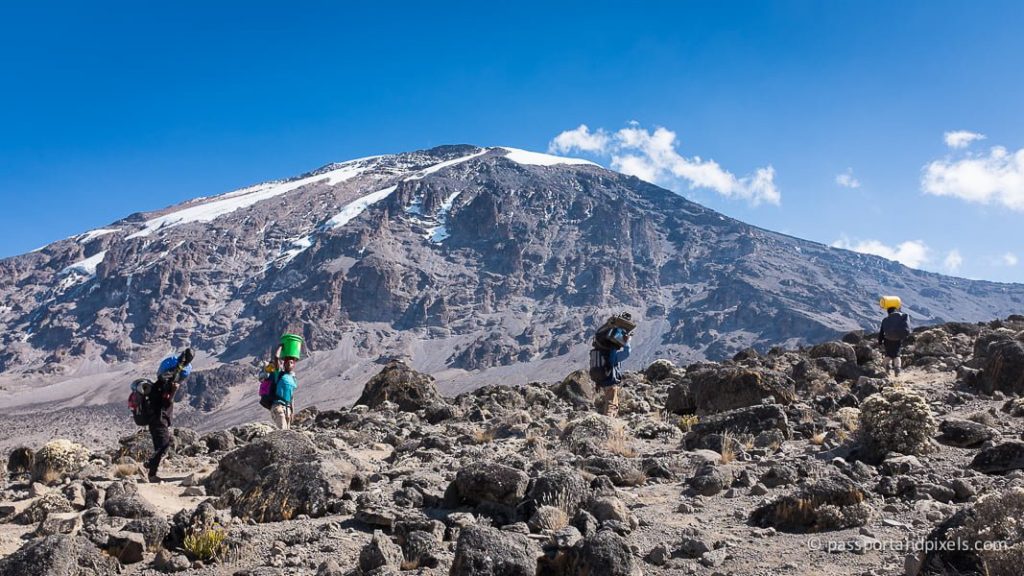
The 8-Day Lemosho Route is considered a moderately challenging Kilimanjaro route. While it does not require technical climbing skills, reaching Uhuru Peak (5,895 meters) demands physical fitness, mental determination, and the ability to cope with high altitude. The good news is that the extra day for acclimatization makes the route more manageable than many shorter itineraries, especially for first-time climbers.
Physical Fitness Requirements
You do not need to be an elite athlete to climb Kilimanjaro, but you should arrive with a good level of fitness. The route involves several consecutive days of hiking, often on uneven terrain and at increasingly higher elevations.
Preparing for the climb through regular hiking, walking, running, cycling, or other endurance activities can make a significant difference. Training helps strengthen your legs, improve cardiovascular fitness, and prepare your body for long days on the trail. It is also beneficial to practice hiking with a backpack, especially on hills or stairs, to simulate mountain conditions.
Endurance is more important than speed on Kilimanjaro. Climbers who maintain a steady pace and conserve energy throughout the trek often perform better than those who try to hike too quickly. With proper preparation and training, most healthy individuals can successfully complete the 8-Day Lemosho Route.
Mental Preparation
Mental strength is just as important as physical fitness when climbing Mount Kilimanjaro. The journey requires patience, particularly during long hiking days and the slow pace needed for acclimatization. Progress may feel gradual at times, but moving slowly is one of the keys to reaching the summit.
A positive mindset can help you overcome challenges such as fatigue, cold temperatures, and the effects of altitude. Climbers who stay focused on one step at a time often find the experience more manageable and enjoyable.
Summit night is usually the toughest part of the climb. Hiking in darkness, cold conditions, and thin air can test both your body and your determination. Staying motivated, listening to your guides, and maintaining confidence can help you push through the final challenge and reach Uhuru Peak.
Typical Daily Hiking Time
Most days on the 8-Day Lemosho Route involve between 4 and 8 hours of hiking, depending on the terrain, altitude, and daily itinerary. Some days are shorter and designed to aid acclimatization, while others involve longer distances and greater elevation gain.
Summit day is significantly different from the rest of the trek. Climbers usually begin their ascent around midnight and spend several hours climbing to Uhuru Peak before descending to a lower camp. Including both the ascent and descent, summit day can take 10 to 15 hours or more, making it the longest and most demanding day of the expedition.
Although summit day is challenging, the gradual acclimatization and balanced pace of the 8-Day Lemosho Route help many climbers arrive better prepared for this final push to the Roof of Africa.
Summit Success Rate on the 8-Day Lemosho Route
The 8-Day Lemosho Route is widely regarded as one of the best Kilimanjaro routes for reaching the summit successfully. While no route can guarantee that every climber will reach Uhuru Peak, the additional acclimatization time and gradual ascent give trekkers a significant advantage compared to shorter itineraries. For many climbers, the route strikes the ideal balance between altitude adjustment, daily hiking distance, and overall comfort.
Why Success Rates Are Higher
One of the main reasons the 8-Day Lemosho Route has a strong summit success rate is the extra time it provides for acclimatization. Instead of gaining altitude too quickly, climbers ascend gradually, allowing their bodies to adapt to lower oxygen levels before reaching the higher camps.
The slower pace also reduces physical stress on the body. With more balanced hiking days, trekkers can conserve energy and recover more effectively between stages of the climb. This becomes especially important during the summit push, which is the most demanding part of the expedition.
The route’s itinerary also includes important acclimatization opportunities, such as the climb to Lava Tower before descending to Barranco Camp. These carefully planned elevation changes help prepare climbers for the challenges of high altitude and improve their readiness for summit day.
Together, the extra acclimatization days, slower ascent, and better preparation make the 8-Day Lemosho Route one of the most reliable options for climbers aiming to reach Uhuru Peak.
Factors That Affect Your Chances
Although the route itself provides excellent conditions for success, several factors influence whether a climber reaches the summit.
Physical fitness plays an important role because the trek involves multiple days of hiking at increasing elevations. Climbers who arrive well-prepared often find it easier to maintain a steady pace and recover between hiking days.
Preparation before the climb is equally important. Proper training, suitable equipment, and a good understanding of what to expect on the mountain can improve both comfort and confidence during the trek.
Weather conditions can also affect the experience. Cold temperatures, strong winds, rain, or snow near the summit can make the climb more challenging and require additional effort from climbers.
The quality of guide support is another key factor. Experienced guides help set an appropriate pace, monitor climbers for signs of altitude-related issues, and provide encouragement during difficult sections of the trek.
Finally, every person responds to altitude differently. Even physically fit climbers can experience the effects of high altitude, while others may adapt quickly. This individual response is one reason why acclimatization remains one of the most important factors in reaching the summit successfully.
By combining good preparation, proper pacing, experienced guide support, and a well-designed itinerary, climbers can maximize their chances of standing on the summit of Mount Kilimanjaro.
What Makes the Lemosho Route So Beautiful?
Many climbers consider the Lemosho Route the most beautiful route on Mount Kilimanjaro. One of the reasons for its popularity is the incredible variety of landscapes found along the trail. Over eight days, trekkers pass through lush forests, expansive plateaus, dramatic valleys, and high-altitude deserts before reaching the glaciers and summit of Africa’s highest mountain. Each stage of the journey offers a different perspective of Kilimanjaro, making the route as rewarding for its scenery as it is for its summit achievement.
Rainforest
The adventure begins in Kilimanjaro’s rainforest zone, one of the most vibrant and diverse environments on the mountain. Towering trees, hanging moss, giant ferns, and dense vegetation line the trail as climbers make their way from Lemosho Gate toward Mti Mkubwa Camp. The forest is alive with birdsong and wildlife, creating a peaceful atmosphere that feels far removed from the barren landscapes found higher on the mountain.
Shira Plateau
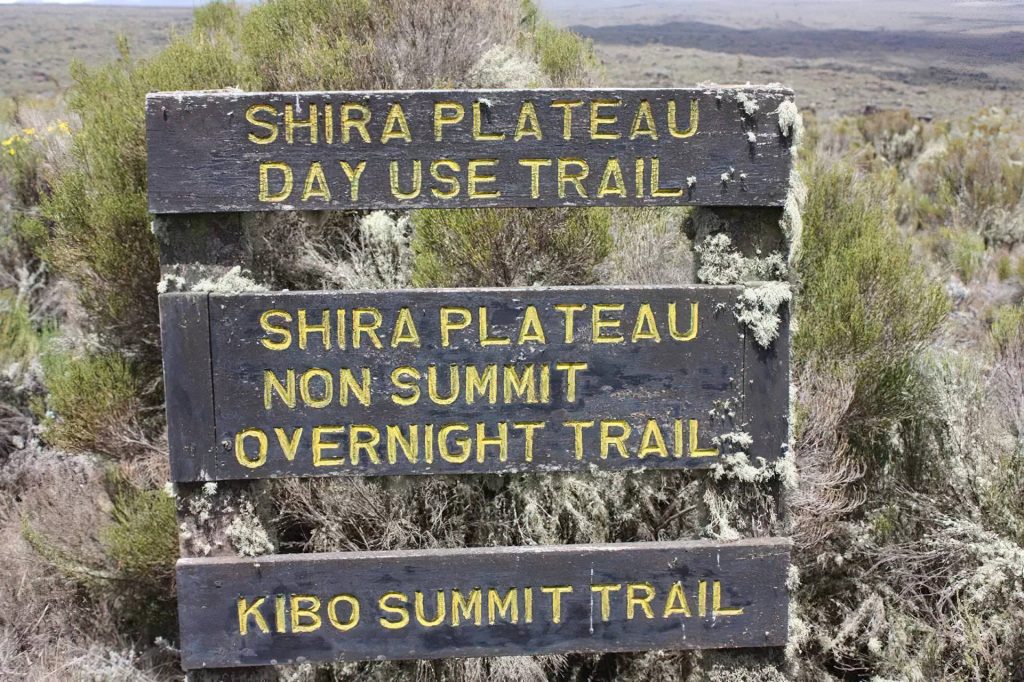
The Shira Plateau is one of the highlights of the Lemosho Route and one of the largest high-altitude plateaus in the world. Formed by an ancient volcanic eruption, this vast open landscape offers breathtaking panoramic views of Kilimanjaro’s peaks and surrounding wilderness. The plateau’s wide-open spaces, unique vegetation, and dramatic scenery provide some of the most memorable views of the entire climb.
Barranco Wall
The Barranco Wall is one of the most iconic landmarks on Mount Kilimanjaro. Rising steeply above Barranco Camp, it may look intimidating from below, but it is a non-technical scramble that most climbers complete without difficulty. Reaching the top rewards trekkers with spectacular views of valleys, glaciers, and rugged mountain terrain. For many climbers, the Barranco Wall becomes one of the most exciting and memorable sections of the journey.
Alpine Desert
Above the moorland and plateau zones, the landscape transforms into an alpine desert. This high-altitude environment is characterized by rocky terrain, volcanic formations, and sparse vegetation. The vast open spaces create a dramatic contrast with the rainforest below. As climbers move through this zone, they gain a true sense of Kilimanjaro’s scale and the challenges of trekking at high altitude.
Uhuru Peak at Sunrise
The ultimate reward of the Lemosho Route is reaching Uhuru Peak at sunrise. After climbing through the night, trekkers are greeted by the first light of day spreading across the glaciers, crater rim, and surrounding landscapes. The sight of the sun rising above the clouds while standing on the highest point in Africa is an unforgettable experience. For many climbers, this moment is not only the highlight of the route but also the culmination of months of preparation and one of the greatest achievements of their lives.
Wildlife You May See Along the Route
While Mount Kilimanjaro is best known for its stunning landscapes and high-altitude trekking, the mountain is also home to a variety of wildlife. Most animal sightings occur in the lower rainforest zone, where dense vegetation provides food and shelter for many species. Although wildlife viewing is not the main focus of a Kilimanjaro climb, the Lemosho Route offers some of the best opportunities to encounter animals and birds during the early stages of the trek.
Colobus Monkeys
One of the most recognizable animals on the Lemosho Route is the black-and-white colobus monkey. These striking primates are known for their long white tails and distinctive black fur. They spend much of their time high in the forest canopy and are often seen moving gracefully between the trees. Many climbers hear their calls echoing through the rainforest before spotting them, making an early wildlife encounter one of the memorable highlights of the climb.
Blue Monkeys
Blue monkeys are another species that inhabit Kilimanjaro’s rainforest zone. Despite their name, they are not actually blue but have a grayish coat with a slightly bluish appearance in certain light conditions. These monkeys are generally smaller than colobus monkeys and are often seen foraging in the trees or moving through the forest in small groups. Their curious nature and active behavior make them interesting to watch as you hike through the lower slopes of the mountain.
Birds and Forest Wildlife
The rainforest section of the Lemosho Route supports a rich variety of birdlife and other forest animals. Bird enthusiasts may spot colorful species such as turacos, hornbills, sunbirds, and several types of forest-dwelling birds. The sounds of birds singing throughout the forest add to the unique atmosphere of the trek.
In addition to birds and monkeys, the rainforest is home to smaller mammals, reptiles, and insects that play an important role in the mountain’s ecosystem. While larger animals are rarely seen on the climbing routes, the diversity of wildlife found in Kilimanjaro’s forests provides an extra layer of interest and beauty during the first days of the journey.
Best Time to Climb the 8-Day Lemosho Route
The best time to climb the 8-Day Lemosho Route on Mount Kilimanjaro is during the dry seasons when the trails are more stable, the skies are clearer, and the chances of enjoying great views from the mountain are higher. Kilimanjaro can be climbed throughout the year, but choosing the right season can make a big difference in comfort, weather conditions, and overall trekking experience.
The two main climbing seasons are January to March and June to October, which are generally considered the most favorable periods for the Lemosho Route. Each season offers a different experience depending on your preferences.
January to March
The period from January to March is one of the best times to climb the Lemosho Route, especially for trekkers who prefer quieter trails and fewer crowds. The weather is usually warmer, and the mountain often has good visibility, providing excellent views of Kilimanjaro’s landscapes.
This season can also offer beautiful conditions for photography, with clear views of the summit glaciers, valleys, and surrounding scenery. The route is generally less busy compared with the peak climbing months, creating a more peaceful trekking experience.
June to October
June to October is the most popular climbing season on Mount Kilimanjaro because it offers some of the most reliable weather conditions. The trails are usually drier, the skies are clearer, and many climbers choose this period because of the higher chance of favorable trekking conditions.
The months from July to September are particularly busy, as many travelers combine their Kilimanjaro climb with holidays and safari experiences in Tanzania. Despite the higher number of climbers, the 8-Day Lemosho Route still provides a quieter experience compared with some of the more crowded routes.
November and Rainy Seasons
November marks the beginning of the shorter rainy season on Kilimanjaro. During this period, the mountain can still be climbed, but trekkers should expect more unpredictable weather, wetter trails, and possible cloud cover.
The long rainy season usually occurs around March to May, when heavier rainfall can make some sections of the route more challenging. However, climbing during the rainy seasons can have advantages, including fewer people on the trails and a more peaceful atmosphere.
For climbers who are flexible and properly prepared with suitable gear, the rainy seasons can still provide a rewarding Kilimanjaro experience. However, most trekkers choose the dry seasons for better comfort and more reliable conditions on the 8-Day Lemosho Route.
What to Pack for the 8-Day Lemosho Route
Packing the right equipment for the 8-Day Lemosho Route is essential for a comfortable and successful Mount Kilimanjaro climb. The weather changes dramatically as you move through different climate zones, from the warm rainforest at the base of the mountain to cold, windy conditions near Uhuru Peak. A good packing list should focus on staying warm, dry, comfortable, and prepared for changing mountain conditions.
Clothing
The right clothing helps you manage Kilimanjaro’s changing temperatures and weather conditions. Instead of packing only warm clothes, climbers should use a layering system that allows them to add or remove layers as conditions change.
Essential clothing includes moisture-wicking base layers, warm insulating layers, a waterproof jacket, and a windproof outer layer. Thermal clothing is especially important for summit night when temperatures can drop significantly. Comfortable trekking pants, warm gloves, a hat, and good-quality socks also help protect you from the cold.
It is important to avoid cotton clothing because it holds moisture and can make you feel colder during the trek. Choosing lightweight, quick-drying materials helps keep you comfortable throughout the eight-day journey.
Footwear
Choosing the right footwear is one of the most important parts of Kilimanjaro preparation. A strong pair of hiking boots with good support and grip helps you handle uneven trails, rocky sections, and long walking days.
Your hiking boots should be comfortable and properly broken in before the climb to avoid discomfort during the trek. Many climbers also bring trekking socks designed for hiking, along with lighter shoes or sandals for relaxing at camp after each day’s hike.
Gaiters can also be useful, especially on dusty sections, muddy trails, or during colder conditions near the summit.
Trekking Equipment
The 8-Day Lemosho Route requires several important pieces of trekking equipment to make the climb safer and more enjoyable. A comfortable daypack is needed for carrying daily essentials such as water, snacks, rain gear, and personal items.
Other useful equipment includes trekking poles for support on uphill and downhill sections, a headlamp for summit night, a sleeping bag suitable for cold temperatures, and water bottles or hydration systems.
A good-quality backpack, waterproof covers, and basic mountain accessories help protect your equipment from changing weather conditions throughout the climb.
Personal Essentials
Personal items are also important for staying comfortable during the trek. Climbers should pack items such as sunscreen, sunglasses, personal medication, toiletries, wet wipes, and a small first-aid kit.
Hydration and nutrition are important at high altitude, so carrying water and personal snacks such as energy bars can help maintain energy during long hiking days.
Other useful items include a camera or phone for capturing memories, extra batteries or a power bank, and important travel documents. Preparing carefully before the climb allows you to focus more on enjoying the incredible experience of reaching the summit of Mount Kilimanjaro.
Common Mistakes to Avoid
Climbing Mount Kilimanjaro is a rewarding experience, but small mistakes during preparation or on the mountain can make the journey more difficult. Understanding the common challenges before starting the 8-Day Lemosho Route helps climbers prepare properly, protect their energy, and increase their chances of reaching Uhuru Peak successfully.
Choosing a Shorter Route Without Enough Time
One of the biggest mistakes climbers make is choosing a shorter Kilimanjaro itinerary without considering the importance of acclimatization. Although shorter routes may look attractive because they cost less and take fewer days, they give your body less time to adjust to the increasing altitude.
The 8-Day Lemosho Route provides a gradual ascent, allowing more time for your body to adapt before reaching higher elevations. Rushing the climb can increase fatigue and make the effects of altitude more challenging. Choosing the right number of days is one of the most important decisions for a safe and enjoyable summit attempt.
Walking Too Fast
Many climbers underestimate the importance of maintaining a slow and steady pace on Kilimanjaro. The goal is not to reach camp as quickly as possible but to conserve energy and allow your body to adjust to the altitude.
Walking too fast can lead to unnecessary exhaustion and may make it harder to recover for the following days. Experienced guides often encourage the “pole pole” approach, which means “slowly slowly” in Swahili. This steady pace helps climbers manage energy, breathe comfortably, and enjoy the journey.
Ignoring Hydration
Staying hydrated is essential when climbing at high altitude. Some climbers make the mistake of drinking less water because they do not always feel thirsty in cooler mountain conditions.
Dehydration can increase tiredness, headaches, and discomfort during the trek. Drinking enough water throughout the day helps your body perform better and supports acclimatization. Carrying a reliable hydration system and drinking regularly is an important part of Kilimanjaro preparation.
Underestimating Summit Night
Summit night is the most challenging and memorable part of the Kilimanjaro climb. Many climbers underestimate the difficulty because they focus only on reaching the top and forget that the final ascent involves hiking in darkness, cold temperatures, and high altitude.
The climb to Uhuru Peak requires patience, determination, and proper preparation. Having suitable clothing, conserving energy during previous days, and following your guide’s pace can make a major difference. Understanding that summit night is a serious challenge helps climbers approach it with the right mindset and preparation.
Who Should Choose the 8-Day Lemosho Route?
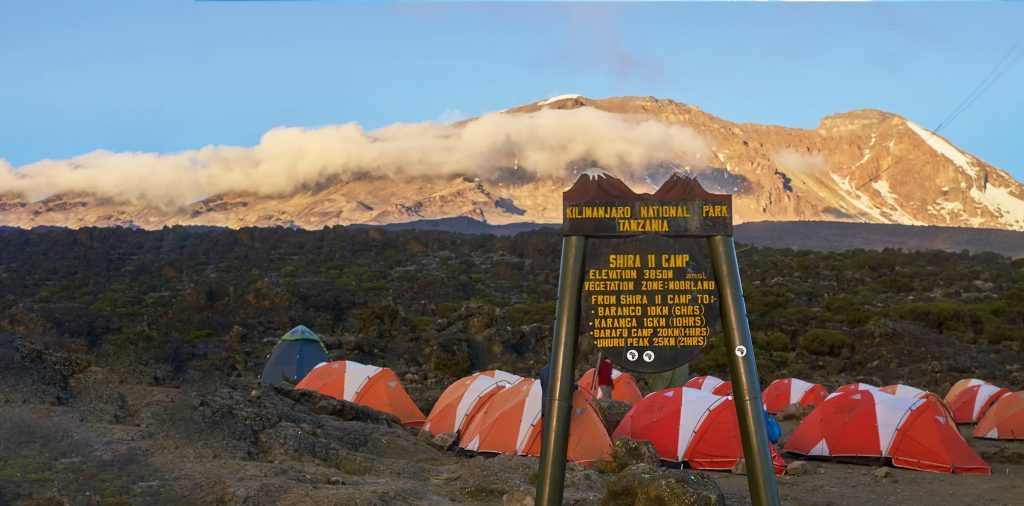
The 8-Day Lemosho Route is a great choice for climbers who want a balanced Kilimanjaro experience with enough time for acclimatization, beautiful scenery, and a more comfortable pace. The route is suitable for different types of adventurers, from first-time climbers to experienced trekkers, because it combines challenge with a gradual and enjoyable approach to reaching Uhuru Peak.
First-Time Climbers
The 8-Day Lemosho Route is one of the best options for first-time Kilimanjaro climbers because it provides more time to adjust to the mountain environment. Beginners often benefit from the slower pace, additional acclimatization days, and balanced hiking schedule.
For someone climbing at high altitude for the first time, the extra day can make the journey feel more manageable. Instead of rushing through different elevations, first-time climbers can focus on building confidence, enjoying the scenery, and learning how their body responds to the altitude.
Experienced Trekkers
Experienced hikers and mountain trekkers can also enjoy the 8-Day Lemosho Route because it offers some of the most scenic sections of Mount Kilimanjaro. Even those with previous trekking experience appreciate the route’s diverse landscapes, remote trails, and rewarding summit approach.
The longer itinerary allows experienced climbers to enjoy the mountain at a relaxed pace while taking time to appreciate the unique environments, from the rainforest to the alpine desert and summit zone.
Photographers
The 8-Day Lemosho Route is an excellent choice for photographers because it passes through some of the most beautiful and varied landscapes on Kilimanjaro. The route offers countless opportunities to capture dramatic mountain views, changing ecosystems, sunrise moments, and unique wildlife.
Spending more days on the mountain means photographers have more time to explore different locations, wait for better lighting conditions, and capture the beauty of Kilimanjaro without feeling rushed.
Older Adventurers
The 8-Day Lemosho Route can be a suitable option for older adventurers who are physically prepared and looking for a more gradual climbing experience. The slower pace and extra acclimatization time can make the journey more comfortable compared with shorter itineraries.
A successful Kilimanjaro climb is not only about age but also about preparation, fitness, and choosing the right itinerary. The additional days allow older climbers to manage their energy better, recover between hiking days, and enjoy the adventure at a comfortable pace.
8-Day Lemosho Route vs. Other Kilimanjaro Routes
Choosing the right Kilimanjaro route can greatly affect your trekking experience, acclimatization, comfort, and chances of reaching Uhuru Peak. The 8-Day Lemosho Route stands out because it combines a gradual ascent, beautiful scenery, and fewer crowds, but other routes also have their own advantages. Comparing the main routes helps you understand which option best matches your goals, fitness level, and climbing style.
Lemosho vs. Machame
The Lemosho and Machame routes are two of the most popular routes on Mount Kilimanjaro because both offer scenic landscapes and a challenging trekking experience. The main difference is that Lemosho starts on the quieter western side of the mountain and provides a more gradual approach.
The 8-Day Lemosho Route usually offers better acclimatization because it gives climbers more time to adjust before reaching higher elevations. Machame is often completed in fewer days, which can make the pace faster and more demanding.
For climbers who want a quieter trail, more time on the mountain, and a more comfortable ascent, Lemosho is often the preferred choice.
Lemosho vs. Marangu
The Lemosho and Marangu routes provide very different experiences. Marangu is known as the “Coca-Cola Route” and is the only Kilimanjaro route with hut accommodation, while Lemosho uses tented camps and offers a more wilderness-style adventure.
The 8-Day Lemosho Route provides greater scenic variety and passes through more remote landscapes. Marangu follows a shorter route with a simpler trail profile, but it has less time for acclimatization on many itineraries.
Travelers looking for comfort through huts may prefer Marangu, while those seeking scenery, adventure, and a more immersive mountain experience often choose Lemosho.
Lemosho vs. Rongai
The Lemosho and Rongai routes approach Mount Kilimanjaro from opposite sides. Lemosho begins from the west, while Rongai starts from the northern side near the Kenya border.
Rongai is known for being quieter and drier, making it a good option during wetter months. However, Lemosho offers more dramatic scenery, including the Shira Plateau, Barranco Wall, and diverse climate zones.
The 8-Day Lemosho Route is often chosen by climbers who want a more scenic journey with more opportunities for acclimatization.
Lemosho vs. Northern Circuit
The Lemosho and Northern Circuit routes are both known for excellent acclimatization and high summit success potential. The Northern Circuit is the longest route on Kilimanjaro, offering a very gradual climb with fewer crowds.
The 8-Day Lemosho Route is shorter but still provides excellent acclimatization, beautiful landscapes, and a balanced trekking experience. The Northern Circuit is ideal for climbers who want the longest possible itinerary, while Lemosho is a great choice for those seeking a perfect balance between time, scenery, and comfort.
Kilimanjaro Route Comparison Table
| Feature | 8-Day Lemosho Route | Machame Route | Marangu Route | Rongai Route | Northern Circuit |
|---|---|---|---|---|---|
| Starting Side | Western side | Southern side | Southern side | Northern side | Western side |
| Typical Duration | 8 days | 6-7 days | 5-6 days | 6-7 days | 9 days |
| Scenery | Excellent variety | Very scenic | Good but less diverse | Beautiful and quiet | Excellent and remote |
| Crowds | Moderate to low | Higher | Higher | Lower | Lowest |
| Accommodation | Camping | Camping | Mountain huts | Camping | Camping |
| Acclimatization | Very good | Good | Moderate | Good | Excellent |
| Difficulty | Moderate to challenging | Challenging | Moderate | Moderate | Moderate to challenging |
| Best For | Scenic experience, beginners, balanced climb | Adventure seekers | Shorter climbs, hut preference | Quiet routes | Maximum acclimatization time |
Expert Tips for a Successful Summit
Reaching Uhuru Peak on Mount Kilimanjaro requires more than just choosing the right route. Proper preparation, smart pacing, and good decisions during the trek can make a major difference in your overall experience. These expert tips can help you stay strong, enjoy the journey, and improve your chances of successfully completing the 8-Day Lemosho Route.
Train Before Your Climb
Preparing your body before climbing Kilimanjaro is one of the most important steps for a successful summit. Although the climb does not require technical mountaineering skills, it involves many days of walking, elevation gain, and long hours on your feet.
A good training plan should focus on building endurance, strengthening your legs, and improving your overall fitness. Regular hiking, walking on hills, stair climbing, running, or cycling can help prepare your body for the conditions you will experience on the mountain.
Training with a backpack is also useful because you will carry your personal items during the trek. Arriving physically prepared helps you conserve energy and enjoy the climb instead of struggling with fatigue.
Pace Yourself
One of the most important rules on Kilimanjaro is to maintain a slow and steady pace. Many climbers make the mistake of walking too fast during the early days when they feel strong, only to become exhausted later in the trek.
The famous Swahili phrase “pole pole,” meaning slowly slowly, is followed by many successful climbers. A controlled pace helps your body adjust to altitude, saves energy, and allows you to complete each day comfortably.
Remember that Kilimanjaro is not a race. The goal is to reach the summit safely while enjoying the incredible landscapes along the way.
Stay Hydrated
Proper hydration plays an important role during high-altitude trekking. The cold mountain environment can make you feel less thirsty, but your body still needs enough water to perform well.
Drinking regularly helps maintain energy levels, supports your body during acclimatization, and can reduce discomfort caused by dehydration. Make it a habit to drink water throughout the day rather than waiting until you feel thirsty.
Carrying a reliable hydration system or water bottles makes it easier to stay hydrated during long hiking sections.
Listen to Your Guide
Your Kilimanjaro guide plays an important role in helping you have a safe and successful climb. Experienced guides understand the mountain conditions, altitude challenges, and the importance of proper pacing.
Listening to your guide’s advice about speed, rest breaks, hydration, and altitude symptoms can greatly improve your experience. They are there to support you, monitor your progress, and help you make good decisions throughout the trek.
A successful summit is a team effort between you, your preparation, and the guidance of your mountain crew. Following expert advice gives you the best opportunity to enjoy the journey and reach the top of Africa.
Frequently Asked Questions
Yes, the 8-Day Lemosho Route is one of the best options for beginners who are physically prepared and willing to train before the climb. The longer itinerary allows more time for acclimatization, a slower pace, and better recovery between hiking days.
The 8-Day Lemosho Route generally has a higher summit success rate compared with shorter Kilimanjaro routes because it provides more time for acclimatization.
The 8-Day Lemosho Route is considered a moderately challenging trek. It does not require technical climbing skills, but it requires good fitness, endurance, and mental preparation.
The main challenges are long hiking days, changing weather, and adjusting to high altitude.
The total distance of the 8-Day Lemosho Route is approximately 70-75 kilometers, depending on the exact itinerary and camp locations.
The distance is spread over several days, allowing climbers to maintain a steady pace rather than covering very long distances in a short period.
The highest point on the 8-Day Lemosho Route is Uhuru Peak at 5,895 meters (19,341 feet) above sea level. It is the highest point on Mount Kilimanjaro and the highest mountain summit in Africa.
The best months to climb the 8-Day Lemosho Route are generally during the dry seasons, especially January to March and June to October.
Yes, some climbers choose to use Barafu Camp for the final summit preparation, while others prefer Kosovo Camp depending on the itinerary and operator approach.
Both camps are used for summit attempts, but the choice depends on factors such as route planning, comfort preferences, and the climbing strategy of your tour operator.
The cost of the 8-Day Lemosho Route varies depending on the tour operator, level of service, group size, season, and what is included in the package.
Final Thoughts
The 8-Day Lemosho Route is one of the best choices for climbing Mount Kilimanjaro because it offers the perfect balance of acclimatization, scenery, comfort, and adventure. With a gradual ascent, diverse landscapes, fewer crowds, and more time to recover each day, this itinerary allows climbers to enjoy the journey instead of simply focusing on reaching the summit.
Compared with shorter Kilimanjaro routes, the 8-day itinerary gives your body more time to adjust to high altitude and prepares you better for the challenge of summit day. From walking through the rainforest and crossing the Shira Plateau to standing at Uhuru Peak during sunrise, every stage of the climb creates unforgettable memories.
However, the best route depends on your personal goals, fitness level, schedule, and climbing experience. First-time climbers, photographers, experienced trekkers, and adventurers looking for a more comfortable pace can all benefit from choosing the 8-Day Lemosho Route.
With proper training, the right preparation, and a reliable mountain crew, the Lemosho Route can provide a safe, rewarding, and life-changing experience on Africa’s highest mountain. Choosing the right itinerary is not only about reaching the summit it is about enjoying every step of the journey to the Roof of Africa.
Read more Roof of Africa.