7 Days vs 8 Days Kilimanjaro: Which Climb Is Better?
Estimated reading time: 1 minute
Choosing between 7 days vs 8 days Kilimanjaro mainly comes down to acclimatization, hiking pace, budget, and how much time you want to spend on the mountain. For most climbers, an 8-day Kilimanjaro itinerary offers a more gradual ascent and extra time to adjust to high altitude. A 7-day climb, however, still provides a strong itinerary and suits fit trekkers who want to balance acclimatization, cost, and travel time.
The biggest difference is the extra day on the mountain. On an 8-day itinerary, your body gets more time to adapt as you gain elevation. This can improve your acclimatization schedule and may increase your chance of reaching Uhuru Peak at 5,895 metres. However, no route or itinerary can guarantee summit success because altitude affects every climber differently.
Cost also plays an important role when comparing a 7-day and 8-day Kilimanjaro climb. An 8-day trip usually costs more because it requires an additional day of park and camping fees, meals, guide and crew support, and mountain logistics. A 7-day itinerary can offer better value for climbers with a limited budget or tighter travel schedule.
Choose a 7-day Kilimanjaro climb if you have good fitness, limited travel time, and want a well-paced trekking schedule. Choose an 8-day Kilimanjaro climb if you prefer a slower ascent, more acclimatization time, and a longer mountain experience. At WeWild Travel, we recommend comparing the route, itinerary, and your high-altitude experience before making your final choice.
Table of contents
- 7 Days vs 8 Days Kilimanjaro: Which Climb Is Better?
- 7 Days vs 8 Days Kilimanjaro Which Is Better?
- 7 Days vs 8 Days Kilimanjaro at a Glance
- What Is a 7-Day Kilimanjaro Climb?
- What Is an 8-Day Kilimanjaro Climb?
- Main Differences Between 7 Days and 8 Days on Kilimanjaro
- 7 Days vs 8 Days Kilimanjaro Success Rate
- Is 8 Days Better for Kilimanjaro Acclimatization?
- 7 Days vs 8 Days Kilimanjaro Cost
- Which Kilimanjaro Routes Offer 7-Day and 8-Day Itineraries?
- 7-Day Machame vs 8-Day Lemosho: Which Kilimanjaro Route Is Better?
- Is 7 Days Enough to Climb Kilimanjaro?
- Is 8 Days Too Long for Kilimanjaro?
- 7 Days or 8 Days Kilimanjaro: Which Is Better for Beginners?
- Which Option Does WeWild Travel Recommend?
- Book a 7-Day or 8-Day Kilimanjaro Climb
- Frequently Asked Questions About 7 Days vs 8 Days Kilimanjaro
- Final Thoughts
- Read Also:
7 Days vs 8 Days Kilimanjaro Which Is Better?
For most first-time climbers, an 8-day Kilimanjaro climb is the better option because the longer itinerary provides more time for acclimatization and a gradual ascent. A 7-day climb still offers a good balance of cost, trekking time, and altitude adjustment. Choose 7 days for a shorter, more affordable adventure, or 8 days if you want extra acclimatization time and a slower pace.
7 Days vs 8 Days Kilimanjaro at a Glance
The main difference between a 7-day and 8-day Kilimanjaro climb is the amount of time available for acclimatization. Seven days offer a good balance of trekking time, cost, and altitude adjustment, while eight days provide a slower pace and an extra day for your body to adapt to higher elevations. The table below compares the key differences.
| Factor | 7 Days | 8 Days |
|---|---|---|
| Duration | 7 trekking days | 8 trekking days |
| Acclimatization | Good | Better |
| Hiking pace | Moderate | More gradual |
| Cost | Lower | Higher |
| Summit chance | Good | Generally higher |
| Best for | Fit trekkers with limited time | First-time high-altitude trekkers |
What Is a 7-Day Kilimanjaro Climb?
A 7-day Kilimanjaro climb gives trekkers seven days on the mountain to hike, acclimatize, reach Uhuru Peak, and descend. It offers a good balance between altitude adjustment, trip duration, and climbing cost. Many climbers choose a 7-day itinerary because it provides more acclimatization time than shorter five or six-day climbs without adding too many days to their Tanzania travel plans.
How a 7-Day Kilimanjaro Itinerary Works
A 7-day Kilimanjaro itinerary follows a gradual journey from the lower mountain slopes to Uhuru Peak at 5,895 metres. Each day includes several hours of hiking, regular rest breaks, meals at camp, and time to recover before the next stage of the climb.
Depending on the route, the itinerary may include acclimatization hikes and the “climb high, sleep low” approach. These hiking patterns give your body more opportunities to adjust as you move higher. Your mountain guide also monitors how you respond to the increasing altitude throughout the trek.
The summit attempt usually starts around midnight from the final high camp. Climbers trek toward the crater rim and continue to Uhuru Peak before descending to a lower camp. The exact daily schedule depends on your chosen Kilimanjaro route.
Best Kilimanjaro Routes for 7 Days
Several Kilimanjaro routes work well with a seven-day itinerary. Your choice depends on scenery, trail traffic, difficulty, and the type of mountain experience you prefer.
7-Day Machame Route: The Machame Route offers dramatic scenery and a strong acclimatization profile. The trail passes through rainforest, Shira Plateau, Lava Tower, Barranco Wall, and Karanga Valley before the summit attempt. It suits adventurous trekkers who enjoy varied landscapes and challenging hiking.
7-Day Lemosho Route: The Lemosho Route starts on Kilimanjaro’s quieter western side and crosses the scenic Shira Plateau. It offers beautiful mountain views and a gradual trekking schedule. This option works well for climbers who want a scenic route with good acclimatization opportunities.
7-Day Rongai Route: The Rongai Route approaches Kilimanjaro from the north near the Kenya border. It offers quieter trails and a remote mountain atmosphere. Its gradual early stages make it a good option for trekkers who prefer fewer crowds and a different side of Kilimanjaro.
Who Should Choose a 7-Day Kilimanjaro Climb?
A 7-day Kilimanjaro climb suits fit trekkers who want a good balance between acclimatization, cost, and time on the mountain. It also works well for travelers with limited holiday time who still want a longer itinerary than the faster five or six-day options.
Choose seven days if you have prepared for long hiking days, feel comfortable with a moderate trekking pace, and want to manage your overall Kilimanjaro budget. First-time climbers can also choose a seven-day itinerary, but selecting the right route and following your guide’s acclimatization advice remains important.
Ready to choose your route? Explore our 7-Day Kilimanjaro climbs and compare Machame, Lemosho, and Rongai itineraries to find the best option for your adventure.
What Is an 8-Day Kilimanjaro Climb?
An 8-day Kilimanjaro climb gives trekkers eight days on the mountain to hike, acclimatize, reach Uhuru Peak, and descend. The longer schedule provides more time for altitude adjustment and allows climbers to follow a more gradual trekking pace. For many first-time high-altitude trekkers, eight days offer a strong balance between acclimatization, scenery, and summit preparation.
Compared with a 7-day climb, an 8-day itinerary adds valuable time on the mountain. The extra day can support a more gradual ascent and give your body another opportunity to adapt to higher elevations. However, climbers still need good physical preparation because summit night remains demanding.
How an 8-Day Kilimanjaro Itinerary Works
An 8-day Kilimanjaro itinerary divides the ascent across more trekking days, depending on the route. Climbers start at a lower elevation and gradually move through rainforest, moorland, alpine desert, and Kilimanjaro’s high-altitude zones before reaching the final summit camp.
The longer schedule often includes shorter daily stages or additional acclimatization opportunities. Some itineraries use the “climb high, sleep low” approach, where trekkers hike to a higher elevation before descending to sleep at a lower camp. This strategy helps support the acclimatization process.
Throughout the climb, experienced mountain guides monitor each trekker’s condition and adjust the hiking pace when necessary. The summit attempt usually begins around midnight, followed by the ascent to Uhuru Peak at 5,895 metres and a descent to a lower camp for recovery.
Best Kilimanjaro Routes for 8 Days
The best 8-day Kilimanjaro routes combine a gradual ascent with beautiful scenery and strong acclimatization opportunities. Route availability depends on the itinerary offered by your Kilimanjaro tour operator.
8-Day Lemosho Route: The 8-Day Lemosho Route is one of the most popular choices for a longer Kilimanjaro climb. It starts on the western side of the mountain and crosses rainforest, Shira Plateau, Lava Tower, Barranco Wall, and Karanga Valley. The extended itinerary offers a gradual pace and more time to adjust to altitude.
8-Day Northern Circuit Route: Some operators offer an 8-day Northern Circuit itinerary. This route explores Kilimanjaro’s quieter northern slopes and provides a remote trekking experience. However, the Northern Circuit is often completed over nine days, so climbers should compare the daily schedule and acclimatization profile before choosing the shorter 8-day option.
Who Should Choose an 8-Day Kilimanjaro Climb?
An 8-day Kilimanjaro climb suits trekkers who want more time for acclimatization and prefer a gradual mountain schedule. It can be a good choice for first-time high-altitude trekkers, travelers who do not want to rush the ascent, and climbers who value extra time to enjoy Kilimanjaro’s landscapes.
Choose eight days if your schedule and budget allow an additional mountain day. The longer itinerary may cost more than a 7-day climb, but the extra time can provide better acclimatization opportunities and a less compressed trekking schedule.
Want more time to acclimatize? View our 8-Day Kilimanjaro climbing packages and compare longer itineraries to find the right route for your summit adventure.
Main Differences Between 7 Days and 8 Days on Kilimanjaro
The main difference between 7 days and 8 days on Kilimanjaro is the amount of time available for acclimatization and altitude adjustment. A 7-day climb offers a good balance of time, cost, and trekking pace, while an 8-day climb adds another day to the mountain schedule and allows a more gradual ascent. The best choice depends on your fitness, high-altitude experience, budget, route, and travel schedule.
Acclimatization
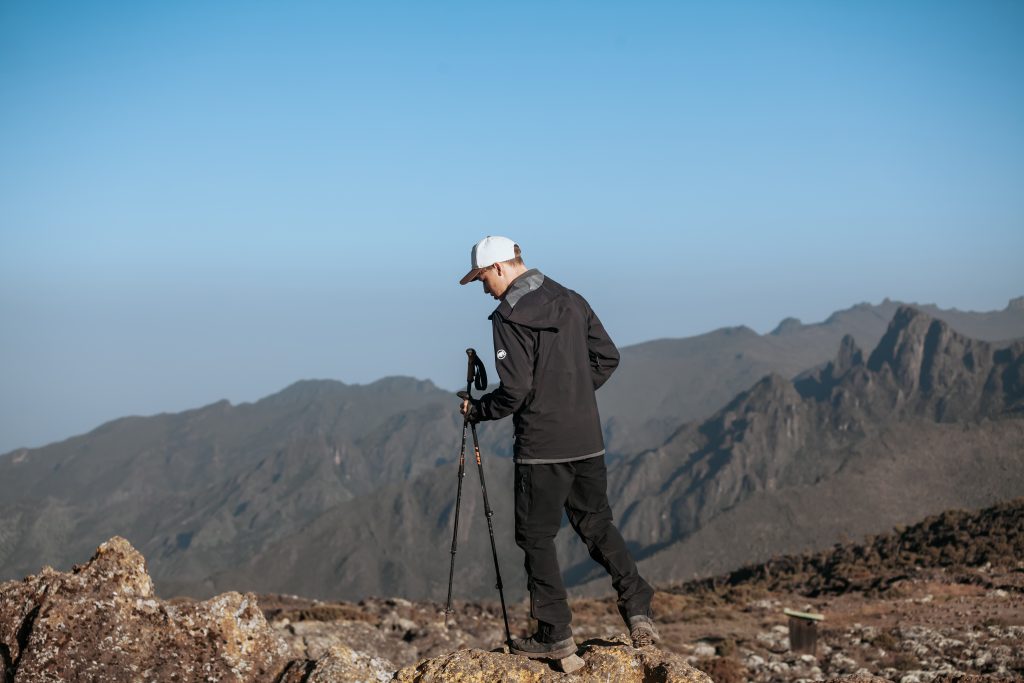
An 8-day Kilimanjaro climb generally offers better acclimatization opportunities than a 7-day itinerary. The extra day allows the route schedule to spread altitude gain across a longer period, giving your body more time to respond to lower oxygen levels at higher elevations.
A 7-day itinerary can still provide good acclimatization, especially on routes with a strong elevation profile. The 7-Day Machame and 7-Day Lemosho routes include sections where climbers gain altitude during the day and sleep at a lower elevation. This “climb high, sleep low” approach supports gradual adjustment before summit night.
However, one extra day can make a meaningful difference for climbers with no previous high-altitude trekking experience. If acclimatization is your main priority, an 8-day itinerary often provides the stronger schedule.
Summit Success Rate
Eight-day Kilimanjaro itineraries generally have a higher chance of summit success than shorter schedules because climbers get more time to acclimatize. A gradual ascent can help trekkers arrive at the final summit camp better adjusted to the altitude.
However, the number of days alone does not determine summit success. Your route choice, physical preparation, hiking pace, hydration, weather conditions, and individual response to altitude also play important roles.
A well-planned 7-day climb can offer a strong chance of reaching Uhuru Peak. In contrast, adding an eighth day may provide an additional acclimatization advantage, particularly for first-time high-altitude climbers.
No responsible Kilimanjaro operator should guarantee summit success. Instead, choose an itinerary that gives your body enough time to adjust and follow your mountain guide’s instructions throughout the climb.
Hiking Pace
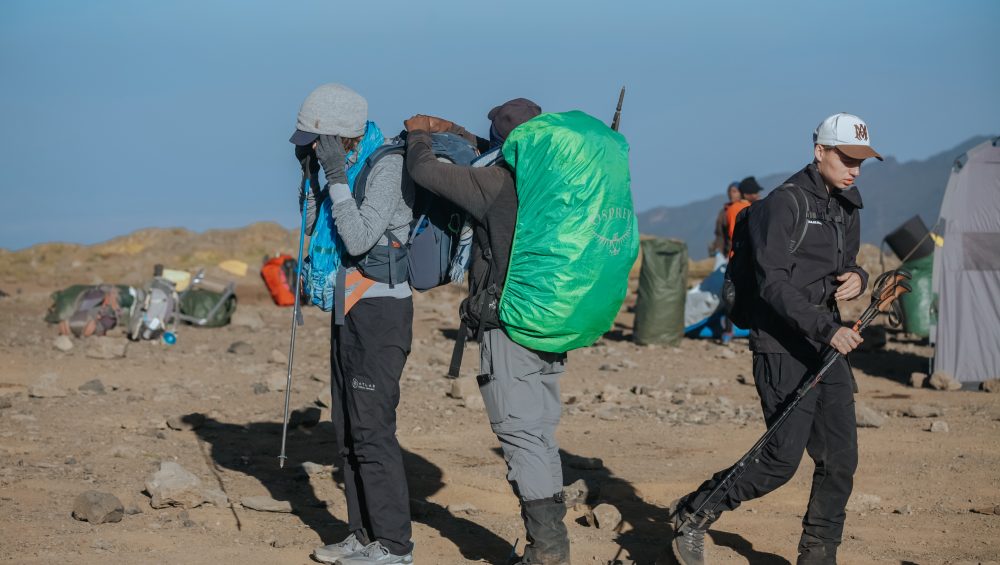
A 7-day Kilimanjaro climb usually follows a moderate trekking pace. Climbers need to cover the route within a shorter schedule, which can lead to longer hiking stages on some days. This pace often suits fit trekkers who have trained well and feel comfortable hiking for several hours on consecutive days.
An 8-day itinerary spreads the mountain journey across an additional day. Depending on the route, this may create shorter trekking stages or provide more time for acclimatization activities and recovery at camp.
Kilimanjaro guides often encourage climbers to walk slowly, commonly known in Tanzania as “pole pole.” A slow and controlled hiking pace helps climbers manage energy and avoid rushing as the elevation increases.
Altitude Adjustment
Altitude adjustment becomes increasingly important as you climb above 3,000 metres. The air contains less available oxygen at higher elevations, and each climber responds differently to the change.
An 8-day itinerary gives your body a longer period to adapt before the final ascent to Uhuru Peak at 5,895 metres. This does not remove the risk of altitude-related problems, but the gradual schedule can support better adjustment.
Seven days still provide a reasonable altitude schedule when you choose a suitable route. Routes such as Machame and Lemosho include natural elevation changes that support acclimatization. However, climbers who live at low elevations or have never trekked at altitude may prefer the additional day.
Your guide should monitor how you feel throughout the climb. Always report headaches, unusual fatigue, nausea, dizziness, or other concerning symptoms instead of hiding them from the mountain team.
Cost
A 7-day Kilimanjaro climb usually costs less than an 8-day itinerary because you spend one fewer day on the mountain. The overall package requires fewer mountain meals, one less day of crew support, and lower logistical costs.
An 8-day climb costs more because the operator must support the trekking team for an additional day. Depending on the route and package, the price may include extra park-related charges, camping costs, food, guide and porter support, and mountain logistics.
For budget-conscious travelers, seven days can provide good value without choosing a very short Kilimanjaro itinerary. However, climbers who prioritize acclimatization may consider the additional cost of an 8-day climb worthwhile.
Do not choose your Kilimanjaro itinerary based on price alone. Compare the daily elevation profile, guide support, safety procedures, crew standards, and services included in the package.
Route Options
Seven-day climbs offer more route choices on Kilimanjaro. Popular options include the 7-Day Machame Route, 7-Day Lemosho Route, and 7-Day Rongai Route. Each route offers a different combination of scenery, trail traffic, difficulty, and acclimatization opportunities.
Eight-day options focus more heavily on longer Kilimanjaro itineraries. The 8-Day Lemosho Route is one of the most popular choices because it combines beautiful scenery with a gradual ascent. Some operators also adapt longer routes into eight-day schedules, although trekkers should carefully compare the daily elevation gain before booking.
For WeWild Travel climbers, route selection matters just as much as the number of days. A well-designed seven-day itinerary may suit one trekker better than an eight-day route with a more compressed elevation profile.
Overall Trekking Experience
A 7-day Kilimanjaro climb offers a rewarding mountain experience without requiring an extended travel schedule. It suits climbers who want enough time for acclimatization while keeping their trip shorter and managing their overall budget.
An 8-day climb creates a longer and often more gradual mountain journey. The additional day gives trekkers more time to experience Kilimanjaro’s changing landscapes, settle into camp life, and prepare mentally and physically for summit night.
For first-time high-altitude trekkers, the 8-day option may feel less compressed. Experienced hikers or travelers with limited time may prefer a 7-day climb.
Ultimately, the better option depends on your personal needs. If you value a shorter itinerary and lower cost, choose seven days. If you prioritize extra acclimatization time and a more gradual schedule, an eight-day Kilimanjaro climb may offer the better experience.
7 Days vs 8 Days Kilimanjaro Success Rate
An 8-day Kilimanjaro climb generally offers a better chance of summit success than a 7-day itinerary because climbers gain more time to acclimatize. The extra mountain day supports a more gradual ascent and gives the body additional time to adjust before the final climb to Uhuru Peak at 5,895 metres.
A 7-day Kilimanjaro itinerary still offers good summit opportunities, especially on routes such as Machame and Lemosho. These routes follow elevation profiles that allow climbers to hike higher during the day and sleep at lower camps on key stages of the trek. This approach supports acclimatization and helps prepare climbers for higher elevations.
However, an 8-day itinerary gives the climbing schedule more flexibility. Longer routes, particularly the 8-Day Lemosho Route, spread the ascent across more days. Climbers can maintain a gradual pace, spend more time at altitude, and allow their bodies additional time to respond to changing oxygen levels.
The extra day does not guarantee summit success. Fitness, route choice, weather, hydration, hiking pace, health, and each climber’s response to altitude can affect the final result. Even a physically strong trekker may struggle with altitude, while another climber may adjust more comfortably.
For first-time high-altitude trekkers, we generally recommend considering an 8-day itinerary when time and budget allow. Climbers with good preparation and a limited travel schedule may find a well-planned 7-day route more suitable.
7-Day vs 8-Day Kilimanjaro Summit Success Comparison
In general, longer Kilimanjaro itineraries tend to support higher summit success because they provide more acclimatization time. We recommend comparing verified operator records or clearly sourced route data rather than relying on unsupported success-rate percentages published online.
Want to improve your acclimatization schedule? Compare our 7-Day and 8-Day Kilimanjaro climbs and choose an itinerary that matches your experience, travel time, and budget.
Is 8 Days Better for Kilimanjaro Acclimatization?
Yes, an 8-day Kilimanjaro climb generally offers better acclimatization opportunities than a 7-day itinerary. The extra day gives your body more time to adjust as you gain elevation and approach the high-altitude sections of Mount Kilimanjaro.
However, spending eight days on the mountain does not remove the risks of altitude sickness or guarantee summit success. Route design, daily elevation gain, hiking pace, rest, and each climber’s individual response to altitude also matter. A well-planned 8-day itinerary simply gives climbers more time to adapt before reaching Uhuru Peak at 5,895 metres.
Why Extra Time at Altitude Matters
As you climb higher on Kilimanjaro, lower air pressure means your body gets less oxygen with each breath. Your body needs time to adjust to these changing conditions.
An extra day can support this adjustment by slowing the overall ascent and extending the acclimatization schedule. Instead of gaining elevation too quickly, climbers follow a more gradual journey toward the summit.
This extra time can be particularly valuable for first-time high-altitude trekkers. Physical fitness helps with long hiking days, but it does not guarantee that your body will adapt quickly to altitude. Even strong and experienced hikers can experience altitude-related symptoms.
For this reason, WeWild Travel encourages climbers to choose an itinerary based on acclimatization needs, not speed alone.
Climb High, Sleep Low
“Climb high, sleep low” is an important acclimatization approach used on several Kilimanjaro itineraries. Climbers hike to a higher elevation during the day before descending to sleep at a lower camp.
For example, some routes include an acclimatization hike to Lava Tower before descending to Barranco Camp. This elevation change gives the body exposure to a higher altitude while allowing climbers to recover and sleep lower.
Routes such as Lemosho and Machame use this type of elevation profile during key stages of the climb. Longer itineraries can provide more opportunities for gradual altitude exposure before summit night.
Climbers should still maintain a slow pace, drink according to their guide’s advice, eat regularly, and communicate openly about how they feel.
How Guides Monitor Climbers at Altitude
Experienced Kilimanjaro guides monitor climbers throughout the trek and pay close attention to changes in their condition. Daily communication plays an important role because altitude can affect each person differently.
Guides ask climbers about headaches, nausea, dizziness, appetite, sleep, and energy levels. Mountain teams may also use a pulse oximeter as one part of an altitude health check. However, guides should consider the climber’s overall symptoms and condition rather than relying on a single oxygen saturation reading.
At WeWild Travel, our guides encourage climbers to report symptoms early and honestly. If a climber shows concerning signs, the mountain team can assess the situation and make safety-focused decisions, including stopping further ascent or descending when necessary.
Choosing an 8-day Kilimanjaro itinerary gives guides and climbers more time to follow a gradual acclimatization schedule. For trekkers who prioritize altitude adjustment and a less compressed ascent, the extra mountain day can make the 8-day option a strong choice.
7 Days vs 8 Days Kilimanjaro Cost
A 7-day Kilimanjaro climb usually costs less than an 8-day itinerary because the extra trekking day adds park-related fees, mountain accommodation costs where applicable, meals, crew support, and logistics. The exact price difference depends on the route, group size, operator, and services included in the climbing package.
For budget-conscious trekkers, a 7-day climb can offer a good balance between cost and acclimatization time. However, climbers who prioritize a more gradual ascent may find the additional cost of an 8-day Kilimanjaro itinerary worthwhile.
When comparing prices, do not focus only on the cheapest package. Check the itinerary, guide support, crew standards, safety procedures, equipment, meals, and all included services before booking your Kilimanjaro climb.
Why an 8-Day Climb Costs More
An 8-day Kilimanjaro climb costs more because the tour operator must support you and the mountain crew for one additional trekking day. This extra day increases several trip expenses.
Extra park and accommodation-related costs: An additional day may increase Kilimanjaro National Park and camping-related costs, depending on the route and fee structure. On routes that use huts or other mountain accommodation, additional accommodation charges may also apply.
Extra mountain meals: Climbers, guides, porters, and cooks need food throughout the expedition. An extra day means the mountain team must carry and prepare additional meals and supplies.
Additional crew logistics: Kilimanjaro climbs require careful planning and coordination. The operator must manage crew support, food supplies, equipment, and other mountain logistics for an additional day.
One extra trekking day: The biggest difference is simple: you spend another full day on Kilimanjaro. Guides, cooks, and porters continue supporting the expedition throughout the extended itinerary.
These additional costs explain why an 8-day Kilimanjaro package normally has a higher price than a similar 7-day climb.
Is the Extra Day Worth the Cost?
For many first-time high-altitude trekkers, the extra day on Kilimanjaro can be worth the additional cost. A longer itinerary provides more time for acclimatization and may allow a more gradual approach to the summit.
An 8-day climb can make sense if you have never trekked at high altitude, want a less compressed itinerary, or prioritize acclimatization over choosing the lowest package price. The additional day also gives you more time to experience Kilimanjaro’s changing landscapes and settle into the mountain routine.
However, a 7-day climb remains a strong option for fit and well-prepared trekkers with limited travel time or a tighter budget. Routes such as the 7-Day Machame, Lemosho, and Rongai offer good climbing itineraries when managed by an experienced mountain team.
At WeWild Travel, we recommend choosing the number of days based on your experience, route preference, available time, and budget. Compare our 7-Day and 8-Day Kilimanjaro climbing packages or contact our local team for help choosing the right itinerary for your summit adventure.
Which Kilimanjaro Routes Offer 7-Day and 8-Day Itineraries?
Kilimanjaro offers several routes with different itinerary options, but not every route follows the same number of trekking days. A 7-day climb is available on popular routes such as Machame, Lemosho, and Rongai, while 8-day options are more common on routes designed around a slower ascent and longer acclimatization schedule.
The best choice depends on your preferred scenery, hiking pace, acclimatization needs, budget, and travel time. The table below compares the main Kilimanjaro routes available for 7-day and 8-day climbs.
| Kilimanjaro Route | 7-Day Itinerary | 8-Day Itinerary |
|---|---|---|
| Machame Route | Yes – Popular 7-day option with scenic landscapes and good acclimatization profile | Less common – Some operators may offer extended versions |
| Lemosho Route | Yes – Scenic option with a gradual approach and excellent route variety | Yes – One of the most recommended 8-day Kilimanjaro options |
| Rongai Route | Yes – Quieter northern approach with remote mountain scenery | Less common – Availability depends on the operator and itinerary design |
| Northern Circuit Route | Less common – Usually designed as a longer climb | Possible – Some operators offer shorter versions, but 9 days is the standard recommendation |
Choosing the Right Route for Your 7-Day or 8-Day Climb
Choose a 7-Day Machame Route if you want a scenic and adventurous climb with dramatic features such as Barranco Wall, Lava Tower, and the Southern Circuit.
Choose a 7-Day Lemosho Route if you want a beautiful western approach with diverse landscapes and a quieter start before joining the southern circuit.
Choose a 7-Day Rongai Route if you prefer a less crowded trail and a different perspective of Kilimanjaro from the northern side.
Choose an 8-Day Lemosho Route if you want more time for acclimatization, a slower pace, and one of the most scenic Kilimanjaro experiences.
Consider the Northern Circuit if you want the longest and most gradual Kilimanjaro journey, with more time to explore the mountain’s remote northern slopes.
At WeWild Travel, we offer carefully planned Kilimanjaro itineraries designed around safety, acclimatization, and an authentic mountain experience. Compare our 7-day and 8-day climbing packages to find the route that matches your goals.
7-Day Machame vs 8-Day Lemosho: Which Kilimanjaro Route Is Better?
The choice between a 7-Day Machame Route and an 8-Day Lemosho Route depends on your priorities, including scenery, acclimatization, hiking experience, budget, and available travel time. Both routes can take you to Uhuru Peak (5,895m), but they offer different trekking experiences.
The 7-Day Machame Route is popular among adventurous hikers who want a scenic climb with challenging sections and a well-known trail. The 8-Day Lemosho Route focuses more on a gradual ascent, extra acclimatization time, and a quieter beginning on the western side of Kilimanjaro.
| Factor | 7-Day Machame Route | 8-Day Lemosho Route |
|---|---|---|
| Starting point | Southern side of Kilimanjaro | Western side of Kilimanjaro |
| Duration | 7 trekking days | 8 trekking days |
| Scenery | Dramatic landscapes and famous mountain features | Diverse scenery with a quieter and more scenic approach |
| Acclimatization | Good | Better due to extra day |
| Crowds | More popular and can be busier | Quieter during the early days |
| Difficulty | Challenging with steep sections | More gradual but longer |
| Best for | Fit trekkers seeking adventure | Trekkers who prefer more acclimatization time |
Scenery
Both Machame and Lemosho offer some of the most beautiful landscapes on Mount Kilimanjaro.
The 7-Day Machame Route is famous for its dramatic scenery and variety of terrain. The trail passes through rainforest, the Shira Plateau, Lava Tower, Barranco Wall, Karanga Valley, and the Southern Circuit. Many trekkers enjoy Machame because it includes iconic Kilimanjaro landmarks and constantly changing views.
The 8-Day Lemosho Route starts from the western side of the mountain and provides a more gradual introduction to Kilimanjaro. The route crosses the beautiful rainforest, the Shira Plateau, and high-altitude landscapes before joining the southern circuit. Lemosho is often considered one of the most scenic approaches because of its remote beginning and panoramic views.
If you want a route with famous features and a classic Kilimanjaro experience, Machame is a great choice. If you prefer a quieter start with more scenic variety, Lemosho has a strong advantage.
Acclimatization
The biggest difference between these two climbs is the amount of time available for altitude adjustment.
The 8-Day Lemosho Route provides better acclimatization opportunities because the itinerary includes an additional day on the mountain. The slower schedule allows trekkers to gain elevation more gradually and prepare their bodies before summit night.
The 7-Day Machame Route also provides a good acclimatization profile. The route follows the important “climb high, sleep low” approach, especially around Lava Tower and Barranco Camp. However, the shorter schedule means climbers have less extra time compared with the 8-day Lemosho option.
For first-time high-altitude trekkers, the additional day on Lemosho can make the climb feel more comfortable and less rushed.
Crowds
Machame and Lemosho have different crowd experiences.
The 7-Day Machame Route is one of the most popular Kilimanjaro routes, which means certain sections can become busy, especially during peak climbing seasons. Its popularity comes from its beautiful scenery, good success rates, and shorter itinerary options.
The 8-Day Lemosho Route usually offers a quieter beginning because fewer trekkers start from the western side. The first days provide a more remote feeling before the route joins other trails near the Shira Plateau.
If avoiding crowds is important to you, Lemosho may provide a more peaceful trekking experience.
Difficulty
Both routes require good physical preparation, but they feel different during the climb.
The 7-Day Machame Route is considered challenging because it includes steep sections such as Barranco Wall and requires climbers to maintain a steady pace. The route rewards hikers with beautiful scenery but requires commitment and endurance.
The 8-Day Lemosho Route feels more gradual because the itinerary spreads the climb over more days. However, it remains a serious high-altitude trek, and climbers still face long hiking days, cold temperatures, and a demanding summit attempt.
Fitness, preparation, and mindset play a major role on both routes.
Which One Should You Choose?
Choose the 7-Day Machame Route if:
- You want a shorter Kilimanjaro itinerary.
- You enjoy a challenging and adventurous trekking style.
- You want to experience one of Kilimanjaro’s most famous routes.
- You have good fitness and limited travel time.
Choose the 8-Day Lemosho Route if:
- You want more time for acclimatization.
- This is your first high-altitude mountain climb.
- You prefer a quieter and more scenic approach.
- You want a slower pace with more time to enjoy the mountain.
For many first-time Kilimanjaro climbers, the 8-Day Lemosho Route is the better choice because of its gradual schedule and extra acclimatization time. However, experienced trekkers with limited time may find the 7-Day Machame Route a great balance of adventure, scenery, and value.
Ready to choose your Kilimanjaro adventure? Explore our 7-Day Machame and 8-Day Lemosho climbing packages or contact WeWild Travel for expert advice from a local Kilimanjaro team.
Is 7 Days Enough to Climb Kilimanjaro?
Yes, 7 days is enough time to climb Kilimanjaro for many well-prepared trekkers, especially when they choose a suitable route with a good acclimatization profile. A 7-day itinerary provides more time than shorter climbs and allows climbers to gradually move through Kilimanjaro’s different ecological zones before attempting Uhuru Peak at 5,895 metres.
However, reaching the summit depends on more than the number of days. Your fitness level, previous altitude experience, route choice, preparation, and how your body responds to altitude all influence your Kilimanjaro experience.
Fitness
A 7-day Kilimanjaro climb requires good physical preparation because you will hike for several hours on consecutive days at increasing elevations. You do not need to be a professional athlete, but you should train your endurance, strength, and ability to walk long distances.
Regular hiking, uphill walking, stair training, and cardiovascular exercises can help prepare your body for the demands of the mountain. Good fitness helps you manage long trekking days, but it does not replace proper acclimatization.
Altitude Experience
Previous high-altitude experience can help you understand how your body reacts when oxygen levels decrease, but it is not required to climb Kilimanjaro. Many first-time trekkers successfully complete a 7-day itinerary with proper preparation and guidance.
If you have never experienced altitude before, choose a route that gives your body enough time to adjust. A gradual itinerary, slow hiking pace, and following your guide’s advice are important parts of a successful climb.
Route Choice
The route you choose plays a major role in whether a 7-day climb feels comfortable or challenging.
Popular 7-day options include:
7-Day Machame Route: A scenic and adventurous route known for features such as the Shira Plateau, Lava Tower, and Barranco Wall. It offers a strong acclimatization profile but includes challenging sections.
7-Day Lemosho Route: A beautiful western approach that provides scenic landscapes and a gradual start before joining the southern circuit.
7-Day Rongai Route: A quieter northern approach with fewer crowds and a unique wilderness experience.
Choosing the right route is often more important than simply choosing the number of days.
Acclimatization
A 7-day Kilimanjaro itinerary provides a good balance between climbing time and altitude adjustment. Compared with shorter 5-day or 6-day climbs, seven days allows more gradual elevation gain and more opportunities for your body to adapt.
Many 7-day routes use the “climb high, sleep low” approach, where trekkers gain elevation during the day and sleep at a lower camp. This helps support the acclimatization process before the final summit attempt.
For climbers who want even more time to adjust, an 8-day itinerary may provide additional acclimatization opportunities. However, a well-planned 7-day climb remains a strong choice for trekkers who prepare properly and choose the right route.
Planning your Kilimanjaro climb? Explore our 7-Day Kilimanjaro packages and compare Machame, Lemosho, and Rongai routes to find the best itinerary for your adventure.
Is 8 Days Too Long for Kilimanjaro?
No, 8 days is not too long for Kilimanjaro. In fact, an 8-day itinerary is one of the best choices for trekkers who want a more gradual ascent, better acclimatization opportunities, and more time to enjoy the mountain experience. The additional day allows climbers to move at a comfortable pace while preparing their bodies for the final summit push.
An 8-day climb does not mean the trek becomes easy. Kilimanjaro remains a challenging high-altitude adventure that requires physical preparation, mental strength, and proper guidance. The extra day simply creates a less rushed schedule compared with shorter itineraries.
Why Extra Time Benefits First-Time High-Altitude Trekkers
For first-time high-altitude trekkers, an 8-day Kilimanjaro itinerary can provide important advantages. Many climbers arrive from sea level or low-altitude areas, meaning their bodies need time to adjust as they move higher on the mountain.
The extra day allows for a slower increase in elevation and gives your body more opportunities to adapt to the changing altitude. This can make the trekking experience more comfortable and help you arrive at summit night better prepared.
An 8-day schedule also allows more time to enjoy Kilimanjaro’s landscapes. Instead of focusing only on reaching the next camp, trekkers can appreciate the rainforest, Shira Plateau, volcanic landscapes, and mountain views along the way.
For beginners, the additional day can reduce the feeling of rushing. You have more time for rest, hydration, meals, and recovery between hiking stages.
Does an Extra Day Make Kilimanjaro Easier?
An extra day does not remove the physical challenge of climbing Kilimanjaro. You will still hike at high altitude, experience changing weather conditions, and complete a demanding summit attempt.
However, the longer itinerary can make the journey more manageable by spreading the climb across more days. A gradual approach allows you to conserve energy and follow your guide’s recommended pace.
Who Should Choose an 8-Day Kilimanjaro Climb?
An 8-day climb is a great choice for:
- First-time high-altitude trekkers
- Climbers who prefer a slower pace
- Travelers who want more acclimatization time
- Those who want to enjoy the scenery without rushing
- Trekkers who prioritize experience over the shortest itinerary
The 8-Day Lemosho Route is one of the most popular choices because it combines beautiful scenery, a gradual ascent, and excellent time on the mountain.
At WeWild Travel, we recommend choosing the number of days based on your experience, fitness, and personal goals. If you have enough time, an 8-day Kilimanjaro climb can provide a more relaxed and rewarding journey to the Roof of Africa.
7 Days or 8 Days Kilimanjaro: Which Is Better for Beginners?
For most first-time Kilimanjaro climbers, an 8-day itinerary is the better choice because it provides more time for acclimatization, a slower pace, and a more gradual approach to the summit. A 7-day climb can also work well for beginners who prepare properly and choose a route with a good acclimatization profile, but the schedule feels slightly more compact.
Climbing Kilimanjaro is not only about physical fitness. Your body must adjust to high altitude, and every person responds differently. Choosing an itinerary with enough time on the mountain can make the experience more comfortable and enjoyable.
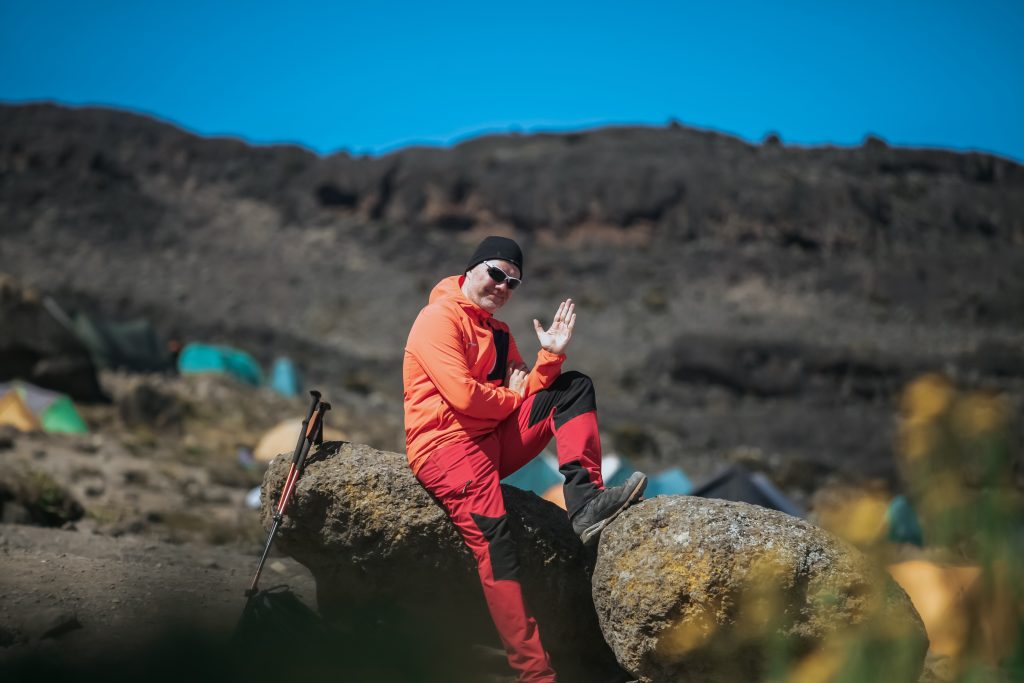
Why Beginners Often Prefer 8 Days
An 8-day Kilimanjaro climb gives first-time trekkers more time to adapt as they move higher. The additional day allows the route schedule to spread the elevation gain and provides more opportunities for rest and recovery.
Many beginners arrive from low-altitude areas and have never experienced hiking above 4,000 metres. The longer itinerary helps them avoid feeling rushed and allows them to focus on walking slowly, staying hydrated, eating well, and following their guide’s advice.
The 8-Day Lemosho Route is especially popular among beginners because it combines beautiful scenery, a gradual approach, and a longer acclimatization schedule.
When 7 Days Can Be a Good Choice for Beginners
A 7-day Kilimanjaro climb can still suit beginners who have prepared well and understand the demands of high-altitude trekking. The key is choosing the right route and avoiding overly short schedules.
Good 7-day options include:
- 7-Day Lemosho Route: Offers a scenic approach and a gradual start.
- 7-Day Machame Route: Provides excellent scenery and a strong acclimatization profile.
- 7-Day Rongai Route: Offers a quieter trail and a steady northern approach.
Beginners should consider their fitness, previous hiking experience, travel schedule, and comfort with challenging outdoor conditions before choosing a 7-day itinerary.
What Should First-Time Climbers Consider?
Before choosing between 7 days and 8 days, beginners should consider:
Fitness level: Good preparation helps you manage long hiking days and changing terrain.
Altitude experience: Previous mountain experience can help, but beginners can successfully prepare for Kilimanjaro without it.
Budget and travel time: An 8-day climb usually costs more because of the additional mountain day, while a 7-day climb requires less time and expense.
Personal preference: Some trekkers prefer a shorter adventure, while others value a slower and more relaxed mountain experience.
Our Recommendation for First-Time Kilimanjaro Climbers
For most beginners, we recommend choosing an 8-day Kilimanjaro itinerary if your budget and travel schedule allow it. The extra day creates a more gradual experience and gives you more time to enjoy the mountain.
However, a well-designed 7-day climb remains a good option for prepared trekkers who want a shorter itinerary. The best choice depends on your individual goals, route selection, and preparation.
Ready to plan your first Kilimanjaro adventure? Explore our 7-Day and 8-Day Kilimanjaro climbing packages and choose the itinerary that matches your experience and travel plans.
Which Option Does WeWild Travel Recommend?
At WeWild Travel, we recommend choosing your Kilimanjaro itinerary based on your experience, fitness level, travel schedule, and how much time you want to spend adjusting to altitude. Both 7-day and 8-day climbs can provide an unforgettable Kilimanjaro experience, but they suit different types of trekkers.
For many first-time climbers, we often recommend an 8-day Kilimanjaro itinerary because it provides a more gradual schedule and additional time for acclimatization. However, a 7-day climb remains an excellent option for prepared trekkers who want a shorter adventure without choosing a very fast itinerary.
Choose a 7-Day Kilimanjaro Climb If:
You have good fitness and preparation
A 7-day climb suits trekkers who are physically prepared for several consecutive days of hiking. Good endurance and training help you manage the mountain terrain, longer walking days, and the final summit attempt.
You want a shorter itinerary
If your Tanzania holiday has limited time, a 7-day climb allows you to experience Kilimanjaro while keeping your overall travel schedule shorter.
You have limited travel time
Many travelers combine Kilimanjaro with other Tanzania experiences or international flights. A 7-day itinerary gives you more flexibility while still providing a proper mountain experience.
You want to manage your trip budget
A 7-day climb usually costs less than an 8-day itinerary because it includes one fewer day of mountain support, meals, and logistics.
Popular 7-day options include:
- 7-Day Machame Route
- 7-Day Lemosho Route
- 7-Day Rongai Route
Choose an 8-Day Kilimanjaro Climb If:
You want a more gradual schedule
An 8-day itinerary spreads the climb over more days, creating a slower pace and allowing more time to enjoy each stage of the journey.
You value additional acclimatization time
The extra day gives your body more opportunities to adjust to higher elevations before reaching the summit zone. This can be especially valuable for trekkers with limited high-altitude experience.
This is your first major high-altitude trek
First-time altitude trekkers often prefer an 8-day itinerary because it reduces the feeling of rushing and provides more time to adapt to the mountain environment.
You prefer a longer mountain experience
An 8-day climb allows you to spend more time experiencing Kilimanjaro’s changing landscapes, from rainforest and moorland to alpine desert and the summit zone.
A popular 8-day option is:
- 8-Day Lemosho Route
Our Recommendation
If you have enough time and budget, WeWild Travel recommends choosing an 8-day Kilimanjaro climb for a more gradual and immersive experience. The additional day provides more time on the mountain and supports a comfortable trekking pace.
If you have strong preparation, limited travel time, or prefer a more budget-friendly option, a 7-day Kilimanjaro climb can be a great choice.
The best Kilimanjaro itinerary is the one that matches your personal goals, experience, and comfort level. Our local mountain team can help you choose the route and duration that fits your adventure.
Ready to start planning your climb? Explore our 7-Day and 8-Day Kilimanjaro climbing packages or contact WeWild Travel for expert advice from a local Kilimanjaro operator.
Book a 7-Day or 8-Day Kilimanjaro Climb
Ready to choose your Kilimanjaro adventure? Whether you prefer a 7-day climb or an 8-day itinerary, WeWild Travel helps you plan a safe, well-organized, and unforgettable journey to the summit of Mount Kilimanjaro.
Choosing the right number of days depends on your experience, budget, available travel time, and acclimatization goals. Our local Kilimanjaro team can help you compare routes, understand the differences between itineraries, and select the climb that matches your expectations.
A 7-day Kilimanjaro climb is a great choice for prepared trekkers who want a shorter itinerary with a good balance of adventure, cost, and mountain experience.
An 8-day Kilimanjaro climb is ideal for trekkers who prefer a slower pace, additional acclimatization time, and a more relaxed journey through Kilimanjaro’s changing landscapes.
At WeWild Travel, we provide fully supported Kilimanjaro climbs with experienced local guides, professional mountain crews, quality camping equipment, nutritious meals, and complete logistical support from arrival to summit.
Why Climb Kilimanjaro With WeWild Travel?
- Local Kilimanjaro specialists based in Tanzania
- Experienced mountain guides with local knowledge
- Carefully designed itineraries focused on safety and acclimatization
- Transparent climbing packages with clear inclusions
- Personalized support before, during, and after your trek
Start Planning Your Kilimanjaro Climb Today
Choose your preferred itinerary and let our team help you prepare for your Kilimanjaro adventure.
Request a Free Kilimanjaro Quote
Get a personalized climbing package based on your preferred route, dates, and group size.
Compare 7-Day and 8-Day Kilimanjaro Climbs
Review route options, schedules, and services to find the best match for your goals.
Talk to a Local Kilimanjaro Expert
Ask our mountain team about routes, preparation, equipment, and the best time to climb.
Check Kilimanjaro Departure Dates
Find available climbing dates and start planning your journey to the Roof of Africa.
Your Kilimanjaro dream starts with choosing the right route and the right itinerary. Contact WeWild Travel today and take the first step toward your summit adventure.
Frequently Asked Questions About 7 Days vs 8 Days Kilimanjaro
Yes, 7 days is enough time to climb Kilimanjaro for many prepared trekkers. A 7-day itinerary provides a good balance of hiking time and acclimatization, especially on routes like Machame, Lemosho, and Rongai. Your preparation, route choice, and response to altitude also influence your experience.
For many climbers, especially first-time high-altitude trekkers, an 8-day Kilimanjaro climb offers advantages because it provides a slower pace and more time for acclimatization. However, the best option depends on your fitness, schedule, budget, and personal goals.
An 8-day Kilimanjaro climb often provides better acclimatization opportunities because of the longer schedule. However, no itinerary can guarantee summit success because altitude affects every climber differently.
The 7-Day Machame Route is considered a challenging but rewarding Kilimanjaro climb. It includes steep sections, long hiking days, and a demanding summit attempt, but good preparation and a steady pace can make it achievable for many trekkers.
Yes, an extra day can support acclimatization by allowing your body more time to adjust to higher elevations. A slower ascent gives climbers more opportunities to adapt before reaching the summit zone.
An 8-day Kilimanjaro climb usually has a slower pace because the itinerary spreads the ascent over more days. This allows more time for hiking, resting, and adjusting to altitude.
Many trekkers book Kilimanjaro several months in advance, especially during popular climbing seasons. Early booking gives you more options for preferred dates, routes, and group sizes.
Final Thoughts
Choosing between a 7-day and 8-day Kilimanjaro climb depends on your personal goals, available time, budget, and comfort with high-altitude trekking.
A 7-day Kilimanjaro itinerary is a great option for prepared trekkers who want a shorter adventure with a good balance of cost, time, and acclimatization. Routes like Machame, Lemosho, and Rongai provide rewarding experiences for climbers who choose the right route and prepare properly.
An 8-day Kilimanjaro itinerary is often the better choice for first-time high-altitude trekkers because it offers a more gradual schedule, additional acclimatization time, and a less rushed mountain experience. The extra day allows you to enjoy the journey, recover between hiking stages, and prepare for the summit attempt.
At WeWild Travel, we believe the best Kilimanjaro climb is not always the shortest or the cheapest option. It is the itinerary that matches your experience, expectations, and adventure goals.
Whether you choose 7 days or 8 days, climbing Mount Kilimanjaro is a life-changing experience that requires proper preparation, an experienced mountain team, and the right route.
Ready to choose your Kilimanjaro adventure? Contact WeWild Travel today and let our local Kilimanjaro experts help you select the best route and itinerary for your summit journey.