Best Kilimanjaro Tour Operators: How to Choose the Right Company
Estimated reading time: 26 minutes
The best Kilimanjaro tour operators prioritize safety, experienced mountain guides, transparent pricing, responsible porter practices, and well-planned itineraries. Choosing the right company can make your climb safer, more enjoyable, and better organized from your arrival in Tanzania to your descent from Mount Kilimanjaro.
Not all Kilimanjaro tour operators provide the same level of service. Some focus on the lowest price, while others invest in experienced guides, quality equipment, nutritious meals, emergency preparedness, and personalized support. Before booking your climb, compare what each company includes, how they manage safety on the mountain, and what previous climbers say about their experience.
Choosing the right operator is one of the most important decisions you will make when planning your Kilimanjaro adventure. A well-organized company helps you prepare before the trek, supports you throughout the climb, and gives you confidence to focus on enjoying the journey instead of worrying about logistics.
In this guide, you’ll learn what separates a reliable Kilimanjaro operator from the rest, how to compare companies, what questions to ask before booking, and the key factors to consider before choosing the right team for your adventure.
Table of contents
- Best Kilimanjaro Tour Operators: How to Choose the Right Company
- What Makes the Best Kilimanjaro Tour Operator?
- Why Choosing the Right Kilimanjaro Tour Operator Matters
- What Makes the Best Kilimanjaro Tour Operator?
- How to Compare Kilimanjaro Tour Operators
- Questions to Ask Before Booking a Kilimanjaro Tour
- Local vs International Kilimanjaro Operators
- How Much Does a Good Kilimanjaro Tour Cost?
- Cheap vs Premium Kilimanjaro Operators
- Red Flags to Avoid When Choosing a Kilimanjaro Tour Operator
- Best Kilimanjaro Routes Offered by Top Operators
- Why Travelers Choose WeWild Travel
- Frequently Asked Questions About Kilimanjaro Tour Operators
- Final Thoughts
- Read Also:
What Makes the Best Kilimanjaro Tour Operator?
The best Kilimanjaro tour operators combine experienced local guides, strong safety standards, transparent pricing, quality equipment, responsible porter practices, and well-designed itineraries. Before booking, compare what each operator includes, read verified customer reviews, and choose a company that matches your budget, climbing goals, and expectations rather than selecting the cheapest option.
Why Choosing the Right Kilimanjaro Tour Operator Matters
Choosing the right Kilimanjaro tour operator matters because your operator influences your safety, preparation, comfort, and overall climbing experience. A professional operator provides experienced mountain guides, quality equipment, proper safety procedures, and reliable support throughout your journey to Uhuru Peak.
Climbing Mount Kilimanjaro is more than following a trail to the summit. It is a multi-day high-altitude expedition that requires careful planning and an experienced mountain team. Your tour operator arranges park permits, transportation, camping equipment, meals, guides, porters, and emergency procedures, allowing you to focus on the climb.
A reputable Kilimanjaro operator also places safety first. Experienced guides monitor climbers throughout the trek, encourage a slow hiking pace, conduct regular health checks, and know how to respond if someone develops altitude-related symptoms. These measures help create a safer and more enjoyable experience on the mountain.
The quality of your operator also affects your comfort. Well-planned itineraries, nutritious meals, clean camping equipment, organized campsites, and a professional support team can make a significant difference during a week-long trek.
Responsible operators also care for their mountain crews. They provide fair working conditions for guides, porters, and cooks, supply appropriate equipment, and follow responsible trekking practices. Choosing a company that values its staff supports ethical tourism on Mount Kilimanjaro.
Before booking, compare operators carefully. Look beyond the price and consider their experience, safety standards, what the package includes, customer reviews, communication, and overall reputation. The right Kilimanjaro tour operator can help you enjoy a well-organized adventure and create lasting memories of Africa’s highest mountain.
What Makes the Best Kilimanjaro Tour Operator?
The best Kilimanjaro tour operator combines safety, experienced guides, quality equipment, fair treatment of mountain crews, and transparent pricing. While every company offers climbing packages, the most reliable operators focus on providing a safe, well-organized, and enjoyable experience from your arrival in Tanzania to your descent from Mount Kilimanjaro.
When comparing operators, look beyond the advertised price. Consider how the company manages safety, supports its guides and porters, communicates with clients, and prepares climbers for a successful expedition.
Safety Standards
Safety should be your top priority when choosing a Kilimanjaro tour operator. A professional operator follows established safety procedures, carries essential emergency equipment, monitors climbers throughout the trek, and trains guides to respond appropriately to altitude-related situations.
Ask operators about their emergency plans, guide training, communication methods, and the safety equipment they carry on every climb. A company that clearly explains its safety procedures demonstrates professionalism and preparedness.
Experienced Mountain Guides
Your mountain guide plays one of the most important roles during your Kilimanjaro climb. Experienced guides understand the mountain, weather conditions, trail routes, and the effects of high altitude. They also know how to pace the group, encourage proper acclimatization, and support climbers throughout the journey.
When choosing an operator, ask about the qualifications and experience of the guides who lead the climb. Knowledgeable guides can make your adventure safer, more enjoyable, and better organized.
Fair Treatment of Porters
Porters are essential members of every Kilimanjaro expedition. They carry camping equipment, food, and supplies while helping prepare camps along the route. Choosing an operator that treats its porters fairly supports responsible tourism on Mount Kilimanjaro.
Look for companies that provide fair wages, proper meals, suitable equipment, and reasonable working conditions for their mountain crews. Operators that value their staff often build stronger, more experienced teams, which benefits every climber.
Quality Camping Equipment
Comfort becomes increasingly important during a multi-day mountain trek. Reliable camping equipment helps you rest, recover, and prepare for each day’s hike.
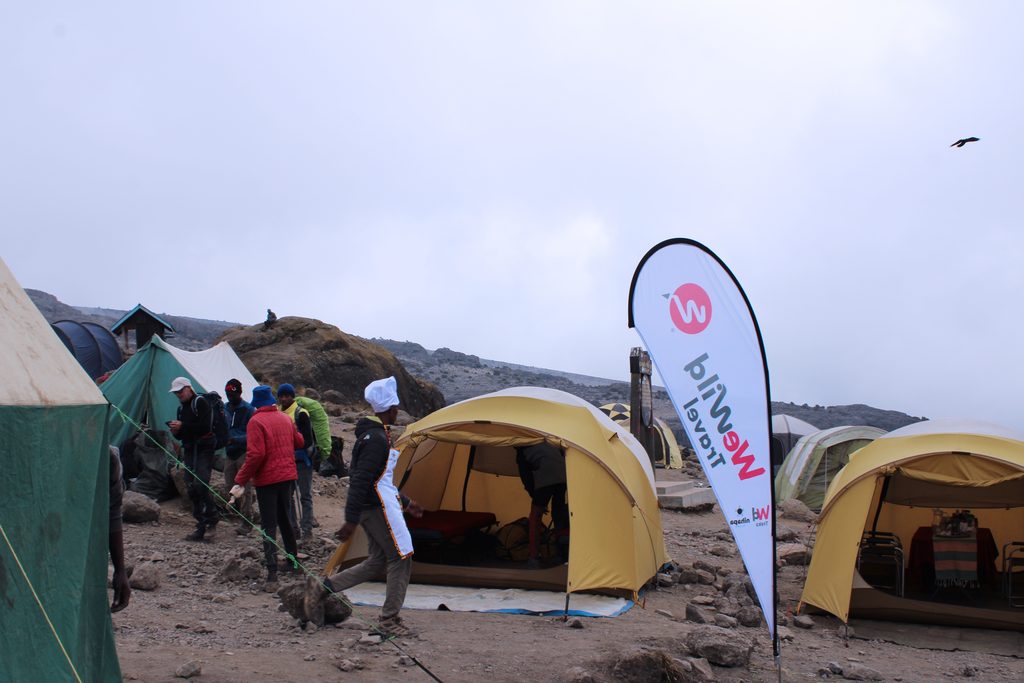
A good Kilimanjaro operator provides quality mountain tents, comfortable sleeping arrangements, dining tents, tables, chairs, and cooking equipment designed for high-altitude conditions. Well-maintained gear also performs better in changing mountain weather.
Before booking, ask what equipment the operator includes and whether you need to rent any additional gear.
Emergency Oxygen
Emergency oxygen is an important safety resource on Kilimanjaro. While it does not prevent altitude sickness or replace proper acclimatization, trained guides can use it when appropriate as part of their emergency response.
Ask whether emergency oxygen is included in your climbing package and whether guides receive training in its proper use. Knowing the operator carries essential safety equipment can provide additional peace of mind during your climb.
Medical Checks
Professional Kilimanjaro operators regularly monitor climbers throughout the expedition. Guides ask about how you feel, watch for signs of altitude-related illness, and may use tools such as a pulse oximeter as part of their overall assessment.
Medical checks are not just about collecting numbers. Experienced guides also consider your symptoms, energy level, appetite, and overall condition before making decisions about the climb. Honest communication between climbers and guides is essential for maintaining safety on the mountain.
Transparent Pricing
Price is important, but understanding what your package includes is even more important. A reputable Kilimanjaro tour operator explains its prices clearly and outlines exactly what is included and excluded before you book.
Compare items such as park fees, airport transfers, accommodation, meals, camping equipment, rescue fees, guide services, and rental equipment. Transparent pricing helps you avoid unexpected costs and makes it easier to compare different operators fairly.
The cheapest Kilimanjaro package is not always the best value. Consider the overall quality of the service, safety standards, and support you receive throughout your adventure before making your final decision.
How to Compare Kilimanjaro Tour Operators
The best way to compare Kilimanjaro tour operators is to look beyond the advertised price. A lower price does not always mean better value, and a higher price does not automatically guarantee a better experience. Compare each operator based on safety, guide experience, what’s included, customer reviews, and overall service.
Before booking your Kilimanjaro climb, ask every operator the same questions and compare their answers. This makes it easier to understand what each company offers and whether the package meets your expectations.
| Feature | What to Look For | Why It Matters |
|---|---|---|
| Safety standards | Emergency procedures, trained guides, first aid equipment, emergency oxygen | Helps ensure the operator is prepared to handle emergencies on the mountain. |
| Guide experience | Licensed guides with extensive Kilimanjaro experience | Experienced guides support acclimatization, navigation, and climber safety. |
| Reviews and reputation | Recent verified reviews on trusted travel platforms | Real customer experiences can provide insight into service quality and reliability. |
| What’s included | Park fees, accommodation, meals, transport, camping equipment, rescue fees | Helps you compare packages fairly and avoid unexpected costs. |
| Group size | Small or private groups if preferred | Smaller groups often provide more personalized support and flexibility. |
| Porter welfare | Fair wages, proper equipment, and responsible working conditions | Supports ethical tourism and a professional mountain team. |
| Camping equipment | Quality tents, sleeping arrangements, dining tents, and cooking equipment | Good equipment improves comfort throughout the trek. |
| Communication | Fast responses and clear information before booking | Good communication helps you prepare confidently for your climb. |
| Pricing | Clear inclusions and exclusions with no hidden charges | Transparent pricing makes it easier to compare operators accurately. |
| Route options | A variety of itineraries with different durations | Allows you to choose the route that best fits your experience and travel plans. |
Compare More Than the Price
Many travelers focus on finding the cheapest Kilimanjaro package, but price is only one part of the decision. A slightly higher-priced tour may include better safety procedures, experienced guides, quality equipment, and additional services that improve your overall experience.
Take time to compare operators carefully, ask questions, and choose a company that matches your expectations. A well-organized Kilimanjaro tour operator can help you enjoy a safer, more comfortable, and more memorable climb.
Questions to Ask Before Booking a Kilimanjaro Tour
Before booking your Kilimanjaro climb, ask your tour operator detailed questions about the itinerary, safety procedures, what’s included, and the support you’ll receive on the mountain. Clear answers will help you compare operators, avoid unexpected costs, and choose a company that matches your expectations.
Are Kilimanjaro National Park Fees Included?
Many Kilimanjaro climbing packages include Kilimanjaro National Park fees, but you should always confirm before booking. Ask for a detailed list of inclusions so you know exactly what your package covers, including camping or hut fees, rescue fees, and transportation.
Is Emergency Oxygen Included?
Emergency oxygen is an important safety resource on Kilimanjaro. Ask whether your operator carries emergency oxygen on every climb and whether guides receive training in its proper use. Oxygen supports emergency response, but it does not replace proper acclimatization or guarantee summit success.
How Many Guides Will Join the Climb?
The number of guides depends on the group size and the operator’s staffing policy. Ask about the guide-to-climber ratio and who will lead your trek. Having enough experienced guides allows for better support, communication, and safety throughout the expedition.
Are Airport Transfers Included?
Many operators include airport transfers between Kilimanjaro International Airport and your hotel, while others charge separately. Confirm whether arrival and departure transfers are included and ask where your driver will meet you after your flight lands.
What Happens If I Get Sick on the Mountain?
Every climber should understand the operator’s emergency procedures before starting the trek. Ask how guides monitor climbers, what happens if someone develops altitude-related symptoms, and how the team responds if a descent becomes necessary. A professional operator should explain its emergency plan clearly and prioritize climber safety.
What Accommodation Is Included Before and After the Climb?
Check whether your package includes hotel accommodation before and after the trek. Also ask about the hotel standard, meal plan, and airport transfer arrangements.
What Equipment Does the Operator Provide?
Ask which equipment is included in the package, such as mountain tents, sleeping mattresses, dining tents, tables, chairs, and cooking equipment. If you need additional gear, ask whether rental equipment is available.
How Large Are the Climbing Groups?
Some travelers enjoy larger groups, while others prefer a more personal experience. Ask about the average group size and whether private climbs are available if you want a customized itinerary.
What Is Included in the Package Price?
Request a complete list of inclusions and exclusions before making your payment. This helps you compare different operators fairly and prevents unexpected expenses during your trip.
Can I Change My Climb Dates or Itinerary?
Travel plans sometimes change. Ask about the operator’s booking policy, date changes, cancellations, and whether you can upgrade your itinerary if needed.
Why These Questions Matter
Asking detailed questions before booking helps you compare Kilimanjaro tour operators with confidence. A professional company should answer your questions clearly, explain its services honestly, and provide transparent information about safety, pricing, and logistics.
Choosing the right operator starts with asking the right questions. The more informed you are before booking, the better prepared you will be for your Kilimanjaro adventure.
Local vs International Kilimanjaro Operators
Choosing between a local and an international Kilimanjaro operator depends on your priorities, budget, communication preferences, and the type of experience you want. Both options can organize successful climbs, but they often differ in local knowledge, pricing, customer support, and how they manage operations in Tanzania.
A local Kilimanjaro operator works directly from Tanzania and manages the climb with its own local team, while an international operator usually sells Kilimanjaro packages from another country and partners with local teams on the ground.
Understanding the differences can help you choose the operator that best matches your expectations.
| Factor | Local Kilimanjaro Operator | International Kilimanjaro Operator |
|---|---|---|
| Local knowledge | Direct knowledge of routes, mountain conditions, and Tanzanian logistics | Often relies on local partners for on-the-ground operations |
| Communication | Direct contact with the team managing your climb | Usually managed through an overseas office |
| Cost | Often offers competitive pricing because there are fewer middlemen | May cost more due to additional company layers |
| Personal service | Often provides more direct and personalized support | Service quality depends on the local partner |
| Local economy | More money stays with local guides, porters, and communities | Some costs may remain outside Tanzania |
| Booking process | Direct connection with the climbing team | Often a more structured international booking system |
Advantages of Choosing a Local Kilimanjaro Operator
Direct communication with your climbing team
When you book with a local operator, you communicate directly with the people who organize and manage your climb in Tanzania. This can make planning easier because you receive information from the team that understands the mountain firsthand.
Strong local knowledge
Local operators understand Kilimanjaro routes, weather patterns, permits, mountain logistics, and local conditions. Their guides spend more time on the mountain and bring practical experience to each climb.
Competitive and transparent pricing
Local operators often provide better value because they manage operations directly without additional international booking layers. This can help you receive more services within your budget.
Support for the local tourism industry
Booking with a responsible local operator helps support Tanzanian guides, porters, cooks, and communities involved in mountain tourism.
Disadvantages of Choosing a Local Kilimanjaro Operator
Communication differences
Some travelers may prefer working with a company in their home country because of time zones, payment options, or communication preferences. However, many professional local operators provide online support and respond quickly to international clients.
Different service expectations
Travelers from different countries may have different expectations about hotels, equipment, and communication styles. It is important to read reviews and ask detailed questions before booking.
Advantages of Choosing an International Kilimanjaro Operator
Familiar booking experience
International companies may provide a booking process that feels familiar to travelers, especially for customers who prefer dealing with a company in their own country.
Established global marketing and support
Some international operators have strong online systems, extensive customer service teams, and years of experience selling adventure trips worldwide.
Disadvantages of Choosing an International Kilimanjaro Operator
Higher prices in some cases
International operators may charge higher prices because they often include additional business costs before working with local mountain teams.
Less direct contact with the mountain team
Some customers communicate mainly with sales staff rather than the guides and crew who will actually lead their climb.
Which One Should You Choose?
The most important factor is not whether an operator is local or international. The most important factor is the quality of the service they provide.
Choose an operator that offers experienced guides, strong safety standards, responsible porter treatment, clear communication, transparent pricing, and a well-designed itinerary.
A professional local Kilimanjaro operator can provide the same level of organization and safety as any international company while offering direct access to the team that knows Mount Kilimanjaro best.
How Much Does a Good Kilimanjaro Tour Cost?
A good Kilimanjaro tour usually costs between $2,000 and $4,000+ per person, depending on the route, number of trekking days, group size, season, and services included in the package. The price reflects important factors such as park fees, experienced guides, mountain crew support, meals, camping equipment, transportation, and safety services.
When comparing Kilimanjaro tour prices, the cheapest option is not always the best value. A reliable operator invests in quality services that improve your safety, comfort, and overall mountain experience.
What Is Included in a Kilimanjaro Tour Cost?
A professional Kilimanjaro package usually includes:
Kilimanjaro National Park fees
Park fees make up a significant part of the total cost. These include conservation fees, camping or hut fees, and other required mountain charges.
Experienced mountain guides and crew
Your package supports the guides, porters, and cooks who make the expedition possible. Experienced teams provide guidance, camp support, meals, and safety monitoring throughout the climb.
Meals during the trek
Operators provide breakfast, lunch, and dinner on the mountain. Quality meals help climbers maintain energy during long hiking days.
Camping equipment
Most camping routes require tents, dining equipment, cooking equipment, and other mountain supplies. Good operators maintain reliable equipment suitable for Kilimanjaro conditions.
Transportation and logistics
Many packages include transfers between your hotel and the mountain gate, as well as other climbing arrangements.
Safety support
Professional operators include safety procedures, guide support, and emergency planning as part of the climbing service.
Why Are Some Kilimanjaro Tours Cheaper?
Very low-priced Kilimanjaro packages may reduce costs by limiting important services. Before choosing a cheap climb, ask questions about:
- Guide experience
- Number of guides and porters
- Quality of equipment
- Meals provided
- Safety procedures
- What fees are included
A lower price may look attractive, but poor preparation or limited support can affect your comfort and safety on the mountain.
What Affects the Cost of a Kilimanjaro Climb?
Several factors influence the final price:
Number of days: Longer climbs usually cost more because they require additional meals, crew support, and mountain logistics.
Route choice: Routes have different park fees, camping arrangements, and operational requirements.
Group size: Private climbs usually cost more than joining a group because the operator provides dedicated support.
Season: Peak climbing seasons may have higher demand and limited availability.
Services included: Extra services such as airport transfers, hotel nights, private toilets, and equipment rental can affect the final cost.
Is a More Expensive Kilimanjaro Tour Better?
A higher price does not automatically mean a better climb, but a professional operator should provide clear value for the cost. Look for a company that combines experienced guides, safety standards, responsible crew treatment, quality equipment, and transparent communication.
The right Kilimanjaro tour is not the cheapest option. It is the package that provides the safety, support, and experience you need to achieve your mountain goals.
At WeWild Travel, we provide transparent Kilimanjaro climbing packages with clear inclusions, experienced local guides, and complete support from arrival in Tanzania to your summit adventure.
Cheap vs Premium Kilimanjaro Operators
The main difference between cheap and premium Kilimanjaro operators is the level of service, safety standards, equipment quality, and overall support provided throughout the climb. While a cheaper package may reduce the upfront cost, a premium operator usually invests more in experienced guides, better logistics, quality equipment, and a more comfortable trekking experience.
When choosing a Kilimanjaro operator, do not compare prices alone. Compare what each package includes and the level of support you will receive during your journey.
| Factor | Cheap Kilimanjaro Operator | Premium Kilimanjaro Operator |
|---|---|---|
| Price | Lower upfront cost | Higher cost with more services included |
| Guides | May have limited experience or fewer resources | Experienced mountain guides with strong local knowledge |
| Safety | Safety services may vary | Strong safety procedures and emergency preparation |
| Equipment | Basic or older equipment may be used | Quality, well-maintained mountain equipment |
| Meals | Basic meal options | Better-planned meals designed for trekking needs |
| Group support | Often larger groups | Smaller groups with more personal attention |
| Communication | May provide limited information | Clear communication before and during the climb |
| Porter welfare | Standards may vary | Focus on responsible treatment and proper support |
| Overall experience | Focuses mainly on reaching the summit | Focuses on safety, comfort, and the complete journey |
What You May Sacrifice With a Cheap Kilimanjaro Package
A low-cost Kilimanjaro package may look attractive, but it is important to understand what services you receive for the price. Some cheaper operators reduce costs by offering fewer included services, using basic equipment, limiting staff support, or providing less detailed preparation information.
Before booking a cheap climb, ask:
- Are park fees fully included?
- How experienced are the guides?
- What safety equipment is available?
- How many guides support the group?
- What camping equipment is provided?
- How are porters treated?
A low price should never mean poor preparation or reduced safety standards.
What Makes a Premium Kilimanjaro Operator Different?
Premium Kilimanjaro operators focus on providing a complete mountain experience. They usually invest in:
Experienced guides: Knowledgeable guides improve communication, safety monitoring, and overall enjoyment.
Quality equipment: Reliable tents, dining equipment, and camping supplies provide better comfort during the trek.
Better planning: Professional operators create well-designed itineraries that consider pacing, acclimatization, and climber preparation.
Personal support: Strong communication before the climb helps travelers understand packing requirements, training, and expectations.
Responsible mountain practices: Ethical operators support their guides, porters, and local communities through fair working conditions.
Is a Premium Kilimanjaro Operator Worth the Extra Cost?
For many climbers, paying more for a professional operator provides better value because Kilimanjaro is a once-in-a-lifetime adventure. The goal should not be finding the cheapest climb, but choosing a company that provides the right balance of safety, quality, and experience.
A good Kilimanjaro operator helps you prepare properly, supports you throughout the trek, and gives you confidence during your journey to the Roof of Africa.
Red Flags to Avoid When Choosing a Kilimanjaro Tour Operator
Before booking a Kilimanjaro climb, look carefully at the operator’s reputation, services, safety standards, and communication. Some companies may offer attractive prices or impressive promises, but important details can reveal whether an operator is reliable and professional.
Choosing the wrong operator can affect your comfort, safety, and overall mountain experience. Before making a payment, check for these common red flags.
Prices That Seem Unrealistically Low
An extremely cheap Kilimanjaro package should make you ask questions. Every operator must cover important costs such as park fees, guides, porters, food, equipment, and transportation.
A very low price may mean the company reduces services, uses basic equipment, provides limited support, or excludes important items from the package.
Instead of choosing the cheapest option, compare what each operator includes and whether the price matches the level of service provided.
Hidden Fees
A professional Kilimanjaro operator should explain the full cost of your climb before you book. Hidden charges can create unexpected expenses during your trip.
Ask for a detailed list of inclusions and exclusions, including:
- Kilimanjaro National Park fees
- Rescue fees
- Airport transfers
- Hotel accommodation
- Meals during the trek
- Equipment rental
- Additional services
Transparent pricing helps you compare operators fairly and understand exactly what you are paying for.
Poor Communication
Good communication is an important sign of a reliable Kilimanjaro operator. Before booking, the company should answer your questions clearly and provide useful information about preparation, packing, training, and the itinerary.
Be careful if an operator takes a long time to respond, avoids detailed questions, or cannot explain important parts of the climb. Professional companies provide clear guidance before you arrive in Tanzania.
No Emergency Plan
A responsible Kilimanjaro operator should have clear safety procedures for handling mountain emergencies. Ask how the company monitors climbers, what safety equipment guides carry, and what steps they follow if someone struggles with altitude.
A company that cannot explain its emergency plan may not have the level of preparation needed for a high-altitude expedition.
Unlicensed Operators
Always choose a legitimate Kilimanjaro operator that follows Tanzania’s tourism regulations. A professional company should operate legally and work with trained guides and proper mountain crews.
Before booking, check the company’s reputation, reviews, online presence, and experience. A reliable operator should provide clear information about who they are and how they organize climbs.
No Verified Reviews or Customer Feedback
Reviews help you understand the experiences of previous climbers. Look for recent feedback from real travelers on trusted platforms and pay attention to comments about guides, safety, meals, communication, and overall service.
A lack of reviews or only perfect-looking reviews with no details can be a warning sign.
Final Advice Before Booking
The right Kilimanjaro operator should make you feel confident before your climb even begins. Take time to ask questions, compare companies, and choose an operator that values safety, transparency, and responsible mountain practices.
A professional operator will not only help you reach the summit but will also support you throughout the entire Kilimanjaro journey.
Best Kilimanjaro Routes Offered by Top Operators
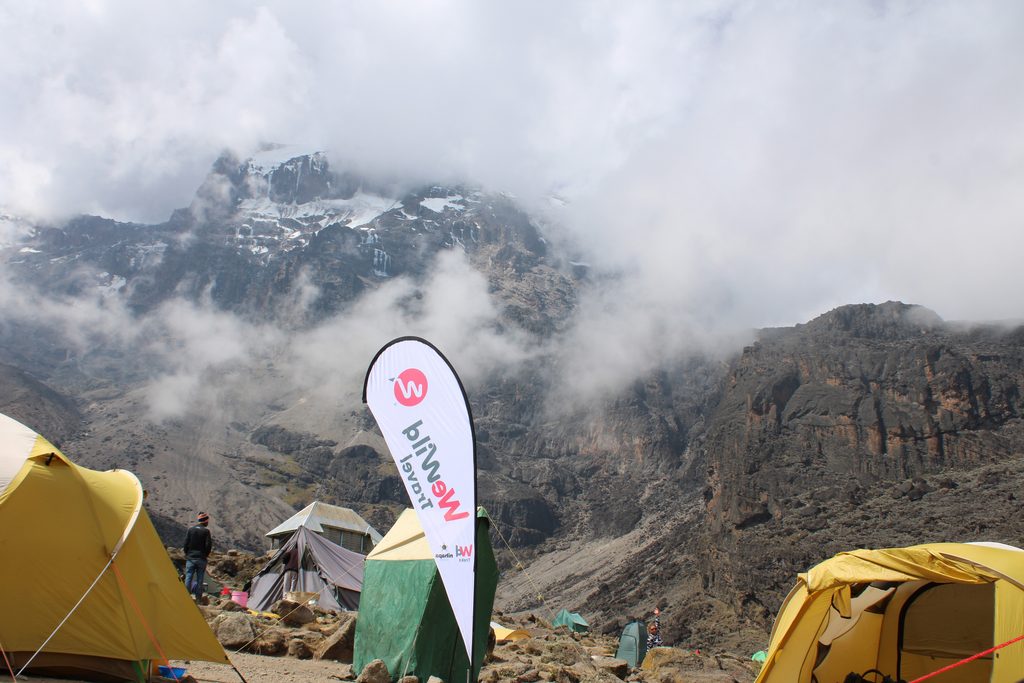
The best Kilimanjaro tour operators offer several route options because every climber has different goals, experience levels, budgets, and available time. Choosing the right route is just as important as choosing the right operator because each trail offers different scenery, difficulty levels, crowd levels, and acclimatization opportunities.
A professional Kilimanjaro operator should help you select a route based on your personal needs instead of recommending the same itinerary to every traveler.
| Kilimanjaro Route | Best For | Main Highlights |
|---|---|---|
| Lemosho Route | Climbers who want scenic views and gradual acclimatization | Remote starting point, Shira Plateau, beautiful landscapes, high summit success potential |
| Machame Route | Adventurous trekkers looking for a classic Kilimanjaro experience | Barranco Wall, Lava Tower, Southern Circuit scenery |
| Rongai Route | Climbers who prefer a quieter trail | Northern approach, fewer crowds, wilderness atmosphere |
| Marangu Route | Trekkers looking for a shorter and more comfortable option | Hut accommodation, established trail, easier logistics |
| Northern Circuit Route | Climbers who want the longest and most gradual experience | Remote northern slopes, excellent acclimatization, panoramic views |
Lemosho Route
The Lemosho Route is one of the most scenic Kilimanjaro routes and a popular choice among climbers who want a gradual approach. The route begins on the western side of the mountain and passes through rainforest, the Shira Plateau, alpine desert, and the Southern Circuit before reaching Uhuru Peak.
Many top operators recommend Lemosho for trekkers who value beautiful scenery and more time for acclimatization. The longer itineraries, such as 7 or 8 days, allow climbers to move at a comfortable pace while enjoying the changing landscapes.
Machame Route
The Machame Route is one of the most popular Kilimanjaro routes because it combines adventure, scenery, and a challenging trekking experience. Known as the “Whiskey Route,” it takes climbers through impressive areas such as the Shira Plateau, Lava Tower, Barranco Wall, and Karanga Valley.
Experienced operators often recommend Machame for trekkers who want a classic Kilimanjaro adventure with a strong mountain atmosphere. The route requires good preparation because some sections involve steep climbs and long trekking days.
Rongai Route
The Rongai Route approaches Kilimanjaro from the northern side near the Kenya border. It offers a quieter trekking experience compared with some of the busier southern routes.
Many climbers choose Rongai because of its peaceful environment, unique scenery, and gradual ascent. It is a good option for travelers who prefer fewer crowds and a more remote feeling while climbing Africa’s highest mountain.
Marangu Route
The Marangu Route is one of the oldest and most established Kilimanjaro routes. It is sometimes called the “Coca-Cola Route” and is the only route that uses mountain huts instead of camping.
Marangu can be a good choice for trekkers who prefer hut accommodation and a simpler climbing setup. However, the shorter itineraries require careful consideration because fewer days can provide less time for altitude adjustment.
Northern Circuit Route
The Northern Circuit is Kilimanjaro’s longest official route and provides one of the most gradual approaches to the summit. It follows the northern side of the mountain, offering quieter trails, excellent scenery, and more time for acclimatization.
Many operators recommend the Northern Circuit for climbers who want the most complete Kilimanjaro experience and have enough time for a longer adventure.
How Top Operators Help You Choose the Right Route
A professional Kilimanjaro operator should consider:
- Your previous hiking experience
- Your fitness level
- How much time you have available
- Your preferred comfort level
- Your budget
- Your acclimatization needs
The best route is not always the shortest or cheapest option. It is the route that matches your goals and gives you the best possible mountain experience.
At WeWild Travel, we help climbers choose the right Kilimanjaro route based on their personal goals, experience, and travel plans, with carefully designed itineraries led by experienced local mountain guides.
Why Travelers Choose WeWild Travel
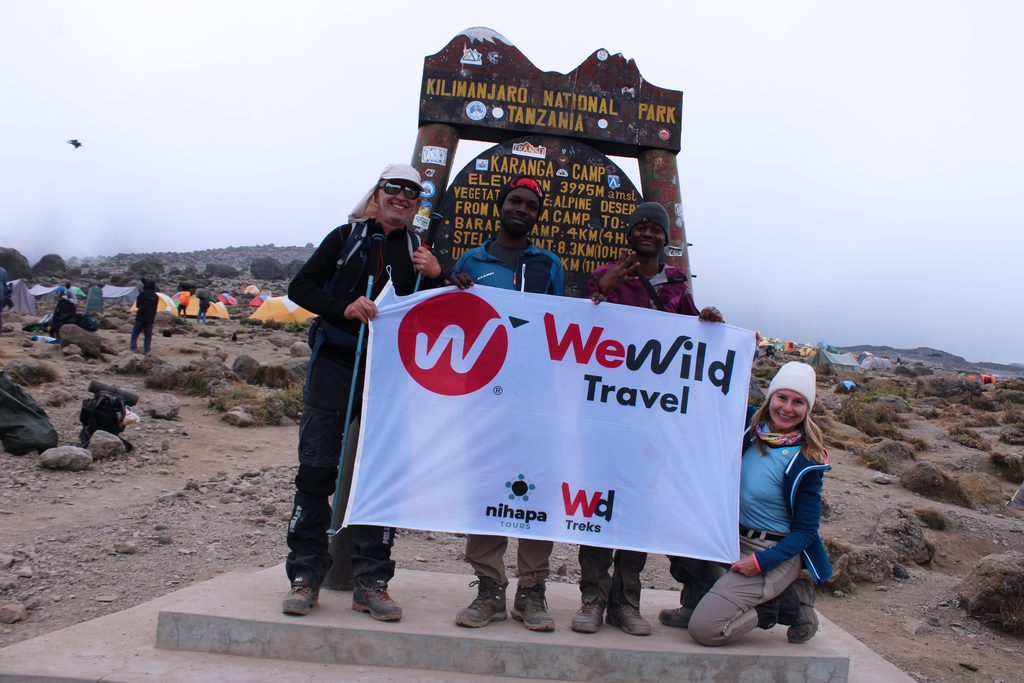
Travelers choose WeWild Travel because we provide a local Kilimanjaro climbing experience built around safety, personal support, and well-organized mountain adventures. As a Tanzania-based operator, we understand the mountain, the routes, and the logistics required to create a smooth journey from arrival in Tanzania to the summit of Mount Kilimanjaro.
We focus on providing climbers with experienced local guides, carefully planned itineraries, quality equipment, and clear communication before and during the trek.
Local Tanzanian Team
WeWild Travel operates from Tanzania, allowing our team to manage your Kilimanjaro climb directly from the destination where your adventure takes place. Our local knowledge helps us understand route conditions, mountain logistics, weather patterns, and the practical details involved in organizing successful trekking experiences.
Working with a local team also gives travelers direct communication with the people who organize their climb on the ground.
Experienced Mountain Guides
Our mountain guides play an important role in supporting climbers throughout the Kilimanjaro journey. They lead the trek, provide route guidance, monitor climbers, and share knowledge about the mountain environment.
Experienced guides help create a safe and enjoyable climbing experience by maintaining a steady pace, encouraging proper acclimatization, and supporting climbers through different stages of the trek.
Small-Group and Private Climbs
WeWild Travel offers small-group and private Kilimanjaro climbs for travelers who prefer a more personalized experience. Smaller groups allow our team to provide closer attention, better communication, and a trekking pace that suits the group.
Private climbs also give travelers more flexibility when choosing dates, routes, and trip arrangements.
Quality Camping Equipment
Comfort matters during a multi-day Kilimanjaro expedition. We provide essential mountain equipment to support climbers during their journey, including camping arrangements, dining facilities, and equipment needed for life on the mountain.
Quality equipment helps travelers rest better after long hiking days and prepare for the next stage of the climb.
Transparent Pricing
WeWild Travel provides clear Kilimanjaro climbing packages with detailed information about what is included and excluded. We explain the services covered in each package so travelers can compare options and understand their investment before booking.
Transparent pricing helps avoid unexpected costs and allows climbers to plan their adventure with confidence.
Personalized Service
Every climber has different goals, experience levels, and expectations. Our team provides personalized support to help travelers choose the right route, prepare for the trek, and understand what to expect before arriving in Tanzania.
From selecting a suitable itinerary to answering preparation questions, we support our clients throughout the planning process.
A Local Partner for Your Kilimanjaro Adventure
Choosing a Kilimanjaro operator is about finding a team that matches your expectations. WeWild Travel combines local knowledge, experienced mountain support, clear communication, and carefully planned climbing packages to help travelers experience Mount Kilimanjaro with confidence.
Whether you choose the Machame, Lemosho, Rongai, Marangu, or Northern Circuit route, our goal is to provide a professional and memorable mountain experience.
Frequently Asked Questions About Kilimanjaro Tour Operators
Choose an operator with experienced guides, clear pricing, strong safety standards, quality equipment, and positive customer reviews.
Yes, many local operators provide professional services with experienced Tanzanian guides and strong mountain knowledge.
A Kilimanjaro climb usually costs around $2,000-$4,000+ depending on route, duration, and included services.
A good package should include park fees, guides, porters, meals, camping equipment, transport, and rescue support.
Many professional operators carry emergency oxygen as part of their safety equipment.
The number of guides depends on group size, but larger groups require additional guides for proper support.
The best route depends on your goals. Lemosho is popular for scenery, Machame for adventure, and Rongai for quieter trails.
Always check what is included. Extremely low prices may mean fewer services or reduced support.
Read recent reviews, check company information, and ask detailed questions before booking.
Most operators provide tents, dining equipment, and some climbing essentials.
Some packages include airport transfers, while others charge separately. Confirm before booking.
Professional guides monitor climbers and follow safety procedures if health issues occur.
Both can work well. Compare safety, service quality, experience, and value.
Booking several months ahead gives more options for dates and routes.
WeWild Travel provides local expertise, experienced guides, personalized climbs, and transparent Kilimanjaro packages.
Final Thoughts
Choosing the right Kilimanjaro tour operator is one of the most important decisions you will make before climbing Mount Kilimanjaro. A reliable operator provides more than a trekking package; they provide experienced guides, safety support, quality equipment, clear communication, and a well-planned journey from start to finish.
The best operator for you depends on your personal goals, budget, preferred route, and the type of experience you want on the mountain. Take time to compare companies, ask questions, and look beyond the lowest price when making your decision.
At WeWild Travel, we focus on creating authentic Kilimanjaro experiences through our local Tanzanian team, experienced mountain guides, carefully designed itineraries, and personalized support for every climber.
Whether you choose the Lemosho, Machame, Rongai, Marangu, or Northern Circuit route, selecting the right team can make your Kilimanjaro adventure safer, smoother, and more memorable.
Ready to plan your climb? Contact WeWild Travel and speak with our local Kilimanjaro experts about the best route and itinerary for your adventure.