Altitude Sickness on Kilimanjaro: Symptoms, Prevention & Treatmen
Estimated reading time: 26 minutes
Altitude sickness can affect anyone climbing Kilimanjaro, even if you are fit and experienced. It happens when your body cannot adjust quickly enough to the lower oxygen levels at high altitude. Mild altitude sickness usually causes a headache, nausea, tiredness, dizziness, loss of appetite, or poor sleep. The risk increases as you climb higher, especially when you ascend too quickly.
The best way to reduce the risk is to climb gradually, allow enough days for acclimatization, pace yourself, and follow your guide’s health advice. If symptoms become worse, do not continue climbing higher. Rest and reassessment may help with mild symptoms, but serious symptoms require immediate descent and medical attention.
On Kilimanjaro, your guide should monitor how you feel throughout the climb and act quickly when symptoms become concerning. Understanding the warning signs before your trek can help you make safer decisions on the mountain.
Table of contents
- Altitude Sickness on Kilimanjaro: Symptoms, Prevention & Treatmen
- What Is Altitude Sickness on Kilimanjaro?
- At What Altitude Does Altitude Sickness Start?
- How Common Is Altitude Sickness on Kilimanjaro?
- What Are the Symptoms of Altitude Sickness?
- How to Prevent Altitude Sickness on Kilimanjaro
- Which Kilimanjaro Route Is Best for Acclimatization?
- Can You Take Diamox for Kilimanjaro?
- What Happens If You Get Altitude Sickness on Kilimanjaro?
- How WeWild Travel Monitors Climbers at Altitude
- How Long Does Altitude Sickness Last?
- Common Mistakes Climbers Make
- Altitude Sickness Myths
- Frequently Asked Questions
- Final Thoughts
What Is Altitude Sickness on Kilimanjaro?
Altitude sickness on Kilimanjaro is a condition that can develop when your body cannot adjust quickly enough to the lower oxygen levels at high altitude. As you climb higher, the air pressure drops, so your body gets less oxygen with each breath.
The most common form is Acute Mountain Sickness (AMS). It can cause a headache, nausea, dizziness, tiredness, loss of appetite, and difficulty sleeping. Symptoms often appear after reaching higher elevations and may become worse if you continue climbing too quickly.
Altitude sickness does not depend on fitness or previous climbing experience. Anyone can develop it, so every climber needs enough time to acclimatize.
On Kilimanjaro, the safest approach is to climb slowly, allow your body time to adjust, and tell your guide about any symptoms as soon as they appear. Early action can prevent mild altitude sickness from developing into a more serious condition.
Why Does Altitude Sickness Happen?
Altitude sickness happens because the air pressure decreases as you climb higher, which means your body receives less oxygen with each breath. Your body needs time to adjust to this change. If you climb faster than your body can adapt, altitude sickness can develop.
On Kilimanjaro, the risk increases as you move from the lower slopes toward high camps and the summit. The rapid gain in elevation can make acclimatization harder, especially on shorter routes with fewer days to adjust.
Several factors can increase your risk:
- Climbing too quickly: Your body needs time to adapt to higher elevations.
- Sleeping at higher altitudes: Your body faces the greatest adjustment challenge while you sleep at elevation.
- Not allowing enough acclimatization: Extra days give your body more time to adapt before you reach the summit.
- Ignoring early symptoms: Continuing to climb when symptoms appear can make them worse.
Your fitness does not guarantee protection from altitude sickness. Even strong and experienced climbers can develop symptoms. The key is to ascend gradually, listen to your body, and report symptoms to your guide early.
At What Altitude Does Altitude Sickness Start?
Altitude sickness can start at around 2,500-3,000 meters (8,200-9,800 feet), although some people develop symptoms at lower or higher elevations. On Kilimanjaro, the risk becomes more important as you move above 3,000 meters and continues to increase as you climb toward the summit at 5,895 meters (19,341 feet).
Your body needs time to adjust as the altitude rises. A typical Kilimanjaro climb follows this progression:
- Below 2,500 m (8,200 ft): Altitude sickness is uncommon for most climbers.
- 2,500-3,000 m (8,200-9,800 ft): Some climbers may begin to notice mild symptoms.
- 3,000-4,000 m (9,800-13,100 ft): The risk of Acute Mountain Sickness (AMS) becomes more significant.
- 4,000-5,000 m (13,100-16,400 ft): Low oxygen levels place greater demands on your body, so careful acclimatization becomes increasingly important.
- Above 5,000 m (16,400 ft): The risk of serious altitude-related illness becomes higher.
- Uhuru Peak – 5,895 m (19,341 ft): You reach Kilimanjaro’s highest point, where the air contains much less available oxygen than at sea level.
The speed of ascent matters as much as the altitude itself. Reaching a high elevation too quickly gives your body less time to adapt. That is why longer Kilimanjaro routes can provide more time for acclimatization.
If you develop a headache, nausea, dizziness, unusual tiredness, or other symptoms at altitude, tell your guide immediately. Do not ignore symptoms or continue ascending simply because you want to stay on schedule.
How Common Is Altitude Sickness on Kilimanjaro?
Altitude sickness is common on Kilimanjaro, especially during the higher stages of the climb. Research shows that the exact rate varies widely depending on the route, ascent speed, acclimatization time, and how researchers define Acute Mountain Sickness (AMS).
Several Kilimanjaro studies show how much the risk can vary:
- One study found 77% of trekkers developed AMS on 4- or 5-day Marangu ascents.
- Another study found 75% of Finnish trekkers developed AMS, with rapid ascent identified as an important factor.
- A study of different Kilimanjaro ascent itineraries found AMS in 47% of climbers at 4,730 meters. At 2,743 meters, only 3% met the study’s AMS criteria.
- Research on a 6-day Rongai climb found AMS in 52.6% of trekkers using one Lake Louise scoring threshold, while 22.9% met a stricter threshold.
- A large 2019-2020 study of 1,237 recreational hikers found severe altitude-illness symptoms in 8.6% of hikers, while 1.1% required hospitalization.
These figures show why there is no single percentage that applies to every Kilimanjaro climber. However, the evidence consistently shows that altitude sickness deserves serious attention.
The risk becomes greater when climbers ascend too quickly. The Wilderness Medical Society identifies rapid ascents, including very fast Kilimanjaro climbs, as a high-risk situation for altitude illness.
The important point: even a fit climber can develop altitude sickness. Choosing enough days for acclimatization, ascending gradually, and reporting symptoms early can help reduce the risk.
What Are the Symptoms of Altitude Sickness?
Altitude sickness on Kilimanjaro can begin with symptoms that feel similar to a hangover, especially a headache, unusual tiredness, loss of appetite, nausea, dizziness, or vomiting. These symptoms usually develop several hours after reaching a higher altitude and can become worse if you continue ascending. The important difference is how the symptoms change: mild acute mountain sickness (AMS) may improve with rest and acclimatization, while worsening symptoms, confusion, difficulty walking, or breathing problems can signal a life-threatening condition that requires immediate descent.
Mild AMS Symptoms
Acute mountain sickness is the most common form of altitude illness. It usually appears after a recent ascent above about 2,500 metres, although people can respond differently to altitude.
Common symptoms include:
- Headache: Often the main early symptom and may become more noticeable after reaching camp.
- Tiredness: You may feel unusually weak or exhausted even after resting.
- Loss of appetite: Food may become less appealing than usual.
- Nausea: You may feel sick, sometimes with vomiting.
- Dizziness or light-headedness: You may feel unsteady or less comfortable while walking.
- Poor sleep: Restless sleep is common at high altitude, although sleep problems alone do not confirm AMS.
On Kilimanjaro, mild symptoms should never be ignored simply because they are common. A climber with AMS should not continue ascending to a higher sleeping altitude while symptoms remain. If symptoms stay mild, guides may monitor the climber closely and allow time for acclimatization. If symptoms become worse despite resting at the same altitude, descent becomes necessary.
Severe Altitude Sickness Symptoms
Severe altitude illness can develop when altitude-related symptoms progress instead of improving. The most important warning signs involve the brain or lungs.
Watch for:
- Severe or worsening headache
- Repeated vomiting
- Extreme weakness or unusual drowsiness
- Confusion or changes in behaviour
- Difficulty walking normally or maintaining balance
- Shortness of breath that is unusual for the level of activity
- Breathlessness while resting
- Persistent or worsening cough
A climber who develops neurological problems or significant breathing difficulties should not simply rest and wait for the symptoms to disappear. Severe altitude illness can progress rapidly, so the priority is descent and urgent medical assessment, with oxygen used when available and appropriate.
HAPE: High-Altitude Pulmonary Edema
HAPE affects the lungs and is one of the most dangerous forms of altitude illness. It can develop with or without typical AMS symptoms.
Early warning signs can include:
- Unusual shortness of breath during activity
- A noticeable drop in walking performance
- Chest congestion or tightness
- Persistent cough
- Increasing weakness
As HAPE progresses, breathing can become difficult even while resting. A severe cough may produce frothy or bloody sputum, and the person can become extremely weak or confused.
Suspected HAPE is an emergency. The climber should stop ascending and descend as soon as possible, while receiving oxygen if it is available. In remote mountain environments such as Kilimanjaro, delaying descent can allow the condition to become life-threatening.
HACE: High-Altitude Cerebral Edema
HACE affects the brain and represents a severe form of altitude illness. The clearest warning signs are changes in coordination and mental state.
Look for:
- Difficulty walking in a straight line
- Poor coordination or stumbling
- Confusion
- Unusual behaviour or irritability
- Extreme drowsiness
- Difficulty thinking clearly
- Loss of ability to care for themselves
One of the most important differences between ordinary AMS and HACE is neurological impairment. A climber who cannot walk normally because of poor coordination or who becomes confused needs immediate action.
Suspected HACE requires immediate descent and emergency medical treatment. Oxygen and appropriate medication may be used as emergency measures, but they should not replace descent when descent is possible. Untreated HACE can progress to coma and death.
A Simple Rule for Climbers
The symptoms themselves matter, but the direction they are going matters even more.
If a headache, nausea, fatigue, or dizziness remains mild and improves with rest, the guide can continue monitoring the climber. If symptoms become worse at the same altitude, or neurological or breathing problems appear, the climber should not continue higher.
On Kilimanjaro, remember:
Mild symptoms to stop ascending and monitor.
Worsening symptoms to consider descent.
Confusion, poor coordination, or serious breathing problems to descend immediately and seek emergency medical care.
Altitude sickness does not affect every climber in the same way, and physical fitness does not guarantee protection. Good acclimatization, gradual ascent, and experienced guides who recognize early warning signs are important parts of a safe Kilimanjaro climb.
How to Prevent Altitude Sickness on Kilimanjaro
You cannot completely prevent altitude sickness on Kilimanjaro, because your body’s response to high altitude varies from person to person. However, you can greatly reduce your risk by giving your body enough time to adjust. A gradual ascent, enough days on the mountain, sensible hydration, proper meals, good rest, and avoiding alcohol all support better acclimatization.
Climb Slowly
The most important way to reduce your risk of altitude sickness is to gain altitude gradually. Your body needs time to adjust as the air becomes thinner and oxygen levels fall.
On Kilimanjaro, a good guide will keep a steady pace, especially during the first days. Walking slowly helps you conserve energy and gives your body more time to adapt. The familiar Kilimanjaro approach of “pole pole” slowly, slowly matters for acclimatization, not just comfort.
Do not try to walk faster simply because you feel strong at the beginning. Altitude sickness can develop several hours after you gain elevation, so feeling good at one point does not guarantee that you will feel good later.
Choose Enough Days
The number of days you spend climbing Kilimanjaro can make a major difference to acclimatization. Longer itineraries generally give your body more time to adjust before you reach the summit.
For many climbers, a 7-day or longer route offers a better acclimatization profile than a very short itinerary. The Northern Circuit provides even more time because it uses a longer approach to Uhuru Peak.
A longer climb does not guarantee that you will avoid altitude sickness, but it gives your body more opportunities to adapt before summit night.
Stay Hydrated
Drink regularly throughout the day, but do not force yourself to drink excessive amounts of water. Your fluid needs increase during hiking because you lose water through breathing, sweating, and physical activity.
Carry enough water for each hiking day and drink regularly rather than waiting until you become very thirsty. Your guide can also help you monitor how you are feeling and whether you need more fluids.
Remember that dehydration and altitude sickness can cause some similar symptoms, including headache, tiredness, and dizziness. Good hydration supports your overall health, but drinking large amounts of water cannot prevent AMS on its own.
Eat Properly
Your body uses more energy during a Kilimanjaro climb, so regular meals help you maintain the energy needed for long hiking days.
Eat a balanced combination of carbohydrates, protein, fats, fruits, and vegetables. Foods such as rice, potatoes, pasta, porridge, eggs, vegetables, fruit, and other familiar meals can provide useful energy during the trek.
You may lose your appetite at altitude, especially when you start experiencing mild AMS. Even when you do not feel hungry, try to eat small, regular meals and tell your guide if nausea or vomiting makes eating difficult.
Rest
Rest gives your body time to recover from each hiking day and adjust to the increasing altitude.
Get a good night’s sleep whenever possible and take breaks during the day’s hike. Do not treat every day on Kilimanjaro like a race. Your goal is to reach the summit safely, not to arrive at camp as quickly as possible.
If you develop a headache, nausea, dizziness, or unusual tiredness, tell your guide. Resting at the same altitude while your guide monitors your condition can help determine whether your symptoms improve or worsen.
Avoid Alcohol
Avoid alcohol during your Kilimanjaro climb, particularly at higher elevations. Alcohol can contribute to dehydration, interfere with sleep, and make it harder to recognize or manage symptoms such as dizziness and fatigue.
You also need clear judgment at altitude. If you develop symptoms of altitude sickness, your guide needs you to communicate clearly and respond appropriately to their advice.
Save the celebration for after the mountain. Reaching Uhuru Peak is worth celebrating once you have safely descended to a lower altitude.
Which Kilimanjaro Route Is Best for Acclimatization?
If acclimatization is your main priority, the 8/9-day Northern Circuit is the best Kilimanjaro route among these options. The 7/8-day Lemosho route also gives climbers a strong acclimatization profile, while the 7-day Machame route offers a good balance between acclimatization, scenery, and trip length.
The key factor is not simply the route name. The number of days, daily altitude gain, sleeping altitude, and how your body responds to the mountain all matter.
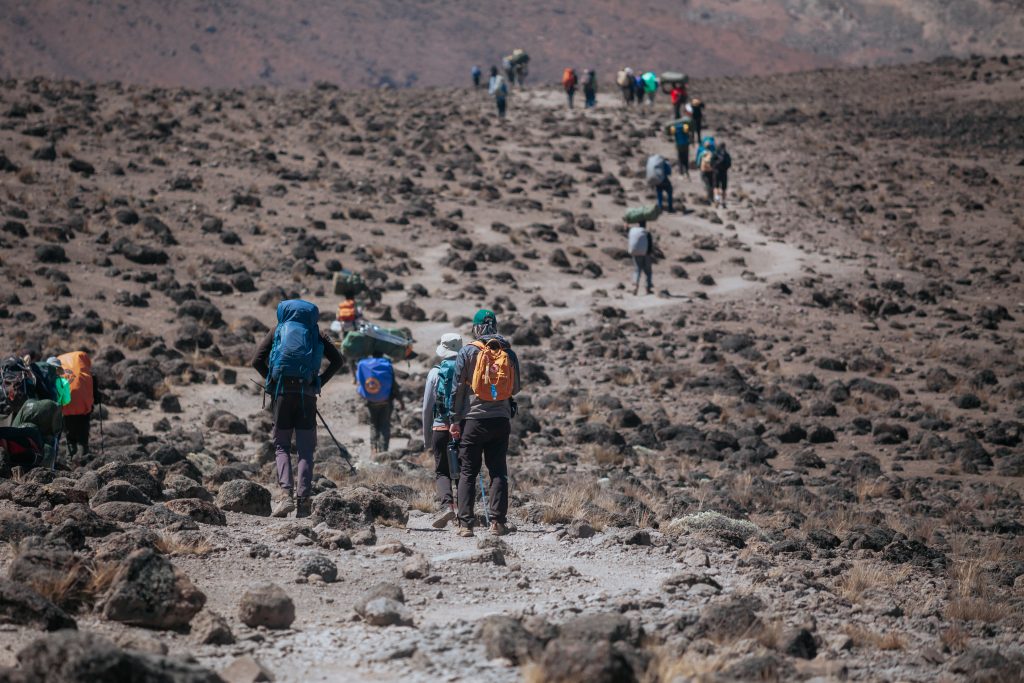
7-Day Machame Route
The 7-day Machame Route offers a good acclimatization schedule for climbers who want a relatively shorter trek. The route starts in the rainforest and gradually moves through the moorland and alpine desert before reaching the high camps.
One advantage comes from the route’s “climb high, sleep low” profile. On some days, you gain considerable elevation during the hike and then descend to a lower camp for the night.
For climbers with limited time, 7-day Machame can provide a reasonable balance between acclimatization and overall trekking time. However, it gives you less time to adjust than the longer Lemosho and Northern Circuit itineraries.
Read More : 7-day Machame Route
7/8-Day Lemosho Route
The 7 or 8-day Lemosho Route gives you more time to adjust to altitude while crossing several different environments on the mountain.
The longer 8-day version gives your body an additional day to adapt before the summit attempt. That extra time can make the itinerary more comfortable for climbers who prefer a gradual approach rather than rushing toward high altitude.
At WeWild Travel, we generally recommend choosing the 8-day Lemosho itinerary when acclimatization is a higher priority than saving one day. It gives you more time on the mountain and a more relaxed progression toward the summit.
Read More : 8-day Lemosho Route
8/9-Day Northern Circuit Route
For climbers who want the best acclimatization opportunity, we recommend the 8 or 9-day Northern Circuit Route.
The Northern Circuit takes a longer path around Kilimanjaro before joining the upper mountain. This gives climbers more days to gain altitude gradually and spend additional time adapting before summit night.
The 9-day version gives you even more time than the 8-day itinerary, making it our preferred option for climbers who have enough time and want to put acclimatization first.
The Northern Circuit also offers a quieter experience on several sections of the mountain, which makes the longer journey worthwhile for climbers who want both gradual acclimatization and a less crowded route.
Read More : 9-day Northern Circuit Route
Shorter Routes
Shorter Kilimanjaro itineraries require more caution because they give your body less time to adjust to altitude.
A shorter route may look attractive because it costs less and takes fewer days, but saving one or two days can mean a faster increase in altitude. That can make acclimatization more difficult and may increase the chance of altitude-related problems.
For this reason, WeWild Travel does not recommend choosing a Kilimanjaro itinerary based only on price or the number of days. If you have enough time, choose a longer route that allows a more gradual ascent.
Our Practical Recommendation
If you are choosing mainly for acclimatization, our order would be:
1. 9-Day Northern Circuit – best choice for maximum acclimatization time
2. 8-Day Northern Circuit – excellent longer option
3. 8-Day Lemosho – strong balance of acclimatization and time
4. 7-Day Lemosho – good option for a shorter itinerary
5. 7-Day Machame – good acclimatization for a 7-day climb
6. Shorter routes – less time for your body to adjust
No route can guarantee that you will avoid altitude sickness. Your previous experience at altitude, rate of ascent, individual physiology, and how your body responds during the climb all play a role.
If acclimatization is your number-one priority, choose more days rather than fewer. For most climbers who have the time, WeWild Travel would favor the 9-day Northern Circuit or 8-day Lemosho over a shorter itinerary.
Can You Take Diamox for Kilimanjaro?
Yes, some climbers take Diamox (acetazolamide) before or during a Kilimanjaro climb to help prevent acute mountain sickness (AMS). Acetazolamide helps the body acclimatize faster to high altitude and can reduce the risk and severity of AMS. However, you should discuss the medication with a qualified healthcare professional before your climb because it does not suit everyone and may interact with other medicines.
Diamox should support a good acclimatization plan, not replace it. A gradual ascent, enough days on the mountain, and listening to your body remain important even when you take the medication.
How Does Diamox Help at High Altitude?
At high altitude, the lower air pressure makes it harder for your body to get enough oxygen. Acetazolamide changes how your kidneys handle bicarbonate, which encourages deeper and faster breathing. This process helps your body adjust to the lower oxygen levels more quickly.
The medication can reduce the likelihood and severity of AMS, but it cannot make you immune to altitude illness. The CDC reports that even people taking acetazolamide during short Kilimanjaro ascents can still develop AMS.
When Do Climbers Usually Take Diamox?
Healthcare professionals may recommend acetazolamide for people who face a significant risk of altitude illness, particularly when they cannot follow a gradual ascent. The CDC lists 125 mg twice daily as an effective adult preventive dose that minimizes some common side effects, but the correct dose and timing depend on the individual.
Some climbers start the medication before they begin ascending and continue during the early period at altitude. Your doctor or travel-medicine professional should decide whether you need it and give you specific instructions.
What Are the Side Effects?
Diamox can cause side effects. Common effects include:
- Tingling or pins-and-needles sensations in the fingers, toes, or around the mouth
- More frequent urination
- Changes in the taste of carbonated drinks
- Nausea or stomach discomfort
More serious reactions can occur, although they are uncommon. Tell your healthcare professional about your medical history, allergies, and any medicines or supplements you take before using acetazolamide.
Can Diamox Replace Acclimatization?
No.
This is one of the most important points for anyone planning Kilimanjaro.
Diamox can help your body acclimatize faster, but it does not allow you to safely ignore altitude symptoms or rush to the summit. If you develop worsening altitude symptoms, you should stop ascending and tell your guide.
If severe symptoms develop, such as confusion, difficulty walking, or serious breathing problems, you need urgent medical attention and descent. Medication should never delay an emergency descent when severe altitude illness develops.
Should Every Kilimanjaro Climber Take Diamox?
No. There is no single medication plan that fits every climber.
Your risk depends on factors such as your previous experience with altitude, how quickly you ascend, your sleeping altitude, and whether you have enough time for acclimatization. A healthcare professional can assess your individual situation and decide whether acetazolamide makes sense for you.
Medical Disclaimer
This section provides general travel-health information and does not replace medical advice. Do not start, stop, or change the dose of Diamox without speaking with a qualified healthcare professional. Ask a doctor or travel-medicine specialist whether acetazolamide is appropriate for you, especially if you take other medicines or have existing medical conditions.
For current medical guidance, we recommend checking the CDC Yellow Book and the Wilderness Medical Society’s clinical practice guidelines before your Kilimanjaro climb.
What Happens If You Get Altitude Sickness on Kilimanjaro?
If you develop altitude sickness on Kilimanjaro, do not continue climbing until your symptoms have improved. Tell your guide as soon as you notice a headache, nausea, dizziness, unusual tiredness, or another possible symptom. Mild acute mountain sickness (AMS) often improves when you stop gaining altitude, while worsening symptoms require descent. Severe symptoms such as confusion, loss of coordination, or serious breathing problems need immediate descent and emergency medical care.
Read More : AMS
Mild Symptoms
Mild AMS can include headache, nausea, loss of appetite, dizziness, tiredness, and sometimes vomiting. These symptoms often appear within several hours after gaining altitude.
If your symptoms remain mild, your guide should monitor you closely and keep you at the same altitude rather than taking you higher. Rest and symptom management may help while your body adjusts.
The most important rule is simple: do not sleep at a higher altitude while you still have symptoms of altitude sickness. Mild AMS commonly improves within 12-48 hours when you stop ascending.
Symptoms Getting Worse
Worsening symptoms need more serious attention. If your headache, nausea, dizziness, or fatigue becomes stronger while you remain at the same altitude, do not try to push through it.
Tell your guide immediately. Your team should reassess your condition and prepare for descent if your symptoms continue to worsen.
A climber should never feel pressured to continue because the group has a fixed schedule. Your health comes before reaching the next camp or summit. The CDC recommends descent when symptoms worsen despite rest or treatment at the same elevation.
When to Stop
Stop ascending if you develop symptoms that could indicate AMS.
This means you should:
- Tell your guide what you are feeling.
- Stop gaining altitude.
- Rest and allow your guide to assess your condition.
- Monitor whether the symptoms improve or become worse.
- Never hide symptoms because you want to reach the next camp or summit.
If you develop confusion, unusual drowsiness, difficulty walking normally, or loss of coordination, the situation has moved beyond ordinary mild AMS. These symptoms can indicate HACE and require urgent action.
When to Descend
Descend when symptoms become worse despite resting at the same altitude, and descend immediately when severe altitude illness appears.
Immediate descent becomes especially important when a climber develops:
- Confusion or altered mental state
- Difficulty walking or severe loss of coordination
- Extreme drowsiness
- Shortness of breath while resting
- A worsening cough or severe breathing difficulty
- Signs that suggest HACE or HAPE
HACE and HAPE can become life-threatening quickly. Descent provides one of the most effective emergency treatments, while oxygen and appropriate medical treatment can support the climber when available.
On Kilimanjaro, reaching the summit is never more important than responding to altitude illness. An experienced mountain team should recognize changing symptoms, stop the ascent when necessary, and organize a safe descent rather than pushing a sick climber higher. The CDC also recommends that climbers using a guide service check that their guides know how to recognize and manage altitude sickness.
How WeWild Travel Monitors Climbers at Altitude
Altitude safety starts with good preparation, but it continues every day on the mountain. At WeWild Travel, our guides pay close attention to how climbers feel, move, eat, sleep, and respond to increasing altitude. We combine experienced local guidance with regular health checks and practical safety procedures so that problems can be identified early and treated or managed before they become more serious.
Experienced Local Guides
Our local guides understand the conditions on Kilimanjaro and know that every climber responds to altitude differently. They watch for changes such as unusual tiredness, headache, nausea, dizziness, poor coordination, confusion, or breathing difficulties.
Good communication also matters. We encourage climbers to tell the guide when something does not feel right, even if the symptoms seem minor. A climber should never feel pressured to hide symptoms because they want to reach the summit.
Daily Health Checks
Each day, our guides check how climbers are coping with the altitude and the physical demands of the trek. We ask about common symptoms such as headache, nausea, appetite, sleep, dizziness, and energy levels.
These conversations help the guide understand whether a climber is adapting normally or showing signs that require closer attention. If symptoms become worse, continuing to gain altitude may not be safe. Medical guidance recommends stopping further ascent when altitude-illness symptoms are present and considering descent if symptoms worsen.
Pulse Oximeter
A pulse oximeter can give our team another useful piece of information by measuring blood oxygen saturation and pulse rate. We can use these readings alongside the climber’s symptoms, behaviour, and overall condition.
However, an oxygen reading does not tell the whole story. Oxygen saturation naturally changes with altitude, and a climber can have altitude sickness without an unusually low reading. That is why our guides do not rely on the pulse oximeter alone when assessing a climber.
Emergency Oxygen
When available as part of our mountain safety equipment, supplemental oxygen can provide important support when a climber develops serious altitude-related symptoms. Oxygen can improve oxygenation while the team prepares the next step.
For serious altitude illness, oxygen should support not replace descent and appropriate medical care. Medical guidelines identify descent as a key treatment for severe altitude illness, especially suspected HAPE or HACE.
Emergency Descent Procedures
Reaching Uhuru Peak is never more important than a climber’s health. If a climber develops worsening altitude symptoms, severe breathing problems, confusion, or difficulty walking, our team must consider descent rather than continuing toward the summit.
Our guides assess the situation, communicate with the climber and team, and organize the safest practical way to move to a lower altitude. In serious cases, descent should begin promptly while oxygen and other appropriate support are used when available.
The goal is simple: recognize problems early, communicate clearly, and make the safest decision for the climber.
How Long Does Altitude Sickness Last?
Mild altitude sickness usually improves within 12-48 hours after you stop gaining altitude. Symptoms such as headache, nausea, dizziness, tiredness, and loss of appetite often settle as your body adjusts. If symptoms continue to worsen, however, you should descend to a lower altitude rather than waiting for them to disappear.
On Kilimanjaro, the timing varies from person to person. Some climbers feel better after resting at the same altitude, while others need to descend before they improve. Severe altitude sickness, including HAPE or HACE, is an emergency and requires immediate descent and medical attention.
Do not continue climbing simply because you expect the symptoms to disappear. If your symptoms become worse while resting at the same altitude, tell your guide and follow the recommended safety plan.
Simple rule: If you have mild symptoms, stop ascending and monitor them. If they worsen or become severe, descend.
Common Mistakes Climbers Make
Altitude sickness can affect fit and experienced climbers, so preparation alone cannot guarantee that you will avoid it. Many problems start when climbers ignore early symptoms, gain altitude too quickly, or push themselves because they want to stay on schedule.
Climbing Too Fast
Trying to walk quickly or keep up with stronger climbers can make the adjustment to altitude harder. On Kilimanjaro, a slow and steady pace gives your body more time to adapt.
Choosing Too Few Days
Short itineraries give your body less time to adjust as you climb higher. Choosing a longer route can provide a better acclimatization schedule and reduce the pressure to gain altitude too quickly.
Ignoring Early Symptoms
Some climbers continue walking after developing a headache, nausea, dizziness, or unusual tiredness because they expect the symptoms to disappear. These signs deserve attention, especially if they become worse.
Hiding Symptoms From the Guide
A climber may worry that reporting symptoms will mean missing the summit. Hiding them can make the situation more dangerous. Tell your guide as soon as you notice a change in how you feel.
Drinking Too Much Water
Staying hydrated matters, but forcing large amounts of water does not prevent altitude sickness. Excessive water intake can also cause dangerously low sodium levels. Drink regularly according to your thirst and your body’s needs.
Using Alcohol at Altitude
Alcohol can worsen dehydration and affect sleep, balance, and judgement. Avoiding alcohol during the climb is a safer choice.
Treating Medication as a Replacement for Acclimatization
Medication such as acetazolamide can help some people prevent or manage altitude illness, but it does not replace gradual ascent. Climbers should discuss medication with a qualified healthcare professional before the trek.
Pushing for the Summit When Symptoms Worsen
Uhuru Peak is the goal, but it should never come before your health. Worsening symptoms, confusion, difficulty walking, or serious breathing problems require immediate attention and may require descent.
The biggest mistake is trying to hide a problem and keep climbing. On Kilimanjaro, speaking honestly with your guide gives the team a better chance to make the right decision early.
Altitude Sickness Myths
Many climbers hear different claims about altitude sickness before climbing Kilimanjaro. Some sound reasonable but can lead to poor decisions on the mountain. Knowing what is true helps you recognize symptoms early and take altitude safety seriously.
Myth 1: Being Fit Means You Cannot Get Altitude Sickness
False. Fitness helps you handle the physical effort of climbing, but it does not make you immune to altitude sickness. Even strong and experienced climbers can develop symptoms because the main issue is how the body responds to lower oxygen at altitude.
Myth 2: Drinking Lots of Water Prevents Altitude Sickness
False. Staying hydrated is important, but drinking excessive amounts of water does not prevent altitude sickness. Drink regularly and avoid forcing large amounts of water.
Myth 3: You Can Predict Altitude Sickness From Your Previous Trip
Not always. Your previous experience at altitude can give you some information, but each climb can be different. Your route, rate of ascent, sleeping altitude, health, and individual response can all affect how you feel.
Myth 4: Headache Means You Must Descend Immediately
Not necessarily. A mild headache can occur for several reasons at altitude. However, a headache combined with other symptoms, or a headache that becomes severe or continues to worsen, needs attention. Stop ascending and tell your guide so your condition can be assessed.
Myth 5: You Should Push Through Altitude Sickness
False. Trying to ignore worsening symptoms can turn a manageable problem into a serious one. If symptoms get worse while you remain at the same altitude, descent may become necessary.
Myth 6: Diamox Means You Cannot Get Altitude Sickness
False. Acetazolamide (Diamox) can help prevent or reduce altitude illness for some climbers, but it does not guarantee protection. It also does not replace gradual ascent and proper acclimatization.
Myth 7: The Summit Is More Important Than Turning Back
False. Uhuru Peak will still be there for another attempt. If a climber develops signs of serious altitude illness, getting to a lower altitude is more important than reaching the summit.
The safest approach on Kilimanjaro is simple: listen to your body, communicate with your guide, and never hide worsening symptoms just to continue the climb.
Frequently Asked Questions
Yes. Anyone can develop altitude sickness, including fit and experienced climbers. Your body’s response to altitude matters more than your fitness level.
Altitude sickness can occur from around 2,500 metres (8,200 feet) above sea level. The risk increases as you climb higher and gain altitude quickly.
Common symptoms include headache, tiredness, dizziness, nausea, loss of appetite, and poor sleep. Tell your guide if you notice these symptoms.
Climb slowly, choose enough days for acclimatization, walk at a steady pace, eat regularly, drink normally, rest well, and avoid alcohol.
The 8- or 9-day Northern Circuit offers excellent time for acclimatization. The 7- or 8-day Lemosho and 7-day Machame routes can also provide good acclimatization.
Some climbers use Diamox (acetazolamide) to prevent altitude sickness. Speak with a qualified healthcare professional before taking it because it is not suitable for everyone.
Mild symptoms often improve within 12-48 hours after stopping further ascent. Worsening symptoms may require descent.
Descend if symptoms continue to worsen or if you develop serious signs such as confusion, difficulty walking, severe breathlessness, or other signs of HAPE or HACE.
Do not continue gaining altitude without telling your guide. A mild headache needs monitoring, while a severe or worsening headache requires immediate assessment.
Final Thoughts
Altitude sickness is one of the main challenges to understand before climbing Kilimanjaro, but good preparation can reduce the risk. Choose an itinerary that gives your body enough time to acclimatize, climb at a steady pace, rest well, and tell your guide about any symptoms as soon as they appear.
Most importantly, never ignore worsening symptoms just because you want to reach Uhuru Peak. Your health comes first. An experienced guide and a careful approach to altitude can help you make safer decisions throughout the trek.
At WeWild Travel, we believe a successful Kilimanjaro climb is not only about reaching the summit. It is about reaching it safely, enjoying the journey, and returning home with a great experience.