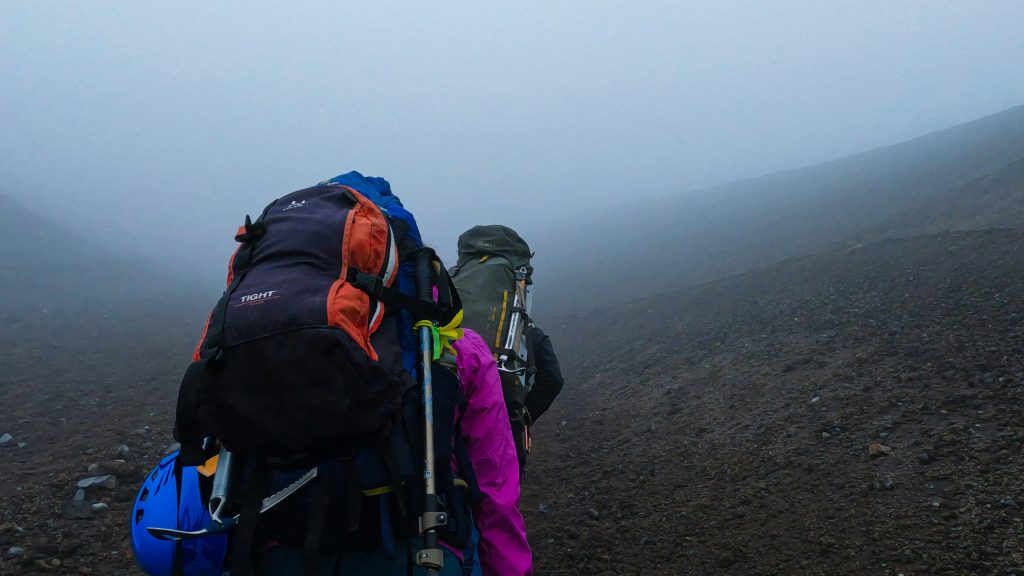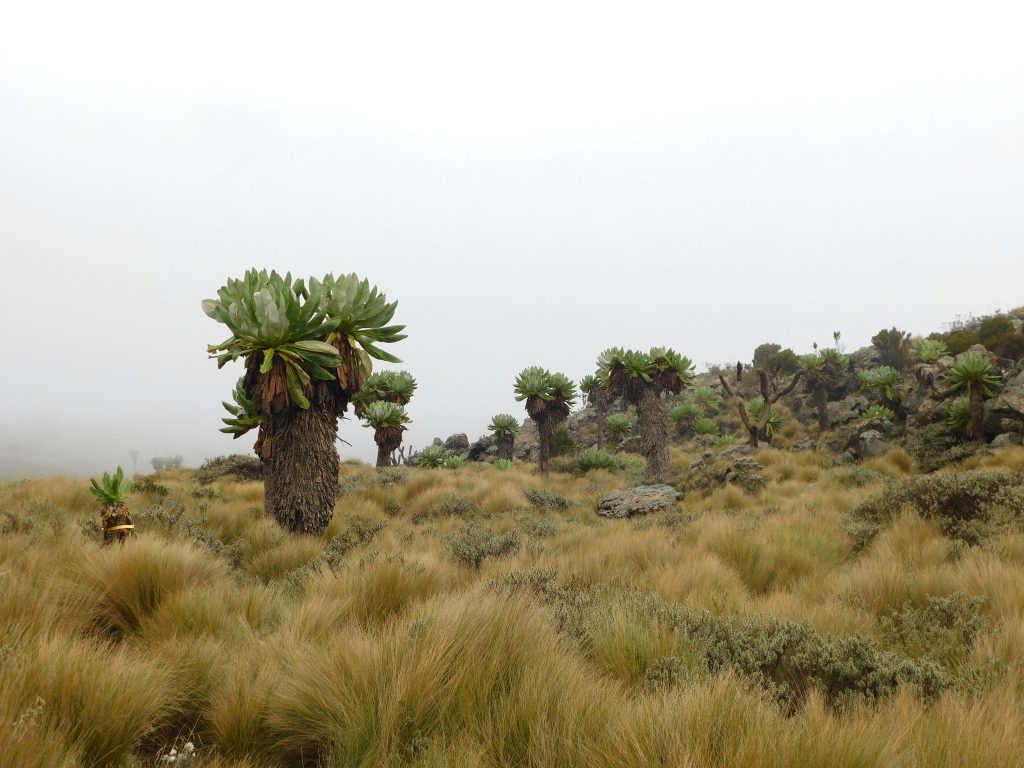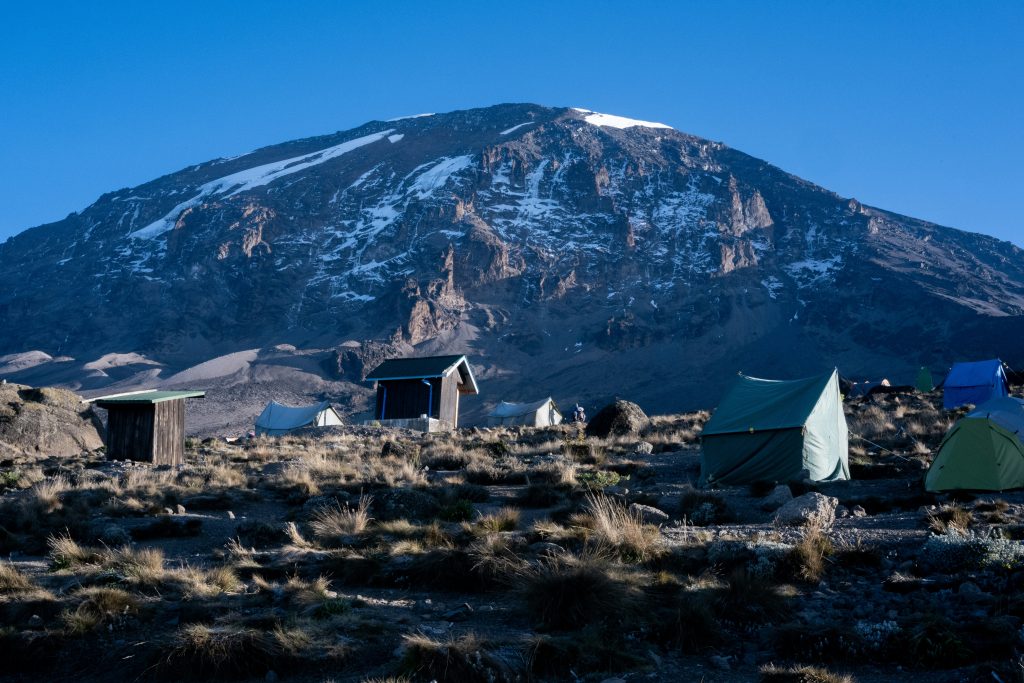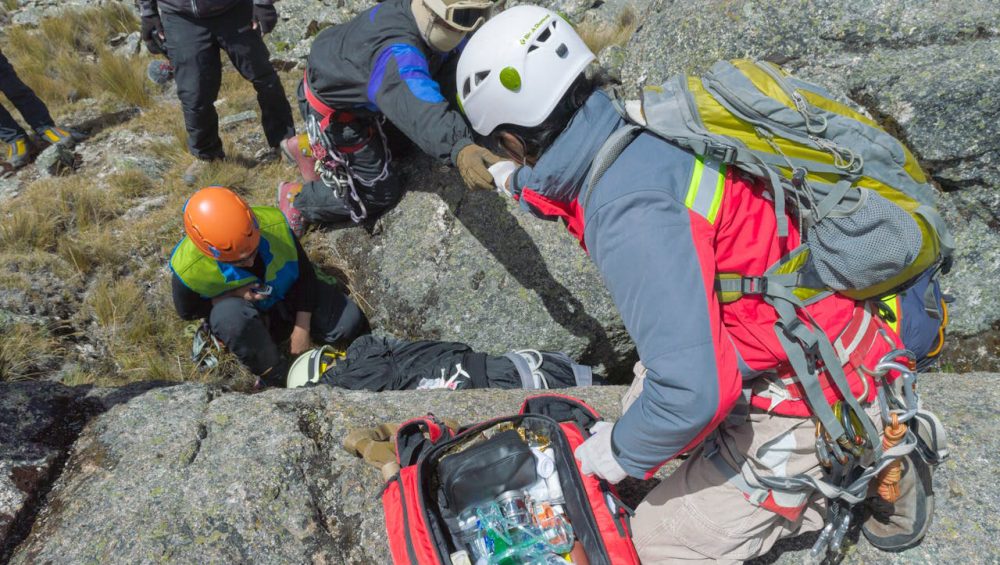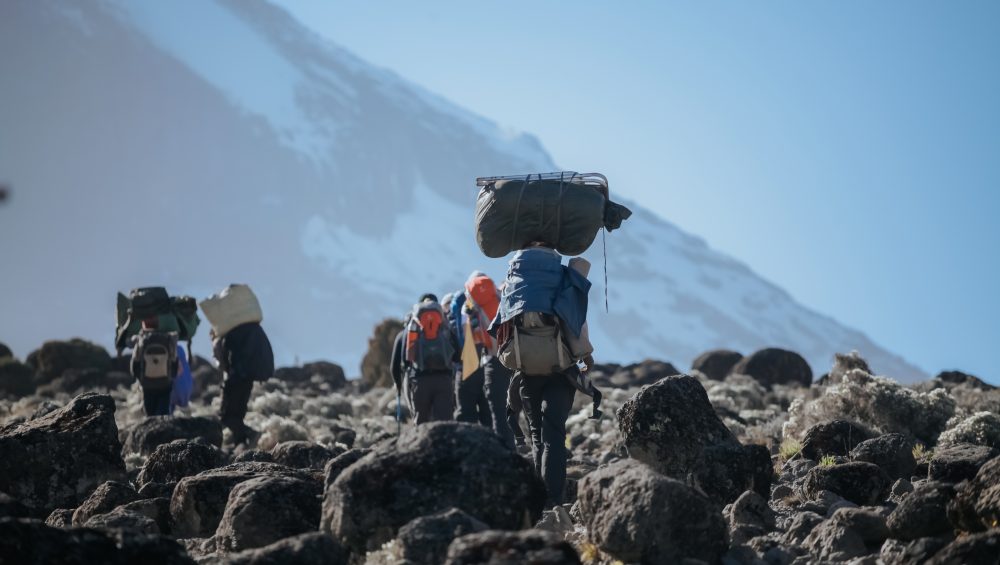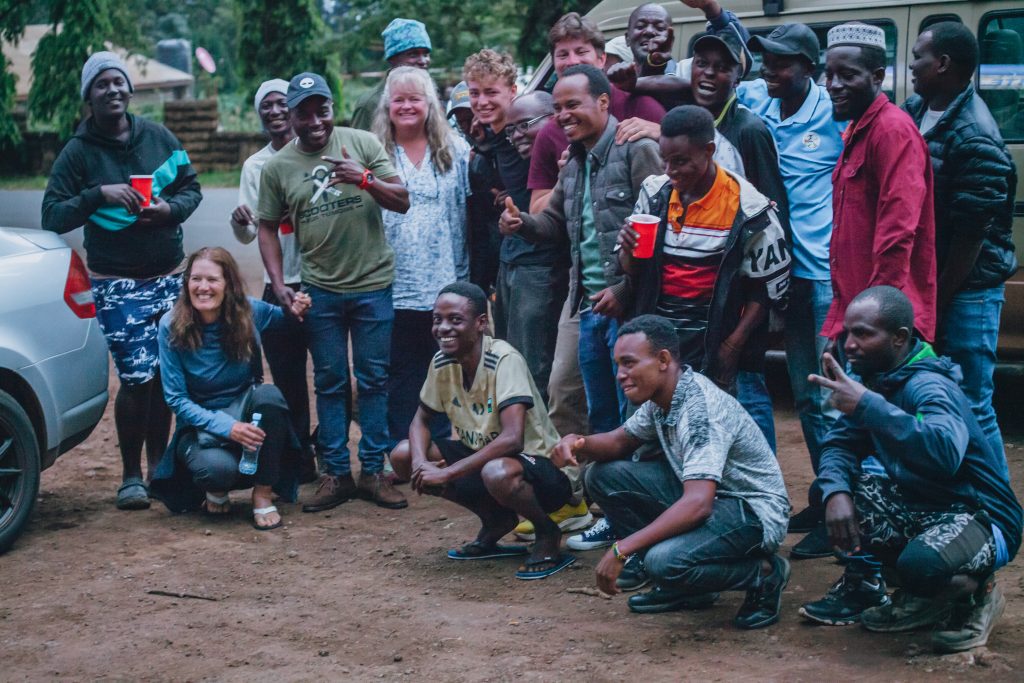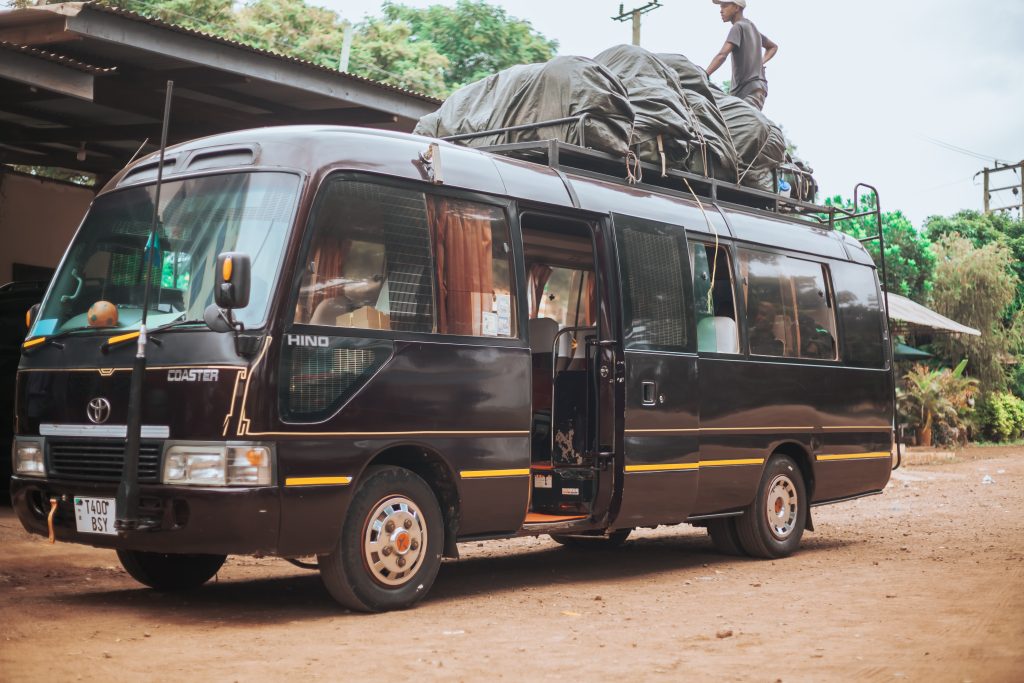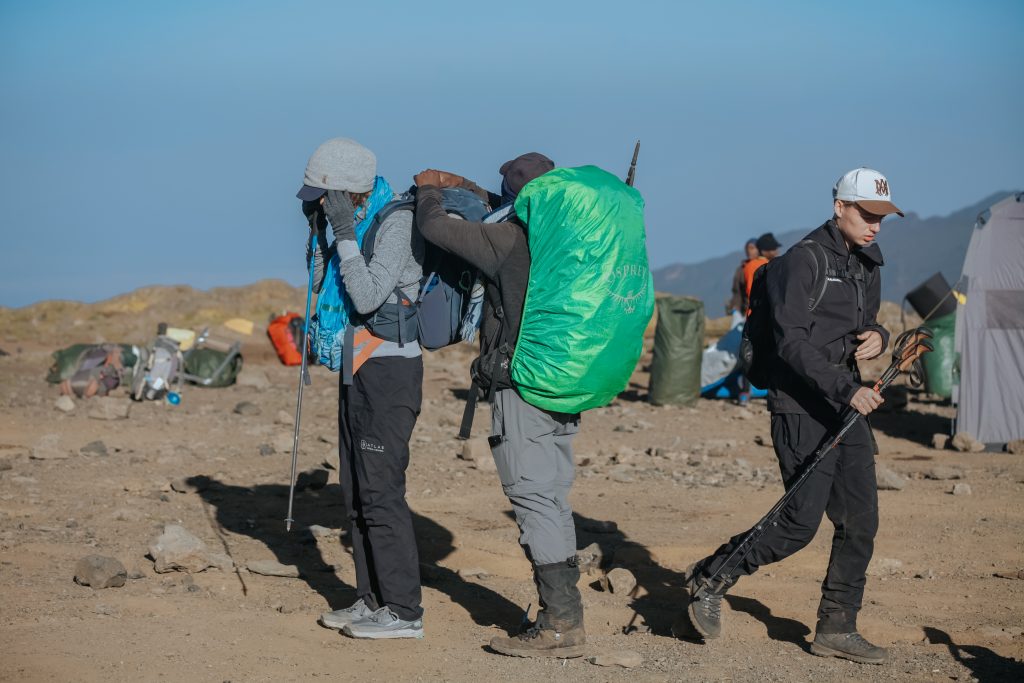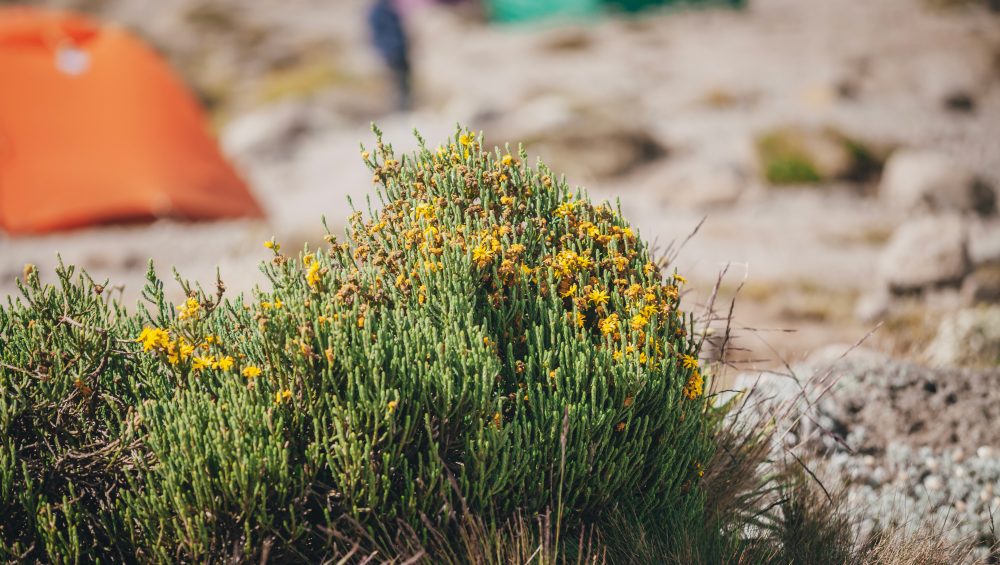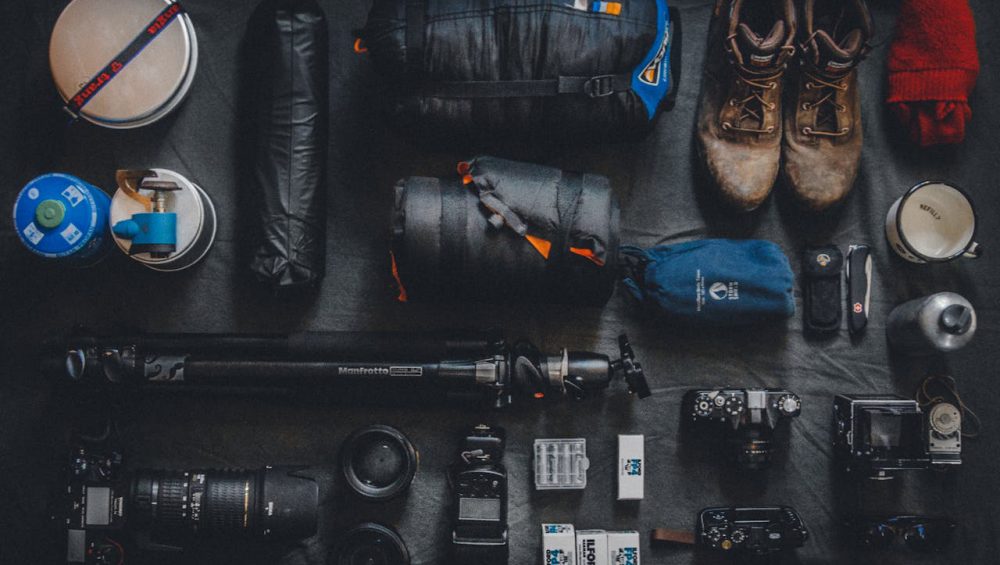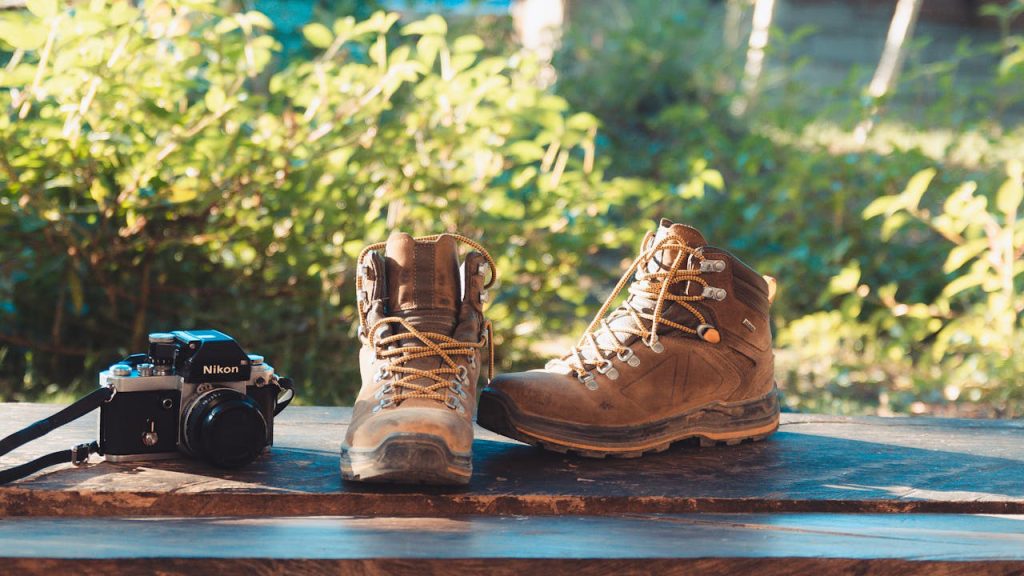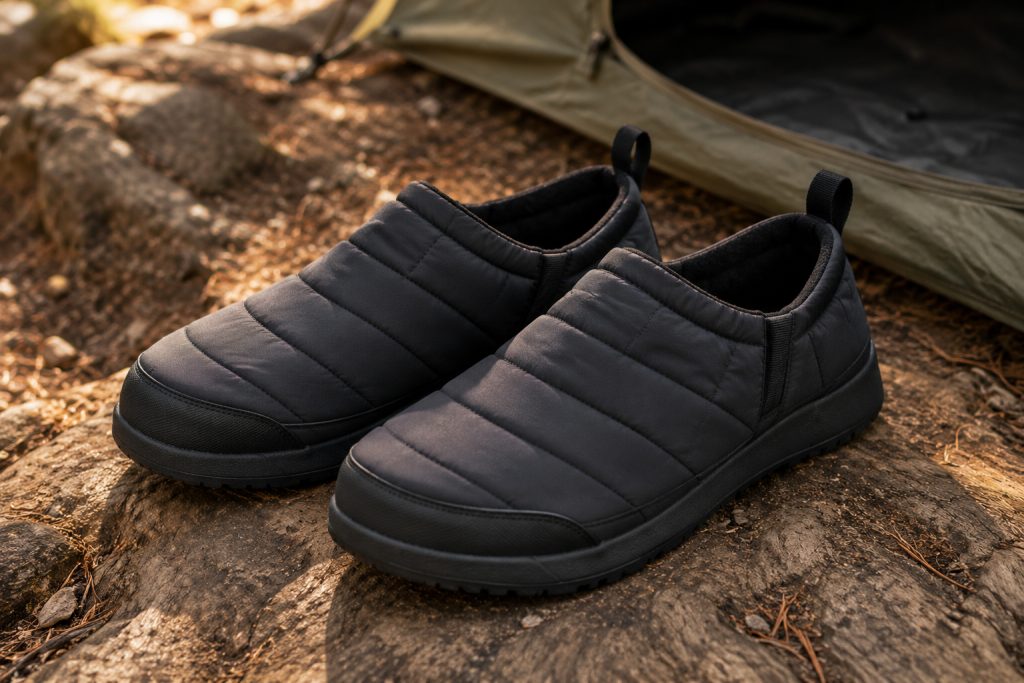
Kilimanjaro packing list for beginners showing essential hiking gear and clothing for mountain climb

Kilimanjaro packing list for beginners

Kilimanjaro Packing list : A Beginners Guide

Introduction

What should first-time climbers pack for Mount Kilimanjaro, and why is it so important to prepare the right gear? The answer is simple: packing correctly can make the difference between a successful, comfortable climb and a very difficult experience on the mountain.

Mount Kilimanjaro has extremely changing weather conditions. As you start your journey, you will walk through warm and humid rainforest areas at the base of the mountain. In this section, light clothing may feel comfortable. However, as you continue climbing higher, the environment changes dramatically. You move through colder moorlands, then dry alpine desert, and finally reach the summit zone, where temperatures can drop below freezing. This means your body must be ready for both hot and extremely cold conditions within the same trek.

Because of these rapid weather changes, many first-time climbers make the mistake of either overpacking or forgetting essential items. Carrying the wrong gear can lead to discomfort, fatigue, or even safety risks during the climb. That is why having a clear and well-planned packing list is very important before starting your Kilimanjaro adventure.

This guide is designed to help beginners understand exactly what to pack for a successful climb. It explains the essential clothing, equipment, and personal items needed for different stages of the mountain. By following this packing list, you will be better prepared for the journey, stay more comfortable in changing conditions, and improve your chances of reaching the summit safely and confidently.

Why Packing Correctly Matters on Kilimanjaro

Packing correctly for Mount Kilimanjaro is very important because it directly affects your safety, comfort, and success on the mountain. The answer is simple: if you bring the right gear, your climb becomes easier, safer, and more enjoyable, but if you pack poorly, the journey can become uncomfortable and even risky, especially at high altitude where conditions are harsh and unpredictable.

Safety and Comfort

The main reason proper packing matters is safety and comfort. Kilimanjaro is not a single-weather mountain it changes as you climb. You may start in warm rainforest conditions and end in freezing temperatures near the summit. Without the right clothing and equipment, you can easily feel too cold, too hot, or exhausted. Good packing ensures you stay warm at night, dry during rain, and comfortable while walking long distances. Items like layered clothing, strong hiking boots, and a headlamp help you move safely and confidently on different terrains. When you are comfortable, your energy is saved for the long trek instead of struggling with bad gear.

Protection from Cold and Altitude

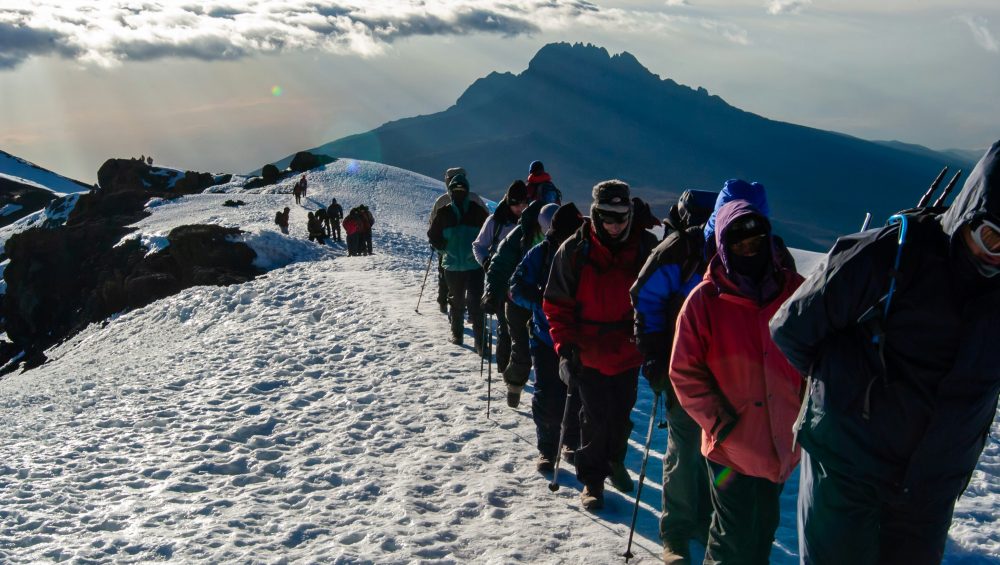
Another important reason is protection from extreme cold and high altitude conditions. As you climb higher, the air becomes thinner and temperatures drop significantly. At the summit, it can be freezing even during the day. Proper warm clothing, gloves, hats, and insulated layers protect your body from cold-related problems like hypothermia. At the same time, good hydration tools and suitable gear help your body adjust better to altitude, reducing the risk of altitude sickness. Packing the right equipment gives your body the support it needs to perform in these challenging conditions.

Avoid Overpacking or Missing Essentials

Packing correctly also helps you avoid two common mistakes: overpacking and missing important items. Overpacking makes your backpack heavy and slows you down, increasing fatigue during long hikes. On the other hand, forgetting essentials like water bottles, warm layers, or a headlamp can create serious problems on the mountain, especially during summit night when conditions are most difficult. A well-planned packing list ensures you carry only what is necessary, keeping your load light and efficient.

Hiking Efficiency and Confidence

Good packing also improves your overall hiking experience. When everything you need is organized and ready, you can focus more on the climb instead of worrying about missing items. This builds confidence, reduces stress, and helps you enjoy the journey from the rainforest to the summit.

Overall, packing correctly is not just about preparation it is a key part of your success on Mount Kilimanjaro.

Clothing You Need for Kilimanjaro

What clothing do you need for Mount Kilimanjaro, and why is it important? The answer is that you need a layered clothing system that can handle very different temperatures as you climb. Kilimanjaro does not have one stable climate. You will move from warm rainforest at the base to freezing conditions near the summit. Because of this, wearing the right clothing in layers is the best way to stay warm, dry, and comfortable throughout the journey.

Base Layers (Thermal wear)

Base layers are the clothing you wear closest to your skin. Their main job is to keep your body warm and manage sweat. During long walking days, your body produces heat and sweat, and without proper base layers, you can quickly feel cold once you stop moving. Thermal shirts and leggings made from materials like merino wool or synthetic fabric are ideal because they dry quickly and keep heat trapped close to your body. Cotton should be avoided because it stays wet and makes you cold. For beginners, having at least two sets of base layers is recommended so you can change when needed.

Mid Layers (Fleece or warm jackets)

The mid layer is where most of your warmth comes from. This layer traps body heat and protects you from the cold air as you gain altitude. A fleece jacket or lightweight insulated jacket is commonly used. As you climb higher, temperatures drop, especially in the evening and at night. The mid layer helps you stay warm without adding too much weight to your backpack. Many climbers also carry an extra warm jacket for summit night when temperatures can become extremely low.

Outer Layers (Waterproof jacket & pants)

The outer layer is your protection against wind, rain, and snow. Kilimanjaro weather can change quickly, and you may experience rain in the lower zones or strong winds at higher altitudes. A waterproof and windproof jacket and pants are essential to keep you dry and protect your inner layers. This layer acts as a shield, allowing you to stay comfortable even in harsh weather conditions. Good quality outerwear also prevents heat loss, which is very important when climbing at night or in cold environments.

Overall, using a proper three-layer clothing system ensures that you stay warm, dry, and adaptable throughout your Kilimanjaro climb.

Backpack and Daypack Essentials

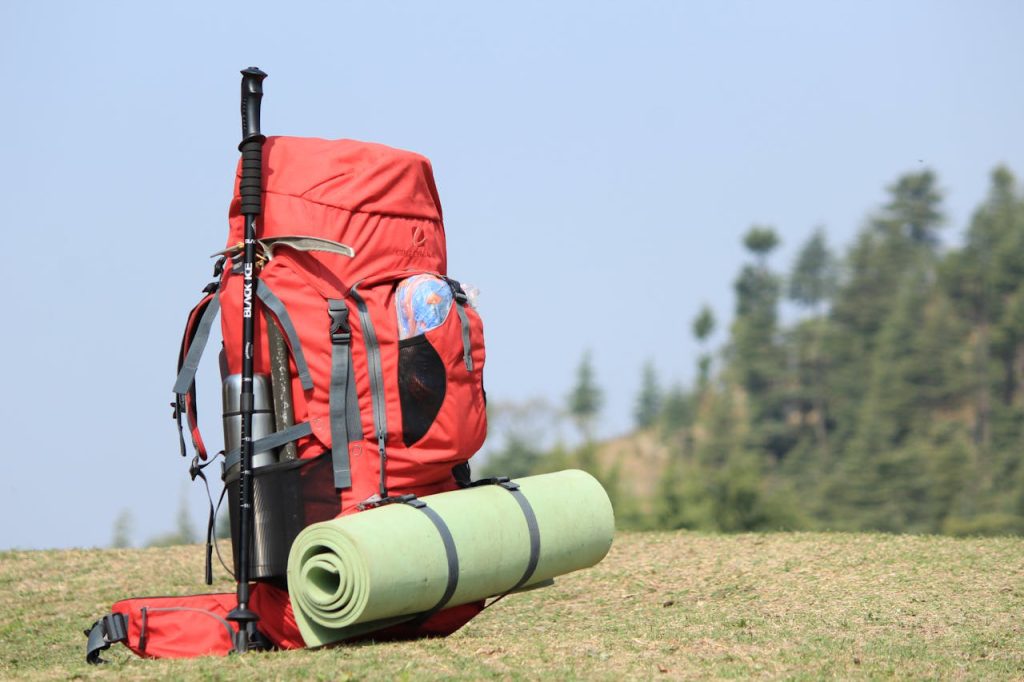
What kind of bags do you need for Mount Kilimanjaro, and why are they important? The answer is that you need two different types of bags: a main backpack (duffel bag) and a daypack. Each one has a specific role during the climb. The main backpack is carried by porters, while the daypack is carried by you. Using the right setup helps you stay organized, reduce weight on your shoulders, and carry everything needed for a safe and comfortable trek.

Main Backpack (Carried by Porters)

The main backpack, often a duffel bag, is where you store most of your gear for the entire climb. This bag is carried by the porters from camp to camp, so you do not have to carry its full weight during the hike. It should be strong, waterproof, and durable, because it will go through different weather conditions and rough handling on the mountain.

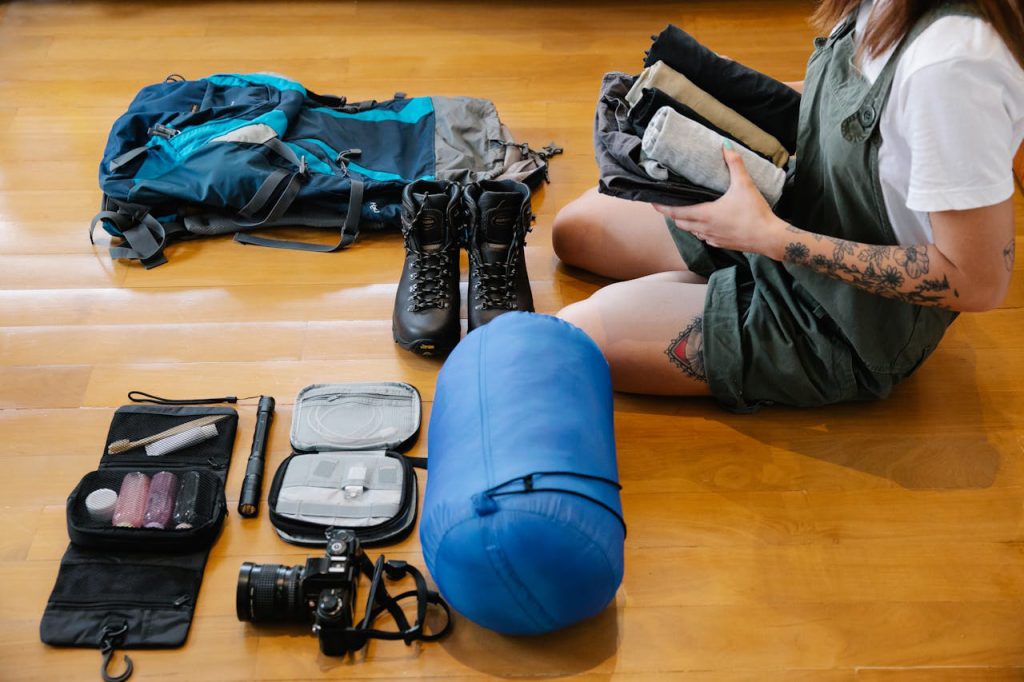
In this bag, you pack items such as extra clothing, sleeping gear, toiletries, and anything you do not need during the day. Since porters carry it, you should organize your items in waterproof bags inside the main backpack to protect them from rain or dust. It is also important to keep the weight within the limit set by your tour operator, usually around 15–20 kg, to ensure safe and fair porter support.

Daypack (You Carry Daily Essentials)

The daypack is the small backpack you carry every day during hiking. This bag is very important because it holds everything you need while walking on the trail. Unlike the main bag, you will have access to the daypack throughout the day, so it must be light, comfortable, and easy to carry.

Inside your daypack, you should carry essential items such as water bottles or hydration systems, snacks, a rain jacket, sunscreen, sunglasses, a camera or phone, and any personal medication. These items help you stay hydrated, protected, and energized during long trekking hours.

A good daypack should have padded shoulder straps and a waist belt to reduce pressure on your back. It should also be large enough to carry essentials but not too heavy, usually around 15 to 25 liters in size.

Overall, having the right backpack system helps you stay organized and comfortable throughout the climb. The main backpack supports your heavy gear, while the daypack keeps your daily essentials within easy reach, making your Kilimanjaro journey smoother and more efficient.

Hydration and Health Items

What hydration and health items do you need for Mount Kilimanjaro, and why are they so important? The answer is that you need proper water storage and basic medical supplies because your body is under more stress at high altitude. On Kilimanjaro, you walk for several hours each day in changing weather conditions, and your body loses water faster than normal. At the same time, altitude can affect how you feel physically, so staying hydrated and prepared for minor health issues is essential for a safe and successful climb.

Water Bottles or Hydration System

Staying hydrated is one of the most important parts of climbing Kilimanjaro. At high altitude, your body uses more water, and dehydration can lead to tiredness, headaches, and increased risk of altitude sickness. That is why you must carry enough water every day and drink regularly, even if you do not feel thirsty.

You can use either water bottles or a hydration system (hydration bladder). Water bottles are simple and reliable, and they allow you to easily track how much water you are drinking. Most climbers carry two bottles so they have enough water between refill points. A hydration system is another option, where water is stored in a bladder inside your backpack with a tube for easy drinking while walking. This makes it easier to sip water regularly without stopping.

It is important to choose a system that is easy to use and does not leak. Drinking small amounts consistently throughout the day helps maintain energy and reduces altitude-related problems.

First Aid Kit and Medication

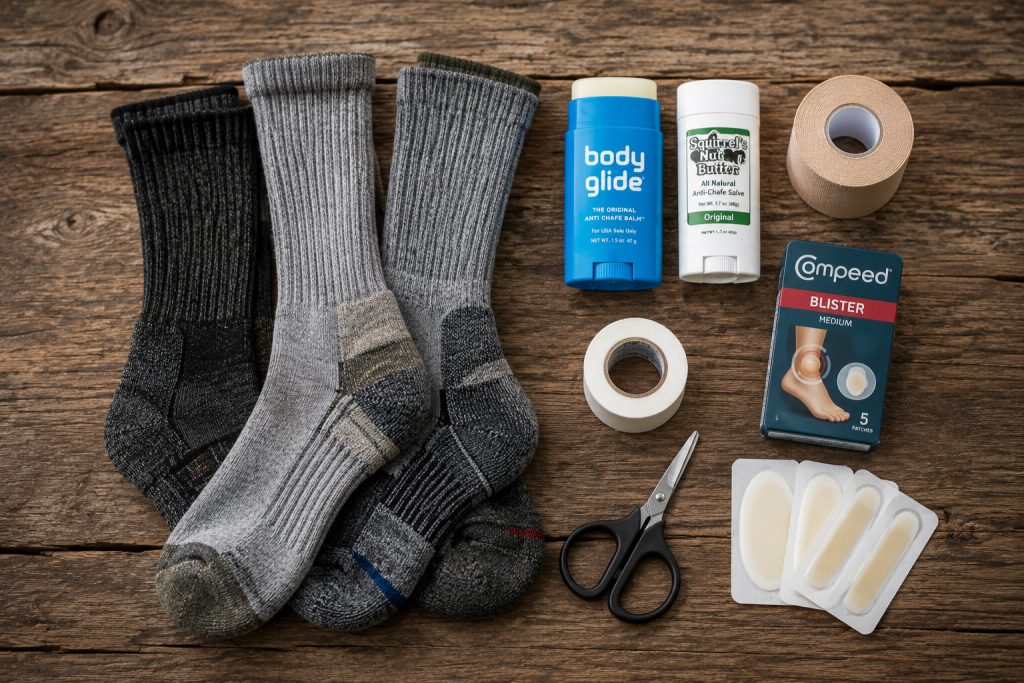
A basic first aid kit is also essential for Kilimanjaro. Even though guides carry group medical supplies, having your own kit ensures you can handle small health issues quickly. Common items include pain relievers, blister plasters, bandages, antiseptic wipes, and any personal medication you may need.

Blisters are very common due to long walking hours, so foot care items are especially important. You should also consider altitude medication if recommended by a doctor, as it can help your body adjust to higher elevations. In addition, items like rehydration salts can help restore energy if you feel weak or dehydrated.

Overall, proper hydration tools and a well-prepared first aid kit are key to staying healthy, strong, and comfortable during your Kilimanjaro climb.

Important Gear for Safety and Comfort

What important gear do you need for safety and comfort on Mount Kilimanjaro, and why is it necessary? The answer is that you need specific equipment that helps you stay safe, stable, and comfortable during long hiking days and extreme conditions. Kilimanjaro is not only about walking it also includes cold nights, steep paths, and summit trekking in darkness. Having the right gear makes the journey safer and much easier, especially for first-time climbers.

Headlamp (for summit night)

A headlamp is one of the most important safety items on Kilimanjaro. During summit night, climbers usually start walking very early in the morning, often around midnight or 1 a.m., when it is completely dark. A headlamp allows you to see the trail clearly while keeping your hands free for balance and trekking poles. This is very important because the path to the summit can be steep, rocky, and tiring. A good headlamp should be lightweight, bright, and have extra batteries, since cold temperatures can reduce battery life quickly.

Trekking Poles

Trekking poles are extremely helpful for balance and reducing strain on your legs. The Kilimanjaro trail includes long downhill sections that can put pressure on your knees, and uphill sections that require extra support. Trekking poles help distribute your weight and make walking more stable, especially on loose gravel or slippery paths. Many beginners find that poles reduce fatigue and help them maintain a steady pace, which is important for altitude adjustment.

Gloves, Hat, and Sunglasses

Gloves, hats, and sunglasses are essential for protecting your body from cold, sun, and wind. At higher altitudes, temperatures can drop below freezing, so warm gloves are needed to keep your hands comfortable and functional. A warm hat helps retain body heat, especially during cold nights and summit attempts. Sunglasses are equally important because the sun’s reflection on snow and bright landscapes can be very strong, causing eye strain or discomfort. UV-protected sunglasses help protect your eyes during the entire climb.

Overall, these essential gear items improve your safety, comfort, and performance on Mount Kilimanjaro. With proper equipment, beginners can handle changing conditions more confidently and focus on reaching the summit successfully.

Personal Items You Should Not Forget

What personal items should you bring for Mount Kilimanjaro, and why are they important? The answer is that small personal essentials help you stay clean, protected, and comfortable throughout the climb. Even though Kilimanjaro is a remote mountain, you still need basic hygiene and skin protection items because you will be hiking for several days in different weather conditions. These items may seem small, but they make a big difference in your overall comfort and health during the trek.

Toiletries

Basic toiletries are necessary for maintaining hygiene on the mountain. You should pack items such as a toothbrush, toothpaste, biodegradable soap, toilet paper, and hand sanitizer. Since camping conditions are basic, you need simple and compact products that are easy to use and carry. Keeping clean during the trek helps you feel more comfortable and reduces the risk of infections. Hand sanitizer is especially important because access to clean water is limited at certain points during the climb.

Sunscreen and Lip Balm

Sun protection is extremely important on Mount Kilimanjaro. At higher altitudes, the sun becomes stronger because there is less atmosphere to filter UV rays. This means you can get sunburned even when it feels cold. A high-SPF sunscreen protects your skin from damage during long hours of walking. Lip balm is also essential because cold wind and strong sun can quickly dry out your lips, causing cracks and discomfort. Using sunscreen and lip balm regularly helps protect your skin throughout the journey.

Wet Wipes and Towel

Wet wipes are very useful on Kilimanjaro because shower facilities are not available during the trek. They help you clean your face, hands, and body after long hiking days, making you feel fresh and comfortable. A small quick-dry towel is also important for drying yourself or cleaning up when needed. These items are lightweight but very effective for maintaining hygiene in a mountain environment.

Overall, personal items like toiletries, sun protection, and wet wipes help you stay clean, healthy, and comfortable. Even though they are simple, they play an important role in making your Kilimanjaro experience more enjoyable and manageable.

What NOT to Pack

What should you avoid packing for Mount Kilimanjaro, and why does it matter? The answer is that carrying the wrong items can make your climb much harder, slower, and more uncomfortable. Kilimanjaro is a trekking mountain, not a casual trip, so every extra kilogram adds pressure on your body and affects your energy. Packing smart is just as important as packing the right items.

Heavy Unnecessary Items

One of the biggest mistakes first-time climbers make is bringing heavy items they do not actually need. Things like extra gadgets, large books, unnecessary electronics, or too many luxury items only increase the weight of your bag. Since porters carry your main luggage within a strict weight limit, overpacking can also cause problems and extra stress. The key rule is simple: if an item is not essential for warmth, safety, or basic comfort, it is better to leave it behind.

Too Many Clothes

Another common mistake is packing too many clothes. Kilimanjaro requires a layered clothing system, not a large wardrobe. Many beginners think they need different outfits for each day, but this is unnecessary. You will repeat outfits during the climb, and that is completely normal. Bringing too many clothes makes your bag heavier and harder to manage. Instead, focus on a few high-quality, warm, and quick-drying layers that can be reused and adjusted depending on weather conditions.

Hard Suitcases (Not Suitable for Trekking)

Hard suitcases are not suitable for Kilimanjaro at all. The mountain requires soft, waterproof duffel bags because they are easier for porters to carry and fit better in storage areas. Hard suitcases are bulky, difficult to transport on rough terrain, and can easily get damaged. They are also inconvenient during transfers from vehicles to camps. A flexible, durable duffel bag is always the best choice for this type of adventure.

Overall, avoiding unnecessary weight, overpacking clothes, and using the wrong luggage type will make your Kilimanjaro experience smoother, safer, and more enjoyable. Packing light and smart is one of the most important steps toward a successful climb.

Frequently Asked Questions (FAQ)

What is the most important thing to pack for Kilimanjaro?

The most important items are warm layered clothing, good hiking boots, a waterproof jacket, and a headlamp. These items protect you from cold weather, rough terrain, and help you stay safe during night climbing on summit day.

How many clothes should I pack for Kilimanjaro?

You do not need many clothes. It is better to pack a small number of high-quality layers that you can reuse. Most climbers rotate 2 to 3 sets of base layers, a few warm mid-layers, and one outer waterproof set.

Can I wear sneakers or normal shoes on Kilimanjaro?

No, you should not use sneakers or normal shoes. You need strong, waterproof hiking boots that support your ankles and protect your feet on rocky and uneven paths. Proper boots also reduce the risk of injury and blisters.

Do I need a sleeping bag for Kilimanjaro?

Yes, a warm sleeping bag is very important, especially for cold nights at higher altitude. Most tour companies also recommend a sleeping bag rated for freezing temperatures.

Is it better to pack light or heavy for Kilimanjaro?

It is always better to pack light and smart. Heavy bags make the climb harder and increase fatigue. Only pack essential items like clothing layers, safety gear, and personal necessities.

What should I avoid packing for Kilimanjaro?

You should avoid heavy unnecessary items, too many clothes, and hard suitcases. These items make traveling and trekking more difficult and are not suitable for mountain conditions.

Do I need special gear for summit night?

Yes, summit night requires extra gear such as a headlamp, warm gloves, thick jacket, hat, and trekking poles because temperatures drop very low and you will be walking in the dark for several hours.

Conclusion

Climbing Mount Kilimanjaro may look challenging at first, but with the right preparation, it is absolutely achievable for beginners. The key to a successful climb is not only fitness, but also packing smart and choosing the right equipment for the changing mountain conditions. From warm layered clothing to strong hiking boots and essential safety gear, every item you bring plays an important role in your comfort and success.

Kilimanjaro is a mountain of many environments, starting from rainforest at the base and rising to freezing temperatures at the summit. Because of these extreme changes, having a clear and well-planned packing list helps you stay ready for every stage of the journey. It also reduces stress, prevents unnecessary weight, and ensures you do not forget important essentials.

For first-time climbers, the most important lesson is to keep things simple and practical. Do not overpack, focus on quality gear, and make sure everything you carry has a purpose. With good preparation and the right mindset, you can fully enjoy the experience and increase your chances of reaching Uhuru Peak successfully.

In the end, Kilimanjaro is not just about reaching the top it is about the journey, the preparation, and the achievement. With proper planning, beginners can turn this dream into reality and enjoy one of the most unforgettable adventures in Africa.

Climbers on Mount Kilimanjaro experiencing high altitude conditions and symptoms of altitude sickness

Mount Kilimanjaro Altitude Sickness

Mount Kilimanjaro Altitude Sickness: Symptoms, Prevention and Tips

 Introduction

What is altitude sickness, and why do so many climbers talk about it when planning to climb Mount Kilimanjaro? The answer is that altitude sickness is a common condition that can affect people when they move quickly to high elevations where the air has less oxygen. On Mount Kilimanjaro, this becomes an important topic because the mountain rises to 5,895 meters above sea level, making it one of the highest free-standing mountains in the world.

Altitude sickness happens because your body needs time to adjust to lower oxygen levels as you climb higher. At lower altitudes, breathing feels normal because there is enough oxygen in the air. However, as you go higher on Kilimanjaro, the air becomes thinner, and your body must work harder to get the oxygen it needs. This change can cause symptoms like headache, tiredness, dizziness, or nausea, especially if you ascend too quickly without proper acclimatization.

Kilimanjaro is unique because climbers start in warm rainforest zones and move through different environments up to freezing conditions near the summit. This fast change in altitude makes the body adjustment even more challenging, especially for beginners who may not have experience with high-altitude trekking.

Understanding altitude sickness is very important for first-time climbers because it helps you prepare mentally and physically before the journey. Many people assume that fitness alone is enough, but in reality, altitude is the main challenge on Kilimanjaro. Knowing how your body reacts to height can help you make better decisions during the climb, such as walking slowly, drinking enough water, and choosing the right route.

In simple terms, altitude sickness is not something to fear, but something to understand. With the right knowledge and preparation, beginners can reduce the risks and enjoy a safer and more successful journey to the Roof of Africa.

What Is Altitude Sickness on Mount Kilimanjaro?

What exactly is altitude sickness on Mount Kilimanjaro? The answer is that it is a condition that can happen when your body struggles to adjust to the lower oxygen levels found at high elevations. As you climb higher on Kilimanjaro, your body receives less oxygen with every breath, and this change can affect how you feel physically and mentally.

Altitude sickness is not a disease, but a natural reaction of the body to fast changes in height. Many climbers experience it when they move too quickly from low altitude areas to higher camps without giving their body enough time to adapt. On Mount Kilimanjaro, this is especially important because climbers ascend from warm, lowland areas into very high, cold environments within a few days.

The main reason altitude sickness happens is the decrease in oxygen pressure as you go higher. Even though the air still contains oxygen, the amount your body can absorb becomes lower at higher altitudes. This means your lungs and blood must work harder to deliver oxygen to your brain and muscles. If your body does not adjust properly, you may start feeling symptoms such as headache, tiredness, or dizziness.

On Kilimanjaro, the altitude increases very quickly compared to normal hiking conditions. This rapid change is what makes altitude sickness more common for climbers, especially beginners who are not used to high elevations. That is why guides always recommend walking slowly and allowing the body enough time to adapt during the climb.

In simple terms, altitude sickness on Mount Kilimanjaro is your body’s response to less oxygen in the air. Understanding this helps climbers prepare better, move at the right pace, and increase their chances of reaching the summit safely.

Symptoms of Altitude Sickness

What are the symptoms of altitude sickness on Mount Kilimanjaro? The answer is that symptoms can appear in different stages, from mild signs that are common and manageable, to severe symptoms that require immediate attention. Recognizing these signs early is very important for a safe and successful climb because it helps climbers react before the condition becomes worse.

Altitude sickness affects people differently, but most climbers will notice changes as they go higher on Kilimanjaro. These symptoms usually happen because the body is getting less oxygen and is trying to adjust to the new environment. Understanding both mild and severe symptoms helps beginners stay alert and prepared during the trek.

Mild Symptoms

Mild symptoms are the first signs that your body is adjusting to high altitude. These symptoms are common and do not always mean you must stop climbing, but they should not be ignored.

  • Headache is one of the most common early signs and may feel like a constant pressure in the head.
  • Tiredness can appear even after a short walk, as your body uses more energy to get oxygen.
  • Dizziness may occur when standing or walking slowly, especially at higher camps.

These mild symptoms often improve when climbers rest, drink enough water, and move at a slower pace.

Severe Symptoms

Severe symptoms are more serious and require immediate action. If they appear, climbers should not continue ascending.

  • Vomiting can happen when the body is struggling to adjust to low oxygen levels.
  • Difficulty breathing may feel like shortness of breath even when resting.
  • Confusion can affect thinking clearly and may cause difficulty following instructions.

These symptoms are warning signs that the body is not coping well with altitude and should be taken very seriously. On Kilimanjaro, guides are trained to monitor these signs and take action to keep climbers safe.

In simple terms, knowing the symptoms of altitude sickness helps climbers react early, stay safe, and improve their chances of reaching the summit successfully.

How to Prevent Altitude Sickness on Kilimanjaro

How can you prevent altitude sickness on Mount Kilimanjaro? The answer is that you cannot fully remove the risk, but you can greatly reduce it by following the right climbing habits. Prevention is very important because it helps your body adjust slowly to high altitude and lowers the chances of getting sick during the trek. Most successful climbers reach the summit not because they are the fittest, but because they climb smartly and take care of their body along the way.

Climb Slowly (important)

One of the most effective ways to prevent altitude sickness is to climb slowly. On Kilimanjaro, guides often use the phrase “pole pole,” which means “slowly slowly.” Walking at a steady, slow pace allows your body to adjust to decreasing oxygen levels. Rushing increases the risk of fatigue and altitude symptoms, while a slow pace improves your chances of reaching the summit safely.

Stay Hydrated

Drinking enough water is very important during the climb. At high altitude, your body loses more water through breathing and sweating, even if you do not feel thirsty. Staying hydrated helps your body function properly and can reduce headaches and tiredness. Climbers are usually advised to drink small amounts of water regularly throughout the day.

Choose Longer Routes

Choosing a longer route is one of the best ways to prevent altitude sickness. Routes that take more days give your body extra time to adjust to higher elevations. This gradual ascent reduces stress on the body and increases your chances of a successful summit. Short routes may be cheaper, but they give less time for acclimatization.

Proper Acclimatization

Proper acclimatization means allowing your body enough time to adapt to altitude changes. This includes spending extra days on the mountain, sleeping at different elevations, and following the “climb high, sleep low” approach when possible. Good acclimatization is one of the key reasons experienced climbers reach the summit successfully.

In simple terms, preventing altitude sickness on Kilimanjaro is about patience, hydration, and choosing the right route. With these habits, climbers can greatly improve their safety and overall experience on the mountain.

Tips to Handle Altitude on the Mountain

How should you handle altitude while climbing Mount Kilimanjaro? The answer is that you need to support your body with good habits during the climb. Even if you feel strong at the beginning, altitude becomes more challenging as you go higher. The key is to stay calm, follow guidance, and take care of your energy every day on the mountain.

Listen to Your Guide

Your mountain guide is your most important support during the climb. Guides are trained to recognize early signs of altitude sickness and understand how the body reacts at different heights. Listening carefully to their instructions can help you stay safe and make the right decisions at the right time. If a guide tells you to slow down or rest, it is important to follow their advice immediately.

Rest When Needed

Rest is very important at high altitude. Your body uses more energy than usual, even when walking slowly. Taking short breaks during the hike and getting enough sleep at camp helps your body recover and adjust. Ignoring tiredness can increase the risk of altitude sickness, so it is better to rest early instead of pushing too hard.

Eat Enough Food

Eating well gives your body the energy it needs to cope with low oxygen levels. Even if you do not feel very hungry, it is important to eat all meals provided during the climb. Carbohydrates and warm meals help maintain energy and keep your body strong throughout the trek.

Don’t Rush to the Summit

One of the biggest mistakes climbers make is moving too fast on summit day. Rushing can quickly exhaust your body and make altitude symptoms worse. A slow and steady pace is the safest way to reach the top. Remember that reaching the summit is not a race, but a journey that requires patience.

In simple terms, handling altitude on Kilimanjaro is about listening, resting, eating well, and moving slowly. These simple habits can make a big difference in your safety and success on the mountain.

Is Altitude Sickness Dangerous?

Is altitude sickness on Mount Kilimanjaro dangerous? The answer is that it can become serious if it is ignored, but it is usually manageable when climbers act early and follow proper guidance. In most cases, altitude sickness starts with mild symptoms, but if a person continues to climb without rest or treatment, it can develop into a more severe condition that affects breathing, balance, and clear thinking.

The main risk of altitude sickness is that it reduces the body’s ability to function normally at high elevation. When oxygen levels are too low for the body to adapt, symptoms can get worse quickly. This is why climbers are always advised not to ignore early warning signs such as headache, dizziness, or unusual tiredness. Acting early is the safest way to prevent the condition from becoming dangerous.

On Mount Kilimanjaro, guides play a very important role in keeping climbers safe. Professional guides are trained to monitor each climber’s health throughout the journey. They regularly check how you are feeling, how you are walking, and whether you show any signs of altitude problems. If needed, they can make decisions such as slowing the pace, giving extra rest, or stopping the climb to protect your health.

Early signs of altitude sickness are extremely important because they are your body’s warning system. Recognizing these signs early allows climbers to take action before the situation becomes worse. Simple steps like resting, drinking water, or descending slightly can make a big difference in recovery.

In simple terms, altitude sickness can be dangerous if ignored, but it is usually safe when managed properly. With the help of experienced guides and careful attention to early symptoms, climbers can reduce the risks and continue their journey safely toward the summit of Kilimanjaro.

FAQ Section

Who gets altitude sickness?

Altitude sickness can affect anyone, even very fit people. It does not depend only on age or fitness level. What matters most is how your body adjusts to lower oxygen as you climb higher on Mount Kilimanjaro. Some people feel symptoms quickly, while others adjust more easily, but no one is completely immune.

Can beginners avoid altitude sickness?

Beginners cannot fully avoid altitude sickness, but they can greatly reduce the risk. The key is to climb slowly, stay hydrated, choose longer routes, and listen to your guide. Proper preparation and good pacing make a big difference in how your body reacts to altitude.

Which route is safest for altitude sickness?

Longer routes are generally safer because they give your body more time to adjust. Routes like Lemosho and Northern Circuit are considered best for acclimatization, while Machame (7 days) is also a good balance of safety and popularity.

How long does it take for the body to adjust to altitude?

Most climbers need a few days to start adjusting. This is why longer Kilimanjaro routes (6–8 days or more) are recommended. The slower the ascent, the better your body adapts to reduced oxygen levels.

When should you stop climbing?

You should stop climbing if symptoms become severe, such as strong headache, vomiting, confusion, or difficulty breathing. In such cases, guides usually recommend resting or descending immediately for safety.

Does fitness prevent altitude sickness?

Good fitness helps you climb easier, but it does not fully prevent altitude sickness. Even strong athletes can feel symptoms at high altitude because the main challenge is oxygen, not strength.

What is the best way to prepare before climbing Kilimanjaro?

The best preparation includes regular walking or hiking, cardio exercise, staying hydrated, and mentally preparing for slow trekking. Understanding altitude sickness before the climb also helps you react better on the mountain.

Conclusion

Altitude sickness is one of the most important challenges to understand before climbing Mount Kilimanjaro. While it can affect any climber, it is not something to fear if you are well prepared and aware of how your body reacts at high altitude. The key is to recognize that the mountain becomes harder not because of distance or fitness, but because of the decreasing oxygen as you go higher.

The good news is that altitude sickness can be managed and reduced with the right approach. Climbing slowly, staying hydrated, choosing longer routes, and following your guide’s instructions all play a major role in keeping you safe. Most climbers who take their time and listen to their bodies are able to adjust well and continue their journey toward the summit.

For beginners, the most important lesson is patience. Kilimanjaro is not a race. It is a step-by-step journey where your body needs time to adapt. When you understand altitude sickness and prepare properly, you increase your chances of reaching Uhuru Peak safely and enjoying the experience.

In simple terms, with the right knowledge, good preparation, and smart decisions on the mountain, altitude sickness becomes manageable and your dream of climbing Kilimanjaro becomes achievable.

Mount Kilimanjaro view showing complete guide for first time trekkers climbing Africa’s highest mountain

First-Time Trekker’s Kilimanjaro Guide

Mountain Kilimanjaro Climb Complete Guide for First Time Trekkers

First-time trekkers can successfully climb Kilimanjaro with proper preparation, as it is a non-technical trek that does not require climbing skills. Success mainly depends on choosing the right route (7 to 8 days recommended), building good cardio fitness, and preparing for high altitude conditions. Slow pacing (“pole pole”), proper hydration, and guided support are key to reaching the summit safely.

Climbing Mount Kilimanjaro is one of the most rewarding adventures in the world, especially for first-time trekkers looking to challenge themselves and experience Africa’s highest peak. Standing at 5,895 meters (19,341 feet), Mount Kilimanjaro attracts thousands of climbers every year, not because it is the easiest mountain, but because it is one of the most accessible high-altitude summits without technical climbing skills. For beginners, this makes it both exciting and achievable with the right preparation.

If you are planning your first Mount Kilimanjaro climb, it is normal to have many questions. How difficult is it? What is the best time to go? Which route should you choose? And how much does it cost? These are important considerations that can greatly affect your experience and your chances of reaching the summit. Unlike regular hiking trips, climbing Kilimanjaro requires careful planning, proper acclimatization, and guidance from experienced professionals.

This complete guide targets first-time trekkers and provides clear, practical, and reliable information. You will learn everything you need to know before your climb, including how to choose the right route, when to travel for the best weather, what gear to pack, and how to prepare physically and mentally. Understanding these factors will not only improve your chances of success but also make your journey safer and more enjoyable.

Whether your goal is adventure, personal challenge, or simply experiencing the beauty of Tanzania’s landscapes, this guide will help you take the first step toward a successful Mount Kilimanjaro climb.

What is Mount Kilimanjaro?

Mount Kilimanjaro is the highest mountain in Africa and one of the most famous trekking destinations in the world. It is a free-standing volcanic mountain, meaning it rises alone from the surrounding plains without being part of a mountain range. This makes it visually dramatic and globally recognized. Every year, thousands of trekkers from different countries travel to Tanzania with the goal of reaching its summit, Uhuru Peak. For many first-time trekkers, we see Kilimanjaro as a dream adventure because it offers a rare combination of accessibility, natural beauty, and personal challenge.

Location (Tanzania)

Mount Kilimanjaro is located in northern Tanzania, near the border with Kenya. It sits within the protected area of Kilimanjaro National Park, which we manage to preserve its unique ecosystem and wildlife. The mountain is approximately a few hours’ drive from the city of Arusha, which is the main hub for most climbing expeditions and safari tours in Tanzania.

The location of Kilimanjaro is one of the reasons it is so popular among international travelers. Visitors can easily combine a Kilimanjaro climb with a safari experience in famous parks like Serengeti or Ngorongoro. The surrounding region is also rich in culture, with local communities such as the Chagga people living on the mountain’s lower slopes. This makes the climb not only a physical adventure but also a cultural experience.

Because it is located near the equator, Kilimanjaro has a unique climate system. Instead of traditional seasonal weather patterns, the mountain has multiple ecological zones stacked on top of each other, ranging from rainforest at the base to arctic conditions at the summit. This makes the journey feel like traveling through different continents within a single climb.

Mount Kilimanjaro stands at 5,895 meters (19,341 feet) above sea level, making it the tallest mountain in Africa and the highest free-standing mountain in the world. Its height is one of the main reasons why it is both challenging and rewarding for climbers.

Unlike many other high mountains that require technical climbing skills, we climb Kilimanjaro by trekking. However, the real difficulty comes from the altitude. As climbers ascend higher, oxygen levels decrease significantly, which can affect physical performance and stamina. This is why proper acclimatization is very important during the climb.

Why it is popular

Mount Kilimanjaro is popular for several powerful reasons that attract both beginners and experienced trekkers. We consider it a non-technical climb, so it does not require ropes, crampons, or advanced mountaineering skills.This makes it one of the most accessible high-altitude mountains in the world.

Another reason for its popularity is its global recognition as part of the Seven Summits challenge, which involves climbing the highest mountain on each continent. Many adventurers use Kilimanjaro as a stepping stone toward bigger mountaineering goals.

The mountain is also famous for its breathtaking scenery. The landscapes change dramatically as climbers ascend, offering views of dense forests, unique wildlife, volcanic rock formations, and glacier-covered peaks. This variety makes the journey visually unforgettable.

Finally, reaching the summit at Uhuru Peak is a life-changing achievement. Standing at the “Roof of Africa” gives climbers a powerful sense of success and accomplishment. For many first-time trekkers, this emotional reward is the main reason they choose Kilimanjaro over other mountains in the world.

How Hard is Climbing Kilimanjaro?

We often see Mount Kilimanjaro as a “beginner-friendly” high mountain, but this idea can be misleading. While it is true that it does not require technical mountaineering skills, it is still a serious physical and mental challenge. Many first-time trekkers underestimate it because there is no climbing equipment involved, but the real difficulty comes from the environment, altitude, and endurance needed over several days. Understanding each challenge clearly is important for successful preparation and summit success.

Not Technical Climbing (But Still Demanding)

One of the biggest advantages of Kilimanjaro is that it is a non-technical trekking mountain, meaning you do not need ropes, helmets, or climbing experience. We follow well-established hiking trails that gradually take you from the base of the mountain to the summit. This is why many beginners choose Kilimanjaro as their first major mountain adventure.

However, “non-technical” does not mean “easy.” The terrain changes constantly as you climb. You start in dense rainforest, move through rocky moorlands, and eventually enter a cold, icy desert near the summit. Some sections are steep and require careful walking, especially when the air becomes thinner. Even though you are only walking, doing so for many hours each day at increasing altitude makes the journey physically exhausting. The combination of long trekking distances, uneven terrain, and changing weather conditions still requires strong endurance and discipline.

Altitude is the Main Challenge (Most Important Factor)

The most difficult part of climbing Kilimanjaro is not the distance it is the high altitude. As you ascend, oxygen levels gradually decrease, making it harder for your body to perform normal physical activities. At the summit, the oxygen level is nearly half of what it is at sea level.

This low oxygen environment can affect climbers in different ways. Some climbers feel constant tiredness, shortness of breath, headaches, nausea, or difficulty sleeping. We call these symptoms altitude sickness, and they can affect even very fit individuals.

To manage altitude, climbers must ascend slowly and allow their bodies time to adjust.We call this acclimatization, and longer routes such as Lemosho or Machame give the body more time to adapt. Hydration is also very important, as drinking enough water helps the body cope better with altitude changes. The local guide phrase “pole pole” (slowly, slowly) is not just advice it is a survival strategy on the mountain.

Fitness Needed for the Climb (Physical and Mental Preparation)

Even though Kilimanjaro is non-technical, it still requires good physical fitness and mental strength. We expect climbers to handle long trekking days that usually last 5 to 8 hours, and sometimes longer depending on the route and pace. On summit night, the challenge becomes even more intense, with continuous walking for 12 to 15 hours in cold, dark, and windy conditions.

Physical preparation should start at least a few weeks or months before the climb. Activities like hiking on hills, running, cycling, swimming, and stair climbing help build stamina and leg strength. Endurance is more important than speed, because the climb is about long-distance effort over many days rather than short bursts of energy. Strong legs and good cardiovascular fitness make a big difference when trekking uphill with a backpack.

Mental fitness is equally important and often overlooked. Many climbers struggle not because of their physical condition, but because of fatigue, cold weather, or slow progress. Staying mentally strong means being patient, focused, and determined even when conditions become uncomfortable. It also means accepting that the climb is slow and challenging, and that success depends on persistence rather than speed.

In the end, climbing Kilimanjaro is a combination of physical endurance, altitude adaptation, and mental resilience. With the right preparation and mindset, even first-time trekkers can successfully reach the summit and experience one of the most rewarding achievements in the world of adventure travel.

Best Time to Climb Mount Kilimanjaro

The best time to climb Mount Kilimanjaro is during the dry seasons, when weather conditions are more stable, skies are clearer, and trekking paths are less slippery. Choosing the right time is very important for first-time trekkers because it directly affects visibility, comfort, and overall summit success. We recommend climbing Kilimanjaro year-round, but some months offer better conditions due to rainfall patterns and temperature changes.

The most recommended periods for climbing are January to March and June to October, as these months provide the best combination of clear weather and safer trekking conditions. During these times, climbers enjoy better trail conditions, beautiful views, and a higher chance of reaching the summit.

January to March – Quiet Season with Cooler Conditions

We find the mountain generally quieter between January and March compared to the peak tourist season. The weather is often cooler, and there is a higher chance of snow at the summit, creating a dramatic and beautiful landscape.

These months are ideal for trekkers who prefer fewer crowds and a more peaceful climbing experience. However, temperatures can drop significantly at higher altitudes, so proper cold-weather gear is essential.

June to October – Best Weather and Peak Season

We consider the period from June to October the most popular and busiest time to climb Kilimanjaro. This is the main dry season in Tanzania, meaning there is very little rain and the skies are usually clear.

These conditions make trekking easier and more comfortable, especially for beginners. Visibility is excellent, allowing climbers to enjoy stunning views of the surrounding landscapes and the glaciers near the summit. Because of the stable weather, this season also records the highest number of successful summit attempts.

Choosing the Right Time for Your Climb

Both recommended seasons offer excellent climbing conditions, but the best choice depends on personal preference. Some trekkers prefer the quiet atmosphere of January to March, while others choose June to October for the most reliable weather.

In both cases, proper preparation, physical fitness, and choosing a longer acclimatization route remain key factors for success.

Kilimanjaro Routes Explained

When planning a climb on Mount Kilimanjaro, choosing the right route is one of the most important decisions for first-time trekkers. Each route offers a different experience in terms of scenery, difficulty, duration, and success rate. Some routes are more scenic but longer, while others are shorter but more direct. Understanding these routes helps climbers select the best option based on fitness level, budget, and personal preference.

Machame Route

The Machame Route is one of the most popular trekking paths on Mount Kilimanjaro, often referred to as the “Whiskey Route” because it is more challenging than easier options like Marangu. We know it for its beautiful scenery and high summit success rate, and we make it a top choice for many first-time trekkers who want both adventure and a strong chance of reaching the top.

This route typically takes 6 to 7 days, allowing better acclimatization compared to shorter routes. Climbers pass through diverse landscapes including dense rainforest, moorland, and alpine desert before reaching the summit. One of the main advantages of Machame is its “climb high, sleep low” profile, which helps the body adjust gradually to altitude changes. Although it includes steeper sections and longer walking days, we consider it one of the best routes for scenic beauty and overall experience.

Lemosho Route

We regard the Lemosho Route as one of the most scenic and successful routes on Kilimanjaro.

It starts on the western side of the mountain and offers a quieter, more remote experience in the early days of the trek. This makes it ideal for trekkers who want fewer crowds and a more peaceful connection with nature.

The route usually takes 7 to 8 days, which provides excellent acclimatization and increases the chances of reaching the summit successfully. Climbers enjoy breathtaking views of untouched rainforest, wildlife, and wide open landscapes before merging with the Machame Route later in the journey. We recommend the Lemosho Route for beginners because its longer duration and gradual ascent give climbers a safer, more comfortable experience and a higher summit success rate.

Marangu Route

The Marangu Route stands as the oldest and most established route on Kilimanjaro, and we often call it the “Coca-Cola Route” because many trekkers consider it the easiest in terms of terrain.Unlike other routes where climbers sleep in tents, Marangu offers hut accommodation, making it more comfortable for some trekkers.

This route typically takes 5 to 6 days, which is shorter than other options. However, the shorter duration also means less time for acclimatization, which can lower summit success rates. The trail is more direct and less scenic compared to routes like Lemosho or Machame, but it is still a good option for climbers who prefer basic shelter and a more structured path.It often attracts trekkers with limited time, but we recommend careful preparation due to the faster ascent.

Rongai Route

Here’s the active-voice version:

The Rongai Route approaches Kilimanjaro from the northern side near the Kenyan border, and we consider it the quietest route on the mountain. It is less crowded, making it a great option for trekkers who want a more remote and peaceful experience away from the busier southern trails.

This route usually takes 6 to 7 days, and its gradual slope makes it one of the easier ascents.Because it is drier than other routes, it is also a good choice during the rainy season. The scenery is different from other routes, featuring dry landscapes, wide views, and a unique approach to the summit. Although it has slightly less dramatic scenery in the early stages, it offers a steady and manageable climb, especially suitable for beginners who prefer a quieter trekking experience.

Cost of Climbing Kilimanjaro

The cost of climbing Mount Kilimanjaro varies depending on the route, number of days, level of comfort, and the tour operator you choose. Unlike a simple hiking trip, Kilimanjaro operates as a fully supported expedition that includes guides, porters, food, park fees, and camping or hut accommodation. Understanding the cost breakdown is very important for first-time trekkers so you can plan your budget properly and avoid choosing unsafe or unrealistically cheap options.

Below, we break down the main cost components of a Kilimanjaro climb.

Kilimanjaro Climbing Cost Breakdown

Cost ComponentWhat It IncludesWhy It Matters
Park FeesEntry fees, camping/hut fees, rescue fees, conservation chargesThese are mandatory payments to Kilimanjaro National Park and support conservation, rescue services, and maintenance of the mountain environment
Guide & Crew CostsProfessional mountain guides, assistant guides, cooks, porters, staff insurance, wagesEnsures safety on the mountain, proper navigation, daily food preparation, and carrying of equipment and supplies
EquipmentSleeping bags, jackets, boots, trekking poles, backpacks, rental gear if neededEssential for survival in different climate zones, from rainforest conditions at the base to freezing temperatures near the summit
Budget ClimbsGroup tours, basic camping setups, shared services, standard mealsMore affordable option for travelers who want a cost-effective adventure while still receiving full mountain support
Luxury ClimbsPrivate guides, upgraded tents, better meals, personalized service, smaller groupsOffers higher comfort, more privacy, and a flexible climbing experience with increased attention from guides

Here’s the active-voice version:

Safety standards and operational requirements mainly influence the cost of a Kilimanjaro climb. Park fees alone make up a significant portion of the total price because the mountain is located inside a protected national park.We use these non-negotiable fees to maintain trails, protect wildlife, and support rescue operations when needed.

Another major factor is the guide and crew system. Here’s the active-voice version:

We support every climber with a team of guides, porters, and cooks.This system is essential for safety and success because it ensures proper navigation, food preparation, and equipment management throughout the trek. The number of crew members depends on group size and route selection.

Equipment also plays an important role in the overall cost. Because climbers pass through multiple climate zones, from warm forests to freezing summit conditions, proper gear is necessary for safety and comfort. Many operators include gear rental options for those who do not want to purchase expensive equipment.

Finally, the price varies depending on whether you choose a budget group climb or a luxury private experience. Budget climbs are more affordable but use shared services and basic camping, while luxury climbs offer more comfort, privacy, and personalized attention.

In general, investing in a properly organized climb is more important than choosing the cheapest option, because safety, success rate, and overall experience depend heavily on the quality of support provided on the mountain.

Tips for First-Time Trekkers

Climbing Mount Kilimanjaro for the first time is a life-changing experience, but it also requires smart preparation and the right mindset. Many first-time trekkers think fitness alone is enough, but success on the mountain depends on a combination of pacing, hydration, route selection, and mental strength. These practical tips are based on real climbing experience and are essential for increasing your chances of reaching the summit safely and comfortably.

Go Slowly (“Pole Pole”)

One of the most important rules on Kilimanjaro is the Swahili phrase “pole pole,” which means slowly, slowly. This is not just advice it is a survival strategy on the mountain. As you climb higher, your body needs time to adjust to lower oxygen levels. Walking too fast increases the risk of altitude sickness and exhaustion.

Experienced guides always encourage climbers to maintain a slow, steady pace, even when the trail feels easy. Many successful climbers are not the fastest hikers they are the most patient ones. Taking breaks, breathing properly, and keeping a consistent rhythm helps the body adapt gradually and improves your chances of reaching the summit.

Choose a Longer Route

Choosing a longer route is one of the smartest decisions for first-time trekkers. Routes that take more days, such as 7 to 8 days, give your body more time to adjust to altitude changes. This We call this process acclimatization, and it significantly increases summit success rates.

Shorter routes may seem attractive because they cost less time and money, but they often increase the risk of altitude sickness. Longer routes allow a gradual ascent, meaning your body can produce more red blood cells and adjust better to the reduced oxygen levels. That’s why we often recommend routes like Lemosho and Machame for beginners.

Drink Enough Water

Hydration is extremely important during the climb. At high altitude, the body loses water faster due to breathing dry air and increased physical effort. Drinking enough water helps prevent dehydration, reduces fatigue, and supports the body in adjusting to altitude.

We advise climbers to drink at least 3 to 4 liters of water per day.

Even if you do not feel thirsty, regular drinking is necessary. Proper hydration also helps reduce symptoms of altitude sickness such as headaches and dizziness. Many guides encourage small, frequent sips throughout the day rather than drinking large amounts at once.

Train Before Climbing

Physical preparation before the climb greatly improves your experience on the mountain. While Kilimanjaro does not require technical climbing skills, it still demands strong endurance. Training helps your body handle long walking days, steep sections, and changing weather conditions.

Effective training includes activities like hiking, jogging, cycling, stair climbing, and walking long distances with a backpack. The goal is not speed but stamina. Preparing your legs, lungs, and core muscles makes it easier to handle daily trekking for several hours.

Mental preparation is also part of training. Understanding that the climb is slow, sometimes tiring, and mentally challenging helps you stay focused and motivated. Many climbers who fail do so not because of fitness, but because they underestimate the mental challenge of continuous trekking at high altitude.

Listen to Your Guide and Respect Your Body

Another critical tip is to always follow your guide’s instructions. Professional mountain guides understand altitude, weather changes, and trail conditions. They train to monitor your health and help you make safe decisions.

It is also important to listen to your own body. If you feel symptoms like dizziness, nausea, or extreme fatigue, you should speak to your guide immediately. Ignoring early signs of altitude sickness can make the situation worse. Successful climbers are those who balance determination with awareness of their physical limits.

Why Climb with WeWild Travel

WeWild Travel is a trusted local operator in Tanzania offering affordable and personalized Kilimanjaro climbs. As a locally based team, we understand the mountain, the routes, the weather conditions, and the needs of first-time trekkers better than anyone. Our goal is not just to take you to the summit of Mount Kilimanjaro, but to make sure you enjoy a safe, well-organized, and memorable journey from start to finish.

Choosing the right operator is one of the most important decisions for your climb because it directly affects your safety, comfort, and success rate. WeWild Travel focuses on providing a balance of affordability, professionalism, and personalized service so that every climber feels supported throughout the entire expedition.

We commit to delivering a high-quality mountain experience through carefully planned services, experienced guides, and clear communication before and during your climb.

Private Climbs with Expert Guides

We offer private and small-group climbs led by experienced local guides who know every route in detail. Our guides train in altitude management, safety procedures, and emergency response to keep you safe throughout the trek.

Flexible Itineraries

We understand that every traveler is different. That’s why we offer flexible climbing schedules and route options based on your fitness level, time, and preferences. Whether you want a longer acclimatization route or a shorter adventure, we customize the plan for you.

Strong Safety Focus

Safety is our top priority on every climb. We provide proper acclimatization planning, daily health checks, and professional support staff to monitor your condition. Our team makes every decision on the mountain with your well-being in mind.

Excellent Customer Support

From the first inquiry to the final summit, our team is always available to support you. We offer fast communication, clear guidance, and assistance with packing lists, travel planning, and preparation so you feel confident before your journey begins.

With WeWild Travel

With WeWild Travel, you are not just booking a climb you are joining a team that supports you every step of the way, from the base of Kilimanjaro to the summit.t booking a climb you are joining a dedicated team that cares about your success on Mount Kilimanjaro.

Frequently Asked Questions (FAQ) About Climbing Mount Kilimanjaro

Here are some of the most common questions first-time trekkers ask before climbing Mount Kilimanjaro. These answers will help you better understand the climb, prepare properly, and feel more confident before your journey.

Do I need climbing experience to climb Kilimanjaro?

No, you do not need any technical climbing experience to climb Mount Kilimanjaro. It is a trekking mountain, not a technical mountaineering peak. This means you will mainly be walking on established trails. However, good physical fitness and mental preparation are very important because the trek is long and takes place at high altitude.

How long does it take to climb Kilimanjaro?

Most Kilimanjaro climbs take 5 to 9 days, depending on the route you choose. Longer routes such as Lemosho or Machame give your body more time to adjust to altitude. This improves acclimatization and increases your chances of reaching the summit successfully.Most Kilimanjaro climbs take between 5 to 9 days, depending on the route you choose.

What is the hardest part of climbing Kilimanjaro?

The hardest part of the climb is not the walking distance it is the high altitude. As you go higher, oxygen levels decrease, which can cause fatigue, headaches, and altitude sickness. Summit night is also very challenging because it involves many hours of climbing in cold temperatures and darkness.

What is the best time to climb Kilimanjaro?

The best time to climb Kilimanjaro is during the dry seasons: Januaryto March and June toOctober. These months offer better weather conditions, clearer views, and safer trekking paths compared to rainy seasons.

How much does it cost to climb Kilimanjaro?

The cost of climbing Kilimanjaro usually ranges from budget to luxury options. On average, it can cost between $1,500 to $4,000+, depending on the route, number of days, and level of comfort. The price includes park fees, guides, porters, food, and camping or hut accommodation.

What should I pack for Kilimanjaro?

You should pack warm clothing, waterproof jackets, hiking boots, gloves, hats, sunglasses, a sleeping bag, and a daypack. Layered clothing is very important because temperatures change significantly as you move through different climate zones on the mountain

Can beginners successfully climb Kilimanjaro?

Yes, beginners can successfully reach the summit of Mount Kilimanjaro if they prepare properly. Each year, many first-time trekkers achieve the climb. Choosing the right route, maintaining a slow pace, drinking enough water, and carefully following your guide’s instructions all improve your chances of success.

Final Thoughts

Climbing Mount Kilimanjaro is more than just a trek it is a personal journey that tests your endurance, patience, and determination. For first-time trekkers, it may feel challenging at the beginning, but with the right preparation, mindset, and support, it becomes one of the most rewarding experiences in the world. The mountain offers a unique combination of adventure, natural beauty, and personal achievement that stays with you for a lifetime.

Throughout this guide, you have learned what Kilimanjaro is, how difficult the climb can be, the best time to go, the different routes available, the cost breakdown, and essential tips for success. Each of these factors plays an important role in helping you prepare properly. The key takeaway is that success on Kilimanjaro is not about speed or strength alone it is about pacing yourself, choosing the right route, staying hydrated, and respecting altitude.

For beginners, the journey to the summit is as important as reaching the top. Every step through the rainforest, every sunrise above the clouds, and every challenging section of the trail contributes to the full experience. When you finally reach Uhuru Peak, it becomes a moment of achievement that very few people in the world experience.

If you are planning your first climb, make sure you choose a trusted and experienced local operator who can guide you safely from start to finish. Proper planning, good support, and a positive mindset will greatly increase your chances of success.

With the right preparation and determination, your dream of standing on the “Roof of Africa” can become a reality.

How Long Does It Take to Climb Mount Kilimanjaro?

Climbing Mount Kilimanjaro usually takes 5 to 9 days, depending on the route you choose. Shorter routes take less time but are more difficult due to limited acclimatization, while longer routes like Lemosho and Machame take 7 to 8 days and offer a higher summit success rate.

Climbing Mount Kilimanjaro is a dream adventure for many travelers around the world. As the highest mountain in Africa at 5,895 meters, reaching the summit requires proper planning, preparation, and enough time for acclimatization. One of the most common questions climbers ask is: how many days does it take to climb Kilimanjaro?

The answer depends on the route you choose and how well your body adjusts to high altitude. Most Kilimanjaro climbs take between five and nine days. While shorter itineraries may seem attractive, longer routes often provide better acclimatization and higher summit success rates.

In this guide, we will explain how long each route takes, why duration matters for safety and success, and how to choose the right number of days for your climb.

Why Duration Is Important

The duration of your climb is one of the most important factors when planning to summit Mount Kilimanjaro. Many climbers focus on reaching the top as quickly as possible, but spending more time on the mountain significantly increases safety and success rates.

Kilimanjaro is a high-altitude mountain, and as you ascend, the oxygen level decreases. Your body needs time to adjust to these changes. This process is called acclimatization. If you climb too quickly without allowing your body to adapt, you increase the risk of altitude sickness, which is the main reason some climbers fail to reach the summit.

Longer itineraries give your body more time to adjust gradually. Routes that take seven days or more provide better acclimatization and higher summit success rates compared to five- or six-day options. Adding just one extra day on the mountain can greatly improve your chances of safely reaching Uhuru Peak.

Duration is not only about success, but also about comfort and overall experience. A well-paced climb allows you to enjoy the scenery, conserve energy, and reduce physical stress. Choosing the right number of days is therefore essential for a safe, enjoyable, and successful Kilimanjaro adventure.

How Long Does Each Kilimanjaro Route Take?

Climbing Mount Kilimanjaro can take between five and nine days depending on the route you choose. The duration is very important because it affects acclimatization, safety, and summit success rate. Below is an overview of the main routes, including distance, minimum duration allowed by KINAPA (Kilimanjaro National Park Authority), and the recommended duration for beginners.

Lemosho Route

The Lemosho Route is one of the most scenic and successful routes on Kilimanjaro. It starts on the western side of the mountain and crosses the beautiful Shira Plateau before joining the Machame Route.

The total distance is 70 kilometers or 43 miles. The minimum duration allowed under KINAPA rules is six days. However, beginners are strongly advised to choose seven to eight days. The extra day greatly improves acclimatization and increases summit success rates.

Marangu Route

The Marangu Route is the only route that offers hut accommodation instead of camping. It follows the same path for ascent and descent.

The total distance is 72 kilometers or 45 miles. The minimum duration is five days, but this option has a lower success rate due to limited acclimatization. For beginners, six days is recommended for better safety and comfort.

Machame Route

The Machame Route is one of the most popular and scenic routes. It is sometimes called the “Whiskey Route” because it is more challenging than Marangu.

The distance is 62 kilometers or 39 miles. The minimum duration under KINAPA is six days. Beginners should choose seven days for better acclimatization and a higher chance of reaching the summit.

Rongai Route

The Rongai Route approaches the mountain from the northern side near the Kenyan border. It is quieter and drier compared to other routes.

The total distance is 74 kilometers or 46 miles. The minimum duration is five days, but this is not ideal for acclimatization. Beginners are advised to climb for seven days to improve success rates.

Northern Circuit Route

The Northern Circuit is the longest route on Kilimanjaro and offers excellent acclimatization. It circles around the northern slopes of the mountain, providing unique views and fewer crowds.

The distance is 98 kilometers or 61 miles. The minimum duration is eight days, which is also the recommended duration for beginners. This route has one of the highest summit success rates.

Umbwe Route

The Umbwe Route is the shortest and steepest route. It is physically demanding and best suited for experienced climbers.

The distance is 53 kilometers or 33 miles. The minimum duration is six days. Beginners should choose seven days if attempting this route, but it is generally not recommended for first-time climbers due to rapid ascent.

Other Factors That Affect the Length of a Kilimanjaro Climb

Climbing Mount Kilimanjaro is not only determined by the route you choose. There are several other important factors that can affect how long your climb will take.

The first factor is your physical fitness and preparation. Climbers who are physically prepared and have previous hiking experience may adapt more easily to long trekking days. However, even strong climbers need enough time for proper acclimatization at high altitude.

The second factor is acclimatization. As you ascend higher, oxygen levels decrease. Your body needs time to adjust to these changes. If you climb too quickly without allowing proper acclimatization, you increase the risk of altitude sickness. For this reason, many climbers add an extra acclimatization day to improve safety and summit success.

Weather conditions also play an important role. During the rainy season, trails can become muddy and slippery, which may slow down progress. Extreme weather conditions can also affect daily hiking time and overall itinerary planning.

Another factor is the itinerary design. Some trekking programs include an additional acclimatization day or a slower ascent profile. Although this increases the total number of days, it significantly improves success rates and comfort.

Finally, group pace can influence the duration of the climb. When trekking in a group, the pace is usually adjusted to the slowest member to ensure safety and proper acclimatization. A steady and slow pace is recommended for reaching the summit successfully.

For these reasons, the length of a Kilimanjaro climb depends not only on the route itself but also on preparation, acclimatization, weather, itinerary structure, and group dynamics.

Fitness Level and Hiking Experience

Your fitness level and hiking experience play a major role in your success when climbing Mount Kilimanjaro. Although Kilimanjaro is considered a non-technical mountain, it still requires physical endurance, mental strength, and preparation.

A good fitness level helps your body handle long walking hours, steep trails, and consecutive trekking days. Most climbers walk between five and eight hours per day, and summit night can take up to twelve hours of hiking. Strong legs, good cardiovascular endurance, and stamina make the climb more manageable and enjoyable.

Hiking experience is also important. If you have experience trekking for several days in a row, carrying a small daypack, and walking on uneven terrain, you will feel more confident on the mountain. Experience teaches you how to pace yourself, conserve energy, and stay motivated.

However, you do not need to be a professional athlete to climb Kilimanjaro. Many first-time hikers successfully reach the summit with proper preparation and a well-planned itinerary. The key is to train in advance by doing regular cardio exercises, long walks, stair climbing, or hiking smaller mountains.

In short, better fitness and some hiking experience increase comfort, reduce fatigue, and improve your overall summit success.

Prior Acclimatization

Prior acclimatization can greatly improve your chances of successfully climbing Mount Kilimanjaro, which rises to 5,895 meters (19,341 feet) above sea level. It refers to preparing your body for high altitude before attempting the summit.

When you spend time at moderate or high elevations before your Kilimanjaro climb, your body begins to adjust to lower oxygen levels. This process improves breathing efficiency and helps reduce the risk of altitude sickness once you reach higher camps.

One of the best ways to achieve prior acclimatization in Tanzania is by climbing Mount Meru, which stands at 4,566 meters (14,980 feet). Mount Meru is typically climbed in three to four days, making it an excellent preparation trek before attempting Kilimanjaro. Spending several days above 3,000 meters (9,842 feet) helps your body start adapting to altitude.

For example, a climber who completes a 3 to 4 day Mount Meru trek and then rests for one or two days before starting Kilimanjaro often has a better acclimatization profile than someone arriving directly from sea level.

Although prior acclimatization is very helpful, it does not replace the need for a proper Kilimanjaro itinerary. Even with previous high-altitude exposure, climbers should choose routes of seven days or more to allow gradual ascent and improve summit success rates.

In conclusion, prior acclimatization especially through a Mount Meru climb can give your body a strong advantage, reduce fatigue, and increase your chances of safely reaching Uhuru Peak.

Who Should Choose a 5 to 6 Day Kilimanjaro Climb?

A 5 to 6 day climb on Mount Kilimanjaro is generally recommended for experienced and physically fit climbers rather than beginners. Shorter itineraries involve faster altitude gain, which increases the risk of altitude sickness due to limited acclimatization time.

This option may be suitable for climbers who have prior high-altitude experience above 4,000 meters (13,123 feet), such as those who have recently climbed mountains like Mount Meru or other high peaks. Strong cardiovascular fitness, mental resilience, and previous multi-day trekking experience are important for handling the physical demands of a shorter climb.

A 5 to 6 day itinerary may also appeal to travelers with limited time or tighter budgets, since fewer days on the mountain usually mean lower overall costs. However, it is important to understand that shorter routes typically have lower summit success rates compared to 7 to 8 day programs.

Climbers choosing a shorter itinerary must be prepared for longer hiking hours, steeper ascents, and a more demanding summit night. Proper training before arrival is essential.

In summary, a 5 to 6 day Kilimanjaro climb is best suited for experienced, well-trained climbers with prior altitude exposure. For first-time climbers, beginners, or those coming directly from sea level, a longer itinerary is strongly recommended for safety and higher chances of reaching Uhuru Peak.

Who Should Choose a 7 Day Kilimanjaro Itinerary?

A 7-day itinerary on Mount Kilimanjaro is ideal for climbers who want a strong balance between acclimatization, cost, and success rate. It is one of the most popular options because it provides enough time for the body to adjust to altitude without extending the trip too long.

This itinerary is best suited for first-time climbers who have good physical fitness but no prior high-altitude experience. Seven days allow for gradual ascent, which significantly improves summit success compared to 5 to 6 day programs. Routes such as Machame (7 days) or Lemosho (7 days) are excellent choices under this schedule.

A 7 day climb is also a good option for travelers who have limited vacation time but still want a high chance of reaching Uhuru Peak. It offers better acclimatization than shorter routes while keeping costs lower than 8 to 9 day programs.

Climbers who are moderately fit, have done multi-day hikes before, and are willing to train in advance will find the 7 day itinerary both manageable and rewarding. It provides a challenging yet achievable experience.

In summary, a 7 day Kilimanjaro itinerary is perfect for fit beginners, time-conscious travelers, and anyone seeking a strong balance between safety, budget, and summit success.

Who Should Consider an 8 to Day or Longer Kilimanjaro Hike?

An 8 day or longer itinerary on Mount Kilimanjaro is the best choice for climbers who prioritize safety, acclimatization, and a higher summit success rate. Longer hikes allow the body to adjust gradually to high altitude, which is the most important factor in reaching Uhuru Peak successfully.

This option is especially recommended for beginners who have never climbed at high altitude before. If you are coming directly from sea level, the extra day or two on the mountain can make a significant difference in how your body responds to decreasing oxygen levels.

Climbers over 40 years old, cautious travelers, or those who are concerned about altitude sickness should also strongly consider an 8 day itinerary. The slower pace reduces physical stress, minimizes fatigue, and creates a more comfortable climbing experience.

An 8 day or longer hike is also ideal for those who want to fully enjoy the journey rather than rush to the summit. With more time on the mountain, you can appreciate the changing landscapes, take better photos, and maintain steady energy levels throughout the trek.

Routes such as Lemosho (8 days) and the Northern Circuit (8 to 9 days) are known for their excellent acclimatization profiles and high success rates.

In summary, an 8 day or longer Kilimanjaro hike is perfect for beginners, safety-focused climbers, older adventurers, and anyone who wants the highest chance of standing on the Roof of Africa.

How Long Does the Descent Take?

After reaching the summit of Mount Kilimanjaro at 5,895 meters (19,341 feet), many climbers are surprised to learn that the descent is much faster than the ascent. In most cases, the descent takes one to two days, depending on the route and itinerary.

On summit day, climbers typically reach Uhuru Peak early in the morning and then begin descending immediately. From the summit to the high camp, such as Barafu Camp or Kibo Hut, the descent usually takes about three to five hours. After a short rest, climbers continue descending further to a lower camp like Mweka Camp or Horombo Hut. The total descent time on summit day can range from five to seven hours or more.

The following day, climbers descend from the final camp to the park gate. This typically takes an additional three to five hours, depending on the route and weather conditions.

Although descending is faster due to increasing oxygen levels at lower altitude, it can be physically demanding. The steep downhill sections put pressure on the knees and leg muscles, and fatigue from summit night can make the descent challenging.

In summary, most climbers complete the descent in one to two days. While reaching the summit is the highlight of the adventure, a safe and steady descent is equally important for completing the Kilimanjaro experience successfully.

Can You Climb Kilimanjaro in Fewer Than 5 Days?

Technically, it is possible to climb Mount Kilimanjaro in fewer than five days, but it is strongly discouraged and not recommended for safety reasons.

Kilimanjaro rises to 5,895 meters (19,341 feet), and the main challenge is not distance  it is altitude. Climbing too quickly does not give your body enough time to acclimatize to lower oxygen levels. Rapid ascent greatly increases the risk of altitude sickness, which can become serious and even life-threatening.

The official minimum duration allowed on most routes is five or six days, depending on the route. Even five days is considered too short for proper acclimatization, and summit success rates on such itineraries are much lower compared to 7 to 8 day climbs.

Very experienced mountaineers with prior high altitude acclimatization and exceptional fitness have completed Kilimanjaro in shorter periods. However, these are rare cases and usually involve special arrangements, advanced preparation, and higher medical risk.

For the majority of climbers, especially beginners, choosing a 7 to 8 day itinerary is the safest and smartest option. Longer climbs allow gradual ascent, reduce fatigue, and significantly increase the chance of reaching Uhuru Peak successfully.

In summary, while climbing Kilimanjaro in fewer than five days may be physically possible for a small number of elite climbers, it is not advisable for regular trekkers. Safety, acclimatization, and proper pacing should always come first.

Is It Possible to Climb Mount Kilimanjaro in One Day?

Climbing Mount Kilimanjaro in one day is not realistic for normal trekkers and is strongly discouraged for safety reasons.

Kilimanjaro stands at 5,895 meters (19,341 feet) above sea level. The main challenge is not just the hiking distance, but the rapid gain in altitude. Your body needs time to adjust to lower oxygen levels through a process called acclimatization. Without proper acclimatization, the risk of severe altitude sickness increases dramatically.

Even the shortest official itineraries take at least five days under park regulations. These multi-day programs are designed to allow gradual ascent and safer adaptation to high altitude.

There have been rare cases where elite athletes have run or speed-climbed Kilimanjaro in less than 24 hours. However, these attempts involve exceptional physical conditioning, professional support teams, and significant risk. They are not suitable for regular climbers or tourists.

For the vast majority of people, climbing Kilimanjaro safely requires 6 to 9 days. Choosing a longer itinerary greatly improves your chances of reaching Uhuru Peak successfully and enjoying the experience without serious health risks.

In summary, while a one-day climb may be physically possible for highly trained professionals, it is not a safe or practical option for normal trekkers. Proper acclimatization and a well-planned itinerary are essential for a successful Kilimanjaro adventure.

What Should You Consider to Successfully Reach the Summit?

Reaching the summit of Mount Kilimanjaro at 5,895 meters (19,341 feet) requires more than just determination. Proper preparation, smart decisions, and the right mindset are essential for standing on Uhuru Peak successfully.

First, choose the right itinerary. Selecting a 7 to 8 day route allows better acclimatization and greatly increases your summit success rate. Rushing the climb with a shorter itinerary increases the risk of altitude sickness.

Second, focus on acclimatization. Climb slowly and follow the “pole pole” (slowly, slowly) principle. Giving your body enough time to adjust to lower oxygen levels is the most important factor in reaching the summit.

Third, prepare your physical fitness. Cardiovascular endurance, strong legs, and stamina help you manage long hiking days and the demanding summit night. Regular training before your trip makes a big difference.

Fourth, maintain proper nutrition and hydration. Drink enough water every day and eat well, even if your appetite decreases at higher altitude. Staying hydrated helps reduce altitude sickness symptoms.

Fifth, have the right gear. Proper clothing for cold temperatures, especially on summit night, is crucial. Temperatures near the summit can drop below freezing.

Sixth, maintain a positive mindset. Mental strength is just as important as physical strength. Summit night is long and challenging, but staying focused and determined helps you push through.

Finally, climb with an experienced and professional guide team. A good guide monitors your health, controls the pace, and ensures safety throughout the climb.

In summary, reaching the summit is not about speed  it is about preparation, patience, and smart planning. When you combine proper acclimatization, fitness, equipment, and a strong mindset, your chances of standing on the Roof of Africa increase significantly.

Final Conclusion

Climbing Mount Kilimanjaro is not just about reaching 5,895 meters (19,341 feet)  it is about choosing the right route, allowing enough time for acclimatization, and preparing your body and mind for the journey. As we have seen, the number of days you spend on the mountain directly affects your safety, comfort, and summit success rate. Shorter climbs may reduce cost and save time, but longer itineraries significantly improve your chances of standing on Uhuru Peak.

Whether you choose a 7 day program for balance, an 8 day itinerary for maximum success, or a carefully planned route that matches your fitness level, the key is smart planning. Proper acclimatization, steady pacing, and professional guidance make all the difference between turning back early and celebrating at the Roof of Africa.

Kilimanjaro is achievable for beginners, experienced hikers, and determined adventurers – but success comes from making informed decisions. If you are ready to start your journey, choose a route that fits your goals and climb with a trusted team that prioritizes safety and high summit success rates.

Climbing Kilimanjaro Difficulty

Climbing Kilimanjaro is moderate to very challenging. It is a non-technical trek, so no climbing skills are needed, but the high altitude (5,895m), long hiking days, and cold summit conditions make it physically demanding. Success depends on good fitness, slow pacing, and proper acclimatization. Although the mountain does not require technical climbing skills, many people still wonder how difficult it is to reach the summit.

The difficulty of climbing Kilimanjaro mainly comes from the high altitude, long trekking days, and changing weather conditions. As climbers go higher on the mountain, the air becomes thinner and the amount of oxygen decreases. This can cause altitude sickness, which makes the climb more challenging even for experienced hikers. Because of this, climbers must move slowly and give their bodies time to adjust to the altitude.

Another challenge is the number of days spent trekking. Most routes on Kilimanjaro take between six and eight days to reach the summit and descend safely. During this time, climbers walk for several hours each day while passing through different ecological zones such as rainforest, moorland, alpine desert, and the cold arctic summit zone.

Weather conditions also play an important role in the difficulty of the climb. Temperatures at the summit can fall far below freezing, especially during the night summit attempt. Strong winds and sudden weather changes can make the final push to the top even more demanding.

Despite these challenges, many climbers successfully reach the summit every year. With proper preparation, good physical fitness, experienced guides, and the right equipment, climbing Kilimanjaro is achievable for most determined adventurers. The reward is an unforgettable experience and the chance to stand on Uhuru Peak, the highest point in Africa.

Mountain porter transporting heavy travel bag along hiking path in Kilimanjaro, supporting climbers during ascent.

Why Climbing Kilimanjaro Is Difficult

Climbing Kilimanjaro is difficult mainly because of the high altitude (5,895m), which reduces oxygen and causes fatigue and altitude sickness. The trek also involves long daily hikes, steep sections, and cold temperatures near the summit. Even fit climbers struggle if they do not acclimatize properly and maintain a slow, steady pace.

The first challenge is high altitude. As climbers go higher up the mountain, the air becomes thinner and the level of oxygen decreases. This can lead to altitude sickness, which may cause headaches, dizziness, nausea, and tiredness. Because of this, climbers must walk slowly and allow enough time for their bodies to adapt to the altitude.

Another factor that makes the climb difficult is the long trekking days. Depending on the route, climbers usually spend six to eight days on the mountain. During this time, they walk for many hours each day while carrying a daypack and adjusting to the increasing altitude. The long distance and continuous hiking can be physically demanding.

The weather conditions on Kilimanjaro also add to the challenge. The mountain has several ecological zones, starting with warm rainforest at the base and ending with the cold arctic zone near the summit. Temperatures at the top can drop far below freezing, especially during the night summit attempt to Uhuru Peak.

Another challenge is the mental effort required to reach the summit. On summit night, climbers usually wake up around midnight and hike for several hours in cold and windy conditions. This part of the climb requires strong determination and patience.

Despite these challenges, thousands of climbers successfully reach the summit every year. With good preparation, proper equipment, experienced guides, and a well-planned itinerary, climbing Kilimanjaro becomes an unforgettable adventure and a great personal achievement.

How to Prepare for Climbing Kilimanjaro

Preparing well is one of the most important steps before climbing Mount Kilimanjaro. Good preparation increases the chances of reaching the summit and helps climbers enjoy the journey safely and comfortably.

The first step in preparation is physical training. Climbers should start training several weeks or even months before the trip. Activities such as hiking, walking long distances, jogging, or climbing hills help improve strength and endurance. Since the trek involves walking for many hours each day, building strong legs and good cardiovascular fitness is very helpful.

Another important part of preparation is choosing the right gear. Climbers need warm clothing, waterproof jackets, strong hiking boots, gloves, hats, and sleeping gear suitable for cold temperatures. Because Kilimanjaro has different climate zones, climbers must pack clothes that can adapt to both warm and very cold conditions.

It is also important to choose the right route and itinerary. Some routes allow more time for acclimatization, which helps the body adjust to high altitude. Routes such as Lemosho Route or Machame Route are popular because they give climbers more time to adapt to the altitude and increase the chances of reaching the summit.

Climbers should also focus on mental preparation. The journey to the summit can be physically demanding and sometimes uncomfortable, especially during summit night. Staying positive, patient, and determined helps climbers overcome the challenges along the way.

Finally, it is important to climb with experienced guides and a professional team. Local guides, porters, and cooks help ensure safety, provide support, and make the climbing experience more enjoyable. With proper preparation and the right team, reaching Uhuru Peak becomes a realistic and rewarding goal for many adventurers.

Can Anyone Climb Mount Kilimanjaro?

Many people ask whether anyone can climb Mount Kilimanjaro. The good news is that Kilimanjaro is considered one of the most accessible high mountains in the world. Unlike many other mountains, it does not require technical climbing skills such as ropes, ice axes, or rock climbing experience. Most people reach the summit by walking and trekking with the support of guides.

However, this does not mean that the climb is easy. Climbers still need good physical fitness and determination. The journey to the summit takes several days, and trekkers must walk long distances while adjusting to high altitude. People who prepare well, train before the climb, and follow the guide’s advice usually have a better chance of success.

Age is usually not a major limitation. Climbers from different age groups have successfully reached the summit of Kilimanjaro. Some young teenagers and even older adventurers have managed to stand at Uhuru Peak, the highest point in Africa. What matters most is good health, proper preparation, and a slow climbing pace.

Climbers should also listen to their bodies during the trek. If symptoms of altitude sickness appear, it is important to inform the guides and take the necessary precautions. Safety is always the first priority during the climb.

In general, many people can climb Kilimanjaro if they are healthy, prepared, and determined. With the help of experienced guides and the right mindset, reaching the summit becomes an unforgettable achievement and a once-in-a-lifetime adventure.

Visitor walking along Kilimanjaro hiking trail surrounded by mountain forest scenery during trekking expedition.

How Many Days Does It Take to Reach the Summit?

Reaching the summit of Mount Kilimanjaro usually takes between five and nine days, depending on the route chosen and the itinerary planned by the tour operator. The number of days is very important because it affects how well climbers can adjust to the high altitude during the journey.

Most experienced guides recommend climbing the mountain slowly. Taking more days on the mountain helps the body acclimatize to the altitude and increases the chances of reaching the summit successfully. Shorter itineraries may seem cheaper and faster, but they often have lower success rates because climbers do not have enough time to adapt to the altitude.

Popular routes such as the Machame Route usually take about six or seven days to complete, while the Lemosho Route often takes seven or eight days. These longer routes are recommended because they provide better acclimatization and allow climbers to enjoy the beautiful scenery along the mountain.

On the final day of the ascent, climbers begin the summit attempt around midnight. This long and challenging hike leads to Uhuru Peak, the highest point in Africa. Reaching the summit at sunrise is one of the most unforgettable moments of the entire adventure.

What Is the Kilimanjaro Average Success Rate?

The average success rate for climbing Mount Kilimanjaro is around 65% to 75%, depending on the route and the number of days spent on the mountain. Success rates are higher on longer routes because they give climbers more time to acclimatize to the altitude. For example, 7- and 8-day routes often achieve success rates above 80%, while shorter 5-day routes may have success rates below 30%. Most climbers who fail to reach the summit turn back because of altitude sickness rather than physical fitness. Choosing a longer route greatly improves the chances of reaching Uhuru Peak successfully.

However, the success rate can change depending on several important factors such as the route chosen, the number of days spent on the mountain, physical fitness, and acclimatization to high altitude.

Success Rate by Climbing Duration

Success rate increases clearly with longer climbing duration

The number of days spent climbing has a big effect on the success rate.

  • 5-day routes: about 27% success rate
  • 6-day routes: about 44% success rate
  • 7-day routes: about 64% success rate
  • 8-day routes: up to 85% success rate

Longer climbs allow the body to adjust slowly to altitude, which increases the chances of reaching the summit.

Success Rate by Route

Different routes on Kilimanjaro also have different success rates.

Route comparison showing Lemosho as highest success rate and Marangu lowest

Routes that take 7-9 days usually have the highest success rates because they provide better acclimatization.

Why Some Climbers Do Not Reach the Summit

The most common reason climbers fail to reach the summit is altitude sickness. Other factors include poor physical preparation, choosing a short itinerary, bad weather, or climbing too fast.

Conclusion

Although climbing Kilimanjaro is challenging, the success rate is relatively high compared to many other mountains. With proper preparation, the right route, and experienced guides, many climbers successfully reach Uhuru Peak, the highest point in Africa.

Mount Kilimanjaro Climbing Route Difficulty Levels

Climbing Mount Kilimanjaro can be done through several different routes. Each route has its own level of difficulty depending on the length of the trek, altitude gain, and terrain. Choosing the right route is very important because it affects how comfortable the climb will be and the chances of reaching the summit at Uhuru Peak.

Easy to Moderate Routes

Some routes on Kilimanjaro are considered easier because they have a gradual ascent and better acclimatization.

The Marangu Route is often called the “Coca-Cola Route.” It is one of the oldest and most popular routes on the mountain. Climbers sleep in mountain huts instead of tents, which makes the trek more comfortable. However, because it is usually completed in fewer days, it sometimes has a lower summit success rate.

The Rongai Route approaches the mountain from the northern side near the Kenyan border. It is considered one of the easier routes because the trail is less steep and the climb is more gradual.

Moderate to Challenging Routes

Some routes are more physically demanding but offer better acclimatization and beautiful scenery.

The Machame Route, also known as the “Whiskey Route,” is one of the most popular routes for climbers. It is more challenging than Marangu because of steeper sections and longer trekking days, but it also provides better acclimatization and higher success rates.

The Lemosho Route is considered one of the best routes on the mountain. It is longer, usually taking seven or eight days, which allows climbers to acclimatize properly. Because of this, it has one of the highest summit success rates.

More Challenging Routes

Some routes are considered more difficult because of their steep terrain or shorter acclimatization time.

The Umbwe Route is the steepest and most direct route to the summit. It is recommended mainly for experienced climbers because it offers less time for acclimatization.

Summary

Each Kilimanjaro route has its own difficulty level and unique experience. Some routes are shorter and more direct, while others are longer but provide better chances of reaching the summit. Choosing the right route based on fitness level, experience, and available time is one of the most important decisions when planning a Kilimanjaro climb.

How Hard Is the Last Stage of Climbing Mount Kilimanjaro?

The last stage of climbing Mount Kilimanjaro is the most difficult part of the entire trek. Known as the summit push, this section usually begins around midnight and takes climbers from high camp to Uhuru Peak (5,895m). Even hikers who find the previous days manageable often consider summit night the greatest challenge of the climb.

The difficulty comes from a combination of high altitude, freezing temperatures, steep terrain, and physical exhaustion. By summit night, climbers have already spent several days hiking and sleeping at high elevations. Energy levels are often low, and the thin air contains much less oxygen than at sea level. As a result, every step requires more effort, and progress becomes much slower than on lower sections of the mountain.

Temperatures during the summit push can drop well below freezing, especially before sunrise. Strong winds and cold conditions add another layer of difficulty. Climbers must wear multiple layers of clothing and continue moving steadily to stay warm throughout the ascent.

Mental strength becomes just as important as physical fitness during this stage. The climb takes place in darkness, and the summit can seem far away for many hours. Successful climbers focus on maintaining a slow, steady pace rather than rushing. On Kilimanjaro, guides often use the phrase “pole pole” (slowly, slowly) because conserving energy is essential at high altitude.

Many climbers experience symptoms of altitude, such as headaches, fatigue, or shortness of breath during the final ascent. This is why proper acclimatization and choosing a longer route can significantly improve summit success rates.

Although summit night is challenging, reaching Uhuru Peak is also the most rewarding moment of the journey. Watching the sunrise above the clouds from Africa’s highest point makes the effort worthwhile for thousands of climbers every year.

In short: The last stage of climbing Kilimanjaro is the hardest part of the trek because it combines extreme altitude, cold temperatures, physical fatigue, and mental challenges. However, with proper preparation, acclimatization, and determination, most climbers can successfully reach the summit.

Kilimanjaro Skill Level: How Easy Is It Compared to the Seven Summits?

Kilimanjaro porter walking uphill with loaded backpack, assisting expedition team on rocky mountain trail.

Mount Kilimanjaro is one of the most famous mountains in the world and it is also part of the Seven Summits challenge. The Seven Summits represent the highest mountain on each of the seven continents. Compared to the other peaks in this challenge, Kilimanjaro is generally considered the easiest to climb.

One important reason is that climbing Kilimanjaro does not require advanced mountaineering skills. Most routes to the summit are trekking routes, which means climbers walk to the top without using ropes, ice axes, or technical climbing equipment. Because of this, many beginners attempt Kilimanjaro as their first high mountain.

However, even though Kilimanjaro is considered the easiest of the Seven Summits, it is still a serious high-altitude climb. The biggest challenge is not technical climbing but the altitude. At Uhuru Peak, the summit reaches 5,895 meters above sea level, where the oxygen level is much lower than at sea level. This makes breathing harder and can cause altitude sickness if climbers do not acclimatize properly.

To understand Kilimanjaro’s difficulty, it helps to compare it with the other mountains in the Seven Summits challenge.

Comparison with Other Seven Summits

Mountains like Mount Everest, Denali, and Mount Vinson require advanced mountaineering skills, special equipment, and experience with snow and ice climbing. Climbers must use ropes, crampons, and ice axes, and they must deal with extreme weather conditions.

Aconcagua, the highest mountain in South America, is also technically easier than Everest but still more physically demanding than Kilimanjaro because of its higher altitude and harsher weather.

Other Seven Summits such as Mount Elbrus, Puncak Jaya, and Mount Kosciuszko have their own challenges, including glacier travel, rock climbing, or remote expedition conditions.

Overall Difficulty

Among the Seven Summits, Mount Kilimanjaro is usually ranked as the easiest mountain to climb in terms of technical skill. Most healthy people with good preparation, fitness, and proper acclimatization can attempt the climb successfully. However, the high altitude and long trekking days still make it a challenging adventure.

Physical Fitness Requirements for Climbing Mount Kilimanjaro

Trekkers spend several days hiking at increasing altitudes, often walking 5 to 8 hours per day. The summit push is the most demanding section, requiring up to 12-15 hours of trekking in cold temperatures and low-oxygen conditions.

The most important fitness requirements are cardiovascular endurance, leg strength, and mental determination. Activities such as hiking, running, cycling, and stair climbing can help prepare the body for the challenge. While athletes may have an advantage, many people with average fitness successfully reach the summit through proper training and acclimatization.

Ultimately, success on Kilimanjaro depends more on preparation, pacing, and altitude adaptation than on athletic ability alone. fitness. The trek involves several days of walking at high altitude, often for 6 to 8 hours per day. Because of this, climbers need strength, endurance, and mental determination to reach Uhuru Peak, the highest point in Africa.

Endurance and Stamina

The most important fitness requirement for Kilimanjaro is endurance. Climbers must be able to walk long distances for many days in a row. The body needs enough stamina to hike slowly but continuously on mountain trails. Training with long walks, hiking, or cardio exercises such as running, cycling, or swimming can help build endurance before the climb.

Leg Strength

Strong legs are very important during the climb. The trail often includes steep slopes, rocky paths, and loose volcanic gravel. Climbers must walk uphill for several hours each day, especially when approaching camps like Barafu Camp before the final summit push. Exercises such as stair climbing, squats, and hill walking help build the leg muscles needed for the trek.

Cardiovascular Fitness

Because Kilimanjaro is a high-altitude mountain, the air contains less oxygen. Good cardiovascular fitness helps the body use oxygen more efficiently while trekking. Activities like jogging, cycling, or hiking regularly can improve heart and lung strength, which is very helpful during the climb.

Mental Strength

Physical fitness alone is not enough. Climbers must also have strong mental determination. The summit night can be very cold, windy, and exhausting. Staying positive and focused helps climbers continue moving slowly toward the summit.

Overall Fitness Level

Many people of different ages successfully climb Kilimanjaro every year. You do not need to be an athlete, but you should be in good health and able to hike for many hours without serious difficulty. With proper training, preparation, and the guidance of experienced mountain guides, reaching the summit of Mount Kilimanjaro becomes an achievable goal.

Altitude Acclimatization on Mount Kilimanjaro

ltitude acclimatization is one of the most important factors for successfully climbing Mount Kilimanjaro. As climbers ascend the mountain, the air becomes thinner and contains less oxygen. If the body does not have enough time to adjust, climbers may experience Altitude sickness, which can make the climb much more difficult.

Why Acclimatization Is Important

The summit of Kilimanjaro, Uhuru Peak, stands at 5,895 meters above sea level. At this altitude, oxygen levels are significantly lower than at sea level. Because of this, climbers must allow their bodies time to adapt gradually to the high altitude.

Without proper acclimatization, climbers may feel symptoms such as headaches, dizziness, nausea, loss of appetite, or extreme fatigue. These symptoms can make it impossible to continue the climb if they become severe.

How Climbers Acclimatize on Kilimanjaro

Acclimatization is the process that helps the body adjust to the lower oxygen levels found at high altitude. It is one of the most important factors for reaching the summit of Mount Kilimanjaro successfully. As climbers ascend higher, the air becomes thinner, making it harder for the body to get the oxygen it needs. Without proper acclimatization, the risk of altitude sickness increases significantly.

Climbers acclimatize on Kilimanjaro by ascending slowly and giving their bodies time to adapt. This is why longer routes such as Lemosho, Machame 7-Day, and Northern Circuit generally have higher summit success rates than shorter routes. Extra days on the mountain allow the body to gradually adjust to altitude changes.

Guides also follow the principle of “climb high, sleep low.” During some trekking days, climbers hike to a higher elevation before descending slightly to sleep at a lower camp. This method helps the body adapt more effectively to the reduced oxygen levels.

Staying hydrated is another important part of acclimatization. Most climbers drink several liters of water each day to help their bodies function properly at altitude. Eating regular meals and maintaining energy levels also supports the acclimatization process.

Guides closely monitor climbers for symptoms such as headaches, dizziness, nausea, or unusual fatigue. If symptoms become severe, descending to a lower altitude is the safest solution.

In simple terms, successful acclimatization on Kilimanjaro comes from climbing slowly, choosing a longer route, drinking plenty of water, and listening to your guide. These steps give the body the best chance to adjust to altitude and safely reach Uhuru Peak.

Tips for Better Acclimatization

One of the best ways to acclimatize is to climb slowly. Guides on Kilimanjaro often remind climbers to walk “pole pole,” a Swahili phrase meaning slowly. Moving slowly allows the body to adapt to the changing altitude.

Drinking plenty of water is also important because dehydration can make altitude sickness worse. Climbers should also eat well, rest when needed, and follow the guidance of experienced mountain guides.

Choosing the Right Route

Routes that take more days generally give climbers better chances of acclimatizing successfully. Longer routes such as the Lemosho Route and Northern Circuit Route are often recommended because they provide more time for the body to adjust to high altitude.

Signs and Symptoms of Altitude Sickness on Mount Kilimanjaro

The most common signs of altitude sickness on Mount Kilimanjaro include headache, dizziness, fatigue, nausea, loss of appetite, and difficulty sleeping. These symptoms occur when the body struggles to adapt to lower oxygen levels at higher elevations. Some climbers may also experience shortness of breath, weakness, or reduced energy while hiking. Symptoms usually begin above 2,500 meters and can become more severe as altitude increases. Climbers should report any symptoms to their guide immediately. Early recognition, proper hydration, slow ascent, and good acclimatization help reduce the risk of serious altitude-related problems.

Mild Symptoms

The early stage of altitude sickness is often called Acute Mountain Sickness (AMS). These symptoms are common when climbers reach higher camps on Kilimanjaro.

Common mild symptoms include headache, dizziness, loss of appetite, nausea, fatigue, and difficulty sleeping. Many climbers also feel shortness of breath when walking or resting. These symptoms usually appear several hours after reaching a higher altitude.

If these symptoms are mild, they can sometimes improve with rest, hydration, and slower climbing.

Moderate Symptoms

If altitude sickness becomes worse, the symptoms may become more serious. Climbers may experience severe headaches, vomiting, strong dizziness, extreme tiredness, and difficulty walking in a straight line. Some people may also feel confusion or weakness.

At this stage, climbers are usually advised to stop ascending and rest or descend to a lower altitude.

Severe Symptoms

Severe altitude sickness can become life-threatening if it is not treated quickly. Two dangerous conditions can develop: High Altitude Pulmonary Edema and High Altitude Cerebral Edema.

Symptoms of these conditions include severe shortness of breath, chest tightness, persistent coughing, loss of coordination, confusion, and difficulty staying awake. In such cases, immediate descent to a lower altitude and medical assistance are necessary.

Why Monitoring Symptoms Is Important

Guides on Mount Kilimanjaro closely monitor climbers for symptoms of altitude sickness during the trek. They often check oxygen levels and ask climbers about headaches, nausea, or fatigue.

Acute Mountain Sickness (AMS)

Acute Mountain Sickness (AMS) is the most common type of Altitude sickness that affects climbers at high elevations. It often occurs when people travel quickly to high altitudes without giving their bodies enough time to adjust to the lower oxygen levels.

When climbing Mount Kilimanjaro, many trekkers experience mild symptoms of AMS, especially as they climb above 2,500 meters. Because the summit at Uhuru Peak reaches 5,895 meters, proper acclimatization is very important.

Causes of Acute Mountain Sickness

AMS occurs because the air pressure and oxygen levels decrease as altitude increases. At higher elevations, the body receives less oxygen, which can affect the brain and other organs. If climbers ascend too quickly, the body may not have enough time to adapt to these conditions.

Common Symptoms of AMS

The symptoms of Acute Mountain Sickness usually appear within a few hours after reaching a higher altitude. The most common symptoms include headache, dizziness, nausea, fatigue, loss of appetite, and difficulty sleeping. Some climbers may also experience shortness of breath or a feeling of weakness when walking.

These symptoms can range from mild to uncomfortable, but they usually improve if the climber rests and allows the body time to adjust.

Prevention of AMS

Preventing AMS is very important during a Kilimanjaro trek. The best method is to climb slowly and allow the body to acclimatize. Guides often encourage climbers to walk “pole pole,” which means slowly in Swahili. Drinking plenty of water, eating well, and resting properly can also help reduce the risk.

Choosing longer routes such as the Lemosho Route or the Machame Route can also improve acclimatization because they provide more time for the body to adapt.

Treatment

If symptoms become stronger, the best treatment is to stop ascending and rest. In some cases, climbers may need to descend to a lower altitude. Once the body receives more oxygen at a lower elevation, the symptoms usually improve quickly.

High Altitude Serious Illnesses

Climbing high mountains such as Mount Kilimanjaro exposes climbers to very high altitudes where oxygen levels are much lower than at sea level. While many climbers only experience mild symptoms like Acute Mountain Sickness (AMS), in some cases altitude sickness can become more serious and dangerous.

These severe conditions are rare but require immediate attention and quick action.

High Altitude Pulmonary Edema (HAPE)

One of the most serious altitude illnesses is High Altitude Pulmonary Edema. This condition occurs when fluid builds up in the lungs due to the low oxygen levels at high altitude.

People suffering from HAPE may experience extreme shortness of breath, even when resting. Other symptoms include a persistent cough, chest tightness, weakness, and difficulty walking. In severe cases, a person may cough up pink or frothy sputum.

HAPE can become life-threatening if not treated quickly. The most important treatment is immediate descent to a lower altitude and medical care.

High Altitude Cerebral Edema (HACE)

Another very dangerous condition is High Altitude Cerebral Edema, which occurs when the brain begins to swell because of low oxygen at high altitude.

Symptoms of HACE include severe headache, confusion, loss of coordination, difficulty walking, unusual behavior, and extreme fatigue. In advanced stages, the person may lose consciousness.

HACE is a medical emergency and requires immediate descent and urgent medical treatment.

Preventing Serious Altitude Illness

The best way to prevent serious altitude illness when climbing Mount Kilimanjaro is proper acclimatization. Climbers should ascend slowly, drink enough water, eat well, and follow the guidance of experienced mountain guides.

Routes that allow more days on the mountain, such as the Lemosho Route or the Northern Circuit Route, help climbers adjust gradually to the altitude and reduce the risk of severe illness.

Help and Support on the Trek

During the trek on Mount Kilimanjaro, climbers are never alone. A professional team that includes guides, porters, and sometimes mountain rescue staff is always ready to help if a climber faces difficulties on the mountain.

Support from Guides

Experienced mountain guides play a very important role during the climb. They monitor the health of climbers, check for symptoms of altitude sickness, and ensure everyone follows a safe pace. Guides also make important decisions about when to continue, rest, or descend if someone is not feeling well.

Because they are trained in high-altitude safety, guides know how to respond quickly if a climber develops serious symptoms while trekking toward the summit at Uhuru Peak.

Help from Porters

Porters are an essential part of the Kilimanjaro trekking team. They carry most of the equipment, including tents, food, cooking supplies, and other gear. This support allows climbers to walk with lighter backpacks and conserve energy during the long trek.

In difficult situations, porters may also assist climbers by helping carry additional gear or supporting them while walking.

Mountain Rescue Assistance

If a climber becomes seriously ill or injured, mountain rescue services can be called. Rescue teams on Kilimanjaro are trained to evacuate climbers safely from high altitudes. In some cases, climbers may be assisted down the mountain using stretchers or special rescue equipment.

Quick response from guides and rescue teams helps ensure that climbers receive the care they need as soon as possible.

Teamwork on the Mountain

Climbing Mount Kilimanjaro is not just an individual challenge; it is a team effort. Guides, porters, and climbers work together throughout the journey. Their support and experience play a major role in helping many people safely reach the summit and return from the mountain successfully.

What Is the Minimum Age to Climb Mount Kilimanjaro?

The official minimum age to climb Mount Kilimanjaro is 10 years old. This rule is set by the Tanzania National Parks Authority, which manages the national park where the mountain is located.

Why There Is an Age Limit

Climbing Kilimanjaro is a demanding trek that involves several days of hiking at high altitude. The summit, Uhuru Peak, reaches 5,895 meters above sea level. At this elevation, oxygen levels are much lower, and climbers may experience altitude sickness.

Because of these challenges, young children may not be physically or mentally prepared to handle the conditions of the climb. The age limit helps ensure the safety of younger climbers.

Can Young Climbers Reach the Summit?

Yes, some young climbers have successfully reached the summit of Kilimanjaro. However, they must be well prepared, physically fit, and accompanied by experienced guides and responsible adults.

Many tour operators recommend that young climbers choose longer routes such as the Lemosho Route or Machame Route. These routes provide more time for acclimatization, which increases the chances of reaching the summit safely.

Age Is Not the Only Factor

While the minimum age is 10 years, successful climbers come from many age groups. People in their 50s, 60s, and even 70s have also climbed Mount Kilimanjaro. The most important factors are good physical fitness, proper preparation, and the ability to adapt to high altitude.

Summit Night Challenge on Mount Kilimanjaro

The most difficult and demanding part of climbing Mount Kilimanjaro is the summit night. This is the final push to reach the highest point of the mountain, Uhuru Peak, which stands at 5,895 meters above sea level.

Starting the Climb at Midnight

Summit night usually begins around midnight. Climbers wake up at high camps such as Barafu Camp or Kibo Hut and start hiking in the dark using headlamps. The goal is to reach the summit at sunrise.

Walking at night can be challenging because climbers are already tired after several days of trekking. The cold temperatures and darkness make the journey even more demanding.

Extreme Cold and Harsh Conditions

During summit night, temperatures can drop far below freezing. Strong winds and thin air make the climb more difficult. Climbers must wear warm clothing and protect themselves from the cold while continuing to move slowly toward the summit.

Thin Air and Altitude

Another major challenge during summit night is the high altitude. At this elevation, the oxygen level is much lower, which makes breathing harder. Climbers often feel exhausted and may need to stop frequently to rest.

Guides encourage climbers to walk slowly using the Kilimanjaro pace known as “pole pole,” meaning slowly in Swahili.

The Final Push to the Summit

After several hours of climbing, trekkers usually reach Stella Point on the crater rim. From there, it takes about another hour to walk along the rim to reach Uhuru Peak.

Conclusion: Is Climbing Mount Kilimanjaro Really Difficult?

Climbing Mount Kilimanjaro is a challenging but achievable adventure for many people around the world. Although it is considered the easiest mountain among the Seven Summits, it still requires proper preparation, physical fitness, and determination.

Throughout the trek, climbers must face several challenges such as long hiking days, cold temperatures, and the effects of high altitude. Proper acclimatization is very important to reduce the risk of Altitude sickness. The most demanding part of the climb is usually the summit night when climbers make the final push toward Uhuru Peak, the highest point in Africa.

However, with the support of experienced guides and porters, many climbers successfully reach the summit each year. Moving slowly, staying hydrated, and following the advice of the mountain team can greatly improve the chances of success.

In the end, climbing Mount Kilimanjaro is not only about reaching the summit. It is also about the journey through different landscapes, the teamwork with guides and porters, and the unforgettable experience of standing on the roof of Africa. For those who prepare well and stay determined, the climb can be one of the most rewarding adventures of a lifetime.