American Giants highest mountains to climb in the USA with snowy peaks

American Giants the Highest Mountains to climb in the USA

Highest Mountains to Climb in the USA: Top Peaks for Every Climber

Estimated reading time: 26 minutes

The Highest Mountains to Climb in the USA offer incredible adventures for hikers, climbers, and mountaineers, from beginner-friendly summits to extreme alpine expeditions. Denali, the tallest mountain in the United States, reaches 20,310 feet (6,190 meters) and leads a list of impressive peaks across Alaska, California, and Colorado. This guide explores America’s highest mountains, climbing difficulty, best seasons, and what makes each peak unique.

The 15 tallest mountains in the USA are mainly located in Alaska, with a few major peaks in California and Colorado. These mountains offer different climbing experiences, from non-technical summit hikes to demanding glacier expeditions that require advanced skills.

For beginners, peaks such as Mount Elbert and Mount Whitney provide a great introduction to high-altitude climbing. For experienced mountaineers, Alaska’s highest mountains offer some of the most challenging and rewarding climbs in North America.

In this guide, you will discover the highest mountains to climb in the USA, their elevations, locations, difficulty levels, best climbing seasons, and what makes each peak unique.

What Are the Highest Mountains in the USA?

The highest mountains in the USA are mainly located in Alaska, with Denali ranking as the tallest peak at 20,310 feet (6,190 meters). The country’s highest mountains include massive Alaskan peaks, as well as famous high-altitude mountains in California and Colorado. These peaks offer a wide range of climbing experiences, from beginner-friendly hikes to advanced glacier expeditions.

The top highest mountains in the USA include Denali, Mount Saint Elias, Mount Foraker, Mount Bona, Mount Blackburn, Mount Sanford, and Mount Fairweather, with most of them found in Alaska.

The Highest Mountain in the United States

Denali is the highest mountain in the United States and the tallest peak in North America. It rises to 20,310 feet (6,190 meters) above sea level and is located in Alaska’s Alaska Range.

Denali is famous not only for its height but also for its challenging climbing conditions. The mountain requires advanced preparation because climbers face glaciers, extreme cold, strong winds, and remote wilderness conditions.

Unlike many high peaks that can be reached through hiking trails, Denali is a true mountaineering expedition that requires skills in glacier travel, cold-weather camping, and high-altitude climbing.

Where Most of America’s Highest Peaks Are Located
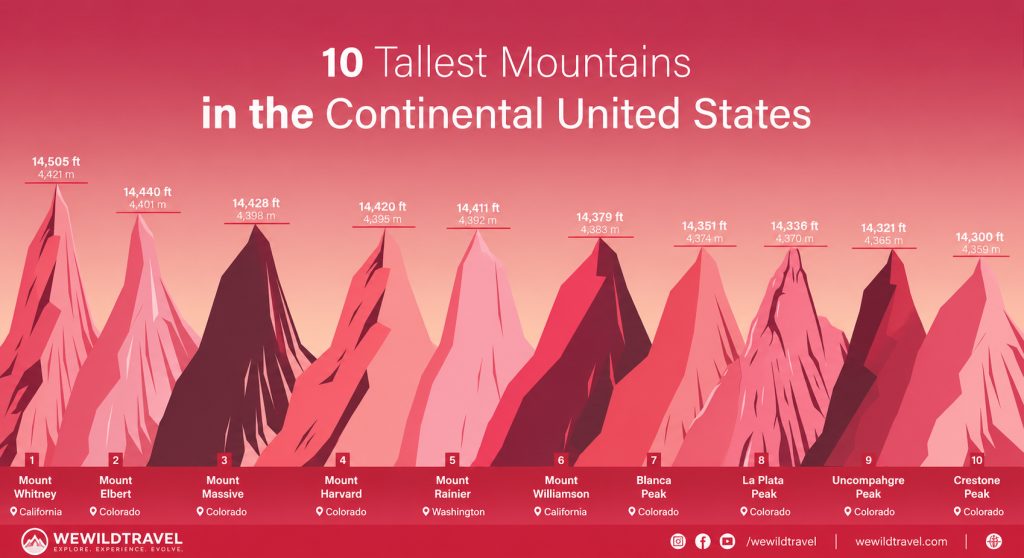
Ten highest mountains in USA ranked with towering alpine peaks map overview

Most of America’s highest mountains are located in Alaska because the state contains some of the largest and most dramatic mountain ranges in North America. Alaska’s combination of active geology, massive glaciers, and extreme climate has created many of the country’s tallest peaks.

The majority of the highest mountains are found in:

  • Alaska – home to Denali, Mount Saint Elias, Mount Foraker, and other giant peaks.
  • California – home to Mount Whitney, the highest mountain in the contiguous United States.
  • Colorado – famous for its many 14,000-foot peaks, including Mount Elbert and Mount Massive.

Alaska dominates the list because its mountains reach much higher elevations and create some of the most challenging climbing environments in the USA. However, California and Colorado provide more accessible high-altitude climbs for hikers and beginner mountaineers.

The 15 Highest Mountains to Climb in the USA

The highest mountains to climb in the USA offer a wide variety of experiences, from accessible high-altitude hikes to some of the most demanding mountaineering expeditions in North America. Most of the tallest peaks are located in Alaska, where climbers face glaciers, extreme weather, and remote wilderness. However, California and Colorado also offer famous high mountains that attract thousands of climbers every year.

Denali (Alaska)

Denali is the highest mountain in the USA and the tallest peak in North America, reaching 20,310 feet (6,190 meters). Located in the Alaska Range, Denali is one of the world’s most challenging non-Himalayan climbs.

The mountain is famous for its massive glaciers, extreme cold, strong winds, and remote environment. Climbing Denali requires advanced preparation, glacier travel skills, and experience with long high-altitude expeditions.

Mount Saint Elias (Alaska)

Mount Saint Elias is the second-highest mountain in the USA, rising to 18,009 feet (5,489 meters). It is located in the Saint Elias Mountains and is known for its steep elevation gain and difficult climbing conditions.

Although it is lower than Denali, Mount Saint Elias is considered one of the hardest peaks in North America because of its technical routes, heavy snowfall, glaciers, and unpredictable weather.

Mount Foraker (Alaska)

Mount Foraker reaches 17,400 feet (5,304 meters) and is located near Denali in the Alaska Range. It is often called one of Alaska’s most impressive climbing objectives.

Mount Foraker is less crowded than Denali but offers serious challenges, including steep terrain, glacier travel, and complex climbing routes. It is mainly attempted by experienced mountaineers.

Mount Bona (Alaska)

Mount Bona stands at approximately 16,500 feet (5,029 meters) and is one of the highest volcanoes in the United States.

The mountain provides a true glacier expedition experience, with large ice fields and remote climbing conditions. Climbers must prepare for cold temperatures, isolation, and changing weather.

Mount Blackburn (Alaska)

Mount Blackburn reaches 16,390 feet (4,996 meters) and is the highest peak in the Wrangell Mountains.

The mountain is known for its long approaches, glaciers, and challenging routes. Because of its remote location and difficult conditions, Mount Blackburn attracts experienced climbers seeking a serious Alaskan adventure.

Mount Sanford (Alaska)

Mount Sanford rises to about 16,237 feet (4,949 meters) and is one of the highest volcanic mountains in Alaska.

The peak has steep slopes, glacier-covered areas, and unpredictable weather. Few climbers attempt Mount Sanford because it requires strong expedition skills and careful planning.

Mount Fairweather (Alaska)

Mount Fairweather reaches 15,325 feet (4,671 meters) and is one of the most difficult mountains in the USA.

Despite its name, the mountain is known for harsh conditions, heavy snowfall, glaciers, and severe storms. Its remote location and technical terrain make it a challenging objective even for experienced climbers.

Mount Whitney (California)

Mount Whitney is the highest mountain in California and the tallest peak in the contiguous United States, reaching 14,505 feet (4,421 meters).

Unlike Alaska’s giant peaks, Mount Whitney can be climbed through a non-technical hiking route during normal summer conditions. It is popular among hikers who want to experience a major American summit without advanced mountaineering equipment.

Mount Elbert (Colorado)

Mount Elbert is the highest mountain in Colorado, standing at 14,440 feet (4,401 meters).

It is one of the most beginner-friendly high mountains in the USA because the standard routes are hiking trails rather than technical climbs. However, climbers still need preparation because of altitude, distance, and changing mountain weather.

Mount Massive (Colorado)

Mount Massive reaches 14,428 feet (4,398 meters) and is the second-highest mountain in Colorado.

The mountain is famous for its long ridgeline and beautiful Rocky Mountain scenery. Like Mount Elbert, it is a non-technical climb but requires strong endurance due to its elevation and length.

Other Highest Peaks Overview

The remaining mountains in the top 15 highest peaks in the USA are mainly located in Alaska. These mountains include Mount Hunter, Mount Whitney’s surrounding high peaks, and other remote Alaskan summits.

Many of these peaks are not climbed as frequently because they require advanced skills, complex logistics, and experience in extreme mountain environments. Together, these mountains represent the incredible diversity of climbing opportunities in the USA, from beginner-friendly 14,000-foot hikes to world-class expedition climbs.

Highest Mountains Comparison Table

RankMountainElevationStateDifficulty
1Denali20,310 ft (6,190 m)AlaskaExtreme
2Mount Saint Elias18,009 ft (5,489 m)AlaskaExtreme
3Mount Foraker17,400 ft (5,304 m)AlaskaVery Difficult
4Mount Bona16,550 ft (5,044 m)AlaskaVery Difficult
5Mount Blackburn16,390 ft (4,996 m)AlaskaVery Difficult
6Mount Sanford16,237 ft (4,949 m)AlaskaVery Difficult
7Mount Fairweather15,325 ft (4,671 m)AlaskaExtreme
8Mount Hubbard14,950 ft (4,556 m)AlaskaVery Difficult
9Mount Bear14,831 ft (4,520 m)AlaskaVery Difficult
10Mount Hunter14,573 ft (4,442 m)AlaskaExtreme
11Mount Whitney14,505 ft (4,421 m)CaliforniaModerate
12University Peak14,470 ft (4,410 m)AlaskaVery Difficult
13Mount Elbert14,440 ft (4,401 m)ColoradoModerate
14Mount Massive14,428 ft (4,398 m)ColoradoModerate
15Mount Harvard14,423 ft (4,396 m)ColoradoModerate

Which Highest Mountains Can Beginners Climb?

Beginners can climb several of the highest mountains in the USA without needing advanced technical mountaineering skills. The best beginner-friendly peaks usually have well-established trails, lower technical difficulty, and manageable elevation challenges. Mountains like Mount Elbert and Mount Whitney offer high-altitude experiences while allowing new climbers to build confidence before attempting more difficult peaks like Denali.

Mount Elbert

Mount Elbert is the highest mountain in Colorado and one of the most accessible high peaks in the United States. It reaches 14,440 feet (4,401 meters) and is part of the Sawatch Range.

The standard routes to Mount Elbert are hiking routes rather than technical climbs, making it a popular choice for beginners who want to experience a true high-altitude summit. The mountain requires good fitness because of the elevation gain, long hiking distance, and thin air near the top.

Beginners should prepare for:

  • Long uphill hiking
  • Changing mountain weather
  • Altitude effects
  • Basic navigation skills

With proper preparation, Mount Elbert is one of the best first 14,000-foot peaks in America.

Mount Whitney (Trail Route)

Mount Whitney is the highest mountain in the contiguous United States, reaching 14,505 feet (4,421 meters) above sea level. It is located in the Sierra Nevada and attracts thousands of hikers every year.

The Mount Whitney Trail is a non-technical route, meaning beginners do not need climbing equipment such as ropes or advanced mountaineering skills. However, the hike is still challenging because of its distance, elevation, and altitude.

Beginners should consider:

  • Training for a full-day hike
  • Acclimatizing to altitude
  • Carrying enough water and supplies
  • Checking permit requirements before climbing

Mount Whitney is a great choice for hikers who want to experience one of America’s highest summits without extreme technical climbing.

Other Beginner-Friendly High Peaks

Besides Mount Elbert and Mount Whitney, several other high mountains in the USA offer achievable climbs for beginners with good preparation.

Some popular options include:

  • Mount Massive – Colorado’s second-highest peak with a challenging but non-technical hiking route.
  • Mount Sherman – One of the easier Colorado fourteeners for new high-altitude hikers.
  • Mount Bierstadt – A beginner-friendly Colorado 14er with a popular trail.

These mountains help new climbers gain experience with elevation, weather changes, and mountain endurance before moving to more demanding climbs.

For beginners, the best approach is to start with a non-technical summit, train properly, and gradually progress toward more challenging mountains.

Which Mountains Are the Most Difficult to Climb?

The most difficult mountains in the USA are found mainly in Alaska, where extreme elevation, glaciers, unpredictable weather, and technical terrain create serious challenges. Peaks like Denali, Mount Saint Elias, and Mount Fairweather require advanced mountaineering skills, strong physical preparation, and experience with harsh alpine environments.

Denali
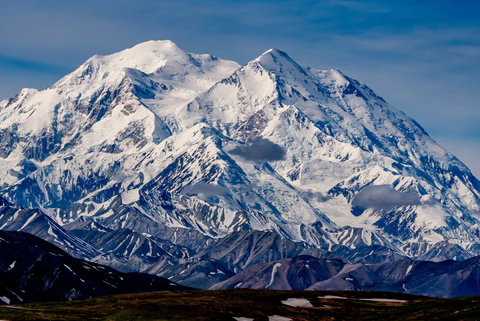
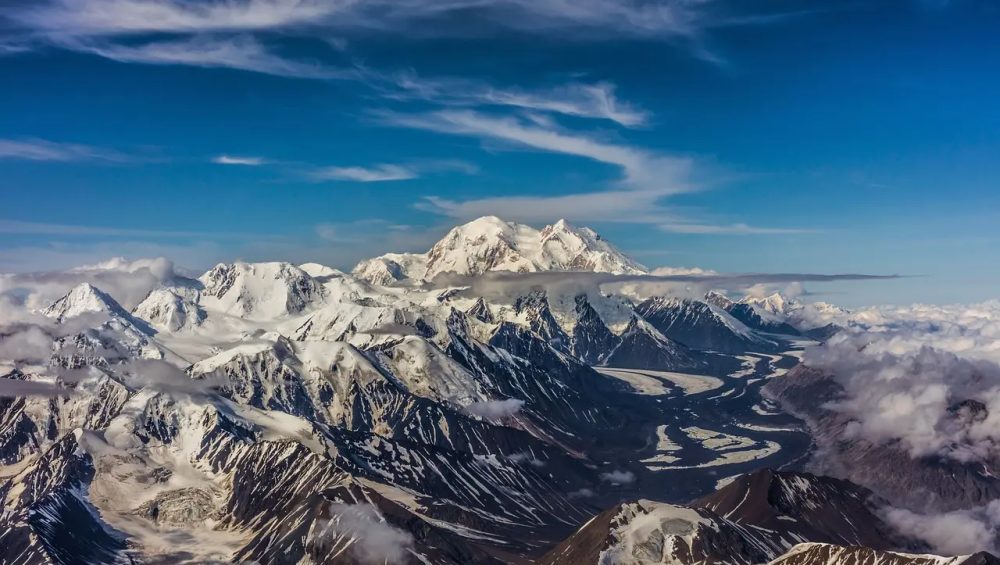
Mount Denali Alaska highest mountain USA with snowy peak and glaciers

Denali is the highest mountain in North America, standing at 20,310 feet (6,190 meters). It is one of the most challenging climbs in the world because of its extreme altitude, freezing temperatures, strong winds, and remote location.

Unlike many high peaks that rely mainly on hiking, Denali requires true mountaineering skills. Climbers must travel across glaciers, manage heavy equipment, and handle changing mountain conditions.

The main challenges include:

  • Extreme cold and high winds
  • Glacier travel
  • High-altitude acclimatization
  • Long expeditions lasting several weeks
  • Self-sufficient camping in remote terrain

Denali is considered a major achievement for experienced climbers and is often a stepping stone toward higher Himalayan expeditions.

Mount Saint Elias

Mount Saint Elias is the second-highest mountain in both the United States and Canada, reaching 18,009 feet (5,489 meters). Despite being lower than Denali, many climbers consider it more difficult because of its steep slopes, unstable weather, and technical routes.

Mount Saint Elias rises dramatically from the nearby coastline, creating a huge vertical challenge. Climbers face:

  • Steep climbing sections
  • Heavy snowfall
  • Avalanche risk
  • Remote access
  • Complex route planning

The mountain’s combination of height and technical difficulty makes it one of North America’s toughest climbs.

Mount Fairweather

Mount Fairweather reaches 15,325 feet (4,671 meters) and is one of the most difficult peaks in Alaska. Despite its name, the mountain is known for harsh weather, glaciers, and challenging climbing conditions.

Mount Fairweather is difficult because of:

  • Severe storms
  • Large glaciers
  • Steep terrain
  • Limited access
  • Changing snow conditions

Only experienced mountaineers usually attempt this peak because small mistakes can become serious in such an isolated environment.

Technical Skills Required

Climbing America’s hardest mountains requires more than physical fitness. Climbers need technical knowledge and experience to safely manage difficult mountain environments.

Important skills include:

  • Glacier travel techniques
  • Ice axe and crampon use
  • Rope systems and crevasse safety
  • Navigation in remote areas
  • Avalanche awareness
  • Cold-weather survival skills

Before attempting mountains like Denali, Mount Saint Elias, or Mount Fairweather, climbers usually gain experience on easier peaks and develop strong expedition skills.

These mountains represent the highest level of American mountaineering, where preparation, teamwork, and experience are essential for success.

Why Alaska Dominates the List of America’s Highest Mountains?

Alaska dominates the list of America’s highest mountains because it has the tallest peaks, the largest mountain ranges, and some of the most extreme climbing environments in the country. The state’s combination of massive glaciers, active geology, and cold climate creates ideal conditions for producing and preserving some of North America’s highest summits.

Most of the tallest mountains in the USA are located in Alaska, including Denali, Mount Saint Elias, Mount Foraker, and Mount Bona. These peaks are much higher and more rugged than most mountains in the lower 48 states.

Alaska Range

Alaska Range contains many of the highest mountains in the United States, including Denali, the tallest peak in North America at 20,310 feet (6,190 meters).

The Alaska Range stretches across southern Alaska and features dramatic peaks, huge glaciers, and challenging climbing routes. Its isolated location and extreme weather make many mountains in this range difficult even for experienced climbers.

Key features of the Alaska Range include:

  • North America’s highest summit
  • Massive glacier systems
  • Remote wilderness areas
  • Severe mountain weather
  • Technical climbing routes

The range attracts climbers from around the world who want to experience some of the most demanding peaks in the USA.

Saint Elias Mountains

Saint Elias Mountains contain some of the most dramatic and difficult mountains in North America. This range includes Mount Saint Elias, one of the highest peaks in the United States.

The Saint Elias Mountains rise sharply from coastal areas, creating enormous elevation changes over short distances. Their combination of height, glaciers, and unpredictable weather makes them extremely challenging.

The range is known for:

  • Large ice fields
  • Steep mountain faces
  • Heavy snowfall
  • Remote climbing conditions
  • Complex expedition routes

These conditions make the Saint Elias Mountains some of the wildest climbing environments in America.

Climate and Geological History

Alaska’s extreme mountains developed because of powerful geological forces and unique climate conditions. The collision of tectonic plates helped create massive mountain ranges, while glaciers and erosion continue to shape the landscape today.

The climate also plays a major role in making Alaska’s mountains so challenging. Climbers must deal with:

  • Freezing temperatures
  • Strong winds
  • Rapid weather changes
  • Heavy snow and ice
  • Short climbing seasons

Alaska’s combination of geological activity and harsh weather explains why it contains the majority of America’s highest peaks. The state offers some of the most impressive and demanding mountain adventures on Earth.

Highest Mountains by State

The highest mountains in the USA are spread across several states, but Alaska, California, and Colorado contain many of the country’s most famous high peaks. Each state offers a different climbing experience, from Alaska’s extreme glacier expeditions to Colorado’s accessible high-altitude hiking routes.

Understanding the highest peak in each state helps climbers choose mountains that match their experience level and goals.

Alaska

Denali is the highest mountain in Alaska and the tallest peak in the United States, reaching 20,310 feet (6,190 meters). Located in the Alaska Range, Denali is a world-famous mountaineering challenge.

Alaska has the greatest concentration of America’s highest mountains, including:

  • Denali – 20,310 ft (6,190 m)
  • Mount Saint Elias – 18,009 ft (5,489 m)
  • Mount Foraker – 17,400 ft (5,304 m)
  • Mount Bona – 16,500 ft (5,029 m)

Most high peaks in Alaska require advanced skills because of glaciers, extreme weather, and remote locations.

California

Mount Whitney is the highest mountain in California and the tallest peak in the contiguous United States, reaching 14,505 feet (4,421 meters).

Located in the Sierra Nevada, Mount Whitney is popular among hikers because its main trail does not require technical climbing skills during normal summer conditions.

California’s highest peak offers:

  • High-altitude hiking experience
  • Beautiful alpine scenery
  • A non-technical summit route
  • A challenge for strong hikers

It is one of the best choices for climbers who want to experience a major American summit without extreme mountaineering.

Colorado

Mount Elbert is the highest mountain in Colorado, reaching 14,440 feet (4,401 meters). It is located in the Sawatch Range.

Colorado is famous for its fourteeners – mountains higher than 14,000 feet. Many of these peaks are reachable by hiking routes, making the state one of the best places in the USA for beginner and intermediate high-altitude climbers.

Popular high peaks include:

  • Mount Elbert – 14,440 ft
  • Mount Massive – 14,428 ft
  • Mount Harvard – 14,420 ft

Colorado provides a good introduction to high-altitude climbing before attempting more technical mountains in Alaska.

Highest Peak in Every Major Mountain State

Many states across the USA have impressive high points. Some of the highest state peaks include:

StateHighest MountainElevation
AlaskaDenali20,310 ft
CaliforniaMount Whitney14,505 ft
ColoradoMount Elbert14,440 ft
WashingtonMount Rainier14,411 ft
WyomingGannett Peak13,804 ft
UtahKings Peak13,528 ft
NevadaBoundary Peak13,147 ft
MontanaGranite Peak12,807 ft

These mountains show the incredible diversity of American landscapes. Some offer beginner-friendly hiking, while others require advanced mountaineering skills and expedition experience.

How Difficult Are the Highest Mountains in the USA?

The difficulty of climbing the highest mountains in the USA depends on the peak, route, altitude, weather, and technical skills required. Some mountains, such as Mount Whitney and Mount Elbert, can be climbed by experienced hikers, while Alaska’s highest peaks require advanced mountaineering knowledge and expedition experience.

The biggest challenges come from high elevation, glaciers, technical terrain, and unpredictable mountain conditions.

Altitude Challenges

Altitude is one of the biggest difficulties when climbing America’s highest mountains. As elevation increases, the air becomes thinner, making physical effort harder and increasing the risk of altitude-related problems.

Mountains like Denali create a major altitude challenge because climbers must spend time adapting to the high elevation while carrying heavy gear.

Common altitude challenges include:

  • Reduced oxygen levels
  • Faster exhaustion
  • Slower recovery
  • Need for proper acclimatization

Even climbers with strong fitness need to respect altitude because it affects everyone differently.

Glacier Travel

Many of America’s highest mountains, especially in Alaska, require glacier travel. Glaciers create unique hazards and require specialized skills that are not needed on normal hiking trails.

Climbers may need to understand:

  • Using crampons and ice axes
  • Moving safely on snow and ice
  • Rope techniques
  • Glacier navigation
  • Crevasse awareness

Peaks such as Denali and Mount Saint Elias involve large glacier systems, making preparation and experience essential.

Technical Climbing

Technical climbing separates simple high-altitude hiking from serious mountaineering. Some of America’s highest mountains require skills in rock, snow, and ice climbing.

Technical challenges may include:

  • Steep ice sections
  • Rock climbing routes
  • Rope management
  • Route finding
  • Advanced mountain decision-making

Mountains like Mount Fairweather and other Alaskan peaks demand strong climbing experience because of their remote and complex terrain.

Weather Risks

Weather is one of the most unpredictable factors on America’s highest mountains. Conditions can change quickly, especially in Alaska where storms, strong winds, and freezing temperatures are common.

Major weather risks include:

  • Heavy snowfall
  • Extreme cold
  • High winds
  • Limited visibility
  • Sudden storms

Climbers must carefully choose the right season, monitor forecasts, and carry proper equipment.

Overall, the highest mountains in the USA offer different levels of difficulty. Beginner-friendly peaks focus on endurance and altitude, while Alaska’s giants test advanced mountaineering skills, teamwork, and expedition planning.

Best Time to Climb America’s Highest Mountains

The best time to climb America’s highest mountains depends on the region, mountain conditions, and the type of experience a climber wants. Alaska’s giant peaks have short climbing windows because of extreme weather, while mountains in Colorado and California offer longer seasons with more predictable conditions.

Choosing the right season improves safety, increases summit chances, and helps climbers avoid the most dangerous weather conditions.

Alaska Climbing Season

Alaska has the shortest and most demanding climbing season in the United States. The best time to climb Alaska’s highest mountains is usually during late spring and early summer, especially from May through July.

This period offers longer daylight hours, more stable weather, and better glacier conditions. It is the main season for climbing mountains such as Denali because winter conditions are extremely severe and make most expeditions much more dangerous.

Even during the best season, Alaska remains unpredictable. Climbers must prepare for sudden storms, strong winds, freezing temperatures, and rapidly changing conditions. Advanced preparation and expedition experience are important because many Alaskan peaks are remote and require several days or weeks on the mountain.

Rocky Mountain Season

The Rocky Mountains, especially in Colorado, have a longer and more accessible climbing season compared with Alaska. The most popular time to climb Colorado’s highest peaks is from June through September when snow levels decrease and trails become easier to access.

Mountains like Mount Elbert and Mount Massive attract many hikers during summer because most standard routes are non-technical.

However, afternoon thunderstorms are common during the summer months, so climbers usually start early in the morning. Spring and early winter climbs can provide more challenging snow conditions and require additional skills.

Sierra Nevada Season

The Sierra Nevada climbing season is mainly from late spring through early fall, with the best conditions usually appearing from June to September. This region includes Mount Whitney, the highest mountain in the contiguous United States.

During summer, snow melts from many trails, making routes easier for hikers and beginner climbers. The weather is generally dry, but altitude and long distances still make these climbs physically demanding.

Winter and early spring create a completely different experience. Snow and ice can turn normal hiking routes into technical mountaineering challenges that require extra equipment and experience.

Seasonal Comparison Table

RegionBest Climbing MonthsConditionsBest For
AlaskaMay – JulyShort season, glaciers, extreme weatherExperienced mountaineers
Rocky MountainsJune – SeptemberWarmer weather, accessible trailsBeginner and intermediate climbers
Sierra NevadaJune – SeptemberDry conditions, high-altitude hikingHikers and moderate climbers

Overall, summer provides the best opportunity for most climbers to attempt America’s highest mountains. However, the ideal season depends on the mountain because Alaska, Colorado, and California each have different weather patterns and climbing challenges.

Essential Gear for High-Altitude Mountain Climbing

Climbing the highest mountains in the USA requires the right equipment because conditions can change quickly at high elevations. Proper gear helps climbers manage cold temperatures, strong winds, rough terrain, and unexpected weather. The equipment needed depends on the mountain, route difficulty, and whether the climb is a simple hike or a technical mountaineering expedition.

Clothing System

A good clothing system is one of the most important parts of high-altitude climbing because mountain weather can change within minutes. Climbers need clothing that keeps the body warm, dry, and comfortable while allowing movement during long climbs.

The best approach is using multiple layers instead of one heavy jacket. A base layer helps control moisture, an insulating layer provides warmth, and an outer layer protects against wind and rain.

For high mountains, climbers usually need:

  • Moisture-managing base layers
  • Warm insulation layers
  • Waterproof and windproof outer layers
  • Gloves and warm hats
  • Quality hiking or mountaineering boots

The correct clothing system is especially important on peaks like Denali, where freezing temperatures and strong winds can create extreme conditions.

Navigation and Safety Equipment

High mountains often have complex terrain, limited visibility, and remote locations, making navigation and safety equipment essential. Even experienced climbers rely on reliable tools because trails may disappear and weather can reduce visibility.

Important navigation and safety equipment includes:

  • Map and compass
  • GPS device
  • Headlamp
  • Emergency communication tools
  • First-aid supplies
  • Emergency shelter

Good navigation skills are also important because technology can fail in cold and remote environments.

Glacier Travel Gear

Many of America’s highest mountains, especially in Alaska, involve glacier travel. Glaciers require specialized equipment because climbers must safely move across snow and ice.

Glacier climbing equipment may include:

  • Crampons for walking on ice
  • Ice axe for stability
  • Climbing rope systems
  • Harness and safety equipment
  • Snow protection gear

Mountains such as Denali and Mount Saint Elias require glacier experience because safe travel depends on proper technique and teamwork.

Complete Packing Checklist

The exact packing list changes depending on the mountain, but high-altitude climbers usually prepare for several days in changing conditions.

A complete climbing pack normally includes clothing layers, shelter equipment, food supplies, navigation tools, safety equipment, and emergency items. Climbers should balance carrying enough equipment with keeping the pack manageable because long approaches and high elevation make every extra weight more difficult.

Preparing gear before the climb helps reduce problems and improves safety during the expedition.

Permits, Regulations, and Climbing Safety

Climbing America’s highest mountains often requires planning beyond physical preparation. Many peaks are located in protected areas with specific rules designed to protect climbers, wildlife, and natural landscapes.

Understanding permits, regulations, and safety practices helps create a safer and more responsible mountain experience.

National Park Requirements

Many famous high mountains are located inside national parks or protected areas. Climbers may need permits before starting their climb, especially on popular peaks such as Mount Whitney.

Permit systems help manage visitor numbers, protect fragile environments, and support search and rescue operations. Climbers should always check current requirements before planning their trip because rules can vary by location and season.

Guided vs Independent Climbs

Choosing between a guided climb and an independent climb depends on experience, mountain difficulty, and personal goals.

Guided climbs are useful for beginners and climbers attempting difficult mountains because professional guides provide route knowledge, safety support, and technical instruction.

Independent climbs may suit experienced mountaineers who already understand navigation, risk management, and mountain conditions.

For extremely difficult peaks like Denali, many climbers choose guided expeditions because the environment requires advanced skills and careful planning.

Leave No Trace Principles

Responsible climbing means protecting the mountains for future generations. Leave No Trace principles encourage climbers to minimize their impact and respect natural environments.

Good mountain practices include:

  • Carrying out all waste
  • Respecting wildlife
  • Staying on approved routes when possible
  • Avoiding damage to fragile landscapes
  • Leaving natural areas unchanged

Following these principles helps preserve America’s highest mountains while allowing future climbers to enjoy the same landscapes.

USA’s Highest Mountains vs Other Famous Peaks

America’s highest mountains offer some of the toughest climbing experiences in the world, but how do they compare with other famous peaks around the globe? Mountains like Denali, Kilimanjaro, Aconcagua, and Mount Rainier each provide a different challenge based on altitude, terrain, weather, and technical difficulty.

Comparing these peaks helps climbers understand which mountains require hiking skills, advanced mountaineering experience, or full expedition preparation.

Denali vs Kilimanjaro
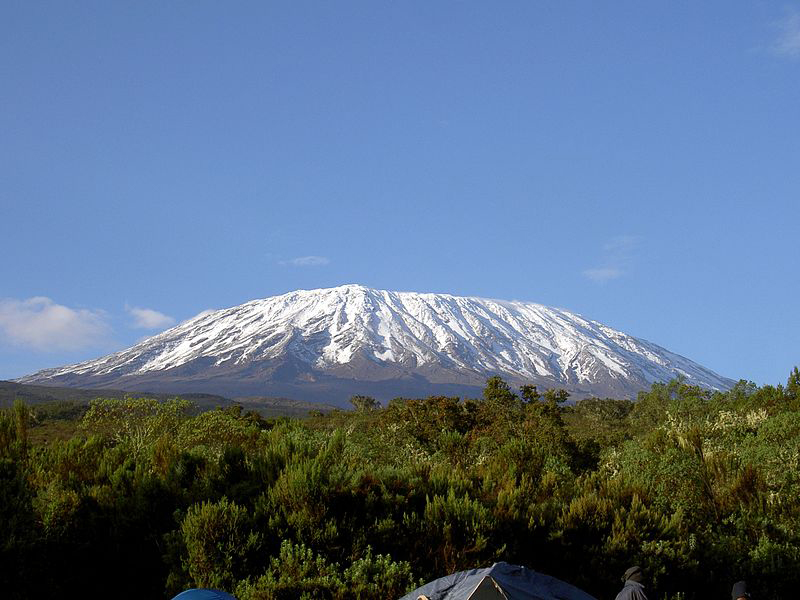
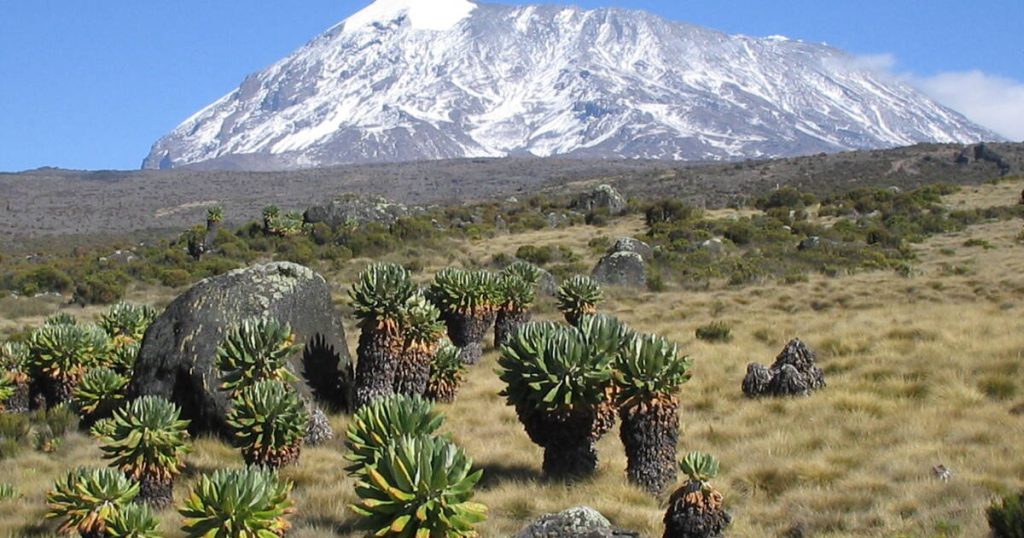
Mount Kilimanjaro Tanzania iconic snow-capped summit rising above African landscape

Denali and Mount Kilimanjaro are both famous high-altitude mountains, but their climbing experiences are very different.

Standing at 20,310 feet (6,190 meters), Denali is the highest mountain in North America. Located in Alaska, it is a demanding mountaineering expedition that involves glaciers, extreme cold, technical skills, and long periods in a remote wilderness environment.

By comparison, Mount Kilimanjaro reaches 19,341 feet (5,895 meters) and is the highest mountain in Africa. The climb does not usually require technical equipment, making it a popular high-altitude trekking adventure focused on endurance and acclimatization.

The biggest difference between these two mountains is the type of challenge they provide. Denali tests advanced climbing skills and expedition experience, while Kilimanjaro mainly challenges climbers with altitude, fitness, and proper preparation.

Denali vs Aconcagua

Aconcagua is the highest mountain outside Asia, reaching 22,837 feet (6,961 meters). Although Aconcagua is higher than Denali, many climbers find the challenges different.

Denali is lower in elevation but more technically demanding because of glaciers, extreme cold, and remote wilderness conditions. Climbers need strong expedition skills and experience with ice and snow.

Aconcagua is a non-technical high-altitude climb on the normal route, but its extreme elevation creates major altitude challenges. Weather, wind, and thin air remain serious concerns.

Denali tests technical ability and survival skills, while Aconcagua mainly tests altitude endurance and preparation.

Denali vs Mount Rainier

Mount Rainier reaches 14,411 feet (4,392 meters) and is one of the most famous climbing mountains in the United States.

Compared with Denali, Mount Rainier is much lower, but it is still a serious mountaineering objective because of glaciers, crevasses, and technical climbing requirements.

Many climbers use Mount Rainier as preparation before attempting larger expeditions like Denali. It teaches important skills such as glacier travel, rope systems, and climbing in changing conditions.

Denali is a bigger and more demanding expedition, while Mount Rainier is a challenging training ground for future mountaineers.

Which Is Hardest?

The hardest mountain depends on the type of challenge being measured.

Denali is often considered the hardest mountain in the USA because it combines high altitude, glaciers, extreme cold, and isolation. It requires advanced preparation and strong mountaineering skills.

However, other peaks challenge climbers in different ways:

  • Kilimanjaro challenges climbers with altitude and endurance.
  • Aconcagua challenges climbers with extreme elevation and weather.
  • Mount Rainier challenges climbers with glacier skills and technical movement.

For overall climbing difficulty, Denali ranks among the toughest because it combines many dangers at the same time. It is not only a high mountain but also a demanding wilderness expedition.

Frequently Asked Questions

What is the highest mountain in the USA?

Denali is the highest mountain in the USA, reaching 20,310 feet (6,190 meters) above sea level. It is located in Alaska’s Alaska Range and is also the highest peak in North America. Denali is famous for its extreme conditions, including glaciers, freezing temperatures, and challenging climbing routes.

Can beginners climb Denali?

No, Denali is not considered a beginner-friendly mountain. Although climbers with strong fitness can prepare for it, the mountain requires advanced skills, glacier experience, cold-weather knowledge, and expedition preparation.

What is the easiest high mountain in the USA?

Mount Elbert is often considered one of the easiest high mountains in the USA. It reaches 14,440 feet (4,401 meters) and has a non-technical hiking route to the summit.

Do I need a permit to climb Mount Whitney?

Yes, climbers need a permit to climb Mount Whitney during the main hiking season. The permit system helps protect the area and manage the large number of visitors who want to reach the highest summit in the contiguous United States.

What is the best month to climb Denali?

The best months to climb Denali are usually May and June. This period provides longer daylight, better expedition conditions, and the most common climbing window.

How many mountains in the USA are over 14,000 feet?

The USA has more than 100 mountains above 14,000 feet, with most of them located in Colorado, Alaska, and California. These peaks are especially popular among high-altitude hikers and mountaineers because they provide different levels of challenge.

Final Thoughts

Read more mountains in the USA

The highest offer incredible adventures for every type of climber, from beginners searching for their first high-altitude summit to experienced mountaineers looking for extreme challenges. Mountains like Mount Elbert and Mount Whitney provide accessible routes, while Alaska’s giants such as Denali and Mount Saint Elias demand advanced skills and expedition-level preparation.

Choosing the right mountain depends on experience, fitness level, climbing goals, and the type of adventure you want. A successful climb is not only about reaching the summit but also about selecting a mountain that matches your abilities and preparing properly for the conditions.

Choosing the Right Mountain

The best mountain to climb is different for every person. Beginners should start with peaks that have established trails and lower technical difficulty, while experienced climbers can explore more demanding mountains that involve glaciers, steep terrain, and unpredictable weather.

A good progression is to begin with non-technical high peaks such as Mount Elbert or Mount Whitney, then build skills before attempting harder climbs in Alaska. Understanding the mountain’s elevation, route difficulty, season, and required equipment helps climbers choose realistic goals.

Every mountain offers a unique experience. Some provide beautiful landscapes and hiking challenges, while others test advanced mountaineering skills and endurance.

Planning for Safety and Success

A successful mountain climb starts long before reaching the trailhead. Proper training, research, equipment preparation, and understanding mountain conditions all play an important role in safety.

Before climbing any high mountain in the USA, climbers should study the route, check seasonal conditions, prepare the right gear, and understand possible risks. For difficult peaks, gaining experience through guided climbs or smaller mountains can improve confidence and decision-making.

Respecting the mountain environment is also part of a successful adventure. Following safety practices, protecting natural areas, and preparing responsibly allow climbers to enjoy America’s highest mountains while preserving them for future generations.

Whether you choose a beginner-friendly summit or a challenging Alaskan expedition, the right preparation can turn a mountain dream into a safe and memorable achievement.
Read Also:

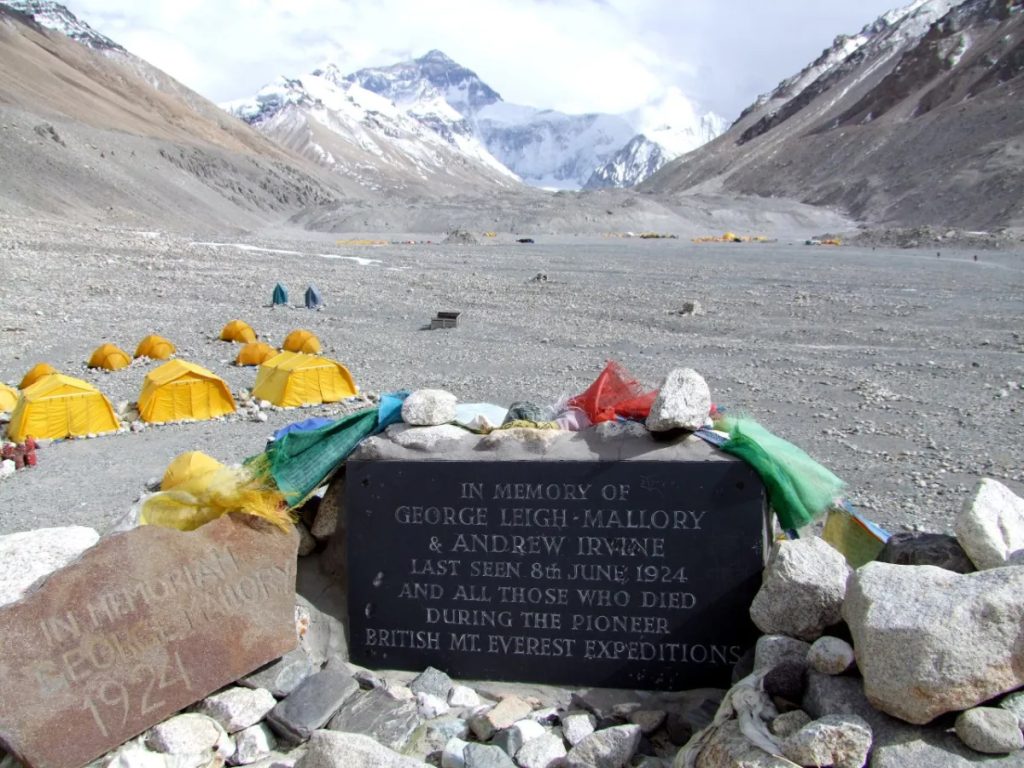
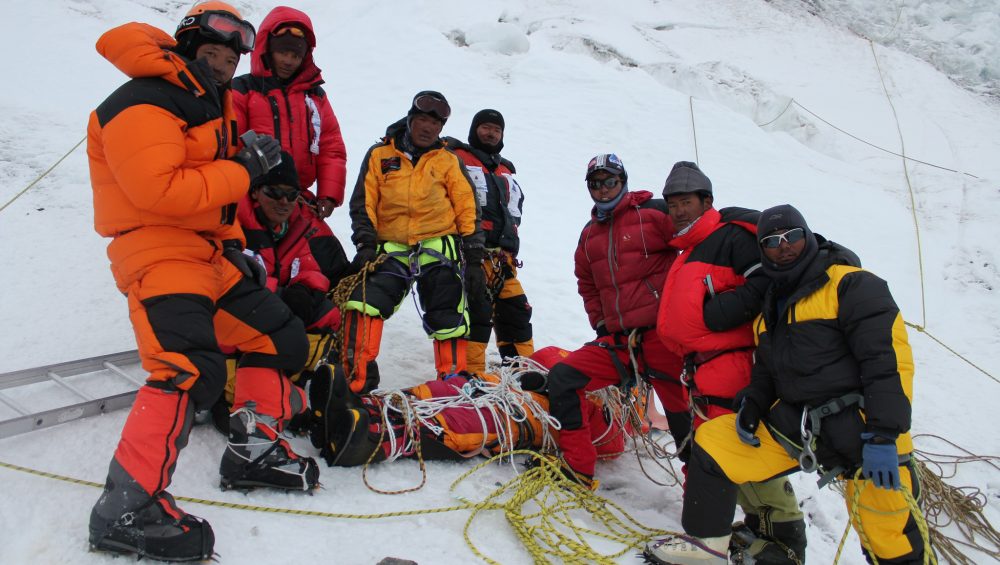
Memorial monument at Everest Base Camp with expedition tents and Mount Everest rising in the background.

Mount Everest Deaths

Mount Everest Deaths

Estimated reading time: 1 minute

Mount Everest deaths have become a major topic of interest due to the mountain’s extreme conditions, with many climbers losing their lives each year in pursuit of the summit. This article explores Mount Everest deaths statistics, major disasters, and survival stories that reveal both the dangers and human resilience on the world’s highest peak.

Most deaths on Everest occur due to altitude sickness, exhaustion, falls, avalanches, extreme weather, and a lack of oxygen in the mountain’s infamous Death Zone. Above 8,000 meters (26,247 feet), the human body begins to deteriorate rapidly, turning even simple tasks into major challenges. At these extreme altitudes, climbers must battle freezing temperatures, powerful winds, and dangerously low oxygen levels while making critical decisions under physical and mental stress.

Despite these dangers, Everest continues to attract adventurers from around the world. For many climbers, standing on the highest point on Earth represents the ultimate mountaineering achievement. However, the mountain’s history includes tragic disasters, remarkable rescues, and survival stories that reveal both the risks and rewards of high-altitude climbing.

In this guide, you’ll discover the latest Mount Everest death statistics, the deadliest disasters in Everest history, the main causes of fatalities, famous stories of climbers who never returned, and the reasons people continue to pursue the dream of reaching the summit despite the risks.

How Many People Have Died on Mount Everest?

Mount Everest has claimed the lives of more than 340 climbers since the first expeditions began in the early 1900s. While the exact number changes almost every climbing season, Everest records more deaths than any other mountain on Earth because thousands of climbers attempt to reach its summit each year.

Despite these statistics, Everest is not the deadliest mountain in the world when measured by mortality rate. Mountains such as K2 and Annapurna have historically recorded much higher percentages of deaths among climbers. However, Everest’s popularity means that even a relatively low mortality rate results in a large number of fatalities over time.

The causes of death vary from season to season. Some climbers die from altitude-related illnesses, while others lose their lives in avalanches, falls, storms, or accidents during the descent. Many fatalities occur above 8,000 meters (26,247 feet), an area known as the Death Zone, where oxygen levels become dangerously low and the human body begins to deteriorate rapidly.

Understanding Everest’s death statistics provides important insight into the risks of climbing the world’s highest mountain and explains why proper preparation, experience, and decision-making remain essential for survival.

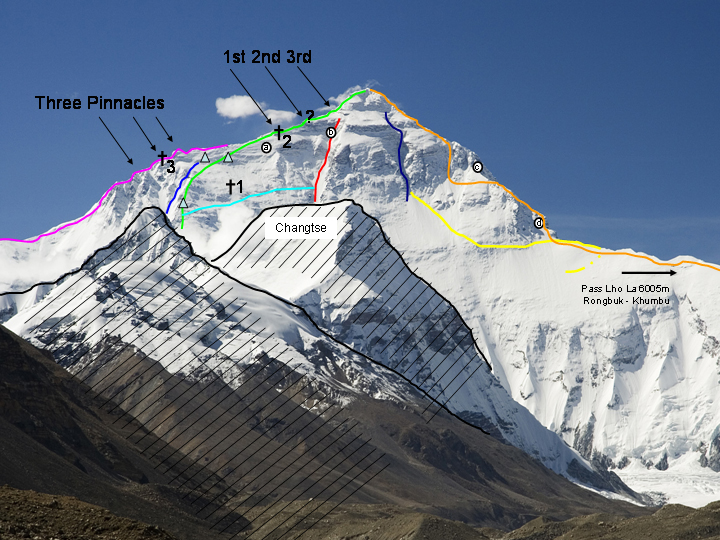
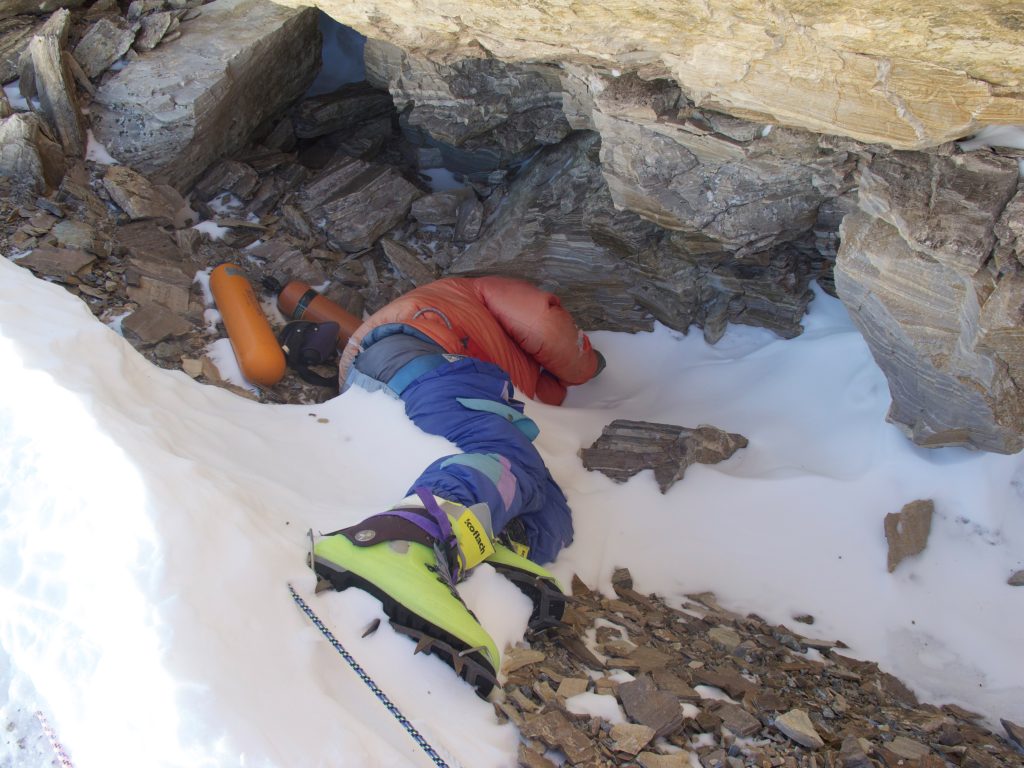
The body known as Green Boots on Mount Everest beside the climbing route in the Death Zone.

Total Deaths on Everest

More than 340 people have died on Mount Everest since the first recorded climbing expeditions in the early twentieth century. The number includes climbers, guides, and Sherpas from many different countries who lost their lives while attempting to reach the summit or descend safely from the mountain.

Deaths have occurred throughout Everest’s climbing history, from the early British expeditions of the 1920s to modern commercial climbs. Some seasons pass with only a few fatalities, while others experience major disasters that claim multiple lives in a single event. Avalanches, earthquakes, storms, and overcrowding have all contributed to spikes in Everest’s death toll.

One reason Everest records so many fatalities is the sheer number of people who attempt the climb. Every year, hundreds of climbers travel to Nepal hoping to stand on the highest point on Earth. As climbing permits increase and more people enter the mountain, the total number of deaths also continues to rise.

Although modern equipment, weather forecasting, and guiding services have improved safety, Everest remains an extreme environment where even experienced climbers can face life-threatening situations.

Everest Mortality Rate

Everest’s mortality rate is relatively low compared to many other famous Himalayan peaks. Modern estimates place the mortality rate at roughly 1% to 2% of all climbers who attempt the summit, although the figure varies depending on the season and the data source.

This percentage may seem small, but it represents a significant risk when hundreds of climbers attempt the mountain every year. Unlike lower mountains, Everest exposes climbers to extreme altitude, freezing temperatures, strong winds, and prolonged physical exhaustion. Even minor mistakes can have serious consequences in such an environment.

The mortality rate on Everest has generally declined over time. Advances in climbing gear, supplemental oxygen systems, communication technology, and weather forecasting have helped reduce risks. Professional guiding companies also provide structured support that was unavailable to early explorers.

However, the mountain remains dangerous. Crowding near the summit, changing weather patterns, and the growing number of inexperienced climbers continue to create new challenges. As a result, Everest’s mortality rate remains a major concern for mountaineers and expedition organizers worldwide.

Death Statistics at a Glance

The following statistics provide a quick overview of Mount Everest deaths and climbing risks:

StatisticFigure
Total Recorded Deaths340+
Mountain Height8,849 m (29,032 ft)
Death Zone Begins8,000 m (26,247 ft)
Estimated Mortality Rate1%-2%
Deadliest Disaster Year2015
Notable Recent High-Fatality Season2023
Main Causes of DeathAltitude sickness, falls, avalanches, exhaustion, weather
First Major Recorded Disaster1922 Avalanche

These numbers highlight both the extraordinary challenge of climbing Everest and the reasons why careful preparation remains critical for anyone attempting the world’s highest mountain.

Why Do People Die on Mount Everest?

Mount Everest presents a combination of dangers that few places on Earth can match. Climbers must contend with extreme altitude, freezing temperatures, powerful storms, dangerous terrain, and physical exhaustion. While modern equipment and guiding services have improved safety, Everest remains an unpredictable environment where even experienced mountaineers can lose their lives.

Most fatalities occur in the Death Zone above 8,000 meters (26,247 feet), where oxygen levels drop dramatically and the human body begins to deteriorate. At these heights, climbers often face several dangers at the same time. A tired climber may struggle with low oxygen, poor weather, and difficult terrain while making critical decisions that affect their survival.

Understanding the leading causes of death on Everest helps explain why reaching the summit is only half the challenge. For many climbers, the descent proves even more dangerous than the climb itself.

Altitude Sickness

Altitude sickness is one of the leading causes of death on Mount Everest. As climbers ascend higher into the atmosphere, air pressure decreases and oxygen becomes less available. At Everest’s summit, climbers breathe only about one-third of the oxygen available at sea level. This lack of oxygen places enormous stress on the body and can quickly become life-threatening.

Many climbers experience symptoms such as headaches, dizziness, nausea, fatigue, and shortness of breath. In severe cases, altitude sickness can develop into High Altitude Pulmonary Edema (HAPE), where fluid builds up in the lungs, or High Altitude Cerebral Edema (HACE), where fluid causes the brain to swell. Both conditions can lead to confusion, loss of coordination, unconsciousness, and death if climbers do not descend immediately.

The danger increases because altitude sickness often affects judgment. A climber may fail to recognize symptoms or continue climbing despite clear warning signs. Even with proper acclimatization, the human body cannot fully adapt to the extreme conditions found in Everest’s Death Zone. For this reason, supplemental oxygen, careful pacing, and strict monitoring remain essential for survival.

Falls

Falls account for many fatalities on Mount Everest. The mountain features steep ridges, exposed slopes, icy rock faces, and deep crevasses that create constant hazards throughout the climb. A single mistake can have fatal consequences, especially at extreme altitudes where climbers move slowly and struggle to maintain balance.

Several sections of the route require climbers to cross narrow ridges with significant drop-offs on either side. Strong winds, poor visibility, and fatigue can make these sections particularly dangerous. Even experienced climbers sometimes lose their footing on icy terrain or slip while descending steep slopes.

The descent from the summit often presents the greatest risk. After many hours of climbing, exhaustion reduces concentration and physical coordination. Climbers may have little energy left to navigate technical sections safely. Some fatal falls occur because individuals continue climbing despite extreme fatigue or remain too high on the mountain after dark.

Modern fixed ropes, harnesses, and safety systems have reduced the risk of falls, but they cannot eliminate it entirely. Everest’s terrain demands constant attention from the moment climbers leave base camp until they return safely.

Avalanches

Avalanches rank among the deadliest natural hazards on Mount Everest. These massive flows of snow, ice, and rock can strike without warning and overwhelm climbers within seconds. Unlike altitude sickness or exhaustion, which often develop gradually, avalanches can kill large numbers of people in a single event.

One of the most dangerous areas is the Khumbu Icefall on Everest’s southern route. This constantly shifting maze of ice towers, crevasses, and unstable seracs creates one of the mountain’s greatest objective dangers. In 2014, the collapse of an ice serac triggered an avalanche that killed 16 Sherpas, making it one of the deadliest disasters in Everest’s history.

Weather conditions also influence avalanche risk. Heavy snowfall, rising temperatures, and unstable snowpack can increase the likelihood of large slides. Climbers and guides carefully monitor conditions, but predicting avalanches remains difficult.

Although modern forecasting and route management have improved safety, avalanches continue to pose a serious threat. Their unpredictable nature means that even well-prepared climbers can find themselves in danger when conditions suddenly change.

Extreme Weather

Everest’s weather can change dramatically within hours, turning a manageable climb into a survival situation. Temperatures near the summit often fall far below freezing, while strong winds can exceed hurricane-force speeds. Combined with low oxygen levels, these conditions create a harsh environment where mistakes become increasingly costly.

Storms often bring whiteout conditions that reduce visibility to only a few meters. Climbers can lose the route, become separated from teammates, or struggle to locate camps during a descent. Strong winds also increase the risk of frostbite and hypothermia by stripping heat from exposed skin.

The 1996 Everest disaster demonstrated how quickly weather can transform a successful summit day into a tragedy. Several climbers reached the summit but became trapped by a powerful storm during their descent. Poor visibility, exhaustion, and freezing temperatures contributed to multiple deaths.

Modern weather forecasting helps climbers choose safer summit windows, but forecasts are not always perfect. Conditions can deteriorate unexpectedly, leaving climbers exposed high on the mountain with limited options for escape.

Exhaustion and Human Error

Exhaustion and human error contribute to many deaths on Mount Everest. A summit attempt often requires climbers to spend 10 to 18 hours moving through thin air while carrying equipment and battling cold temperatures. The physical and mental demands of such an effort can overwhelm even strong athletes.

Severe fatigue affects decision-making, concentration, and reaction time. Climbers may forget important safety procedures, ignore warning signs, or continue climbing when they should turn back. In the Death Zone, low oxygen levels can worsen these problems and impair judgment even further.

Human error can take many forms. Some climbers start their summit push too late, run out of oxygen, underestimate changing weather, or push beyond their physical limits. Others focus so intensely on reaching the summit that they ignore the risks of the descent.

Experienced guides often say that the summit is only halfway. Reaching the top means little if a climber lacks the strength and resources to return safely. Many Everest tragedies result not from a single mistake but from a chain of small decisions that gradually increase risk until disaster becomes unavoidable.

What Is the Everest Death Zone?

The Death Zone is the area on Mount Everest above 8,000 meters (26,247 feet). At this altitude, oxygen levels become so low that the human body can no longer function normally. Climbers can survive in the Death Zone for only a limited time before their physical and mental abilities begin to decline.

Unlike lower elevations where the body can adapt through acclimatization, the Death Zone pushes human physiology beyond its limits. Every breath delivers significantly less oxygen to the muscles, organs, and brain. As a result, climbers face a much higher risk of altitude sickness, exhaustion, frostbite, poor decision-making, and death.

Most Everest fatalities occur within or near the Death Zone. This is why climbers try to spend as little time there as possible during their summit attempt. Understanding the Death Zone helps explain why reaching the summit of Everest remains one of the greatest challenges in mountaineering.

Where the Death Zone Begins

The Death Zone begins at approximately 8,000 meters (26,247 feet) above sea level. On Mount Everest, this zone includes some of the most famous sections of the climb, such as the South Col, the Balcony, the South Summit, and the final ridge leading to the summit.

At these elevations, the atmosphere contains much less oxygen than at sea level. Even simple tasks such as walking, adjusting equipment, or drinking water require enormous effort. Climbers often move extremely slowly, taking only a few steps before stopping to catch their breath.

Most summit attempts begin late at night from Camp IV, located near the edge of the Death Zone. Climbers aim to reach the summit and descend before spending too much time at extreme altitude. However, delays caused by weather, traffic jams, equipment problems, or physical weakness can increase exposure and dramatically raise the risk of serious illness or death.

Although climbers use supplemental oxygen to improve their chances of success, oxygen systems do not completely remove the dangers of the Death Zone. Every hour spent at these heights places additional stress on the body and reduces a climber’s ability to recover.

How Low Oxygen Affects the Body

Low oxygen is the defining feature of the Death Zone and the primary reason it is so dangerous. At Everest’s summit, climbers breathe only about one-third of the oxygen available at sea level. This severe oxygen shortage affects every part of the body.

The brain is one of the first organs to suffer. Climbers often experience slower thinking, poor concentration, confusion, and impaired judgment. Some people struggle to perform simple calculations or make basic decisions. In extreme cases, climbers may experience hallucinations or lose awareness of their surroundings.

The muscles also receive less oxygen, causing rapid fatigue and weakness. Tasks that seem easy at lower elevations become exhausting. Many climbers describe feeling as though they are running a marathon while taking only a few steps at a time.

Low oxygen also increases the risk of life-threatening conditions such as High Altitude Pulmonary Edema (HAPE) and High Altitude Cerebral Edema (HACE). These illnesses can develop quickly and may become fatal if climbers do not descend immediately. Even healthy and experienced mountaineers remain vulnerable because the human body simply was not designed to function at such extreme altitudes.

Why Rescue Is So Difficult

Rescuing climbers in the Death Zone is one of the most challenging tasks in mountaineering. The same conditions that threaten injured climbers also endanger rescuers. Low oxygen, freezing temperatures, strong winds, and extreme exhaustion make every rescue attempt slow, risky, and physically demanding.

Above 8,000 meters, even experienced guides and Sherpas have limited strength. Carrying or assisting another person often requires tremendous effort that can place rescuers in danger as well. In many situations, climbers must rely on their own ability to descend because rescue options become extremely limited.

Helicopters cannot safely operate near Everest’s summit under most conditions, which means rescuers usually have to travel on foot. Reaching an injured climber may take several hours, and worsening weather can make evacuation impossible.

These challenges explain why many bodies remain on Everest. Recovering a deceased climber from extreme altitude can require large teams, specialized equipment, and significant financial resources. More importantly, recovery missions expose rescuers to serious risks. For this reason, climbers often say that self-reliance becomes essential in the Death Zone. Once a person enters this hostile environment, survival depends largely on preparation, sound judgment, and the ability to return safely under their own power.

Death Zone Facts Table:

FactDetail
Death Zone Starts8,000 m (26,247 ft)
Everest Summit8,849 m (29,032 ft)
Oxygen AvailableAbout 33% of sea-level oxygen
Main RisksHAPE, HACE, frostbite, exhaustion
Time Climbers Spend ThereUsually less than 24 hours

The Deadliest Disasters in Everest History

Mount Everest has witnessed many tragedies since climbers first attempted to reach its summit. While individual accidents occur almost every climbing season, several disasters stand out because they claimed multiple lives and changed the way people approach high-altitude mountaineering.

These events reveal the dangers of avalanches, storms, earthquakes, and extreme altitude. They also highlight how unpredictable Everest can be, even for experienced climbers and guides. Many of the safety practices used today emerged from lessons learned during these tragic incidents.

The 1922 Avalanche

The 1922 British Everest Expedition marked a major milestone in mountaineering history. It was the first expedition to climb above 8,000 meters (26,247 feet), pushing human endurance to new limits. However, the expedition also suffered one of Everest’s first major disasters.

On June 7, 1922, a powerful avalanche struck a group of climbers and porters as they ascended the mountain’s North Col route. Seven porters lost their lives, making this the first recorded mass-fatality event on Everest. The tragedy shocked the climbing world and highlighted the dangers of snow and ice movement at high altitude.

The disaster demonstrated that Everest’s greatest threats often come from natural forces rather than technical climbing challenges. It also reminded future expeditions that success on Everest depends as much on understanding mountain conditions as on physical strength and determination.

George Mallory’s Death in 1924

Memorial cairn honoring George Mallory on Mount Everest, surrounded by rocks and the Himalayan mountain landscape.

Few Everest mysteries have captured the public imagination like the disappearance of George Mallory and Andrew Irvine. During the 1924 British Everest Expedition, the two climbers attempted to reach the summit via the mountain’s northern side.

On June 8, 1924, another member of the expedition spotted Mallory and Irvine climbing high on the mountain before clouds obscured the view. Neither man returned. Their disappearance created one of mountaineering’s greatest unanswered questions: Did they reach the summit before vanishing?

For decades, the mystery remained unsolved. In 1999, climbers discovered Mallory’s body at about 8,155 meters (26,755 feet) on the mountain’s North Face. The discovery provided valuable clues but failed to answer the central question. Irvine’s body and camera have never been found.

The story of Mallory and Irvine continues to symbolize both the ambition and risks associated with Everest exploration.

The 1996 Everest Disaster

The 1996 Everest disaster remains one of the most famous tragedies in mountaineering history. During the spring climbing season, several commercial expeditions attempted to guide clients to the summit during a narrow weather window.

On May 10 and 11, climbers encountered severe storms while descending from the summit. Strong winds, freezing temperatures, poor visibility, and exhaustion created a deadly combination. Many climbers remained high on the mountain after their planned turnaround times, increasing their exposure to dangerous conditions.

Eight climbers died during the disaster, making it one of the deadliest events in Everest history at the time. The tragedy gained worldwide attention through books, documentaries, and personal accounts from survivors.

The disaster prompted guides and climbers to place greater emphasis on turnaround times, weather forecasting, decision-making, and risk management during summit attempts.

The 2014 Khumbu Icefall Tragedy

The Khumbu Icefall is one of the most dangerous sections of Everest’s southern route. This constantly shifting maze of ice towers and deep crevasses forces climbers and Sherpas to navigate unstable terrain on their way to higher camps.

On April 18, 2014, a massive block of ice collapsed above the route, triggering an avalanche that swept through the Icefall. Sixteen Sherpas lost their lives, making it one of the deadliest single incidents in Everest history.

The tragedy highlighted the enormous risks Sherpas face while carrying equipment, establishing camps, and supporting climbing expeditions. It also sparked discussions about compensation, safety standards, and the role of local workers in the Everest industry.

Many climbers and expedition companies canceled their summit attempts following the disaster, and the event remains a defining moment in modern Everest history.

The 2015 Earthquake Avalanche

On April 25, 2015, a powerful 7.8-magnitude earthquake struck Nepal. The earthquake triggered a massive avalanche that swept into Everest Base Camp from the slopes of nearby peaks.

The avalanche devastated parts of the camp, destroying tents, equipment, and support facilities. About 19 people lost their lives, making it the deadliest single-day disaster ever recorded on Mount Everest.

Unlike many Everest accidents that occur high on the mountain, this tragedy struck climbers and support staff at Base Camp. The event demonstrated that dangers on Everest extend beyond the climbing route itself. Even individuals who had not yet begun their summit attempts found themselves in harm’s way.

The earthquake ended the 2015 climbing season and left a lasting impact on Nepal’s tourism industry and mountaineering community.

The Record Deaths of 2023

The 2023 climbing season became one of the deadliest in Everest’s history. Authorities and mountaineering databases recorded approximately 18 fatalities during the season, surpassing many previous records.

Unlike the disasters of 2014 and 2015, most deaths in 2023 did not result from a single catastrophic event. Instead, climbers died from a combination of altitude sickness, exhaustion, falls, and other high-altitude complications. Experts also pointed to overcrowding and the growing number of climbers attempting Everest as contributing factors.

The season reignited debates about climbing permits, experience requirements, route congestion, and safety regulations. It also served as a reminder that even with modern equipment, weather forecasts, and professional guiding services, Everest remains one of the most challenging and dangerous mountains on Earth.

YearDisasterDeaths
1922Avalanche7
1924Mallory & Irvine Disappearance2
1996Summit Storm Disaster8
2014Khumbu Icefall Avalanche16
2015Earthquake Avalanche19
2023Record Fatality Season18

Famous Mount Everest Death Stories

Throughout Everest’s history, several tragedies have captured worldwide attention. Some became famous because of the climbers involved, while others raised difficult questions about risk, survival, and human ambition. These stories remind us that Everest is more than a mountain it is a place where determination, courage, and danger often meet.

George Mallory and Andrew Irvine

George Mallory and Andrew Irvine disappeared during their summit attempt on June 8, 1924. The two British climbers were last seen ascending high on Everest’s northeast ridge before clouds hid them from view. Neither man returned to camp.

Their disappearance created one of mountaineering’s greatest mysteries. Many people still wonder whether they reached the summit nearly three decades before the first confirmed ascent by Edmund Hillary and Tenzing Norgay in 1953.

In 1999, climbers discovered Mallory’s body at an altitude of about 8,155 meters (26,755 feet). However, Irvine’s body and camera have never been found. If the camera is ever recovered, it could help answer whether the pair reached the summit.

Their story symbolizes the spirit of early exploration and the enormous risks faced by Everest’s first climbers.

Rob Hall

Rob Hall was one of the world’s most respected mountain guides and the founder of Adventure Consultants. During the 1996 Everest disaster, Hall successfully guided several clients to the summit before severe weather struck the mountain.

As conditions deteriorated, Hall stayed behind to help struggling climber Doug Hansen descend safely. This decision left him trapped high on the mountain as a powerful storm developed.

Hall remained in radio contact with his team and family while stranded near the South Summit. Despite rescue efforts, he could not descend and died on the mountain. His final conversations became some of the most emotional moments in Everest history.

Hall’s story highlights the difficult choices guides face on Everest and demonstrates the extraordinary commitment many leaders show toward their clients.

Scott Fischer

Scott Fischer led the Mountain Madness expedition during the 1996 climbing season. Known for his strength and experience, Fischer had built a reputation as one of the most accomplished high-altitude climbers of his generation.

After reaching the summit on May 10, Fischer became severely exhausted during the descent. The combination of extreme altitude, fatigue, and worsening weather left him unable to continue safely.

Rescuers attempted to assist him, but conditions on the mountain made evacuation impossible. Fischer died on the southeast ridge during the storm that claimed multiple lives.

His death reminded climbers that experience alone cannot eliminate Everest’s dangers. Even elite mountaineers remain vulnerable to the mountain’s extreme conditions.

Francys Arsentiev

Francys Arsentiev became known as one of Everest’s most tragic figures. In 1998, she attempted to become the first American woman to summit Everest without supplemental oxygen.

She and her husband, Sergei Arsentiev, successfully reached the summit. However, the climb left them exhausted and vulnerable at extreme altitude. During their descent, the couple became separated on the mountain.

Francys spent a night exposed to the elements in the Death Zone. Several climbers encountered her during the following day, but the conditions made a rescue impossible. She died high on the mountain, while Sergei later lost his life attempting to save her.

Her story illustrates how quickly conditions can turn deadly on Everest and why even successful summit attempts can end in tragedy.

David Sharp

David Sharp was a British climber who attempted Everest largely on his own in 2006. During his descent from the summit, he became trapped near a rocky shelter known as the Green Boots Cave.

Over the course of several hours, dozens of climbers passed the area while making their own summit attempts. Sharp’s condition continued to worsen, and he eventually died on the mountain.

The incident sparked an international debate about ethics in high-altitude climbing. Many people questioned whether more could have been done to help him, while others argued that the extreme conditions of the Death Zone limited what climbers could realistically do.

Sharp’s death forced the mountaineering community to confront difficult questions about responsibility, survival, and decision-making at extreme altitude.

What Happens to Bodies on Mount Everest?

Mount Everest’s extreme environment makes recovering the bodies of deceased climbers one of the most difficult tasks in mountaineering. Unlike mountains at lower elevations, Everest presents rescuers with severe challenges, including low oxygen levels, freezing temperatures, dangerous terrain, and unpredictable weather.

Over the decades, hundreds of climbers have lost their lives on Everest. While some bodies have been recovered and returned to their families, many remain on the mountain because recovery operations can place rescuers at significant risk.

The presence of these climbers serves as a reminder of Everest’s dangers and the harsh realities of high-altitude mountaineering. Understanding why recovery is so difficult helps explain one of the most unique and challenging aspects of climbing the world’s highest mountain.

Why Recovery Is Difficult

Recovering a body from Mount Everest requires an enormous amount of effort, manpower, and resources. Most fatalities occur above 8,000 meters (26,247 feet) in the Death Zone, where oxygen levels become dangerously low and even simple physical tasks demand tremendous energy.

A recovery team often needs multiple experienced Sherpas, specialized equipment, supplemental oxygen, and favorable weather conditions. Moving a body across steep slopes, icy ridges, and deep snow can take many hours or even several days. At extreme altitudes, rescuers face the same dangers that claimed the climber’s life, including altitude sickness, exhaustion, storms, and falls.

The physical challenge becomes even greater because bodies can weigh significantly more when combined with frozen clothing, climbing gear, and accumulated ice. Every recovery mission requires careful planning to minimize risks to the rescue team.

For these reasons, expedition leaders and families must carefully weigh the emotional importance of recovery against the safety of those who would perform the operation.

Why Some Bodies Remain on the Mountain

Many bodies remain on Mount Everest because recovery is often too dangerous, expensive, or technically difficult. In some cases, climbers die in locations that rescuers cannot safely access. Steep cliffs, crevasses, and exposed ridges can make retrieval nearly impossible without placing additional lives at risk.

The Death Zone creates another major challenge. Above 8,000 meters, rescuers have limited time and energy to work safely. Spending too long at these altitudes increases the risk of serious illness and death, even for highly experienced climbers.

Financial considerations also play a role. Recovery missions can cost tens of thousands of dollars and require large teams working under hazardous conditions. As a result, some families choose not to pursue recovery efforts.

While the idea may seem unusual to people outside the mountaineering community, many climbers understand these realities before attempting Everest. Some even express their wishes regarding recovery before beginning their expedition.

Modern Recovery Efforts

Advances in equipment, logistics, and climbing expertise have improved how teams recover bodies from Mount Everest. These tools help teams carry out recovery operations more safely than in the past.

These teams improve safety on climbing routes, reduce environmental impact, and show respect for climbers who lost their lives on Everest.

Despite these improvements, body recovery remains one of the most difficult tasks in high-altitude mountaineering. Every mission requires careful planning, stable weather conditions, and highly experienced teams willing to operate in one of the harshest environments on Earth.

For this reason, Mount Everest continues to hold a unique place in mountaineering history. Its extreme altitude, technical terrain, and unpredictable conditions ensure that recovery efforts will remain complex and dangerous for future generations of climbers and rescue teams.

Is Climbing Everest More Dangerous Than Before?

Climbing Mount Everest is generally safer today than it was several decades ago, thanks to advances in mountaineering equipment, more accurate weather forecasting, improved communication systems, and experienced guiding companies. These improvements have increased summit success rates and helped climbers make better decisions on the mountain.

However, Everest is far from safe. The mountain still presents life-threatening risks, including extreme altitude, unpredictable weather, avalanches, and the challenges of climbing above 8,000 meters (26,247 feet). In recent years, another major concern has emerged crowding. During the short summit season, long queues of climbers can delay ascents and increase the time spent in the dangerous Death Zone, raising the risk of exhaustion and altitude-related illnesses.

Improved Equipment

Modern climbing equipment has significantly reduced many of the risks associated with climbing Everest. Today’s climbers benefit from lightweight insulated clothing, high-performance mountaineering boots, durable crampons, reliable climbing ropes, advanced ice axes, and high-quality oxygen systems that perform much better than those used by early expeditions.

Communication has also improved dramatically. Satellite phones, GPS devices, and emergency communication equipment allow climbers and expedition teams to stay connected even in remote areas of the mountain. Many guided expeditions also carry portable weather devices and emergency medical supplies, making it easier to respond to changing conditions.

These innovations have made Everest more accessible and have contributed to higher summit success rates. Even so, no equipment can eliminate the dangers of extreme altitude, severe cold, or sudden storms. Climbers must still rely on proper training, physical fitness, careful acclimatization, and sound decision-making to reach the summit safely.

Better Weather Forecasting

One of the biggest improvements in modern Everest expeditions is the accuracy of weather forecasting. In the past, climbers often had limited information about approaching storms and had to rely largely on observation and experience. Today, expedition leaders receive detailed forecasts from professional meteorologists who monitor wind speeds, snowfall, temperatures, and atmospheric pressure throughout the climbing season.

These forecasts help teams identify short periods of stable weather, commonly known as summit windows, when conditions are most favorable for reaching the top. By choosing the right time to climb, expeditions can reduce their exposure to dangerous winds, whiteout conditions, and extreme cold.

Although forecasting technology has greatly improved safety, it is not foolproof. Weather on Everest can change rapidly, and even the most accurate predictions cannot prevent every storm. Climbers must remain prepared to turn back if conditions deteriorate, even when they are close to the summit.

Crowding and New Risks

While technology has made Everest safer in many ways, the growing popularity of the mountain has introduced new dangers. Each climbing season, hundreds of mountaineers from around the world attempt to reach the summit, often during the same narrow weather windows. This can create long lines on steep sections such as the Hillary Step and the Southeast Ridge.

Traffic jams at high altitude force climbers to spend more time in the Death Zone, where oxygen levels are too low for the human body to function normally over extended periods. Waiting in line increases oxygen consumption, causes fatigue, and exposes climbers to freezing temperatures for longer than planned. In some tragic cases, delays have contributed to altitude sickness, frostbite, and fatalities.

Crowding also places additional pressure on guides, Sherpas, rescue teams, and fixed-rope systems. As a result, many mountaineering experts believe that managing the number of permits, improving climber experience requirements, and encouraging responsible expedition planning are essential steps toward making Everest safer in the future.

Overall, modern technology has reduced many traditional risks, but Mount Everest remains one of the world’s most dangerous mountains. Success still depends on careful preparation, responsible decision-making, favorable weather, and respecting the mountain’s extreme environment.

Why Do People Still Climb Everest?

Despite the dangers, high costs, and physical challenges, thousands of people continue to dream of climbing Mount Everest every year. For many, reaching the summit of the world’s highest mountain represents far more than an adventure it is the fulfillment of a lifelong ambition. Others are motivated by personal goals, a love of mountaineering, or the desire to test their limits in one of the harshest environments on Earth.

While every climber has a unique reason for attempting Everest, most are driven by a combination of challenge, achievement, and the unforgettable experience of standing on the highest point on the planet.

The Challenge

For experienced mountaineers, Everest is considered the ultimate climbing challenge. Standing at 8,849 meters (29,032 feet) above sea level, the mountain demands months of physical training, technical preparation, mental resilience, and careful acclimatization.

Climbers must endure freezing temperatures, hurricane-force winds, steep ice slopes, deep crevasses, and extremely low oxygen levels. Even simple tasks such as eating, walking, or putting on gloves become exhausting at high altitude. Reaching the summit requires determination, patience, and the ability to make sound decisions under intense physical and mental stress.

For many adventurers, overcoming these obstacles is what makes climbing Everest one of the greatest achievements in mountaineering.

Personal Achievement

Many people climb Everest to accomplish a personal goal rather than to break records or gain recognition. For some, it represents years of preparation and dedication. Others see the climb as a way to celebrate a milestone, honor a loved one, raise money for charity, or prove to themselves that they can overcome extraordinary challenges.

The journey to the summit teaches valuable lessons about perseverance, teamwork, discipline, and resilience. Climbers often describe the expedition as life-changing, not only because they reached the top of the world but because they discovered their own physical and mental strength along the way.

Even those who do not reach the summit frequently consider the experience rewarding, having pushed themselves beyond what they believed was possible.

The Dream of Standing on the Highest Point on Earth

For countless adventurers, the greatest motivation is the opportunity to stand on the highest point on Earth. The summit of Mount Everest has become a global symbol of exploration, courage, and human determination. Reaching the top is a dream that inspires climbers from every continent, regardless of age, nationality, or background.

After weeks of trekking, acclimatization, and climbing through the Khumbu Icefall, high camps, and the Death Zone, successful climbers are rewarded with breathtaking views across the Himalayas and the unforgettable feeling of standing above every other place on Earth.

For many, that moment lasts only a few minutes, but the memories and sense of accomplishment remain for a lifetime. It is this powerful combination of adventure, personal growth, and the pursuit of an extraordinary goal that continues to draw people to Mount Everest despite its well-known risks.

Mount Everest Death Statistics by Decade

Since the first serious attempts to climb Mount Everest in the early 20th century, hundreds of climbers have lost their lives on the world’s highest mountain. However, the causes and patterns of these deaths have changed significantly over time. Advances in climbing technology, improved forecasting, and commercial expeditions have increased the number of successful summits, but they have also brought more people and new risks to Everest.

Looking at Everest deaths by decade helps illustrate how mountaineering has evolved and why fatalities continue to occur despite major improvements in safety.

North Face route on Mount Everest showing steep snow-covered slopes, rocky terrain, and the challenging ascent toward the summit.

Early Expeditions

The earliest Everest expeditions, from the 1920s through the 1950s, were among the most dangerous in mountaineering history. Climbers explored unknown routes with limited equipment, heavy clothing, early oxygen systems, and almost no reliable weather forecasting. Maps were incomplete, communication was nearly impossible, and rescue operations were extremely limited.

One of the first major tragedies occurred during the 1922 British Everest Expedition, when an avalanche killed seven Sherpas the first recorded fatalities on Mount Everest. Two years later, British climbers George Mallory and Andrew Irvine disappeared high on the mountain while attempting the summit. Their fate remained one of mountaineering’s greatest mysteries for decades.

Although relatively few expeditions took place during this period, each climb carried enormous risks due to the lack of modern technology and limited understanding of high-altitude physiology.

The Commercial Climbing Era

Everest changed dramatically in the 1990s as commercial guiding companies began offering expeditions to paying clients. Advances in equipment, fixed ropes, bottled oxygen, and professional guiding made the mountain accessible to experienced amateur climbers rather than only elite mountaineers.

The number of summit attempts increased rapidly, leading to both greater success and more accidents. The most well-known tragedy of this era was the 1996 Everest disaster, when sudden storms claimed the lives of eight climbers in a single day. The event highlighted how quickly weather can change on Everest and demonstrated that even experienced guides and well-organized expeditions remain vulnerable to the mountain’s extreme conditions.

Throughout the commercial climbing era, fatalities were often linked to altitude sickness, exhaustion, falls, avalanches, and severe weather. As more people attempted Everest each year, the total number of deaths also gradually increased.

In recent years, Everest has experienced record numbers of climbers, resulting in both higher summit totals and continued fatalities. These innovations have significantly increased the overall summit success rate compared with earlier decades.

However, modern challenges have also emerged. During favorable weather windows, hundreds of climbers may attempt the summit within a few days, creating long queues in the Death Zone. These delays can increase oxygen consumption, worsen fatigue, and expose climbers to extreme conditions for longer than planned.

Recent climbing seasons have shown that most fatalities are no longer caused solely by poor equipment or lack of knowledge. Instead, deaths often result from a combination of extreme altitude, underlying medical conditions, unpredictable weather, exhaustion, and heavy traffic on the mountain.

Overall, Mount Everest has become more accessible and better understood than ever before, but it remains one of the world’s most demanding and unforgiving environments. While modern technology has improved safety, no advancement can eliminate the inherent risks of climbing nearly 9,000 meters above sea level.

Frequently Asked Questions

This section answers some of the most common questions people ask about Mount Everest deaths, risks, and climbing conditions. These quick answers help clarify important facts about the mountain and how dangerous it really is.

How many people have died on Everest?

More than 300 people have died on Mount Everest since expeditions began in the early 20th century. The exact number changes slightly each year as new data is updated, but fatalities remain relatively high due to the extreme altitude, harsh weather, and technical difficulty of the climb. Most deaths occur above 8,000 meters, in what is known as the Death Zone.

Who was the first person to die on Everest?

These were the first known fatalities linked directly to Everest climbing attempts. Later, in 1924, British climbers George Mallory and Andrew Irvine disappeared during an attempt to reach the summit. Their fate remains one of mountaineering’s greatest mysteries.

What is the Death Zone?

The Death Zone refers to altitudes above 8,000 meters (26,247 feet), where oxygen levels are too low to sustain human life for extended periods. In this zone, the body begins to deteriorate rapidly due to lack of oxygen, extreme cold, and physical exhaustion. Climbers must rely on supplemental oxygen, but even then, long exposure significantly increases the risk of altitude sickness, confusion, and death.

Can helicopters rescue climbers from Everest?

Helicopter rescues on Mount Everest are extremely limited and only possible under very specific conditions. While helicopters have successfully performed rescues from lower sections of the mountain, the high altitude near the summit is often beyond safe operating limits for most aircraft. Thin air, unpredictable winds, and dangerous terrain make rescue operations extremely risky and rare at extreme elevations.

Do climbers pass bodies on Everest?

Yes, climbers often pass bodies during their ascent or descent on Mount Everest. Due to the extreme difficulty and danger of recovery operations, many bodies remain on the mountain permanently. Over time, snow and ice may partially cover them, but some remain visible for years, serving as a sobering reminder of the risks involved in high-altitude climbing.

Is Everest the deadliest mountain in the world?

Mount Everest is not the deadliest mountain in terms of fatality rate, but it is the most famous and one of the most dangerous due to the number of climbers who attempt it each year. Other mountains, such as Annapurna, have higher death rates, but far fewer people climb them. Everest’s combination of extreme altitude, weather conditions, and heavy traffic contributes to its overall risk.

Final Thoughts

Mount Everest remains one of the most powerful symbols of human ambition and endurance. While modern technology, better forecasting, and experienced guiding teams have made climbing safer than in the past, the mountain is still extremely dangerous. Every season reminds the world that Everest is not just a destination it is a serious high-altitude environment where even small mistakes can have life-threatening consequences.

Understanding the Risks of Everest

Understanding the risks of Everest is essential for anyone interested in high-altitude mountaineering. The dangers come from a combination of extreme altitude, unpredictable weather, physical exhaustion, and limited oxygen above 8,000 meters. Even well-prepared climbers with modern equipment face serious challenges, especially in the Death Zone where the human body begins to deteriorate rapidly.

Another important factor is decision-making. Many accidents occur not because climbers lack skill, but because they push forward despite worsening conditions, fatigue, or overcrowding on the route. The mountain demands respect, patience, and the ability to turn back when necessary.

Why Everest Continues to Inspire Climbers

Despite the risks, Everest continues to attract climbers from around the world. For many, it represents the ultimate test of endurance, discipline, and mental strength. Standing on the highest point on Earth is a rare achievement that holds deep personal meaning, often symbolizing years of preparation and sacrifice.

Everest also inspires people because it represents exploration and the limits of human possibility. Each climber who attempts the summit becomes part of a long history of adventure and discovery. Even for those who do not reach the top, the journey itself often becomes a life-changing experience.

In the end, is Everest not only about danger or statistics it is about human determination, respect for nature, and the desire to explore what lies beyond ordinary limits.

Read more Everest

Read Also:

Mount Everest snow-covered peak rising above clouds in the Himalayas Nepal and China border

Is Everest Really the Tallest Mountain in the World?

Is Everest Really the Tallest Mountain in the World?

Estimated reading time: 21 minutes

Yes, Mount Everest is the tallest mountain in the world when you measure height above sea level. Its summit reaches 8,849 meters (29,032 feet), making it the highest point on Earth.

However, the answer becomes more complicated when you use other ways to measure a mountain. If you measure from base to summit, Mauna Kea in Hawaii rises higher than Everest. If you measure from the center of the Earth, Chimborazo in Ecuador extends farther into space. Meanwhile, Mount Kilimanjaro in Tanzania holds the title of the tallest free-standing mountain on Earth.

So, is Everest really the tallest mountain in the world? The answer depends on how you define “tallest.” In this guide, you’ll discover how scientists measure mountain height, why Everest remains the official record holder, and how Mauna Kea, Chimborazo, and Kilimanjaro challenge its claim to the title.

The Short Answer: Is Everest the Tallest Mountain in the World?

Yes, Mount Everest is the tallest mountain in the world when measured above sea level. Its summit stands at 8,849 meters (29,032 feet), making it the highest point on Earth’s surface.

However, Everest does not hold every mountain height record. Scientists and geographers use several methods to measure mountains, and different methods produce different winners. Mauna Kea rises higher when measured from base to summit, Chimborazo reaches farther from the Earth’s center, and Kilimanjaro stands as the tallest free-standing mountain on Earth.

Everest Is the Tallest Mountain Above Sea Level

Everest earns its title because its summit reaches a higher elevation above sea level than any other mountain. Located in the Himalayas on the border of Nepal and China, Everest remains the official highest mountain in the world.

Why Some Mountains Can Be Considered Taller

Height above sea level represents only one way to measure a mountain. Some experts measure from a mountain’s base to its summit, while others compare the distance from the Earth’s center. These different approaches reveal that other mountains can surpass Everest in specific categories.

Quick Comparison Table

Measurement MethodTallest Mountain
Above Sea LevelMount Everest
Base to SummitMauna Kea
Closest to SpaceChimborazo
Free-StandingMount Kilimanjaro

Why the Definition of “Tallest” Matters

The answer to whether Everest is the tallest mountain in the world depends on how you measure a mountain. Most people think of height above sea level, but scientists use several methods to compare mountains. Each method highlights a different aspect of a mountain’s size and can produce a different record holder.

Measuring Height Above Sea Level

Height above sea level is the most widely used method for measuring mountains. It calculates the distance between a mountain’s summit and the average level of the world’s oceans.

Using this method, Mount Everest ranks first. Its summit reaches 8,849 meters (29,032 feet) above sea level, making it the highest point on Earth. This measurement explains why Everest holds the official title of the world’s highest mountain.

Measuring Height from Base to Summit

Some geographers measure a mountain from its base to its summit. This method considers the mountain’s entire structure rather than only the portion that rises above sea level.

When measured this way, Mauna Kea in Hawaii surpasses Everest. Although only 4,207 meters (13,803 feet) of Mauna Kea rise above sea level, most of the volcano lies beneath the Pacific Ocean. From its underwater base to its summit, Mauna Kea stands more than 10,200 meters (33,500 feet) tall.

Measuring Distance from Earth’s Center

Earth is not a perfect sphere. The planet bulges slightly at the equator, which means locations near the equator sit farther from the Earth’s center than locations closer to the poles.

Because of this shape, Mount Chimborazo in Ecuador extends farther from the Earth’s center than Everest. Even though Chimborazo is much lower above sea level, its location near the equator gives it an advantage. As a result, Chimborazo’s summit is the point on Earth’s surface that lies closest to outer space.

Mount Everest – The Highest Mountain Above Sea Level

Mount Everest holds the official title of the world’s tallest mountain because it has the highest elevation above sea level. Although other mountains can claim different height records depending on how scientists measure them, Everest remains the recognized champion under the standard method used worldwide. Its immense height, challenging environment, and iconic status have made it the most famous mountain on Earth.

How Tall Is Everest?

Mount Everest stands 8,848.86 meters (29,031.7 feet) above sea level, making it the highest mountain on Earth by official measurement. Nepal and China jointly announced this height in 2020 after completing a detailed survey using modern GPS technology and advanced geodetic measurements.

Scientists have measured Everest many times over the years. Small differences in recorded height occur because of improved technology, earthquakes, and natural geological movements within the Himalayas. Despite these adjustments, Everest has consistently remained the highest mountain above sea level.

Its extreme elevation creates harsh conditions near the summit, including thin air, freezing temperatures, and powerful winds. These challenges make reaching the top one of the greatest achievements in mountaineering.

Where Is Everest Located?

Mount Everest lies in the Himalayas on the border between Nepal and Tibet, an autonomous region of China. It forms part of the Mahalangur Himal sub-range, which contains several of the world’s highest peaks.

The mountain attracts climbers from every continent and serves as one of the most famous adventure travel destinations in the world. Most climbers approach Everest from Nepal through the Khumbu region, while others climb from the Tibetan side.

Its location within the Himalayas places it in a region shaped by the ongoing collision between the Indian and Eurasian tectonic plates. This geological activity helped create the world’s highest mountain range and continues to influence Everest today.

Why Everest Holds the Official Record

Everest holds the official record because mountains are traditionally measured from sea level to their highest point. Under this internationally accepted system, no mountain reaches a greater elevation than Everest.

Some mountains appear taller when measured from their underwater base or by their distance from the center of the Earth. However, these alternative methods use different definitions of height. When people refer to the tallest mountain in the world, they usually mean the mountain with the highest summit above sea level.

For this reason, maps, scientific organizations, atlases, and educational institutions around the world recognize Mount Everest as the tallest mountain on Earth.

Quick Facts About Mount Everest

FactDetail
Official Height8,848.86 m (29,031.7 ft)
LocationNepal-China (Tibet) Border
Mountain RangeHimalayas
First Successful Summit1953
Famous ClimbersEdmund Hillary and Tenzing Norgay
Official TitleHighest Mountain Above Sea Level
ContinentAsia

Is Mauna Kea Taller Than Everest?

The answer depends on how you measure a mountain. If you measure from sea level, Mount Everest is taller. However, if you measure from a mountain’s base to its summit, Mauna Kea in Hawaii exceeds Everest. This unique distinction makes Mauna Kea one of the most fascinating mountains in the world and an important part of the debate over which mountain truly deserves the title of the tallest.

What Is Mauna Kea?

Mauna Kea is a dormant volcano located on the Big Island of Hawaii in the United States. Its summit rises 4,207 meters (13,803 feet) above sea level, which is much lower than Everest’s summit. At first glance, it may not seem like a contender for the world’s tallest mountain.

However, most of Mauna Kea lies beneath the Pacific Ocean. Only the upper portion of the mountain rises above the water, while the majority remains hidden underwater. This submerged base dramatically changes how scientists view its overall size.

Today, Mauna Kea is famous not only for its size but also for its world-class astronomical observatories. Its high elevation, stable atmosphere, and clear skies make it one of the best places on Earth for studying the universe.

Measuring from the Ocean Floor

When scientists measure Mauna Kea from its base on the ocean floor to its summit, the mountain reaches approximately 10,210 meters (33,500 feet) in total height. This measurement makes it significantly taller than Mount Everest.

The difference comes from the starting point. Everest’s official height begins at sea level, while Mauna Kea’s total height begins thousands of meters below the surface of the Pacific Ocean. Because most of the mountain remains underwater, people rarely think of it as taller than Everest.

This example shows why the definition of “tallest mountain” matters. Different measurement methods can produce different winners depending on where the measurement starts.

Everest vs Mauna Kea Comparison

Mount Everest remains the tallest mountain above sea level and holds the official world record. Climbers, maps, and scientific organizations use this measurement standard worldwide. As a result, Everest continues to be recognized as the highest mountain on Earth.

Mauna Kea, however, wins when scientists measure total height from base to summit. Its underwater foundation gives it an advantage that Everest cannot match. Both mountains therefore hold impressive records, but they achieve them using different definitions of height.

The comparison highlights an important lesson: the answer to “What is the tallest mountain in the world?” depends on how the measurement is made.

Comparison Table

MountainTotal Height
Mauna Kea10,210 m
Everest8,849 m

Chimborazo: The Mountain Closest to Space

Chimborazo is often called the mountain closest to space, even though it is not the tallest mountain above sea level. This surprising fact comes from how Earth is shaped rather than the mountain’s actual height. Because of Earth’s bulge around the equator, Chimborazo’s summit sits farther from the planet’s center than Mount Everest, making it the closest point on Earth’s surface to outer space.

Why Earth Is Not a Perfect Sphere

Earth is not a perfect sphere; it is slightly wider at the equator due to its rotation. This shape is called an oblate spheroid. Because of this bulge, mountains located near the equator naturally sit farther from Earth’s center compared to mountains at higher latitudes.

Chimborazo is located in Ecuador, very close to the equator. This position gives it a natural advantage in terms of distance from Earth’s center, even though its elevation above sea level is lower than Everest. This is why location matters just as much as height when comparing mountains in different parts of the world.

How Chimborazo Beats Everest

Mount Everest is the highest mountain above sea level, but Chimborazo wins in terms of distance from Earth’s center. Chimborazo’s summit reaches about 6,263 meters above sea level, which is much lower than Everest. However, because it sits near the equator, the Earth’s bulge lifts it farther outward.

When measured from Earth’s center, Chimborazo’s peak is approximately 2,168 meters farther than Everest’s summit. This makes it the closest point on Earth to space, even though it is not the tallest mountain in the traditional sense.

Distance from Earth’s Center Comparison

The difference between Chimborazo and Everest shows how measurement methods change the results. While Everest is measured from sea level, Chimborazo is measured based on its position on a bulging planet. This creates two different “tallest” outcomes depending on the reference point.

From a scientific perspective, this comparison highlights how geography, physics, and Earth’s shape all influence how we understand mountain height. It also makes Chimborazo one of the most interesting mountains in the world for educational and scientific discussions.

Is Kilimanjaro the Tallest Free-Standing Mountain in the World?

Mount Kilimanjaro is widely recognized as the tallest free-standing mountain in the world. This means it is not part of a larger mountain range and rises completely on its own from the surrounding landscape. Unlike peaks in the Himalayas or Andes, Kilimanjaro stands isolated above the African plains, making its shape and height especially impressive and easy to see from a distance.

Tallest free-standing mountain Mount Kilimanjaro with rainforest and summit view

What Is a Free-Standing Mountain?

A free-standing mountain is a mountain that is not connected to a larger mountain range. It rises independently from the surrounding terrain rather than being part of a continuous chain of peaks.

Kilimanjaro is a perfect example of this type of mountain. It rises sharply from the plains of northern Tanzania and dominates the landscape with its snow-capped summit. This isolation makes it visually striking and geologically unique compared to mountain systems like the Himalayas, where peaks are clustered together.

Free-standing mountains are often formed by volcanic activity, where magma builds a large volcanic structure over time. Kilimanjaro’s volcanic origin explains its isolated shape and massive size.

Why Kilimanjaro Holds This Record

Kilimanjaro holds the record as the tallest free-standing mountain because it rises approximately 5,895 meters (19,341 feet) above sea level without being part of any mountain range. Its base starts in the surrounding plains of Tanzania, and it rises directly upward in a single massive structure.

This makes Kilimanjaro unique because its full height is visible from base to summit, unlike many mountains where surrounding terrain already sits at high elevation. Its volcanic formation and isolated position contribute to its global recognition.

For adventure travel companies like WeWild Travel, Kilimanjaro’s accessibility and clear structure make it one of the most popular trekking destinations in the world. Climbers do not need technical mountaineering skills, which allows thousands of people each year to attempt reaching its summit.

Kilimanjaro vs Everest

Kilimanjaro and Mount Everest are often compared, but they represent different types of records. Everest is the highest mountain above sea level, while Kilimanjaro is the tallest free-standing mountain.

Everest rises from the Himalayas and is part of a vast mountain range, with surrounding terrain already at high altitude. In contrast, Kilimanjaro rises alone from relatively low-lying plains, making its vertical rise more dramatic when viewed from its base.

MountainRecord
Mount EverestHighest mountain above sea level (8,848.86 m)
Mount KilimanjaroTallest free-standing mountain (5,895 m above sea level)

Both mountains are globally important, but they represent different ways of measuring natural height and geological formation. This is why Kilimanjaro remains one of the most iconic trekking mountains in the world.

How Scientists Measure Mountain Height

Scientists measure mountain height using precise methods that have improved over time. The goal is to determine how high a mountain rises compared to a reference point, usually sea level. Different technologies now allow experts to calculate mountain elevation with high accuracy, even in remote and difficult environments like the Himalayas.

Traditional Surveying Methods

Traditional surveying methods were the first techniques used to measure mountain height. Surveyors used tools like theodolites, trigonometry, and ground-based observations to calculate elevation.

They would measure angles from known points at lower elevations and apply mathematical formulas to estimate the height of a mountain peak. This method required clear visibility and careful calculations, but it was limited by terrain, weather conditions, and human error.

Despite these limitations, traditional surveying provided the first official measurements of famous mountains like Mount Everest. It laid the foundation for modern geodetic science and helped establish early maps and elevation records around the world.

GPS Measurements

Global Positioning System (GPS) technology improved mountain measurement accuracy significantly. GPS uses signals from satellites orbiting Earth to determine exact coordinates and elevation.

Survey teams place GPS receivers at mountain summits or key points, and the devices collect data from multiple satellites. This allows scientists to calculate height with much greater precision than traditional methods.

GPS technology also helps account for small changes in elevation caused by tectonic movement or geological shifts. This is especially important for mountains like Everest, which continue to grow slowly over time due to plate movement.

Satellite Technology

Modern satellite technology provides the most advanced method for measuring mountain height. Satellites use radar, laser scanning (LiDAR), and remote sensing systems to map Earth’s surface in detail.

These systems can create highly accurate 3D models of mountains, allowing scientists to measure elevation, slope, and terrain structure without physically climbing the mountain.

Satellite data is especially useful for remote or dangerous regions where ground surveys are difficult. It also helps update global elevation maps and ensures that mountain height records remain accurate as technology improves.

The World’s Tallest Mountains by Different Measurements

The idea of the “tallest mountain in the world” depends entirely on how you measure height. Scientists use different reference points such as sea level, the ocean floor, and Earth’s center. Because of these different methods, more than one mountain can claim to be the tallest depending on the definition used.

Highest Mountains Above Sea Level

When people talk about the tallest mountain, they usually mean height above sea level. This is the most widely accepted global standard used in maps, education, and mountaineering records.

Mount Everest leads this category, standing higher above sea level than any other mountain on Earth. This measurement is important because it provides a consistent reference point across all continents.

Other mountains may have large bases or unique structures, but none exceed Everest’s summit elevation above sea level.

Tallest Mountains from Base to Summit

Another way to measure mountains is from base to summit. This method looks at the total vertical rise of a mountain from its lowest natural base to its highest point.

Using this measurement, Mauna Kea in Hawaii becomes the tallest mountain in the world because most of its structure lies beneath the Pacific Ocean. Its total height from ocean floor to summit is greater than Everest’s height above sea level.

This method shows that hidden underwater terrain can significantly change how we understand mountain size.

Mountains Closest to Space

A third method measures how far a mountain’s peak is from Earth’s center. Because Earth is not a perfect sphere and bulges at the equator, mountains near the equator sit slightly farther from the planet’s center.

Using this measurement, Chimborazo in Ecuador is the closest point on Earth to space. Even though it is lower than Everest in elevation, its equatorial position gives it a unique advantage.

This perspective shows that “tallest” can mean different things depending on geography and physics.

Large Comparison Table

MountainMeasurement TypeValueResult
Mount EverestAbove sea level8,848.86 mTallest above sea level
Mauna KeaBase to summit10,210 mTallest total height
ChimborazoDistance from Earth’s center6,384 km from centerClosest to space
Mount KilimanjaroFree-standing height5,895 mTallest free-standing mountain

Is Everest Still Growing?

Mount Everest is not a static mountain. It continues to change slowly over time due to powerful geological forces deep within the Earth. Scientists confirm that Everest is still growing, although the changes are extremely small and happen over long periods.

The Himalayan Tectonic Plates

Mount Everest is located in the Himalayas, a mountain range formed by the collision of two major tectonic plates: the Indian Plate and the Eurasian Plate. These plates are constantly moving toward each other.

When the Indian Plate pushes beneath the Eurasian Plate, the land is forced upward. This process is called tectonic uplift, and it is the main reason the Himalayas, including Everest, continue to rise. This same movement also causes earthquakes in the region, which can slightly reshape the mountain over time.

Because this collision is still active today, Everest remains a “growing” mountain in geological terms.

How Fast Everest Is Rising

Scientists estimate that Mount Everest is rising at an average rate of about 4 millimeters per year. This may seem very small, but over thousands or millions of years, it results in significant changes in height.

However, natural events like earthquakes can temporarily change this rate. For example, major seismic activity in the Himalayas can either increase or slightly decrease elevation in certain areas depending on how the land shifts.

Even with these changes, Everest remains the highest mountain above sea level and continues to hold its global record.

Future Height Predictions

In the future, Mount Everest is expected to continue rising slowly as tectonic forces remain active. Scientists believe the Himalayas will keep growing for millions of years as long as the Indian and Eurasian plates continue to collide.

However, erosion from wind, ice, and weather also works against this growth. These forces slowly wear the mountain down while tectonic uplift pushes it upward.

This balance between growth and erosion means Everest’s height may fluctuate slightly, but it will likely remain the tallest mountain above sea level for a very long time.

The Tallest Mountains Beyond Earth

When we move beyond Earth, mountains become even more extreme and fascinating. The solar system contains peaks that are far larger than anything on our planet. Studying these mountains helps scientists understand geology, volcanic activity, and planetary formation across different worlds.

Olympus Mons on Mars

Olympus Mons is located on Mars and is the tallest volcano and mountain in the entire solar system. It rises about 22 kilometers (13.6 miles) high, making it nearly three times taller than Mount Everest.

Unlike Earth’s mountains, Olympus Mons formed on a planet with lower gravity and no moving tectonic plates. This allowed lava to build up in one place over millions of years without shifting, creating a massive shield volcano with gentle slopes and an enormous base.

Its size is so large that if you stood on its peak, you would not easily see its base because it stretches far across the Martian surface.

How It Compares to Everest

Mount Everest is the highest mountain above sea level on Earth, but it is very small compared to Olympus Mons. Everest reaches 8,848.86 meters, while Olympus Mons is more than 22,000 meters tall.

This comparison highlights how different planetary conditions affect mountain formation. Earth’s active tectonic plates limit mountain growth, while Mars allows continuous volcanic buildup in one location over time.

Even though Everest is the tallest on Earth, it is only a fraction of the size of Mars’s largest mountain.

The Tallest Known Mountains in the Solar System

Olympus Mons is not the only giant mountain beyond Earth. Other planets and moons also contain massive peaks formed by volcanic and tectonic activity.

For example, Mount Rheasilvia on the asteroid Vesta is one of the tallest known mountain structures relative to its size. Some icy moons in the outer solar system also show large ridges and cliffs formed by freezing and cracking processes.

These discoveries show that mountains are not just an Earth feature they are a common and powerful result of planetary geology throughout the solar system.

Fascinating Facts About the World’s Tallest Mountains

The world’s tallest mountains each hold unique records and surprising features. From Everest’s extreme altitude to Mauna Kea’s hidden underwater base, and from Chimborazo’s closeness to space to Kilimanjaro’s free-standing structure, each mountain tells a different story about how Earth’s geography works.

Everest Facts

Mount Everest is the highest mountain above sea level at 8,848.86 meters. It sits on the border between Nepal and China in the Himalayas and continues to grow slowly due to tectonic plate movement. Everest was first successfully climbed in 1953 by Edmund Hillary and Tenzing Norgay, and it remains one of the most challenging and famous climbing destinations in the world. Despite its popularity, the summit conditions are extremely dangerous due to thin air and freezing temperatures.

Mauna Kea Facts

Mauna Kea in Hawaii is a dormant volcano that is often considered the tallest mountain when measured from its base on the ocean floor. Its total height is about 10,210 meters, but most of it lies underwater. Above sea level, it reaches 4,207 meters. Mauna Kea is also one of the most important astronomical observation sites in the world because of its clear skies and high elevation.

Chimborazo Facts

Chimborazo is located in Ecuador and is the mountain closest to space when measured from Earth’s center. Although its elevation is 6,263 meters above sea level, the Earth’s equatorial bulge makes its summit farther from the planet’s center than Everest. This unique position makes Chimborazo one of the most scientifically interesting mountains in the world.

Kilimanjaro Facts

Mount Kilimanjaro is the tallest free-standing mountain in the world, rising 5,895 meters above the plains of Tanzania. It is a dormant volcano made up of three cones: Kibo, Mawenzi, and Shira. Kilimanjaro is famous because climbers can reach its summit without technical climbing skills, making it one of the most accessible high mountains on Earth.

Frequently Asked Questions

This section answers the most common questions about the world’s tallest mountains. These FAQs help clarify why different mountains can hold different “tallest” titles depending on the measurement method used.

Is Everest Really the Tallest Mountain in the World?

Yes, Mount Everest is the tallest mountain in the world when measured above sea level. It reaches 8,848.86 meters, making it the highest point on Earth by the official global standard used in geography and mountaineering.

Is Mauna Kea Taller Than Everest?

Mauna Kea is taller than Everest only when measured from its base on the ocean floor. Its total height is about 10,210 meters, but most of it lies underwater. Above sea level, Everest is still higher.

Why Is Chimborazo Closer to Space?

Chimborazo is closer to space because Earth is not a perfect sphere. The planet bulges at the equator, and Chimborazo sits near this bulge in Ecuador. This makes its summit the farthest point from Earth’s center.

What Is the Tallest Free-Standing Mountain?

Mount Kilimanjaro is the tallest free-standing mountain in the world. It rises independently from the surrounding plains in Tanzania without being part of a mountain range.

Is Kilimanjaro Taller Than Everest?

No, Kilimanjaro is not taller than Everest. Kilimanjaro reaches 5,895 meters above sea level, while Everest is 8,848.86 meters. However, Kilimanjaro is the tallest free-standing mountain.

What Is the Tallest Mountain in the Solar System?

Olympus Mons on Mars is the tallest known mountain in the solar system. It rises about 22 kilometers high, making it nearly three times taller than Mount Everest.

Final Verdict: Is Everest Really the Tallest Mountain in the World?

The question of whether Mount Everest is really the tallest mountain in the world depends entirely on how you define “tallest.” Different scientific methods produce different answers, but only one is accepted as the official global standard.

The Official Answer

Mount Everest is the tallest mountain in the world when measured above sea level. At 8,848.86 meters, it holds the official record recognized by geography, science, and international mapping organizations. This is the standard used in education, mountaineering, and global records, which makes Everest the official tallest mountain on Earth.

The Scientific Answer

From a scientific perspective, the answer becomes more complex.Measured from its underwater base to its summit, Mauna Kea is taller than Mount Everest. By distance from Earth’s center, Chimborazo is the closest point on Earth to space. Meanwhile, Kilimanjaro holds the distinction of being the world’s tallest free-standing mountain.

Each method highlights a different natural feature of Earth, showing that “tallest” is not a single fixed definition but depends on measurement criteria.

Which Mountain Deserves the Title?

Everest deserves the title of tallest mountain in the world under the official sea-level measurement system. However, other mountains also deserve recognition for their unique records. Mauna Kea, Chimborazo, and Kilimanjaro each hold special distinctions that make them important in global geography.

In conclusion, Everest is the tallest mountain by standard definition, but the true answer depends on how you choose to measure the Earth’s surface. This makes all these mountains equally fascinating in their own scientific and geographic ways.

Read Also: