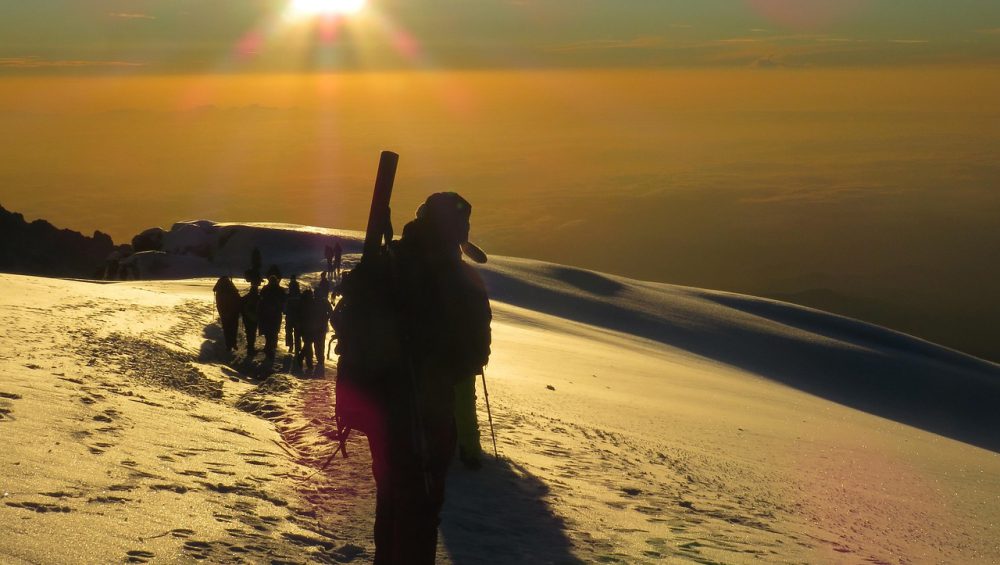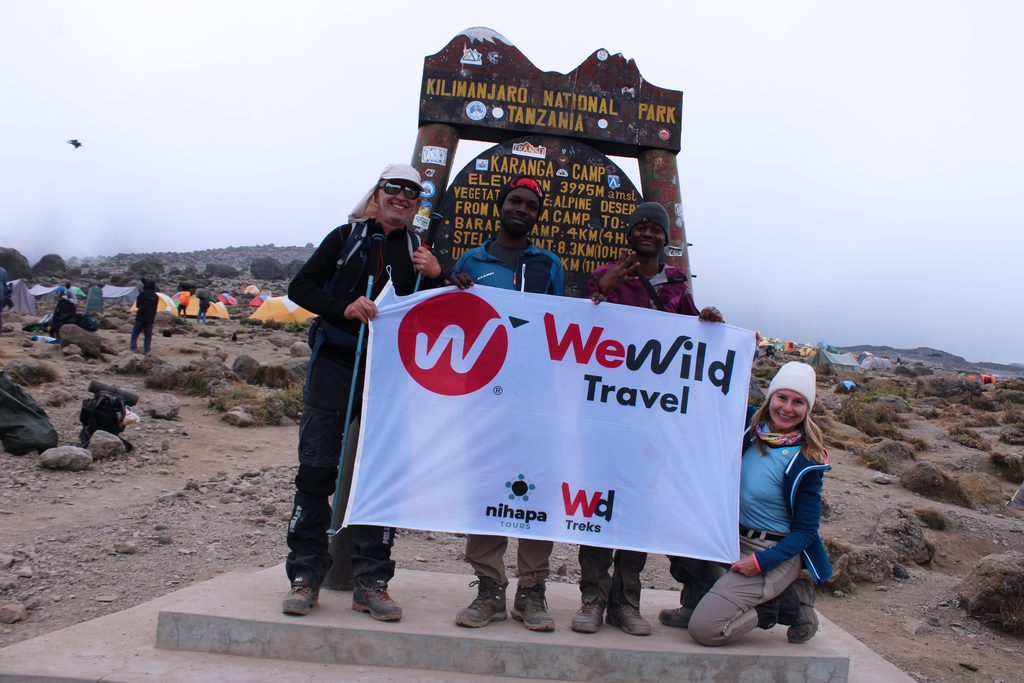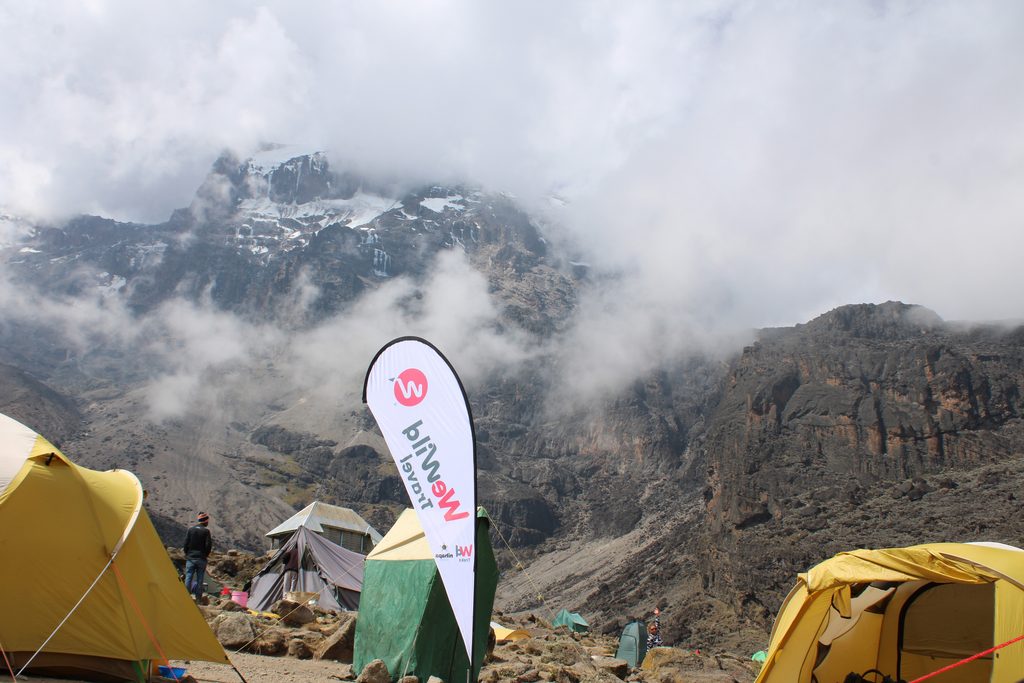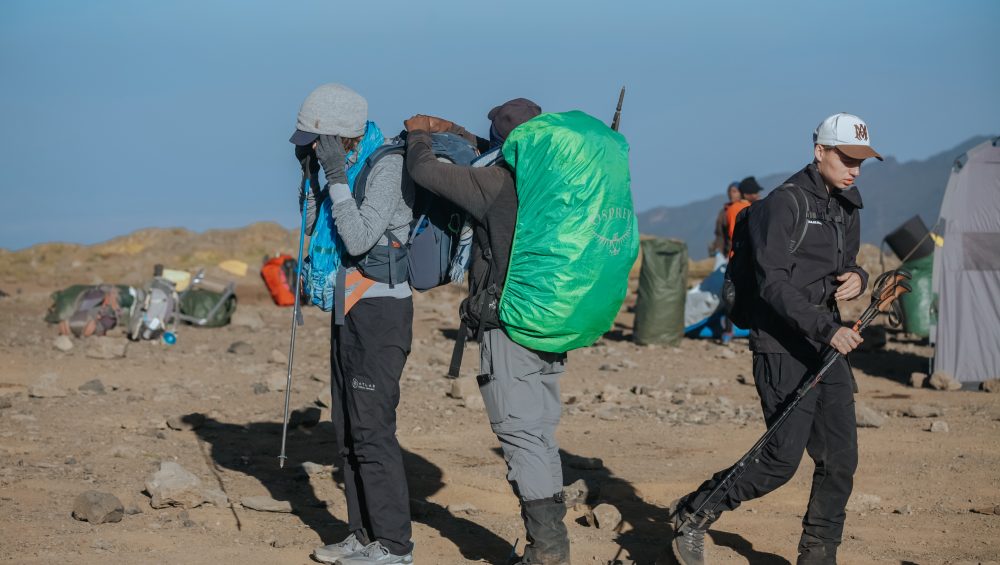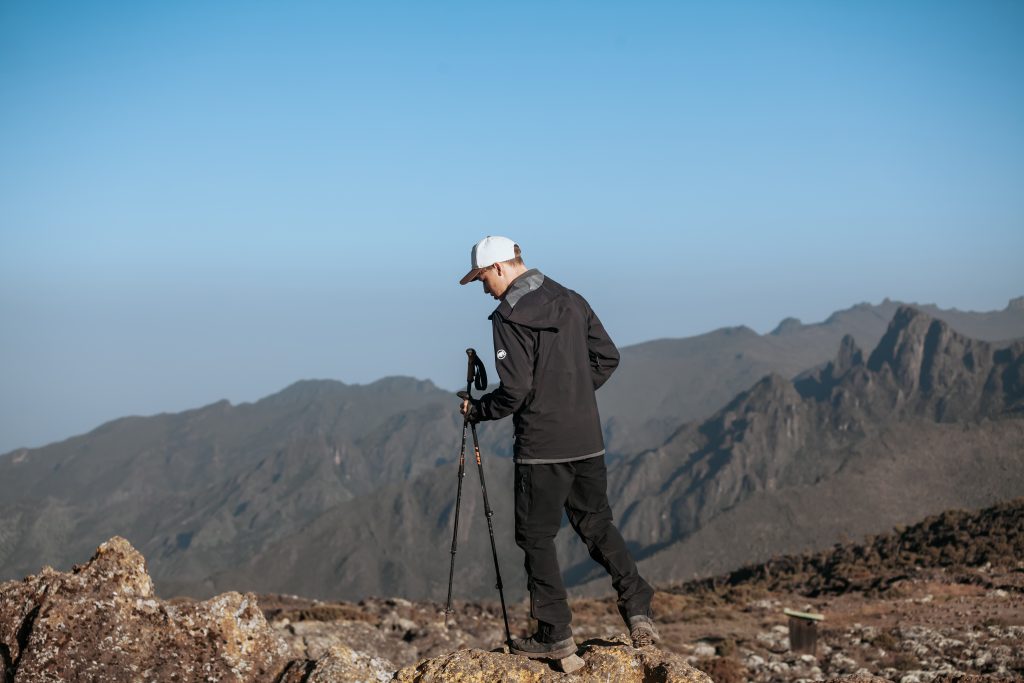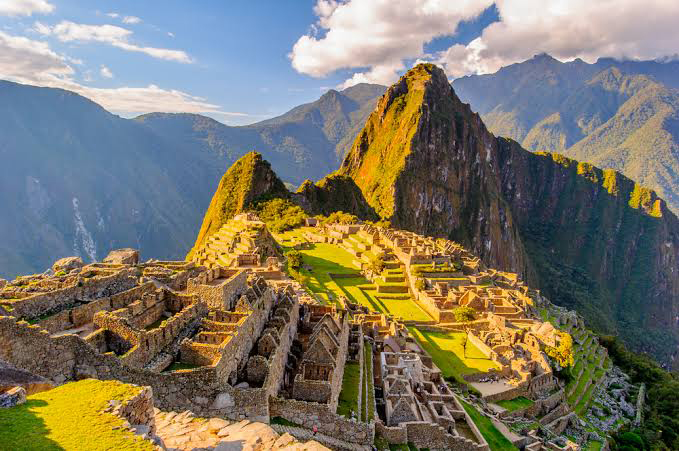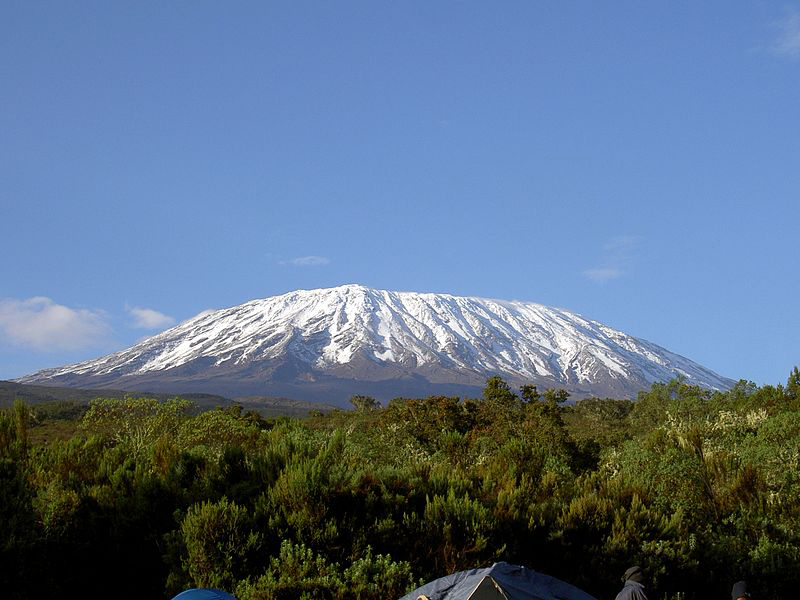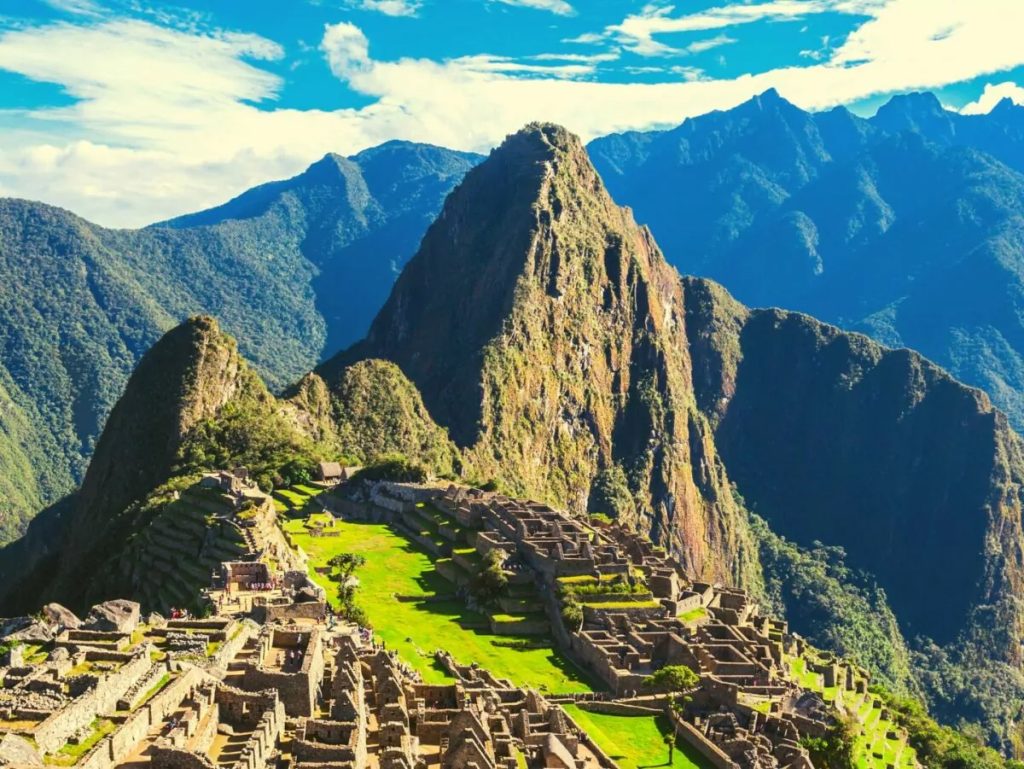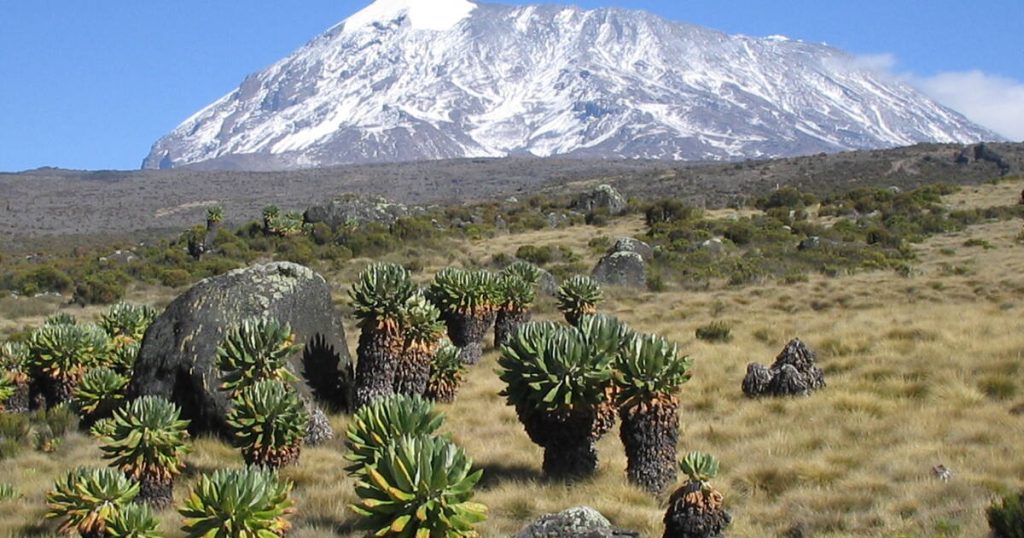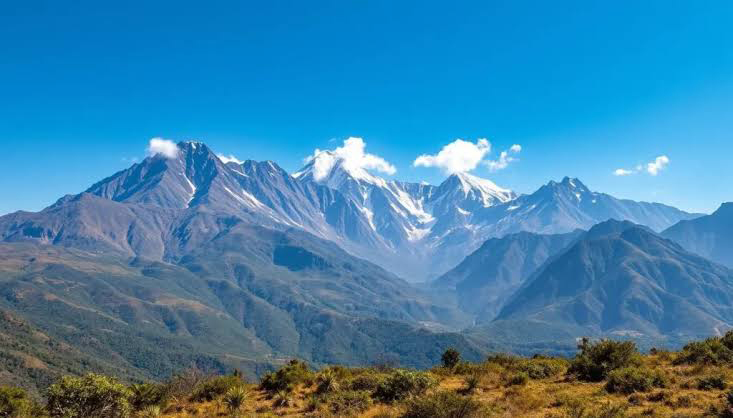
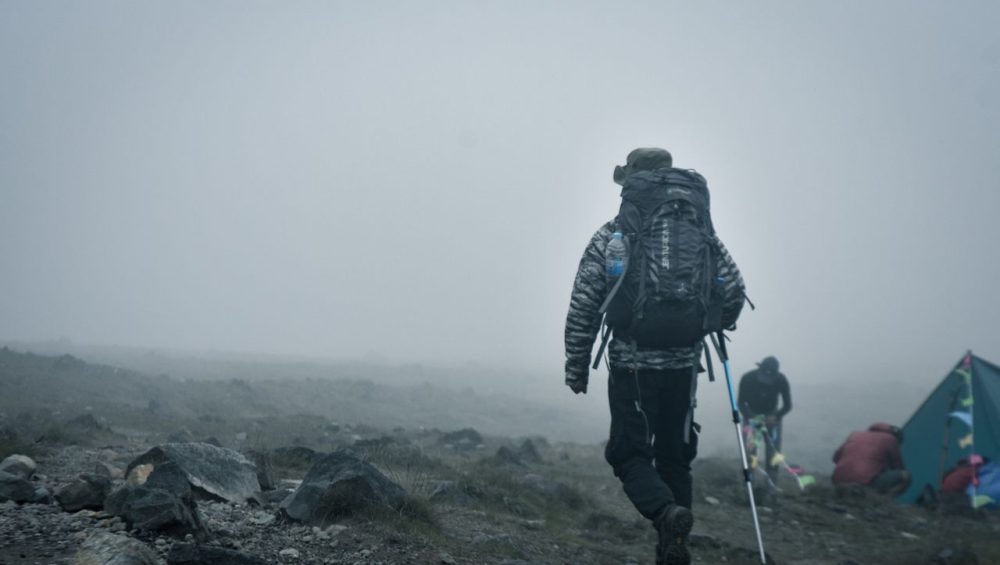
Mawenzi Peak on Mount Kilimanjaro with rugged volcanic cliffs and dramatic mountain scenery

Mawenzi Peak Kilimanjaro

Mawenzi Peak Kilimanjaro – Complete Guide to Africa’s Most Rugged Summit

Mawenzi Peak stands as one of the most dramatic and rugged peaks on Mount Kilimanjaro. It rises sharply beside Kibo and forms part of the famous Kilimanjaro volcanic massif in Tanzania. Many travelers see it during their Kilimanjaro climb, but few understand its true nature, history, and difficulty.

Mawenzi reaches an elevation of 5,149 meters and ranks as the third-highest peak in Africa after Kibo on Kilimanjaro and Mount Kenya. Unlike the smooth dome of Kibo, Mawenzi shows sharp ridges, jagged rocks, and steep walls that look wild and untouched. This appearance comes from ancient volcanic activity followed by strong erosion over time.

Most climbers do not attempt to reach Mawenzi’s summit because it demands technical mountaineering skills. The mountain does not offer simple trekking routes like Uhuru Peak on Kibo. Instead, it challenges climbers with loose rock, steep couloirs, and unpredictable weather conditions.

Mawenzi also holds strong historical value. Early explorers tried to climb it during the early expeditions on Kilimanjaro, but its difficult terrain stopped many attempts. Today, only experienced climbers with proper equipment and permits can approach its higher sections.

Travelers who trek Kilimanjaro often view Mawenzi from a distance, especially from the Rongai and Marangu routes. Its sharp silhouette creates one of the most striking views on the mountain and gives Kilimanjaro its unique three-peak structure.

Mawenzi Peak offers more than a destination. It represents the raw and untamed side of Kilimanjaro, where nature shows its power through rock, height, and isolation.

What Is Mawenzi Peak on Mount Kilimanjaro?

Mawenzi Peak is one of the three volcanic cones of Mount Kilimanjaro and the second-highest peak on the mountain at 5,149 meters. It stands out because it has sharp rock towers, steep ridges, and a very rugged shape compared to the smooth dome of Kibo. Most climbers do not reach Mawenzi because it requires technical climbing skills, so it is mainly seen during Kilimanjaro trekking routes rather than climbed.

Mawenzi Peak Overview

Mawenzi Peak formed through volcanic activity millions of years ago. Over time, erosion shaped it into a jagged and dramatic peak. Today, it looks more like a rocky mountain wall than a typical trekking summit. Climbers and hikers on Kilimanjaro often see Mawenzi from a distance, especially on the eastern side of the mountain.

Why Mawenzi Is Part of Kilimanjaro Massif

Mawenzi is part of the Kilimanjaro massif because it formed from the same volcanic system as Kibo and Shira. These three peaks developed from ancient volcanic eruptions in the same region. Even though Mawenzi looks separate today, it still connects geologically to Kilimanjaro. This shared origin makes it one of the key volcanic cones of the mountain.

Mawenzi vs Kibo vs Shira

Mawenzi, Kibo, and Shira are the three main volcanic cones of Mount Kilimanjaro, but they differ in height, shape, and climbing access. Kibo is the highest peak and home to Uhuru Peak, which most climbers aim to reach. Mawenzi is lower but much more rugged and difficult, so only experienced climbers attempt it. Shira is the oldest cone and has collapsed into a plateau due to erosion. Together, they form the complete volcanic structure of Kilimanjaro.

Where Is Mawenzi Peak Located?

Mawenzi Peak is located in northern Tanzania inside Kilimanjaro National Park. It forms part of the Mount Kilimanjaro volcanic massif and sits to the east of Kibo Peak. The mountain rises in the same protected area where most Kilimanjaro trekking routes pass, so climbers often see Mawenzi during their ascent even if they do not climb it directly.

Location in Kilimanjaro National Park

Mawenzi Peak sits within Kilimanjaro National Park, which protects the entire mountain and its surrounding ecosystem. It lies on the eastern side of Mount Kilimanjaro, near the border area between Tanzania and Kenya. Most trekkers see Mawenzi from routes like Marangu and Rongai, which pass through the eastern slopes of the mountain.

Distance from Kibo Peak

Mawenzi lies close to Kibo Peak, but a deep saddle called the “Saddle Plateau” separates them. This plateau stretches between the two volcanic cones and forms a high-altitude desert zone. The distance between Mawenzi and Kibo looks short on a map, but the rough terrain and elevation make movement between them difficult without proper mountaineering skills.

How Mawenzi Appears on the Kilimanjaro Map

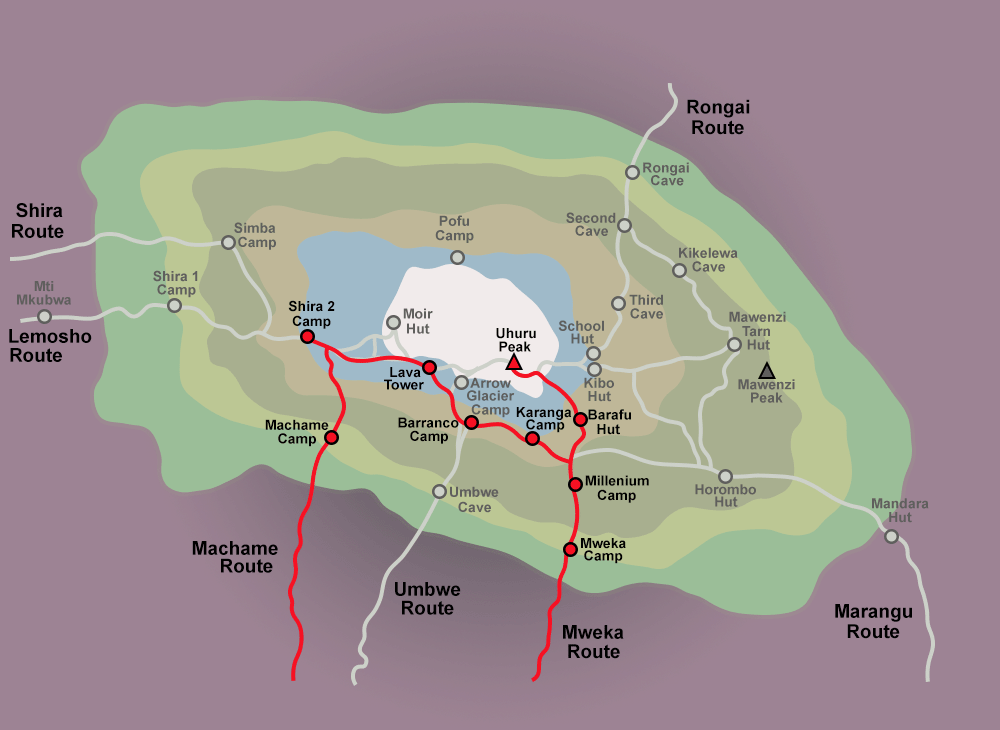
Map of Kilimanjaro routes highlighting Marangu and Rongai trails approaching and passing Mawenzi Peak.

On a Kilimanjaro map, Mawenzi appears as a sharp, jagged peak to the east of the central Kibo cone. It stands out clearly because of its irregular shape compared to the smooth circular outline of Kibo. Maps often show Mawenzi connected to Kibo through the Saddle Plateau, which highlights its role as part of the same volcanic system rather than a separate mountain.

How High Is Mawenzi Peak?

Mawenzi Peak rises to 5,149 meters above sea level, making it the second-highest peak on Mount Kilimanjaro and the third-highest peak in Africa. Its height makes it a major volcanic summit, but its rugged terrain prevents normal trekking access. Unlike Kibo, Mawenzi does not offer a simple walking route to the top, so only experienced climbers attempt technical ascents.

Mawenzi Peak Height (5,149m)

Mawenzi reaches an elevation of 5,149 meters (16,893 feet). This height places it just below Kibo Peak, which forms the highest point of Kilimanjaro. Even though Mawenzi is lower than Kibo, it still rises high above the surrounding landscape and creates a dramatic skyline when viewed from the eastern side of the mountain.

Hans Meyer Peak – The Highest Point

Hans Meyer Peak marks the highest point of Mawenzi. It sits at 5,149 meters and gets its name from Hans Meyer, one of the early explorers of Kilimanjaro. This point represents the true summit of Mawenzi, but reaching it requires technical climbing skills because of steep rock faces and exposed ridges.

Comparison with Kibo and Mount Kenya

Kibo Peak stands as the highest point of Mount Kilimanjaro at 5,895 meters, making it the highest mountain summit in Africa. Mawenzi comes next within the Kilimanjaro massif at 5,149 meters. Mount Kenya stands slightly higher than Mawenzi at 5,199 meters, which places Mawenzi just below it in Africa’s mountain ranking. Even so, Mawenzi remains one of the most rugged and visually striking peaks on the continent.

What Makes Mawenzi Peak So Unique?

Mawenzi Peak stands out on Mount Kilimanjaro because it does not look like a normal trekking mountain. It has sharp rock towers, deep ridges, and broken cliffs that create a wild and dramatic landscape. This rugged appearance makes Mawenzi one of the most visually striking parts of Kilimanjaro and one of the most difficult peaks to climb in East Africa.

Sharp Volcanic Rock Formations

Mawenzi shows sharp volcanic formations that rise like stone spikes into the sky. These formations formed from ancient lava that cooled and cracked over time. Erosion then shaped the mountain into steep ridges and unstable rock walls. Climbers see very little flat ground here, which makes movement extremely difficult and dangerous.

Old Eroded Volcano Structure

Mawenzi is an old volcanic cone that has gone through millions of years of erosion. Wind, rain, and temperature changes slowly broke down its original shape. Unlike younger volcanic peaks, Mawenzi no longer has a smooth cone structure. Instead, it shows exposed rock layers and deep gullies that reveal its long geological history.

Why Mawenzi Looks Different from Kibo

Mawenzi looks very different from Kibo because both peaks formed under different geological conditions. Kibo still keeps a smooth, dome-like shape because it is younger and less eroded. Mawenzi, on the other hand, is older and heavily damaged by erosion. This difference creates a strong contrast on Kilimanjaro, where Kibo looks calm and rounded while Mawenzi looks sharp and rugged.

Can You Climb Mawenzi Peak?

Mawenzi Peak is not a normal trekking summit like Uhuru Peak on Kibo. You can climb it, but only under strict conditions and with advanced mountaineering skills. Most visitors to Mount Kilimanjaro cannot access Mawenzi because the routes do not support regular tourist hiking. The peak remains one of the most technical and dangerous climbing areas in Tanzania.

Is Mawenzi Open for Climbers?

Mawenzi is technically open, but only for experienced mountaineers. Kilimanjaro National Park allows limited access to its higher sections, but it does not promote it as a trekking destination. Most climbers view Mawenzi from a distance during standard Kilimanjaro routes such as Marangu and Rongai. Very few climbers actually attempt the summit each year.

Why Mawenzi Is Restricted and Dangerous

Mawenzi is restricted because of its extreme terrain and high risk level. The peak has steep rock walls, loose volcanic stones, and exposed ridges that increase the chance of accidents. Weather conditions also change quickly, which adds more danger. These factors make Mawenzi unsuitable for beginners or standard trekking groups, so authorities control access to protect climbers.

Permit and Guide Requirements

Climbing Mawenzi requires special permission from Kilimanjaro National Park. Climbers must apply in advance and show proof of technical mountaineering experience. A licensed guide must also accompany every expedition. In addition, climbers must carry proper equipment such as ropes, helmets, harnesses, and safety gear. Without these requirements, access to Mawenzi remains prohibited.

How Difficult Is Mawenzi Peak to Climb?

Mawenzi Peak is one of the most difficult peaks on Mount Kilimanjaro. It does not allow normal trekking like Kibo. The mountain has steep rock walls, loose volcanic stones, and exposed ridges that make every step risky. Climbers need strong experience, physical strength, and full mountaineering skills to handle the terrain safely.

Technical Climbing Skills Needed

Climbing Mawenzi requires advanced technical skills. Climbers must know how to use ropes, harnesses, helmets, and protection gear on steep rock faces. The route includes scrambling and vertical sections where balance and climbing technique matter more than walking ability. Without proper mountaineering training, reaching the summit becomes extremely dangerous.

Rockfall and Weather Challenges

Mawenzi faces constant rockfall risk because its volcanic structure is broken and unstable. Small stones can fall without warning, especially on steep slopes. Weather also changes quickly at high altitude. Strong winds, cold temperatures, and sudden clouds reduce visibility and increase danger during the climb. These conditions make timing and experience very important.

Who Can Attempt Mawenzi Climb

Only experienced climbers can attempt Mawenzi Peak. A person must have prior mountaineering experience in high-altitude rock climbing. Beginners and regular Kilimanjaro trekkers should not attempt it. Climbers also need permission from Kilimanjaro National Park and must go with a licensed guide. Most visitors to Kilimanjaro only view Mawenzi from a distance instead of climbing it.

Routes to Mawenzi Peak

Signboard showing directions to Mawenzi, Kibo Hut, and Horombo on Mount Kilimanjaro trails.

Mawenzi Peak does not have normal trekking routes like Kibo. Climbers reach its lower sections through Kilimanjaro routes that pass near or around the mountain. The most common access comes from Rongai and Marangu routes, which allow trekkers to view or approach Mawenzi from the eastern side of Kilimanjaro. Technical climbers use these approaches to reach Mawenzi Tarn and attempt advanced ascents.

Rongai Route Approach

The Rongai Route approaches Kilimanjaro from the northern side and gives some of the best views of Mawenzi Peak. As climbers move along this route, they see Mawenzi rising sharply across the Saddle Plateau. This route does not lead directly to the summit of Mawenzi, but it provides access to nearby high camps and offers a clear approach for experienced climbers who want to explore the area.

Marangu Route Approach

The Marangu Route approaches Kilimanjaro from the southeast and also offers strong views of Mawenzi. Climbers pass through huts like Mandara and Horombo before reaching higher altitude zones near the Saddle. From Horombo Hut, Mawenzi appears very close and dramatic. This route gives the easiest visual access to Mawenzi, but it still does not provide a standard trekking path to its summit.

Mawenzi Tarn and Base Camp Access

Mawenzi Tarn sits on the northern side of Mawenzi at about 4,330 meters and acts as the main base area for technical attempts. From here, experienced climbers plan routes toward the steep rock faces of Mawenzi Peak. The terrain becomes very rugged beyond this point, and only mountaineers with proper equipment continue higher. Mawenzi Tarn also serves as a key resting and acclimatization point for expeditions in this remote part of Kilimanjaro.

Best Time to Visit Mawenzi Peak

The best time to visit Mawenzi Peak depends on weather conditions on Mount Kilimanjaro. Clear skies and stable weather make climbing safer and improve visibility of the rugged summit. Climbers usually choose dry months because Mawenzi becomes very dangerous during heavy rain and snow conditions.

Dry Season (Best Months)

The best time to visit Mawenzi Peak is during the dry seasons from January to March and June to October. During these months, the weather stays more stable, and the rocks remain drier and safer for movement. Visibility improves, so climbers and trekkers can clearly see Mawenzi’s sharp ridges and volcanic formations. These months also offer better conditions for acclimatization on Kilimanjaro.

Rainy Season Risks

The rainy seasons run from March to May and again from November to early December. During these periods, Mawenzi becomes very dangerous due to slippery rocks, heavy clouds, and low visibility. Rain increases the risk of rockfall and makes climbing routes unstable. Most expeditions avoid this time because conditions reduce safety and make progress extremely difficult.

Weather Conditions on Mawenzi

Mawenzi experiences cold and harsh weather throughout the year because of its high altitude. Temperatures drop below freezing at night, and strong winds often hit the upper slopes. Weather changes quickly, so climbers must prepare for sun, fog, wind, and cold conditions in a single day. This unpredictable weather makes Mawenzi one of the most challenging environments on Kilimanjaro.

Wildlife Around Mawenzi Peak

Mawenzi Peak supports a unique mountain ecosystem even though its upper slopes look harsh and rocky. Wildlife does not live on the summit area because of the extreme cold and lack of vegetation. Instead, animals and birds concentrate on the lower slopes and surrounding Kilimanjaro forest zones where food and shelter exist.

Bearded Vultures and Mountain Birds

Bearded vultures dominate the skies around Mawenzi. These large birds fly over the cliffs searching for bones and carcasses, using strong winds to glide across the mountain. Other mountain birds also live in the rocky areas, including alpine species adapted to cold and thin air. These birds use Mawenzi’s cliffs for nesting because the steep rock faces protect them from predators.

Animals on Lower Kilimanjaro Slopes

The lower slopes of Kilimanjaro around Mawenzi support much richer wildlife. Forest zones below the peak host animals such as elephants, buffalo, colobus monkeys, and antelopes. These animals move through the forested areas where water, grass, and trees are available. As elevation increases, wildlife gradually decreases because conditions become colder and more difficult for survival.

Ecosystem of Mawenzi Region

The Mawenzi region forms part of Kilimanjaro’s wider ecosystem, which changes with altitude. The base areas include rainforest, followed by heath and moorland, and finally alpine desert near the summit. Each zone supports different plant and animal life adapted to its environment. Mawenzi itself sits in the alpine zone, where only specialized species survive harsh wind, cold temperatures, and rocky terrain.

History of Mawenzi Peak

Mawenzi Peak has a long exploration history connected to early Kilimanjaro expeditions. Unlike Kibo, which attracted most climbers, Mawenzi challenged explorers with its steep rock walls and dangerous terrain. Over time, it became known as one of the most difficult volcanic peaks in East Africa.

First Ascent in 1912

The first successful ascent of Mawenzi Peak happened in 1912. German climbers Fritz Klute and Eduard Oehler reached the summit after earlier attempts failed due to the extreme difficulty of the terrain. Their climb proved that Mawenzi could be summited, but only with advanced technical skill and careful planning. This ascent marked an important moment in Kilimanjaro exploration history.

Hans Meyer and Early Expeditions

Portrait of Hans Meyer, the first person to successfully reach Kilimanjaro's summit in 1889.

Hans Meyer played a major role in the early exploration of Kilimanjaro. He became the first recorded person to reach the summit of Kibo in 1889, but he did not succeed in climbing Mawenzi during his attempts. Early expeditions faced harsh conditions, limited equipment, and little knowledge of the mountain. These challenges made Mawenzi one of the least explored parts of Kilimanjaro during that time.

Notable Historical Events (Plane Crash & Exploration)

Mawenzi also has a record of notable historical events beyond climbing. One of the most known incidents involved a plane crash in the 1950s when an aircraft collided with the mountain during poor weather conditions. The rugged cliffs and unpredictable clouds around Mawenzi made navigation extremely difficult. Over the years, explorers and researchers have continued to study its geology and unique volcanic structure, adding to its historical importance within Kilimanjaro National Park.

Mawenzi Tarn and Surrounding Features

Mawenzi Tarn and its surrounding area form one of the most important high-altitude zones on Mount Kilimanjaro. This region sits between Mawenzi and Kibo and acts as a key acclimatization and resting area for climbers moving through the eastern side of the mountain. The landscape looks harsh and rocky, but it also holds unique geological and ecological features.

Mawenzi Tarn Lake

Mawenzi Tarn Lake sits at about 4,330 meters on the northern side of Mawenzi Peak. The lake collects water in a natural basin surrounded by steep rock walls. It has no major outflow, so it depends mainly on rainfall and melting ice. Climbers often use this area for rest and acclimatization because it offers a quiet environment with clear views of Mawenzi’s jagged summit.

Mawenzi Hut Camp

Mawenzi Hut Camp lies higher on the mountain at about 4,600 meters. It serves as a shelter point for climbers and expedition teams exploring the Mawenzi region. The camp provides basic protection from cold weather and strong winds, but conditions remain very harsh due to the high altitude. Most trekkers only pass through or use it for short stays during acclimatization.

Geological Features of the Area

The Mawenzi region shows some of the most dramatic volcanic geology on Mount Kilimanjaro. The area contains steep ridges, exposed lava formations, and deep gullies shaped by erosion over millions of years. These features reveal the mountain’s ancient volcanic history and explain why Mawenzi looks so rugged today. The combination of rock formations and high-altitude desert creates a unique landscape that differs strongly from the smoother slopes of Kibo.

Mawenzi Peak vs Kibo Peak

Mawenzi and Kibo form the two most important volcanic peaks of Mount Kilimanjaro, but they offer very different experiences. Kibo serves as the main summit for climbers, while Mawenzi stands as a rugged, technical peak that few people attempt. Comparing them helps you understand the real structure and challenge of Kilimanjaro.

Height Comparison

Kibo Peak reaches 5,895 meters at Uhuru Peak, making it the highest point in Africa. Mawenzi reaches 5,149 meters, which makes it the second-highest peak on Kilimanjaro. Even though Mawenzi stands tall, it remains almost 700 meters lower than Kibo. This height difference also changes climate conditions, snow coverage, and climbing accessibility between the two peaks.

Difficulty Comparison

Kibo offers a trekking route to the summit, so most climbers can reach Uhuru Peak without technical climbing skills. Mawenzi demands advanced mountaineering experience because of its steep rock faces, loose stones, and exposed ridges. Climbers need ropes, helmets, and technical gear to attempt Mawenzi, while Kibo mainly requires endurance and altitude adaptation. This makes Mawenzi far more technically difficult than Kibo.

Which Peak Is More Important for Climbers?

Kibo holds more importance for most climbers because it contains Uhuru Peak, the main goal of Kilimanjaro expeditions. It attracts thousands of trekkers every year who want to reach the highest point in Africa. Mawenzi holds importance for experienced mountaineers who want technical challenges and unique climbing routes. For general tourism, Kibo dominates, but for technical adventure, Mawenzi offers a more extreme experience.

Safety and Dangers of Mawenzi Peak

Mawenzi Peak is one of the most dangerous sections of Mount Kilimanjaro because of its steep terrain, unstable rock structure, and extreme weather conditions. Unlike Kibo, which allows trekking routes, Mawenzi requires technical climbing skills and strict safety preparation. Most climbers avoid the summit because the risks increase quickly as altitude and exposure rise.

Rockfall Risks

Mawenzi has a very unstable volcanic structure, which creates constant rockfall danger. Loose stones sit on steep slopes and can move without warning, especially when temperatures change. Even small vibrations or climber movement can trigger falling rocks. This makes climbing extremely risky and forces climbers to use helmets, ropes, and careful route planning at all times.

Extreme Weather Conditions

Weather on Mawenzi changes quickly and becomes harsh at high altitude. Strong winds, freezing temperatures, and sudden cloud cover reduce visibility and increase danger on exposed ridges. Rain and frost also make rock surfaces slippery, which raises the risk of slipping or losing grip. These conditions make timing and preparation very important for any attempt.

Why Most Climbers Avoid the Summit

Most climbers avoid Mawenzi because it requires technical mountaineering experience and advanced equipment. The combination of rockfall, steep walls, and unpredictable weather makes it unsuitable for regular trekking tourists. In addition, Kilimanjaro routes focus mainly on Kibo and Uhuru Peak, so Mawenzi receives very few climbing attempts each year. Only experienced alpinists with permits and guides consider summiting it.

Frequently Asked Questions

This section answers the most common questions about Mawenzi Peak and helps you understand its height, difficulty, and role on Mount Kilimanjaro.

Is Mawenzi Peak higher than Mount Kenya?

No, Mawenzi Peak is not higher than Mount Kenya. Mawenzi reaches 5,149 meters, while Mount Kenya reaches 5,199 meters. Mount Kenya stands slightly higher, even though both mountains rank among the tallest in Africa.

Can beginners climb Mawenzi?

No, beginners cannot climb Mawenzi Peak. The mountain requires technical climbing skills, rope use, and experience on steep rock terrain. Beginners can only view Mawenzi from other Kilimanjaro routes but cannot safely attempt the summit.

Do tourists visit Mawenzi Peak?

Yes, tourists visit the Mawenzi area, but they do not usually climb it. Most tourists see Mawenzi during Kilimanjaro treks on routes like Marangu and Rongai. Only a very small number of expert climbers attempt the summit itself.

Is Mawenzi part of the Seven Summits?

No, Mawenzi is not part of the Seven Summits. The Seven Summits list includes the highest peak on each continent, and Kilimanjaro’s highest point (Uhuru Peak on Kibo) represents Africa, not Mawenzi.

Why is Mawenzi dangerous?

Mawenzi is dangerous because of its steep cliffs, loose volcanic rock, and unpredictable weather. The terrain is unstable, and rockfall can happen at any time. High altitude also makes climbing harder and increases risk, which is why only experienced mountaineers attempt it.

Final Thoughts on Mawenzi Peak Kilimanjaro

Mawenzi Peak stands as one of the most dramatic and rugged parts of Mount Kilimanjaro. It does not offer an easy trekking summit, but it delivers powerful scenery, deep geological history, and a true sense of wilderness. Many climbers remember Mawenzi as the most striking visual feature they see during their Kilimanjaro journey.

Why Mawenzi Is One of Africa’s Most Dramatic Peaks

Mawenzi looks dramatic because of its sharp volcanic spires, deep ridges, and steep rock walls. Time and erosion shaped it into a wild and broken peak that looks very different from the smooth dome of Kibo. This unique structure makes it one of the most visually impressive mountains in Africa, especially when seen at sunrise or sunset.

Should You Visit or Attempt the Climb?

You should visit Mawenzi for its scenery and experience, not for a normal trekking summit. Most travelers can safely view it during Kilimanjaro climbs without attempting the technical ascent. Only experienced mountaineers with proper equipment and permits should consider climbing it. For most people, enjoying the view from nearby routes offers the best and safest experience.

Travel Recommendation for Kilimanjaro Climbers

If you plan to climb Kilimanjaro, include Mawenzi in your journey as a highlight rather than a target summit. Choose routes like Rongai or Marangu if you want the best views of the peak. Focus your main summit goal on Kibo and Uhuru Peak, but take time to appreciate Mawenzi’s dramatic landscape, which adds depth and beauty to the entire Kilimanjaro experience.

Shira Camp on Mount Kilimanjaro with open moorland and mountain views

Shira Plateau Kilimanjaro

Shira Plateau Kilimanjaro: Everything You Need to Know

The Shira Plateau is a vast high-altitude plateau on the western side of Mount Kilimanjaro. It formed when the ancient Shira volcano collapsed thousands of years ago, leaving behind a broad landscape of grasslands, volcanic rock formations, and unique alpine vegetation. Today, the plateau serves as one of the most scenic sections of Kilimanjaro and plays a key role in popular trekking routes such as the Lemosho Route and the Northern Circuit Route.

At an average elevation of about 3,600 meters (11,811 feet), the Shira Plateau offers spectacular views of Kibo Peak, dramatic volcanic scenery, and excellent acclimatization opportunities. Many climbers consider it one of the most beautiful areas on Africa’s highest mountain.

Whether you plan to climb Kilimanjaro or simply want to learn about its geography, the Shira Plateau deserves a place on your itinerary.

What Is the Shira Plateau on Mount Kilimanjaro?

The Shira Plateau is a large volcanic plateau that sits on Kilimanjaro’s western flank. It marks the remains of the ancient Shira volcano, the oldest of the three volcanic cones that formed Mount Kilimanjaro.

Millions of years ago, volcanic activity created the Shira cone. Over time, the volcano became inactive and its summit collapsed, forming the broad plateau visitors see today. Later eruptions from Kibo Volcano reshaped parts of the landscape and added new volcanic features to the area.

Today, the Shira Plateau covers approximately 62 square kilometers and ranks among the highest plateaus in the world. The plateau attracts climbers with its wide-open views, fascinating geology, and unique plant life.

Is Shira a Volcano or a Plateau?

Shira is both a volcano and a plateau.

The original Shira Volcano formed more than two million years ago and became the first volcanic cone of the Kilimanjaro massif. After the volcano stopped erupting, its crater collapsed and created the Shira Plateau.

When people refer to the Shira Plateau today, they usually mean the large flat area that stretches across Kilimanjaro’s western side. When geologists discuss Shira, they often refer to the ancient volcano that existed before the collapse.

How the Shira Plateau Formed

The Shira Plateau formed through a series of volcanic and geological events.

First, volcanic eruptions built the Shira cone. Then the volcano became extinct and lost structural support near its summit. Eventually, the crater walls collapsed and created a massive caldera-like depression. Over time, lava flows from nearby Kibo Volcano covered parts of the eastern plateau and shaped the landscape seen today.

This process created one of the most distinctive geological features on Mount Kilimanjaro.

Why the Shira Plateau Is Important

The Shira Plateau plays an important role for both climbers and scientists.

For trekkers, the plateau provides excellent acclimatization opportunities before higher-altitude sections of the mountain. The relatively gentle terrain allows hikers to gain altitude gradually while enjoying panoramic views.

For researchers, the plateau offers valuable insights into Kilimanjaro’s volcanic history, ecosystems, and geological development.

The area also contains some of Kilimanjaro’s most famous landmarks, including Shira Cathedral, Shira Ridge, and Johnsell Point.

Where Is the Shira Plateau Located?

The Shira Plateau lies on the western side of Mount Kilimanjaro in northern Tanzania. It forms part of Kilimanjaro National Park and sits between the mountain’s lower rainforest zone and the higher alpine desert region. Most climbers reach the plateau through the Lemosho Route or the Northern Circuit Route, making it one of the first major highlights of their Kilimanjaro adventure.

The plateau offers wide-open landscapes, stunning views of Kibo Peak, and some of the mountain’s most unique volcanic scenery. Its location also makes it an important acclimatization area for climbers heading toward the summit.

Shira Plateau Location on Kilimanjaro

The Shira Plateau occupies Kilimanjaro’s western flank, between the Shira Ridge and the slopes of Kibo, the mountain’s highest volcanic cone. It stretches across a vast area of open moorland and volcanic terrain, creating one of the largest high-altitude plateaus in Africa.

Travelers typically enter the plateau after passing through Londorossi Gate and ascending from the western side of the mountain. From here, the landscape opens dramatically, revealing rolling grasslands, volcanic rock formations, and distant views of Kilimanjaro’s snow-capped summit.

Because of its position, the plateau serves as a natural gateway to several of Kilimanjaro’s most scenic trekking routes.

Shira Plateau Elevation and Size

The Shira Plateau sits at an average elevation of approximately 3,600 meters (11,811 feet) above sea level. Elevations across the plateau generally range from about 3,500 meters to nearly 4,000 meters, depending on the location.

Covering roughly 62 square kilometers (24 square miles), the plateau ranks among the highest and largest volcanic plateaus in the world. Its highest point, Johnsell Point, reaches approximately 3,962 meters (13,000 feet).

The combination of high altitude and relatively gentle terrain allows climbers to acclimatize while enjoying some of the most spectacular views on Mount Kilimanjaro.

Shira Plateau Map Overview

Map showing Shira Plateau location on Mount Kilimanjaro with western routes and surrounding mountain zones depicted

A map of the Shira Plateau shows a broad volcanic plain on Kilimanjaro’s western side. Several important landmarks stand out across the plateau, including Shira Cathedral, Shira Ridge, Johnsell Point, and the nearby Lava Tower.

The Lemosho Route crosses the plateau from west to east before continuing toward Lava Tower and Barranco Camp. The Northern Circuit Route also passes through this area before circling around the northern slopes of Kibo.

When viewed on a Kilimanjaro route map, the Shira Plateau appears as a key transition zone between the mountain’s lower moorland habitats and the harsher alpine desert environment found at higher elevations.

Quick Facts About the Shira Plateau

The Shira Plateau is one of the most remarkable features on Mount Kilimanjaro. This vast high-altitude plateau combines stunning volcanic landscapes, unique plant life, and panoramic mountain views. Many climbers consider it one of the most beautiful sections of their Kilimanjaro trek.

Elevation

The Shira Plateau sits at an average elevation of approximately 3,600 meters (11,811 feet) above sea level. Most areas of the plateau range between 3,500 and 3,900 meters (11,480-12,795 feet).

Because of its high altitude, the plateau offers climbers their first real experience of Kilimanjaro’s alpine environment. The thinner air also helps trekkers begin acclimatizing before they move to higher camps on the mountain.

Highest Point

Johnsell Point marks the highest point on the Shira Plateau. This prominent summit rises to approximately 3,962 meters (13,000 feet) above sea level.

Several other notable landmarks surround the plateau, including Shira Cathedral, Klute Peak, and Shira Ridge. These volcanic formations create dramatic scenery and offer excellent viewpoints across the western side of Mount Kilimanjaro.

Climate and Weather

The Shira Plateau experiences cool temperatures throughout the year due to its high elevation. Daytime temperatures usually range between 5°C and 15°C (41°F-59°F), while nighttime temperatures often drop below freezing.

Clouds frequently drift across the plateau, especially during the rainy seasons. On clear days, trekkers enjoy spectacular views of Kibo Peak, Mount Meru, and the surrounding plains of northern Tanzania.

Weather conditions can change quickly, so climbers should carry warm layers, waterproof clothing, and sun protection.

Routes That Cross the Plateau

Several of Kilimanjaro’s most scenic routes cross the Shira Plateau.

Lemosho Route – The most popular route through the plateau. It offers excellent acclimatization, diverse scenery, and high summit success rates.

Northern Circuit Route – Kilimanjaro’s longest route. It crosses the plateau before circling around the quieter northern slopes of the mountain.

Shira Route – This route starts at a higher elevation and reaches the plateau quickly. Fewer climbers choose this option because the rapid altitude gain provides less time for acclimatization.

Each route gives trekkers the opportunity to experience the Shira Plateau’s open landscapes, unique vegetation, and breathtaking mountain views.

What Makes the Shira Plateau Unique?

The Shira Plateau stands out as one of the most extraordinary landscapes on Mount Kilimanjaro. Unlike the mountain’s steep trails and rugged slopes, the plateau offers a vast open expanse of volcanic terrain, unique alpine vegetation, and breathtaking views. Its geological history, high elevation, and dramatic scenery make it one of the most memorable parts of any Kilimanjaro climb.

One of the Highest Plateaus in the World

The Shira Plateau ranks among the highest plateaus on Earth. At an average elevation of about 3,600 meters (11,811 feet), it rises far above the surrounding plains of northern Tanzania.

Few places in the world allow visitors to walk across such a large plateau at this altitude while enjoying relatively gentle terrain. The combination of elevation and accessibility makes the Shira Plateau a rare geographical feature and one of Kilimanjaro’s most impressive natural attractions.

For many climbers, reaching the plateau feels like stepping into a completely different world above the clouds.

Views of Kibo Peak

The Shira Plateau offers some of the best views of Kibo Peak, the highest volcanic cone on Mount Kilimanjaro and home to Uhuru Peak.

On clear mornings, trekkers can see Kibo’s massive summit dome rising above the surrounding landscape. As sunlight reaches the mountain, the glaciers and rocky slopes create a spectacular scene that photographers and climbers never forget.

The open terrain of the plateau provides unobstructed views that few other sections of Kilimanjaro can match. Many climbers consider these views a highlight of the entire trek.

Volcanic Landscapes and Open Moorlands

Ancient volcanic activity shaped every part of the Shira Plateau. Today, visitors can see lava formations, volcanic rock outcrops, and rugged ridges that reveal Kilimanjaro’s geological past.

The plateau also supports vast moorlands covered with hardy alpine vegetation. Giant groundsels, giant lobelias, and colorful wildflowers thrive in this high-altitude environment despite the cool temperatures and harsh conditions.

This combination of volcanic terrain and open moorland creates a landscape unlike any other on Mount Kilimanjaro. The scenery changes constantly throughout the day as clouds drift across the plateau and sunlight illuminates the surrounding peaks and valleys.

Wildlife and Plants on the Shira Plateau

The Shira Plateau supports a remarkable variety of plant life despite its harsh high-altitude conditions. Cool temperatures, intense sunlight, and seasonal rainfall have created a unique environment where specialized species thrive. As climbers cross the plateau, they encounter some of Kilimanjaro’s most iconic plants and experience one of Africa’s most fascinating mountain ecosystems.

Giant Lobelias

Giant lobelia growing in Kilimanjaro's afro-alpine vegetation zone

Giant lobelias rank among the most recognizable plants on the Shira Plateau. These unusual plants grow tall rosettes of thick leaves that help them survive freezing nights and strong daytime sunlight.

Some giant lobelias can reach heights of over two meters (6.5 feet), creating striking silhouettes against the open landscape. Their unique appearance often surprises climbers who do not expect to find such large plants at high altitude.

The giant lobelia has adapted perfectly to Kilimanjaro’s challenging environment, making it a symbol of the mountain’s alpine zone.

Giant Groundsels

Giant groundsel plant adapted to cold conditions on Mount Kilimanjaro

Giant groundsels are another famous plant species found on the Shira Plateau. These tree-like plants belong to the daisy family and can grow several meters tall.

Their thick trunks store water, while their dense leaf crowns protect the plants from cold temperatures. Some specimens live for decades and become important landmarks along Kilimanjaro’s trekking routes.

The giant groundsels create an almost prehistoric landscape, giving the plateau a unique character that visitors rarely find elsewhere in the world.

Afro-Alpine Ecosystem

The Shira Plateau forms part of Kilimanjaro’s Afro-alpine ecosystem, a rare habitat found only on high mountains in East Africa. This ecosystem exists between the forest zone below and the alpine desert above.

Plants and animals in this environment have developed special adaptations that help them survive dramatic temperature changes, strong ultraviolet radiation, and limited oxygen levels.

In addition to giant lobelias and groundsels, the plateau supports hardy grasses, heathers, wildflowers, insects, and various bird species. Together, these organisms create a delicate ecosystem that contributes to Kilimanjaro’s status as one of Africa’s most important natural landmarks.

For many trekkers, the unique vegetation and open landscapes of the Shira Plateau provide some of the most memorable scenery on the journey to the summit of Mount Kilimanjaro.

Which Kilimanjaro Routes Pass Through the Shira Plateau?

Several of Mount Kilimanjaro’s most popular routes cross the Shira Plateau. These routes give climbers the opportunity to experience the plateau’s open landscapes, unique vegetation, and spectacular views of Kibo Peak. While each route follows a different itinerary, all offer unforgettable scenery as they traverse this remarkable section of the mountain.

Lemosho Route

The Lemosho Route is the most popular route that crosses the Shira Plateau. Many climbers choose this route because it combines beautiful scenery, gradual acclimatization, and high summit success rates.

After entering Kilimanjaro National Park through Londorossi Gate, trekkers walk through rainforest and heathland before reaching the plateau. The route then continues eastward across Shira toward Lava Tower and the Southern Circuit.

The Lemosho Route typically takes 7 to 8 days, giving climbers plenty of time to adjust to the altitude while enjoying some of Kilimanjaro’s most impressive landscapes.

Northern Circuit Route

The Northern Circuit Route also passes through the Shira Plateau before circling around Kilimanjaro’s quieter northern slopes.

As the longest route on the mountain, the Northern Circuit offers excellent acclimatization and some of the highest summit success rates. After crossing the plateau, climbers continue around Kibo Peak and spend several days exploring remote sections of the mountain that receive far fewer visitors.

Trekkers who want solitude, diverse scenery, and maximum acclimatization often choose the Northern Circuit Route.

Shira Route

The Shira Route begins at a higher elevation than most Kilimanjaro routes and reaches the plateau almost immediately.

Vehicles transport climbers to the starting point at around 3,500 meters (11,480 feet), which reduces the amount of hiking required during the first day. While this route offers beautiful scenery, the rapid altitude gain provides less time for acclimatization.

For this reason, many climbers prefer the Lemosho Route, which follows a similar path but starts at a lower elevation and allows a more gradual ascent.

Route Comparison Table

RouteDurationStarting ElevationDifficultyAcclimatizationBest For
Lemosho Route7-8 DaysLowModerateExcellentFirst-time climbers and scenic trekking
Northern Circuit Route8-10 DaysLowModerateExcellentMaximum acclimatization and fewer crowds
Shira Route6-8 DaysHighModerate to ChallengingFairExperienced trekkers comfortable with altitude

For most climbers, the Lemosho Route offers the best overall experience on the Shira Plateau. However, the Northern Circuit provides greater solitude, while the Shira Route offers the quickest access to this spectacular high-altitude landscape.

Shira Route vs Lemosho Route

Shira Route and Lemosho Route are both western routes on Mount Kilimanjaro but they are different in safety, difficulty, and acclimatization. Shira Route starts at a very high altitude, around 3,500 meters, so climbers enter thin air immediately. Lemosho Route starts lower in the rainforest zone and climbs slowly. This makes Lemosho safer and more popular. Both routes give good views, but Lemosho gives a better trekking experience and higher summit success because the body adjusts better to altitude.

Key Differences

The main difference is altitude at the start. Shira Route starts high, so climbers feel altitude effects early. Lemosho Route starts low and climbs step by step. Shira Route skips the rainforest zone, while Lemosho passes through forest, moorland, and alpine desert. Lemosho gives more time for acclimatization, which reduces altitude sickness. Shira is shorter in lower zones but more difficult for beginners. Lemosho is longer but safer and more stable for most trekkers.

Advantages and Disadvantages

Shira Route advantages are fast access to high altitude views and fewer forest sections. But it has disadvantages like higher altitude sickness risk, poor acclimatization, and lower success rate. Lemosho Route advantages are better acclimatization, higher summit success rate, and more scenic variety. It is also safer for beginners. Its disadvantages are longer trekking days and higher cost because of more time on the mountain. Overall, Lemosho gives a better and safer climbing experience.

Which Route Is Better for Acclimatization?

Lemosho Route is better for acclimatization. It starts lower and allows the body to adjust slowly to altitude. This reduces headaches, tiredness, and altitude sickness. Shira Route starts too high, so the body struggles to adjust quickly. Because of this, Lemosho has a higher chance of reaching Uhuru Peak safely.

Top Attractions on the Shira Plateau

The Shira Plateau has several famous natural attractions that make it one of the most interesting parts of Mount Kilimanjaro. These attractions include rock formations, viewpoints, and volcanic features formed from ancient volcanic activity. Trekkers pass through or near these spots while hiking western routes like Lemosho, Shira, and Northern Circuit. Each attraction offers unique scenery, clear views of Kibo Peak, and great photography opportunities. The area is open, high-altitude, and peaceful, making it a memorable section of the climb for many hikers.

Shira Cathedral

Shira Cathedral is one of the most iconic rock formations on the Shira Plateau. It is a large volcanic structure shaped by ancient lava and erosion over time. Trekkers often stop here because it offers wide views of the surrounding plateau and Kibo Peak. The area feels open and quiet, with strong winds and thin air due to high altitude. It is also used as a resting point during acclimatization hikes. Shira Cathedral stands out because of its size and unique shape, making it one of the most photographed features on this side of Kilimanjaro.

Shira Ridge

Shira Ridge is a long elevated section of the plateau that offers clear panoramic views of the landscape. From the ridge, trekkers can see open moorlands, volcanic rock formations, and distant views of the summit area. The ridge is important for acclimatization because it keeps climbers active at high altitude. The area is usually windy and cold, but the visibility is often very good on clear days. Many trekking routes pass near or along Shira Ridge, making it a natural viewpoint where climbers can rest and take photos.

Johnsell Point

Johnsell Point is a less crowded viewpoint on the Shira Plateau. It is used as a resting or observation spot during trekking. From this point, climbers can see wide open plains and parts of the mountain landscape. It is not as famous as other landmarks, but it is still valuable for its calm environment and scenic views. Trekkers often stop here to adjust to altitude and enjoy the silence of the plateau. The location gives a clear feeling of isolation and high-altitude wilderness.

Lava Tower

Lava Tower is a major volcanic rock formation near the Shira Plateau area and is one of the key acclimatization points on Kilimanjaro. It was formed from solidified lava from ancient volcanic activity. Trekkers usually pass this area on routes like Lemosho and Northern Circuit. The climb to Lava Tower helps the body adjust to higher altitude before descending for sleep, which improves acclimatization. The landscape around Lava Tower is rocky, dry, and very exposed, showing the harsh alpine environment of Kilimanjaro.

Can You Drive to the Shira Plateau?

Yes, you can drive close to the Shira Plateau, but you cannot drive across it. Vehicles can reach a high starting point on the western side of Mount Kilimanjaro through Londorossi Gate. From there, trekkers continue on foot. This makes the Shira Route different from other routes because it allows a vehicle-supported start at high altitude. However, the real experience of the plateau still requires hiking. The drive mainly helps reduce walking distance at the beginning, but climbers still need to adapt to high altitude conditions immediately after starting the trek.

Signboard marking the Shira Plateau along a Kilimanjaro trekking route

Access via Londorossi Gate

Londorossi Gate is the main access point used to reach the Shira Plateau area from the western side of Kilimanjaro. Vehicles drive from Moshi or Arusha through forest roads until they reach a drop-off point above the rainforest zone. This route is rough and depends on weather conditions, especially during rainy seasons. From Londorossi Gate, trekkers register and then continue deeper into the mountain area. This gate is important because it allows access to higher starting points compared to other Kilimanjaro routes.

Vehicle Access Explained

Vehicles can only go part of the way to the Shira Plateau. They stop at a designated drop-off point where the road ends and trekking begins. The rest of the journey must be done on foot because the terrain becomes too steep, rocky, and protected for vehicles. This is also done to protect the environment and maintain the natural condition of the mountain. The vehicle access mainly helps trekkers start at higher altitude, which shortens the first trekking section but increases immediate exposure to thin air.

What to Expect After Arrival

After arriving at the drop-off point, trekkers immediately enter a high-altitude environment. The air is cooler, thinner, and more open compared to the forest zone below. The landscape becomes wide and volcanic, with few trees and more grassland and rock formations. Climbers often feel the altitude quickly because of the elevation. The trekking begins across open moorland, and the scenery becomes very expansive with views of Kibo Peak on clear days. It is a quiet and remote area with strong winds and changing weather conditions.

How the Shira Plateau Helps With Acclimatization

The Shira Plateau plays an important role in helping climbers adjust to high altitude on Mount Kilimanjaro. It sits at a high elevation where oxygen levels are lower, so the body starts adapting early. This area is often used in western routes like Lemosho and Northern Circuit to improve acclimatization before moving to higher camps. Spending time on the plateau helps reduce altitude sickness because climbers experience high altitude conditions while still trekking at a steady pace. The open landscape also allows gradual exposure to changing oxygen levels, which helps the body prepare for the summit push.

Altitude Benefits

The main benefit of the Shira Plateau is its high altitude. At around 3,500 meters, the air is thinner and contains less oxygen compared to lower parts of the mountain. When climbers spend time here, their bodies start producing more red blood cells to carry oxygen more efficiently. This natural adjustment helps reduce symptoms of altitude sickness such as headaches, nausea, and fatigue. Because climbers are already exposed to high altitude early in the trek, their bodies become stronger and more prepared for higher camps later on Kilimanjaro.

Climb High, Sleep Low Principle

The “climb high, sleep low” principle is commonly used around the Shira Plateau area. Climbers hike to higher elevations during the day, such as ridges or nearby peaks, and then descend to sleep at a lower camp. This method helps the body adjust to altitude without putting too much stress on it. On the Shira Plateau, this process works well because the terrain allows easy movement between different elevations. It improves oxygen efficiency and gives the body time to recover at night, which is very important for long climbs like Kilimanjaro.

Impact on Summit Success Rates

The Shira Plateau improves summit success rates because it supports early acclimatization. Climbers who spend time adjusting at this altitude are less likely to suffer from severe altitude sickness later on the mountain. This leads to better energy levels, stronger performance, and more stable climbing progress. Routes that pass through the Shira Plateau, especially Lemosho and Northern Circuit, usually have higher success rates compared to shorter or steeper routes. Proper acclimatization here increases the chance of reaching Uhuru Peak safely and comfortably.

Best Time to Visit the Shira Plateau

The best time to visit the Shira Plateau is during the dry seasons when the weather is more stable and the trails are easier to walk. During these months, the sky is usually clear, visibility is good, and trekkers get better views of Kibo Peak and the surrounding landscapes. The plateau is high and exposed, so weather changes quickly, but dry seasons reduce rain, mud, and cloud cover. This makes trekking safer and more comfortable, especially for climbers who want better photography and easier hiking conditions. The main trekking seasons on Kilimanjaro also match these periods, so more guided climbs happen during this time.

January to March

January to March is a good time to visit the Shira Plateau. The weather is generally clear, and the mountain is less crowded compared to peak season. Temperatures are cold, especially at night and early morning, but daytime conditions are usually stable for trekking. This period also offers good visibility of the landscape, including wide views of the plateau and Kibo Peak. However, some light rain can still occur in early March, so trekkers should be prepared for mixed conditions. Overall, this season is suitable for climbers who prefer fewer crowds and calm trekking routes.

June to October

June to October is the most popular and best time to visit the Shira Plateau. This is the main dry season in Tanzania, so the weather is more stable and predictable. Trails are dry, skies are often clear, and visibility is excellent. This makes it easier to enjoy the open landscapes of the plateau and take clear photos. Temperatures are cold but manageable for most trekkers. Because this is peak season, more climbers are on the mountain, so routes can feel busier. However, it is the safest and most reliable time for trekking Kilimanjaro.

Rainy Seasons

The rainy seasons are from April to May and again in November. During this time, the Shira Plateau becomes wetter, colder, and more difficult to trek. Clouds often cover the mountain, reducing visibility and blocking views of Kibo Peak. Trails can become muddy and slippery, making hiking more challenging. Heavy rain is not constant, but conditions are less stable compared to dry seasons. Fewer trekkers choose this time, so the mountain feels quiet and less crowded. However, it is not the best time for beginners or first-time Kilimanjaro climbers due to weather difficulty.

Frequently Asked Questions About the Shira Plateau

The Shira Plateau is one of the most interesting parts of Mount Kilimanjaro, and many trekkers ask questions about its height, difficulty, routes, and trekking time. These questions usually come from climbers who want to understand what to expect before choosing a route. The plateau sits at high altitude and is part of several major Kilimanjaro routes, so it plays an important role in acclimatization and scenery. Below are the most common questions with simple answers to help you understand the Shira Plateau better before your climb.

How High Is the Shira Plateau?

The Shira Plateau is about 3,500 meters above sea level. This makes it one of the highest plateaus on Mount Kilimanjaro. At this altitude, the air is thinner and oxygen levels are lower compared to the lower forest zones. Climbers often feel the change in breathing and energy when they reach this level. Because of the height, the plateau is an important acclimatization area for western routes like Lemosho and Northern Circuit. The high elevation also creates wide views of the mountain landscape and Kibo Peak on clear days.

Can Beginners Visit the Shira Plateau?

Yes, beginners can visit the Shira Plateau, but only as part of a guided Kilimanjaro trek. The plateau is not a tourist site you can visit independently; it is inside the mountain climbing routes. Beginners usually experience it through routes like Lemosho, which are safer because they allow gradual acclimatization. However, the altitude is high, so beginners must be prepared for thin air, cold temperatures, and physical effort. With proper guidance, pacing, and acclimatization, beginners can safely experience the Shira Plateau during their climb.

Which Route Offers the Best Views?

The Northern Circuit Route offers the best views of the Shira Plateau because it spends more time crossing the area. Trekkers get wide panoramic views of open moorlands, volcanic formations, and Kibo Peak. The Lemosho Route also offers excellent views and is very popular for scenic trekking. Both routes pass through beautiful parts of the plateau, but Northern Circuit gives the longest and most detailed experience. Shira Route also offers direct views, but it is shorter and less commonly used today. Overall, Northern Circuit provides the most complete visual experience.

How Long Do Trekkers Spend on the Plateau?

Trekkers usually spend 1 to 2 days on or around the Shira Plateau depending on the route. Shorter routes like Shira may pass through quickly in one day, while Lemosho and Northern Circuit spend more time crossing and exploring the area. The duration depends on the trekking schedule and acclimatization plan. Spending more time on the plateau helps the body adjust better to altitude and improves summit success chances. Longer exposure also allows trekkers to enjoy the scenery, take photos, and experience the unique volcanic landscape of this part of Kilimanjaro.

Final Thoughts on the Shira Plateau Kilimanjaro

The Shira Plateau is one of the most important and scenic areas on Mount Kilimanjaro. It offers wide open landscapes, strong volcanic features, and clear views of Kibo Peak. It also plays a key role in acclimatization because of its high altitude. Trekkers passing through this area experience one of the most unique sections of the mountain, especially on western routes like Lemosho and Northern Circuit. The plateau shows both the beauty and the challenge of Kilimanjaro, combining high elevation with dramatic natural scenery. For most climbers, it becomes a memorable highlight of the entire journey to Uhuru Peak.

Panoramic view of the best mountains in Tanzania, featuring scenic hiking landscapes and iconic mountain peaks.

Best Mountains in Tanzania for Hiking and Exploration

Best Mountains in Tanzania for Hiking and Exploration: Top Peaks for Every Adventure

Tanzania is home to some of the most spectacular mountains in Africa, making it a dream destination for hikers, trekkers, nature lovers, and adventure seekers. From the snow-capped summit of Mount Kilimanjaro to the lush rainforests of the Udzungwa Mountains, the country offers a wide variety of landscapes, hiking experiences, and breathtaking views.

The best mountains in Tanzania for hiking and exploration range from world-famous peaks to hidden gems that few international travelers discover. Some mountains challenge climbers with multi-day summit treks, while others reward visitors with scenic day hikes, waterfalls, wildlife encounters, and cultural experiences. Whether you are a beginner looking for an easy trail or an experienced hiker searching for your next adventure, Tanzania has a mountain that matches your goals.

In addition, Tanzania’s mountains showcase the country’s incredible natural diversity. Hikers can walk through tropical rainforests, alpine deserts, volcanic craters, grasslands, and cloud forests within a single journey. Many mountains also lie near national parks and conservation areas, creating opportunities to combine hiking with wildlife viewing and cultural tourism.

This guide explores the best mountains in Tanzania for hiking and exploration, including Mount Kilimanjaro, Mount Meru, Mount Hanang, the Usambara Mountains, the Udzungwa Mountains, and other remarkable peaks. You’ll discover what makes each destination unique, how difficult the hikes are, and which mountain best suits your travel style.

Whether you dream of standing on Africa’s highest summit, trekking through ancient forests, or exploring remote volcanic landscapes, Tanzania offers unforgettable mountain adventures for every type of traveler.

Why Tanzania Is One of Africa’s Best Hiking Destinations

Tanzania ranks among the best hiking destinations in Africa because it combines world-class mountains, diverse landscapes, rich wildlife, and unique cultural experiences. Few countries offer such a wide range of trekking opportunities, from climbing Africa’s highest mountain to exploring remote rainforests, volcanic peaks, and scenic highlands.

One of the biggest reasons hikers visit Tanzania is Mount Kilimanjaro, the tallest mountain in Africa. Every year, thousands of adventurers travel from around the world to reach Uhuru Peak at 5,895 meters (19,341 feet). Unlike many famous mountains, Kilimanjaro does not require technical climbing skills, making it accessible to a wide range of hikers.

However, Tanzania offers much more than Kilimanjaro. Mount Meru provides a challenging trek through wildlife-rich landscapes, while Mount Hanang attracts hikers looking for a quieter and less crowded experience. The Usambara and Udzungwa Mountains offer lush forests, waterfalls, and exceptional biodiversity, creating opportunities for both hiking and nature exploration.

Another advantage is the country’s remarkable variety of landscapes. Hikers can walk through tropical forests, volcanic craters, alpine deserts, rolling hills, and mountain grasslands within different regions of Tanzania. This diversity ensures that every mountain adventure feels unique.

In addition, many hiking destinations lie close to national parks and cultural attractions. Visitors can combine mountain trekking with wildlife safaris, coffee tours, village visits, and cultural experiences. For example, hikers on Mount Meru often see giraffes, buffaloes, and zebras, while visitors to the Usambara Mountains can explore local communities and traditional farming areas.

Tanzania also enjoys favorable hiking conditions throughout much of the year. The dry seasons from January to March and June to October provide excellent weather for mountain adventures, with clear skies and stunning views.

Quick Comparison of the Best Mountains in Tanzania

Tanzania offers a wide range of mountain adventures, from Africa’s highest peak to remote volcanic summits and lush rainforest trails. Some mountains challenge trekkers with multi-day climbs, while others provide easier hikes with spectacular scenery, wildlife, and cultural experiences. The comparison below helps you choose the mountain that best matches your interests, fitness level, and travel goals.

Mountain Comparison Table

MountainHeightDifficultyTypical DurationBest For
Mount Kilimanjaro5,895 mModerate to Challenging5-9 DaysSummit seekers and bucket-list adventures
Mount Meru4,562 mModerate3-4 DaysWildlife and acclimatization
Mount Hanang3,420 mModerate1-2 DaysRemote hiking experiences
Ol Doinyo Lengai2,962 mChallenging1 DayVolcano enthusiasts
Usambara MountainsUp to 2,440 mEasy to Moderate1-3 DaysScenic hiking and culture
Udzungwa MountainsUp to 2,576 mEasy to Moderate1-3 DaysRainforests and waterfalls
Mahale MountainsUp to 2,520 mModerate1-3 DaysChimpanzee trekking and nature

Best Mountain for Beginners

The Usambara Mountains rank among the best mountains in Tanzania for beginner hikers. The trails are generally less demanding than high-altitude climbs and reward visitors with beautiful viewpoints, forests, farms, and local villages. Hikers can enjoy multi-hour walks or full-day treks without facing extreme altitude.

Mount Meru also suits active beginners who want a more challenging mountain experience. Although the trek involves several days of hiking, it offers excellent acclimatization and professional guide support throughout the journey.

Best Mountain for Experienced Hikers

Mount Kilimanjaro remains the ultimate challenge for most hikers visiting Tanzania. Standing at 5,895 meters above sea level, it requires physical endurance, mental determination, and proper acclimatization. Reaching Uhuru Peak delivers one of the most rewarding trekking achievements in the world.

Experienced hikers looking for something different may also enjoy Ol Doinyo Lengai. This active volcano features steep slopes and a demanding nighttime ascent, making it one of Tanzania’s most unique mountain adventures.

Best Mountain for Wildlife and Nature

Mount Meru provides one of the best combinations of hiking and wildlife viewing in Tanzania. Located within Arusha National Park, the mountain allows trekkers to see giraffes, buffaloes, zebras, antelopes, and many bird species during the ascent.

For nature lovers, the Udzungwa Mountains offer a completely different experience. Dense rainforests, rare wildlife, endemic plants, and spectacular waterfalls make this region one of East Africa’s biodiversity hotspots. Meanwhile, the Mahale Mountains combine forest hiking with the unforgettable opportunity to observe wild chimpanzees in their natural habitat.

Mount Kilimanjaro – Africa’s Highest Mountain

Standing at 5,895 meters (19,341 feet), Mount Kilimanjaro is the highest mountain in Africa and the tallest free-standing mountain in the world. Located in northern Tanzania, Kilimanjaro attracts thousands of hikers every year who dream of reaching its famous Uhuru Peak. Unlike many high mountains that require technical climbing skills, Kilimanjaro can be climbed by trekkers with good fitness and determination, making it one of the most accessible high-altitude adventures on Earth.

Mount Kilimanjaro rising above the clouds with snow-covered summit and scenic alpine landscapes in Tanzania.

Why Hike Mount Kilimanjaro?

Mount Kilimanjaro offers a once-in-a-lifetime experience that combines adventure, natural beauty, and personal achievement. During the climb, hikers pass through several ecological zones, including lush rainforests, heath and moorland, alpine deserts, and the arctic summit zone. Few mountains in the world provide such dramatic changes in scenery within a single trek.

Reaching the summit is a major accomplishment for many travelers. Standing on Uhuru Peak at sunrise allows climbers to enjoy breathtaking views above the clouds while celebrating their achievement on Africa’s highest point. The mountain is also home to unique plants such as giant groundsels and giant lobelias, adding to the remarkable experience.

Popular Kilimanjaro Routes

Several routes lead to the summit of Mount Kilimanjaro, each offering different scenery, difficulty levels, and success rates.

  • Machame Route: Known as the “Whiskey Route,” this is one of the most scenic and popular options. It offers excellent acclimatization and high summit success rates.
  • Lemosho Route: Considered one of the best routes for acclimatization, beautiful landscapes, and a less crowded experience during the early days of the trek.
  • Marangu Route: Often called the “Coca-Cola Route,” it is the only route with mountain huts instead of tents. It is popular among beginners but has lower summit success rates due to shorter acclimatization time.
  • Rongai Route: Approaches the mountain from the northern side and is generally quieter than the southern routes.
  • Northern Circuit Route: The longest route on Kilimanjaro and one of the most successful for reaching the summit because it allows ample time for acclimatization.
  • Umbwe Route: A steep and challenging route recommended for experienced hikers seeking a more demanding climb.

Difficulty and Success Rates

Many people wonder whether Mount Kilimanjaro is difficult to climb. The answer depends largely on preparation, fitness, and route selection. While technical climbing skills are not required, the mountain’s high altitude presents the biggest challenge.

Altitude sickness affects many climbers, especially those who ascend too quickly. Choosing a longer route with better acclimatization significantly improves the chances of success. Routes lasting seven to nine days generally achieve much higher summit success rates than shorter itineraries.

Most healthy hikers who train properly, walk slowly, stay hydrated, and follow their guides’ instructions have a good chance of reaching the summit. The famous Kilimanjaro climbing motto, “Pole Pole” (slowly, slowly), plays an important role in successful ascents.

Best Time to Climb Kilimanjaro

The best time to climb Mount Kilimanjaro is during Tanzania’s dry seasons when weather conditions are more stable and trail conditions are better.

The most popular climbing seasons are:

  • January to March: Cooler temperatures, fewer crowds, and occasional snow near the summit.
  • June to October: Dry weather, clear skies, and excellent mountain views. This is the busiest climbing season.

The rainy seasons from April to May and November can make trails muddy and reduce visibility. However, some experienced hikers prefer these quieter periods for a more secluded experience.

For most travelers, January to March and June to October provide the best combination of favorable weather, beautiful scenery, and a higher likelihood of a successful summit.

Mount Meru – Tanzania’s Best Alternative to Kilimanjaro

Mount Meru towering above Arusha National Park with lush forests, volcanic slopes, and scenic hiking trails.

While Mount Kilimanjaro often receives most of the attention, Mount Meru is one of Tanzania’s most rewarding hiking destinations. Rising to 4,566 meters (14,980 feet), Mount Meru is the second-highest mountain in Tanzania and the fifth-highest mountain in Africa. Located within Arusha National Park, the mountain offers stunning scenery, diverse wildlife, and a challenging trekking experience.

Many hikers choose Mount Meru as a standalone adventure, while others use it as preparation for climbing Kilimanjaro. With fewer crowds, excellent wildlife viewing opportunities, and spectacular summit views, Mount Meru provides an unforgettable mountain experience for nature lovers and adventure seekers.

Why Mount Meru Is Special

Mount Meru stands out because it combines mountain trekking with wildlife encounters that are rarely found on other major hiking routes. The mountain is an active stratovolcano with a dramatic horseshoe-shaped crater formed by a massive volcanic eruption thousands of years ago.

The trek passes through several ecological zones, including grasslands, montane forests, heathlands, and alpine landscapes. As hikers gain elevation, they enjoy panoramic views of the surrounding countryside and, on clear days, breathtaking views of Mount Kilimanjaro in the distance.

One of the highlights of climbing Mount Meru is reaching Socialist Peak at sunrise. From the summit, hikers can witness spectacular views over the crater rim, volcanic ash cone, and surrounding plains. Many experienced trekkers consider the summit sunrise one of the most beautiful mountain views in Tanzania.

Wildlife Encounters on the Trek

Unlike most mountain climbs, Mount Meru begins with a walking safari through Arusha National Park. Armed park rangers accompany hikers because wildlife is commonly seen along the lower slopes.

Trekkers may encounter:

  • Giraffes grazing in open grasslands
  • Buffalo moving through the forest
  • Zebras and warthogs near the trail
  • Colobus monkeys and blue monkeys in the canopy
  • Various bird species, including eagles and turacos

These wildlife encounters make the climb unique and provide excellent photography opportunities. Many hikers describe Mount Meru as a combination of a mountain trek and a safari experience, making it one of Tanzania’s most diverse outdoor adventures.

Mount Meru vs Kilimanjaro

Although they are located close to each other in northern Tanzania, Mount Meru and Mount Kilimanjaro provide very different trekking experiences.

At 5,895 meters (19,341 feet), Kilimanjaro is Africa’s highest mountain and one of the world’s most famous trekking destinations. Thousands of climbers travel to Tanzania each year to attempt its summit. Reaching the top typically requires more days on the mountain, and the extreme altitude presents a greater challenge for many hikers.

In contrast, Mount Meru offers a quieter and more intimate adventure. The trek is shorter, usually taking three to four days, and features exceptional wildlife viewing opportunities within Arusha National Park. Hikers often encounter giraffes, buffalo, zebras, and various monkey species along the route.

While Kilimanjaro is the ultimate goal for many trekkers, Meru appeals to travelers seeking fewer crowds, diverse landscapes, and a unique combination of hiking and safari experiences. Many climbers also choose to trek Mount Meru before Kilimanjaro to improve fitness and acclimatization.

Mount Hanang – Tanzania’s Hidden Hiking Gem

Mount Hanang summit overlooking northern Tanzania's rolling hills, rugged landscapes, and scenic hiking trails.

Mount Hanang is one of Tanzania’s most underrated mountains, offering an exciting hiking experience away from the crowds found on more famous peaks. Standing at approximately 3,420 meters (11,220 feet), it is Tanzania’s fourth-highest mountain and the highest peak in the Hanang District of northern Tanzania. Despite its impressive height and beautiful landscapes, Mount Hanang remains relatively unknown to international travelers, making it a perfect destination for hikers seeking a quieter and more authentic adventure.

The mountain features steep slopes, scenic forests, open grasslands, and spectacular viewpoints. Climbers who reach the summit are rewarded with panoramic views of the surrounding countryside, including Lake Balangida and the vast plains below.

Where Is Mount Hanang?

Mount Hanang is located in the Manyara Region of northern Tanzania, near the town of Katesh. The mountain lies approximately 250 kilometers southwest of Arusha and is often visited as part of a northern Tanzania travel itinerary.

Unlike Mount Kilimanjaro and Mount Meru, which are located within national parks, Mount Hanang is surrounded by local communities and agricultural landscapes. The area is home to the Barbaig and Iraqw people, providing visitors with opportunities to learn about local cultures and traditions.

Its location makes Mount Hanang a convenient option for travelers looking to explore lesser-known hiking destinations while still remaining within reach of Tanzania’s popular safari circuit.

What to Expect on the Hike

The hike to Mount Hanang is challenging but highly rewarding. Most climbers complete the trek in one long day, although some choose to camp overnight depending on their pace and itinerary.

The trail begins in farmland and gradually climbs through forests and heath vegetation before reaching the rocky upper slopes. As hikers gain altitude, they encounter increasingly dramatic views of the surrounding valleys and lakes.

Key highlights of the hike include:

  • Stunning panoramic views from the summit
  • Peaceful trails with few other hikers
  • Diverse landscapes ranging from farmland to alpine vegetation
  • Opportunities to observe local birdlife
  • A sense of wilderness and solitude rarely found on more popular mountains

The final ascent can be steep and physically demanding, but the breathtaking scenery makes the effort worthwhile.

Who Should Climb Mount Hanang?

Mount Hanang is an excellent choice for adventurous travelers who want to explore beyond Tanzania’s most famous mountains. It is particularly suitable for hikers who enjoy challenging day hikes and prefer less crowded trails.

This mountain is ideal for:

  • Experienced hikers looking for a new challenge
  • Travelers seeking off-the-beaten-path destinations
  • Nature enthusiasts who enjoy quiet mountain environments
  • Photographers searching for unique landscapes
  • Climbers preparing for higher-altitude mountains such as Kilimanjaro

While beginners with good fitness can successfully climb Mount Hanang, the steep sections and significant elevation gain make it better suited to hikers with some trekking experience.

For those willing to venture beyond Tanzania’s most famous peaks, Mount Hanang offers a rewarding combination of natural beauty, cultural encounters, and a genuine sense of adventure.

Ol Doinyo Lengai – The Mountain of God

Ol Doinyo Lengai active volcano rising above the Great Rift Valley near Lake Natron in Tanzania.

Rising dramatically above the eastern branch of the Great Rift Valley, Ol Doinyo Lengai is one of Tanzania’s most extraordinary mountains. Located near Lake Natron in northern Tanzania, the mountain reaches an elevation of approximately 2,962 meters (9,718 feet). Its name means “Mountain of God” in the Maasai language, reflecting its deep cultural and spiritual significance to the local Maasai people.

Unlike Tanzania’s other major peaks, Ol Doinyo Lengai is an active volcano that offers hikers a rare opportunity to climb one of the world’s most unique volcanic mountains. The combination of geological wonders, stunning landscapes, and cultural importance makes it one of the most fascinating hiking destinations in East Africa.

Why This Volcano Is Unique

Ol Doinyo Lengai is unlike any other volcano on Earth because it produces a rare type of lava known as carbonatite lava. This unusual lava is cooler and more fluid than the lava found in most volcanoes around the world. As it cools, the lava changes color from dark black to light gray or white, creating a distinctive appearance on the mountain’s slopes.

The volcano remains active and has experienced several eruptions throughout its history. Its volcanic activity continues to shape the surrounding landscape, making it a popular destination for geologists, photographers, and adventure travelers.

In addition to its geological significance, the mountain offers breathtaking views of Lake Natron, the Gregory Rift, and the distant volcanic highlands of northern Tanzania. On clear days, hikers can enjoy panoramic vistas that stretch across some of East Africa’s most dramatic scenery.

Climbing Experience and Difficulty

Climbing Ol Doinyo Lengai is considered one of the most challenging hiking adventures in Tanzania. Although the mountain is lower than Kilimanjaro and Mount Meru, its steep slopes and loose volcanic ash make the ascent physically demanding.

Most treks begin around midnight, allowing hikers to reach the summit before sunrise. Climbing during the cooler nighttime hours helps avoid the intense heat that can affect the lower slopes during the day.

The route is steep for much of the ascent and requires good physical fitness, endurance, and determination. Hikers should expect a strenuous climb that often takes between five and eight hours to reach the summit, followed by a careful descent.

Despite the challenge, the reward is unforgettable. Watching the sunrise over Lake Natron and the Great Rift Valley from the summit is one of the most spectacular mountain experiences in Tanzania.

Best Time to Visit

The best time to climb Ol Doinyo Lengai is during Tanzania’s dry seasons, when trail conditions are safer and visibility is generally better.

The recommended months are:

  • June to October
  • January to March

During these periods, hikers typically enjoy clear skies, comfortable climbing conditions, and excellent views from the summit.

The rainy seasons, especially April and May, can make the trail slippery and more difficult to navigate. Heavy rainfall may also reduce visibility and increase the risks associated with the steep volcanic terrain.

For the best overall experience, many travelers combine a climb of Ol Doinyo Lengai with a visit to Lake Natron, where they can explore waterfalls, observe flamingos, and experience the unique landscapes of northern Tanzania.

Usambara Mountains – Scenic Trails and Cultural Experiences

Usambara Mountains featuring lush green hills, scenic hiking trails, traditional villages, and breathtaking valley views.

The Usambara Mountains are among Tanzania’s most beautiful and accessible hiking destinations. Located in the northeastern part of the country, these lush mountains are part of the ancient Eastern Arc Mountain range, a region known for its exceptional biodiversity and stunning scenery. Unlike Tanzania’s volcanic peaks, the Usambara Mountains offer gentle hiking trails, rolling hills, dense forests, and vibrant rural communities.

Travelers visit the Usambara Mountains not only for hiking but also for the opportunity to experience local culture, explore traditional villages, and enjoy some of the most breathtaking viewpoints in Tanzania. The region’s cool climate and peaceful atmosphere make it an excellent destination for nature lovers, photographers, and hikers of all skill levels.

Best Hiking Routes

The Usambara Mountains feature an extensive network of trails that connect villages, forests, farms, and scenic viewpoints. Many routes can be completed as day hikes, while longer treks allow visitors to spend several days exploring the region.

Some of the most popular hiking routes include:

  • Lushoto to Irente Viewpoint: A relatively easy hike offering spectacular views over the Maasai Plains.
  • Lushoto to Mtae Trek: A multi-day route that passes through villages, forests, and agricultural landscapes.
  • Magamba Forest Trails: Ideal for nature enthusiasts interested in birdwatching and forest ecosystems.
  • Mambo Village Routes: Scenic trails that provide opportunities to interact with local communities and enjoy panoramic mountain views.

Most trails are suitable for hikers with moderate fitness levels, making the Usambara Mountains one of Tanzania’s best destinations for beginner and intermediate trekkers.

Viewpoints and Landscapes

One of the biggest attractions of the Usambara Mountains is the incredible variety of landscapes. Hikers can enjoy green valleys, terraced farms, dense forests, rocky cliffs, and expansive mountain vistas throughout the region.

Irente Viewpoint is the most famous viewpoint in the mountains and offers dramatic views stretching across the plains below. On clear days, visitors can see vast areas of northeastern Tanzania from this spectacular location.

Other scenic highlights include:

  • Rolling hills covered with farmland and forests
  • Ancient cloud forests rich in biodiversity
  • Rocky ridges overlooking deep valleys
  • Colorful sunsets above the mountain landscape
  • Panoramic views from Mtae and surrounding villages

The combination of natural beauty and peaceful surroundings makes the Usambara Mountains a favorite destination for landscape photographers and outdoor enthusiasts.

Local Culture and Villages

Beyond the hiking opportunities, the Usambara Mountains provide visitors with a chance to experience authentic Tanzanian culture. The region is home to several ethnic communities that have lived in the mountains for generations.

Many hiking routes pass through traditional villages where visitors can observe daily life, learn about local farming practices, and interact with residents. Local guides often share stories about the history, traditions, and customs of the area, adding cultural depth to the hiking experience.

Popular cultural experiences include:

  • Visiting local markets
  • Exploring traditional villages
  • Learning about sustainable farming methods
  • Sampling locally grown fruits and vegetables
  • Participating in community-based tourism activities

These cultural encounters help make a visit to the Usambara Mountains more than just a hiking trip. The combination of scenic trails, welcoming communities, and spectacular landscapes creates a unique travel experience that differs greatly from Tanzania’s more famous mountain destinations.

For travelers seeking a blend of nature, culture, and relaxation, the Usambara Mountains offer one of the most rewarding hiking experiences in Tanzania.

Udzungwa Mountains – Tanzania’s Rainforest Adventure

Udzungwa Mountains covered in lush rainforest with scenic hiking trails, waterfalls, and diverse wildlife in Tanzania.

The Udzungwa Mountains are one of Tanzania’s most remarkable natural treasures and a paradise for hikers, wildlife enthusiasts, and nature lovers. Located in south-central Tanzania, the mountains form part of the ancient Eastern Arc Mountain range, which is internationally recognized for its exceptional biodiversity. Unlike Tanzania’s volcanic mountains, Udzungwa is known for its lush rainforests, waterfalls, and rare wildlife rather than high-altitude summits.

Often referred to as the “Galápagos of Africa,” the Udzungwa Mountains contain an extraordinary concentration of plant and animal species found nowhere else on Earth. Visitors can explore pristine forests, hike scenic trails, and discover one of the most biologically important ecosystems in Africa.

Wildlife and Biodiversity

The Udzungwa Mountains are among the most biodiverse areas in Tanzania. The forests provide a refuge for a wide variety of mammals, birds, reptiles, amphibians, and plant species, many of which are endemic to the region.

Wildlife enthusiasts may encounter:

  • Endemic primates such as the Iringa red colobus monkey and Sanje mangabey
  • Forest elephants that occasionally move through the ecosystem
  • More than 400 bird species
  • Numerous butterflies, reptiles, and amphibians
  • Rare plant species found only within the Eastern Arc Mountains

Scientists consider the Udzungwa Mountains a global biodiversity hotspot because of the high number of unique species that have evolved in isolation over millions of years. This rich biodiversity makes the region one of the most important conservation areas in East Africa.

Sanje Waterfalls Hike

The Sanje Waterfalls Trail is the most popular hiking route in the Udzungwa Mountains and one of the finest day hikes in Tanzania. This scenic trail leads hikers through dense rainforest to the spectacular Sanje Waterfalls, which cascade approximately 170 meters (558 feet) down the mountainside.

Along the hike, visitors can enjoy:

  • Beautiful rainforest scenery
  • Opportunities to spot monkeys and birds
  • Panoramic viewpoints overlooking the Kilombero Valley
  • Natural pools near the waterfalls
  • A refreshing escape from the heat of the surrounding lowlands

The hike is moderately challenging and suitable for most travelers with a reasonable level of fitness. Reaching the waterfall viewpoint rewards hikers with some of the most impressive natural scenery in Tanzania.

Why Nature Lovers Visit Udzungwa

Nature lovers are drawn to the Udzungwa Mountains because they offer a completely different experience from Tanzania’s famous safari parks and mountain peaks. Instead of focusing on summits, visitors immerse themselves in ancient rainforests filled with wildlife, waterfalls, and unique ecosystems.

Several factors make Udzungwa especially appealing:

  • Exceptional biodiversity and endemic wildlife
  • Well-maintained hiking trails through pristine forests
  • Spectacular waterfalls and scenic viewpoints
  • Excellent birdwatching opportunities
  • Peaceful surroundings with relatively few visitors

The mountains provide an ideal destination for travelers seeking adventure, photography, wildlife observation, and nature-based tourism. Many visitors combine a trip to Udzungwa with nearby safari destinations, creating a diverse Tanzanian itinerary that includes both rainforest exploration and classic wildlife experiences.

For hikers who appreciate biodiversity, scenic landscapes, and unspoiled wilderness, the Udzungwa Mountains offer one of the most rewarding outdoor adventures in Tanzania.

Mahale Mountains – Hiking with Chimpanzees

The Mahale Mountains are one of Tanzania’s most remote and extraordinary hiking destinations. Located along the eastern shores of Lake Tanganyika in western Tanzania, the mountains are home to lush tropical forests, rugged peaks, and one of Africa’s largest protected populations of wild chimpanzees. The combination of mountain scenery, rich biodiversity, and unique wildlife encounters makes Mahale a truly unforgettable destination for adventurous travelers.

Unlike Tanzania’s more famous hiking destinations, the Mahale Mountains offer a rare opportunity to combine forest trekking with chimpanzee tracking. Visitors can explore pristine wilderness while observing some of humanity’s closest relatives in their natural habitat.

Unique Wildlife Experiences

The highlight of any visit to the Mahale Mountains is the chance to see wild chimpanzees. The region is internationally renowned for its long-term chimpanzee research and conservation efforts, making it one of the best places in Africa to observe these intelligent primates.

Guided treks take visitors deep into the forest in search of chimpanzee groups. Once located, travelers can watch the animals feeding, grooming, playing, and interacting with one another in the wild.

In addition to chimpanzees, the Mahale ecosystem supports a variety of wildlife, including:

  • Red colobus monkeys
  • Red-tailed monkeys
  • Blue monkeys
  • Bushbucks and other forest antelope
  • Numerous bird species and butterflies

The opportunity to observe wildlife in such a remote and undisturbed environment creates a unique experience that differs greatly from traditional safari adventures.

Hiking Trails and Forests

The Mahale Mountains feature a network of forest trails that wind through dense vegetation, mountain slopes, and river valleys. Hiking conditions vary from relatively gentle walks near the lakeshore to more demanding treks into the higher elevations of the mountain range.

The forests are rich in plant life and provide a cool, shaded environment for hiking. As visitors move through the landscape, they encounter towering trees, crystal-clear streams, and diverse wildlife habitats.

Popular hiking activities include:

  • Chimpanzee tracking excursions
  • Forest nature walks
  • Birdwatching hikes
  • Trekking to scenic viewpoints overlooking Lake Tanganyika
  • Exploring remote sections of the mountain range

The peaceful atmosphere and pristine surroundings make hiking in Mahale one of the most rewarding wilderness experiences in Tanzania.

How to Visit Mahale Mountains

Because of their remote location, the Mahale Mountains are more difficult to access than many other destinations in Tanzania. Most visitors reach Mahale Mountains National Park by scheduled charter flight followed by a boat transfer across Lake Tanganyika.

The dry season from June to October is generally considered the best time to visit. During this period, hiking conditions are favorable and chimpanzees are often easier to locate within the forest.

Visitors typically stay at safari camps or lodges situated along the shores of Lake Tanganyika. These accommodations provide access to guided chimpanzee treks, forest hikes, and other outdoor activities.

Although reaching Mahale requires more planning than visiting many of Tanzania’s other parks, the effort is well worth it. The combination of mountain landscapes, tropical forests, and close encounters with wild chimpanzees makes the Mahale Mountains one of the country’s most unique and rewarding travel destinations.

Other Mountains Worth Exploring in Tanzania

While Mount Kilimanjaro, Mount Meru, and the Mahale Mountains attract many visitors, Tanzania is home to several lesser-known mountain destinations that offer equally rewarding experiences. These mountains provide opportunities for hiking, cultural exploration, wildlife viewing, and breathtaking scenery away from the country’s busiest tourist routes.

For travelers seeking unique adventures and off-the-beaten-path destinations, the following mountains are well worth exploring.

Pare Mountains

Pare Mountains in northern Tanzania with rolling green hills, farmland terraces, and scenic rural mountain landscapes.

The Pare Mountains are located in northeastern Tanzania between Mount Kilimanjaro and the Usambara Mountains. This scenic mountain range is known for its rolling hills, fertile valleys, traditional villages, and rich cultural heritage.

Hiking trails pass through agricultural landscapes, forests, and local communities, allowing visitors to experience authentic rural life while enjoying beautiful mountain scenery. The region is also known for its historical sites, traditional irrigation systems, and welcoming local culture.

The Pare Mountains are ideal for travelers interested in cultural tourism, nature walks, and peaceful hiking experiences away from crowded trekking routes.

Ngorongoro Highlands

Ngorongoro Highlands with volcanic landscapes, green rolling hills, Maasai villages, and sweeping views of the Great Rift Valley.

The Ngorongoro Highlands offer some of the most spectacular hiking landscapes in Tanzania. Situated around the famous Ngorongoro Conservation Area, the highlands feature volcanic peaks, crater lakes, grasslands, forests, and sweeping views across the Great Rift Valley.

Unlike many mountain destinations, hiking in the Ngorongoro Highlands often includes encounters with Maasai communities and wildlife such as zebras, wildebeest, and antelope. Popular trekking routes connect remote villages, volcanic craters, and scenic viewpoints throughout the conservation area.

The combination of dramatic landscapes, wildlife, and cultural experiences makes the Ngorongoro Highlands one of Tanzania’s most unique hiking destinations.

Rungwe Mountain

Rungwe Mountain in Tanzania’s Southern Highlands surrounded by lush forests, tea plantations, and rolling volcanic landscapes.

Rungwe Mountain is located in the Southern Highlands of Tanzania and forms part of a volcanic region known for its fertile soils and diverse ecosystems. Rising to approximately 2,981 meters (9,780 feet), the mountain is surrounded by forests, tea plantations, and rolling hills.

The area supports a variety of wildlife and bird species, making it a rewarding destination for nature enthusiasts and birdwatchers. Hiking trails lead through montane forests and offer beautiful views of the surrounding Southern Highlands.

Because relatively few international tourists visit the region, Rungwe Mountain provides a peaceful and authentic outdoor experience for adventurous travelers.

Longido Mountain

Longido Mountain in northern Tanzania with dry savannah landscapes, rocky slopes, and views toward Mount Kilimanjaro.

Located near the Tanzania-Kenya border, Longido Mountain is a hidden gem that offers excellent hiking opportunities and stunning views of the surrounding plains. The mountain rises above the semi-arid landscapes inhabited by Maasai communities and provides a completely different environment from Tanzania’s forested mountain regions.

The hike passes through woodland areas that support wildlife such as giraffes, zebras, antelope, and various bird species. Reaching the upper slopes rewards hikers with panoramic views of the surrounding countryside and, on clear days, distant views of Mount Kilimanjaro.

Longido Mountain is particularly appealing to travelers seeking a day hike that combines natural beauty, wildlife encounters, and cultural experiences with the Maasai people.

Together, these lesser-known mountains showcase the incredible diversity of Tanzania’s landscapes and hiking opportunities. Whether you are interested in culture, wildlife, volcanoes, or scenic trekking routes, these destinations offer memorable adventures beyond the country’s most famous peaks.

Which Mountain in Tanzania Should You Choose?

With so many incredible mountains to explore, choosing the right destination depends on your experience level, interests, fitness, and travel goals. Some mountains are ideal for beginners, while others offer challenging multi-day treks, exceptional wildlife encounters, or remote adventures far from the typical tourist trail.

The good news is that Tanzania has a mountain for every type of traveler. Whether you want to reach Africa’s highest summit, hike through rainforest, encounter chimpanzees, or enjoy scenic cultural walks, you can find an adventure that matches your interests.

Best for First-Time Hikers

The Usambara Mountains are often the best choice for first-time hikers. The region offers well-established trails, moderate terrain, and beautiful scenery without the physical demands of high-altitude trekking.

Many routes can be completed in a day, making the mountains accessible to travelers with limited hiking experience. Visitors also enjoy cultural interactions with local communities, adding another dimension to the experience.

Mount Meru can also be a good option for fit beginners seeking a greater challenge, although the higher altitude and steeper terrain require more preparation.

Best for Multi-Day Treks

Mount Kilimanjaro is Tanzania’s premier destination for multi-day trekking adventures. Depending on the route selected, climbers typically spend between five and nine days on the mountain while crossing diverse ecological zones and gradually acclimatizing to the altitude.

The journey to Uhuru Peak offers an unforgettable sense of achievement and some of the most spectacular mountain scenery in Africa. For hikers seeking a challenging expedition and a world-famous summit, Kilimanjaro remains the ultimate choice.

Mount Meru is another excellent option for multi-day trekking, especially for travelers who want a shorter but still demanding mountain experience.

Best for Wildlife Lovers

Mount Meru stands out as the best mountain for wildlife enthusiasts. Located within Arusha National Park, the trek begins with a walking safari where hikers may encounter giraffes, buffalo, zebras, warthogs, and various monkey species.

For travelers interested in primates, the Mahale Mountains provide an extraordinary opportunity to observe wild chimpanzees in their natural habitat. Meanwhile, the Udzungwa Mountains offer exceptional biodiversity, including rare monkeys, endemic birds, and unique rainforest ecosystems.

Each destination provides a different type of wildlife experience, but Mount Meru offers the best combination of mountain trekking and classic African wildlife viewing.

Best for Photography

Photographers are spoiled for choice when exploring Tanzania’s mountains. Mount Kilimanjaro offers dramatic landscapes, glaciers, alpine deserts, and unforgettable summit sunrises. The views from Uhuru Peak rank among the most iconic in Africa.

The Usambara Mountains provide rolling green hills, picturesque villages, and stunning viewpoints that are ideal for landscape photography. Meanwhile, Ol Doinyo Lengai rewards photographers with volcanic scenery, dramatic Rift Valley views, and spectacular sunrise opportunities.

For wildlife and nature photography, the Mahale Mountains and Udzungwa Mountains offer unique opportunities to capture rare animals within pristine forest environments.

Best Off-the-Beaten-Path Adventure

Travelers seeking a less crowded and more adventurous experience should consider Mount Hanang, Longido Mountain, or the Mahale Mountains.

Mount Hanang attracts relatively few visitors despite being one of Tanzania’s highest peaks, making it an excellent choice for hikers who value solitude and untouched landscapes. Longido Mountain offers a blend of cultural experiences, wildlife viewing, and scenic hiking away from the country’s major tourist routes.

For the ultimate remote adventure, the Mahale Mountains stand out. Their isolated location on the shores of Lake Tanganyika creates a true wilderness experience where visitors can combine forest trekking with unforgettable chimpanzee encounters.

Ultimately, the best mountain depends on the type of adventure you are seeking. From beginner-friendly trails to challenging summit climbs and wildlife-rich forests, Tanzania offers some of Africa’s most diverse and rewarding mountain experiences.

Best Time to Hike Mountains in Tanzania

The best time to hike mountains in Tanzania depends on weather conditions, trail accessibility, and the type of experience you are seeking. In general, the dry seasons provide the most favorable hiking conditions, with clear skies, better visibility, and less muddy trails.

The two main hiking seasons are:

  • January to March: Warm temperatures, relatively stable weather, and fewer visitors on most trails.
  • June to October: Cool, dry conditions and excellent visibility, making this the most popular hiking season in Tanzania.

These months are ideal for climbing Mount Kilimanjaro, Mount Meru, Ol Doinyo Lengai, and other major hiking destinations throughout the country.

The rainy seasons occur from March to May and during November. Heavy rainfall can make trails slippery and reduce visibility, particularly in forested areas such as the Udzungwa and Usambara Mountains. However, these months often bring lush green landscapes and fewer tourists.

For most hikers, June to October and January to March offer the best balance of good weather, scenic views, and comfortable trekking conditions.

Essential Hiking Tips for Tanzania

Proper preparation can make a significant difference in the success and enjoyment of your hiking adventure. Whether you plan to climb Kilimanjaro or explore Tanzania’s lesser-known mountains, the following tips will help you stay comfortable and safe on the trail.

Fitness Preparation

Many of Tanzania’s mountains require good physical fitness, especially those involving steep terrain or high altitudes. Preparing several weeks or months before your trip can improve endurance and increase your chances of completing the hike successfully.

Effective training may include:

  • Regular walking, hiking, or trekking
  • Cardiovascular exercises such as running, cycling, or swimming
  • Strength training for legs and core muscles
  • Practice hikes carrying a daypack
  • Gradual endurance-building activities

Altitude can affect even experienced hikers, so physical fitness alone does not guarantee success. Taking time to acclimatize and maintaining a steady pace are equally important.

Packing Essentials

Weather conditions can change quickly in Tanzania’s mountains, particularly at higher elevations. Packing appropriate gear helps ensure comfort throughout the trek.

Essential hiking equipment includes:

  • Comfortable hiking boots with good traction
  • Lightweight moisture-wicking clothing
  • Warm layers for cold mornings and evenings
  • Waterproof jacket and rain protection
  • Hat, sunglasses, and sunscreen
  • Reusable water bottles or hydration system
  • Headlamp or flashlight
  • Basic first-aid supplies
  • Trekking poles for steep trails

For high-altitude climbs such as Mount Kilimanjaro and Mount Meru, additional cold-weather clothing may be necessary due to freezing summit temperatures.

Safety and Guide Requirements

Safety should always be a priority when hiking in Tanzania. Conditions can vary significantly depending on the mountain, weather, and altitude.

Several mountains, including Mount Kilimanjaro and Mount Meru, require hikers to be accompanied by licensed guides. Guided treks not only ensure compliance with park regulations but also improve safety and provide valuable local knowledge.

To stay safe while hiking:

  • Follow your guide’s instructions at all times
  • Stay hydrated throughout the trek
  • Ascend slowly to reduce the risk of altitude sickness
  • Check weather conditions before departure
  • Carry appropriate clothing and emergency supplies
  • Avoid hiking alone in unfamiliar areas

Hiring experienced guides and choosing reputable tour operators can greatly enhance your overall experience while helping you navigate Tanzania’s diverse mountain environments safely and responsibly.

With proper preparation, suitable equipment, and realistic expectations, hikers of all experience levels can enjoy the incredible mountain adventures that Tanzania has to offer.

10 Interesting Facts About Tanzania’s Mountains

Tanzania is home to some of Africa’s most diverse and fascinating mountain landscapes. From snow-capped peaks and active volcanoes to ancient rainforests and wildlife-rich highlands, the country’s mountains offer far more than just hiking opportunities. Here are ten interesting facts that highlight the uniqueness of Tanzania’s mountains.

1. Tanzania Is Home to Africa’s Highest Mountain

Mount Kilimanjaro rises to 5,895 meters (19,341 feet) above sea level, making it the highest mountain in Africa and the tallest free-standing mountain in the world.

2. Mount Kilimanjaro Has Glaciers Near the Equator

Despite being located close to the equator, Mount Kilimanjaro’s summit features glaciers and permanent ice fields. These glaciers have been shrinking over the past century due to climate change.

3. Mount Meru Is an Active Volcano

Mount Meru, Tanzania’s second-highest mountain, is an active stratovolcano. Although it has not erupted in recent history, its dramatic crater was formed by powerful volcanic activity.

4. Ol Doinyo Lengai Produces a Rare Type of Lava

Ol Doinyo Lengai is the only active volcano in the world known to produce carbonatite lava. This unusual lava is cooler and more fluid than the lava found in most volcanoes.

5. The Mahale Mountains Are Famous for Chimpanzees

The Mahale Mountains contain one of Africa’s largest protected populations of wild chimpanzees. Visitors can hike through the forest and observe these remarkable primates in their natural habitat.

6. The Udzungwa Mountains Are Known as the “Galápagos of Africa”

Scientists consider the Udzungwa Mountains a biodiversity hotspot because they contain numerous plant and animal species found nowhere else on Earth.

7. Mount Hanang Is Tanzania’s Fourth-Highest Mountain

Although less famous than Kilimanjaro and Meru, Mount Hanang reaches approximately 3,420 meters (11,220 feet) and offers challenging hiking opportunities with far fewer crowds.

8. The Usambara Mountains Are Among Africa’s Oldest Mountain Ranges

The Usambara Mountains form part of the ancient Eastern Arc Mountains, which are believed to be millions of years old and support unique ecosystems and wildlife.

9. Some Tanzanian Mountains Combine Hiking and Wildlife Viewing

Unlike many mountain destinations around the world, places such as Mount Meru allow hikers to encounter wildlife including giraffes, zebras, buffalo, and monkeys during the trek.

10. Tanzania Offers Mountains for Every Skill Level

From gentle cultural walks in the Usambara Mountains to demanding summit climbs on Kilimanjaro and Ol Doinyo Lengai, Tanzania provides mountain adventures suitable for beginners, experienced hikers, and serious trekkers alike.

These fascinating facts demonstrate why Tanzania is one of Africa’s premier destinations for hiking, trekking, wildlife experiences, and mountain exploration. Whether you are seeking a challenging summit, a rainforest adventure, or a scenic cultural trek, Tanzania’s mountains offer unforgettable experiences for every type of traveler.

Frequently Asked Questions About Mountains in Tanzania

What is the highest mountain in Tanzania?

Mount Kilimanjaro is the highest mountain in Tanzania and the tallest mountain in Africa. Its highest point, Uhuru Peak, stands at 5,895 meters (19,341 feet) above sea level. The mountain attracts thousands of climbers every year who aim to reach the Roof of Africa.

What is the best mountain to hike in Tanzania?

The best mountain to hike in Tanzania depends on your interests and experience level. Mount Kilimanjaro is the most famous and offers the ultimate trekking achievement. Mount Meru is ideal for hikers seeking wildlife encounters and fewer crowds, while the Usambara Mountains are perfect for scenic trails and cultural experiences.

Is Mount Meru harder than Kilimanjaro?

Mount Meru is generally considered less challenging than Kilimanjaro because it is lower in elevation. However, some sections of the Meru trek are steeper and more physically demanding. Kilimanjaro’s greater altitude presents a bigger challenge due to the increased risk of altitude sickness.

Which mountain is best for beginners?

The Usambara Mountains are often the best choice for beginners. The trails are less demanding, and hikers can enjoy beautiful scenery, local culture, and moderate walking conditions without dealing with high-altitude challenges. Fit beginners may also consider Mount Meru with proper preparation.

What is the best time for mountain hiking in Tanzania?

The best time for mountain hiking in Tanzania is during the dry seasons from January to March and June to October. These months usually offer clear skies, good trail conditions, and excellent visibility, making hiking safer and more enjoyable.

Do I need a guide to hike mountains in Tanzania?

For some mountains, guides are mandatory. Climbers on Mount Kilimanjaro and Mount Meru must be accompanied by licensed guides according to park regulations. Even on mountains where guides are not required, hiring a local guide is highly recommended for safety, navigation, and cultural insights.

Which mountain has the best wildlife experience?

Mount Meru offers one of the best wildlife experiences among Tanzania’s mountains. The trek passes through Arusha National Park, where hikers may see giraffes, buffalo, zebras, warthogs, and monkeys. For primate enthusiasts, the Mahale Mountains provide exceptional opportunities to observe wild chimpanzees.

Are there active volcanoes in Tanzania?

Yes, Tanzania is home to active volcanoes. The most famous is Ol Doinyo Lengai, located near Lake Natron. Known as the “Mountain of God” by the Maasai people, it is the only volcano in the world that produces rare carbonatite lava. Mount Meru is also classified as an active volcano, although it has not erupted in recent history.

Final Thoughts: Discovering Tanzania’s Most Incredible Mountain Adventures

Tanzania is one of Africa’s most diverse and rewarding destinations for hiking and mountain exploration. From the towering slopes of Mount Kilimanjaro and the wildlife-rich trails of Mount Meru to the rainforests of the Udzungwa Mountains and the remote wilderness of the Mahale Mountains, the country offers an incredible variety of landscapes and outdoor experiences.

Whether you are a first-time hiker, an experienced trekker, a wildlife enthusiast, or a photographer seeking spectacular scenery, Tanzania has a mountain adventure to match your interests. Some destinations provide challenging summit climbs, while others offer cultural encounters, rainforest exploration, volcanic landscapes, or unforgettable wildlife experiences.

What makes Tanzania truly special is the diversity found within its mountain regions. In a single country, travelers can stand on Africa’s highest peak, trek through ancient forests, observe wild chimpanzees, explore active volcanic landscapes, and hike alongside local communities that have lived in these mountains for generations.

No matter which mountain you choose, proper preparation, the right equipment, and a spirit of adventure will help you make the most of your journey. Each destination offers its own unique rewards, from breathtaking viewpoints and rare wildlife sightings to personal achievements and lifelong memories.

For travelers seeking some of Africa’s finest hiking experiences, Tanzania’s mountains deliver unforgettable adventures that extend far beyond the trail. Whether your goal is reaching the summit of Kilimanjaro or discovering hidden gems such as Mount Hanang, the Usambara Mountains, or the Mahale Mountains, Tanzania promises extraordinary experiences at every elevation.

Climber passing the Kissing Rock on the Barranco Wall during a Mount Kilimanjaro trek in Tanzania

Kissing Rock on Kilimanjaro

Kissing Rock on Mount Kilimanjaro: Location, Meaning, Difficulty, and Safety Guide

The Kissing Rock on Mount Kilimanjaro is a narrow and famous section on the Barranco Wall where climbers must move very close to a large rock face to pass safely. At this point, the trail becomes tight, so hikers often press their bodies against the rock for balance. Because of this movement, it looks like they are “kissing” or hugging the rock. As a result, this spot has become one of the most memorable moments on the Kilimanjaro climb.

In addition, the Kissing Rock sits on one of the most scenic and exciting parts of the mountain route. Most climbers reach it while moving from Barranco Camp toward Karanga Camp on popular routes such as Machame and Lemosho. Therefore, it forms an important highlight of the Barranco Wall experience.

Furthermore, although the section looks challenging at first sight, it is not dangerous for most climbers. With proper guidance, steady movement, and the famous Tanzanian trekking advice “polepole” (slowly, slowly), hikers pass it safely. Guides also assist climbers when needed, which makes the section manageable even for beginners.

In summary, the Kissing Rock is not just a physical passage on the mountain. Instead, it is a symbolic and exciting moment that combines adventure, scenery, and achievement during the climb to Africa’s highest peak.

What Is the Kissing Rock on Kilimanjaro?

The Kissing Rock on Kilimanjaro sits on the Barranco Wall, where the trail narrows and forces climbers to move very close to a large rock face. Hikers press their hands and bodies against the rock to keep balance while they step forward. Because of this movement, people describe the moment as “kissing” or hugging the rock.

Simple Explanation for Climbers

Climbers reach the Kissing Rock when they climb the steep Barranco Wall section on the way to Karanga Valley. The path becomes narrow, and the rock blocks part of the walking space. So, hikers use their hands on the rock and carefully step along the edge.

In addition, guides often walk beside climbers and point out safe foot placements. This support helps beginners feel more confident. Most people pass this section slowly and safely without any technical climbing skills.

Why It Is a Famous Spot on the Barranco Wall

The Kissing Rock stands out because it creates a unique climbing moment on Mount Kilimanjaro. Unlike other parts of the route, climbers must get very close to the rock surface. This creates a mix of excitement, focus, and fun.

Furthermore, many trekkers talk about this spot after their climb because it feels like a small adventure inside the bigger journey to the summit. Social media photos also make it more popular, as climbers often share their “Kissing Rock moment” with friends.

What Climbers Experience at the Kissing Rock

Climbers feel a mix of concentration and excitement when they reach the Kissing Rock. They slow down, watch every step, and use both hands for balance. The air feels thinner at this altitude, so they also control their breathing carefully.

After they pass the narrow section, many hikers feel a strong sense of achievement. They realize they handled one of the most iconic parts of the Barranco Wall. In addition, the surrounding views of Mount Kilimanjaro make the moment even more memorable and rewarding.

Where Is the Kissing Rock Located?

The Kissing Rock sits on the Barranco Wall on Mount Kilimanjaro. Climbers meet this section when they move from Barranco Camp toward Karanga Valley on the southern slopes of the mountain. The trail narrows here, so hikers pass very close to a rock face while climbing upward.

Location on the Barranco Wall

Climbers find the Kissing Rock along the Barranco Wall section, just after leaving Barranco Camp. The path climbs steeply on volcanic rock and follows a zigzag route. At one point, a large rock protrudes into the trail and reduces walking space. As a result, hikers move carefully along the edge while holding the rock for balance.

Elevation and Route Details (Machame, Lemosho, Umbwe)

The Kissing Rock lies at an altitude of about 3,900 to 4,000 meters above sea level, depending on the exact path taken. Climbers on the Machame Route, Lemosho Route, and Umbwe Route all pass through this section when they cross the Barranco Wall.

In addition, this part of the climb forms a key connection between Barranco Camp and Karanga Camp. Most trekkers reach it after a few hours of steady uphill hiking, so fatigue and altitude already play a role in the experience.

How It Fits into the Kilimanjaro Climb

The Kissing Rock forms part of the Barranco Wall ascent, which stands as one of the most important challenges on the way to Uhuru Peak. Climbers do not use ropes here, but they rely on hands, foot placement, and guide instructions to move safely.

Furthermore, this section tests balance and confidence rather than technical climbing skill. After passing it, climbers continue toward higher camps as they approach the summit phase of the Kilimanjaro trek.

Why Is It Called the Kissing Rock?

It is called the Kissing Rock because climbers must pass very close to a large rock on the Barranco Wall. The trail narrows at this point, so hikers lean in and sometimes press their bodies against the rock to move forward. From a distance, this position looks like they are kissing or hugging the rock.

The Meaning Behind the Name

The name comes from the visual shape of the movement, not from any cultural ritual. When climbers squeeze past the rock, they stay very close to it for balance. Because of this, observers started calling it the “Kissing Rock” as a descriptive nickname.

Why Climbers “Hug” or “Kiss” the Rock

Climbers hug the rock because the path becomes tight and uneven on this section of the Barranco Wall. They use their hands on the rock surface to stay stable and step carefully along the edge. Therefore, the movement looks like an embrace or a kiss.

Local Guides’ Explanation of the Name

Local guides explain that the name comes from how climbers position themselves while crossing the narrow section. They also point out that it is not an official geological name. Instead, it became popular because trekkers and guides use it to describe this unique and memorable moment on the climb.

Is the Kissing Rock Dangerous?

The Kissing Rock on Mount Kilimanjaro does not pose serious danger for most climbers. It sits on the Barranco Wall, where hikers move carefully along a narrow path and use their hands for balance. Although the section looks dramatic, it mainly requires focus and steady movement rather than technical climbing skills.

Safety Level on the Barranco Wall

The Barranco Wall, including the Kissing Rock, has a safe and well-defined trail. Climbers follow a clear path that guides them upward step by step. In addition, experienced guides lead the group and show where to place hands and feet.

Because of this support, most hikers cross the section without difficulty. However, climbers must move slowly and avoid rushing, especially at high altitude where fatigue can reduce balance.

Accident Facts and Real Risks on Kilimanjaro

Serious accidents at the Kissing Rock remain extremely rare. Most risks on Kilimanjaro come from altitude sickness, not from climbing sections like the Barranco Wall.

In general, climbers may face minor risks such as slipping if they rush or lose focus. Therefore, guides always encourage careful movement and proper pacing. The key risk factor comes from fatigue, not the rock itself.

Why It Is Considered a Safe Section

The Kissing Rock is considered safe because it does not require ropes, climbing gear, or technical experience. The path stays stable, and guides supervise every group closely.

Furthermore, climbers move one at a time through the narrow part, which reduces crowding and improves safety. As a result, most trekkers complete this section confidently and continue their climb toward Karanga Valley without issues.

How Hard Is the Barranco Wall and Kissing Rock Section?

The Barranco Wall, including the Kissing Rock section, feels challenging at first sight, but most climbers complete it without technical climbing skills. The trail demands focus, balance, and slow movement rather than strength or equipment. As a result, many trekkers describe it as exciting rather than dangerous.

Climber passing the Kissing Rock on the Barranco Wall during a Mount Kilimanjaro trek

Difficulty Level for Beginners

Beginners can complete the Barranco Wall and Kissing Rock section successfully with proper guidance. The path stays clear, and climbers use their hands for balance while stepping carefully on stable rock surfaces.

In addition, guides support climbers throughout the section and show safe routes step by step. Because of this support, even first-time hikers on Kilimanjaro pass this area safely when they move slowly and follow instructions.

Comparison with Other Kilimanjaro Sections

Compared to other parts of Kilimanjaro, the Barranco Wall feels more technical but not the hardest. For example, summit night feels much more difficult because of extreme altitude, cold, and exhaustion.

Meanwhile, the Kissing Rock section focuses more on balance and confidence. Therefore, climbers often find it easier than long summit ascents, even though it looks intimidating from a distance.
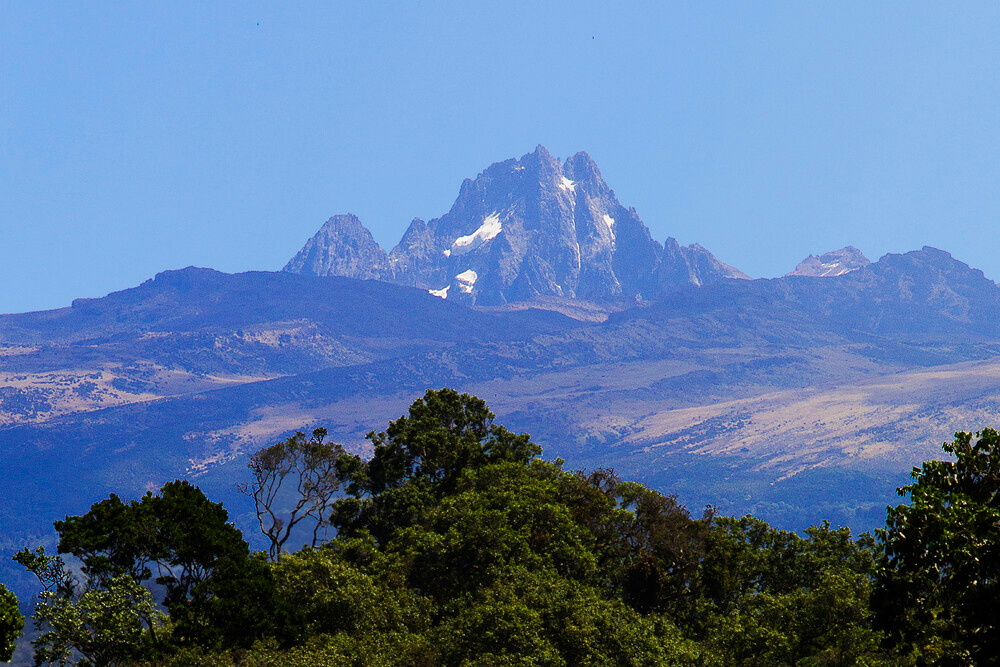
Physical and Mental Challenge Explained

The main challenge at the Barranco Wall comes from body coordination and mental focus. Climbers must watch every step, use their hands for stability, and move slowly along narrow paths.

In addition, altitude affects energy levels, so hikers feel slower and more careful. Mentally, some climbers feel nervous at first, but confidence grows quickly as they progress. As a result, most people describe this section as a rewarding challenge rather than a difficult obstacle.

How to Safely Pass the Kissing Rock

Climbers pass the Kissing Rock on Kilimanjaro safely when they move carefully, follow instructions, and stay focused. This section does not require ropes or technical climbing skills. Instead, it depends on balance, patience, and good guidance from experienced mountain guides.

Step-by-Step Climbing Technique

Climbers start by approaching the narrow section slowly and observing the path ahead. They place one hand on the rock for support and test each step before moving forward.

In addition, hikers keep their body close to the rock surface to improve balance. They move one foot at a time and avoid rushing. As a result, they maintain stability even on the narrow edge of the Barranco Wall.

Role of Professional Guides

Professional guides play a key role in helping climbers pass the Kissing Rock safely. They walk close to the group, point out safe steps, and support climbers who feel unsure.

Furthermore, guides control the pace of the group and manage spacing so that each climber moves safely through the narrow section. Their experience reduces risk and builds confidence, especially for first-time trekkers.

Why You Must Move “Polepole”

“Polepole” means “slowly, slowly” in Swahili, and it represents the most important rule on Kilimanjaro. Climbers must move slowly to maintain balance, conserve energy, and adjust to high altitude.

In addition, slow movement reduces mistakes on uneven ground. When climbers rush, they increase the risk of slipping or losing focus. Therefore, moving polepole helps ensure both safety and success on the Barranco Wall and beyond.

Which Kilimanjaro Routes Include the Kissing Rock?

The Kissing Rock appears on routes that cross the Barranco Wall, one of the most famous sections of Mount Kilimanjaro. Climbers meet it during the ascent from Barranco Camp to Karanga Valley. Therefore, only routes that pass through this section include the Kissing Rock experience.

Machame Route Experience

The Machame Route includes the Kissing Rock because it climbs the Barranco Wall after Barranco Camp. Climbers start the day with a steady uphill trek, then reach the narrow wall section where they pass close to the rock face.

In addition, this route offers a popular and scenic climbing experience. Many hikers enjoy the challenge of the Barranco Wall because it adds excitement without requiring technical skills.

Lemosho Route Experience

The Lemosho Route also includes the Kissing Rock when it joins the southern circuit of Kilimanjaro. Climbers pass through the Barranco Wall after several days of gradual altitude gain.

Furthermore, hikers on this route often feel well-acclimatized by the time they reach the section. As a result, they usually handle the Kissing Rock more comfortably compared to shorter routes.

Umbwe Route Experience

The Umbwe Route reaches the Kissing Rock as it connects to the Barranco Wall on the southern slopes. This route feels steeper and more direct in earlier stages, so climbers may arrive at the wall feeling more challenged.

However, once they reach the Kissing Rock, they follow the same safe path as other routes. Guides still lead the way, and climbers pass the section using careful steps and steady movement.

What Does It Feel Like to Cross the Kissing Rock?

Crossing the Kissing Rock feels exciting, focused, and a little bit intense for most climbers. The trail narrows, so hikers slow down and concentrate on every step. At the same time, they use their hands to hold the rock and keep balance while moving forward. Because of this, the moment feels like a small challenge inside the bigger journey to the summit of Mount Kilimanjaro.

First-Time Climber Experience

First-time climbers often feel nervous when they see the narrow section ahead. The rock looks close, and the path seems tight at first sight. However, as they start moving, they realize the section is manageable and safe with proper guidance.

In addition, guides stay nearby and show exactly where to place hands and feet. This support helps beginners build confidence quickly. After a few steps, most climbers relax and focus on steady movement instead of fear.

Views from the Barranco Wall

The Kissing Rock sits on one of the most scenic parts of Kilimanjaro, so climbers enjoy wide mountain views while crossing it. The Barranco Wall rises above deep valleys, and the landscape opens up in every direction.

Furthermore, the volcanic cliffs and surrounding clouds create a dramatic atmosphere. As climbers move slowly along the wall, they often pause briefly to take in the scenery before continuing upward.

Why Climbers Remember This Moment

Climbers remember the Kissing Rock because it combines challenge, excitement, and achievement in one short section. The movement feels different from normal hiking, so it stands out in their memory.

In addition, many trekkers talk about this moment after the climb because it feels like a symbolic milestone. After passing it, they feel more confident about continuing toward higher camps and eventually reaching Uhuru Peak.

Frequently Asked Questions About the Kissing Rock

This section answers the most common questions climbers ask about the Kissing Rock on Mount Kilimanjaro. These quick answers help beginners understand what to expect before reaching the Barranco Wall.

What is the Kissing Rock on Kilimanjaro?

The Kissing Rock is a narrow section on the Barranco Wall where climbers pass very close to a large rock face. They use their hands for balance and step carefully through a tight path. Because of this movement, people call it the “Kissing Rock.”

Is the Kissing Rock scary?

The Kissing Rock can look scary at first because the trail appears narrow and steep. However, most climbers find it manageable once they start moving. In addition, guides support every step, so confidence grows quickly during the climb.

Has anyone died at the Kissing Rock?

No, the Kissing Rock itself does not have a record of fatalities. Most serious risks on Kilimanjaro come from altitude sickness, not from the Barranco Wall. Therefore, this section remains safe when climbers follow guide instructions and move carefully.

How long does the Barranco Wall take?

The Barranco Wall usually takes about 1 to 2 hours to complete, depending on the group’s pace and weather conditions. Climbers move slowly because the path narrows in some areas, including the Kissing Rock section.

Do you need ropes to pass it?

No, climbers do not need ropes to pass the Kissing Rock or the Barranco Wall. The trail is a hiking route, not a technical climb. However, climbers must use their hands for balance and follow their guide’s instructions for safety.

Final Thoughts: Why the Kissing Rock Is a Highlight of the Kilimanjaro Climb

The Kissing Rock stands out as one of the most memorable moments on Mount Kilimanjaro because it combines challenge, scenery, and achievement in a short but exciting section of the Barranco Wall. Climbers do not need technical skills, yet they still feel a real sense of adventure while passing through the narrow rock face.

In addition, this section adds variety to the Kilimanjaro experience. Instead of only walking uphill, hikers interact closely with the mountain by using their hands, adjusting their steps, and focusing on balance. As a result, the moment feels more engaging and personal than many other parts of the climb.

Furthermore, the Kissing Rock gives climbers a confidence boost. After passing it safely, many hikers feel stronger and more prepared for the higher and more demanding sections ahead. Therefore, it becomes a small but important milestone on the journey to Uhuru Peak.

In conclusion, the Kissing Rock remains a highlight because it turns a simple section of trail into a memorable story that climbers often share long after they return home.

Climbers ascending the Barranco Wall on Mount Kilimanjaro using hands for balance along a narrow rocky trail

Kilimanjaro’s Barranco Wall: Is It Dangerous and Difficult?

Barranco Wall Kilimanjaro: Is It Dangerous, Difficult, and Worth the Climb?

Kilimanjaro’s Barranco Wall is one of the most famous and visually striking sections on Mount Kilimanjaro, and many climbers feel both excited and nervous when they first see it from Barranco Camp. The wall looks steep and intimidating, which often raises concerns about safety and difficulty.

However, the climb becomes more manageable once trekkers start moving with experienced guides. The route does not require ropes or technical climbing skills. Instead, hikers use their hands for balance and follow a clear path through the rocky terrain.

In addition, Kilimanjaro’s Barranco Wall offers a rewarding experience that combines adventure, scenery, and achievement. As climbers ascend, they gain confidence and enjoy one of the most memorable highlights on the journey to Uhuru Peak.

What Is the Barranco Wall on Kilimanjaro?

The Barranco Wall is a steep volcanic rock formation on Mount Kilimanjaro that climbers ascend on several popular routes to the summit. Despite its dramatic appearance, it is not a technical climb. Instead, hikers use both their hands and feet to navigate sections of the wall while following a well-established trail. As a result, the Barranco Wall has become one of the most exciting and memorable parts of the Kilimanjaro trek.

Quick Answer for Climbers

The Barranco Wall is a rocky escarpment that rises above Barranco Camp on the southern side of Mount Kilimanjaro. Climbers typically tackle it in the morning as they travel toward Karanga Camp. Although the wall looks almost vertical from below, the actual route follows a natural path through the rocks. Therefore, most trekkers complete the ascent without special climbing equipment or previous mountaineering experience.

Where Is the Barranco Wall Located?

The Barranco Wall stands above Barranco Camp at an altitude of approximately 3,950 meters (12,960 feet) on Mount Kilimanjaro. Climbers encounter it after spending the night at Barranco Camp and before continuing to Karanga Camp. In addition, the wall forms part of the Southern Circuit, which many of Kilimanjaro’s most popular routes follow.

Trekkers on the Machame Route, Lemosho Route, and Umbwe Route all climb the Barranco Wall. Because of its location, the wall serves as an important connection between the western and southern sections of the mountain.

Why Is the Barranco Wall Famous?

The Barranco Wall gained its reputation because it combines adventure, stunning scenery, and a sense of achievement. From a distance, the wall looks intimidating, which often makes climbers feel nervous before the ascent. However, most hikers quickly discover that the challenge is far more manageable than they expected.

Furthermore, the wall offers spectacular views of the surrounding valleys, glaciers, and volcanic landscapes. Climbers also pass famous landmarks such as the Kissing Rock, a narrow section where hikers move close to the rock face. Because of these unique features, many trekkers consider the Barranco Wall one of the highlights of the entire Kilimanjaro climb.

How High Is the Barranco Wall?

The Barranco Wall rises above Barranco Camp on the southern side of Mount Kilimanjaro and forms one of the most visible climbing sections on the route toward the summit. Although it looks extremely tall from below, the actual climb follows a natural path that reduces the steepness and makes the ascent more manageable for trekkers.

Barranco Wall Elevation

The Barranco Wall sits at an altitude of about 3,900 to 4,200 meters above sea level, depending on the exact route and GPS tracking. Climbers reach this elevation after sleeping at Barranco Camp, which already places them in a high-altitude environment. As a result, hikers often feel the thinner air before they even start the climb.

Height of the Climb

The visible vertical rise of the Barranco Wall measures roughly 257 meters (about 840 feet) from the base near Barranco Camp to the upper plateau. However, climbers do not scale this height in a straight vertical line. Instead, the trail zigzags through rock sections, which reduces the direct climbing intensity and makes the wall more of a scrambling route than a true rock climb.

How Long Is the Ascent?

Most climbers take between 1 and 2 hours to complete the Barranco Wall ascent, depending on group speed, weather conditions, and crowd levels on the trail. Slow and steady movement helps hikers maintain balance and adjust to altitude. In addition, guided groups often pause at narrow sections, including the famous Kissing Rock, which can slightly extend the total time.

Why Is the Barranco Wall Called the Breakfast Wall?

Climbers often call the Barranco Wall the “Breakfast Wall” because they usually start climbing it shortly after breakfast at Barranco Camp. The name reflects timing rather than difficulty. Although the wall looks intimidating, most trekkers begin the ascent soon after eating their morning meal and preparing for the day’s hike.

Climbers having breakfast at Barranco Camp before ascending the Barranco Wall on Mount Kilimanjaro

The Origin of the Nickname

The nickname “Breakfast Wall” comes from climbers and guides who describe the routine on this section of Kilimanjaro. Hikers wake up at Barranco Camp, eat breakfast, and then immediately head toward the base of the wall. Therefore, the name connects directly to the daily trekking schedule rather than any official geographic label.

In addition, guides use the term to make the climb feel less intimidating. By turning a steep-looking section into something associated with a normal meal routine, they help climbers feel more relaxed before the ascent.

Why Climbers Tackle It in the Morning

Climbers usually tackle the Barranco Wall in the morning because weather conditions stay more stable at that time. Morning temperatures feel cooler, visibility stays clearer, and wind conditions remain calmer compared to later in the day.

Furthermore, trekking schedules on Kilimanjaro follow a structured plan. Groups leave camp after breakfast to maintain steady progress toward the next campsite. As a result, most climbers naturally reach the Barranco Wall during the morning hours.

What to Expect After Breakfast

After breakfast, climbers prepare for a steady uphill hike that leads directly into the base of the Barranco Wall. The journey begins with open trail walking before transitioning into steeper rock sections.

In addition, hikers often feel energized right after eating, but the altitude quickly becomes noticeable as they climb higher. Therefore, climbers must pace themselves, stay hydrated, and move slowly to conserve energy for the rest of the day’s trek toward Karanga Valley.

Is the Barranco Wall Dangerous?

The Barranco Wall on Mount Kilimanjaro looks intimidating at first glance, but most climbers complete it safely without technical climbing skills. The trail follows a clear path, and guides lead hikers step by step. Therefore, the section feels more challenging than dangerous for the majority of trekkers.

Why It Looks More Dangerous Than It Really Is

The Barranco Wall appears dangerous because it rises steeply above Barranco Camp and shows exposed rock faces from a distance. From below, climbers often assume they need ropes or climbing experience.

However, the reality feels different on the ground. The route follows natural ledges and zigzag paths that reduce steep exposure. In addition, climbers move slowly in guided groups, which increases safety and control throughout the ascent.

The Real Risks on the Barranco Wall

The main risks on the Barranco Wall do not come from the rock itself but from human factors. Climbers may slip if they rush, lose focus, or fail to follow instructions. Fatigue and altitude can also reduce balance and concentration.

In addition, crowding on narrow sections can slow movement, so climbers must stay patient. However, guides manage spacing and pace to keep the group safe. When hikers move carefully and follow instructions, the risk level stays low.

Has Anyone Died on the Barranco Wall?

No reliable records show deaths caused directly by the Barranco Wall section itself. Most serious incidents on Kilimanjaro relate to altitude sickness, especially on higher sections of the mountain, not on this wall.

Furthermore, guides closely supervise this part of the climb, and groups move one section at a time through narrow areas like the Kissing Rock. As a result, climbers complete the Barranco Wall safely every day when they follow proper trekking procedures.

How Difficult Is the Barranco Wall?

The Barranco Wall feels challenging for many climbers at first sight, but most trekkers complete it without technical climbing skills. The route demands balance, patience, and steady movement rather than strength or equipment. Therefore, the difficulty level stays moderate for most people attempting Kilimanjaro.

Difficulty Level for Beginners

Beginners can climb the Barranco Wall successfully when they follow guide instructions and move at a slow pace. The trail includes narrow sections and uneven rock surfaces, so hikers must watch every step carefully.

In addition, guides support climbers throughout the ascent and point out safe handholds and foot placements. Because of this guidance, even first-time trekkers on Kilimanjaro usually pass the Barranco Wall without major difficulty.

Physical Challenge vs Technical Challenge

The Barranco Wall creates more of a physical and mental challenge than a technical one. Climbers use their hands for balance, step over rocks, and maintain focus throughout the climb. However, the route does not require ropes, harnesses, or climbing experience.

Furthermore, altitude affects energy levels, so hikers may feel slower and more careful as they climb. The mental challenge often comes from the steep appearance of the wall rather than the actual difficulty of the terrain.

Is It Harder Than Summit Night?

The Barranco Wall is significantly easier than summit night on Kilimanjaro. Summit night involves extreme altitude, freezing temperatures, and long hours of continuous climbing, which creates a much tougher experience.

In contrast, the Barranco Wall takes only a short period to complete and focuses mainly on balance and steady movement. Therefore, most climbers describe it as an exciting mid-route challenge rather than one of the hardest sections of the mountain.

What Does It Feel Like to Climb the Barranco Wall?

Climbing the Barranco Wall feels exciting, slightly intimidating at first, and highly rewarding once you reach the top. Many climbers describe it as one of the most memorable sections of Mount Kilimanjaro because it combines exposure, movement, and stunning scenery in a short but intense experience.

Trekking group eating morning breakfast at Barranco Camp on the Kilimanjaro climb

First Impressions from Barranco Camp

From Barranco Camp, the wall looks steep and almost vertical. As a result, many climbers feel nervous before they start the ascent. The size of the rock face creates a strong visual impression, especially in the early morning light.

However, guides quickly calm those fears by explaining the route and setting a slow, steady pace. In addition, seeing other climbers successfully moving upward builds confidence before the climb begins.

The Climb Step by Step

The ascent starts with a gradual walk that soon transitions into rocky terrain. Climbers use their hands for balance while stepping carefully on uneven surfaces. Because the path narrows in some areas, hikers move in a single line and follow their guide closely.

Furthermore, the famous Kissing Rock section adds a unique moment where climbers pass very close to the rock face. Although it looks tricky, the movement stays controlled and safe when climbers focus on each step and avoid rushing.

Reaching the Top of the Wall

Reaching the top of the Barranco Wall brings a strong sense of achievement. The trail opens up into wide views of valleys, glaciers, and the surrounding Kilimanjaro landscape.

In addition, many climbers pause here to rest, take photos, and reflect on the climb they just completed. The feeling shifts quickly from effort to excitement because this section marks a key milestone on the way toward Karanga Valley and ultimately Uhuru Peak.

The Famous Kissing Rock on the Barranco Wall

The Kissing Rock stands as one of the most talked-about spots on the Barranco Wall of Mount Kilimanjaro. Climbers reach this narrow section during the ascent from Barranco Camp to Karanga Valley. Although it looks unusual at first, the passage remains part of a safe and well-established hiking route.

What Is the Kissing Rock?

The Kissing Rock is a narrow rock formation where the trail runs very close to a large rock face. Climbers pass through this point by using their hands for balance while stepping carefully along a tight path.

In addition, the section does not require ropes or climbing gear. Instead, hikers rely on steady movement and guide support to pass safely through this short but memorable part of the Barranco Wall.

Why Is It Called the Kissing Rock?

The name comes from the way climbers move through the narrow section. As hikers press close to the rock for balance, their bodies often lean in and touch the surface. From a distance, this position looks like a kiss or a hug against the rock.

Furthermore, guides and trekkers started using the nickname to describe the visual experience in a simple and memorable way. Over time, the term became widely used among climbers on Kilimanjaro.

Is the Kissing Rock Safe?

The Kissing Rock is safe for most climbers when they follow guide instructions and move slowly. The trail remains stable, and there are no technical climbing requirements in this section.

However, climbers must stay focused because the path feels narrow and uneven. In addition, guides manage the pace and spacing to prevent crowding. As a result, thousands of trekkers pass this section every year without serious incidents.

Can Beginners Climb the Barranco Wall?

Beginners can climb the Barranco Wall successfully because it does not require technical mountaineering skills. The route looks intimidating from a distance, but the actual path follows a natural trail with steady footing and clear direction. With proper guidance and a slow pace, most first-time Kilimanjaro climbers complete this section safely.

Do You Need Climbing Experience?

You do not need any prior climbing experience to pass the Barranco Wall. The section does not use ropes, harnesses, or climbing equipment. Instead, climbers walk and scramble on rock while using their hands for balance.

In addition, the trail stays well-marked and guides lead every group step by step. Because of this support, even beginners with no hiking background can handle the ascent when they follow instructions and move carefully.

Can People with a Fear of Heights Do It?

People with a fear of heights can still climb the Barranco Wall, although they may feel nervous at first. The narrow sections and exposed views create a strong visual impact, especially before starting the climb.

However, the fear usually decreases once climbers begin moving. In addition, guides provide reassurance and control the pace, which helps reduce anxiety. When hikers focus on each step instead of looking down, they often complete the section without major difficulty.

How Guides Help Climbers

Professional guides play a key role in helping climbers cross the Barranco Wall safely. They lead the way, choose the safest steps, and keep the group moving at a controlled pace.

Furthermore, guides assist climbers in narrow areas by offering hand support or clear instructions on foot placement. They also manage spacing to avoid congestion on tight sections like the Kissing Rock. As a result, climbers feel more confident and stay safe throughout the ascent.

How to Safely Climb the Barranco Wall

Climbers can cross the Barranco Wall safely when they follow simple techniques and stay attentive throughout the ascent. Although the section looks steep from below, the route stays manageable when hikers move carefully and trust their guides.

Follow Your Guide’s Instructions

Guides lead every group through the Barranco Wall and choose the safest path on the rock. Therefore, climbers must listen closely and follow every instruction without hesitation.

In addition, guides know where to place hands and feet on difficult sections. When hikers trust their guidance, they reduce mistakes and move through narrow areas like the Kissing Rock more confidently.

Move Polepole (Slowly)

“Polepole” means slowly in Swahili, and it represents the most important rule on Kilimanjaro. Climbers must move at a controlled pace to maintain balance and conserve energy.

Furthermore, slow movement helps hikers adjust to altitude and reduces the risk of slipping. When climbers avoid rushing, they complete the Barranco Wall more safely and comfortably.

Use Proper Foot Placement

Proper foot placement plays a key role in crossing the Barranco Wall. Climbers should test each step before putting full weight on it and always look for stable rock surfaces.

In addition, using both hands for balance improves stability on uneven sections. When hikers focus on careful movement, they navigate narrow areas like the Kissing Rock with greater control.

Stay Calm and Focused

Climbers must stay calm and maintain focus throughout the ascent. Nervous movements or panic can lead to mistakes on narrow sections of the wall.

Moreover, taking deep breaths and concentrating on one step at a time helps reduce fear and improves coordination. As a result, calm and focused climbers complete the Barranco Wall more smoothly and enjoy the experience more fully.

How to Safely Climb the Barranco Wall

Climbing the Barranco Wall becomes safe and manageable when hikers use the right approach and stay alert. Although the wall looks steep from Barranco Camp, the trail follows a natural path that guides climbers upward step by step. Therefore, success depends more on behavior than physical strength.

Follow Your Guide’s Instructions

Guides lead the entire group and choose the safest route through rocky sections. For this reason, climbers must listen carefully and follow every instruction without rushing ahead.

In addition, guides know where the trail narrows and where extra caution is needed. When hikers trust their guidance, they move through difficult spots like the Kissing Rock with more confidence and fewer mistakes.

Move Polepole (Slowly)

“Polepole,” meaning slowly in Swahili, plays a key role in safe climbing on Kilimanjaro. Climbers must keep a steady, controlled pace to maintain balance and avoid fatigue.

Furthermore, slow movement allows the body to adjust to altitude and reduces slipping on uneven rock. As a result, hikers complete the Barranco Wall more safely and with less stress.

Use Proper Foot Placement

Careful foot placement helps climbers stay stable on rocky terrain. Hikers should test each step before committing weight and choose solid rock surfaces whenever possible.

In addition, using hands for balance improves control in narrow sections. When climbers focus on each movement, they pass tricky areas like the Kissing Rock more smoothly.

Stay Calm and Focused

Calm thinking improves safety throughout the Barranco Wall. Panic or rushed movements can increase the chance of mistakes on narrow paths.

Therefore, climbers should breathe steadily and focus on one step at a time. In addition, maintaining concentration helps hikers build confidence and enjoy the experience rather than fear it.

Which Kilimanjaro Routes Include the Barranco Wall?

Several popular Kilimanjaro routes include the Barranco Wall because they follow the southern circuit of the mountain. Climbers encounter this section after spending the night at Barranco Camp, before continuing toward Karanga Valley. As a result, the Barranco Wall becomes a shared experience for multiple trekking routes.

Machame Route

The Machame Route includes the Barranco Wall as part of its standard itinerary. Climbers reach Barranco Camp after several days of ascent, then tackle the wall the following morning.

In addition, this route offers a gradual acclimatization profile, which helps hikers feel more prepared for the climb. Therefore, most trekkers on the Machame Route handle the Barranco Wall with steady confidence and enjoy the experience as a highlight of the journey.

Lemosho Route

The Lemosho Route also passes through the Barranco Wall after joining the southern circuit. Climbers spend more days on the mountain before reaching this section, which improves acclimatization.

Furthermore, hikers on Lemosho often feel stronger and more adjusted to altitude by the time they reach Barranco Camp. As a result, many find the Barranco Wall more manageable and less intimidating compared to shorter routes.

Umbwe Route

The Umbwe Route reaches the Barranco Wall after a steeper and more direct ascent in the early days of the climb. Because of this fast elevation gain, climbers may feel more challenged when they arrive at Barranco Camp.

However, the wall itself follows the same safe trail used by other routes. In addition, guides provide full support, so climbers complete the section using the same steady, step-by-step approach regardless of the route they choose.

Barranco Wall vs Other Kilimanjaro Challenges

The Barranco Wall is one of the most memorable sections on Mount Kilimanjaro, but it is not the hardest part of the climb. When climbers compare it with other challenges like Lava Tower and summit night, clear differences appear in difficulty, altitude impact, and physical demand.

Barranco Wall vs Lava Tower

The Barranco Wall focuses on balance, movement, and short bursts of scrambling on rock. Climbers use their hands for support, but the section remains relatively short and controlled.

In contrast, Lava Tower presents a longer and more exhausting challenge at higher altitude. Hikers often feel the effects of thin air more strongly there. Therefore, while Barranco Wall feels more technical, Lava Tower feels more physically draining due to elevation.

Barranco Wall vs Summit Night

The Barranco Wall takes only a short time to complete and allows climbers to move during daylight with clear visibility. As a result, most hikers treat it as an exciting daytime challenge.

Summit night, however, creates a completely different experience. Climbers ascend for many hours in darkness, extreme cold, and very high altitude. In addition, fatigue builds over time, making summit night the toughest section of the entire Kilimanjaro climb.

Which Section Feels Harder?

Summit night feels significantly harder than the Barranco Wall for almost all climbers. The main reason comes from altitude, cold temperatures, and long continuous effort.

Meanwhile, the Barranco Wall feels more like a short adventure that requires focus and balance rather than endurance. Therefore, most trekkers describe it as one of the most enjoyable challenges, while summit night remains the most demanding part of the journey.

10 Interesting Facts About the Barranco Wall

The Barranco Wall on Mount Kilimanjaro surprises many climbers because it combines dramatic scenery, simple scrambling, and unique hiking culture. Although it looks intimidating from Barranco Camp, it holds many interesting details that make the climb more memorable.

Fast Facts Every Climber Should Know

  1. The Barranco Wall rises about 257 meters above Barranco Camp, yet the trail avoids vertical climbing.
  2. Climbers do not need ropes or technical equipment to cross the wall safely.
  3. Most trekkers complete the section in 1 to 2 hours depending on pace and weather.
  4. The wall forms part of the Southern Circuit, which many Kilimanjaro routes follow.
  5. Machame, Lemosho, and Umbwe routes all include this famous section.
  6. The Kissing Rock sits within the Barranco Wall and creates one of its most photographed moments.
  7. Guides call this section safe when climbers follow instructions and move slowly.
  8. The wall often feels harder from below than it actually is during the climb.
  9. Climbers use both hands and feet for balance in several sections of the ascent.
  10. The Barranco Wall offers some of the best views of Kilimanjaro’s valleys and volcanic landscape.

As a result, the Barranco Wall remains one of the most talked-about highlights of the entire Kilimanjaro trekking experience.

Frequently Asked Questions About the Barranco Wall

This section answers the most common questions climbers ask before they reach the Barranco Wall on Mount Kilimanjaro. These quick answers help hikers understand what to expect and how to prepare.

Is the Barranco Wall dangerous?

The Barranco Wall is not considered dangerous for most climbers. It looks steep from Barranco Camp, but the trail follows a safe and well-used route. In addition, guides lead every group carefully, which reduces risk and improves safety throughout the climb.

How difficult is the Barranco Wall?

The Barranco Wall feels moderately difficult because it requires balance and focus rather than technical skills. Climbers use their hands for support in some sections, but the route does not need ropes or climbing experience.

Furthermore, most hikers find it easier than summit night, even though it looks more intimidating at first.

Can beginners climb the Barranco Wall?

Yes, beginners can climb the Barranco Wall without prior experience. The path stays clear, and guides provide step-by-step instructions throughout the ascent.

In addition, the climb remains short and manageable, which helps first-time trekkers build confidence as they progress.

What is the Kissing Rock?

The Kissing Rock is a narrow section of the Barranco Wall where climbers pass very close to a rock face. Because hikers lean in for balance, it looks like they are “kissing” the rock.

As a result, this spot became one of the most famous and photographed moments on Kilimanjaro.

Do you need ropes to climb it?

No, climbers do not need ropes or technical equipment to pass the Barranco Wall. The route follows a natural hiking path with stable rock sections.

However, climbers must use careful foot placement and follow guide instructions to move safely through narrow areas.

How long does the climb take?

Most climbers take about 1 to 2 hours to complete the Barranco Wall. The exact time depends on group size, weather conditions, and individual pace.

In addition, slow movement helps improve safety and allows climbers to adjust to altitude.

Which routes include the Barranco Wall?

The Barranco Wall appears on several popular Kilimanjaro routes, including the Machame Route, Lemosho Route, and Umbwe Route.

Therefore, many trekkers experience this section as part of their standard ascent to Uhuru Peak.

Is the Barranco Wall worth it?

Yes, the Barranco Wall is worth it for most climbers. It offers exciting scrambling, stunning views, and a strong sense of achievement.

In addition, it adds variety to the Kilimanjaro climb, making the journey more memorable and rewarding overall.

Final Thoughts: Why the Barranco Wall Is One of Kilimanjaro’s Most Memorable Experiences

The Barranco Wall stands out as one of the most unforgettable parts of climbing Mount Kilimanjaro because it blends challenge, scenery, and emotion in a single section. Although it looks intimidating from Barranco Camp, climbers quickly realize that the route feels more like an adventure than a technical climb.

In addition, the wall creates a strong sense of achievement. Every step forward requires focus and balance, yet the path remains safe and well-guided. As climbers progress, they gain confidence and enjoy one of the most engaging sections on the entire mountain.

Furthermore, the Barranco Wall offers breathtaking views that stretch across valleys and volcanic landscapes. This combination of movement, scenery, and progress toward higher camps makes the experience truly special.

In conclusion, the Barranco Wall remains memorable because it transforms a simple hiking section into a rewarding milestone. Many climbers finish it feeling stronger, more confident, and more excited for the journey ahead to Uhuru Peak.

Chagga people of Tanzania working on banana and coffee farms on the slopes of Mount Kilimanjaro

The Chagga of Kilimanjaro

The Chagga People of Tanzania: Culture, History, Traditions and Life on Mount Kilimanjaro

The Chagga people are one of Tanzania’s largest ethnic groups who live on the slopes of Mount Kilimanjaro. They have built thriving farming communities for centuries, known especially for coffee and banana cultivation.

Many visitors to Tanzania encounter the Chagga while climbing Mount Kilimanjaro because many local guides, porters, and tourism professionals come from Chagga communities. Their deep knowledge of the mountain, combined with a long history of agriculture and trade, has helped shape the Kilimanjaro region into one of the most developed areas in the country.

The Chagga have preserved many aspects of their cultural heritage, including traditional foods, music, dances, crafts, and community customs. At the same time, they have embraced education, entrepreneurship, and modern technology, creating a unique blend of tradition and progress.

In this guide, you’ll learn who the Chagga people are, where they live, what they believe, what they eat, how they built their society on the slopes of Mount Kilimanjaro, and why they remain an important part of Tanzania’s cultural identity today.

Who Are the Chagga People?

The Chagga are a Bantu ethnic group that lives on the southern and eastern slopes of Mount Kilimanjaro in northern Tanzania. They are one of the largest ethnic groups in the country and have played a major role in Tanzania’s agricultural, educational, and economic development. The Chagga are best known for coffee farming, banana cultivation, and their long connection to Africa’s highest mountain.

Map showing Chagga people living on the slopes of Mount Kilimanjaro in Tanzania

Why Are the Chagga Important in Tanzania?

The Chagga have made significant contributions to Tanzania’s economy and society for generations. Their fertile homeland on Mount Kilimanjaro supports some of the country’s most productive coffee and banana farms. Many Chagga families have invested heavily in education, helping produce teachers, business owners, government leaders, and tourism professionals.

The Chagga also pioneered organized coffee production through cooperative societies, which helped local farmers access international markets. Today, they remain one of Tanzania’s most economically active and educated communities.

Why Are They Associated with Mount Kilimanjaro?

The Chagga are the indigenous people of Mount Kilimanjaro and have lived on its slopes for hundreds of years. Their villages stretch across the mountain’s lower elevations, where fertile volcanic soil and reliable water sources support farming and daily life.

Because of this close relationship with the mountain, the Chagga developed extensive knowledge of Kilimanjaro’s climate, forests, trails, and natural resources. Many of the guides and porters who assist climbers on Mount Kilimanjaro come from Chagga communities. Visitors who explore the mountain often encounter Chagga culture through village tours, coffee farms, traditional foods, and historical sites such as the famous Chagga caves.

Today, Mount Kilimanjaro and the Chagga people remain deeply connected, and the Chagga community plays an important role in the mountain’s cultural heritage.

Quick Facts About the Chagga People

Population

The Chagga are one of the largest ethnic groups in Tanzania, with an estimated population of over one million people. Most Chagga people live in northern Tanzania, especially around Mount Kilimanjaro.

Location

The Chagga live on the southern and eastern slopes of Mount Kilimanjaro. Their communities stretch across the Kilimanjaro Region, with major populations in towns like Moshi and surrounding rural villages.

Language

The Chagga speak Kichagga, which includes several related dialects. Most Chagga people also speak Swahili, and many use English for education, business, and tourism.

Religion

Most Chagga people follow Christianity today, mainly Catholic and Protestant denominations. A smaller number follow Islam or continue to practice traditional beliefs alongside modern religions.

Traditional Occupation

The Chagga traditionally practice farming. They build their livelihoods around agriculture, irrigation systems, and small-scale livestock keeping.

Main Crops

The Chagga grow bananas as their staple food crop and coffee as their main cash crop. They also cultivate maize, beans, cassava, sweet potatoes, and a variety of fruits and vegetables due to the fertile volcanic soil of Mount Kilimanjaro.

Where Do the Chagga People Live?

The Chagga people live in northern Tanzania on the fertile slopes of Mount Kilimanjaro. Most Chagga communities are found on the southern, eastern, and northern lower mountain regions where the land is rich, well-watered, and suitable for farming. Their settlements also extend into nearby towns such as Moshi and Arusha, where many Chagga people now live for work, education, and business. Despite urban migration, the majority of Chagga families still maintain strong roots in their ancestral villages on Mount Kilimanjaro.

Which Regions of Tanzania Are Home to the Chagga?

The Chagga mainly live in the Kilimanjaro Region of Tanzania. Their communities are spread across districts such as Moshi Rural, Moshi Urban, Hai, Siha, and Rombo. These areas lie directly on or around the slopes of Mount Kilimanjaro. The region offers fertile volcanic soil and reliable rainfall, which makes it one of the most productive agricultural zones in the country. Some Chagga also live in nearby Arusha Region, especially in Arusha city, where they participate in tourism, trade, and professional jobs.

Why Did the Chagga Settle on Mount Kilimanjaro?

The Chagga settled on Mount Kilimanjaro because the mountain provided the best conditions for survival and farming. The volcanic soil is extremely fertile and supports crops like bananas, coffee, maize, and beans. The mountain also receives regular rainfall and has many natural springs and rivers that supply water throughout the year. The cooler highland climate reduces disease compared to lowland areas. Over time, the Chagga developed advanced irrigation systems and terraced farming techniques to maximize food production on the steep slopes.

Do Chagga People Still Live on Kilimanjaro Today?

Yes, the Chagga people still live on Mount Kilimanjaro today, and they remain the dominant ethnic group in the region. Most Chagga families continue to live in rural villages where they grow bananas and coffee and maintain traditional homesteads. At the same time, many Chagga have moved to towns like Moshi, Arusha, and Dar es Salaam for education, employment, and business opportunities. Even those living outside Kilimanjaro often keep strong cultural, family, and economic ties to their home villages, and many return regularly for farming, ceremonies, and community events.

What Is the History of the Chagga People?

The history of the Chagga people connects deeply with Mount Kilimanjaro, where they built organized societies, developed advanced farming systems, and formed powerful local kingdoms. Over time, they adapted to environmental changes, external influences, and colonial contact while maintaining strong cultural identity and traditions.

When Did the Chagga Arrive on Kilimanjaro?

Historians believe the Chagga began settling on the slopes of Mount Kilimanjaro between the 15th and 16th centuries. They moved into the region because it offered fertile volcanic soil, steady rainfall, and reliable water sources from mountain streams. As a result, they quickly established permanent settlements and developed intensive farming systems.

In addition, the Chagga built terraced fields and irrigation channels to maximize food production on the steep mountain slopes. Over time, these innovations allowed them to support large populations in a relatively small geographic area.

The Rise of the Chagga Kingdoms

Before colonial rule, the Chagga did not form a single unified kingdom. Instead, they organized themselves into several independent chiefdoms, each ruled by a local leader known as a “mangi.”

Moreover, these chiefdoms often competed for land, water, and trade control. Because of this competition, the Chagga developed strong defensive systems, including underground tunnels and fortified villages.

However, despite internal conflicts, trade and cooperation also existed between neighboring communities. This balance of competition and collaboration helped shape a complex and highly organized society on Mount Kilimanjaro.

European Missionaries and Colonial Influence

European missionaries arrived in the 19th century and introduced Christianity, formal education, and new administrative systems. For example, missionaries translated religious texts into local languages and established schools in Chagga areas.

As a result, many Chagga people gained early access to education compared to other regions in East Africa. In addition, colonial administrators introduced cash crops like coffee, which transformed the local economy.

Nevertheless, these external influences also changed traditional leadership structures and cultural practices. Despite this, the Chagga adapted quickly and used education and trade opportunities to strengthen their position in the region.

How Chagga Society Changed Over Time

Over time, Chagga society evolved from small independent chiefdoms into a more connected and economically active community. Today, many Chagga people live in both rural villages and urban centers such as Moshi and Arusha.

Furthermore, education, entrepreneurship, and tourism have become important parts of modern Chagga life. While many families still practice traditional farming, others now work in business, government, and the tourism industry.

However, the Chagga continue to maintain strong cultural ties to their ancestral land on Mount Kilimanjaro. For this reason, traditions, language, and community identity remain important in both rural and urban settings.

What Are the Chagga People Known For?

The Chagga people are known for their strong agricultural systems, economic creativity, and high level of education compared to many other communities in Tanzania. Over time, they have developed a reputation for turning the fertile slopes of Mount Kilimanjaro into one of the most productive farming regions in East Africa. In addition, they have built a strong culture of trade, business, and education that continues to shape their success today.

Coffee Farming

Arabica coffee farm on Mount Kilimanjaro in Tanzania

The Chagga people are widely known for coffee farming, especially Arabica coffee grown on the slopes of Mount Kilimanjaro. They grow coffee in small family-owned farms where they carefully manage each stage of production, from planting to harvesting and drying.

Moreover, the region’s volcanic soil and cool climate create ideal conditions for high-quality coffee beans. As a result, Kilimanjaro coffee has gained international recognition for its rich flavor and smooth taste. Many Chagga farmers also work through cooperatives, which help them sell their coffee in local and global markets.

Banana Cultivation

Banana farming plays a central role in Chagga daily life. The Chagga people grow many varieties of bananas, and they use them as a staple food in most meals. They prepare bananas in different ways, including boiling, frying, and fermenting them for traditional drinks.

In addition, banana plantations often grow alongside coffee plants in a mixed farming system. This system improves soil fertility and maximizes land use on the mountain slopes. Therefore, bananas remain both a food source and a cultural symbol for the Chagga community.

Advanced Irrigation Systems

The Chagga people are also known for their advanced irrigation systems, which they developed to support farming on the steep slopes of Mount Kilimanjaro. They built channels that carry water from mountain streams directly into their farms.

Furthermore, these irrigation networks allowed them to grow crops throughout the year, even during dry seasons. Because of this innovation, the Chagga achieved high agricultural productivity in a challenging mountain environment. Today, many of these traditional irrigation systems still operate in rural villages.

Education and Entrepreneurship

Education and entrepreneurship also define modern Chagga society. The Chagga people value education highly, and many families invest heavily in schooling for their children. As a result, a large number of Chagga individuals work in professional fields such as teaching, tourism, government, and business.

Moreover, the Chagga have a strong tradition of entrepreneurship. They run small businesses, coffee cooperatives, transport services, and tourism-related ventures around Mount Kilimanjaro. This business mindset has helped them build economic stability and expand opportunities beyond agriculture.

What Language Do the Chagga Speak?

The Chagga people speak Kichagga, a group of closely related Bantu languages spoken on the slopes of Mount Kilimanjaro. In addition, most Chagga people also speak Swahili, which serves as Tanzania’s national language, and many use English for education, tourism, and business. As a result, most Chagga communities communicate in more than one language in daily life.

The Kichagga Language

The Chagga people speak Kichagga as their native language at home and within their communities. Kichagga belongs to the Bantu language family and reflects the long history of the Chagga people on Mount Kilimanjaro.

Moreover, Kichagga plays an important role in preserving cultural identity, traditional stories, and local knowledge. However, because education and media mainly use Swahili and English, younger generations often mix Kichagga with these languages in everyday communication.

Chagga Dialects

Kichagga does not exist as a single uniform language. Instead, it includes several dialects that vary from one area of Mount Kilimanjaro to another. For example, communities in Moshi, Hai, and Rombo may speak slightly different versions of Kichagga.

In addition, these dialects remain mutually understandable in most cases, although pronunciation and vocabulary can differ. Despite these variations, the Chagga people still share a strong cultural identity through their language.

Do Chagga People Speak Swahili and English?

Yes, most Chagga people speak Swahili fluently because it serves as Tanzania’s national language and is used in schools, government, and daily communication. Therefore, Swahili acts as a common language between different ethnic groups in the country.

Furthermore, many Chagga people also speak English, especially those involved in tourism, business, and higher education. As a result, the Chagga community often communicates in three languages: Kichagga at home, Swahili in public life, and English in professional or international settings.

What Is Traditional Chagga Culture Like?

Traditional Chagga culture reflects a strong connection to family, farming, and community life on the slopes of Mount Kilimanjaro. The Chagga people built a society based on cooperation, hard work, and respect for elders. In addition, their cultural identity continues to evolve as modern influences mix with long-standing traditions.

Family and Community Life

Family plays a central role in Chagga society. Traditionally, extended families lived close to one another and worked together on farms, sharing responsibilities and resources. Men usually handled farming and livestock, while women managed household duties, food preparation, and trade in local markets.

Moreover, community cooperation remains important today. Neighbors often support each other during farming seasons, weddings, and other social events. As a result, Chagga society maintains strong social bonds that connect individuals to their families and villages.

Traditional Beliefs and Rituals

Before the spread of Christianity and Islam, the Chagga practiced traditional beliefs centered on a creator spirit known as Ruwa. These beliefs guided their understanding of nature, life, and ancestral connections.

However, over time, most Chagga people adopted Christianity, especially Catholicism and Protestantism. Despite this shift, some traditional practices and rituals still exist, particularly in rural areas. For example, people may still use symbolic plants or rituals to promote healing, protection, or reconciliation within families and communities.

Music and Dance

Traditional cultural dance performance in Kilimanjaro region

Music and dance play an important role in Chagga celebrations and cultural expression. Traditionally, people used drums, bells, and flutes to accompany dances during ceremonies such as weddings, harvests, and community gatherings.

Furthermore, music often tells stories about daily life, farming, love, and history. Today, while modern instruments are more common, traditional songs and dances still appear during cultural festivals and tourist performances, helping preserve Chagga heritage.

Traditional Crafts

The Chagga people are also known for their traditional crafts, which include basket weaving, wood carving, pottery, and tool making. These crafts supported daily life by producing household items, farming tools, and ceremonial objects.

In addition, skilled artisans created decorative items such as beadwork and woven mats. Over time, many of these crafts became part of cultural tourism, allowing visitors to learn about Chagga traditions while supporting local artisans economically.

What Do Traditional Chagga Houses Look Like?

Traditional Chagga houses reflect the practical needs of life on the slopes of Mount Kilimanjaro. These homes were designed to provide warmth, protection, and close family living in a cool and often rainy mountain environment. Over time, house designs changed, but many cultural elements still influence modern Chagga housing today.

The Beehive-Shaped House

Traditional Chagga houses often had a beehive shape with a low structure and a single entrance. Builders used natural materials such as grass, banana leaves, branches, mud, and sometimes cow dung to construct the walls and roof.

Moreover, these houses did not have windows, which helped keep the interior warm during cold nights on the mountain. The roof and walls often formed a continuous structure, which protected the home from heavy rain and strong winds. As a result, these houses created a simple but effective living space adapted to the local climate.

Why Did Families Live with Livestock?

In traditional Chagga households, families often lived together with their livestock inside the same structure. This practice helped protect animals from predators and theft, especially during the night.

In addition, livestock such as goats and cattle provided warmth in the house, which was important in the cold mountain climate. Animal manure also supported farming activities, as families used it as fertilizer for their banana and coffee gardens. Therefore, living closely with livestock supported both survival and agriculture.

Modern Chagga Homes Today

Today, most Chagga families live in modern houses made from bricks, cement, and iron sheets. These homes often include separate rooms, windows, and improved ventilation compared to traditional structures.

However, many cultural practices still remain. For example, families continue to rely on agriculture, and some households still use traditional cooking methods over open fires. Furthermore, many Chagga homes still stand near banana and coffee farms, maintaining a strong connection to their ancestral way of life on Mount Kilimanjaro.

What Food Do the Chagga Eat?

The Chagga people eat a diet that strongly depends on what they grow on the fertile slopes of Mount Kilimanjaro. Their meals mainly include bananas, vegetables, grains, and meat, which they prepare using traditional cooking methods passed down through generations. In addition, food plays an important role in cultural ceremonies, family gatherings, and community celebrations.

Mtori

Mtori is one of the most famous traditional Chagga dishes. People prepare it as a thick stew made from bananas and meat, usually beef or goat. The dish has a soft texture and rich flavor, making it a common meal for families, especially during important occasions.

Moreover, Mtori is often served to guests as a sign of respect and hospitality. It provides both nutrition and warmth, which is important in the cooler climate of Mount Kilimanjaro.

Ugali

Ugali is a staple food in Chagga households, as well as in many parts of Tanzania. People prepare it by cooking maize flour with water until it forms a thick dough-like consistency. They then eat it with vegetables, meat, or beans.

In addition, ugali provides energy for daily farming activities. As a result, it remains one of the most important foods in the Chagga diet and is eaten almost every day in many homes.

Bananas in Chagga Cuisine

Traditional Chagga food served in Tanzania on the slopes of Mount Kilimanjaro

Bananas play a central role in Chagga food culture. The Chagga people grow many types of bananas, and they use them in both sweet and savory dishes. They boil, fry, roast, or ferment bananas depending on the meal.

Furthermore, bananas also serve as a staple food, replacing grains in some households. Because of this, banana farming shapes both the economy and daily diet of the Chagga community.

Mbege (Traditional Banana Beer)

Mbege is a traditional fermented drink made from bananas and millet flour. The Chagga people prepare it during ceremonies, weddings, and social gatherings. It holds cultural importance and often symbolizes celebration and unity.

In addition, elders and community members often share mbege during discussions and rituals. Although modern beverages are now common, mbege still plays an important role in preserving Chagga cultural identity.

Traditional fermented banana beer served in a clay pot in Kilimanjaro

What Are the Famous Chagga Caves?

The famous Chagga caves are underground tunnels and shelters that the Chagga people built on the slopes of Mount Kilimanjaro. These caves played an important role in protecting communities during periods of conflict. Today, they remain important historical sites that help visitors understand how the Chagga people survived and organized their society in the past.

Why Were the Caves Built?

The Chagga people built caves mainly for protection and survival. During historical conflicts between different Chagga chiefdoms, as well as attacks from outside groups such as the Maasai, communities needed safe places to hide.

In addition, the caves helped families protect their food supplies, livestock, and valuable items during raids. Because of this, the underground shelters became an important part of community defense systems on Mount Kilimanjaro.

The History of the Chagga Underground Tunnels

The Chagga underground tunnel system developed over many years as different chiefdoms competed for land and resources. Each community expanded its own network of tunnels, which connected hiding places, storage areas, and escape routes.

Moreover, these tunnels reflect the organized and strategic nature of Chagga society before colonial rule. Some historical accounts suggest that the tunnels extended over long distances, allowing people to move safely during conflicts. As a result, the cave systems became a symbol of resilience and survival.

Can Visitors Explore the Caves Today?

Yes, visitors can explore some of the Chagga caves today, especially those preserved as cultural heritage sites near Moshi and other parts of Kilimanjaro. Local guides often lead tours that explain the history, structure, and purpose of the tunnels.

Furthermore, these visits give tourists a chance to learn about Chagga life beyond farming and culture. As a result, the caves have become an important attraction for cultural tourism, connecting visitors directly with the history of Mount Kilimanjaro’s indigenous people.

Chagga People vs Maasai People: What Is the Difference?

The Chagga people and the Maasai people are two well-known ethnic groups in Tanzania, but they live very different lifestyles and have distinct cultures. The Chagga live mainly on the fertile slopes of Mount Kilimanjaro and focus on farming, while the Maasai live in open savannah areas and mainly practice pastoralism. In addition, both groups have unique traditions, social systems, and ways of interacting with the land and economy.

Lifestyle

The Chagga people live a settled, agricultural lifestyle on the slopes of Mount Kilimanjaro. They build permanent homes, cultivate land, and manage irrigation systems to support year-round farming. As a result, their daily life focuses on farming activities, education, and community cooperation.

In contrast, the Maasai people traditionally live a semi-nomadic lifestyle. They move with their cattle in search of pasture and water. Therefore, their daily life centers around livestock management rather than permanent farming settlements.

Culture

Chagga culture strongly reflects farming traditions, family cooperation, and education. They value community support, trade, and entrepreneurship. Moreover, they have developed complex social systems tied to land ownership and agriculture.

On the other hand, Maasai culture emphasizes cattle herding, age-set systems, and warrior traditions. Their identity is closely connected to cattle, which represent wealth and social status. As a result, their cultural practices differ significantly from the Chagga way of life.

Traditional Livelihood

The Chagga people traditionally depend on agriculture. They grow bananas, coffee, maize, beans, and other crops using advanced irrigation systems on the mountain slopes. In addition, many Chagga families now engage in business, tourism, and professional jobs.

Meanwhile, the Maasai people traditionally depend on livestock such as cattle, goats, and sheep. They use livestock for milk, meat, and trade. Therefore, their economy is based on animal husbandry rather than crop farming.

Location

The Chagga people mainly live on the southern and eastern slopes of Mount Kilimanjaro in northern Tanzania. Their settlements include areas around Moshi, Hai, Siha, and Rombo.

In contrast, the Maasai people live in northern Tanzania and southern Kenya, especially in the Serengeti, Ngorongoro, and Maasai Mara regions. As a result, both groups occupy different ecological zones that shape their way of life.

How Can Tourists Experience Chagga Culture?

Tourists can experience Chagga culture in many authentic ways around Mount Kilimanjaro, especially near Moshi and the surrounding villages. These experiences allow visitors to learn directly from local communities, explore traditional lifestyles, and understand how the Chagga people live, farm, and preserve their heritage. In addition, these activities often combine culture, history, and nature, making them a valuable part of any Kilimanjaro trip.

Visit a Traditional Chagga Village

Tourists can visit traditional Chagga villages to see how local families live on the slopes of Mount Kilimanjaro. During these visits, guides explain daily life, farming practices, and family structures.

Moreover, visitors can walk through banana and coffee farms, observe irrigation channels, and learn how communities have adapted to mountain life for generations. As a result, this experience offers a direct connection to Chagga history and rural culture.

Take a Coffee Tour

Coffee tours are one of the most popular ways to experience Chagga culture. Tourists visit small family farms where they see how coffee is planted, harvested, dried, and processed.

In addition, visitors often participate in coffee roasting and tasting sessions. This hands-on experience helps tourists understand why Kilimanjaro coffee is highly valued. Therefore, coffee tours combine cultural learning with a memorable tasting experience.

Explore Chagga Caves

Tourists can also explore the famous Chagga caves with local guides who explain their historical purpose and construction. These underground tunnels show how the Chagga people protected themselves during conflicts in the past.

Furthermore, walking through the caves gives visitors a deeper understanding of Chagga resilience and survival strategies. As a result, this activity adds historical depth to cultural tourism on Mount Kilimanjaro.

Taste Traditional Chagga Food

Trying traditional Chagga food is another important cultural experience. Tourists can taste dishes such as mtori (banana and meat stew), ugali, and mbege, a traditional banana beer used in ceremonies.

In addition, many local families and cultural centers offer home-cooked meals for visitors. Therefore, food experiences allow tourists to connect with Chagga culture through taste, hospitality, and tradition.

10 Interesting Facts About the Chagga People

The Chagga people have a rich history and a unique way of life on the slopes of Mount Kilimanjaro. These interesting facts highlight their culture, agriculture, innovation, and daily life. In addition, they help visitors quickly understand why the Chagga community is one of the most important ethnic groups in Tanzania.

1. They Live on Africa’s Highest Mountain Slopes

The Chagga people live on the fertile southern and eastern slopes of Mount Kilimanjaro, which is the highest mountain in Africa. As a result, they enjoy rich volcanic soil and reliable rainfall for farming.

2. They Are Famous Coffee Farmers

The Chagga are well known for growing high-quality Arabica coffee. Moreover, Kilimanjaro coffee is one of Tanzania’s most respected export crops due to its rich flavor.

3. Bananas Are Their Main Staple Food

Bananas play a central role in Chagga daily life. In addition, they use bananas in meals, drinks, and traditional ceremonies.

4. They Built Advanced Irrigation Systems

The Chagga developed complex irrigation channels to bring water from mountain streams to their farms. Therefore, they can farm successfully throughout the year.

5. They Speak Multiple Languages

Most Chagga people speak Kichagga at home, Swahili in daily life, and English for education and tourism. As a result, they are often multilingual.

6. They Once Lived in Independent Chiefdoms

Historically, the Chagga did not form one kingdom. Instead, they lived in many small chiefdoms led by local leaders called “mangi.”

7. They Are Strong in Business and Education

The Chagga community places high value on education and entrepreneurship. Consequently, many Chagga people work in business, tourism, and professional careers.

8. They Built Underground Caves for Protection

The Chagga constructed caves and tunnels to protect themselves during past conflicts. In addition, these caves are now cultural heritage sites.

9. Coffee Cooperatives Started on Kilimanjaro

One of the earliest coffee cooperatives in Tanzania developed among the Chagga. Therefore, they played an important role in shaping the country’s coffee economy.

10. They Remain Closely Connected to Their Land

Even today, many Chagga families maintain strong ties to their ancestral villages on Mount Kilimanjaro. As a result, cultural traditions and farming practices continue across generations.

Frequently Asked Questions About the Chagga People

This section answers the most common questions travelers and readers ask about the Chagga people of Mount Kilimanjaro. These quick answers help you understand their culture, location, language, and daily life in a simple and clear way.

What people live on Mount Kilimanjaro?

The Chagga people live on the slopes of Mount Kilimanjaro in northern Tanzania. They are the main indigenous community in this region and have lived there for centuries. They are known for farming, especially coffee and bananas, and for building strong communities supported by advanced irrigation systems.

Are the Chagga the largest ethnic group in Tanzania?

No, the Chagga people are not the largest ethnic group in Tanzania. However, they are among the most influential and economically active communities in the country. Other groups, such as the Sukuma, have larger populations.

The Chagga are especially known for their strong presence in education, agriculture, business, and tourism. In addition, their long history on the slopes of Mount Kilimanjaro has made them an important part of Tanzania’s cultural and economic development.

What language do the Chagga speak?

The Chagga people speak Kichagga, which includes several related dialects. In addition, most Chagga people speak Swahili, and many also use English in education, tourism, and business.

What religion do the Chagga follow?

Most Chagga people follow Christianity, mainly Catholicism and Protestantism. However, some individuals also practice Islam or combine modern religion with traditional beliefs and customs.

What is mbege?

Mbege is a traditional Chagga drink made from fermented bananas and millet flour. It is often prepared for ceremonies, celebrations, and community gatherings. In addition, it plays an important cultural role in social bonding and hospitality.

Can tourists visit a Chagga village?

Yes, tourists can visit Chagga villages, especially around Moshi and Mount Kilimanjaro. Local guides often offer cultural tours that include farming visits, traditional food tasting, and historical explanations.

What are the Chagga known for?

The Chagga people are known for coffee farming, banana cultivation, advanced irrigation systems, and strong business and education culture. As a result, they are one of the most economically active communities in Tanzania.

Where do the Chagga live today?

Today, the Chagga people live mainly on the southern and eastern slopes of Mount Kilimanjaro. In addition, many also live in nearby towns such as Moshi and Arusha, while still maintaining strong ties to their ancestral villages.

Final Thoughts: Why the Chagga People Remain an Important Part of Kilimanjaro’s Heritage

The Chagga people remain a vital part of Mount Kilimanjaro’s cultural and historical identity. They have lived on the mountain’s fertile slopes for centuries, and they continue to shape the region through agriculture, education, tourism, and entrepreneurship. Moreover, their long connection to the land has created a deep relationship between culture and environment that still exists today.

Over time, the Chagga have adapted to major changes, including colonial influence, modernization, and urban migration. However, they have maintained strong cultural roots in their language, traditions, food, and community life. As a result, they continue to preserve a unique identity while also participating actively in modern Tanzanian society.

Furthermore, visitors who travel to Kilimanjaro often experience Chagga culture through village tours, coffee farms, traditional foods, and historical sites such as caves and irrigation systems. These experiences not only support local communities but also help preserve cultural heritage for future generations.

In conclusion, the Chagga people play an essential role in telling the story of Mount Kilimanjaro. Their history, resilience, and way of life make them an inseparable part of the mountain’s heritage and an important attraction for cultural tourism in Tanzania.

Woman climbing Mount Kilimanjaro during a summit ascent, following a rugged trail toward Africa's highest peak.

The First Woman to Climb Mount Kilimanjaro

The First Woman to Climb Mount Kilimanjaro: A Story of Courage

The first woman to climb Mount Kilimanjaro was Sheila MacDonald, who reached the summit of Uhuru Peak in 1927 and made history on Africa’s highest mountain. She showed courage and determination in an era when very few women attempted serious high-altitude expeditions. Her climb on Mount Kilimanjaro proved that women could overcome extreme physical and mental challenges in mountaineering.

Sheila MacDonald faced harsh weather, thin air, and difficult terrain during her ascent. She moved through steep volcanic slopes, cold nights, and limited support, yet she kept pushing forward toward the summit. Kilimanjaro stood as one of the most challenging mountains in the world at that time, and her achievement gained international attention.

Her journey inspired future generations of climbers, especially women who wanted to explore high mountains. Today, thousands of women climb Mount Kilimanjaro every year, but Sheila MacDonald remains the first woman to climb Mount Kilimanjaro and reach its highest point, Uhuru Peak, in 1927.

Who Was the First Woman to Climb Mount Kilimanjaro?

The first woman to climb Mount Kilimanjaro was Sheila MacDonald, a young Scottish mountaineer who made history in 1927 by reaching Uhuru Peak. She grew up in a well-connected British family and developed a strong interest in outdoor sports, travel, and mountaineering from an early age. She built her climbing experience in the Scottish Highlands and the European Alps before traveling to Africa.

Sheila MacDonald joined the Kilimanjaro expedition by chance after meeting experienced climbers during her journey to East Africa. She accepted the challenge because she wanted adventure and wanted to test her climbing ability on one of the highest mountains in the world. Kilimanjaro attracted her because it offered a difficult but achievable summit compared to Himalayan peaks, making it a serious goal for early explorers.

She stood out from other climbers because she showed confidence, endurance, and adaptability in extreme conditions. She handled high altitude, cold weather, and physical exhaustion while continuing toward the summit. Her determination and skill made her one of the most remarkable female climbers of her time and secured her place in mountaineering history.

Portrait of Sheila MacDonald, the first woman to climb Mount Kilimanjaro and reach the summit in 1927.

When Did the First Woman Climb Kilimanjaro?

The first woman to climb Mount Kilimanjaro reached the summit in 1927, when Sheila MacDonald successfully completed her historic ascent to Uhuru Peak, the highest point of Africa’s tallest mountain.

She joined the expedition during a period when Kilimanjaro climbing remained rare and extremely demanding. The journey to the summit took several days and required passing through dense rainforest, alpine desert, and icy volcanic slopes. The team relied on basic equipment, local porters, and limited scientific knowledge about altitude sickness.

Conditions on the mountain in 1927 were far more severe than today. Climbers faced thicker glaciers, unpredictable weather, and no established rescue systems. The final ascent demanded physical strength, mental endurance, and careful navigation through snow and ice near the crater rim. Despite these challenges, she pushed forward and reached the summit, making 1927 a historic year in Kilimanjaro’s climbing history.

Timeline of Women on Mount Kilimanjaro

YearClimberAchievementNotes
1909Gertrude BenhamEarly high-altitude attemptReached very high elevation but did not summit
1914Clara Ruckteschell-TruëbReached crater rimArrived at Gilman’s Point area
1925Estella LathamHigh crater ascentReached point later named Stella Point
1927Sheila MacDonaldFirst female summitReached Uhuru Peak (5,895 m)

Early Women Pioneers Before the First Summit

Before the first woman reached the summit of Mount Kilimanjaro, several brave women challenged the mountain and pushed human limits at extreme altitude. Their efforts built the foundation for later success and showed that women could survive and perform in harsh mountain environments. These pioneers did not always reach the top, but they changed the history of Kilimanjaro climbing forever.

Gertrude Benham

Gertrude Benham stands among the earliest women linked to Mount Kilimanjaro exploration. She traveled widely across Africa and built strong mountaineering experience in the Alps before coming to East Africa. In 1909, she attempted to climb Kilimanjaro during a time when the mountain had no established routes, no proper maps, and no modern climbing support.

She moved through dense rainforest, steep volcanic slopes, and cold alpine zones with a small expedition team. Benham pushed higher than many expected for a woman at that time and reached very high elevations near the glacier zone. However, she did not reach the main summit of Kibo. Despite this, her attempt proved that women could handle extreme altitude conditions and difficult expedition travel.

Her journey also revealed how dangerous early Kilimanjaro expeditions were. Climbers faced unknown weather patterns, lack of oxygen knowledge, and no rescue systems. Gertrude Benham’s effort became one of the earliest recorded female attempts on Africa’s highest mountain and inspired future climbers to continue pushing upward.

Clara Ruckteschell-Truëb

Clara Ruckteschell-Truëb played an important role in early Kilimanjaro climbing history. She traveled from Europe with her husband and joined an expedition to German East Africa in 1914. Unlike many travelers of her time, she actively participated in the climb rather than staying behind as a passive observer.

Her team ascended through forest zones and volcanic terrain toward the Kibo crater rim. Clara reached Gilman’s Point, one of the highest accessible points on the mountain before the summit. This achievement placed her among the first women to reach the upper edge of Kilimanjaro’s main crater.

Clara’s climb took place under extremely difficult conditions. She faced cold temperatures, thin air, and long trekking days with limited equipment. The expedition had no modern weather forecasts or reliable high-altitude gear, so every step required strong physical endurance and careful decision-making.

Her achievement matters because she proved that women could succeed in serious high-altitude expeditions alongside male climbers. Clara Ruckteschell-Truëb became one of the key early figures who helped open the path for future female summit attempts on Kilimanjaro.

Stella Latham

Estella Latham became part of Kilimanjaro history through her 1925 expedition, which reached one of the highest points on the crater rim. Her climb did not reach Uhuru Peak, but she reached an important location that later became known as Stella Point, one of the final steps before the summit.

She climbed during a period when Kilimanjaro expeditions still lacked proper infrastructure. There were no established huts at high altitude, and climbers depended heavily on porters and basic shelters. Despite these challenges, Stella showed strong determination and endurance as she moved higher into the icy upper slopes of Kibo.

Her expedition stands out because she nearly reached the summit zone at a time when very few women had ever climbed that high. The extreme cold, thin air, and steep volcanic terrain made every final meter extremely difficult. Even experienced climbers often turned back before reaching the crater rim.

Stella Latham’s journey remains important because it shows the gradual progress toward the first female summit. She helped bridge the gap between early failed attempts and the successful 1927 ascent. Her name remains connected to Kilimanjaro history through Stella Point, symbolizing courage and persistence in early women’s mountaineering.

Why Sheila MacDonald’s Climb Was Historic

The climb of Sheila MacDonald became historic because it marked the first confirmed time a woman reached the summit of Mount Kilimanjaro. In 1927, she stood on Uhuru Peak and changed the history of African mountaineering forever. Her achievement did not only represent a personal victory, but it also reshaped how people viewed women in extreme adventure sports.

First confirmed female summit

Sheila MacDonald achieved the first verified female ascent of Kilimanjaro’s highest point, Uhuru Peak (5,895 meters). Earlier women reached high points on the mountain, but none had officially reached the true summit. Her successful climb provided clear historical confirmation and established a new milestone in mountaineering records. This moment placed her name permanently in the history of African exploration.

Gender barrier breaking

Her ascent broke a strong social barrier in the early 20th century, when many people believed women could not handle extreme altitude or dangerous mountain conditions. She proved that skill, preparation, and determination mattered more than gender. Her success challenged old beliefs and helped open the door for more women to join serious expeditions in the Alps, Africa, and beyond.

Inspiration for modern climbers

Sheila MacDonald’s achievement continues to inspire modern climbers who attempt Mount Kilimanjaro today. Thousands of women now reach Uhuru Peak every year, and many follow the same spirit of courage she showed in 1927. Her story reminds climbers that persistence and mental strength can overcome one of the world’s most challenging mountains.

Challenges of Early Kilimanjaro Climbers

Early climbers of Mount Kilimanjaro faced serious and life-threatening challenges because they climbed without modern technology, scientific knowledge, or proper safety systems. Every part of the journey tested their physical strength, mental focus, and survival ability in extreme mountain conditions.

No modern equipment

Early climbers faced the mountain without modern climbing gear, which made every step more dangerous and exhausting. They did not have insulated jackets, oxygen tanks, waterproof boots, or advanced ropes designed for high-altitude safety. Instead, they used basic clothing and simple tools that worked well in lowlands but failed in freezing alpine conditions. This lack of equipment exposed climbers to frostbite, slipping hazards on ice, and rapid body heat loss during long ascents. Even carrying supplies became difficult because backpacks and support systems were very limited. As a result, climbers depended heavily on physical endurance and careful movement, which slowed progress and increased the risk of failure on steep volcanic slopes.

Extreme altitude

Mount Kilimanjaro creates one of the sharpest altitude changes in the world, and early climbers struggled because they had no understanding of how low oxygen affects the human body. As they climbed higher, air pressure dropped and oxygen levels decreased, causing severe fatigue, dizziness, headaches, and nausea. Many climbers experienced altitude sickness without knowing what caused it or how to treat it. The body becomes weaker at high elevation, so even simple walking felt extremely difficult near the summit zone. Without acclimatization knowledge or oxygen support, many expeditions slowed down or turned back before reaching the crater rim, making altitude one of the biggest barriers to success.

Harsh weather

Early Kilimanjaro climbers faced unpredictable and extreme weather conditions that changed quickly with elevation. The lower slopes had heavy rainfall and dense mist, while the upper zones turned into freezing cold deserts with strong winds and ice-covered terrain. Temperatures dropped sharply at night, often reaching below freezing, which made sleeping and resting very difficult. Sudden storms reduced visibility and increased the risk of losing the route on steep volcanic ground. Wet clothing and cold winds drained body heat quickly, increasing exhaustion and danger. These harsh weather conditions made the climb physically demanding and mentally stressful from start to finish.

Limited knowledge

Early explorers climbed Kilimanjaro with very limited scientific knowledge about high-altitude mountains and almost no reliable maps or route information. They did not fully understand acclimatization, oxygen levels, or how the body reacts to extreme elevation. Weather forecasting did not exist, so climbers could not predict storms or temperature drops. Most expeditions relied on trial, error, and basic guidance from local porters or previous explorers. This lack of knowledge increased uncertainty at every stage of the climb and often forced climbers to make risky decisions. Without proper understanding of the mountain, many early attempts ended before reaching the summit.

Women on Kilimanjaro Today

Today, women from all over the world successfully climb Mount Kilimanjaro every year. What once seemed like an extraordinary achievement reserved for a few pioneering adventurers has become an attainable goal for thousands of female trekkers. The courage shown by early climbers such as Sheila MacDonald helped inspire generations of women to challenge themselves on Africa’s highest mountain.

Thousands of Female Climbers Reach the Summit Every Year

Every year, thousands of women attempt and successfully complete the climb to Uhuru Peak. They come from different countries, backgrounds, and age groups. Some climb to celebrate personal achievements, while others raise money for charity, mark important life milestones, or simply pursue a lifelong dream. Many women with no previous mountaineering experience also reach the summit through proper preparation, training, and support from experienced guides.

Safe Guided Tours Make the Climb More Accessible

Modern Kilimanjaro expeditions are much safer than the journeys undertaken by early explorers. Professional guides monitor climbers throughout the trek and check for signs of altitude sickness. Organized tours provide meals, camping equipment, safety briefings, and emergency support. Porters carry most of the heavy gear, allowing climbers to focus on walking and acclimatizing. These improvements have made Kilimanjaro one of the most accessible high-altitude mountains in the world.

Popular Routes for Women Climbers

Several routes lead to the summit, each offering a different experience. The Machame Route attracts climbers who want beautiful scenery and good acclimatization opportunities. The Lemosho Route offers stunning landscapes, fewer crowds, and one of the highest success rates on the mountain. The Marangu Route, often called the “Coca-Cola Route,” provides hut accommodation instead of tents, making it a popular choice for climbers seeking additional comfort.

Today, women continue to make history on Mount Kilimanjaro. While the mountain remains a serious physical challenge, modern guiding standards, improved equipment, and well-established routes allow more women than ever before to follow in the footsteps of the first woman to climb Mount Kilimanjaro and experience the unforgettable journey to Uhuru Peak.

Interesting Facts About Women Climbers

Women have achieved remarkable milestones on Mount Kilimanjaro over the years. From record-breaking ascents to inspiring achievements by young climbers and older women, these accomplishments show that determination and preparation can help people of many ages reach Africa’s highest peak.

Oldest Female Climbers

Age has not stopped many women from reaching the summit of Kilimanjaro. One of the most famous examples is Anne Lorimor, who reached Uhuru Peak at the age of 89 in 2019. Her achievement inspired people around the world and proved that age does not automatically prevent someone from pursuing challenging goals. Before her ascent, other women in their seventies and eighties had also successfully climbed the mountain, demonstrating that proper training, determination, and professional guidance can make the climb possible for older adventurers.

Fastest Female Ascent Records

Some women have approached Kilimanjaro as an athletic challenge rather than a multi-day trek. Danish ultra-runner Kristina Schou Madsen gained international attention after completing an exceptionally fast ascent of Mount Kilimanjaro in 2018. Her performance highlighted the physical demands of the mountain and showed what elite endurance athletes can achieve. These speed records require extraordinary fitness, careful planning, and the ability to perform at high altitude while moving quickly through several climate zones.

Youngest Female Climbers

Young climbers have also made headlines on Kilimanjaro. One well-known example is Ashleen Mandrick, who reached the summit at a very young age. Her climb attracted international media attention and sparked discussions about the appropriate age for high-altitude trekking. While some children have successfully climbed Kilimanjaro, most trekking experts recommend that young climbers wait until they are older and better able to adapt to altitude and the physical demands of the mountain.

These achievements show that women of different ages and backgrounds continue to leave their mark on Mount Kilimanjaro. From pioneering explorers like Sheila MacDonald to modern record holders, their stories add another inspiring chapter to the history of Africa’s highest mountain.

Frequently Asked Questions

Who was the first woman to climb Mount Kilimanjaro?

The first woman to climb Mount Kilimanjaro was Sheila MacDonald. She reached the summit in 1927 and became the first woman to stand on the highest point of Africa. Her achievement marked an important moment in mountaineering history and inspired many women to pursue high-altitude adventures.

When did she climb Kilimanjaro?

Sheila MacDonald successfully climbed Mount Kilimanjaro in 1927. At that time, climbing the mountain was far more difficult than it is today because there were no established tourist routes, limited equipment, and little understanding of altitude sickness. Her successful ascent remains one of the most important milestones in Kilimanjaro’s history.

Is Kilimanjaro safe for women?

Yes, Mount Kilimanjaro is generally safe for women when they climb with a reputable tour operator and follow safety guidelines. Thousands of women reach the summit every year without major problems. Professional guides, trained porters, emergency procedures, and well-established routes make the climb much safer than it was in the past. Proper preparation, fitness, and acclimatization are the keys to a safe and successful climb.

How hard is Kilimanjaro?

Kilimanjaro is a challenging trek, but it does not require technical climbing skills. The biggest challenge is the high altitude, which can cause fatigue, headaches, and altitude sickness. Climbers must walk for several hours each day and face cold temperatures near the summit. Most people who prepare properly and choose a suitable route have a good chance of reaching Uhuru Peak.

Can beginners climb Kilimanjaro?

Yes, beginners can climb Mount Kilimanjaro. Many people who reach the summit have no previous mountaineering experience. However, beginners should train before the trip, choose a route with enough time for acclimatization, and climb with experienced guides. Routes such as Lemosho and Machame often provide better acclimatization opportunities and improve the chances of a successful summit.

Conclusion

The story of the first woman to climb Mount Kilimanjaro remains one of the most inspiring chapters in the mountain’s history. In 1927, Sheila MacDonald reached the summit of Africa’s highest peak and achieved what no woman had done before. Her success came after years of earlier attempts by other pioneering women who helped pave the way for future climbers.

Sheila MacDonald faced high altitude, freezing temperatures, and difficult mountain conditions, yet she continued to the summit with determination and courage. Her achievement proved that women could overcome the same challenges that confronted male explorers and mountaineers.

Today, thousands of women from around the world climb Mount Kilimanjaro every year. They follow established routes, benefit from modern equipment, and draw inspiration from the remarkable women who came before them. The mountain continues to attract adventurers seeking challenge, achievement, and unforgettable experiences.

More than a century later, Sheila MacDonald’s climb still reminds us that determination can turn ambitious dreams into historic achievements. Her journey to the Roof of Africa continues to inspire climbers to take the first step toward their own summit.

Mount Kilimanjaro summit at Uhuru Peak showing the highest point in Africa where the first ascent was completed in 1889.

FIRST PERSON TO CLIMB MOUNT KILIMANJARO

Who Was the First Person to Climb Mount Kilimanjaro?

The first person to climb Mount Kilimanjaro was not just one individual but a team of explorers led by Hans Meyer and Ludwig Purtscheller, who reached the summit on October 6, 1889. This historic achievement marked the first recorded ascent of Africa’s highest mountain and changed the history of mountaineering forever. At that time, Kilimanjaro was one of the most mysterious and difficult peaks in the world, with no modern equipment, no established routes, and very limited knowledge about high-altitude climbing. Their successful summit opened the way for future explorers and made Mount Kilimanjaro one of the most famous mountains on Earth.

Their achievement marked a major milestone in the exploration of Africa. At the time, very few people understood the challenges of high-altitude climbing, and explorers had limited equipment, maps, and knowledge of the mountain. Kilimanjaro’s glaciers, steep slopes, and harsh weather created obstacles that made the journey far more difficult than it is today.

The successful expedition came after several failed attempts to reach the summit. Meyer refused to give up and returned to the mountain with better planning, stronger support, and valuable experience from earlier expeditions. His determination, combined with Purtscheller’s climbing skills and the assistance of local porters and guides, helped make the historic ascent possible.

This article explores the story of the first climb of Mount Kilimanjaro, the people behind the achievement, the challenges they faced, and the lasting impact of their journey on the history of Africa’s highest mountain.

Who First Climbed Mount Kilimanjaro?

If you are looking for a quick answer, Hans Meyer of Germany and Ludwig Purtscheller of Austria completed the first recorded ascent of Mount Kilimanjaro on October 6, 1889. Their successful expedition reached the summit of Kibo, the highest of Kilimanjaro’s three volcanic cones and the location of today’s Uhuru Peak.

First Ascent of Mount Kilimanjaro at a Glance

FactDetails
First Recorded ClimbersHans Meyer and Ludwig Purtscheller
Date of First AscentOctober 6, 1889
Summit ReachedKibo (present-day Uhuru Peak area)
MountainMount Kilimanjaro
LocationTanzania, East Africa
Elevation5,895 meters (19,341 feet)
Number of Attempts by MeyerThree
Historical SignificanceFirst recorded ascent of Africa’s highest mountain

Their achievement opened a new chapter in African exploration and mountaineering history. More than a century later, thousands of climbers follow in their footsteps each year as they attempt to reach the Roof of Africa.

"Hans Meyer and Ludwig Purtscheller, the first recorded climbers to reach the summit of Mount Kilimanjaro in 1889."

Why Climbing Kilimanjaro Was a Major Achievement in 1889

Today, thousands of people climb Mount Kilimanjaro every year with the support of experienced guides, established routes, weather forecasts, and modern equipment. In 1889, however, reaching the summit was a far greater challenge. Hans Meyer and Ludwig Purtscheller faced obstacles that modern climbers rarely encounter, making their success one of the most remarkable achievements in the history of African exploration.

No Modern Climbing Equipment

Modern climbers benefit from lightweight clothing, waterproof boots, insulated sleeping bags, GPS devices, and advanced mountaineering gear. Meyer and Purtscheller had none of these advantages. Their equipment was heavy, basic, and often uncomfortable for long days on the mountain.

The expedition also lacked detailed route information. The team had to navigate unfamiliar terrain while carrying supplies through dense forests, rocky slopes, and icy sections near the summit. Every stage of the journey required careful planning and determination.

Limited Knowledge of Altitude

In the late nineteenth century, scientists and explorers knew very little about how high altitude affects the human body. Today, climbers understand the importance of acclimatization and recognize the symptoms of altitude sickness. In 1889, many of these dangers remained poorly understood.

Previous expeditions had already failed because climbers struggled with the effects of thin air. Meyer learned valuable lessons from his earlier attempts and adjusted his strategy for the third expedition. Even so, he and his team faced uncertainty as they climbed higher into an environment that few people had ever experienced.

Harsh Conditions Near the Summit

Kilimanjaro’s summit region presented a harsh and unforgiving environment. Temperatures dropped well below freezing, strong winds swept across the mountain, and large glaciers covered parts of the upper slopes. Snow and ice created additional challenges for climbers attempting to reach the highest point.

As Meyer and Purtscheller approached the summit, they encountered steep icy terrain and deep crevasses that slowed their progress. Without modern weather forecasts or specialized climbing equipment, they relied on skill, experience, and perseverance to continue. Their ability to overcome these conditions helped secure the first recorded ascent of Africa’s highest mountain and cemented their place in history.

Kilimanjaro's summit area contained far larger glaciers during the first successful ascent

The First Successful Ascent of Mount Kilimanjaro

After two unsuccessful attempts, Hans Meyer returned to Mount Kilimanjaro in 1889 with a clear goal: reach the highest point in Africa. This time, he arrived better prepared and partnered with Austrian mountaineer Ludwig Purtscheller, whose climbing experience proved invaluable during the expedition. Their determination, careful planning, and support team helped them achieve what no recorded expedition had accomplished before.

Planning the Expedition

Meyer learned important lessons from his earlier attempts on Kilimanjaro. He understood that reaching the summit required more than courage. The expedition needed reliable supplies, proper organization, and carefully chosen camps. To improve their chances of success, Meyer assembled a large support team of local porters and guides who helped transport food, equipment, and other necessities up the mountain.

He also studied the terrain and planned the route in greater detail than before. This preparation allowed the team to move more efficiently and conserve energy for the final push to the summit.

Journey to the Mountain

The expedition traveled across what is now northern Tanzania before reaching the slopes of Mount Kilimanjaro. At the time, no established trekking routes existed. The team crossed forests, grasslands, and rugged terrain while carrying large amounts of equipment and supplies.

Support from local communities, especially the Chagga people who lived on the mountain’s lower slopes, played an important role in the expedition’s progress. Their knowledge of the region helped the climbers navigate the area and organize their journey.

Establishing Camps

One of Meyer’s smartest decisions involved creating a series of camps at different elevations. Instead of returning to the base of the mountain after every attempt, the team stored supplies higher on the mountain and used these camps as staging points.

This strategy saved time and energy while allowing the climbers to rest before continuing upward. Porters regularly carried food and equipment to the camps, ensuring that Meyer and Purtscheller could focus on the challenging ascent ahead.

Reaching the Summit

In early October 1889, Meyer and Purtscheller made their final push toward the summit. They climbed through cold temperatures, icy slopes, and glacier-covered terrain. Progress slowed as they encountered steep sections of ice and difficult conditions near the crater rim.

On October 6, 1889, the two explorers successfully reached the highest point of Kibo. Their achievement marked the first recorded ascent of Mount Kilimanjaro and the first documented climb to the highest point in Africa. After spending a short time at the summit, they began their descent back down the mountain.

Naming the Peak

Following the successful ascent, Hans Meyer named the summit “Kaiser Wilhelm Peak” in honor of the German emperor. At the time, the region formed part of German East Africa, and the name reflected Germany’s colonial presence in the area.

After Tanganyika gained independence, the summit received a new name. In 1962, authorities renamed it Uhuru Peak. The word “Uhuru” means “freedom” in Swahili and symbolizes the country’s independence and national pride. Today, Uhuru Peak stands as the highest point on Mount Kilimanjaro and remains a dream destination for climbers from around the world.

Ludwig Purtscheller during the first successful ascent of Mount Kilimanjaro in 1889."

Who Were Hans Meyer and Ludwig Purtscheller?

The names Hans Meyer and Ludwig Purtscheller remain closely linked to Mount Kilimanjaro because they completed the first recorded ascent of Africa’s highest mountain on October 6, 1889. Their successful expedition secured their place in mountaineering history and transformed Kilimanjaro from a largely unexplored peak into a mountain known around the world.

Hans Meyer

Hans Meyer was a German geographer, explorer, and publisher born in 1858 in Germany. From a young age, he developed a strong interest in geography, travel, and scientific exploration. His passion for discovering remote places eventually led him to East Africa and the towering slopes of Mount Kilimanjaro.

Meyer first attempted to climb Kilimanjaro in 1887 but failed to reach the summit. He returned in 1888 with renewed determination, yet circumstances once again prevented success. Rather than abandoning his goal, Meyer carefully studied his previous mistakes and prepared for a third expedition.

His persistence paid off in 1889 when he finally reached the summit alongside Ludwig Purtscheller. The achievement brought Meyer international recognition and established him as the first recorded person to stand on the highest point in Africa. After the climb, he continued researching Kilimanjaro’s glaciers, volcanic features, and geography, contributing valuable knowledge about the mountain for future generations.

Ludwig Purtscheller

Ludwig Purtscheller was an Austrian mountaineer and educator known as one of the most skilled climbers of his time. Born in 1849 in Tyrol, Austria, he spent much of his life exploring and climbing mountains throughout Europe. His extensive experience in high-altitude environments made him the ideal partner for Meyer’s ambitious Kilimanjaro expedition.

Unlike many explorers of the nineteenth century, Purtscheller already possessed advanced mountaineering skills and a deep understanding of difficult mountain terrain. His knowledge helped the expedition overcome the challenges of ice, steep slopes, and harsh conditions near Kilimanjaro’s summit.

On October 6, 1889, which happened to be his 40th birthday, Purtscheller reached the summit of Kilimanjaro with Meyer. The historic ascent became one of the greatest achievements of his mountaineering career. Today, historians and climbers remember him not only as a pioneer of alpine climbing but also as one of the first people to reach the highest point in Africa.

Why They Became Part of Kilimanjaro History

Hans Meyer and Ludwig Purtscheller earned their place in Kilimanjaro history because they accomplished what many explorers before them could not. Their successful ascent demonstrated that the summit of Africa’s tallest mountain could be reached through careful planning, determination, and skilled climbing.

More than a century later, their names continue to appear in books, museums, and historical accounts of Mount Kilimanjaro. Every climber who stands on Uhuru Peak today follows a path first opened by these pioneering explorers in 1889.

Earlier Attempts to Climb Mount Kilimanjaro

Before Hans Meyer and Ludwig Purtscheller reached the summit in 1889, several explorers attempted to unlock the secrets of Mount Kilimanjaro. Their journeys helped reveal important information about the mountain and laid the foundation for the first successful ascent. Although none of them reached the summit, their efforts contributed to one of the greatest achievements in African exploration.

Johannes Rebmann

Johannes Rebmann, a German missionary and explorer, played an important role in the early history of Mount Kilimanjaro. In 1848, while traveling through East Africa, he became one of the first Europeans to report seeing the snow-capped mountain.

Many geographers in Europe doubted his claims. They found it difficult to believe that snow and ice could exist near the equator. Despite the skepticism, Rebmann’s reports introduced Kilimanjaro to the wider world and sparked interest among explorers, scientists, and adventurers.

Although he never reached the summit, Rebmann helped place Mount Kilimanjaro on the map and inspired future expeditions to investigate the mountain further.

Count Samuel Teleki

Count Samuel Teleki, one of the earliest explorers to attempt climbing Mount Kilimanjaro in the 1880s.

Nearly four decades later, Hungarian explorer Count Samuel Teleki made one of the first serious attempts to climb Kilimanjaro. During an expedition to East Africa in the 1880s, he traveled to the mountain and pushed higher than many previous visitors.

Teleki reached the upper slopes but failed to reach the summit. Difficult conditions, limited equipment, and physical challenges forced him to turn back before completing the climb. Even so, his expedition provided valuable observations about the mountain and demonstrated that determined climbers could reach higher elevations than previously thought.

His efforts encouraged later explorers to continue pursuing the summit.

Dr. Abbott

American naturalist Dr. William L. Abbott also attempted to climb Mount Kilimanjaro during the late nineteenth century. Unlike many explorers who focused mainly on reaching the summit, Abbott showed great interest in studying the mountain’s plants, animals, and natural environment.

As he climbed higher, he encountered serious physical difficulties that prevented him from continuing. Many historians believe altitude-related illness may have contributed to the failure of his expedition. Although he never reached the summit, Abbott collected valuable scientific information and expanded knowledge of Kilimanjaro’s unique ecosystems.

His experience also highlighted the dangers that climbers faced at high altitude.

Hans Meyer’s Failed Attempts

Hans Meyer did not reach the summit on his first visit to Kilimanjaro. In 1887, he climbed higher than many explorers before him but failed to reach the mountain’s highest point. Harsh conditions and limited resources forced him to abandon the attempt.

Undeterred, Meyer returned in 1888 for a second expedition. Unfortunately, political unrest in the region disrupted his plans and prevented further progress. Once again, he left the mountain without achieving his goal.

Rather than giving up, Meyer carefully analyzed the challenges that had stopped him. He improved his planning, organized better logistical support, and gained valuable experience from both failed expeditions. These lessons proved crucial during his third attempt in 1889, when he finally reached the summit alongside Ludwig Purtscheller.

How Earlier Attempts Contributed to the First Successful Ascent

Every failed expedition added new knowledge about Mount Kilimanjaro. Explorers identified routes, studied weather conditions, recorded observations, and revealed the difficulties that future climbers would face. Without the efforts of Rebmann, Teleki, Abbott, and Meyer’s earlier expeditions, the historic ascent of October 6, 1889, might have taken much longer to achieve.

Their determination helped transform Kilimanjaro from a mysterious mountain into one of the world’s most famous climbing destinations.

ExplorerYearHighest Achievement
Johannes Rebmann1848Reported Kilimanjaro to Europe
Samuel Teleki1880sReached high elevations
Dr. Abbott1888Conducted scientific exploration
Hans Meyer1887-1888Two failed summit attempts
Meyer & Purtscheller1889First recorded summit ascent

The Important Role of Local Guides and Porters

The story of the first successful ascent of Mount Kilimanjaro would be incomplete without recognizing the contribution of local guides, porters, and members of the Chagga community. While Hans Meyer and Ludwig Purtscheller reached the summit in 1889, they depended heavily on the support of local people throughout the expedition. Their knowledge, hard work, and resilience played a vital role in the success of the historic climb.

Chagga Support

The Chagga people have lived on the slopes of Mount Kilimanjaro for centuries. Long before European explorers arrived, they understood the mountain’s environment, weather patterns, and terrain. During Meyer’s expedition, local Chagga leaders and communities provided valuable assistance that helped the climbers organize their journey.

Support from the Chagga people allowed the expedition to move more efficiently through the region. Their cooperation helped the team secure supplies, establish contacts, and navigate areas unfamiliar to foreign explorers.

Transporting Supplies

One of the greatest challenges of climbing Kilimanjaro in the nineteenth century involved moving food, equipment, and camping gear up the mountain. Without roads, vehicles, or modern infrastructure, the expedition relied entirely on local porters.

Porters carried heavy loads through dense rainforest, rocky slopes, and harsh alpine landscapes. They transported food, water, clothing, and scientific equipment to higher camps, allowing Meyer and Purtscheller to focus on the climb itself. Without this logistical support, reaching the summit would have been extremely difficult.

Mountain Knowledge

Local guides and porters brought valuable knowledge about the mountain and its surroundings. They understood the lower slopes, water sources, weather conditions, and natural features that could affect the expedition.

Although many sections of Kilimanjaro remained unexplored at higher elevations, local experience helped the expedition travel more safely and efficiently. This knowledge reduced risks and increased the chances of success during a time when accurate maps and route information were limited.

Challenges Faced by Local Teams

The local support team faced many of the same hardships as the climbers. They carried heavy loads over long distances while dealing with cold temperatures, difficult terrain, and the effects of increasing altitude.

Many porters lacked specialized clothing and equipment for the freezing conditions found near the summit. As the expedition climbed higher, the cold, thin air, and physical demands became increasingly difficult. Despite these challenges, local guides and porters continued supporting the expedition and played a crucial role in one of the most important events in Kilimanjaro’s history.

A Legacy Often Overlooked

Today, guides and porters remain an essential part of every Kilimanjaro expedition. Thousands of climbers reach the summit each year with the help of local mountain crews who continue a tradition that dates back to the earliest explorations of the mountain. Their contribution to the first successful ascent in 1889 deserves recognition alongside the achievements of Hans Meyer and Ludwig Purtscheller.

Yohani Kinyala Lauwo and the Debate Around the First Climb

The story of the first ascent of Mount Kilimanjaro does not end with Hans Meyer and Ludwig Purtscheller. Over the years, historians, researchers, and local communities have discussed another important question: who was the African guide associated with the historic 1889 expedition? This debate often centers on Yohani Kinyala Lauwo, a well-known figure in Kilimanjaro history, and Muini Amani, a porter who accompanied the expedition.

Who Was Lauwo?

Yohani Kinyala Lauwo, a famous Kilimanjaro guide associated with the history of the mountain's first ascent.

Yohani Kinyala Lauwo is one of the most famous names associated with Mount Kilimanjaro. Many Tanzanians know him as a legendary mountain guide who spent much of his life working on Kilimanjaro. According to popular stories, Lauwo accompanied Hans Meyer and Ludwig Purtscheller during their successful ascent in 1889 and became one of the first Africans connected to the climb.

Because of this belief, many articles, documentaries, and tourism publications have described Lauwo as the local guide who joined the first successful expedition. His story became widely known both in Tanzania and internationally, making him an important figure in the mountain’s history.

Why Historians Debate His Role

Although Lauwo’s name remains closely linked to the first ascent, some historians question whether he actually participated in the 1889 expedition. The debate mainly focuses on dates and historical records.

Several accounts suggest that Lauwo was born around the early 1870s. If these dates are correct, questions arise about his age during the first ascent and whether he could have played the role later attributed to him. Researchers who examined Hans Meyer’s writings and expedition records found little direct evidence connecting Lauwo to the summit expedition.

As a result, historians continue to discuss the accuracy of the popular story. While many people honor Lauwo as a pioneer of guiding on Kilimanjaro, scholars often distinguish between local tradition and documented historical evidence.
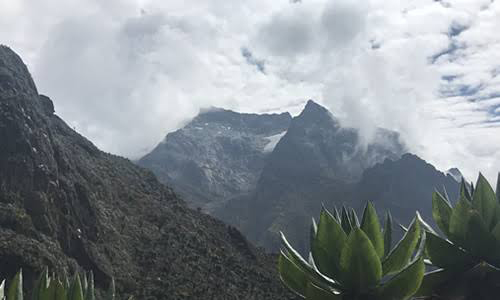
Grave of Yohani Kinyala Lauwo, a legendary Kilimanjaro guide connected to the history of the mountain's first ascent.

Muini Amani’s Contribution

Historical records from the 1889 expedition more clearly identify a man named Muini Amani as one of the Africans who accompanied Meyer and Purtscheller higher on the mountain than most members of the support team.

Muini Amani worked as a porter and assisted the expedition by carrying equipment and supplies to high-altitude camps. Historical accounts indicate that he reached elevations far above those attained by many other members of the caravan. However, available evidence suggests that he did not continue all the way to the summit itself.

Even though Muini Amani never reached the highest point of Kilimanjaro, his contribution remains significant. Without the support of porters and guides like him, the expedition would have faced far greater challenges. His role highlights the importance of local participation in the historic climb.

Understanding the Debate Today

Modern historians generally agree on one point: Hans Meyer and Ludwig Purtscheller completed the first recorded ascent of Mount Kilimanjaro on October 6, 1889. However, discussion continues about the local people who supported the expedition and how their contributions should be remembered.

Whether the focus falls on Yohani Kinyala Lauwo, Muini Amani, or the many unnamed porters who helped carry supplies up the mountain, their stories form an important part of Kilimanjaro’s history. Today, they represent the generations of Tanzanian guides and porters who continue to help climbers reach the Roof of Africa.

What Did Mount Kilimanjaro Look Like in 1889?

When Hans Meyer and Ludwig Purtscheller climbed Mount Kilimanjaro in 1889, they encountered a mountain that looked very different from the one visitors see today. More than a century of environmental change, scientific exploration, and tourism development has transformed the climbing experience. Understanding what Kilimanjaro looked like during the first successful ascent helps us appreciate the challenges faced by early explorers.

Larger Glaciers

One of the most striking differences was the size of Kilimanjaro’s glaciers. In 1889, extensive ice fields covered large areas of the summit region. Massive glaciers stretched across the crater rim and upper slopes, creating a dramatic landscape of snow and ice.

Today, many of these glaciers have shrunk significantly. Scientists have documented a major reduction in ice cover over the past century, making the summit area look very different from what Meyer and Purtscheller experienced during their historic climb.

No Tourist Routes

Modern climbers can choose from several well-established routes, including the Machame, Marangu, Lemosho, Rongai, Northern Circuit, and Umbwe routes. In 1889, none of these trekking routes existed.

The first climbers had to explore unfamiliar terrain and determine the safest way upward. They could not rely on detailed trail maps, route descriptions, or previous trekking reports. Every section of the mountain presented uncertainty and required careful decision-making.

No Summit Sign

Today, thousands of climbers celebrate their achievement by taking photos at the famous Uhuru Peak sign. This sign has become one of the most recognizable landmarks on Mount Kilimanjaro.

In 1889, no such sign existed. The summit area remained completely natural, with no markers, information boards, or facilities. When Meyer and Purtscheller reached the highest point, they stood on a remote volcanic summit far removed from the modern tourism infrastructure seen today.

No Mountain Huts

Climbers on some modern Kilimanjaro routes can stay in mountain huts or sleep in well-organized campsites with designated facilities. During the first ascent, no permanent mountain accommodations existed anywhere on the mountain.

The expedition relied entirely on temporary camps and tents. Porters carried supplies, food, and equipment to higher elevations, allowing the climbers to establish camps as they progressed. This approach required significant effort and careful logistical planning.

Fewer People Visiting

Today, Mount Kilimanjaro attracts tens of thousands of climbers from around the world every year. In contrast, very few outsiders visited the mountain during the nineteenth century.

Kilimanjaro remained a mysterious and largely unexplored landmark. Most information about the mountain came from local communities and a small number of explorers, missionaries, and scientists. As a result, Meyer and Purtscheller entered a landscape that felt far more remote and unknown than it does today.

A Mountain Transformed by Time

Although Mount Kilimanjaro remains Africa’s highest mountain, the experience of climbing it has changed dramatically since 1889. Larger glaciers, untouched summit landscapes, and the absence of modern infrastructure made the first ascent far more challenging. Yet despite these changes, the mountain continues to inspire adventurers from across the globe, just as it did more than a century ago.

Historic view of Mount Kilimanjaro's glaciers, which covered a much larger area during the first ascent in 1889.

Timeline of the First Ascent of Kilimanjaro

The journey to the first successful ascent of Mount Kilimanjaro did not happen overnight. Decades of exploration, failed attempts, and growing knowledge about the mountain paved the way for the historic summit climb in 1889. The timeline below highlights some of the most important milestones in the history of Kilimanjaro exploration.

1848 – Johannes Rebmann Reports Mount Kilimanjaro

German missionary Johannes Rebmann became one of the first Europeans to report seeing Mount Kilimanjaro. His descriptions of a snow-capped mountain near the equator surprised many people in Europe, and some scientists initially doubted his claims. Nevertheless, his observations introduced Kilimanjaro to the wider world and sparked interest in exploring the mountain.

1887 – Hans Meyer’s First Attempt

German explorer Hans Meyer made his first attempt to reach the summit of Mount Kilimanjaro. He climbed higher than many previous explorers but failed to reach the mountain’s highest point. Despite the setback, the expedition provided valuable information about the terrain and challenges of the climb.

1888 – Meyer’s Second Expedition

Meyer returned to Kilimanjaro hoping to complete the ascent. However, political unrest in East Africa disrupted his plans and prevented him from reaching the summit. Although the expedition ended unsuccessfully, Meyer gained additional experience and developed a better understanding of what would be required for a future attempt.

October 6, 1889 – The First Successful Ascent

After careful preparation and lessons learned from earlier failures, Hans Meyer partnered with Austrian mountaineer Ludwig Purtscheller for a third expedition. On October 6, 1889, the two explorers successfully reached the summit of Kibo, becoming the first recorded people to climb Mount Kilimanjaro. Their achievement marked a historic moment in African exploration and mountaineering history.

1962 – Kaiser Wilhelm Peak Becomes Uhuru Peak

Following Tanganyika’s independence, the summit received a new name. In 1962, authorities renamed Kaiser Wilhelm Peak as Uhuru Peak. The word “Uhuru” means “freedom” in Swahili and celebrates the nation’s independence. Today, Uhuru Peak remains the highest point on Mount Kilimanjaro and one of the most famous mountain summits in the world.
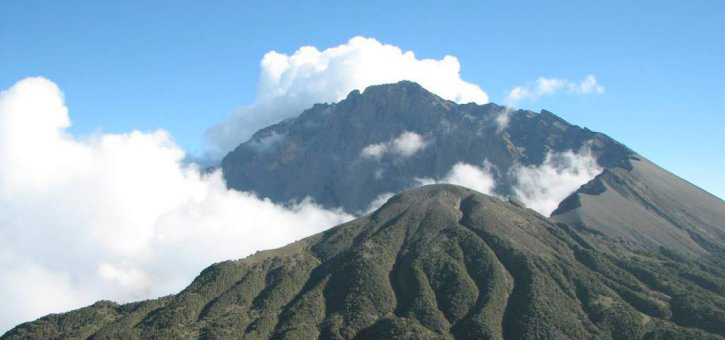
Key Dates at a Glance

YearEvent
1848Johannes Rebmann reports seeing Mount Kilimanjaro
1887Hans Meyer makes his first summit attempt
1888Meyer’s second expedition ends unsuccessfully
October 6, 1889Hans Meyer and Ludwig Purtscheller complete the first recorded ascent
1962The summit receives the name Uhuru Peak

This timeline shows how decades of exploration and perseverance eventually led to one of the greatest achievements in the history of Mount Kilimanjaro.

Can You Follow the First Climbers’ Route Today?

Many travelers who learn about the first ascent of Mount Kilimanjaro often wonder whether they can follow the same path taken by Hans Meyer and Ludwig Purtscheller in 1889. While some parts of their journey crossed areas that modern climbers still visit, today’s trekking experience differs significantly from the expedition that reached the summit more than a century ago.

Modern Routes

Today, climbers can choose from several established routes, including the Marangu, Machame, Lemosho, Rongai, Umbwe, Shira, and Northern Circuit routes. Each route offers a different experience, scenery, and acclimatization profile.

Unlike the first climbers, modern trekkers follow well-maintained trails with designated camps or huts. Professional guides lead every expedition, and national park regulations help ensure safety and environmental protection. These routes make Kilimanjaro far more accessible than it was in the nineteenth century.

Current Climbing Conditions

Although Mount Kilimanjaro remains a challenging high-altitude trek, climbers today benefit from significant advantages. Modern equipment, accurate weather forecasts, improved communication systems, and experienced mountain crews greatly increase the chances of a successful summit attempt.

Guides monitor climbers for altitude sickness, provide safety briefings, and help manage the pace of the trek. Organized support teams carry equipment and supplies, allowing visitors to focus on the climb itself. As a result, today’s climbers face fewer uncertainties than the explorers who first attempted the mountain.

Differences from 1889

The Kilimanjaro that visitors see today differs in several ways from the mountain Hans Meyer and Ludwig Purtscheller climbed in 1889. One of the most noticeable changes involves the glaciers near the summit. Large ice fields once covered much of the upper mountain, but many have shrunk significantly over the past century.

Modern infrastructure also transforms the climbing experience. Climbers now find established routes, campsites, rescue services, park regulations, and the famous Uhuru Peak sign at the summit. None of these existed during the first ascent.
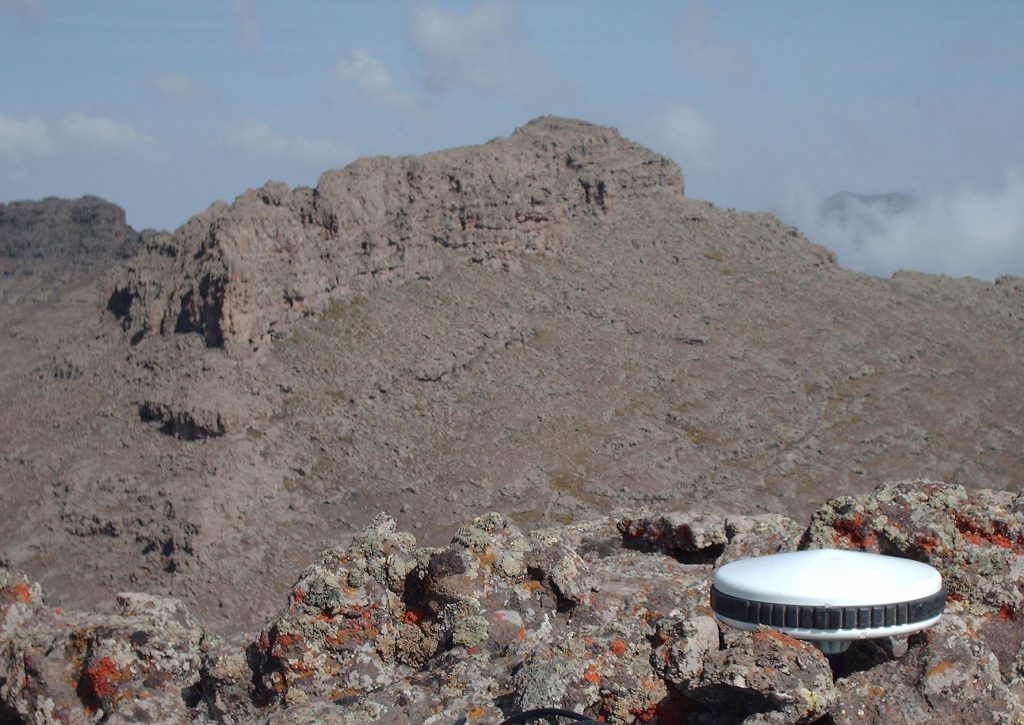
Another major difference is the number of visitors. In 1889, only a handful of explorers attempted to reach the summit. Today, thousands of people from around the world travel to Tanzania each year to experience Africa’s highest mountain.

Walking in the Footsteps of the First Climbers

Although no modern route perfectly follows the exact path used in 1889, every climber who reaches Uhuru Peak shares the same ultimate goal achieved by Hans Meyer and Ludwig Purtscheller. Standing on the summit allows visitors to connect with a remarkable chapter in Kilimanjaro’s history while experiencing one of the world’s most iconic mountain adventures.

For many trekkers, learning about the first ascent adds an extra layer of meaning to their journey. It reminds them how much determination, courage, and preparation were required to conquer Africa’s highest peak for the very first time.

Interesting Facts About the First Climb of Kilimanjaro

The first successful ascent of Mount Kilimanjaro is full of fascinating details that many travelers and history enthusiasts do not know. Beyond the achievement itself, several remarkable facts make the 1889 expedition one of the most important milestones in the history of African exploration.

The Third Attempt Finally Succeeded

Hans Meyer did not reach the summit on his first try. He made his first attempt in 1887 and returned again in 1888, but both expeditions ended without success. Rather than giving up, Meyer learned from each setback and improved his strategy.

His determination paid off during his third expedition in 1889 when he partnered with Austrian mountaineer Ludwig Purtscheller. Their persistence ultimately led to the first recorded ascent of Mount Kilimanjaro, proving that preparation and experience can make the difference between failure and success.

The Summit Once Had a Different Name

Today, climbers celebrate their achievement at Uhuru Peak, the highest point on Mount Kilimanjaro. However, the summit did not always carry this name.

After reaching the top in 1889, Hans Meyer named the summit “Kaiser Wilhelm Peak” in honor of the German emperor. Following Tanganyika’s independence, authorities renamed the summit Uhuru Peak in 1962. The word “Uhuru” means “freedom” in Swahili and symbolizes national independence and pride.

Larger Glaciers Covered the Mountain

When Meyer and Purtscheller climbed Kilimanjaro, they encountered a summit landscape dominated by much larger glaciers and ice fields than visitors see today. Vast stretches of ice covered sections of the crater rim and upper slopes, creating a dramatic alpine environment near the equator.

Over the decades, many of these glaciers have shrunk significantly. As a result, modern climbers experience a mountain that looks noticeably different from the one explored during the first ascent.

Few People Repeated the Climb for Years

Today, thousands of people attempt to climb Mount Kilimanjaro every year. In contrast, very few people followed Meyer and Purtscheller to the summit during the years after their historic achievement.

The mountain remained remote, challenging, and difficult to access. Travel across East Africa required significant time, resources, and planning. As a result, the first ascent remained an extraordinary accomplishment for many years before climbing Kilimanjaro became a more common goal for adventurers and explorers.

A Historic Achievement That Still Inspires Climbers

More than a century later, the story of the first ascent continues to inspire people from around the world. Every climber who stands on Uhuru Peak becomes part of a tradition that began on October 6, 1889, when two determined explorers reached the highest point in Africa and made history.

Frequently Asked Questions

This section answers the most common questions about the first ascent of Mount Kilimanjaro and helps clarify important historical details about the expedition.

Who was the first person to climb Mount Kilimanjaro?

The first recorded people to climb Mount Kilimanjaro were Hans Meyer (Germany) and Ludwig Purtscheller (Austria). They successfully reached the summit of Kibo, now known as Uhuru Peak, on October 6, 1889.

When was Mount Kilimanjaro first climbed?

Mount Kilimanjaro was first successfully climbed on October 6, 1889, after several earlier failed attempts by Hans Meyer and other explorers. This date marks the first recorded ascent to the highest point in Africa.

Who guided the first climbers?

The expedition was supported by local porters and guides from the Chagga community, who helped transport supplies and navigate the lower slopes of the mountain. Historical records also mention Muini Amani, a porter who accompanied the expedition to higher altitudes, although he did not reach the summit.

What was Uhuru Peak called before?

Before independence, Uhuru Peak was known as Kaiser Wilhelm Peak, named by Hans Meyer in honor of the German emperor during the colonial period. In 1962, after Tanganyika gained independence, the summit was renamed Uhuru Peak, meaning “freedom” in Swahili.

How many attempts did Hans Meyer make?

Hans Meyer made three attempts to climb Mount Kilimanjaro. His first attempt in 1887 and second attempt in 1888 were unsuccessful. He finally reached the summit on his third attempt in 1889 with Ludwig Purtscheller.

Can beginners climb Kilimanjaro today?

Yes, beginners can climb Mount Kilimanjaro today with proper preparation, training, and support from licensed guides. Modern trekking routes, established camps, and safety systems make the climb achievable for many first-time high-altitude hikers, although it still requires good fitness and acclimatization.

Who was Yohani Kinyala Lauwo?

Yohani Kinyala Lauwo was a famous Tanzanian Kilimanjaro guide who lived a very long life and became widely known in local mountain history. He is often associated with early Kilimanjaro expeditions, although historians debate whether he was part of the 1889 first ascent. Many records instead suggest that Muini Amani played a more documented role as a porter during the expedition.

Conclusion

The first successful ascent of Mount Kilimanjaro in 1889 remains one of the most important milestones in the history of African exploration. Hans Meyer and Ludwig Purtscheller achieved what earlier explorers could not, reaching the summit of Kibo on October 6, 1889 after careful planning, repeated attempts, and strong determination.

Their achievement marked the beginning of a new era in mountaineering and opened Mount Kilimanjaro to scientific study and global attention. It also highlighted the vital contribution of local guides and porters, whose support made the expedition possible under extremely difficult conditions.

Today, the legacy of the first ascent continues to inspire thousands of climbers who travel to Tanzania each year to reach Uhuru Peak. While modern routes, equipment, and support systems make the climb more accessible, the challenge and sense of achievement remain deeply connected to the historic journey of 1889. Every climber who stands on the Roof of Africa becomes part of the same story that began with Meyer and Purtscheller over a century ago.

Kilimanjaro Meaning

What Does Kilimanjaro Mean and Where Did the Name Come From?

Mount Kilimanjaro is Africa’s highest mountain and one of the world’s most recognizable natural landmarks. Most researchers believe the name “Kilimanjaro” comes from a combination of the Swahili word Kilima, meaning “mountain,” and the Chagga word Njaro, often interpreted as “whiteness” or “shining.” Together, the name is commonly understood to mean “Mountain of Whiteness” or “Shining Mountain.”

However, the true meaning of Kilimanjaro remains a subject of debate. Over the years, historians, linguists, and explorers have proposed several theories linking the name to the Swahili, Chagga, and Maasai languages. Some interpretations suggest the name refers to the mountain’s snow-covered summit, while others connect it to local legends, water sources, caravans, or even spiritual beliefs.

Despite these different explanations, the name Kilimanjaro perfectly reflects the mystery and grandeur of Africa’s tallest peak. In this guide, we explore the most widely accepted theories about the meaning of Kilimanjaro, the history behind its name, and why it continues to fascinate climbers, travelers, and researchers from around the world.

What Does Kilimanjaro Mean?

The most widely accepted meaning of Kilimanjaro is “Mountain of Whiteness” or “Shining Mountain.” Most researchers believe the name comes from a combination of the Swahili word Kilima, meaning “mountain,” and the Chagga word Njaro, which is often interpreted as “whiteness,” “brightness,” or “shining.”

The Most Accepted Meaning of Kilimanjaro

Although the exact origin of the name remains debated, the “Mountain of Whiteness” theory is the explanation most commonly accepted by historians, linguists, and travel experts. This interpretation reflects the mountain’s snow-covered summit, which has long stood out against the warm plains of northern Tanzania.

The first part of the name, Kilima, comes from Swahili and means “mountain” or “hill.” The second part, Njaro, is believed to come from the Chagga language and refers to whiteness, brightness, or something that shines. When combined, these words create the meaning “Mountain of Whiteness.”

This explanation is especially fitting because Mount Kilimanjaro is famous for its glaciers and snow-capped peak. For centuries, local communities, travelers, and explorers were fascinated by the sight of snow on a mountain located close to the equator, making “Mountain of Whiteness” one of the most logical interpretations of the name Kilimanjaro.

Quick Meaning Table

WordLanguageMeaning
KilimaSwahiliMountain
NjaroChaggaWhiteness, Brightness, or Shining
KilimanjaroCombinedMountain of Whiteness

The most commonly accepted explanation is that the name Kilimanjaro combines the Swahili word Kilima and the Chagga word Njaro. Together, these words are generally interpreted as “Mountain of Whiteness” or “Shining Mountain,” a reference to the mountain’s snow-covered summit. Although other theories exist, this remains the most widely recognized meaning of Kilimanjaro.

Where Is Mount Kilimanjaro Located?


Mount Kilimanjaro is located in northern Tanzania, East Africa, very close to the border with Kenya. It rises from the surrounding plains of the Kilimanjaro Region as a massive, free-standing volcanic mountain, meaning it is not part of a mountain range but stands alone. This isolated position makes it one of the most visually dominant landmarks in Africa, visible from long distances across both Tanzania and Kenya on clear days.

The mountain sits just south of the Equator, which makes its snow-capped summit even more remarkable. Despite being in a tropical region, its extreme height creates cold conditions at the top, allowing glaciers and ice fields to exist. Kilimanjaro is part of Kilimanjaro National Park, a protected area recognized as a UNESCO World Heritage Site due to its unique ecosystems, wildlife, and geological importance.
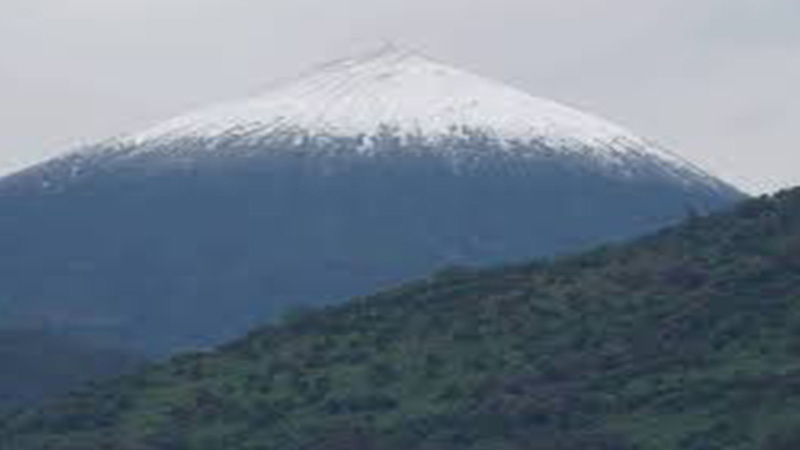
Geologically, Kilimanjaro is also part of the East African Rift system, one of the most active tectonic regions in the world. It is formed by three volcanic cones Kibo, Mawenzi, and Shira which were created through ancient volcanic activity millions of years ago. Among these, Kibo is the highest point and the location of Uhuru Peak, the summit of Africa.

What makes Kilimanjaro’s location especially unique is how it rises directly from flat savannah land. There are no surrounding high mountains, so its massive snow-covered peak appears suddenly above the horizon, creating one of the most iconic mountain views in the world.

About Mount Kilimanjaro

Mount Kilimanjaro is the highest mountain in Africa and rises in northern Tanzania as a massive free-standing volcanic mountain. It is not part of a mountain range, which makes it stand alone above the surrounding plains and clearly visible from long distances. Because of its size and location, it is one of the most iconic mountains in the world and a major symbol of Tanzania.

Height of Kilimanjaro

Mount Kilimanjaro is 5,895 meters (19,341 feet) high above sea level. This extreme height makes it the tallest mountain in Africa and the highest free-standing mountain on Earth. Its height is also the reason it has different climate zones, starting from warm forest at the base and ending in freezing conditions at the summit.

The Three Volcanic Cones

Mount Kilimanjaro has three volcanic cones formed by ancient volcanic activity. Kibo stands as the highest cone and reaches the summit point called Uhuru Peak. Mawenzi has sharp ridges and steep slopes, which make it very rugged and difficult. Shira is the oldest cone and now appears mostly as a wide plateau because erosion shaped it over time. Together, these three cones create the full structure of the mountain.

Why Kilimanjaro Has Snow Near the Equator

Mount Kilimanjaro has snow and glaciers even though it is located near the Equator because of its very high altitude. As height increases, temperature drops, creating cold conditions at the summit. This allows ice fields and glaciers to form at the top, even though the base of the mountain lies in a warm tropical climate.

History of the Name Kilimanjaro

Historic illustration and title page of early Kilimanjaro exploration book featuring portrait and mountain expedition records.

The name Kilimanjaro reached the outside world through European explorers and missionaries in the 19th century. Local communities who lived on the mountain’s slopes already knew and used their own names for it long before that time.

German missionaries Johannes Rebmann and Johann Ludwig Krapf played a key role in the first written records. In the 1840s, they became some of the first Europeans to document the mountain. They heard the name from local guides and traders. They recorded it as “Kilimanjaro,” but they did not fully understand its exact pronunciation or meaning at that time.

Before these written records, the mountain existed in strong oral traditions among the Chagga people, who lived around its base. These traditions passed stories and names through spoken language. No single standard written name existed at that time because most local languages did not use written forms.

Early explorers recorded the name in different ways based on what they heard. This led to variations in spelling and interpretation across early maps and travel reports.

As exploration of East Africa increased, the name Kilimanjaro began appearing more frequently in maps, travel reports, and scientific writings. German and British explorers in particular helped spread the name as they studied the geography of the region and attempted to map the highest peak in Africa. Over time, “Kilimanjaro” became the standardized international spelling, even though earlier documents sometimes showed variations in spelling and pronunciation.

There were also differences in interpretation of what the name actually meant. Some explorers believed it was purely a local place name without translation, while others tried to break it into parts such as “Kilima” and “Njaro” to understand its meaning. These differences created ongoing debates about whether the name is Swahili, Chagga, or a combination of both.

Today, people around the world recognize the name Kilimanjaro. Geographers, tourism experts, and scientists use it consistently. However, its exact linguistic origin still comes from a mix of local languages, early explorer records, and historical interpretations.

Theories About the Origin of Kilimanjaro’s Name

The origin of the name Kilimanjaro has several explanations because different communities and early explorers interpreted it in different ways. Historians and linguists still debate its true meaning today because no single theory has full proof.

Swahili Theory

The Swahili theory explains the name as a combination of two words: “Kilima,” which means mountain, and “Njaro,” which people often interpret as whiteness or brightness. According to this idea, Kilimanjaro means “Mountain of Whiteness,” and it refers to the snow-covered summit that people could see from the surrounding plains. This theory becomes strong because “Kilima” is a confirmed Swahili word and fits naturally with the geography of the mountain. However, the theory also has a weakness because “Njaro” does not appear clearly in standard Swahili vocabulary, so its exact linguistic origin remains uncertain and open to interpretation.

Chagga Theory

The Chagga people, who live on the slopes of the mountain, also influence the interpretation of its name. In this theory, “Njaro” connects to local Chagga expressions that describe brightness, coldness, or shining appearance. The mountain plays a central role in Chagga identity, so the name may reflect how they describe its glowing snow peak and spiritual importance. This theory emphasizes cultural meaning rather than strict word translation.

Maasai Theory

The Maasai theory links Kilimanjaro to water, spirituality, and sacred landscape beliefs. Some interpretations describe the mountain as a source of life-giving water, while others associate it with a white, sacred mountain connected to spirits. The Maasai view often focuses on the mountain’s role in nature and spiritual balance rather than direct linguistic meaning.

Other Historical Interpretations

Other historical explanations describe Kilimanjaro in symbolic ways. Some early accounts refer to it as the “Mountain of Caravans” because traders used it as a landmark. Others describe it as the “Mountain of Spirits,” reflecting local beliefs about ancestral presence. Some traditions call it the “Mountain Where Birds Cannot Fly,” highlighting its extreme height. Another interpretation calls it the “Mountain of Glory,” inspired by its impressive appearance rising above the plains.

What Did Local People Call Kilimanjaro?

Local people did not always use one single name for Kilimanjaro. Instead, different communities named its main peaks and described the mountain in ways that reflected their language, culture, and daily life.

The most common traditional names focus on the three volcanic cones. People called the highest peak Kibo, which describes its bright or spotted appearance. They used this name for the snowy summit area that rises above the clouds. The second peak, Mawenzi, refers to its rough and broken shape. Local communities used this name because the cone looks sharp, steep, and heavily eroded. The third cone, Shira, represents the oldest part of the mountain. People recognized it as a lower, wide plateau compared to the taller peaks.

Local communities did not treat Kilimanjaro as one single mountain in the way modern geography does. Instead, they saw it as a group of distinct peaks with different identities. Each name described a specific part of the mountain rather than the entire structure.

Different communities living around the mountain also viewed Kilimanjaro in cultural and spiritual ways. Some groups saw it as a source of water and life, while others connected it to spiritual beliefs and ancestral presence. These views show that Kilimanjaro held deep meaning beyond just geography.

Why the “Mountain of Whiteness” Meaning Matters

The meaning “Mountain of Whiteness” matters because it connects directly to what people actually see when they look at Kilimanjaro. The name reflects the snow and ice that sit on the summit of the mountain. Even from far away on the plains of northern Tanzania, the white peak stands out clearly above the landscape.

This meaning also comes from the mountain’s physical appearance. The high summit creates cold conditions, so ice fields and glaciers form at the top. These white features made early observers associate the mountain with brightness and whiteness, especially when sunlight reflects off the snow.

The meaning also carries cultural value. Local communities and early visitors did not just see Kilimanjaro as a physical landmark. They also connected it to identity, stories, and symbolic meaning. The idea of a “white mountain” became part of how people described its beauty and importance in East Africa.

Today, the meaning becomes even more significant because the mountain is changing. Climate change has reduced many of its glaciers over time. As the ice shrinks, the visual “whiteness” that inspired the name becomes less prominent. This makes the original meaning more important to understand, because it captures a feature that is slowly disappearing but still defines the mountain’s global identity.

Interesting Facts About Kilimanjaro’s Name

The name Kilimanjaro carries many interesting facts that show how history, language, and culture shaped it over time. Its meaning is still debated today because no single explanation has full proof. Scholars continue to study its origin, and they keep the discussion active in geography and linguistics. Different scholars continue to study its origin, and this keeps the discussion active in geography and linguistics.


The name also reflects multiple language influences. It likely connects Swahili and local Chagga expressions, and early European explorers added their own interpretations when they recorded what they heard. This mix of languages makes the name unique compared to many other mountains in the world.

Early explorers also created confusion in written records. They spelled and interpreted the name in different ways because they relied on spoken communication from guides and traders. These variations later appeared in maps and travel reports, which added more debate about the original meaning.

Local communities around the mountain preserve a strong oral tradition about its history and meaning. Communities around Kilimanjaro passed stories, names, and meanings through spoken history rather than written documents. This oral knowledge still influences how people understand the mountain today.

Today, Kilimanjaro remains one of the most famous mountain names in Africa and the world. Its global recognition comes not only from its height but also from the mystery and cultural depth behind its name.

Why the Meaning of Kilimanjaro Matters Today

The meaning of Kilimanjaro matters today because it connects geography with culture, identity, and human experience. It is not just a name for Africa’s highest mountain. It also reflects the history and traditions of the people who live around it.

In Tanzania, Kilimanjaro holds strong cultural importance. The mountain stands as a national symbol and a source of pride for local communities. It also represents nature, life, and heritage in everyday life.

For the Chagga people, who live on the slopes of the mountain, Kilimanjaro forms part of their identity. The mountain influences their stories, traditions, and way of life. It also shapes how they see their connection to the land and environment.

For climbers, the meaning adds emotional value to the journey. Understanding the name gives trekkers a deeper connection to what they are climbing. It turns the experience from a physical challenge into a cultural and meaningful adventure.

The meaning of Kilimanjaro also connects culture with adventure tourism. Visitors do not only come for the summit. They also come to understand the stories, people, and history behind the mountain. This makes the climb more meaningful and memorable.

Frequently Asked Questions About Kilimanjaro Meaning

What does Kilimanjaro mean in English?

Kilimanjaro most commonly means “Mountain of Whiteness.” The name describes the snow and bright ice that cover the summit of the mountain.

Is Kilimanjaro a Swahili word?

Kilimanjaro does not come from only one language. “Kilima” comes from Swahili and means mountain, while “Njaro” likely comes from local Chagga expressions.

Why is it called the Mountain of Whiteness?

People call it the Mountain of Whiteness because the summit has snow and ice. The white peak stands out clearly above the surrounding plains.

What language does Kilimanjaro come from?

The name comes from a mix of languages. Swahili and Chagga both influence its meaning, and early explorers also shaped how the name spread.

What did the Chagga call Kilimanjaro?

The Chagga people used different names for the mountain’s peaks, such as Kibo and Mawenzi, instead of one single name for the whole mountain.

Is Kilimanjaro one mountain or three volcanoes?

Kilimanjaro is a volcanic mountain made of three cones: Kibo, Mawenzi, and Shira. Each cone formed during different stages of volcanic activity.

What is the oldest known reference?

The earliest known written references come from 19th-century European missionaries and explorers like Rebmann and Krapf, who recorded the name after learning it from local guides.

Final Thoughts on the Meaning of Kilimanjaro

The meaning of Kilimanjaro most commonly refers to the “Mountain of Whiteness,” a name inspired by its snow-covered summit and bright appearance above the plains of Tanzania. This simple meaning connects directly to what people see when they look at the mountain from far away.

At the same time, alternative theories still exist. Some explanations link the name to Swahili and Chagga words, while others reflect Maasai interpretations and early explorer records. Each theory adds a different layer to the story of the mountain and shows how multiple cultures influenced its identity.

The true origin of the name remains debated today because no single explanation has complete historical proof. Different languages, oral traditions, and early written records all contribute to the ongoing discussion. This mix of influences makes Kilimanjaro’s name both mysterious and fascinating.

For travelers, Kilimanjaro is more than a name or a destination. It represents culture, history, and natural beauty combined in one iconic mountain. If you want to experience this meaning in real life, you can climb Kilimanjaro with WeWild Travel and discover the mountain behind the name step by step.

Gilman’s Point Mount Kilimanjaro summit sign under starry night sky showing elevation and rocky volcanic landscape.

Gilman’s Point on Kilimanjaro

Gilman’s Point on Kilimanjaro: Everything You Need to Know

Gilman’s Point is one of the most important landmarks on Mount Kilimanjaro. Located on the crater rim at an altitude of 5,685 meters (18,652 feet), it marks a major milestone for climbers making their summit attempt. Many trekkers reach Gilman’s Point during summit night after a challenging climb up steep volcanic scree from Barafu Camp or Kibo Hut.

Although some climbers think Gilman’s Point is the highest point on Kilimanjaro, the true summit is Uhuru Peak, which stands higher on the crater rim. However, reaching Gilman’s Point remains a remarkable achievement because it means you have successfully reached the edge of Kilimanjaro’s crater at extreme altitude.

Most climbers arrive at Gilman’s Point around sunrise, where they enjoy spectacular views of the mountain, glaciers, and surrounding landscapes. For many, this moment becomes one of the most memorable parts of the entire trek.

In this guide, you’ll learn where Gilman’s Point sits on Kilimanjaro, how difficult it is to reach, how it compares to Uhuru Peak, what to expect during summit night, and tips to improve your chances of success.

What Is Gilman’s Point?

Gilman’s Point is one of the three official summit points on Mount Kilimanjaro. It sits on the edge of Kibo Crater and serves as a major milestone for climbers during their summit attempt. Many trekkers reach this point after several hours of climbing through the darkness on summit night. For many climbers, arriving at Gilman’s Point marks the moment when they realize they are close to achieving their goal of standing on Africa’s highest mountain.

Location on Mount Kilimanjaro

Gilman’s Point sits on the eastern side of Kibo Crater, the volcanic cone that forms Kilimanjaro’s highest summit area. Climbers usually reach it after ascending steep scree slopes from Barafu Camp or Kibo Hut during summit night.

The point stands on the crater rim and offers spectacular views across the mountain. From here, climbers can see parts of the crater, nearby glaciers, and the vast plains surrounding Kilimanjaro. Many routes that approach the summit from the south and east pass through Gilman’s Point before continuing toward Uhuru Peak.

Elevation of Gilman’s Point

Gilman’s Point stands at 5,685 meters (18,652 feet) above sea level. This elevation places it well within the extreme altitude zone, where oxygen levels are significantly lower than at sea level.

At this height, many climbers feel the effects of altitude. Shortness of breath, fatigue, and slower walking speeds become common. For this reason, guides encourage climbers to move slowly and maintain a steady pace during the final ascent.

Although Gilman’s Point is not the highest point on Kilimanjaro, reaching this elevation remains a significant achievement and demonstrates strong physical and mental determination.

Why It Matters to Climbers

Gilman’s Point represents a major milestone on the journey to the summit. Reaching this point means a climber has successfully completed the most demanding section of summit night and arrived at the crater rim.

Many climbers celebrate when they see the Gilman’s Point sign because it confirms they have reached one of Kilimanjaro’s official summit points. Some climbers choose to stop here due to altitude, weather, or exhaustion, while others continue toward Uhuru Peak, the highest point on the mountain.

Whether a climber stops at Gilman’s Point or continues to the main summit, reaching this landmark remains an unforgettable accomplishment and one of the highlights of the Kilimanjaro experience.

Where Is Gilman’s Point Located?

Many climbers hear about Gilman’s Point while planning their Kilimanjaro trek, but they often wonder exactly where it sits on the mountain. Gilman’s Point lies on the rim of Kibo Crater and serves as one of the key landmarks during summit night. Understanding its location helps climbers visualize the final stages of their ascent and prepare for the challenge ahead.

Position on the Crater Rim

Gilman’s Point sits on the eastern edge of Kibo Crater, the highest volcanic cone on Mount Kilimanjaro. Climbers reach this point after ascending steep volcanic scree during the final push to the summit area.

The location offers dramatic views across the crater, surrounding glaciers, and the plains below. Many trekkers arrive here around sunrise, creating one of the most memorable moments of the entire climb. The famous wooden sign at Gilman’s Point marks the spot and provides an excellent photo opportunity after a long night of trekking.

Distance From Uhuru Peak

Gilman’s Point is not the highest point on Kilimanjaro. Uhuru Peak holds that title and stands at 5,895 meters (19,341 feet), while Gilman’s Point sits at 5,685 meters (18,652 feet).

The distance between Gilman’s Point and Uhuru Peak is approximately 1.5 kilometers (0.9 miles) along the crater rim. Although this distance may seem short, the high altitude makes every step more challenging. Most climbers need between one and two hours to walk from Gilman’s Point to Uhuru Peak, depending on their pace, weather conditions, and physical condition.

Which Routes Reach Gilman’s Point?

Several Kilimanjaro routes lead climbers to Gilman’s Point during summit night. The most common routes include Machame, Lemosho, Umbwe, Rongai, and the Northern Circuit.

Climbers on the Machame, Lemosho, Umbwe, and Northern Circuit routes usually begin their summit attempt from Barafu Camp before reaching Gilman’s Point. Climbers on the Rongai Route typically start from Kibo Hut and approach the crater rim from the northern side.

The Marangu Route follows a different path but also reaches the crater rim near Gilman’s Point before continuing toward Uhuru Peak. As a result, many Kilimanjaro climbers pass through Gilman’s Point regardless of the route they choose.

How Difficult Is the Climb to Gilman’s Point?

Many climbers consider the trek to Gilman’s Point the most challenging part of the entire Kilimanjaro climb. The route does not require technical mountaineering skills, ropes, or rock climbing experience, but it demands determination, patience, and the ability to cope with high altitude. Most climbers begin this section around midnight and spend several hours climbing in darkness before reaching the crater rim.

The Challenge of Summit Night

Summit night tests both your body and mind. Most climbers leave camp between midnight and 1:00 a.m. and begin a slow ascent toward the crater rim. At this stage, you may already feel tired after several days on the mountain.

The cold temperatures, darkness, and thin air make the climb feel much harder than previous trekking days. Many climbers focus on one step at a time and follow their guide’s pace. Moving slowly helps conserve energy and improves your chances of reaching Gilman’s Point successfully.

Steep Scree Slopes

One of the biggest challenges between camp and Gilman’s Point is the steep scree slope. Scree consists of loose volcanic gravel and small rocks that shift under your feet as you climb.

Many climbers describe this section as taking two steps forward and sliding one step back. The steep terrain can feel frustrating, especially during the final hours before sunrise. Trekking poles help maintain balance and reduce pressure on your legs during the ascent.

Although the scree slope requires effort, most climbers can complete it by maintaining a steady pace and following their guide’s instructions.

Effects of High Altitude

Altitude creates the greatest challenge on the way to Gilman’s Point. At 5,685 meters (18,652 feet), the air contains much less oxygen than at sea level.

Many climbers experience shortness of breath, headaches, fatigue, or reduced energy levels during the ascent. Even simple movements can feel more difficult at this elevation. The effects vary from person to person, which is why proper acclimatization plays such an important role in summit success.

Guides closely monitor climbers throughout summit night and encourage regular hydration and a slow walking pace to help manage altitude effects.

Physical and Mental Preparation

You do not need advanced climbing skills to reach Gilman’s Point, but good preparation can make the experience much easier.

Regular hiking, cardiovascular exercise, and leg-strength training help prepare your body for long days on the mountain. Training several weeks before your trek improves endurance and confidence during the climb.

Mental preparation matters just as much as physical fitness. Summit night can feel long and demanding, especially when you climb in darkness and cold conditions. Climbers who stay positive, remain patient, and focus on small goals often handle the challenge more successfully.

With proper training, good acclimatization, and support from experienced guides, many first-time trekkers successfully reach Gilman’s Point and continue toward Uhuru Peak.

Gilman’s Point vs Uhuru Peak

Many climbers wonder whether reaching Gilman’s Point means they have reached the summit of Kilimanjaro. While Gilman’s Point is an important achievement, it is not the mountain’s highest point. Understanding the difference between Gilman’s Point and Uhuru Peak helps climbers set realistic expectations for summit night and appreciate each milestone along the journey.

Uhuru Peak Mount Kilimanjaro summit sign marks Africa's highest point surrounded by glaciers and mountain views.

Key Differences

Gilman’s Point and Uhuru Peak both sit within Kilimanjaro’s summit area, but they represent different stages of the final ascent. Gilman’s Point stands on the eastern rim of Kibo Crater and serves as a gateway to the summit plateau. Most climbers reach it first after climbing steep scree slopes during summit night.

Uhuru Peak sits farther along the crater rim and marks the highest point on Mount Kilimanjaro. Climbers who continue beyond Gilman’s Point follow a gradual trail across the summit area until they reach the famous Uhuru Peak sign.

The biggest difference is simple: Gilman’s Point marks arrival at the crater rim, while Uhuru Peak marks the highest point of the mountain.

Elevation Comparison

The elevation difference between these two points is significant.

  • Gilman’s Point: 5,685 meters (18,652 feet)
  • Uhuru Peak: 5,895 meters (19,341 feet)

This means Uhuru Peak stands approximately 210 meters (689 feet) higher than Gilman’s Point.

Although the elevation gain may seem small on paper, many climbers feel the effects of altitude strongly during this final section because they are already near the limit of human endurance.

Which Point Counts as the Summit?

Uhuru Peak counts as the true summit of Mount Kilimanjaro.

When climbers talk about standing on the roof of Africa, they refer to reaching Uhuru Peak. It holds the title of the highest point in Africa and represents the ultimate goal for most trekkers.

However, reaching Gilman’s Point still qualifies as a major achievement. Many climbers celebrate when they arrive at the crater rim because they have successfully completed the most demanding section of the climb.

Why Most Climbers Continue to Uhuru Peak

Most climbers continue to Uhuru Peak because they have already come so far and want to reach the highest point on the mountain.

The trail from Gilman’s Point to Uhuru Peak follows the crater rim and offers stunning views of glaciers, volcanic landscapes, and sunrise over Tanzania. Although the altitude remains challenging, the terrain becomes less steep than the scree slope below Gilman’s Point.

For many climbers, reaching Uhuru Peak completes the Kilimanjaro experience. The summit sign, panoramic views, and sense of accomplishment create memories that last a lifetime. After days of trekking and hours of effort on summit night, standing at Uhuru Peak becomes the reward for all the hard work.

What Happens When You Reach Gilman’s Point?

Reaching Gilman’s Point marks one of the most emotional moments on Mount Kilimanjaro. After hours of climbing in the dark, cold, and thin air, climbers finally arrive at the crater rim. This moment feels like a major victory because it confirms you have completed the hardest section of summit night.

Summit Sign and Photos

When you reach Gilman’s Point, you see the famous wooden summit sign. Many climbers stop here to take photos, celebrate, and rest after the long ascent. The sign becomes proof that you have reached the crater rim of Kilimanjaro.

Guides often encourage climbers to take a short break, drink water, and capture the moment before continuing toward Uhuru Peak. Even climbers who feel exhausted usually smile at this point because they realize how far they have come.

Sunrise Views

Many climbers arrive at Gilman’s Point just as the sun begins to rise. The sunrise over the African plains creates one of the most beautiful views on the mountain.

Golden light spreads across glaciers, clouds, and volcanic rocks, creating a powerful contrast between darkness and daylight. This view often gives climbers a second boost of energy after the long night climb.

Crater Rim Experience

At Gilman’s Point, you stand on the edge of Kibo Crater. The landscape feels dramatic and otherworldly, with steep walls, ice formations, and wide views across the summit area.

The air feels extremely thin, and every step requires effort. Despite the difficulty, many climbers describe this section as one of the most rewarding parts of the entire Kilimanjaro journey.

From this point, climbers can continue along the crater rim toward Uhuru Peak or rest briefly before making their final push.

Feeling the Effects of Altitude

The altitude at Gilman’s Point affects almost every climber. At over 5,600 meters, oxygen levels drop significantly, and the body works harder to function.

Climbers may feel shortness of breath, dizziness, or fatigue. Even simple movements feel slow and heavy. Guides closely monitor each climber and encourage a slow pace, steady breathing, and regular hydration.

Despite these challenges, most climbers push through because they know the final summit lies just ahead. Reaching Gilman’s Point shows strong determination and brings climbers very close to standing on the highest point in Africa.

Wildlife and Scenery Around Gilman’s Point

The area around Gilman’s Point offers some of the most dramatic scenery on Mount Kilimanjaro. At this high altitude, the environment becomes harsh and almost lifeless, yet it still delivers unforgettable views. Climbers experience a unique mix of glaciers, volcanic terrain, and wide-open landscapes that stretch far beyond the mountain.

Glaciers and Ice Fields

Near Gilman’s Point, climbers can see remnants of Kilimanjaro’s famous glaciers and ice fields. These frozen formations sit on the upper slopes of Kibo and create a striking contrast against the dark volcanic rock.

Although the glaciers have reduced over time, they still give climbers a powerful reminder of the mountain’s icy past. The early morning light often reflects off the ice, creating bright and dramatic scenes that many trekkers remember for life.

Volcanic Landscape

The climb to Gilman’s Point passes through a rugged volcanic environment shaped by ancient eruptions. Loose scree, sharp rocks, and steep slopes dominate the terrain during summit night.

This volcanic landscape feels raw and untouched. The ground shifts underfoot, and the lack of vegetation highlights the extreme conditions at this altitude. Every step shows the power of nature that formed Kilimanjaro millions of years ago.

Views Across Tanzania

From Gilman’s Point, climbers enjoy wide panoramic views across Tanzania. On clear mornings, the horizon stretches far into the distance, revealing clouds, plains, and sometimes even the curvature of the landscape below.

The sunrise often paints the sky in warm colors, turning the clouds into layers of gold and orange. These views reward climbers after a long and demanding ascent, creating one of the most memorable moments of the entire journey.

Tips for Reaching Gilman’s Point Successfully

Reaching Gilman’s Point requires more than fitness alone. Climbers succeed when they prepare well, manage altitude carefully, and follow their guide’s instructions. These simple but powerful strategies can improve your chances of reaching the crater rim safely and comfortably.

Acclimatize Properly

Good acclimatization helps your body adjust to high altitude. Choose a longer route that gives your body more time to adapt to lower oxygen levels. Spend extra days on the mountain when possible and avoid rushing the climb.

Climbers who acclimatize well reduce their risk of altitude sickness and increase their chances of reaching Gilman’s Point and continuing to Uhuru Peak.

Walk Slowly

A slow and steady pace improves your summit success. Many climbers fail because they move too fast and burn energy early.

Follow the “pole pole” style that guides recommend. Take small steps, maintain a steady rhythm, and avoid rushing even when the summit feels close. Slow walking helps your body conserve energy and handle the steep scree slopes more effectively.

Stay Hydrated

Proper hydration supports your body at high altitude. Drink water regularly throughout the climb, even when you do not feel thirsty.

Water helps reduce fatigue, supports circulation, and improves your body’s ability to handle altitude stress. Carry a hydration system or water bottles and sip frequently during summit night.

Listen to Your Guide

Your guide understands the mountain and monitors your condition throughout the climb. Follow their instructions closely, especially during summit night.

Guides control the pace, choose rest breaks, and watch for signs of altitude sickness. Listening to your guide improves your safety and increases your chance of reaching Gilman’s Point successfully.

Wear Proper Summit Gear

Correct clothing makes a big difference during the final ascent. Temperatures near Gilman’s Point drop far below freezing, especially at night.

Wear warm layers, a waterproof jacket, insulated gloves, and proper trekking boots. Use headlamps for visibility during night climbing and carry extra layers in case conditions change.

Good gear protects you from cold, wind, and fatigue, helping you focus on reaching the crater rim safely.

Frequently Asked Questions

Is Gilman’s Point the top of Kilimanjaro?

No, Gilman’s Point is not the highest point on Kilimanjaro. Uhuru Peak holds that title. Gilman’s Point sits on the crater rim and marks an important milestone during summit night, but climbers must continue to Uhuru Peak to reach the true summit.

How high is Gilman’s Point?

Gilman’s Point stands at 5,685 meters (18,652 feet) above sea level. At this altitude, oxygen levels drop significantly, and most climbers feel the effects of thin air during the final ascent.

How far is Gilman’s Point from Uhuru Peak?

Gilman’s Point sits about 1.5 kilometers (0.9 miles) from Uhuru Peak. Even though the distance seems short, the high altitude makes the walk challenging and slow for most climbers.

Can you stop at Gilman’s Point?

Yes, climbers can stop at Gilman’s Point if they feel too tired or experience altitude sickness. Some trekkers choose to rest here, while others continue to Uhuru Peak if they feel strong enough.

Which routes reach Gilman’s Point?

Most Kilimanjaro routes reach Gilman’s Point during summit night. These include Machame, Lemosho, Umbwe, Rongai, Northern Circuit, and Marangu routes. Each route approaches the crater rim from a different direction but often passes this key point.

How long does it take to walk from Gilman’s Point to Uhuru Peak?

The walk from Gilman’s Point to Uhuru Peak usually takes between 1 and 2 hours. The exact time depends on weather conditions, fitness level, and how well a climber handles high altitude.

Final Thoughts

Gilman’s Point stands as one of the most important milestones on Mount Kilimanjaro. It marks the moment climbers reach the crater rim after a long and demanding summit night. Many trekkers remember this point as a powerful achievement because it confirms they have conquered the hardest section of the climb.

Reaching Gilman’s Point shows real strength, determination, and resilience. Climbers face cold temperatures, thin air, and steep scree slopes before they arrive at this location. Even though it does not represent the highest point on the mountain, it still holds deep meaning for many who attempt Kilimanjaro.

The difference between Gilman’s Point and Uhuru Peak lies in elevation and final position. Gilman’s Point sits on the crater rim, while Uhuru Peak stands as the highest point in Africa. Climbers who continue beyond Gilman’s Point complete the final push and reach the true summit. However, both points represent major accomplishments on the journey.

Every climber experiences Kilimanjaro differently, but reaching Gilman’s Point always brings a sense of pride and achievement. With proper preparation, good pacing, and support from experienced guides, future climbers can increase their chances of reaching this memorable point and continuing all the way to Uhuru Peak.