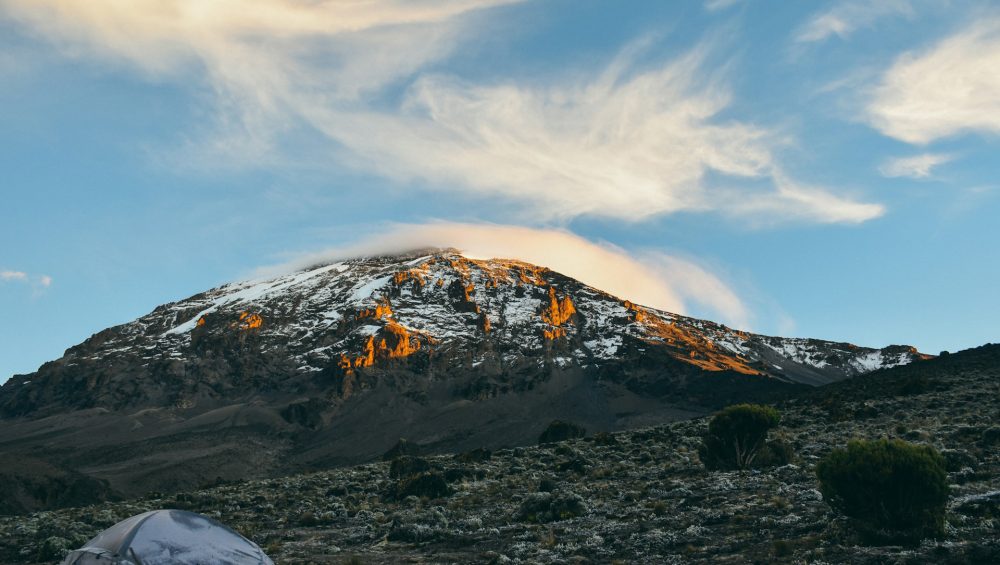
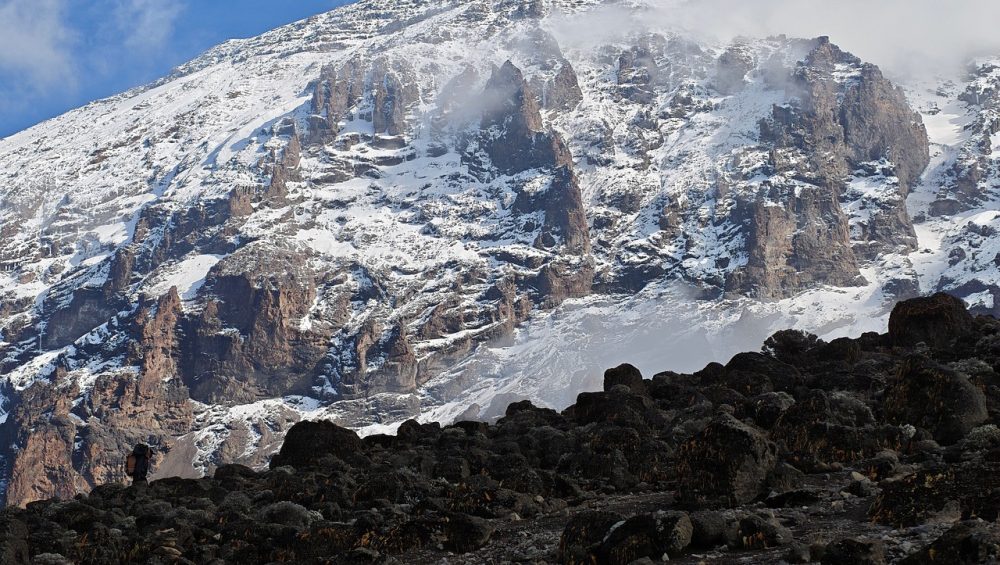
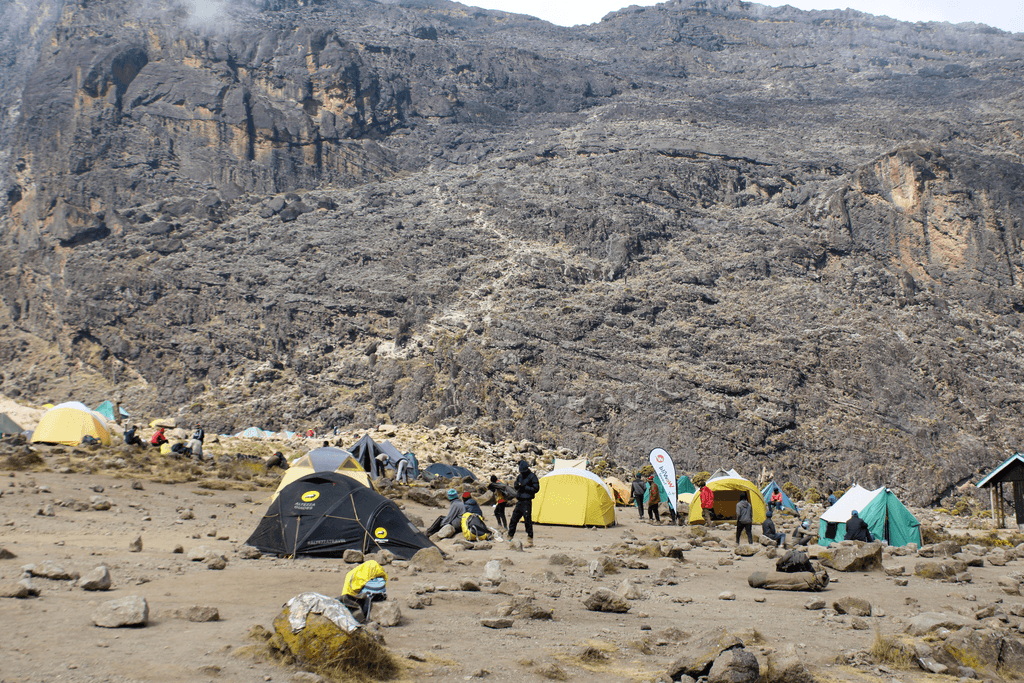
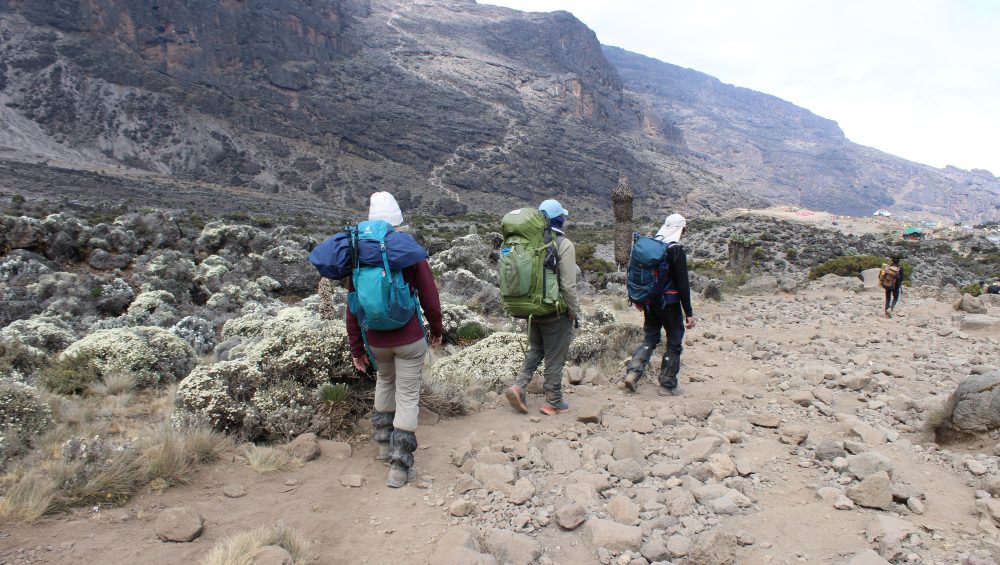
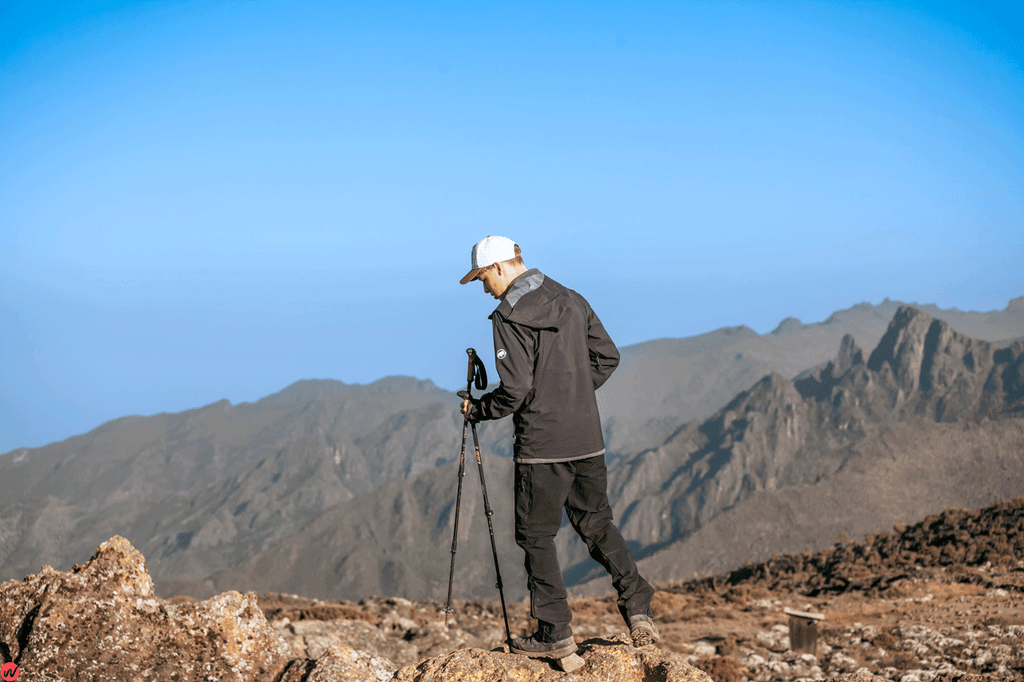
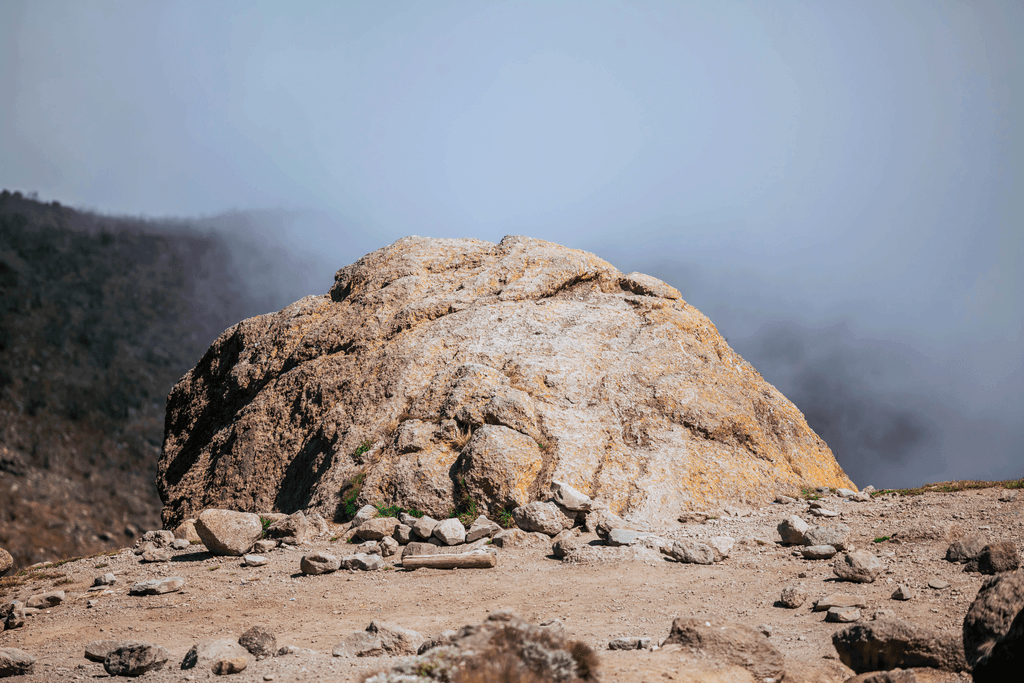
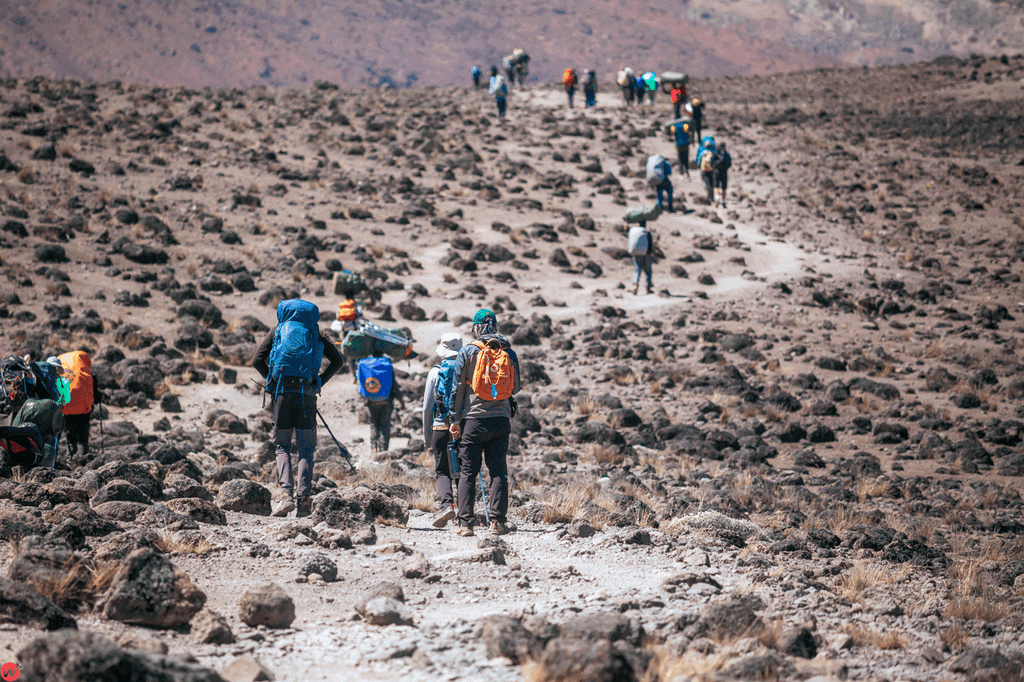
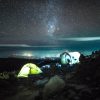
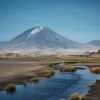
Stella Point is one of the most important landmarks on the summit route of Mount Kilimanjaro. It is located on the crater rim and marks the point where climbers finally reach the top edge of the mountain after a long and difficult ascent. At this stage, trekkers are already at extreme altitude, and the environment becomes very harsh due to low oxygen, cold temperatures, and strong winds.
Stella Point is not the highest point on Kilimanjaro, but it is a major achievement in the summit journey. Reaching it means a climber has successfully completed the toughest section of the climb, usually done during the final night push from Barafu Camp. From Stella Point, the trail continues for about 30 to 60 minutes along the crater rim to reach Uhuru Peak, which is the highest point in Africa at 5,895 meters.
Many climbers consider Stella Point a powerful emotional milestone because it represents almost reaching the summit after hours of physical and mental challenge. The sunrise often happens around this area, making the moment even more memorable. In simple terms, Stella Point is the gateway to the summit of Kilimanjaro and a sign that the hardest part of the journey is already behind you.
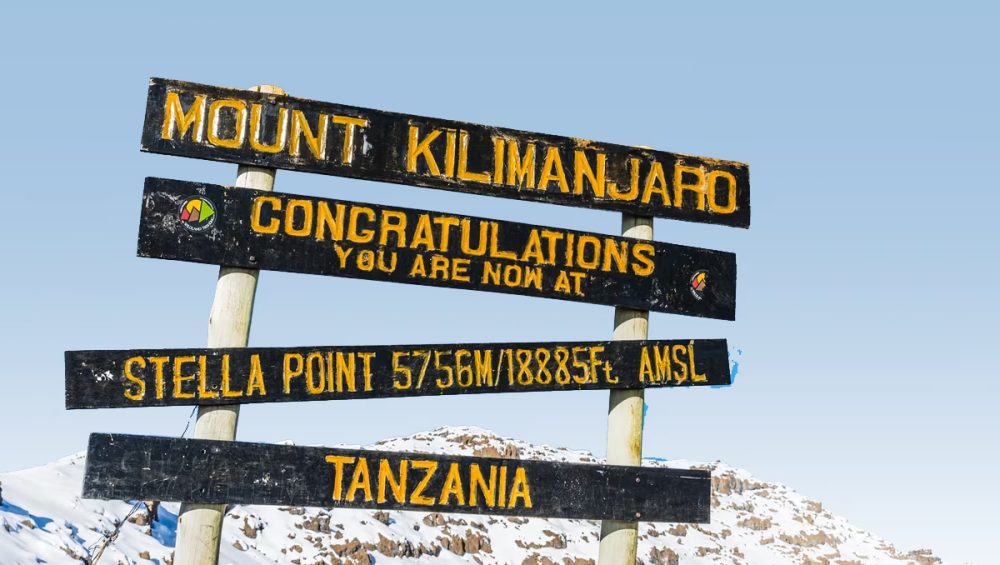
Stella Point is located at an altitude of 5,756 meters (18,885 feet) above sea level on Mount Kilimanjaro’s crater rim. This makes it one of the highest reachable points on the mountain before reaching the true summit, Uhuru Peak. At this elevation, the environment becomes extremely harsh, and climbers enter what experts call the “extreme altitude zone.”
At 5,756 meters, oxygen levels drop significantly compared to sea level, reaching almost half of what the human body normally experiences. Because of this, most climbers experience noticeable altitude effects such as heavy breathing, slow movement, fatigue, headaches, and reduced physical strength. Even simple steps can feel very demanding, and the body must work much harder to function normally.
The cold temperature at Stella Point also adds to the difficulty. It is common to experience freezing winds, especially during the summit night ascent. Despite these challenges, reaching Stella Point is a major achievement because it confirms that a climber has successfully reached the crater rim after hours of steep and exhausting trekking from Barafu Camp.
In simple terms, Stella Point’s altitude represents the final test of endurance before the last short push to Uhuru Peak. It is a place where mental strength becomes just as important as physical fitness, and every step forward brings climbers closer to standing on the roof of Africa.
Which Routes Reach Stella Point?
Not all climbing routes on Mount Kilimanjaro pass through Stella Point, but several popular routes reach it during the final summit push. Climbers usually access Stella Point through the crater rim near the summit, and most of them arrive there after passing Barafu Camp, which serves as the main high camp before the final ascent.
Machame Route
The Machame Route is one of the most popular routes to Mount Kilimanjaro and it does reach Stella Point during the summit climb. Climbers using this route typically ascend through different ecological zones and acclimatization camps before arriving at Barafu Camp, which serves as the base for the final summit attempt.
From Barafu Camp, climbers begin their summit push at midnight or early morning, climbing steep scree and rocky terrain in very low oxygen conditions. After several hours of slow and challenging ascent, they reach Stella Point on the crater rim. This is usually the first major achievement of summit day. From Stella Point, climbers continue along the crater rim for about 30 to 60 minutes to reach Uhuru Peak, the highest point in Africa.
The Machame Route offers a strong acclimatization profile, which helps climbers increase their chances of reaching the summit. Because of this advantage, many climbers prefer it, even though it demands strong physical effort.
Lemosho Route
TheLemosho Route also leads climbers to Stella Point through its standard summit approach. Many climbers choose this route because it offers some of the most scenic views on Kilimanjaro and provides a longer acclimatization period, which improves summit success rates.
After several days of trekking through rainforest, moorland, and alpine desert zones, climbers eventually join the Machame Route near the upper mountain section. From there, they proceed to Barafu Camp, which is the final base before the summit attempt.
During summit night, climbers leave Barafu Camp and make a slow, steady ascent toward the crater rim. After hours of climbing in freezing temperatures and thin air, they arrive at Stella Point. This moment is often emotional because it confirms that the hardest part of the climb is complete. From Stella Point, the final stretch to Uhuru Peak is relatively short but still very challenging due to extreme altitude.
Umbwe Route (via Barafu)
The Umbwe Route stands as the steepest and most direct route on Mount Kilimanjaro, which makes it one of the most physically demanding options. Although climbers face a difficult ascent, they still follow the same summit approach as other major routes to reach Stella Point.
Climbers on the Umbwe Route usually ascend quickly through the lower slopes and join the higher trails leading toward Barafu Camp. Because of its steep profile, proper acclimatization is very important for safety and success on this route.
From Barafu Camp, the summit push follows the same pattern as other routes: a nighttime ascent through extreme altitude conditions. After several hours of continuous climbing, trekkers reach Stella Point on the crater rim. This is a major milestone, especially for Umbwe climbers, as it confirms they have overcome one of the toughest ascent profiles on Kilimanjaro. The journey then continues for the final short section to Uhuru Peak.
Northern Circuit Route
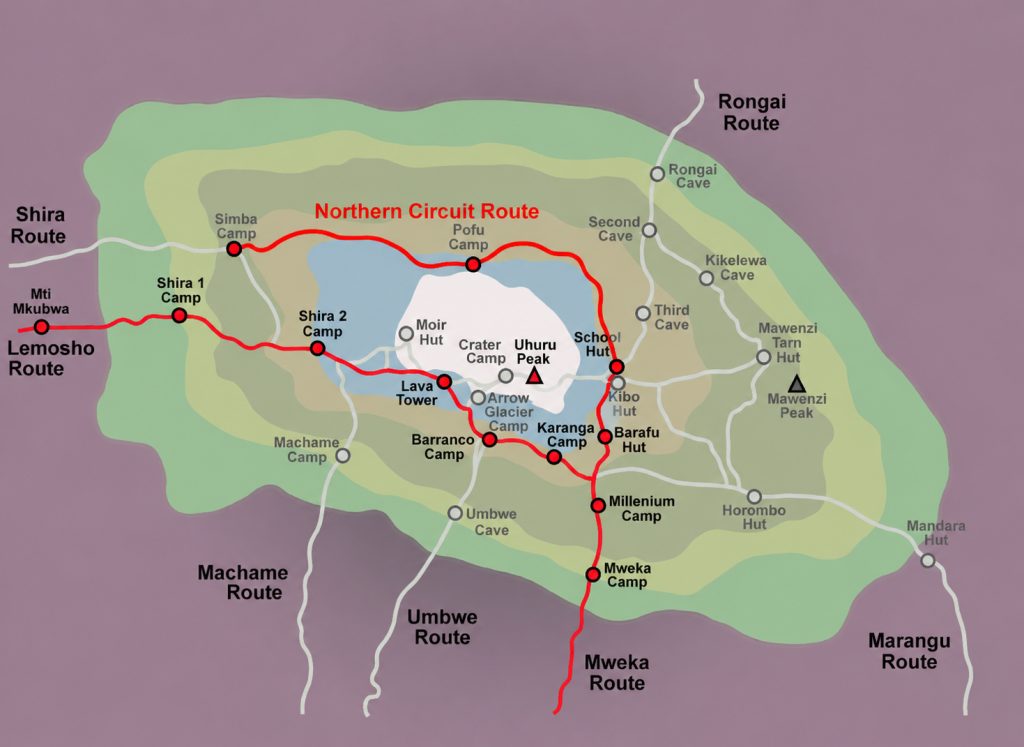
The Northern Circuit Route is the longest and most scenic route on Mount Kilimanjaro. It circles around the northern slopes of the mountain, giving climbers more time to acclimatize and experience different landscapes such as rainforest, moorland, alpine desert, and high-altitude zones.
Yes, the Northern Circuit Route also reaches Stella Point during the summit push. Even though the route begins on the western side of Kilimanjaro (usually through Lemosho Gate), it eventually joins the same final summit path used by other major routes like Machame and Lemosho.
From Barafu Camp, climbers begin their final ascent at midnight in very cold and low-oxygen conditions. After several hours of slow and steady climbing, they reach Stella Point on the crater rim at 5,756 meters. This moment marks a major milestone on summit day and proves that climbers have already completed the hardest part of the climb. From Stella Point, it takes about 30 to 60 minutes to reach Uhuru Peak, the highest point in Africa.
The Northern Circuit Route achieves the highest summit success rate because it gives climbers more time to acclimatize, offers fewer crowds, and provides a better overall climbing experience.
Stella Point vs Uhuru Peak
Stella Point and Uhuru Peak are two important summit points on Mount Kilimanjaro, but they differ in altitude, purpose, and overall climbing experience.
Located on the crater rim at 5,756 meters, Stella Point is the first major milestone climbers reach during the final ascent. It represents the moment you step onto the summit zone after a long and exhausting climb.
Uhuru Peak, on the other hand, stands higher at 5,895 meters and is the true summit of Kilimanjaro. This is the final destination where climbers celebrate reaching the highest point in Africa after completing the full challenge.
Comparison Table (Explained)
Feature
Stella Point
Uhuru Peak
Altitude
5,756m
5,895m
Meaning / Importance
First point on crater rim after long climb
Highest point in Africa and official summit
Difficulty
Very hard due to altitude and fatigue
Extremely hard, final push after exhaustion
Time between
About 30-60 minutes from Uhuru Peak
Final summit destination
Simple Explanation of the Table
Altitude: Stella Point is slightly lower than Uhuru Peak, but still at extreme high altitude where oxygen is very low.
Importance: Stella Point shows you have reached the top edge of the mountain, while Uhuru Peak is the actual highest point where climbers celebrate success.
Difficulty Both Stella Point and Uhuru Peak are very challenging to reach. However, climbers often find Uhuru Peak harder because they already feel exhausted after reaching Stella Point. At this stage, the body works under extreme fatigue, low oxygen, and freezing conditions, which makes the final push even more demanding.
Time between: After reaching Stella Point, it takes around 30 to 60 minutes of walking along the crater rim to finally reach Uhuru Peak.
What to Expect on Summit Night
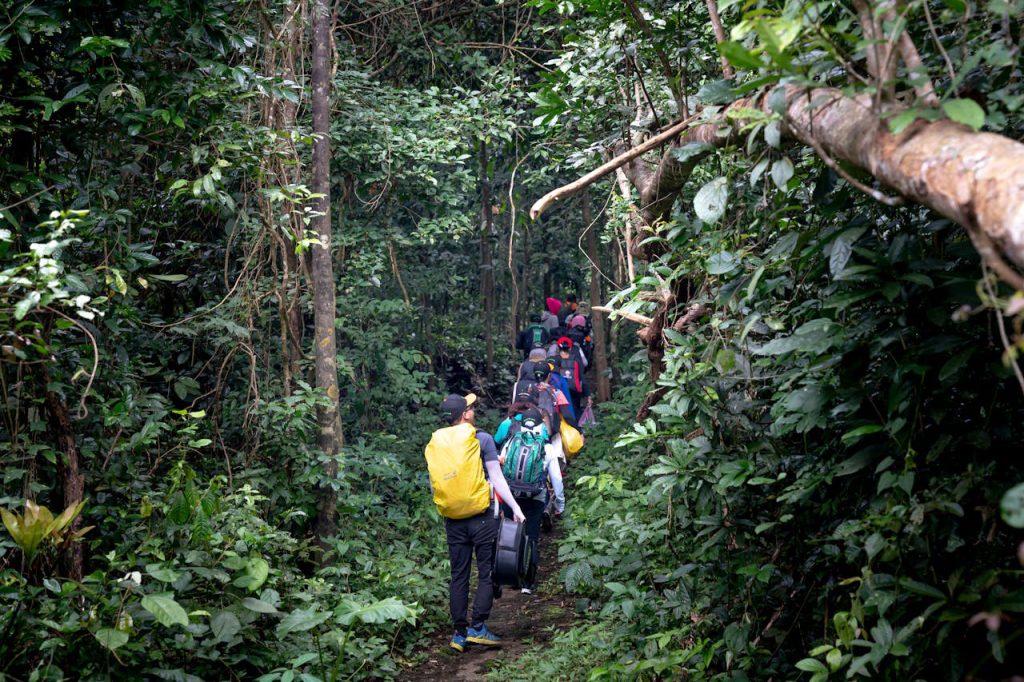
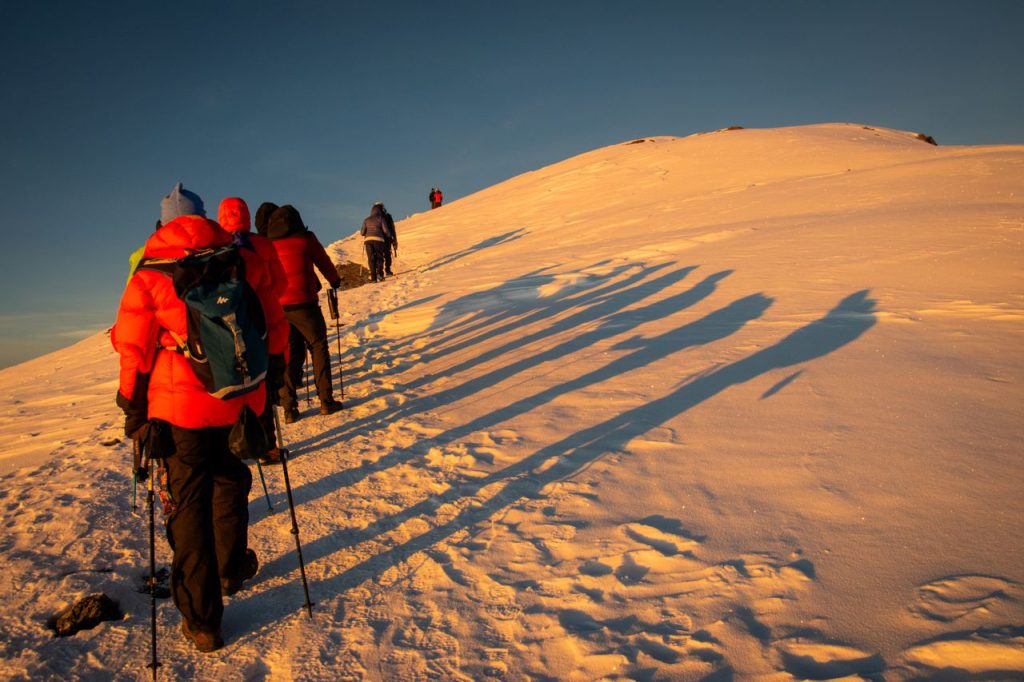
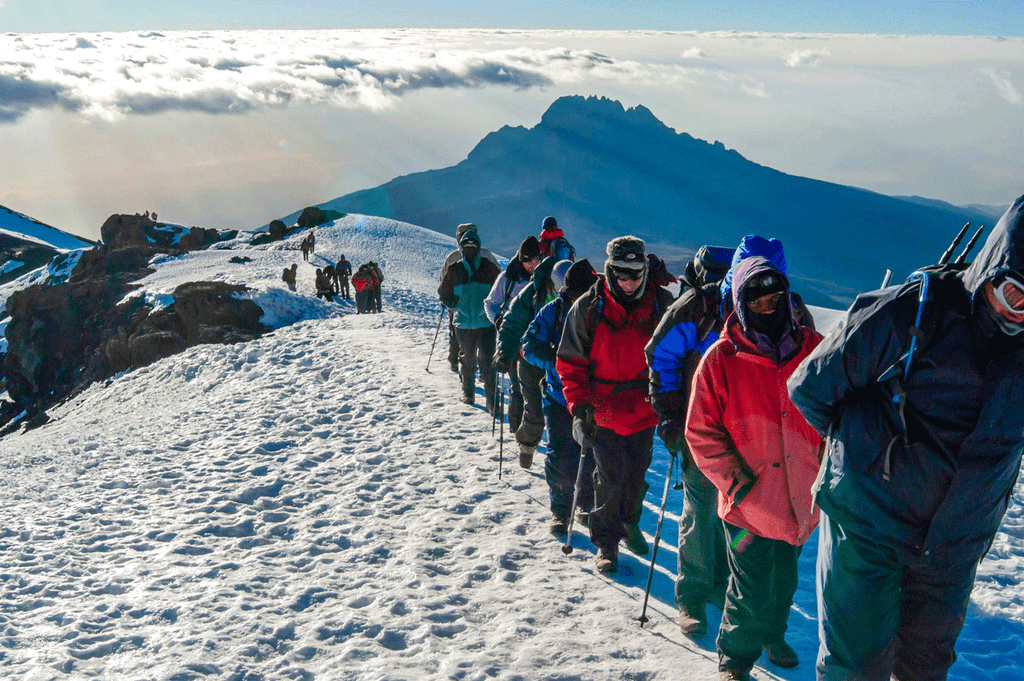
Reaching Stella Point usually happens early in the morning after climbers begin their summit push at midnight from Barafu Camp. This part of the climb is known as summit night, and it represents the most challenging section of the entire Mount Kilimanjaro journey. Climbers leave the camp in darkness and start a slow, steady ascent toward the crater rim.
During the climb, temperatures drop sharply and often fall well below freezing. The cold becomes intense as climbers gain altitude, and every step feels heavier due to the lack of oxygen. The air at this height is very thin, so the body works much harder to supply enough oxygen, which causes shortness of breath and slow movement.
Climbers also face a very slow trekking pace because the steep volcanic slope requires careful and controlled steps. Strong winds often blow across the upper mountain, especially near the crater rim, making the conditions even more challenging. At the same time, fatigue builds up from several days of trekking, so both the mind and body feel exhausted during this final push.
Despite these difficulties, climbers continue moving forward with determination because Stella Point is close. Reaching it brings a strong emotional reward, as it confirms that the hardest part of the ascent is already complete. From Stella Point, climbers stand on the edge of the summit zone and can see that they are almost at the top of Africa, with only a short final walk remaining to reach Uhuru Peak.
How Long Does It Take to Reach Stella Point?
The time it takes to reach Stella Point depends on where climbers start their summit push, how well they have acclimatized, and their overall fitness level. Most climbers begin the final ascent from Barafu Camp, which serves as the main high camp before the summit attempt.
From Barafu Camp, it usually takes about 5 to 7 hours of steep climbing to reach Stella Point. Climbers start at midnight or early morning and move very slowly because of the extreme altitude, cold temperatures, and thin air. Every step requires effort, and frequent short breaks help the body adjust to the low oxygen conditions.
The total duration also depends on the chosen route, physical preparation, and how well the body has adapted to altitude during previous days on the mountain. Climbers who acclimatize well often move more steadily and handle the ascent more comfortably, while others may take longer due to fatigue.
After reaching Stella Point, the final stretch to Uhuru Peak takes about 30 to 60 minutes. Although this section is shorter, it still feels challenging because climbers are already exhausted and are moving at the highest altitude on the mountain.
Is Stella Point the Summit?
Technically, Stella Point is not the summit of Mount Kilimanjaro. The true summit is Uhuru Peak, which stands as the highest point in Africa at 5,895 meters.
However, in real climbing experience, Stella Point still feels like a major summit achievement. Many climbers stop here to rest, take photos, and celebrate because they have already completed the hardest and most exhausting part of the climb. Reaching the crater rim at this altitude feels like a big victory after hours of steep climbing in cold, low-oxygen conditions.
Stella Point also serves as the first official “summit milestone” on the mountain. From this point, climbers stand on the edge of the volcanic crater and see that the final destination is very close. Even though it is not the highest point, the emotional impact is very strong because it marks success after a long and difficult journey.
Still, Uhuru Peak remains the official highest point, and most climbers continue for another 30 to 60 minutes to complete the full summit experience.
Final Thoughts
Stella Point stands as one of the most emotional and rewarding moments on Mount Kilimanjaro. Climbers reach this point after hours of tough ascent in extreme altitude conditions, where every step requires strength, focus, and determination.
Reaching Stella Point marks a powerful breakthrough in the journey. It shows that climbers have overcome the hardest part of the climb and have reached the crater rim after pushing through cold temperatures, thin air, and complete exhaustion.
Some climbers take a moment here to rest and celebrate their achievement, while others continue the final short stretch to Uhuru Peak. Both choices carry great meaning because Stella Point itself represents success on one of the toughest mountains in the world.
Whether a climber stops at Stella Point or continues to the highest point in Africa, reaching this location remains a life-changing experience that stays in memory forever.
Where Is Mount Kilimanjaro Located? Complete Guide to Africa’s Highest Mountain
Estimated reading time: 22 minutes
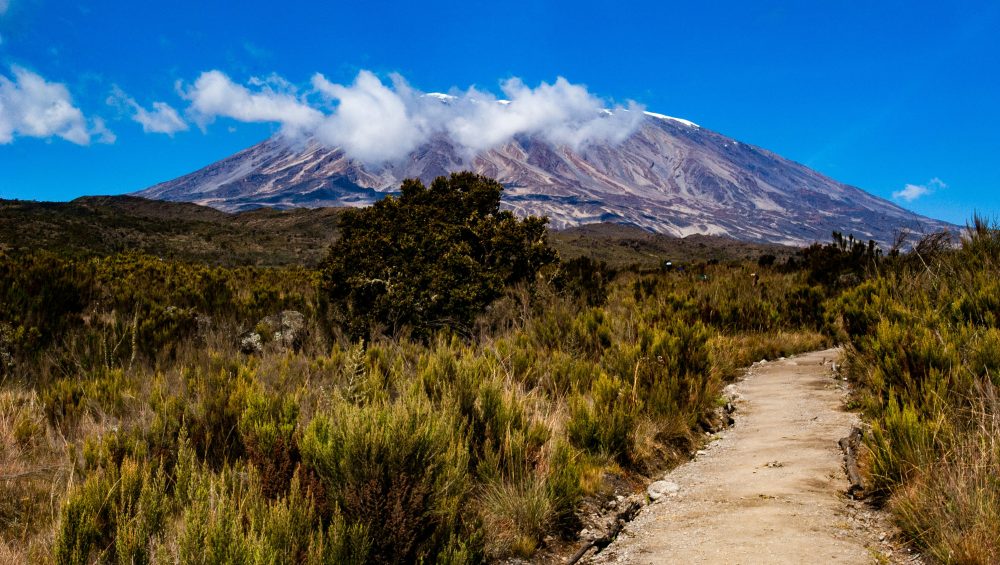
Mount Kilimanjaro is located in northeastern Tanzania, East Africa, close to the border with Kenya. It rises from the plains of the Kilimanjaro Region and dominates the landscape as Africa’s highest mountain at 5,895 meters (19,341 feet). Although many travelers first see stunning photos of its snow-capped summit from Kenya’s Amboseli region, the entire mountain sits within Tanzania and forms part of Kilimanjaro National Park.
This location makes Kilimanjaro one of the most iconic landmarks in Africa. Its position near the equator creates a unique environment where tropical rainforest, alpine desert, and glacial summit exist on a single mountain. For climbers and travelers, understanding where Kilimanjaro is located helps with planning the journey, choosing the best routes, and preparing for changes in climate and altitude as they ascend.
The mountain lies near key travel hubs such as Moshi and Arusha, which serve as the main gateway towns for climbers. Kilimanjaro International Airport also provides direct access for visitors arriving from around the world. Because of this strategic location, the mountain attracts both adventure travelers and safari visitors who combine climbing with wildlife experiences in nearby national parks.
In this guide, you will learn exactly where Mount Kilimanjaro is located on the map of Africa, which country and region it belongs to, how close it is to Kenya, and how travelers reach the mountain. You will also explore nearby cities, transport routes, and key geographical facts that make Kilimanjaro one of the most famous trekking destinations in the world.
Mount Kilimanjaro is located in northeastern Tanzania, East Africa, very close to the border with Kenya. It rises dramatically from the surrounding plains of the Kilimanjaro Region and stands as Africa’s highest mountain at 5,895 meters (19,341 feet). Its position makes it one of the most famous landmarks on the African continent and a major destination for climbers and adventure travelers.
The Exact Location of Mount Kilimanjaro
Mount Kilimanjaro is located in northeastern Tanzania at approximately 3.067°S latitude and 37.355°E longitude. It sits within Kilimanjaro National Park, which protects the mountain’s forests, wildlife, and summit zones. The mountain lies very close to the Kenya-Tanzania border, which creates a unique situation where visitors in Kenya, especially from Amboseli National Park, often see clear views of Kilimanjaro’s snow-capped peak.
However, Mount Kilimanjaro belongs entirely to Tanzania. All climbing routes, including Machame,Marangu, Lemosho, Rongai, and Umbwe, start from the Tanzanian side. The mountain does not extend into Kenya, even though it dominates the skyline across the border. This exact location makes Kilimanjaro one of the most accessible high mountains in the world, as travelers can reach it through Kilimanjaro International Airport and nearby towns like Moshi and Arusha.
Which Country Is Mount Kilimanjaro In?
Mount Kilimanjaro is located entirely in Tanzania. It does not sit on a shared border mountain range but instead stands independently within Tanzanian territory. Many people confuse its location because of its visibility from Kenya, especially in clear weather conditions when the summit appears above the clouds from Amboseli National Park.
Tanzania manages the mountain through Kilimanjaro National Park, which controls all trekking activity, conservation efforts, and tourism operations. Every climber who ascends Kilimanjaro must enter through Tanzanian park gates, making Tanzania the only official country associated with the mountain. This clear national ownership helps protect the mountain’s ecosystems and regulate tourism sustainably.
Which Region of Tanzania Is Mount Kilimanjaro In?
Mount Kilimanjaro is located in the Kilimanjaro region of Northern Tanzania This region plays a major role in Tanzania’s tourism industry because it connects mountain climbing, cultural experiences, and wildlife safaris. The nearby town of Moshi serves as the main base for climbers, offering hotels, guides, and transport services to the park gates.
Arusha, another important city in northern Tanzania, also supports Kilimanjaro tourism and serves as a gateway for safari trips to Serengeti, Ngorongoro, and Tarangire. The region’s location makes it easy for travelers to combine a Kilimanjaro climb with a safari adventure, creating one of the most popular travel combinations in Africa.
Quick Facts About Mount Kilimanjaro
Fact
Details
Country
Tanzania
Region
Kilimanjaro Region
Nearest Town
Moshi
Nearest City
Arusha
Elevation
5,895 m (19,341 ft)
Continent
Africa
National Park
Kilimanjaro National Park
Mount Kilimanjaro on the Map of Africa
Mount Kilimanjaro stands in East Africa and rises from the northern part of Tanzania. On the map of Africa, it appears near the border between Tanzania and Kenya, making it one of the most strategically visible mountains on the continent. Its isolated position on the African plains allows it to rise dramatically above the surrounding landscape, making it visible from long distances on clear days.
Where Is Kilimanjaro in East Africa?
Mount Kilimanjaro is located in northeastern Tanzania in East Africa, close to the equator. It sits in a unique geographic position where tropical climates meet high-altitude mountain environments. This East African location places Kilimanjaro within a major travel and safari corridor that connects Tanzania and Kenya, two of Africa’s most popular tourism destinations.
Geographically, Kilimanjaro rises from the savannah plains and dominates the surrounding landscape with its snow-capped summit. Its position near major wildlife regions and national parks makes it part of one of the most famous adventure travel zones in Africa. This location also creates its famous climate zones, ranging from rainforest at the base to glaciers at the summit.
How Close Is Kilimanjaro to Kenya?
Mount Kilimanjaro sits very close to the Kenya–Tanzania border, with only a short distance separating the mountain from Kenya’s Amboseli region. The border lies roughly 20–30 kilometers from the mountain’s northern slopes, depending on the exact point of reference.
This close proximity explains why Kilimanjaro appears so prominent in Kenya’s landscape. The mountain rises directly behind the Amboseli plains, creating one of the most iconic safari views in Africa. Although many visitors assume Kilimanjaro belongs to Kenya due to these views, the entire mountain lies within Tanzania. This border location also makes the mountain easily accessible from both countries for tourism and photography.
Can You See Mount Kilimanjaro From Kenya?
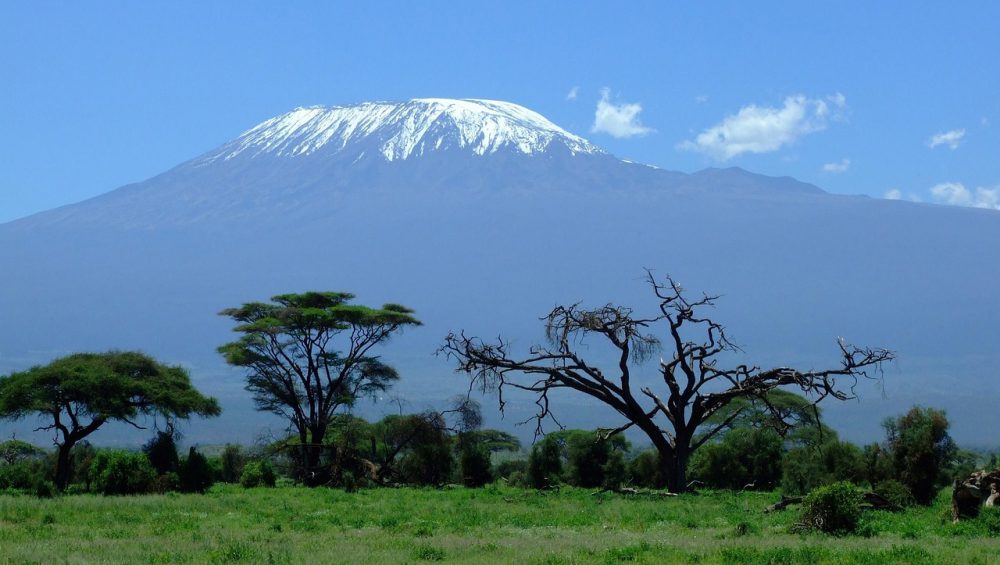
Yes, visitors can clearly see Mount Kilimanjaro from southern Kenya, especially from Amboseli National Park. On clear mornings and evenings, the mountain often appears above the clouds, creating dramatic views that attract photographers and safari travelers from around the world.
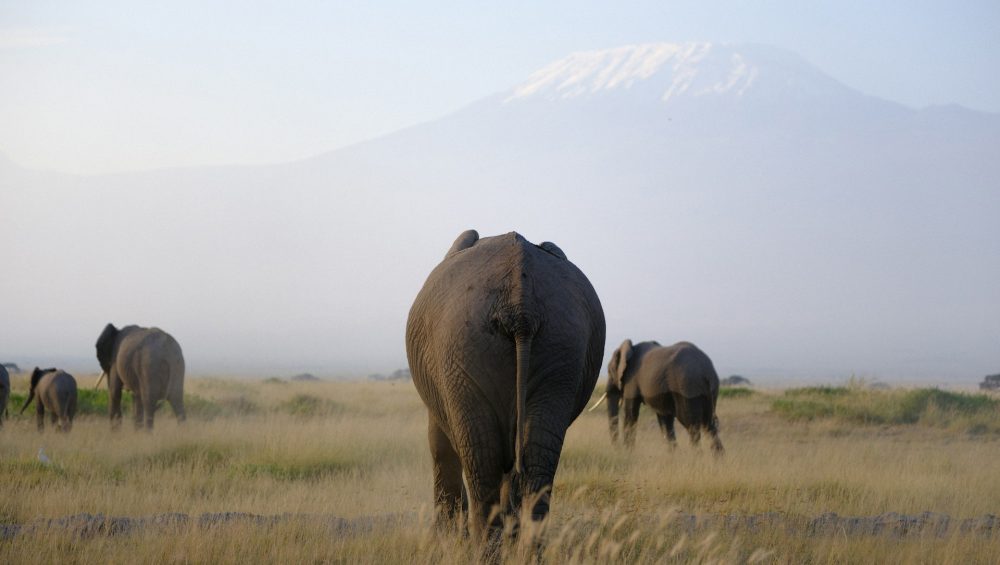
Amboseli offers some of the best photography opportunities of Kilimanjaro because the flat savannah foreground contrasts with the towering snow-capped peak in the background. Many of the world-famous images of Kilimanjaro with elephants or acacia trees in the foreground come from this Kenyan viewpoint. However, despite these views, the mountain itself remains fully inside Tanzania, and all climbing routes begin on the Tanzanian side.
Why Is Mount Kilimanjaro Famous?
Mount Kilimanjaro is famous because it stands as one of the most iconic mountains in the world and attracts thousands of climbers and travelers every year. Its unique height, location, and natural features make it a global landmark and a symbol of African adventure tourism. Unlike many other high peaks, Kilimanjaro rises directly from the plains, creating a dramatic and visible presence that draws attention from across East Africa.
Africa’s Highest Mountain
Mount Kilimanjaro is famous because it is the highest mountain in Africa, reaching an elevation of 5,895 meters (19,341 feet). This makes it the highest free-standing mountain on the African continent. Climbers from all over the world travel to Tanzania specifically to reach its summit, Uhuru Peak. Its status as Africa’s tallest mountain makes it one of the most important natural landmarks in global geography and adventure travel.
The World’s Tallest Free-Standing Mountain
Mount Kilimanjaro is also famous because it is the tallest free-standing mountain in the world. Unlike mountain ranges such as the Himalayas or the Andes, Kilimanjaro does not form part of a larger range. It rises alone from the surrounding plains, which makes its shape and presence even more dramatic. This unique geological feature makes it stand out among the world’s great peaks and increases its popularity among climbers seeking a non-technical high-altitude challenge.
One of the Seven Summits
Mount Kilimanjaro is part of the Seven Summits, a list of the highest mountains on each continent. This global challenge attracts climbers who aim to reach the highest peak in every part of the world. Kilimanjaro is considered one of the most accessible of the Seven Summits because it does not require technical climbing skills. Instead, trekkers can reach the summit through endurance hiking, which makes it especially popular among first-time high-altitude climbers.
UNESCO World Heritage Status
Mount Kilimanjaro is also famous because UNESCO recognized it as a World Heritage Site in 1987. This status highlights its ecological, geological, and cultural importance. The mountain supports diverse ecosystems, including rainforest, moorland, alpine desert, and glaciers, all within a relatively small area. UNESCO protection helps preserve its unique environment and ensures that future generations can continue to experience its natural beauty and biodiversity.
Understanding Kilimanjaro’s Geography
Mount Kilimanjaro has a unique geographic structure that makes it different from most mountains in the world. It does not form part of a long mountain range. Instead, it rises as a standalone volcanic massif from the plains of northeastern Tanzania. This isolated structure creates dramatic changes in climate, vegetation, and altitude as climbers move from the base to the summit. Understanding Kilimanjaro’s geography helps visitors appreciate why the mountain feels like several different environments stacked on top of each other.
The Three Volcanic Cones
Mount Kilimanjaro consists of three main volcanic cones: Kibo, Mawenzi, and Shira. These cones formed during different stages of volcanic activity and together create the mountain’s massive structure.
Kibo stands at the highest point of Kilimanjaro and contains the famous Uhuru Peak, the highest point in Africa. Kibo remains dormant, but it still shows signs of volcanic activity such as gas emissions near the crater. This central cone forms the main summit area that climbers aim to reach.
Mawenzi sits to the east of Kibo and rises as a jagged, rugged peak. It appears more eroded and dramatic compared to the smoother slopes of Kibo. Mawenzi is not climbable for most trekkers due to its steep and technical terrain, but it plays an important role in the mountain’s overall shape.
Shira represents the oldest of the three cones. It collapsed long ago and now forms a broad plateau on the western side of Kilimanjaro. Today, trekkers often cross the Shira Plateau on routes like Lemosho, where they experience wide open landscapes and early mountain views.
How Mount Kilimanjaro Formed
Mount Kilimanjaro formed through volcanic activity millions of years ago along the East African Rift system. Magma rose through cracks in the Earth’s crust and built up layers of lava and ash over time. This repeated volcanic activity created the massive mountain structure we see today.
Over time, erosion and glacial activity shaped Kilimanjaro’s current form. The once-active volcanoes gradually became dormant, and glaciers formed near the summit during colder climatic periods. Even today, scientists continue to study Kilimanjaro’s geology to understand how volcanic mountains evolve in tropical regions. Its formation process makes it one of the most fascinating geological landmarks in Africa.
Kilimanjaro’s Unique Ecosystems
Mount Kilimanjaro contains several distinct ecosystems that change with altitude, creating one of the most diverse ecological zones in the world. As climbers ascend the mountain, they move through different climate zones that support unique plants and animals.
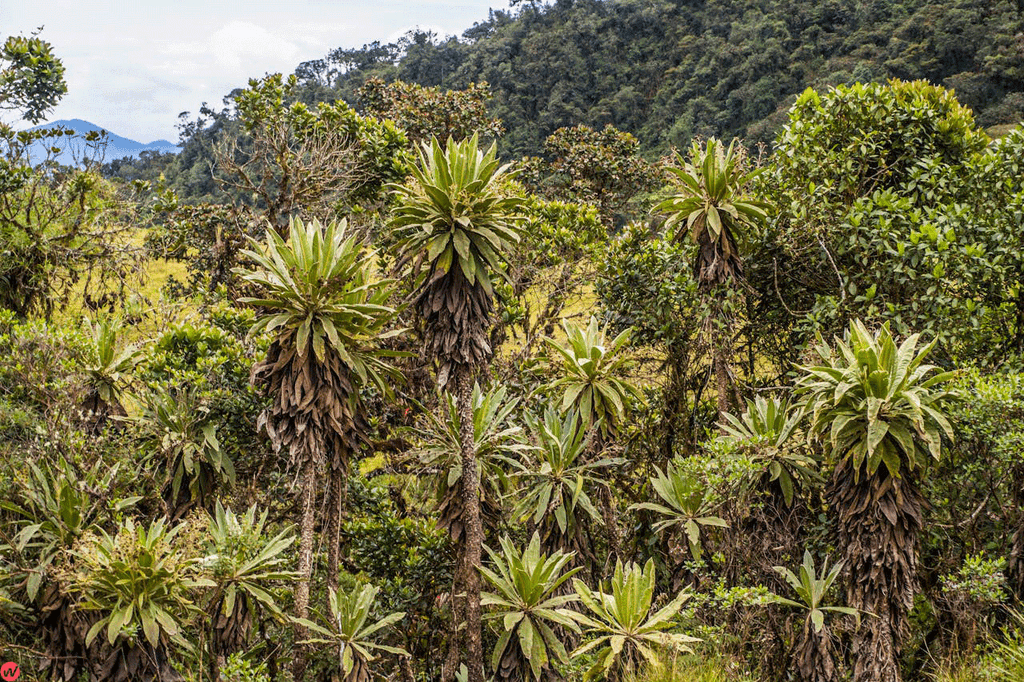
The lower slopes feature fertile farmland and human settlements. Above this, the rainforest zone supports dense vegetation and rich wildlife, including monkeys and birds. Higher up, the heath and moorland zone contains giant heathers and shrubs adapted to cooler temperatures. Beyond that, the alpine desert zone becomes dry and rocky with extreme temperature changes between day and night. At the top, the arctic zone features ice, snow, and volcanic rock with very limited life.
These ecosystems make Kilimanjaro a natural laboratory for studying altitude-based biodiversity. They also create a visually changing landscape that makes every stage of the climb feel different and memorable.
Which Mountains Surround Mount Kilimanjaro?
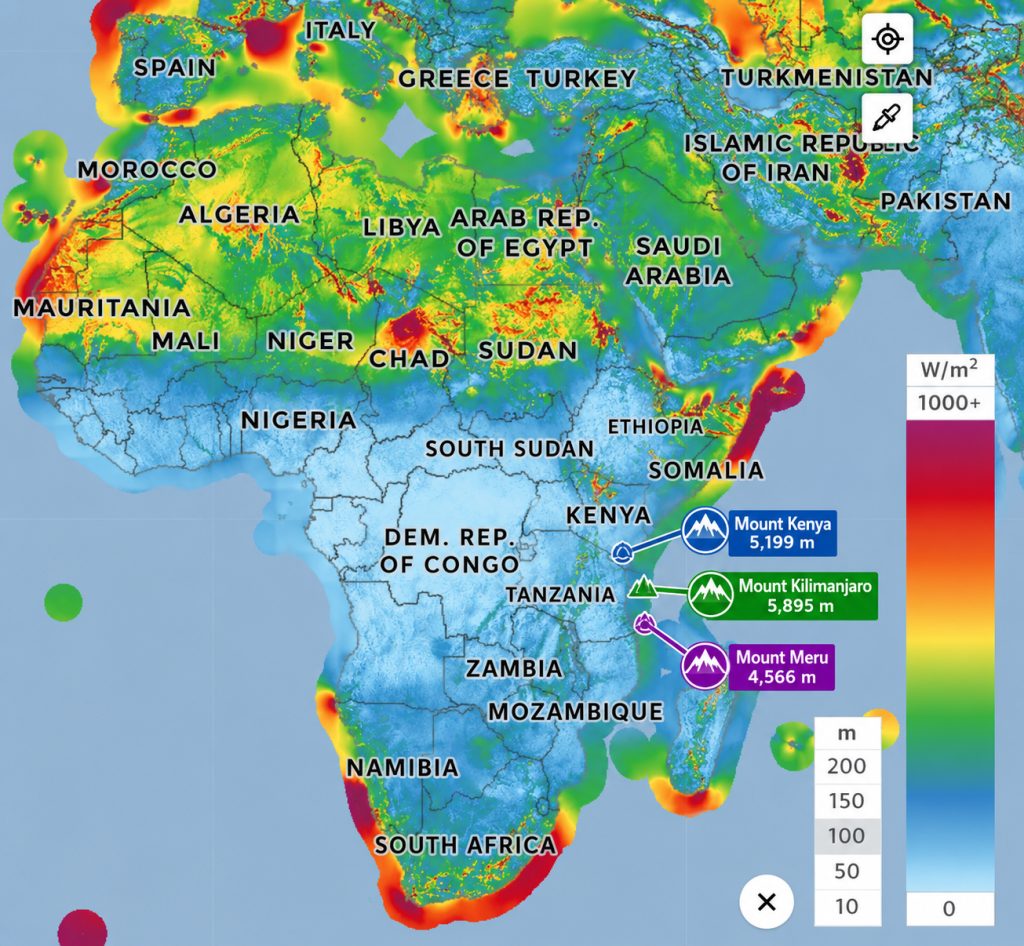
Mount Kilimanjaro does not sit inside a long mountain range. Instead, it rises alone from the plains of northeastern Tanzania. However, several important mountains in East Africa surround it at a regional scale. These nearby peaks include Mount Meru in Tanzania, Mount Kenya in Kenya, and smaller volcanic formations along the Eastern Rift Valley. Together, they form part of the dramatic highland landscape of East Africa and help define the region’s geography and tourism routes.
Mount Meru
Mount Meru lies about 70 kilometers west of Mount Kilimanjaro inside Arusha National Park. It stands as Tanzania’s second-highest mountain at 4,566 meters. Although it does not reach Kilimanjaro’s height, Mount Meru offers a challenging climb and provides excellent views of Kilimanjaro on clear days. Many climbers use Meru as an acclimatization trek before attempting Kilimanjaro because its altitude gain helps the body adjust to high elevation conditions.
Mount Kenya
Mount Kenya stands in neighboring Kenya and ranks as the second-highest mountain in Africa after Kilimanjaro. It rises to 5,199 meters and sits about 300 kilometers north of Kilimanjaro. Like Kilimanjaro, Mount Kenya is a volcanic mountain with glaciers near its summit, although these glaciers continue to shrink due to climate change. The two mountains often get compared because they both represent iconic climbing destinations in East Africa and offer similar high-altitude trekking experiences.
The Eastern Rift Valley Mountains
The Eastern Rift Valley contains several volcanic mountains, hills, and highland areas that stretch across Tanzania and Kenya. These formations developed through tectonic activity along the Great Rift Valley system, which continues to shape East Africa today. While none of these mountains match Kilimanjaro’s height, they create a dramatic landscape of elevated terrain, savannah plains, and volcanic features that define the region’s geography. Kilimanjaro stands as the tallest and most prominent peak within this broader geological system.
Comparison of Major East African Mountains
Mountain
Country
Height
Kilimanjaro
Tanzania
5,895 m
Mount Kenya
Kenya
5,199 m
Mount Meru
Tanzania
4,566 m
How to Get to Mount Kilimanjaro
Travelers can reach Mount Kilimanjaro easily through northern Tanzania, with well-developed transport routes connecting international flights, major cities, and national park gates. Most climbers plan their journey through Kilimanjaro International Airport and nearby towns such as Moshi and Arusha before starting the climb.
Flying to Kilimanjaro International Airport
Most international visitors arrive at Kilimanjaro International Airport (JRO), which sits between Moshi and Arusha in northern Tanzania. The airport connects the region with major hubs in Europe, the Middle East, and Africa. From the airport, travelers can reach their hotels or trekking companies within 45 minutes to 1.5 hours depending on traffic and destination. This airport provides the fastest and most convenient access to Mount Kilimanjaro and serves as the main entry point for climbers.
Reaching Moshi
Moshi is the closest town to Mount Kilimanjaro and serves as the main base for most trekking expeditions. Climbers usually stay in Moshi before starting their ascent because it offers hotels, gear shops, tour operators, and guide services. The town sits at the foothills of the mountain, giving travelers their first close view of Kilimanjaro on clear days. Most routes begin with a transfer from Moshi to the national park gates.
Traveling From Arusha
Arusha is another important gateway city located about 1.5 to 2 hours from Kilimanjaro. Many travelers choose Arusha because it also connects easily to safari destinations such as Serengeti, Ngorongoro Crater, and Tarangire National Park. Tour operators often organize combined itineraries that include both a Kilimanjaro climb and a wildlife safari starting from Arusha, making it a key tourism hub in northern Tanzania.
Getting to Kilimanjaro National Park Gates
All climbing routes begin at official Kilimanjaro National Park gates, which sit at different points around the mountain depending on the chosen route. Popular gates include Machame Gate, Marangu Gate, Londorossi Gate, and Rongai Gate. Tour operators arrange transport from Moshi or Arusha directly to these gates. From there, climbers register, meet their guides and porters, and officially begin their journey to the summit of Africa’s highest mountain.
What Is the Nearest City to Mount Kilimanjaro?
Several cities and towns sit near Mount Kilimanjaro, but Moshi and Arusha serve as the two main urban centers for climbers and travelers. These cities provide accommodation, transport, tour operators, and essential services for anyone planning to climb Africa’s highest mountain. Understanding the difference between them helps travelers choose the best base for their Kilimanjaro adventure.
Moshi
Moshi stands as the closest town to Mount Kilimanjaro and serves as the primary base for most climbing expeditions. It sits directly at the foothills of the mountain, giving visitors clear views of Kilimanjaro on cloud-free days. Most trekking companies operate from Moshi, and climbers usually stay here for at least one night before starting their ascent.
Moshi offers a calm and relaxed atmosphere compared to larger cities. Travelers find hotels, guesthouses, equipment rental shops, and local markets within easy reach. The short distance to Kilimanjaro National Park gates makes Moshi the most convenient starting point for routes such as Machame, Marangu, and Umbwe.
Arusha
Arusha is a larger and busier city located about 1.5 to 2 hours from Mount Kilimanjaro. It acts as a major tourism hub in northern Tanzania and connects travelers to both Kilimanjaro and famous safari destinations such as Serengeti National Park, Ngorongoro Crater, and Tarangire National Park.
Many international visitors arrive in Arusha first before transferring to Moshi or directly to Kilimanjaro. The city offers a wide range of hotels, restaurants, and tour operators, making it a convenient base for travelers combining mountain climbing with safari experiences.
Which City Is Better for Climbers?
Moshi is generally the better choice for climbers because it sits closer to Mount Kilimanjaro and reduces travel time to the park gates. Most trekking companies prefer Moshi as their main operations base, which makes logistics easier and more efficient.
However, Arusha works better for travelers who plan to combine a Kilimanjaro climb with a safari. It offers more flight connections, more luxury accommodation options, and easier access to Tanzania’s northern safari circuit.
In summary, Moshi suits climbers focused purely on Kilimanjaro, while Arusha fits travelers who want a broader East African adventure.
Mount Kilimanjaro and Kilimanjaro National Park
Mount Kilimanjaro sits inside Kilimanjaro National Park in northern Tanzania, and the park protects the entire mountain from its forest base to the summit. The park manages all trekking routes, wildlife, and ecosystems, making it the official authority for every Kilimanjaro climb.
Where Does the National Park Begin?
Kilimanjaro National Park begins at the forest reserve boundary on the lower slopes of the mountain in Tanzania. From this point upward, the park controls all land, meaning every climber enters through an official gate such as Machame Gate, Marangu Gate, Lemosho Gate, or Rongai Gate. As soon as climbers pass the gate, they enter protected park land and must follow national park rules for trekking, camping, and wildlife protection. This system ensures that all climbing activities stay organized and environmentally controlled from the very start of the journey.
Protected Wildlife and Forests
Kilimanjaro National Park protects the mountain’s forests and wildlife, especially in the lower rainforest zone where most animals live. Climbers often see blue monkeys, black-and-white colobus monkeys, olive baboons, bushbucks, duikers, and many bird species in this protected environment. As the trail rises, the park continues to protect different ecological zones, including heath, moorland, alpine desert, and the icy summit zone. These protections help preserve both wildlife habitats and unique plant life across the mountain’s altitude range.
Why the National Park Matters
Kilimanjaro National Park matters because it protects one of Africa’s most important natural landmarks. It preserves the mountain’s ecosystems, controls tourism, and ensures sustainable climbing practices. The park also supports conservation efforts that protect wildlife and reduce environmental damage caused by increasing visitor numbers. Without this protection, the mountain’s forests, glaciers, and biodiversity would face serious long-term risks. The park also helps generate income for Tanzania through tourism, which supports local communities, guides, porters, and conservation programs.
The best time to visit Mount Kilimanjarois during the dry seasons, when trails are clearer, weather conditions are more stable, and visibility is higher. These periods give climbers the safest and most comfortable trekking experience, especially on higher slopes where weather changes quickly.
January to March
January to March is one of the best times to climb Mount Kilimanjaro because the weather is generally clear and temperatures are slightly warmer at lower elevations. During this season, climbers experience fewer crowds compared to mid-year months, which creates a more peaceful trekking environment.
This period also offers good chances for clear summit views, although higher slopes can still be cold and windy. Occasional light rain may occur, but it does not usually disrupt climbing routes. Many trekkers prefer this season for photography because the mountain often appears sharp against blue skies.
June to October
June to October is the most popular and most recommended time to climb Mount Kilimanjaro. This long dry season provides stable weather conditions, minimal rainfall, and excellent trail visibility. Most successful summit attempts happen during this period because climbers face fewer weather-related challenges.
However, this is also the busiest season on the mountain. Popular routes such as Machame and Marangu can become crowded, especially in July and August. Despite the higher number of climbers, the conditions remain ideal for reaching the summit safely.
Rainy Seasons
Mount Kilimanjaro has two main rainy seasons: March to May (long rains) and November to December (short rains). During these months, trails become muddy and slippery, especially in the rainforest zone. Heavy clouds often reduce visibility, and climbing conditions become more challenging.
However, some experienced trekkers still choose these months because the mountain is quieter and prices may be lower. Wildlife in the lower forest zone also becomes more active during rainy periods, although summit success rates tend to be lower compared to dry seasons.
Monthly Overview Table
Month
Conditions
Recommendation
Jan
Warm, dry, clear
Excellent
Feb
Warm, dry, clear
Excellent
Mar
Start of rains
Moderate
Apry
Heavy rains
Not ideal
May
Heavy rains
Not ideal
Jun
Dry, clear
Excellent
Jul
Peak season
Excellent
Aug
Dry, busy
Excellent
Sep
Stable weather
Excellent
Oct
End of dry season
Very good
Nov
Short rains
Moderate
Dec
Mixed weather
Good
Interesting Facts About Mount Kilimanjaro’s Location
Mount Kilimanjaro’s location makes it one of the most unique mountains in the world. It stands near the equator in East Africa, yet it supports glaciers, extreme climate zones, and diverse ecosystems within a single mountain. These geographic features make Kilimanjaro not only a climbing destination but also a natural wonder that attracts scientists, travelers, and photographers from around the world.
Mount Kilimanjaro on the Map of Tanzania
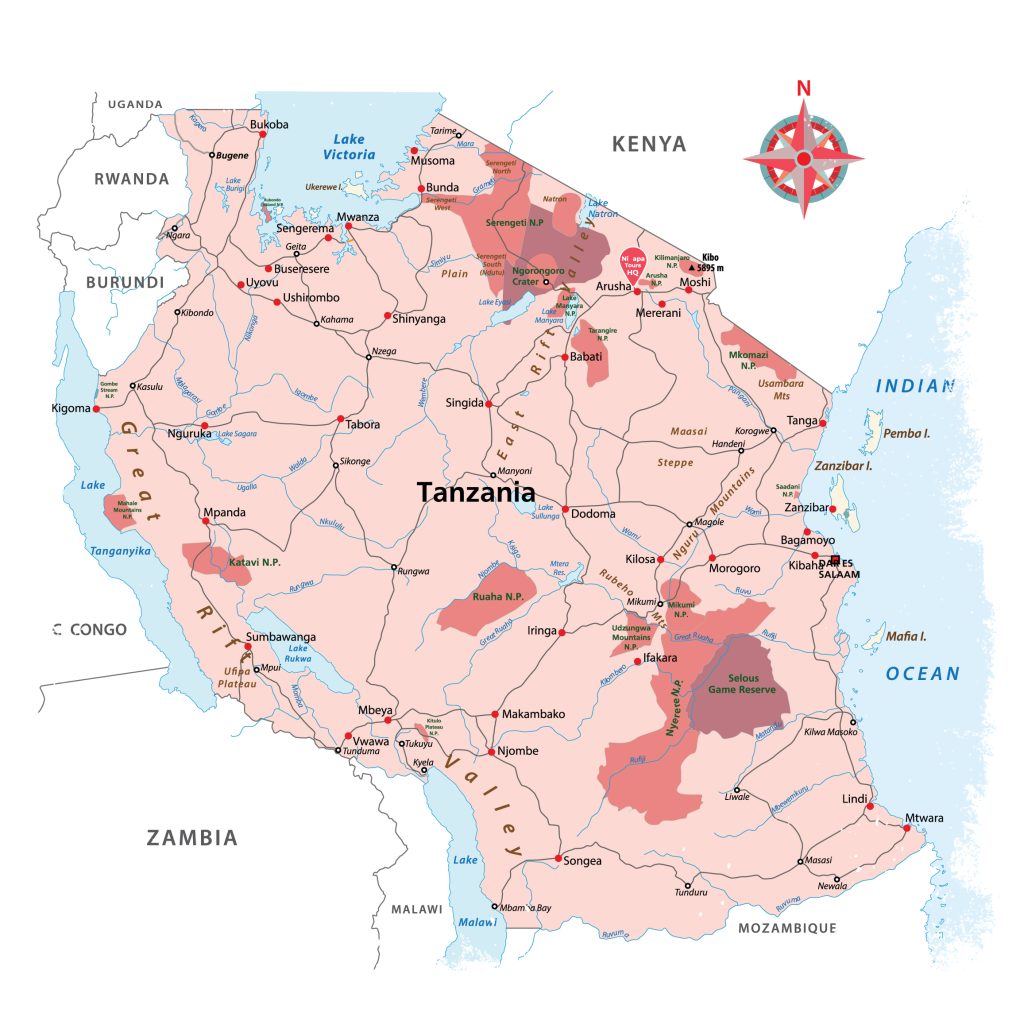
In this section, you can place a map of Tanzania highlighting the location of Mount Kilimanjaro in the country’s northern region near the border with Kenya. This visual helps readers understand exactly where Kilimanjaro sits within Tanzania and its relationship to nearby landmarks such as Mount Meru and the city of Arusha.
Near the Equator Yet Snow-Capped
Mount Kilimanjaro sits just a few degrees south of the equator in northeastern Tanzania. Despite this tropical location, the mountain still supports snow and ice at its summit. This happens because of its extreme height, which creates very low temperatures at higher elevations. As climbers ascend, they move from warm tropical rainforest to freezing alpine conditions in just a few days. This rare combination of equatorial location and glacial summit makes Kilimanjaro one of the most unusual mountains on Earth.
Visible From Space
Mount Kilimanjaro is so large and prominent that it is visible from space on clear days. Its massive volcanic structure rises sharply from the surrounding plains, making it stand out even in satellite images. The snow-capped summit and distinct shape help astronauts and satellites identify it easily. This visibility highlights the mountain’s size and its dominance over the East African landscape.
Rising Above the African Plains
Kilimanjaro rises dramatically from the flat savannahs of northern Tanzania. Unlike mountain ranges that connect to other peaks, Kilimanjaro stands alone, creating a powerful visual contrast between the mountain and the surrounding plains. This isolated structure allows travelers to see the mountain from long distances, especially when approaching from Arusha or even southern Kenya. Its position also creates clear ecological transitions from farmland to rainforest and then to alpine desert.
One Mountain, Five Climate Zones
Mount Kilimanjaro contains five distinct climate zones, all stacked vertically due to its elevation. These include cultivated farmland, rainforest, heath and moorland, alpine desert, and the arctic summit zone. Each zone has its own temperature, vegetation, and wildlife. This rare geographic structure allows climbers to experience multiple ecosystems in a single journey, making Kilimanjaro one of the most ecologically diverse mountains in the world.
Frequently Asked Questions About Mount Kilimanjaro Location
Where exactly is Mount Kilimanjaro located?
Mount Kilimanjaro is located in northeastern Tanzania in East Africa, near the border with Kenya. It sits within Kilimanjaro National Park and rises from the plains of the Kilimanjaro Region.
Is Mount Kilimanjaro in Kenya or Tanzania?
Mount Kilimanjaro is located entirely in Tanzania. Although many people see the mountain from Kenya and assume it belongs to both countries, all official climbing routes and the entire mountain fall within Tanzanian territory.
What city is closest to Mount Kilimanjaro?
Moshi is the closest town to Mount Kilimanjaro and serves as the main base for climbers. It sits directly at the foothills of the mountain and provides easy access to all major trekking routes. Arusha is another nearby city, located about 1.5 to 2 hours away, and also supports tourism in the region.
Why is Kilimanjaro famous?
Mount Kilimanjaro is famous because it is the highest mountain in Africa, the tallest free-standing mountain in the world, and one of the Seven Summits. It is also a UNESCO World Heritage Site and offers climbers a unique journey through multiple climate zones from rainforest to glacier.
Is Mount Kilimanjaro part of a mountain range?
No, Mount Kilimanjaro is not part of a mountain range. It is a free-standing volcanic mountain that rises alone from the surrounding plains. It consists of three volcanic cones: Kibo, Mawenzi, and Shira, which formed through volcanic activity along the East African Rift system.
How far is Kilimanjaro from Arusha?
Mount Kilimanjaro is approximately 80 to 100 kilometers from Arusha, depending on the route and specific location. The drive usually takes around 1.5 to 2 hours. Arusha serves as a major gateway for both Kilimanjaro climbs and northern Tanzania safari tours.
Final Thoughts: Where Is Mount Kilimanjaro Located?
Mount Kilimanjaro is located in northeastern Tanzania, East Africa, near the border with Kenya. It rises from the Kilimanjaro Region and sits fully within Kilimanjaro National Park. Its position close to major travel hubs like Moshi, Arusha, and Kilimanjaro International Airport makes it one of the most accessible high mountains in the world.
Kilimanjaro stands out because it combines location, height, and geography in a unique way. It rises alone from the African plains instead of forming part of a mountain range, and it creates a dramatic landscape where rainforest, moorland, alpine desert, and glaciers all exist on a single mountain. This rare structure makes it one of the most visually and ecologically diverse mountains on Earth.
As Africa’s highest mountain and the world’s tallest free-standing peak, Kilimanjaro attracts climbers and travelers from every continent. Its global fame comes not only from its height but also from its easy accessibility compared to other major peaks. Today, it remains one of the world’s most famous trekking destinations and a symbol of adventure in Africa.
Animals on Mount Kilimanjaro: What Wild Animals Will I See Climbing Kilimanjaro?
Estimated reading time: 32 minutes
Many people know Mount Kilimanjaro for its snow-capped summit, breathtaking landscapes, and challenging trekking routes. However, few climbers realize that animals on Mount Kilimanjaro add another fascinating dimension to the adventure. If you are wondering what wild animals you will see climbing Kilimanjaro, the answer depends largely on the route you choose and the ecological zones you pass through.
The most common animals on Mount Kilimanjaro include blue monkeys, black-and-white colobus monkeys, bushbucks, duikers, olive baboons, and numerous bird species. Most wildlife sightings occur in the lush rainforest zone, where dense vegetation provides food, shelter, and water for many animals. As climbers ascend into the heath, moorland, alpine desert, and arctic zones, wildlife becomes less common due to the harsh conditions and limited vegetation.
Unlike a traditional Tanzanian safari, climbing Kilimanjaro is not primarily a wildlife experience. You are unlikely to see large predators such as lions or cheetahs on the mountain. However, attentive trekkers often encounter playful monkeys swinging through the forest canopy, colorful birds feeding among giant heathers, and shy antelope moving quietly through the undergrowth.
The diverse ecosystems of Kilimanjaro create habitats for a wide range of species. From tropical rainforest animals at lower elevations to specialized birds adapted to higher altitudes, the mountain offers unique wildlife encounters that many climbers do not expect. These encounters add another layer of excitement to the journey and make every day on the trail different.
In this guide, we explore the animals on Mount Kilimanjaro, where they live, which routes offer the best opportunities for wildlife viewing, and what you can realistically expect to see during your climb.
Yes, Mount Kilimanjaro is home to a variety of wild animals, particularly in its lower rainforest zone. Climbers often spot monkeys, antelope, and numerous bird species while trekking through the forest. As you gain elevation and move into the moorland, alpine desert, and arctic zones, wildlife sightings become much less common due to the colder temperatures and limited vegetation.
Why Does Mount Kilimanjaro Have So Many Different Animals?
Mount Kilimanjaro supports a remarkable variety of wildlife because it contains several distinct ecological zones, each with its own climate, vegetation, and natural resources. As Africa’s highest mountain rises from the surrounding plains, it creates a range of habitats that allow different species to thrive at different elevations. From lush rainforest teeming with monkeys and birds to high-altitude moorlands home to specialized wildlife, Kilimanjaro offers a diverse environment that supports far more animals than many climbers expect. The mountain’s protected status and location within northern Tanzania also play an important role in preserving its rich biodiversity.
Diverse Climate Zones
One of the main reasons Mount Kilimanjaro is home to so many different animals is its unique range of climate zones. The mountain rises from cultivated farmlands at its base to the snow-covered summit of Uhuru Peak, creating several ecological zones along the way. These include the rainforest zone, heath and moorland zone, alpine desert zone, and arctic summit zone. Each zone has different temperatures, rainfall patterns, vegetation types, and living conditions, allowing various species to occupy habitats best suited to their needs.
The rainforest zone, found on the lower slopes of the mountain, contains dense vegetation, abundant water, and a stable climate throughout much of the year. This environment supports some of Kilimanjaro’s most commonly seen animals, including blue monkeys, black-and-white colobus monkeys, bushbucks, and numerous bird species. As climbers move higher into the heath and moorland zone, the vegetation changes dramatically. Giant heathers, wildflowers, and unique alpine plants provide food and shelter for smaller mammals and specialized bird species adapted to cooler temperatures.
At even higher elevations, wildlife becomes less common because conditions become increasingly harsh. Nevertheless, certain birds and insects can still survive in these challenging environments. The variety of climate zones found on a single mountain creates a series of interconnected ecosystems, allowing Mount Kilimanjaro to support an impressive range of wildlife from the base to the upper slopes.
Protected Forest Ecosystem
Another reason Kilimanjaro hosts diverse wildlife is the protection provided by its forest ecosystem. Much of the mountain falls within protected conservation areas that help preserve natural habitats and limit human disturbance. These protected forests provide safe environments where animals can feed, breed, and move freely without the pressures commonly found in heavily developed regions.
The rainforest surrounding Kilimanjaro acts as a vital water catchment area and supports thousands of plant species that form the foundation of the mountain’s food web. Trees, shrubs, mosses, and flowering plants provide food for herbivores, while dense vegetation offers shelter from predators and harsh weather conditions. This rich ecosystem supports monkeys, antelope, birds, insects, and many other forms of wildlife that depend on healthy forest habitats for survival.
Protection efforts have helped maintain much of the mountain’s natural biodiversity despite increasing tourism and population growth in surrounding areas. National park regulations help reduce habitat destruction, control illegal hunting, and encourage sustainable tourism practices. As a result, many animal species continue to thrive within Kilimanjaro’s forests. For climbers, this means there is still an opportunity to experience wildlife in a relatively undisturbed natural environment while trekking through one of Africa’s most famous mountains.
Location Near Major Wildlife Areas
Mount Kilimanjaro’s location in northern Tanzania also contributes significantly to its wildlife diversity. The mountain lies within a region known for its rich ecosystems and world-famous wildlife destinations. Nearby conservation areas and migration corridors allow animals to move between habitats, increasing biodiversity throughout the region. This geographic position helps connect Kilimanjaro to broader ecological networks that support wildlife populations across northern Tanzania.
The surrounding landscapes include forests, grasslands, wetlands, and protected areas that provide additional habitats for many species. Some larger mammals occasionally move through lower forest areas around Kilimanjaro, while numerous bird species travel between different ecosystems in search of food and breeding grounds. These connections help maintain healthy wildlife populations and contribute to the variety of animals found on the mountain.
Northern Tanzania’s favorable climate also supports year-round vegetation growth in many areas, providing reliable food sources for wildlife. Seasonal rainfall patterns create conditions that sustain both resident and migratory species. As a result, Kilimanjaro benefits not only from its own ecosystems but also from its proximity to some of East Africa’s most important wildlife regions.
Together, Kilimanjaro’s diverse habitats, protected forests, and strategic location create an environment capable of supporting a wide range of animal species. This combination makes the mountain much more than a climbing destination it is also an important refuge for wildlife and a fascinating place for nature enthusiasts to explore.
Wildlife Zones of Mount Kilimanjaro
Mount Kilimanjaro is unique because animals live in specific ecological zones rather than spreading evenly across the mountain. As climbers ascend the mountain, they move through several distinct habitats, starting from dense tropical rainforest and ending in the icy, barren summit zone. Each zone supports different types of wildlife, and understanding these zones helps climbers know what animals they may encounter during their journey.
The lower slopes of Kilimanjaro are rich in biodiversity, while higher elevations become progressively harsher, limiting the number of species that can survive. This gradual change in environment creates a natural pattern where wildlife becomes less common as altitude increases.
Rainforest Zone (Most Wildlife)
The rainforest zone is the most important wildlife habitat on Mount Kilimanjaro. Located at the base of the mountain, this zone is warm, humid, and covered in dense vegetation. It receives high rainfall throughout the year, creating ideal conditions for plant growth and animal life. Because of this, most wildlife sightings on Kilimanjaro occur here, especially during the early stages of the climb.
Climbers passing through the rainforest often encounter animals such as blue monkeys, black-and-white colobus monkeys, and occasionally bushbucks moving through the undergrowth. The forest canopy hosts many bird species, including hornbills, turacos, and sunbirds.
The thick forest provides food, shelter, and protection, making it the most active wildlife zone on the mountain. The sounds of rustling leaves, bird calls, and distant animal movements create a lively and immersive trekking experience.
Heath and Moorland Zone
Above the rainforest lies the heath and moorland zone, where vegetation becomes shorter and more open. This zone is cooler and drier, with giant heathers, grasses, and scattered shrubs replacing dense forest. Wildlife becomes less abundant here than in the rainforest, but climbers can still spot birds and small mammals adapted to the changing conditions.
Animal sightings in this zone happen less frequently, but climbers may still see birds of prey and high-altitude species soaring above the landscape. The open terrain also makes it easier to spot wildlife from a distance, although animals tend to be more cautious due to the harsher environment and increased exposure.
Alpine Desert Zone
The alpine desert zone is one of the most extreme environments on Mount Kilimanjaro. This zone has rocky terrain, minimal vegetation, and large temperature variations between day and night. Because food and water sources are scarce, very few animals can survive in this zone.
Climbers may only see a few specially adapted insects and occasional bird species passing through. Most climbers experience this zone as a silent, barren landscape, emphasizing the harsh conditions of high-altitude environments.
Arctic Summit Zone
The arctic summit zone is the highest and most extreme part of Mount Kilimanjaro, located above 5,000 meters. This zone has ice, snow, and volcanic rock, along with freezing temperatures and strong winds. It is essentially a polar-like environment near the equator.
There is virtually no wildlife in this zone due to the extreme conditions. Climbers may only observe a few hardy microorganisms or occasional birds flying at high altitude. This section focuses entirely on reaching the summit rather than wildlife viewing.
Wildlife Activity Summary Table
Zone
Elevation
Wildlife Activity
Rainforest
1,800-3,000m
Very High
Heath & Moorland
3,000-4,000m
Moderate
Alpine Desert
4,000-5,000m
Low
Arctic Zone
Above 5,000m
Very Rare
Common Animals on Mount Kilimanjaro
Mount Kilimanjaro is not just about reaching Africa’s highest peak it is also home to a surprising variety of wildlife, especially in the lower forest zones. While you will not see large safari predators on the mountain, climbers often encounter monkeys, antelopes, and many bird species during the trek. Climbers may only observe a few hardy microorganisms or occasional birds flying at high altitude. This section focuses entirely on reaching the summit rather than wildlife viewing. As you move higher, wildlife becomes more limited due to colder temperatures and harsh conditions. Below are the most common animals you may see while climbing Mount Kilimanjaro.
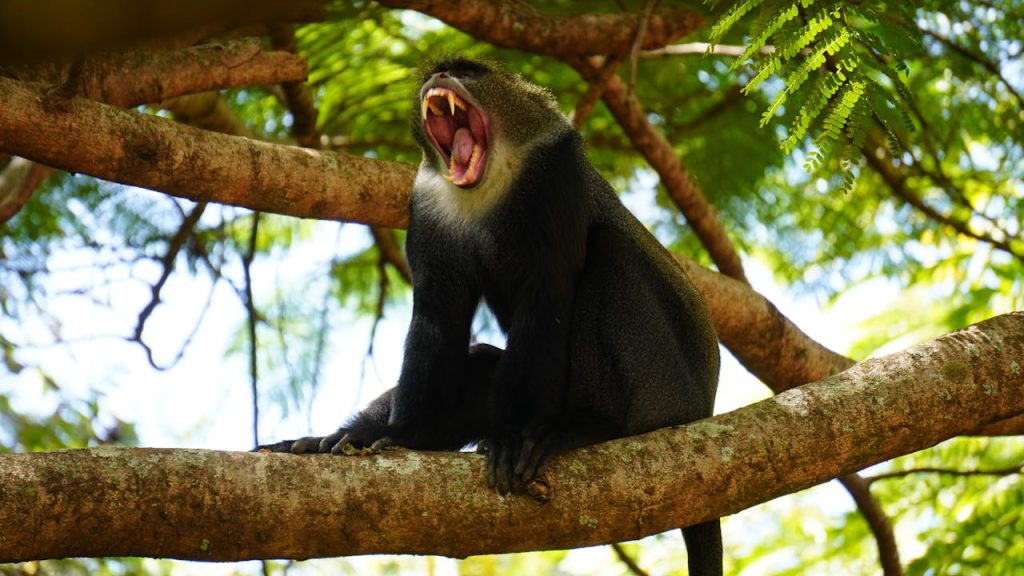
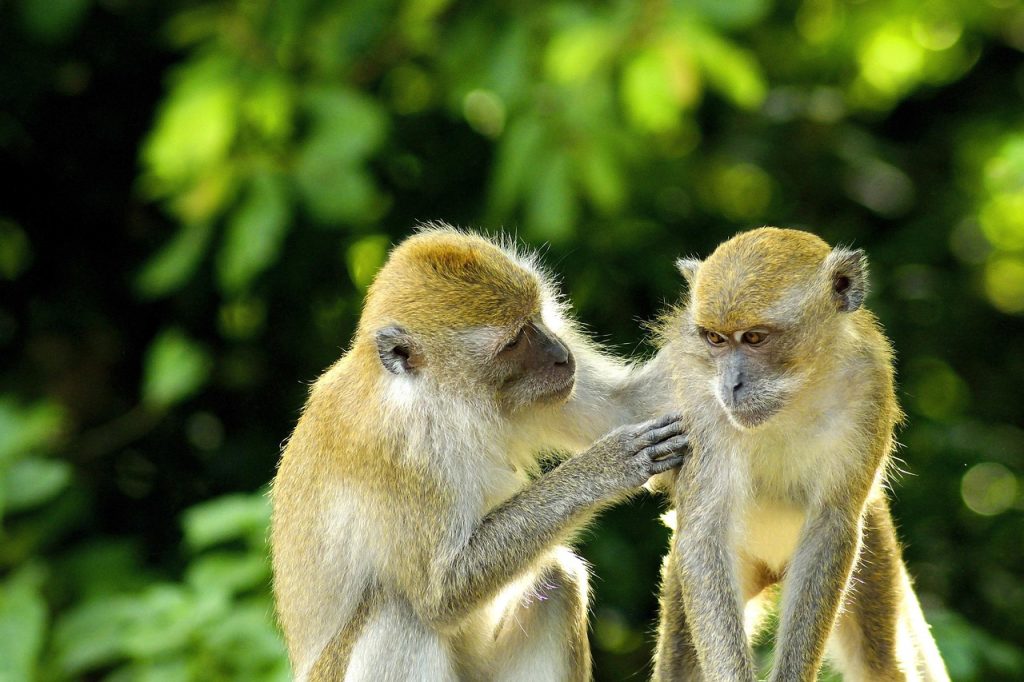
Blue Monkey
Climbers often see the blue monkey in the Kilimanjaro rainforest. Despite its name, it is not actually blue in color. Instead, it has a greyish coat with a slight bluish shine on its face, which gives it its name. These medium-sized monkeys move quickly through the trees in small groups and stay very active.
Blue monkeys mainly live in the dense rainforest zone between 1,800 and 3,000 meters. This area provides them with plenty of food such as fruits, leaves, flowers, and insects. They prefer living in trees, where they feel safe from predators and can easily move from branch to branch.
In terms of behavior, blue monkeys are alert but generally shy around humans. They may observe climbers from a distance before disappearing into the forest canopy. However, climbers often spot them in the early morning on popular routes like Machame and Lemosho while they search for food.
The chances of seeing blue monkeys on Kilimanjaro are quite high, especially if you are trekking through the rainforest zone. Most climbers encounter them at least once during their climb. Their playful movement, group behavior, and loud forest sounds make them one of the most memorable wildlife sightings on the mountain.
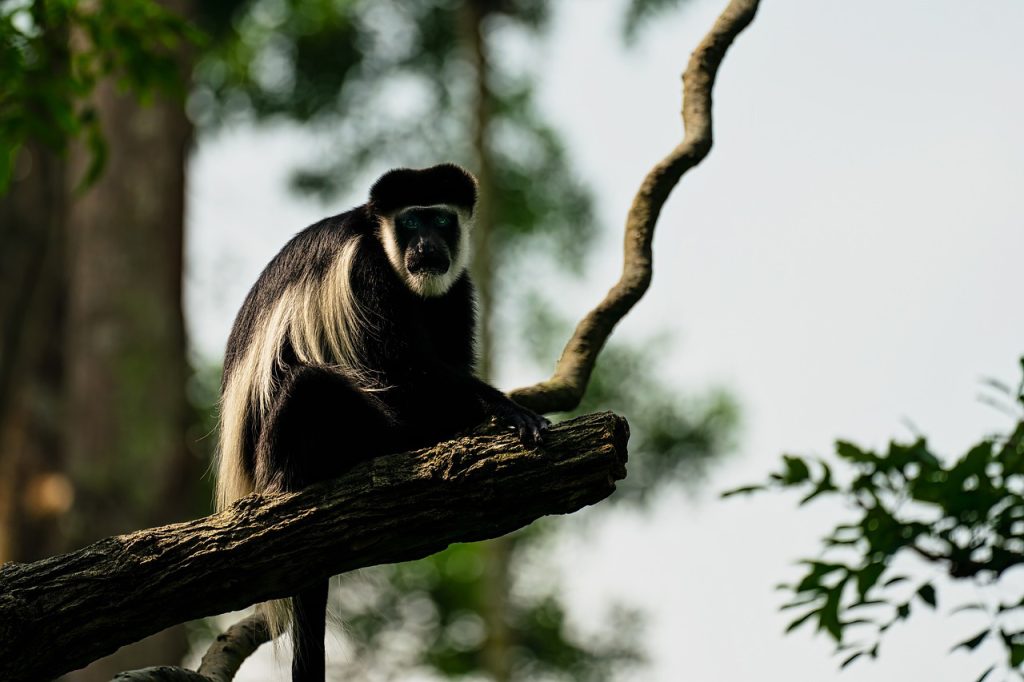
Black-and-White Colobus Monkey
The black-and-white colobus monkey is one of the most iconic and beautiful animals on Mount Kilimanjaro. You can easily recognize it by its striking black body and long white mantle-like hair flowing along its sides. Its long tail, often used for balance while jumping between trees, adds to its unique appearance.
These monkeys mainly inhabit the dense rainforest zone, where they spend most of their time high in the tree canopy. Unlike blue monkeys, colobus monkeys are leaf-eaters and have a specialized stomach that helps them digest tough vegetation. This allows them to survive in areas where other animals might struggle.
Colobus monkeys are calm and less active on the ground.They move gracefully through trees in small groups and people often hear them before they see them. Their soft calls and rustling leaves can guide climbers to their location in the forest.
The chances of seeing black-and-white colobus monkeys are moderate. They are present in many forested areas but tend to stay hidden in the upper canopy. However, if you are trekking slowly and quietly, especially in the early morning or late afternoon, you may be lucky enough to spot them moving between branches.
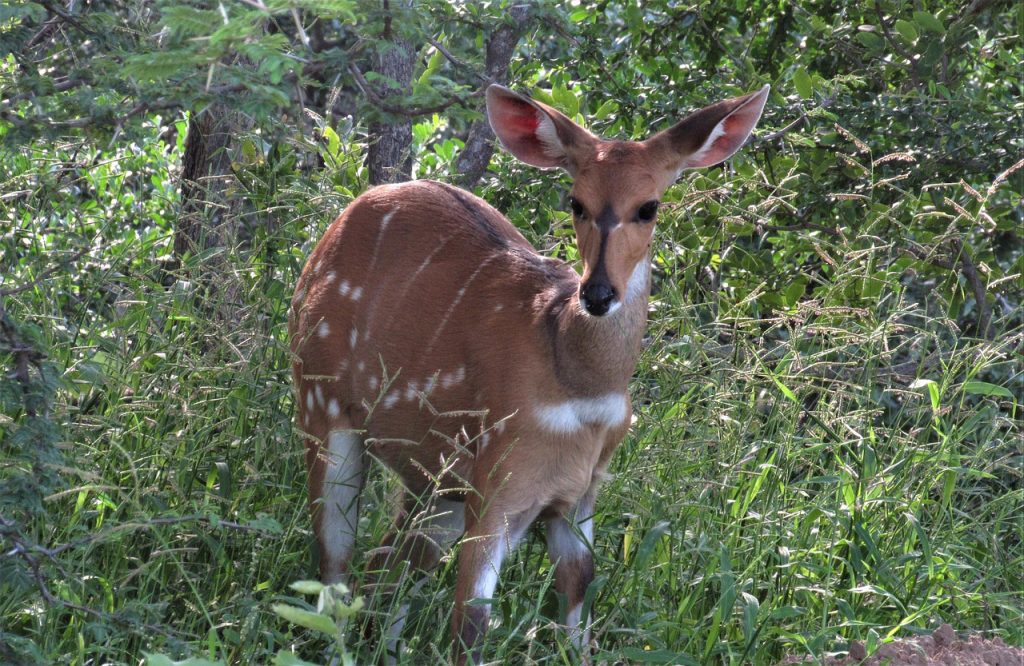
Bushbuck
The bushbuck is a shy and solitary antelope found in the forest and lower moorland zones of Kilimanjaro. It has a reddish-brown coat with faint white markings, which helps it blend perfectly into its natural environment. This camouflage makes it one of the harder animals to spot on the mountain.
Bushbucks prefer dense vegetation where they can feed on leaves, shrubs, and grasses while staying hidden from predators. They are most active during early morning and late afternoon, resting in thick cover during the day. Unlike monkeys, bushbucks are usually alone or seen in very small groups.
Because of their shy nature, bushbucks rarely come close to trekking paths. However, climbers may occasionally spot them crossing forest clearings or standing quietly in thick vegetation. Their ability to remain motionless for long periods makes them difficult to detect, even when nearby.
The chances of seeing a bushbuck on Kilimanjaro are low to moderate. Sightings depend heavily on luck, timing, and how quietly climbers move through the forest. Most trekkers hear movement before they see the animal itself, making any encounter a special experience.
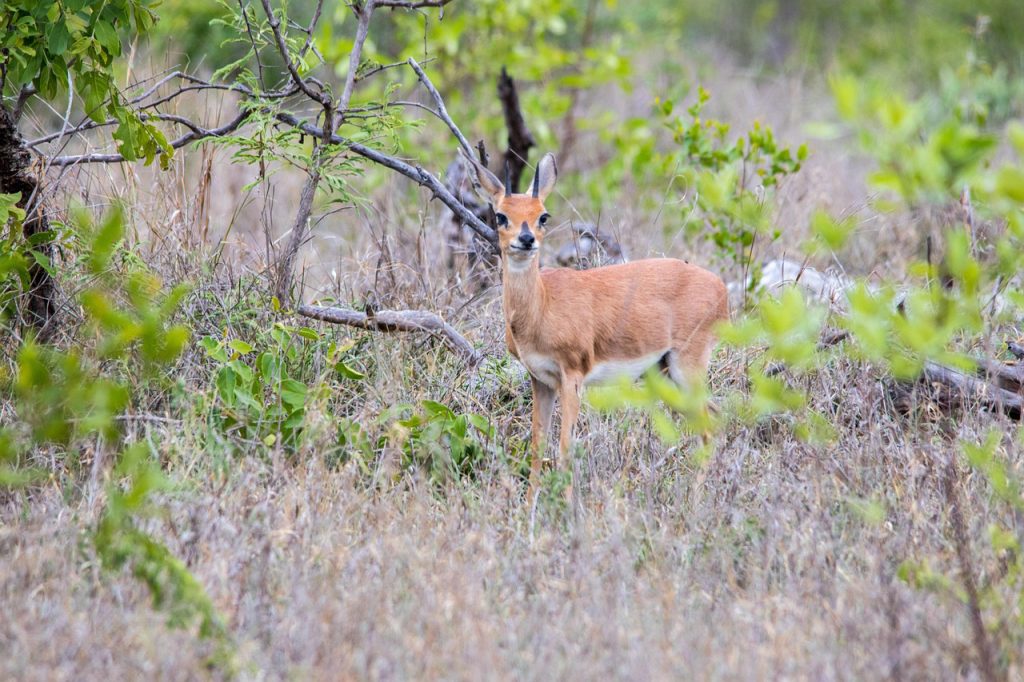
Duiker
Duikers are small, forest-dwelling antelopes that are extremely secretive and rarely seen on Kilimanjaro. They are much smaller than bushbucks and adapt perfectly to life in dense vegetation. Their compact size and excellent camouflage help them avoid predators and human detection.
These animals feed on fallen fruits, leaves, and forest plants. They prefer staying deep within thick forest areas where they feel safe. Because of their shy behavior, duikers are usually active at night or in very early morning hours when human activity is low.
Spotting a duiker during a Kilimanjaro climb is very rare. Most climbers do not see them directly, even though they may be present nearby. Instead, they leave behind signs such as small footprints or movement in the bushes. Experienced guides usually confirm their presence through wildlife tracking.
The chances of seeing a duiker are very low, but knowing they are part of the ecosystem adds to the richness of Kilimanjaro’s biodiversity.
Olive Baboon
The olive baboon is one of the most noticeable and widespread animals on Mount Kilimanjaro. Unlike many other species on the mountain, baboons are highly adaptable and often travel on the ground in large social groups called troops. They are intelligent, vocal, and very active, making them easier to spot compared to other wildlife.
Olive baboons usually live in the lower forest zones and forest edges, where they feed on fruits, roots, insects, and sometimes small animals. Their strong social structure keeps them highly active, and climbers often see them interacting, grooming each other, or moving together as a group.
These baboons are not shy and sometimes approach trekking routes, especially in areas where they have become used to human presence. However, they can become aggressive if they feel threatened, so climbers should always keep a safe distance.
The chances of seeing olive baboons on Kilimanjaro are high, especially on popular routes that pass through forested areas. Their size, behavior, and loud calls make them one of the most memorable wildlife encounters during the climb.
Birds You May See While Climbing Kilimanjaro
Mount Kilimanjaro is not only rich in mammals like monkeys and antelopes, but it is also home to a wide variety of bird species. In fact, climbers often see birds among the most frequently seen animals during a Kilimanjaro climb, especially in the rainforest and moorland zones. Because birds can fly across different elevations, they are able to survive in almost all ecological zones of the mountain. Climbers often notice them in the early morning when they are most active, searching for food or soaring above the landscape. From large scavenger birds to small colorful nectar feeders, Kilimanjaro offers a unique birdwatching experience that adds beauty and life to the trekking journey.
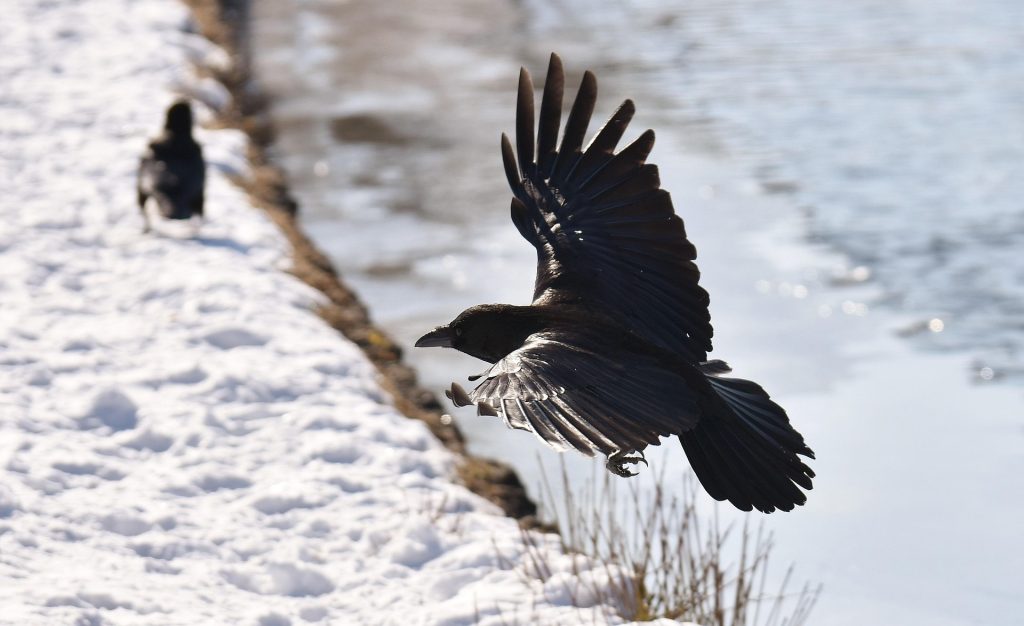
White-necked Raven
The white-necked raven is one of the most intelligent and adaptable birds found on Mount Kilimanjaro. It is a large black bird with a distinctive white patch on the back of its neck, making it easy to identify even from a distance. This bird is commonly seen in the higher zones of Kilimanjaro, including the heath, moorland, and even alpine desert areas.
White-necked ravens are highly skilled scavengers and feed on a wide range of food sources, including insects, food scraps, and small animal remains. They are also known for their curiosity and bold behavior, often approaching campsites in search of food. Their intelligence allows them to adapt well to harsh environments where other bird species may struggle to survive.
Climbers frequently see them flying above ridges or perched on rocks, especially in open areas where they can scan for food. The chances of spotting a white-necked raven on Kilimanjaro are very high, particularly as you ascend above the forest zone. Their presence adds a dramatic and wild feeling to the high-altitude landscape.
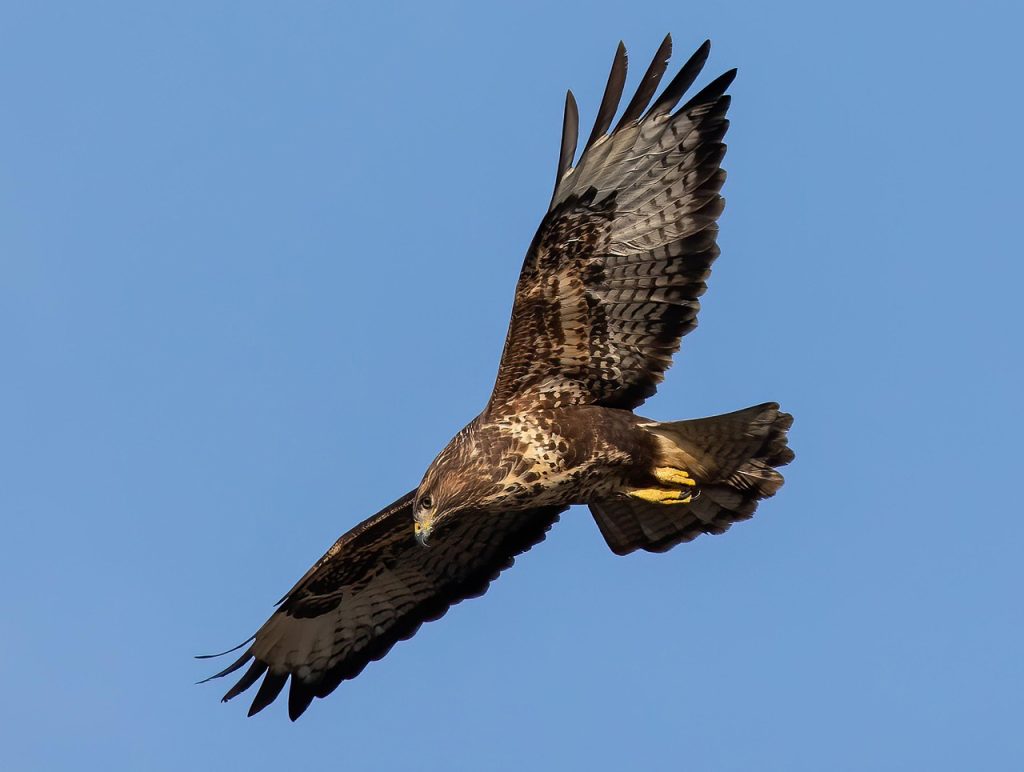
Augur Buzzard
The augur buzzard is one of the most common birds of prey on Mount Kilimanjaro. It is a large, powerful raptor with dark plumage and a pale underside, often seen circling high above the mountain slopes. This bird is well adapted to a variety of habitats and can be found from lower forest edges all the way up to the moorland and alpine zones.
Augur buzzards are skilled hunters, feeding mainly on small mammals, reptiles, and insects. They are often seen soaring on thermal air currents, using their excellent vision to spot movement on the ground below. Their slow, graceful flight makes them easy to recognize during the climb.
For trekkers, spotting an augur buzzard is a common and exciting experience, especially in open areas where the sky is clear. They are most active during the daytime when warm air currents help them glide effortlessly over long distances. The chances of seeing an augur buzzard on Kilimanjaro are very high, making it one of the most reliable bird sightings on the mountain.
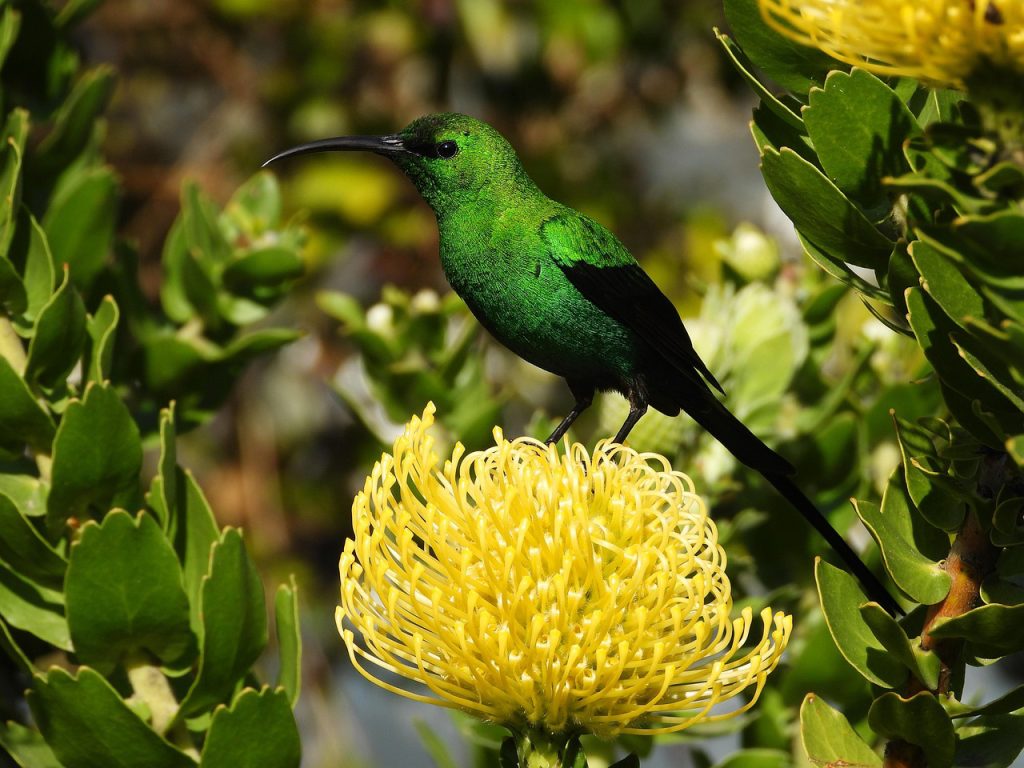
Malachite Sunbird
The malachite sunbird is one of the most beautiful and colorful birds you may encounter on Kilimanjaro. It is known for its shimmering green feathers and long tail, which make it stand out in the natural environment. This small bird is typically found in forested and moorland zones where flowers are abundant.
Malachite sunbirds feed mainly on nectar, using their long, curved beaks to reach deep into flowers. They are fast-moving and highly active, often seen darting between plants in search of food. Their bright colors and quick movements make them a favorite among birdwatchers.
Although they are small, malachite sunbirds are relatively easy to spot in areas with flowering vegetation, especially in the lower and middle zones of Kilimanjaro. The chances of seeing them are moderate to high depending on the season and the route you are taking.
Scarlet-tufted Malachite Sunbird
The scarlet-tufted malachite sunbird is one of Kilimanjaro’s most unique high-altitude bird species. It closely relates to the malachite sunbird but stands out because of its striking scarlet or red patches, especially around the head. This bird adapts well to the colder, harsher environments of the upper moorland and alpine desert zones.
Unlike many other birds, the scarlet-tufted malachite sunbird thrives at high elevations where oxygen levels are lower and vegetation is sparse. It feeds on nectar from hardy alpine flowers and small insects, often found in rocky or wind-exposed areas. Its ability to survive in such extreme conditions makes it one of the most fascinating bird species on Kilimanjaro.
For climbers, spotting this bird is a special experience, usually occurring when ascending above the moorland zone. Although not as commonly seen as other birds, its presence is a highlight for those interested in high-altitude wildlife. The chances of seeing a scarlet-tufted malachite sunbird are moderate but increase as you reach higher elevations.
Can You See Large Animals on Mount Kilimanjaro?
While Mount Kilimanjaro is home to a variety of smaller wildlife such as monkeys and birds, many climbers often wonder whether they might also encounter large African animals during the trek. The short answer is that sightings of large mammals are possible but extremely rare. Unlike safari destinations such as Serengeti or Ngorongoro, Kilimanjaro is not a major habitat for big game animals. As you climb higher into the mountain’s forest and moorland zones, conditions become colder, steeper, and less suitable for large wildlife. However, on the lower slopes and in the surrounding forest reserves, some large animals do occasionally pass through.
Elephants
African elephants are sometimes reported in the lower forest areas around Mount Kilimanjaro, especially in protected forest corridors outside the main climbing routes. These elephants usually move between nearby conservation areas in search of food and water. However, climbers on the mountain itself rarely see them along trekking paths. The dense forest and human activity on popular routes generally keep elephants away from climbing trails. Because of this, elephant sightings during a Kilimanjaro climb are considered very rare. When they do occur, it is usually from a distance or in areas close to the forest edge rather than on the main ascent routes.
Buffalo
African buffalo are another large animal species in the broader Kilimanjaro ecosystem. They are strong, herd-living animals that prefer grasslands and open forest areas. While buffalo appear more commonly in nearby national parks, they sometimes move through the lower forest zones around the mountain. However, climbers rarely encounter buffalo while climbing Kilimanjaro, and most trekkers do not see them during their ascent. Guides monitor wildlife activity, but buffalo sightings on trekking routes remain rare and are not a typical part of the climbing experience.
Leopards
Leopards are among the most elusive and secretive predators in Africa, and their presence on Mount Kilimanjaro is extremely difficult to confirm. They prefer dense forest cover and are highly nocturnal, which makes them almost impossible to spot during a normal climb. There have been occasional reports and local stories of leopards inhabiting the mountain’s forest zones, but direct sightings by climbers are exceptionally rare. One of the most famous legends associated with Kilimanjaro is the story of a leopard near the higher elevations, even as far as the region below Uhuru Peak. While people have not verified this story and often consider it local folklore, it adds to the mountain’s mystique and cultural storytelling. In reality, any leopard encounter on Kilimanjaro would be extraordinary and highly unlikely for trekkers.
Overall, while large mammals such as elephants, buffalo, and leopards are part of the wider ecosystem around Mount Kilimanjaro, climbers should expect that wildlife encounters on the mountain itself will mainly involve smaller forest animals and birds rather than big game species.
What Animals Are Most Common on Each Kilimanjaro Route?
Wildlife sightings on Mount Kilimanjaro depend not only on altitude and ecosystem zones but also on the specific trekking route you choose. Some routes pass through longer stretches of dense rainforest, where animal activity is higher, while others move more quickly into moorland and alpine zones where wildlife becomes less common. Although all routes share similar ecological zones, the density of forest cover, traffic levels, and trail direction can influence how often climbers see animals. In general, routes with longer rainforest sections tend to offer better opportunities for spotting monkeys, antelopes, and birds.
Machame Route
The Machame Route is one of the most popular climbing paths and passes through a long stretch of lush rainforest at the beginning of the trek. This makes it one of the better routes for wildlife viewing. Climbers often encounter blue monkeys, black-and-white colobus monkeys, and various bird species during the early days. Because this route is busy, animals stay slightly deeper in the forest, but climbers still see them relatively often compared to higher routes.
Lemosho Route
Climbers and guides widely regard the Lemosho Route as one of the best routes for both scenery and wildlife. It enters Kilimanjaro through a remote western approach, meaning the rainforest is less disturbed and more pristine. This increases the chances of spotting monkeys, bushbucks, and a wide variety of birds. The quieter environment allows wildlife to behave more naturally, making Lemosho one of the top choices for climbers interested in nature and animal encounters.
Marangu Route
The Marangu Route, also known as the “Coca-Cola Route,” passes through rainforest but is generally more developed and has more traffic compared to other routes. Wildlife sightings are still possible, especially in the forest zone, but animals are often more hidden due to human activity. Climbers most commonly see blue monkeys and colobus monkeys here, although sightings require patience.
Rongai Route
The Rongai Route approaches Kilimanjaro from the northern side, which is drier and less densely forested. Because of this, climbers see wildlife less frequently than on southern routes. However, climbers may still encounter animals in the lower forest sections, including monkeys and some bird species. The drier environment limits biodiversity, making animal encounters more occasional.
Northern Circuit Route
The Northern Circuit Route is the longest route on Kilimanjaro and offers extended time in different ecological zones. While its wildlife density is not significantly higher than other routes, the longer duration increases the chances of encountering animals simply because climbers spend more time in forested areas. It is particularly good for birdwatching and occasional monkey sightings.
Umbwe Route
The Umbwe Route is the steepest and most direct route up Kilimanjaro. It moves quickly through the rainforest zone, so wildlife viewing opportunities are more limited than on longer routes. Climbers may still see monkeys and birds in the early stages, but the fast ascent reduces time in animal-rich areas, so wildlife encounters happen less often overall.
The best time to see wildlife on Mount Kilimanjaro is during the dry seasons and in the early morning or late afternoon hours when animals are most active. While wildlife can be seen throughout the year, your chances of spotting monkeys, birds, and antelope increase when conditions are calm, visibility is clear, and animals move more freely in search of food and water. Because Kilimanjaro has different ecological zones, wildlife behavior also changes depending on weather, temperature, and time of day.
Dry Season (Best Time for Wildlife Viewing and Clear Sightings)
The dry season is generally the best time to see wildlife on Mount Kilimanjaro. During this period, the weather is more stable, trails are less slippery, and vegetation is not overly dense, making it easier to spot animals. The dry season usually brings clearer skies and better visibility in the rainforest and moorland zones, where most wildlife activity takes place.
Animals such as blue monkeys, colobus monkeys, bushbucks, and a variety of bird species are more likely to be seen because they move closer to water sources and feeding areas. With less rain and fewer thick clouds, trekkers also have better chances of spotting movement in the forest canopy. In addition, guides can more easily track animal activity due to clearer ground conditions.
Overall, the dry season provides the most comfortable trekking experience and the highest probability of seeing wildlife, especially in the lower forest zones where biodiversity is richest.
Wet Season (Lush Forest but Lower Visibility)
The wet season transforms Mount Kilimanjaro into a lush green environment with thick vegetation and frequent rainfall. While this creates a beautiful and vibrant landscape, it can make wildlife sightings more difficult. Dense foliage often hides animals, and heavy rain reduces visibility for trekkers.
However, the wet season is still home to active wildlife, especially in the rainforest zone. Birds are particularly abundant during this time, as many species are breeding or feeding on seasonal fruits and insects. Monkeys are still present and active, but they are often deeper in the forest, making them harder to see clearly.
Although sightings may be less frequent, the wet season offers a unique experience with fewer crowds and a more dramatic natural environment. For photographers and nature lovers, it can still be rewarding, even if wildlife encounters require more patience.
Early Morning Sightings (Peak Wildlife Activity Time)
Early morning is one of the best times of day to see wildlife on Mount Kilimanjaro. The best time is early morning because animals are most active during the cooler hours when they search for food after the night. In the rainforest zone, monkeys are often seen moving through the trees, and birds are highly active as they begin their daily feeding routines.
The cooler temperatures also make animals more comfortable moving around in open areas before the heat of the day sets in. For climbers, early morning hikes provide a higher chance of spotting movement in the forest canopy or along trekking paths. Guides often recommend starting sections of the trek early to increase wildlife viewing opportunities.
This time of day also offers excellent lighting conditions for photography, making it ideal for capturing clear images of Kilimanjaro’s wildlife.
Evening Wildlife Activity (Quiet and Subtle Encounters)
Evening hours on Mount Kilimanjaro also provide good opportunities for wildlife sightings, although they are generally quieter compared to mornings. The best time is late afternoon and early evening when temperatures begin to drop, and animals prepare to rest or feed before nightfall.
During this time, trekkers may notice bushbucks or duikers moving carefully through forest clearings. Birds also become active again, often returning to nesting areas or searching for last-minute food. In some cases, monkeys may still be seen in the canopy, especially in lower forest zones.
However, visibility decreases as light fades, and many animals become more cautious. While evening sightings are less frequent than morning encounters, they still offer a peaceful and atmospheric wildlife experience in the natural environment of Kilimanjaro.
Wildlife Safety Tips for Climbers
While climbing Mount Kilimanjaro, encountering wildlife is one of the most exciting parts of the journey. However, it is important to remember that all animals on the mountain are wild and should be treated with caution and respect. Most species, such as monkeys, bushbucks, and birds, are not dangerous when left undisturbed, but improper behavior from humans can lead to stress for animals or risky situations for climbers. Following basic wildlife safety guidelines helps ensure both your safety and the protection of Kilimanjaro’s natural ecosystem.
Keep a Safe Distance
The most important rule when encountering wildlife on Mount Kilimanjaro is to always keep a safe distance. Even if animals appear calm or used to human presence, they are still wild and can react unpredictably if they feel threatened. Monkeys, for example, may seem curious and sometimes approach trekking groups, but getting too close can cause stress or defensive behavior.
Maintaining distance also protects animals from becoming too accustomed to humans, which can disrupt their natural behavior. It is recommended to observe wildlife quietly without attempting to touch, chase, or follow them. Using binoculars or zoom lenses for photography is the best way to enjoy close-up views without disturbing the animals.
Keeping distance also ensures climbers remain safe, especially in forest areas where visibility may be limited. By respecting personal space between humans and wildlife, encounters remain peaceful and enjoyable.
Do Not Feed Animals
Feeding wildlife on Kilimanjaro is strongly discouraged and can have serious negative effects on both animals and the ecosystem. When animals become dependent on human food, they may lose their natural foraging behavior and become more aggressive or bold around people.
Monkeys, in particular, can quickly learn to associate humans with food, which can lead to unwanted encounters or even attempts to steal items from climbers. This not only creates safety risks but also disrupts the natural balance of the forest ecosystem.
Feeding animals can also introduce unhealthy foods into their diet, which may harm their health over time. To protect Kilimanjaro’s wildlife, all food should be stored securely, and climbers should never offer snacks or leftovers to any animal they encounter on the trail.
Follow Guide Instructions
Professional mountain guides play an essential role in ensuring safe and responsible wildlife encounters on Mount Kilimanjaro. They are trained to understand animal behavior, recognize potential risks, and guide climbers through areas where wildlife is present.
Always listen carefully to your guide’s instructions when animals are nearby. They may advise you to stop, stay quiet, or adjust your path depending on the situation. Guides also know the safest way to observe wildlife without disturbing their natural movement.
Following their guidance reduces the risk of accidents and ensures that encounters remain safe for both climbers and animals. Ignoring instructions or acting independently can increase the chance of disturbing wildlife or entering unsafe situations, especially in dense forest areas.
Respect the Ecosystem
Respecting the Kilimanjaro ecosystem means understanding that every plant and animal plays an important role in maintaining the mountain’s natural balance. From the smallest insects to the largest mammals, all species contribute to the health of the environment.
Climbers should avoid damaging vegetation, removing plants, or leaving waste behind. Staying on designated trails helps protect fragile habitats and prevents unnecessary disturbance to wildlife. Littering or disrupting natural areas can have long-term effects on the ecosystem and reduce the quality of the environment for future climbers.
By respecting nature, climbers help preserve Kilimanjaro’s biodiversity for future generations. Responsible trekking ensures that wildlife continues to thrive and that the mountain remains a beautiful and sustainable destination for both adventure and conservation.
Animals on Mount Kilimanjaro vs Safari Animals
Many travelers visiting Tanzania often wonder how wildlife on Mount Kilimanjaro compares to animals seen on a traditional safari. While both experiences take place in the same country, they are completely different in terms of environment, wildlife diversity, and animal visibility. Kilimanjaro is a mountain trekking destination with limited wildlife concentrated in specific ecological zones, especially the rainforest. In contrast, safari parks such as Serengeti and Ngorongoro offer open landscapes with large concentrations of African wildlife, including predators and large herbivores.
On Kilimanjaro, climbers mainly encounter smaller and more elusive animals such as monkeys, bushbucks, duikers, and various bird species. These animals are adapted to forest and high-altitude environments and are often difficult to spot due to dense vegetation and changing terrain. Large safari animals like lions, giraffes, and zebras are not part of the Kilimanjaro ecosystem, making wildlife encounters more subtle and less predictable.
In safari parks, however, animals are far more visible due to open grasslands and plains. Visitors can easily see large herds and predator-prey interactions in their natural environment. This makes safaris ideal for game viewing, while Kilimanjaro is more about trekking, scenery, and occasional forest wildlife encounters.
Wildlife Comparison Table
Animal
Kilimanjaro
Safari Parks
Monkeys
Common
Common
Elephants
Rare
Common
Lions
No
Common
Giraffes
No
Common
Buffalo
Rare
Common
Frequently Asked Questions About Animals on Mount Kilimanjaro
This section answers the most common questions climbers ask about wildlife on Mount Kilimanjaro. While the mountain is not a traditional safari destination, it still offers interesting animal encounters, especially in the lower rainforest zones. Understanding what to expect helps climbers prepare mentally and enjoy the experience without unrealistic expectations.
What animals will I see climbing Kilimanjaro?
Most climbers will see monkeys, birds, and occasionally small antelopes during their Kilimanjaro trek. The most common animals include blue monkeys, black-and-white colobus monkeys, olive baboons, bushbucks, and duikers. These species are mainly found in the rainforest zone, where vegetation is dense and food is abundant. Birdlife is also very rich, with species such as sunbirds, hornbills, and buzzards often seen along the trail. As you climb higher, wildlife becomes less frequent due to colder temperatures and limited vegetation.
Are there lions on Mount Kilimanjaro?
No, lions are not found on Mount Kilimanjaro. Lions prefer open savannah environments such as Serengeti and other national parks, where they can hunt large herbivores. Kilimanjaro’s dense forest, steep slopes, and cold high-altitude zones are not suitable habitats for lions. While Tanzania is famous for lion sightings, climbers should not expect to see them on any Kilimanjaro route.
Are there elephants on Kilimanjaro?
Elephants are rarely seen on the climbing routes of Mount Kilimanjaro. They may occasionally move through surrounding forest reserves or lower foothill areas, but they do not typically enter the main trekking paths. The terrain becomes too steep and forested for regular elephant movement. Any elephant sighting during a climb would be considered unusual and depends heavily on location and chance.
Which route offers the best wildlife viewing?
The best routes for wildlife viewing are the Lemosho and Machame routes because they pass through longer and denser rainforest sections. These areas increase the chances of seeing monkeys, birds, and small antelopes. The Northern Circuit also offers good opportunities due to its long duration in varied ecosystems. In contrast, shorter or drier routes like Umbwe or Rongai offer fewer wildlife sightings.
Is it safe to encounter wildlife on Kilimanjaro?
Yes, encountering wildlife on Kilimanjaro is generally safe as long as climbers follow guide instructions and maintain a respectful distance. Most animals are shy and avoid human contact. However, climbers should never attempt to feed or approach animals, especially monkeys or baboons, as this can lead to unwanted interactions. Following safety guidelines ensures that both humans and wildlife remain safe throughout the trek.
Can I see monkeys on Kilimanjaro?
Yes, climbers often see monkeys among the most common animals on Mount Kilimanjaro. Blue monkeys and black-and-white colobus monkeys appear frequently in the rainforest zone, especially in the early stages of the climb. Olive baboons also live in some areas and move on the ground in small troops. While sightings depend on route and timing, most climbers encounter monkeys at least once during their trek.
Final Thoughts: Animals on Mount Kilimanjaro
Mount Kilimanjaro offers a unique wildlife experience that is very different from a traditional safari. While it does not have large predators or vast herds of animals, it is home to a fascinating range of species that live mainly in the lower rainforest zones. Climbers often encounter monkeys such as blue monkeys and black-and-white colobus monkeys, along with olive baboons, bushbucks, duikers, and many colorful bird species.
As you ascend higher into the moorland, alpine desert, and arctic zones, wildlife becomes increasingly rare due to harsh weather conditions and limited vegetation. This natural change across ecological zones makes Kilimanjaro a mountain of contrasts, where every stage of the climb offers a different environment and experience.
Although climbers are not guaranteed to see wildlife, sightings add an exciting and memorable element to the journey. For many climbers, spotting a monkey in the forest or a bird soaring above the mountain becomes one of the highlights of their adventure. With the right route choice, timing, and attention, Kilimanjaro can offer surprising and beautiful wildlife encounters alongside the challenge of reaching Africa’s highest peak.
Best Time to Climb Kilimanjaro: Complete Month-by-Month Guide
Estimated reading time: 37 minutes
Planning to climb Mount Kilimanjaro? The best time to climb Kilimanjaro is during the dry seasons from January to March and June to October, when weather conditions are more stable and summit success rates are higher.
Mount Kilimanjaro attracts thousands of climbers every year who want to reach Uhuru Peak, the highest point in Africa. Choosing the right season is very important because weather, visibility, and trail conditions change throughout the year.
In this guide, you will learn the best months to climb Kilimanjaro, seasonal weather patterns, crowd levels, and expert tips to help you choose the perfect time for your adventure.
The best time to climb Kilimanjaro is during the dry seasons from January to March and June to October. These months typically offer the most favorable weather conditions, including clearer skies, less rainfall, better trail conditions, and excellent visibility.
For many climbers, January and February provide a great balance of good weather and fewer crowds compared to the peak climbing season. Meanwhile, July, August, and September are among the driest months of the year and are popular for their clear summit views and stable conditions.
Although Mount Kilimanjaro can be climbed year-round, the long rainy season from March to May and the short rainy season in November often bring muddy trails, increased cloud cover, and more challenging trekking conditions.
If your goal is the highest chance of reaching the summit while enjoying the best weather, plan your Kilimanjaro climb between January and March or June and October.
Why Timing Matters on Kilimanjaro
Choosing the right time to climb Kilimanjaro can significantly influence your overall experience, comfort, and chances of reaching Uhuru Peak. Although Mount Kilimanjaro stands close to the equator, weather conditions on the mountain change throughout the year due to seasonal rainfall patterns, temperature variations, and shifting crowd levels. A climb during the dry season often feels very different from a climb during the rainy season, even on the same route.
The month you choose affects everything from trail conditions and visibility to summit success rates and the number of people you encounter on the mountain. Some months offer clear skies and stable weather, while others bring heavy rainfall, muddy trails, and reduced visibility. Understanding these seasonal differences helps climbers select the best time based on their personal goals, fitness level, and preferred trekking experience.
Weather Conditions
Weather plays one of the most important roles in any Kilimanjaro climb. Although the mountain remains accessible throughout the year, conditions can vary significantly between the dry and rainy seasons. During the dry months, climbers often enjoy clear skies, excellent visibility, and more predictable weather patterns. These conditions create a more comfortable trekking experience and allow hikers to enjoy spectacular views of glaciers, valleys, and surrounding landscapes.
During the rainy seasons, frequent showers can make trekking more challenging. Rain often affects the lower rainforest zone, where trails become wet and slippery. Clouds may also reduce visibility, preventing climbers from fully appreciating the scenery. Strong winds and colder temperatures near the summit can add another layer of difficulty during unstable weather periods.
Weather also influences photography opportunities. Clear mornings and evenings often provide the best mountain views, while cloudy conditions can hide important landmarks and scenic viewpoints. Climbers who prioritize panoramic views and memorable photographs usually prefer the dry seasons because they offer more reliable visibility throughout the trek.
By choosing a favorable climbing season, trekkers can increase their comfort, enjoy better scenery, and reduce weather-related challenges during their Kilimanjaro adventure.
Trail Conditions
Trail conditions change considerably throughout the year and directly affect the difficulty of a Kilimanjaro climb. Dry-season trails generally provide better footing, making hiking safer and more comfortable. Climbers can move more efficiently on dry ground, conserve energy, and maintain a steady pace during long trekking days.
During the rainy seasons, many sections of the mountain become muddy and slippery, particularly within the rainforest zone. Wet roots, loose soil, and muddy paths can slow progress and increase the risk of slips and falls. Climbers often need to spend more energy navigating difficult terrain, which can contribute to fatigue later in the trek.
Trail conditions become especially important on steep routes such as Umbwe and Machame. Even experienced hikers may find these routes more demanding when rain creates unstable footing. On the other hand, dry conditions help trekkers move more confidently through challenging sections and focus their energy on altitude adaptation rather than difficult terrain.
Better trail conditions not only improve comfort but also contribute to a more enjoyable climbing experience from the first day to the summit push.
Summit Success Rates
The time of year can influence summit success rates because weather and trail conditions affect how climbers perform on the mountain. During the dry seasons, stable weather allows trekkers to follow their schedules more comfortably and conserve energy throughout the climb. Better conditions often support a smoother acclimatization process and reduce physical stress caused by constant rain, cold, and difficult terrain.
Clear weather also creates a more positive psychological experience. Climbers who enjoy good visibility and comfortable trekking conditions often maintain stronger motivation throughout the journey. Positive morale becomes especially valuable during summit night, when hikers face freezing temperatures, darkness, and the physical demands of high altitude.
Although fitness, acclimatization, route selection, and guide support remain the most important factors for summit success, favorable weather conditions can make the journey significantly easier. Many climbers therefore schedule their expeditions during the dry seasons to maximize their chances of reaching Uhuru Peak.
Choosing the right month cannot guarantee success, but it can create conditions that support a safer and more enjoyable ascent.
Crowd Levels
Crowd levels vary greatly throughout the year and can shape the overall atmosphere of a Kilimanjaro climb. Popular dry-season months such as July, August, and September attract large numbers of climbers from around the world. During these periods, busy routes like Machame and Lemosho often see many trekking groups on the trail and at campsites.
Some climbers enjoy the social atmosphere that comes with peak season. Meeting people from different countries and sharing the summit journey can add excitement to the experience. However, others prefer quieter trails where they can enjoy nature with fewer distractions.
January and February often provide a good balance between favorable weather and moderate crowd levels. Climbers can enjoy excellent conditions while avoiding some of the congestion that appears during the busiest months. Those seeking maximum solitude may even consider shoulder-season periods, provided they understand the potential weather challenges.
Understanding crowd patterns helps trekkers choose a climbing date that matches their personal preferences. Whether you prefer lively campsites or peaceful mountain trails, selecting the right season can make your Kilimanjaro experience more enjoyable and memorable.
Understanding Kilimanjaro’s Weather and Climbing Seasons
Weather plays a major role in determining the success and enjoyment of a Kilimanjaro climb Mount Kilimanjaro. Although is located near the equator, its high elevation creates a wide range of climate zones, from tropical rainforest at the base to arctic conditions near the summit. Understanding the mountain’s weather patterns can help you choose the best time to climb and prepare for changing conditions throughout your trek.
The Rainy Seasons
Kilimanjaro experiences two rainy seasons each year. The long rainy season usually occurs from March to May, while the short rainy season typically falls during November.
Heavy rainfall during the long rains can create muddy trails, slippery paths, and reduced visibility. As a result, these months are generally considered the most challenging times to climb. However, hikers who choose this period often encounter fewer crowds and may benefit from lower travel costs.
The short rainy season in November usually brings less rainfall than the long rains but can still affect trail conditions and mountain views. December often marks the transition back to drier weather and remains a popular climbing month during the holiday season..
The Dry Seasons
The dry seasons are widely considered the best times to climb Kilimanjaro. These periods generally offer lower rainfall, clearer skies, and better trail conditions.
The first dry season occurs from January to March. During these months, climbers often enjoy relatively stable weather, fewer crowds, and good visibility. January and February are particularly popular because they combine favorable conditions with a quieter atmosphere compared to the peak climbing season.
The second dry season runs from June to October. This is the most popular time to climb Kilimanjaro due to its dry weather and excellent summit views. July, August, and September typically attract the highest number of climbers, as trail conditions are often at their best.
How Weather Affects Your Climb
Weather conditions influence nearly every aspect of a Kilimanjaro trek, including trail quality, visibility, comfort, and summit success rates. Dry weather generally makes hiking easier by reducing mud and improving visibility across the mountain’s stunning landscapes.
Rainy conditions can make trails slippery and increase the physical demands of the climb. Cloud cover may also limit panoramic views and photography opportunities. In contrast, clear skies during the dry season often provide spectacular sunrise and sunset views, particularly near the summit.
Regardless of the season, temperatures decrease significantly as you gain altitude. Climbers may experience warm temperatures in the rainforest zone and freezing conditions near Uhuru Peak within the same trek. Proper clothing, careful preparation, and choosing the right season can greatly improve your overall Kilimanjaro experience.
Temperature by Altitude
One of the most important things to understand about Kilimanjaro is that temperature changes dramatically as altitude increases. A climber may begin the trek in warm tropical conditions and reach freezing temperatures only a few days later.
At the base of the mountain, temperatures often range between 20°C and 30°C (68°F to 86°F), especially in the rainforest zone. These warm conditions support dense vegetation, high humidity, and abundant wildlife.
As climbers move into the heath and moorland zones, temperatures gradually become cooler. Daytime conditions usually remain comfortable, but nights can become cold, particularly at higher camps. In the alpine desert zone, temperatures drop further due to the thinner atmosphere and higher elevation.
Near the summit, conditions become much harsher. Temperatures frequently fall below freezing, especially during summit night when climbers begin their ascent before dawn. Strong winds can make the air feel even colder, requiring proper clothing and layering systems to maintain comfort and safety.
Because of these dramatic temperature changes, climbers must pack for a wide range of weather conditions during a single expedition.
Summit Weather
The summit of Kilimanjaro presents the most extreme weather conditions on the mountain. Uhuru Peak sits at 5,895 meters above sea level, where the air contains significantly less oxygen and temperatures often fall well below freezing.
Most climbers begin their summit attempt around midnight to reach the peak near sunrise. During these early morning hours, temperatures commonly range between -10°C and -20°C (14°F to -4°F), depending on the season and weather patterns. Strong winds can create even colder conditions, making proper cold-weather gear essential for a successful summit push.
Weather near the summit can change quickly. Clear skies may provide breathtaking sunrise views above the clouds, while wind, snow, or cloud cover can reduce visibility and increase the difficulty of the climb. Even during the dry season, climbers should prepare for freezing temperatures and unpredictable mountain conditions.
Understanding summit weather helps trekkers select appropriate clothing, manage expectations, and prepare mentally for the most demanding section of the Kilimanjaro climb. Proper preparation greatly improves comfort and confidence during the final ascent to Africa’s highest point.
Best Time to Climb Kilimanjaro by Month
The best months to climb Kilimanjaro are generally January, February, July, August, September, and October. These months fall within the mountain’s main dry seasons and usually offer the most favorable combination of weather, trail conditions, visibility, and summit opportunities. Most climbers who reach Uhuru Peak choose to trek during these periods because they provide a more comfortable and enjoyable experience on the mountain.
Among all months, January and February often stand out as the best overall time to climb Kilimanjaro. During these months, the mountain typically experiences warm daytime temperatures, clear skies, and lower crowd levels than the busy summer season. Climbers can enjoy excellent views, beautiful photography conditions, and a quieter trekking experience while still benefiting from stable weather. Many experienced guides consider February one of the finest months of the year for a Kilimanjaro expedition.
The second excellent climbing period runs from July through October. These months bring dry conditions and some of the most reliable weather patterns of the year. Trails remain relatively dry, summit nights often experience stable conditions, and visibility is usually excellent. July, August, and September attract the highest number of climbers because many travelers schedule their holidays during this period. Although popular routes can become busy, these months consistently deliver strong climbing conditions and high satisfaction among trekkers.
Climbers can also achieve successful summits during March and December, but weather becomes slightly less predictable as seasonal transitions occur. These months often provide a balance between moderate crowds and reasonable weather conditions.
The most challenging months are typically April, May, and November because rainfall increases significantly during these periods. Heavy rain can create muddy trails, reduce visibility, and make trekking more demanding. While experienced hikers still climb during these months, most first-time trekkers prefer the dry seasons for a safer and more comfortable journey.
Ultimately, the best month depends on your priorities. If you want the best overall combination of weather, scenery, and crowd levels, February often earns the title of the best month to climb Kilimanjaro, closely followed by January, September, and October. These months consistently provide the conditions that most climbers seek when planning their journey to Africa’s highest peak.
Climbing Kilimanjaro in January
January is one of the best months to climb Kilimanjaro. The mountain is usually experiencing the short dry season, bringing relatively stable weather, good visibility, and comfortable trekking conditions. Trails are generally less crowded than during the peak months of July and August, making January an excellent choice for climbers seeking a quieter experience.
Temperatures are moderate, and hikers often enjoy clear views of the surrounding landscapes. January is particularly popular among travelers looking to combine a Kilimanjaro climb with a Tanzania safari.
Pros:
Good weather and clear skies
Moderate crowd levels
Excellent visibility for photography
Cons:
Occasional rain showers may still occur
Climbing Kilimanjaro in February
February is widely considered one of the best months to climb Kilimanjaro. Weather conditions are typically dry, warm, and stable, providing excellent hiking conditions across most routes. Many experienced guides consider February one of the most reliable months for summit attempts.
The mountain often offers outstanding visibility, making it a favorite month for photographers. Although visitor numbers increase compared to January, crowds remain manageable on most routes.
Pros:
Excellent weather conditions
High summit success potential
Beautiful views and photography opportunities
Cons:
Slightly busier than January
Climbing Kilimanjaro in March
March marks the transition into the long rainy season. Early March can still provide good climbing conditions, particularly during the first half of the month. However, rainfall generally becomes more frequent as the month progresses.
Climbers choosing March may encounter changing weather patterns, including occasional rain and cloud cover. Despite these conditions, fewer visitors on the mountain can create a more peaceful trekking experience.
Pros:
Fewer climbers on the trails
Early March may still offer favorable weather
Potentially lower travel costs
Cons:
Increasing rainfall later in the month
Reduced visibility compared to January and February
Climbing Kilimanjaro in April
April is usually the wettest month on Kilimanjaro and falls within the long rainy season. Heavy rainfall can make trails muddy, slippery, and more physically demanding. Cloud cover is common, which may limit visibility and scenic views.
Although climbing is still possible, April is generally not recommended for first-time climbers. However, experienced hikers who do not mind wet conditions may appreciate the quieter trails and lower visitor numbers.
Pros:
Very few crowds
Lush mountain scenery
Possible discounts on some tours
Cons:
Limited mountain views
Heavy rainfall
Muddy and challenging trail conditions
Climbing Kilimanjaro in May
May falls within the long rainy season and is generally considered one of the most challenging months to climb Kilimanjaro. Rainfall remains frequent across much of the mountain, creating muddy trails, slippery conditions, and reduced visibility. As a result, May sees some of the lowest numbers of climbers throughout the year.
Despite the wet weather, climbing Kilimanjaro in May does have certain advantages. The mountain is much quieter, allowing hikers to enjoy a more peaceful trekking experience. The landscapes are also incredibly green and vibrant due to the rainfall, creating beautiful scenery along the lower slopes.
For experienced hikers who prefer solitude and do not mind occasional rain, May can still be a rewarding time to climb. Routes such as Rongai, located on the mountain’s northern side, often receive less rainfall and may offer better conditions than other routes.
Pros:
Very few crowds on the mountain
Lush green scenery and vibrant vegetation
Greater availability of camps and accommodations
Potentially lower travel costs
Cons:
Frequent rainfall and muddy trails
Reduced visibility and fewer summit views
More challenging hiking conditions
Less suitable for first-time climbers
Overall, May is not the best time to climb Kilimanjaro for those seeking clear skies and dry trails. However, adventurous hikers looking for a quieter and more secluded experience may find the month appealing despite the wetter conditions.
Climbing Kilimanjaro in June
June marks the beginning of the main dry season on Mount Kilimanjaro and is considered one of the best times to climb. As the long rains come to an end, trail conditions improve significantly, with drier paths, clearer skies, and better visibility across the mountain.
The first half of June may still experience occasional showers, but conditions generally become more stable as the month progresses. Because the peak climbing season has not yet fully arrived, June often offers a good balance between favorable weather and moderate crowd levels.
Many climbers choose June because it provides excellent trekking conditions without the large crowds commonly seen in July and August. The mountain’s landscapes remain green from the recent rains, creating beautiful scenery along the lower slopes and rainforest zones.
Pros:
Start of the dry season
Improved trail conditions
Clearer skies and better visibility
Fewer crowds than July and August
Lush scenery from the recent rainy season
Cons:
Occasional rain may occur early in the month
Temperatures can be colder at higher elevations
For many hikers, June offers one of the best combinations of good weather, scenic landscapes, and manageable crowd levels. It is an excellent choice for climbers seeking a successful summit experience before the busiest months of the year begin.
Climbing Kilimanjaro in July
July is one of the most popular months to climb Kilimanjaro and marks the heart of the dry season. The mountain typically experiences stable weather, minimal rainfall, and excellent visibility, making it an ideal time for trekking and summit attempts.
The dry conditions help keep trails in good shape, allowing climbers to enjoy more comfortable hiking throughout the journey. Clear skies often provide spectacular views of Kilimanjaro’s diverse landscapes, from the rainforest zone to the glaciers near Uhuru Peak.
Because July coincides with summer holidays in many countries, the mountain attracts a large number of visitors. Popular routes such as Machame and Lemosho can become busy, so booking well in advance is highly recommended.
Pros:
Dry and stable weather
Excellent visibility and photography opportunities
Good trail conditions
High summit success potential
Ideal for combining a Kilimanjaro climb with a Tanzania safari
Cons:
One of the busiest months of the year
Higher demand for permits, guides, and accommodations
Advance booking is often necessary
Overall, July is considered one of the best months to climb Kilimanjaro. Climbers benefit from favorable weather conditions, stunning mountain views, and a strong chance of reaching the summit, making it a top choice for many trekkers.
Climbing Kilimanjaro in August
August is widely regarded as one of the best months to climb Kilimanjaro. The mountain remains in the middle of the dry season, bringing clear skies, low rainfall, and excellent trekking conditions. These favorable conditions make August one of the busiest months for climbers from around the world.
Visibility is often outstanding, allowing hikers to enjoy panoramic views of the surrounding plains, volcanic landscapes, and the mountain’s iconic glaciers. The dry trails also make hiking more comfortable and help reduce weather-related challenges during the ascent.
Due to its popularity, August can be crowded on major routes such as Machame, Lemosho, and Marangu. Travelers planning to climb during this period should book their trek several months in advance to secure their preferred dates and route.
Pros:
Excellent weather and dry trail conditions
Clear summit views and great photography opportunities
Low chance of rainfall
High summit success rates
Ideal for combining a Kilimanjaro climb with a safari
Cons:
Very busy trails and campsites
Higher demand for guides and accommodations
Early booking is strongly recommended
For climbers seeking reliable weather, breathtaking views, and some of the best trekking conditions of the year, August is an excellent time to climb Kilimanjaro. While crowds can be significant, many hikers consider the outstanding conditions well worth it.
Climbing Kilimanjaro in September
September is one of the best months to climb Kilimanjaro, offering excellent weather conditions and a high likelihood of clear summit views. The dry season continues throughout the month, bringing minimal rainfall, stable conditions, and comfortable trekking temperatures across most of the mountain.
Many climbers choose September because it combines the advantages of the peak climbing season with slightly fewer crowds than July and August. Trails remain dry, visibility is often exceptional, and hikers can enjoy spectacular views of Kilimanjaro’s diverse landscapes.
September is also an excellent month for travelers planning to combine a Kilimanjaro climb with a safari in northern Tanzania. Wildlife viewing in parks such as the Serengeti and Ngorongoro Conservation Area is often outstanding during this time of year.
Pros:
Dry and stable weather
Excellent visibility and summit views
Good trail conditions
High summit success potential
Great time to combine climbing with a safari
Cons:
Popular routes can still be busy
Advance booking is recommended
Overall, September is considered one of the top months for climbing Kilimanjaro. With favorable weather, beautiful scenery, and slightly fewer crowds than the busiest summer months, it offers an excellent balance for hikers seeking a memorable summit experience.
Climbing Kilimanjaro in October
October is one of the last months of the long dry season and remains an excellent time to climb Kilimanjaro. Weather conditions are generally stable, with relatively low rainfall, clear skies, and good visibility across the mountain. Many climbers choose October because it offers favorable trekking conditions while often being less crowded than the peak months of July and August.
The trails are typically dry and easier to navigate, making the climb more comfortable and enjoyable. Clear mornings and evenings often provide spectacular views of the surrounding landscapes and unforgettable summit sunrises.
As October progresses, occasional showers may begin to appear, signaling the approach of the short rainy season. However, these usually have a limited impact on climbing conditions, especially during the first half of the month.
Pros:
Generally dry and stable weather
Good trail conditions
Excellent visibility and photography opportunities
Fewer crowds than peak season
Strong summit success potential
Cons:
Weather can become slightly less predictable toward the end of the month
Some routes may still be moderately busy
For many hikers, October offers an excellent balance between good weather and lower crowd levels. It is a great choice for climbers who want dry-season conditions without the peak-season congestion often experienced during July and August.
Climbing Kilimanjaro in November
November falls within Kilimanjaro’s short rainy season and is generally one of the quieter months on the mountain. While rainfall is usually less intense than during the long rains of April and May, climbers should still expect occasional showers, cloudy conditions, and muddy trails, particularly in the rainforest zone.
Despite the wetter weather, November can be an appealing option for hikers who prefer fewer crowds and a more peaceful trekking experience. The mountain is often much quieter than during the peak climbing season, allowing climbers to enjoy a greater sense of solitude on the trails.
The northern side of Kilimanjaro, including the Rongai Route, typically receives less rainfall than southern routes and is often recommended for November climbs. Visibility may vary depending on weather conditions, but hikers can still enjoy beautiful scenery between rain showers.
Pros:
Fewer climbers on the mountain
Quieter campsites and trails
Lush green landscapes
Greater availability of routes and accommodations
Cons:
Increased chance of rain
Muddy and slippery trail conditions
Reduced visibility on some days
Less predictable weather
Although November is not considered one of the peak climbing months, it can still provide a rewarding Kilimanjaro experience for travelers who are flexible and prepared for changing weather conditions. Choosing the right route and packing proper rain gear can help ensure a successful trek.
Climbing Kilimanjaro in December
December marks the transition from the short rainy season back to drier conditions on Mount Kilimanjaro. Weather patterns can vary throughout the month, with occasional rain showers possible in early December, while conditions often improve significantly as the month progresses.
The holiday season makes December one of the busier times of the year, especially during the Christmas and New Year period. Many climbers choose this month to celebrate the festive season with a Kilimanjaro adventure, creating a lively atmosphere on popular routes.
As the weather becomes more stable, hikers can enjoy improving visibility, beautiful mountain scenery, and comfortable trekking conditions. Clear days often provide excellent views of the surrounding landscapes and memorable summit experiences.
Pros:
Improving weather conditions
Beautiful green scenery after the rains
Good visibility during much of the month
Popular time for holiday climbs
Excellent opportunity to combine trekking with a safari
Cons:
Crowds increase during Christmas and New Year
Early December may still experience some rainfall
Higher demand for guides and accommodations during the holidays
Overall, December is a good time to climb Kilimanjaro, particularly during the second half of the month. Climbers benefit from improving weather, scenic landscapes, and the excitement of reaching Africa’s highest peak during the festive season. For those planning a holiday adventure, December offers an excellent balance of favorable conditions and unforgettable mountain experiences.
summary tableBest Time to Climb Kilimanjaro by Month
Month
Weather
Crowds
Recommendation
January
Very Good
Moderate
Excellent
February
Excellent
Moderate
Excellent
March
Mixed
Low
Good
April
Rainy
Very Low
Not Ideal
May
Rainy
Very Low
Not Ideal
June
Good
Moderate
Very Good
July
Excellent
High
Excellent
August
Excellent
High
Excellent
September
Excellent
Moderate-High
Excellent
October
Very Good
Moderate
Very Good
November
Mixed
Low
Fair
December
Good
Moderate-High
Very Good
Best Season to Climb Kilimanjaro
Kilimanjaro Climbing Seasons at a Glance
Choosing the right time to climb Kilimanjaro can significantly impact your experience on the mountain. Weather conditions, crowd levels, and summit success rates vary throughout the year. The following comparisons provide a quick overview of what climbers can expect during each month.
Monthly Weather Comparison Table
Month
Weather Conditions
Rainfall
Overall Rating
January
Warm and mostly dry
Low
Excellent
February
Dry and stable
Low
Excellent
March
Mixed conditions
Moderate
Good
April
Wet and cloudy
High
Poor
May
Wet and muddy
High
Poor
June
Improving conditions
Low to Moderate
Very Good
July
Dry and clear
Low
Excellent
August
Dry and stable
Low
Excellent
September
Dry and pleasant
Low
Excellent
October
Mostly dry
Low
Very Good
November
Short rainy season
Moderate
Fair
December
Improving weather
Low to Moderate
Very Good
Monthly Crowd Levels
Crowd levels vary depending on weather conditions and international holiday periods. The busiest months often provide the best weather, while quieter months may appeal to climbers seeking more solitude.
Month
Crowd Level
January
Moderate
February
Moderate
March
Low
April
Very Low
May
Very Low
June
Moderate
July
High
August
Very High
September
High
October
Moderate
November
Low
December
Moderate to High
July, August, and September are typically the busiest months due to excellent weather conditions. December also attracts many climbers during the Christmas and New Year holidays.
Monthly Summit Success Expectations
While summit success depends on factors such as route choice, acclimatization, fitness level, and weather, some months generally provide better conditions than others.
Month
Summit Success Expectation
January
High
February
Very High
March
Moderate to High
April
Lower
May
Lower
June
High
July
Very High
August
Very High
September
Very High
October
High
November
Moderate
December
High
The highest summit success rates are often recorded during February, July, August, and September, when weather conditions are most stable. Climbers who choose these months usually benefit from drier trails, clearer skies, and more comfortable trekking conditions throughout their journey.
Kilimanjaro Weather by Elevation
Mount Kilimanjaro has a unique climate system because it rises from tropical plains to an arctic summit. As you climb higher, the temperature drops significantly and weather conditions change across distinct ecological zones. Understanding these zones helps climbers prepare properly for each stage of the trek.
Rainforest Zone
The rainforest zone is found at the base of Kilimanjaro, typically between 800m and 1,800m. This area is warm, humid, and receives frequent rainfall throughout the year. Dense vegetation, tall trees, and rich biodiversity dominate the landscape.
Climbers often experience muddy and slippery trails in this zone, especially during the rainy seasons. Waterproof gear is essential here, as rain showers can occur at any time of year.
Moorland Zone
The moorland zone lies between approximately 1,800m and 3,000m. The climate becomes cooler and drier compared to the rainforest, with open landscapes, shrubs, and unique plants such as giant groundsels and lobelias.
Rainfall is less frequent, but mist and cloud cover are common. Temperatures begin to drop, especially at night, making layered clothing important.
Alpine Desert Zone
The alpine desert zone stretches from about 3,000m to 4,800m. This region is dry, cold, and exposed, with very little vegetation due to harsh conditions.
Temperature changes between day and night can be extreme. During the day, strong sunlight and thin air create intense conditions, while nights can be freezing. Wind protection and proper insulation are essential for climbers in this zone.
Arctic Summit Zone
The arctic summit zone begins around 4,800m and extends to the peak at 5,895m (Uhuru Peak). This is the coldest part of Kilimanjaro, with freezing temperatures, strong winds, and possible snow or ice.
Oxygen levels are very low at this altitude, making the climb physically demanding. Climbers must be fully prepared for extreme cold conditions, especially during summit night, when temperatures can drop well below freezing.
Despite the harsh environment, this zone offers breathtaking views and the ultimate reward of reaching the highest point in Africa.
Best Time to Climb Kilimanjaro for Different Goals
The best time to climb Kilimanjaro depends on your personal goals and preferences. While the dry seasons generally offer the most favorable conditions, certain months are better suited for specific experiences, whether you’re a first-time climber, photographer, wildlife enthusiast, or someone looking to avoid crowds.
Best Time for Snow on Kilimanjaro
Although Kilimanjaro’s glaciers have been shrinking over time, snow can still be seen near the summit throughout much of the year. Climbers hoping to experience snowy conditions often choose January, February, or the months following the rainy seasons, when fresh snowfall is more likely at higher elevations.
Weather patterns vary from year to year, so snow conditions can never be guaranteed. However, the summit area often appears most impressive after periods of precipitation.
Best Time for Photography
For photographers, January, February, July, August, September, and October offer the best opportunities. These months often feature clear skies, stunning sunrise and sunset views, and excellent visibility from the mountain’s higher elevations.
The dry season also provides better chances of capturing iconic views of Kilimanjaro’s glaciers, dramatic landscapes, and panoramic vistas stretching across northern Tanzania and southern Kenya.
Best Time to Avoid Crowds
Climbers looking for a quieter experience should consider January, March, June, November, or early December. These months generally see fewer visitors compared to the peak climbing season.
April and May are the least crowded months on Kilimanjaro, but heavy rainfall makes trekking more challenging. For a balance between fewer crowds and reasonable weather, January and June are often better options.
Best Time for First-Time Climbers
First-time climbers should consider trekking during January, February, July, August, September, or October. These months typically provide stable weather, dry trails, and excellent visibility, making the climb more comfortable and increasing the likelihood of a successful summit.
February is often regarded as one of the best months for beginners due to its combination of reliable weather and manageable crowd levels. September and October are also excellent choices for those seeking favorable conditions without the peak-season crowds of July and August.
Best Time for a Kilimanjaro and Safari Combination
Travelers planning to combine a Kilimanjaro climb with a Tanzania safari should consider January, February, July, August, or September.
The months of July through September coincide with excellent wildlife viewing in northern Tanzania, including the famous wildebeest migration in the Serengeti. January and February also offer outstanding safari opportunities, particularly during the wildebeest calving season in the southern Serengeti.
For many visitors, combining a Kilimanjaro climb with a safari during these months creates the ultimate Tanzania adventure, offering both world-class trekking and unforgettable wildlife experiences.
Best Time to Climb Kilimanjaro for Wildlife Lovers
The best time to climb Mount Kilimanjaro for wildlife lovers is during the dry seasons, especially from January to March and June to October. These months offer the clearest visibility in the lower rainforest zone and increase the chances of spotting animals along the trail. While Kilimanjaro is not a traditional safari mountain, its lower slopes are rich in wildlife, and timing your climb can greatly improve your experience.
During the dry seasons, the rainforest trails are easier to walk through, which allows climbers to move more quietly and comfortably. This improves the chances of seeing animals such as colobus monkeys, blue monkeys, and various bird species that live in the forest. Wildlife tends to be more active and visible when conditions are dry, as heavy rain and thick mist often reduce movement and visibility.
January and February are especially good months for wildlife observation. The forest is still lush from previous rains, providing plenty of food and activity for animals. At the same time, clearer skies and better trail conditions make it easier to spot movement in the trees and hear animal sounds along the route. Early morning hikes are particularly rewarding for wildlife sightings.
From June to October, wildlife viewing remains strong because of the dry conditions. Animals often gather near water sources, making them easier to spot in certain areas of the forest zone. The reduced rainfall also means fewer disruptions during trekking, allowing climbers more time to observe nature along the trail. Although vegetation becomes slightly less dense than earlier in the year, visibility improves significantly.
In contrast, the rainy seasons April to May and November make wildlife spotting more difficult. Heavy rainfall, thick fog, and slippery trails reduce visibility and limit animal activity along the lower slopes. While the forest remains beautiful and green during this time, sightings are less frequent.
Overall, the best time for wildlife lovers to climb Kilimanjaro is during the dry seasons, with February, July, August, and September offering the best balance of clear trails, active wildlife, and excellent viewing conditions.
Best Kilimanjaro Routes by Season
Choosing the right route on Mount Kilimanjaro can improve your comfort, safety, and chances of reaching Uhuru Peak. While weather conditions influence every climb, some routes perform better depending on the season and your experience level.
Best Routes During the Dry Season
During the dry seasons from January to March and June to October, most routes are in excellent condition because trails are firm, skies are clearer, and rainfall is minimal.
The Machame Route is one of the most popular choices during this time due to its scenic views and strong summit success rate. The Lemosho Route is also highly recommended because it offers a gradual ascent and excellent acclimatization opportunities. For experienced trekkers seeking a longer and quieter journey, the Northern Circuit Route provides the best overall success rate and outstanding scenery.
These routes are more enjoyable in dry conditions because visibility is better and hiking trails are less slippery.
Best Routes During the Rainy Season
During the rainy seasons from March to May and in November, mountain trails can become muddy and more difficult to navigate. However, some routes are better suited for these conditions.
The Rongai Route is the best option during wet months because it lies on the northern side of the mountain, which receives less rainfall. The Marangu Routeis another practical choice since it offers hut accommodation, giving climbers shelter from heavy rain compared to camping routes.
These routes help reduce exposure to harsh weather and make climbing more manageable during the rainy season.
Best Route for Beginners
For first-time climbers, the best routes are those that allow gradual altitude gain and better acclimatization. The Lemosho Routeis widely considered the best option for beginners because it is scenic, less crowded, and has a high success rate. The Machame Route (7 days) is another strong choice, offering a good balance between challenge and acclimatization. The Marangu Route is physically easier due to hut accommodation, but it has a lower success rate compared to longer routes.
Best Route for Acclimatization
Proper acclimatization is one of the most important factors for reaching the summit successfully. TheNorthern Circuit Routeoffers the best acclimatization experience due to its longer duration and gradual ascent. The Lemosho Route also performs very well, giving climbers enough time to adapt to altitude changes. The Machame Route is effective as well because it follows a “climb high, sleep low” profile that helps the body adjust gradually.
Longer routes consistently increase summit success rates and reduce the risk of altitude sickness, making them the preferred choice for serious climbers aiming for Uhuru Peak.
Local Guide Insights: What Experienced Kilimanjaro Guides Recommend
Experienced Kilimanjaro guides spend hundreds of days on the mountain each year, so their advice is based on real climbing conditions rather than theory. Their recommendations are especially valuable when choosing the best time to climb and preparing for changing weather at different altitudes.
Most Popular Climbing Months
According to local guides, the most popular months on Kilimanjaro are January, February, July, August, and September. These months attract the highest number of climbers because they offer the most stable weather conditions, with lower rainfall and clearer skies.
July to September is considered the peak season, when international visitors arrive in large numbers. January and February are also highly recommended because they combine good weather with slightly fewer crowds compared to the mid-year peak.
Months with the Best Trail Conditions
Guides consistently report that the best trail conditions occur during the dry seasons from January to March and June to October. During these periods, paths are firmer, less muddy, and easier to navigate, especially on steep sections of the mountain.
They often highlight that dry trails improve both safety and comfort, particularly on routes such as Machame and Lemosho, where steep ascents and descents can become challenging in wet conditions. Clear weather also improves visibility, making navigation and acclimatization easier for climbers.
Common Mistakes Climbers Make
Kilimanjaro guides frequently point out several mistakes that can reduce summit success rates. One of the most common is choosing a climb date based only on price rather than weather conditions. Climbers who choose rainy months often struggle with muddy trails and reduced visibility.
Another common mistake is selecting shorter itineraries, which reduce acclimatization time and increase the risk of altitude sickness. Guides strongly recommend longer routes such as Lemosho or Northern Circuit for better adaptation.
Many climbers also underestimate the importance of proper gear. Inadequate clothing for cold summit conditions is a frequent issue, especially during night ascents when temperatures can drop significantly below freezing.
Overall, local guides emphasize that success on Kilimanjaro depends not only on fitness, but also on timing, preparation, and choosing the right route for the season.
Advantages and Disadvantages of Each Season
Climbing Mount Kilimanjaro at different times of the year affects weather conditions, trail quality, crowd levels, and overall summit success. Understanding the advantages and disadvantages of each season helps you choose the best time based on your goals and experience level.
January to March
January to March is one of the best periods to climb Kilimanjaro because it falls within the short dry season. Weather is generally stable, skies are clearer, and trail conditions are good compared to rainy months. This period is also less crowded than the peak mid-year season, giving climbers a more peaceful experience. However, temperatures at higher elevations can be very cold, especially during summit night, and early March may still experience occasional rain.
June to October
June to October is the main dry season and the most popular time for climbing Kilimanjaro. Conditions are usually excellent with minimal rainfall, dry trails, and very good visibility. These months offer some of the highest summit success rates because weather conditions are more predictable. The main disadvantage is crowding, especially in July, August, and September, when many climbers are on the mountain. Early booking is often necessary during this period.
Rainy Season Climbs
The rainy seasons occur from March to May and again in November. These months bring more challenging climbing conditions due to frequent rainfall, muddy trails, and reduced visibility, especially in the rainforest zone. Despite this, some climbers choose this time for lower costs and fewer crowds. The mountain is quieter and the scenery is very green, but overall trekking is more difficult and summit success rates are generally lower.
Essential Tips for Choosing Your Climbing Date
Choosing the right date to climb Mount Kilimanjaro is not only about weather. It also depends on your fitness level, crowd preferences, and whether you plan to combine your trek with a safari in Tanzania. Making the right decision can improve your comfort, safety, and overall summit success.
Consider Your Fitness Level
Your fitness level plays an important role in selecting the best time to climb. If you are a first-time climber or have limited high-altitude experience, it is better to choose stable dry months such as January to March or June to October. These periods offer more predictable weather and safer trail conditions, making the climb less physically demanding. Stronger and more experienced hikers may be comfortable attempting the mountain even during shoulder or rainy seasons.
Consider Crowds and Availability
Crowd levels vary significantly throughout the year on Kilimanjaro. July, August, and September are the busiest months due to excellent weather, which means campsites and popular routes can be crowded. If you prefer a quieter experience, consider climbing in January, early March, or June, when there are fewer trekkers. Booking early is important for peak season climbs to secure guides, permits, and preferred routes.
Plan Around Your Safari
Many climbers combine their Kilimanjaro trek with a safari in northern Tanzania, especially in Serengeti and Ngorongoro. If this is your plan, timing becomes even more important. July to October is ideal for wildlife viewing during the Great Migration in the Serengeti, while January and February also offer excellent safari conditions in the southern Serengeti. Aligning your climbing date with safari seasons can make your overall Tanzania adventure more rewarding.
Frequently Asked Questions About the Best Time to Climb Kilimanjaro
What is the best month to climb Kilimanjaro?
The best months to climb Kilimanjaro are generally February, July, August, and September. These months offer the most stable weather, dry trails, and excellent visibility, which increase comfort and summit success rates.
Can you climb Kilimanjaro during the rainy season?
Yes, it is possible to climb during the rainy seasons in March to May and November, but conditions are more challenging. Expect muddy trails, reduced visibility, and more rain, especially in the rainforest zone.
What month has the highest summit success rate?
Summit success rates are generally highest in February, July, August, and September because these months have the most stable weather and the best trekking conditions.
When is Kilimanjaro least crowded?
Kilimanjaro is least crowded in April, May, and November due to heavy or short rains. March and early December can also be quieter compared to peak season months.
Is January or August better for climbing?
Both months are good, but they offer different experiences. January is quieter with fewer crowds, while August has the most stable dry conditions but is much busier. The choice depends on whether you prefer solitude or peak weather conditions.
Does Kilimanjaro have snow year-round?
Yes, snow can be seen near the summit throughout the year, but it is not guaranteed. Snowfall is more likely after rainy periods or during colder months, although climate change has reduced permanent snow cover over time.
Which route is best during the rainy season?
The Rongai Route is the best option during rainy months because it lies on the northern side of the mountain, which receives less rainfall. The Marangu Route is also suitable due to hut accommodation.
What is the coldest month on Kilimanjaro?
The coldest conditions are usually experienced during the dry season nights in July, August, and September, especially at higher elevations near the summit where temperatures can drop well below freezing.
When should beginners climb Kilimanjaro?
Beginners should aim for January to March or June to October, when weather is more stable and trail conditions are safer and easier to manage. Longer routes like Lemosho are also recommended for better acclimatization
Can I combine a safari with my Kilimanjaro climb?
Yes, many travelers combine both experiences. The best time for a safari is July to October for the Great Migration, or January and February for excellent wildlife viewing in southern Serengeti. These periods also align well with the best climbing seasons.
Final Thoughts
The best time to climb Kilimanjaro depends on what you want from your adventure, but most climbers achieve the best experience during the dry seasons from January to March and June to October. These months offer clearer skies, safer trails, and higher chances of reaching the summit successfully.
If you prefer quieter routes and fewer crowds, the early part of the year or shoulder months like January, early March, or June can be a great choice. For the most stable weather and iconic summit views, July to September remains the most popular period, although it is also the busiest.
Rainy seasons such as April to May and November can still offer a unique experience with lush scenery and fewer climbers, but they come with more challenging conditions and lower visibility.
Ultimately, choosing the right time comes down to balancing weather, crowd levels, and your personal climbing goals. With proper preparation, the right route, and good timing, Kilimanjaro offers a life-changing adventure in every season.
Plan Your Kilimanjaro Climb With WeWild Travel
Planning your Kilimanjaro adventure becomes much easier when you choose the right support team. With WeWild Travel, climbers get professional guidance, well-planned itineraries, and experienced mountain crews who understand every route on Mount Kilimanjaro. This helps you focus on the experience while the logistics, safety, and organization are fully handled.
WeWild Travel designs climbs that match different experience levels, from first-time trekkers to advanced climbers. Whether you choose popular routes like Machame and Lemosho or more challenging options like Umbwe, each itinerary is carefully planned to improve acclimatization, safety, and summit success chances. The team also helps you choose the best season based on your goals, fitness, and budget.
Every climb includes trained guides, porters, and support staff who ensure a safe and well-supported journey from the rainforest base to Uhuru Peak at 5,895 meters. Clear briefing, daily guidance, and strong safety procedures help climbers stay confident throughout the trek, even in challenging high-altitude conditions.
WeWild Travel also focuses on comfort and preparation. From airport transfers in Tanzania to campsite arrangements on the mountain, every detail is organized to reduce stress and improve your trekking experience. Climbers receive support on packing lists, gear selection, and route planning before the journey begins.
Most importantly, WeWild Travel aims to create meaningful and successful Kilimanjaro experiences. The goal is not only to reach the summit but also to enjoy the journey, landscapes, and adventure along the way. With the right planning and expert support, climbing Kilimanjaro becomes a safe, memorable, and life-changing achievement.
If you are ready to take on Africa’s highest mountain, planning your climb with WeWild Travel gives you the confidence and structure needed for a successful summit.
The Umbwe Route Kilimanjaro climb takes you up one of the mountain’s steepest and most direct trails. It starts on the southern side of Mount Kilimanjaro and moves quickly from dense rainforest into higher, rocky terrain. The route then joins the Southern Circuit at Barranco before continuing to Karanga, Barafu, and Uhuru Peak at 5,895 metres.
Umbwe usually takes 6 or 7 days on the mountain. The 6-day itinerary follows a faster schedule, while the 7-day option adds more time for acclimatization. Because Umbwe gains altitude quickly and includes steep sections, it suits fit and experienced trekkers who understand the demands of high-altitude climbing.
In this complete guide, you will learn about the Umbwe Route itinerary, difficulty, distance, best time to climb, cost, acclimatization, safety, packing needs, and what to expect on summit night. We also explain the difference between the 6-day and 7-day routes so you can understand which itinerary matches your experience and climbing goals.
If you choose to climb Umbwe with WeWild Travel, our local mountain team will guide you through each stage of the trek while helping you manage your pace, energy, hydration, and altitude throughout the climb.
Main Challenge: Steep climbing and rapid altitude gain
Crowds: Usually quieter during the early stages
Acclimatization: Limited on the 6-day itinerary; the 7-day option allows more time
Best For: Fit and experienced trekkers seeking a demanding Kilimanjaro climb
Key Highlight: A direct and dramatic approach through the southern slopes of Kilimanjaro
Is the Umbwe Route Right for You?
The Umbwe Route is right for you if you want a challenging Kilimanjaro climb and feel comfortable hiking on steep mountain terrain. The route gains altitude quickly, so you need good physical preparation and a strong attitude toward long trekking days.
Umbwe can suit you if you:
Have previous mountain or multi-day trekking experience
Feel comfortable walking on steep and uneven trails
Can handle long hiking days with a backpack
Have prepared your legs and endurance before the climb
Understand that altitude can affect anyone, regardless of fitness
Prefer a quieter and more direct approach to Kilimanjaro
Want to camp throughout your mountain trek
Are ready for a demanding summit night
Who Should Think Twice About Umbwe?
Umbwe may not suit you if this is your first serious mountain trek or if you prefer a gradual ascent with more time for acclimatization. The rapid elevation gain can make the first days demanding, especially for trekkers who have little experience at high altitude.
If you want a slower schedule, you can consider a longer Kilimanjaro itinerary that gives your body more time to adjust to the increasing elevation.
Choose Your Umbwe Itinerary Carefully
Umbwe offers 6-day and 7-day itineraries, and the extra day changes the pace of the climb. The 6-day route keeps the trek compact, while the 7-day itinerary provides additional time for acclimatization.
Before choosing your itinerary, consider your trekking experience, physical preparation, previous altitude experience, and how much time you can spend on the mountain. Your WeWild Travel mountain team can also discuss these factors with you before the climb.
How Difficult Is the Umbwe Route?
The Umbwe Route is one of the most challenging routes on Mount Kilimanjaro. Its main difficulty comes from steep trails, rapid altitude gain, and demanding hiking days. The route reaches the Barranco area quickly before joining the Southern Circuit toward Karanga and Barafu.
You do not need technical climbing skills for the standard Umbwe Route, but you need good physical preparation, steady endurance, and the ability to walk for several hours each day. Altitude also plays a major role, so fitness alone does not guarantee an easy climb.
Physical Challenge
The first part of the Umbwe Route demands strong legs and steady balance. The trail climbs through the rainforest and then follows steep ridges toward higher ground. Some sections require careful steps over roots, rocks, and uneven surfaces.
As the trek continues, the altitude makes normal walking harder. You may notice slower breathing, tired legs, reduced appetite, or headaches. Long trekking days can also increase fatigue.
Good preparation helps. Before your climb, focus on long walks, uphill training, stair climbing, and regular aerobic exercise. During the trek, walk at a controlled pace and save energy for the higher sections and summit night.
Altitude and Acclimatization
Altitude presents a different challenge from physical fitness. Umbwe gains elevation quickly during its early stages, giving your body less time to adjust compared with longer routes.
Your body needs time to adapt as you climb higher. You may feel the effects of altitude even if you have strong fitness and previous trekking experience. For this reason, your pace, hydration, rest, and response to symptoms matter throughout the climb.
The 6-day Umbwe itinerary follows a faster schedule. The 7-day itinerary adds more time on the mountain, which can give your body additional time to adjust before the summit attempt.
Your mountain guides should monitor how you feel each day and respond appropriately when altitude symptoms appear. If symptoms become serious, safety takes priority over reaching the summit.
Terrain
Umbwe changes character as you gain elevation. The trek begins in dense rainforest, where the trail can feel narrow, steep, and humid. You then move into more open mountain terrain as the vegetation becomes shorter.
Near Barranco, large rocks and steep sections create a more rugged hiking experience. The trail later passes through alpine terrain before reaching the high camp at Barafu.
The famous Barranco Wall adds another memorable challenge. You will use your hands for balance in some places, but the standard route does not require technical rock climbing equipment.
Weather can also change the trail conditions. Rain can make lower sections slippery, while cold, wind, and low temperatures become more important at higher elevations.
Summit Night
Summit night creates the biggest physical and mental test of the Umbwe climb. You normally leave Barafu Camp around midnight and begin walking in darkness toward the summit.
The trail becomes colder and steeper as you climb toward Stella Point on the crater rim. You will walk slowly, take regular breaks, and follow your guide’s pace. The thin air at this elevation makes each step feel harder.
After reaching Stella Point, you continue around the crater rim toward Uhuru Peak at 5,895 metres. The final section can feel demanding because of the altitude, cold, fatigue, and many hours of walking.
Reaching Uhuru Peak is only part of the summit day. After taking time at the top, you descend to lower ground, rest, eat, and continue toward the next camp. The full summit day can therefore require many hours of continuous effort.
The key to summit night is not speed. A steady pace, proper clothing, hydration, energy management, and close communication with your guide can help you manage the challenge safely.
6-Day vs 7-Day Umbwe Route
The Umbwe Route usually takes 6 or 7 days to complete. Both itineraries follow the same general trail toward Barranco, Karanga, Barafu, and Uhuru Peak, but the 7-day option gives trekkers more time on the mountain.
The main difference comes from the pace. The 6-day Umbwe Route follows a compact schedule with fewer days for acclimatization. The 7-day Umbwe Route adds an extra day, allowing a slower pace and more time to adjust to the increasing altitude.
Feature
6-Day Umbwe
7-Day Umbwe
Duration
6 days
7 days
Pace
Faster
More gradual
Acclimatization time
More limited
More time available
Physical demand
High
High, with more time
Camping
Yes
Yes
Summit
Uhuru Peak
Uhuru Peak
Descent
Mweka Route
Mweka Route
Your choice should depend on your trekking experience, preparation, altitude history, available time, and how your body responds during the climb.
6-Day Umbwe Route Itinerary
Day 1: Umbwe Gate to Umbwe Camp
Elevation: 1,600 m to 2,850 m
Distance: About 11 km
Hiking time: 5-7 hours
Habitat: Montane forest
Your Umbwe adventure begins at Umbwe Gate. After registration and a final equipment check, you start walking through the dense rainforest.
The trail climbs steadily from the beginning. Roots, rocks, and narrow sections make the route feel rugged, while thick vegetation surrounds you. Your guide sets a controlled pace so you can conserve energy for the days ahead.
You finish the day at Umbwe Camp, where you have dinner and rest in your tent.
Day 2: Umbwe Camp to Barranco Camp
Elevation: 2,850 m to 3,960 m
Distance: About 6 km
Hiking time: 4-6 hours
Habitat: Montane forest to moorland
The trail becomes steeper as you leave the forest behind. You follow the Umbwe Ridge through increasingly open terrain before reaching the Barranco area.
This day brings a significant altitude gain in a relatively short distance. Your guide will keep the pace slow and steady while watching how you respond to the elevation.
Barranco Camp offers dramatic views of the mountain, including the imposing Barranco Wall. After reaching camp, you eat, rest, and prepare for the next morning.
Day 3: Barranco Camp to Karanga Camp
Elevation: 3,960 m to 4,035 m
Distance: About 5 km
Hiking time: 4-5 hours
Habitat: Alpine desert
You begin the day by climbing the famous Barranco Wall. Although it looks intimidating from camp, the standard trail does not require technical climbing equipment. You use your hands for balance while your guide helps you choose secure steps.
After the wall, the trail rises and falls through the mountain landscape before reaching Karanga Camp.
This shorter day gives you time to rest and prepare for the higher altitude ahead.
Day 4: Karanga Camp to Barafu Camp
Elevation: 4,035 m to 4,640 m
Distance: About 4 km
Hiking time: 4-5 hours
Habitat: Alpine desert
Today you climb toward Barafu Camp, the main starting point for summit night. The vegetation becomes sparse as you move deeper into the high-altitude environment.
The trail may feel physically demanding because of the elevation. Once you reach Barafu, your team prepares your dinner and sleeping arrangements while your guide explains the summit schedule.
Try to rest as much as possible because you will start the summit attempt around midnight.
Day 5 – Summit: Barafu Camp to Uhuru Peak and Down to Mweka Camp
Barafu elevation: 4,640 m
Uhuru Peak: 5,895 m
Hiking time: About 12-16 hours, depending on conditions and pace
Habitat: Alpine desert to arctic zone
Summit night begins around midnight. You leave Barafu Camp in darkness and climb slowly toward Stella Point.
The trail becomes colder and steeper as you gain altitude. Your guide maintains a steady pace and monitors the group throughout the climb.
After reaching Stella Point at about 5,739 m, you continue along the crater rim toward Uhuru Peak, the highest point in Africa at 5,895 m.
At the summit, you have time to celebrate, take photographs, and enjoy the views when conditions allow. You then begin the long descent toward Mweka Camp.
The descent gives your body a chance to return to lower altitude, but fatigue can make the final hours demanding.
Day 6: Mweka Camp to Mweka Gate
Elevation: About 3,100 m to 1,640 m
Distance: About 10 km
Hiking time: 3-5 hours
Habitat: Rainforest
After breakfast, you begin the final walk through the rainforest toward Mweka Gate.
The trail feels different after the summit. You are returning to warmer, lower ground, and the forest becomes thicker as you descend.
At Mweka Gate, you complete the park procedures and meet your transport. Your Kilimanjaro climb ends here.
The 7-day Umbwe itinerary follows the same general route but spreads the climb over an additional day. This creates a slower schedule and gives you more time to adjust to the altitude.
The exact placement of the extra day can vary by operator and itinerary design, so your final program should clearly state where the additional acclimatization time takes place.
What Changes?
The biggest difference is time. Instead of moving through the route on a compact six-day schedule, the seven-day itinerary gives you an additional day before the summit.
This can make the overall experience feel less rushed. You have more time to rest, monitor how your body responds to altitude, and manage your energy before summit night.
The route still includes steep terrain, high altitude, and a demanding summit day. Adding one day does not remove those challenges. It simply gives your body more time to adapt and gives your team more flexibility during the trek.
Extra Acclimatization Day
The extra day provides additional time for acclimatization before the final push toward Uhuru Peak. Depending on the itinerary, your guide may use this time for a shorter hike, rest, or an acclimatization-focused program.
Your guide will consider the group’s condition, altitude symptoms, weather, and overall progress when managing the day.
For trekkers who have limited high-altitude experience, understanding the value of a slower schedule can make an important difference. The mountain does not reward rushing. A steady pace, proper rest, good hydration, and careful altitude management remain important throughout the climb.
Umbwe Route Map & Elevation Profile
The Umbwe Route map shows why this climb feels different from other Kilimanjaro routes. The trail starts on the southern side of the mountain at Umbwe Gate and climbs rapidly through the rainforest before reaching the higher Southern Circuit.
The route follows this general progression:
Umbwe Gate to Umbwe Camp to Barranco Camp to Karanga Camp to Barafu Camp to Uhuru Peak to Mweka Camp to Mweka Gate
The biggest elevation change happens during the first two days. You start around 1,600 metres at Umbwe Gate and climb to roughly 2,850 metres at Umbwe Camp before continuing toward Barranco.
From Barranco, the route joins the Southern Circuit. You pass the Barranco Wall, continue toward Karanga, and then climb to Barafu Camp. Barafu sits at around 4,600 metres and serves as the main base for the summit attempt.
From Barafu, you climb toward Uhuru Peak at 5,895 metres before descending through the Mweka Route.
Understanding the Umbwe Elevation Profile
The elevation profile matters because Umbwe does not spread its ascent evenly across many days. The route gains a lot of height early, which gives your body less time to adjust to the changing altitude.
The profile becomes especially important when comparing the 6-day and 7-day itineraries. The additional day on the longer itinerary can create more time for acclimatization and recovery before the summit attempt.
A good Umbwe map should therefore show more than the trail line. It should help you understand where the route climbs quickly, where you sleep, where the terrain changes, and how the final summit ascent fits into the whole journey.
Umbwe Route Distance
The Umbwe Route covers approximately 50-53 kilometres from Umbwe Gate to the summit and down to Mweka Gate, depending on the exact route measurements used by the operator. Published route maps commonly show about 32 miles, which equals roughly 51 kilometres.
The distance may look manageable on paper, but kilometres alone do not show the true difficulty of Umbwe. The route combines steep climbing, rapid elevation gain, uneven terrain, and a long summit day.
A typical 6-day itinerary covers approximately:
Day 1: Umbwe Gate to Umbwe Camp – about 11 km
Day 2: Umbwe Camp to Barranco Camp – about 6 km
Day 3: Barranco Camp to Karanga Camp – about 5 km
Day 4: Karanga Camp to Barafu Camp – about 4 km
Day 5: Barafu Camp to Uhuru Peak and down toward Mweka Camp – about 17 km
Day 6: Mweka Camp to Mweka Gate – about 10 km
The summit day carries a particularly large workload. You climb from Barafu toward Uhuru Peak and then descend thousands of metres to the lower Mweka area. That combination of altitude, climbing, and descent makes the summit day much more demanding than its distance alone suggests.
For this reason, trekkers should prepare for elevation, terrain and total hiking time, rather than training only for a certain number of kilometres.
Umbwe Route Success Rate
There is no single official success rate for the Umbwe Route that applies to every operator or every climber. Published figures differ because operators use different groups, itineraries, time periods, definitions of success, and data samples.
For example, some current sources estimate around 50% for 6-day Umbwe and around 70% for 7-day Umbwe, while another operator reports its own historical data of 58% for 6-day and 73% for 7-day Umbwe. These figures should not be presented as a universal Kilimanjaro statistic.
Why Does the Success Rate Vary?
Several factors can affect whether a climber reaches Uhuru Peak:
Itinerary length: More days can provide additional time for acclimatization.
Altitude response: Every person’s body responds differently to high altitude.
Pacing: A controlled pace helps conserve energy during the ascent.
Acclimatization: Gradual exposure to higher elevations gives the body more time to adapt.
Fitness and preparation: Strong endurance helps with the physical demands of the route.
Weather: Cold, rain, wind, and poor trail conditions can affect the climb.
Guide support: Experienced guides can monitor symptoms and adjust the pace or plan when necessary.
Health and energy: Sleep, hydration, nutrition, and recovery all matter during a multi-day climb.
What Does This Mean for Your Umbwe Climb?
A published success percentage cannot tell you exactly whether you will reach Uhuru Peak. It can only provide context about the route and the conditions surrounding previous climbs.
At WeWild Travel, we focus on the factors our mountain team can manage: steady pacing, altitude monitoring, proper rest, hydration, nutrition, experienced local guides, and careful decision-making throughout the trek.
If you want to understand your chances of completing Umbwe, the better question is not simply, “What is the success rate?” It is “How can I prepare properly for this route and manage altitude safely?”
That approach gives you a more useful picture of what it takes to reach Uhuru Peak at 5,895 metres.
Best Time to Climb Umbwe Route
The best time to climb the Umbwe Route is during Kilimanjaro’s drier periods, especially January to early March and June to October. These months generally bring better trail conditions, clearer mountain views, and less rainfall than the wetter periods. This matters on Umbwe because the route starts with steep terrain where rain can make roots, rocks, and soil slippery.
Unlike some Kilimanjaro routes, Umbwe does not become easier simply because the weather is dry. The route remains steep and demanding, so choosing a period with more stable conditions can help you manage the terrain more comfortably.
January to Early March
January and February offer a useful combination of relatively dry conditions, warmer temperatures at lower elevations, and generally good visibility. The mountain can also feel quieter than during the busiest months of the main dry season.
February often provides good conditions for trekkers who want dry trails and clear mountain scenery. March becomes more changeable as rainfall increases, so exact conditions can vary.
June to October
June through October forms the main dry season on Kilimanjaro. The mountain usually experiences more stable weather, drier trails, and good visibility, although temperatures become colder at higher elevations. July and August attract more climbers across Kilimanjaro, while September and October can offer a different crowd level as the season progresses.
For Umbwe, the dry conditions are particularly useful during the steep opening section. Firm ground makes it easier to place your feet securely and maintain a steady pace.
What About March, April and May?
March can bring a transition toward wetter conditions, while April and May receive the heaviest rainfall. Wet weather can make the lower Umbwe trail muddy and slippery, reduce visibility, and make the steep sections more demanding.
You can still find climbers on Kilimanjaro during these months, but the conditions require greater flexibility. For the Umbwe Route, the combination of steep terrain and wet ground deserves particular consideration.
What About November and December?
November usually brings the short rains. Conditions can change quickly, with rain and cloud affecting the lower mountain and visibility. December can also bring changing weather before the January dry period.
If your travel dates fall during a wetter month, speak with your local operator before choosing Umbwe. The route’s steep character makes trail conditions an important part of the decision.
Which Months Give the Best Umbwe Experience?
For a simple planning guide:
January to February: Generally dry, relatively warm, and good for mountain views
Early March: Possible good conditions, but rainfall becomes more variable
April to May: Long rains; wetter and muddier trail conditions
June: Start of the main dry period; cooler conditions
July to August: Dry and popular, with colder high-altitude conditions
September to October: Generally dry with good trekking conditions
November: Short rains and more variable weather
December: Changing conditions before the January dry period
Does the Season Affect Umbwe’s Difficulty?
Yes. The route itself does not change, but weather can change how the trail feels underfoot.
A dry Umbwe trail can give you firmer footing on steep sections. Heavy rain can create mud, slippery roots, wet rocks, and poorer visibility. Cold weather also becomes more important as you approach the summit.
However, weather is only one part of a successful climb. Your itinerary, acclimatization, physical preparation, pacing, guide support, and response to altitude all matter.
For that reason, WeWild Travel looks at your planned climbing dates together with your experience and itinerary rather than treating one month as a guarantee of good summit conditions.
Umbwe Route Cost
The cost to climb Mount Kilimanjaro via the Umbwe Route depends on the number of trekking days, group size, travel season, accommodation, and level of service. Current published Umbwe prices range from about $1,300 to more than $3,800 per person, with larger group climbs generally costing less per person and private climbs costing more.
For a realistic budget, most international climbers should compare packages around these levels:
Budget group climb: about $1,300 to $2,000 per person
Standard or mid-range climb: about $2,000 to $2,800 per person
Private or premium climb: about $2,800 to $3,800+ per person
These figures provide a general market guide rather than a fixed WeWild Travel price. Your final quote depends on your travel dates, group size, itinerary, hotel choice, and services included in your package.
Why Does the Umbwe Route Price Vary?
The number of days on the mountain has a major effect on the cost. A longer climb requires additional park fees, meals, crew support, camping nights, and mountain logistics.
Group size also affects the price. When several climbers travel together, costs for guides, transport, and some equipment can be shared across the group. A private climb costs more because you receive a more personalized arrangement.
The level of service also matters. A package with quality tents, hotel accommodation, airport transfers, health monitoring, emergency equipment, and a strong support crew will normally cost more than a basic package.
At WeWild Travel, we believe you should know what you are paying for before you book. We provide a clear quotation based on your actual trip rather than hiding important costs behind a low advertised price.
What Can Affect Your Umbwe Route Cost?
Your final price may depend on:
6-day or 7-day Umbwe itinerary
Number of climbers in your group
Private or group departure
Hotel accommodation before and after the climb
Airport and mountain transfers
Camping equipment and toilet arrangements
Mountain crew and support services
Travel season and availability
Optional equipment rental
Additional nights or activities
Important: International flights, Tanzania visa fees, travel insurance, personal trekking equipment, crew tips, and personal expenses are normally separate unless your quotation specifically includes them.
Get Your Umbwe Route Quote
Instead of choosing an Umbwe climb only because it has the lowest advertised price, compare the complete package. Ask what park fees, crew, meals, camping equipment, transfers, accommodation, and safety services are included.
Contact WeWild Travel for a personalized Umbwe Route quote based on your dates, group size, and preferred itinerary.
What Is Included in a WeWild Umbwe Climb?
A WeWild Travel Umbwe climb is organized as a complete mountain expedition, not simply a trail permit. Your package can cover the main services you need from arrival in Tanzania through your descent from Mount Kilimanjaro.
Included in Your Umbwe Climb
Kilimanjaro National Park Fees Required park and mountain fees are included in the agreed climbing package.
Professional Local Mountain Guides Experienced mountain guides lead the trek, control the pace, monitor your condition, and support you throughout the climb.
Porters and Mountain Support Crew Our porters carry camping equipment, food, and group supplies so you can concentrate on trekking with a manageable daypack.
Mountain Cook and Meals Breakfast, lunch, and dinner are prepared during the climb to keep you fueled throughout the demanding Umbwe itinerary.
Quality Camping Equipment Umbwe uses mountain camping accommodation. Your package includes tents and the main group camping setup required for the expedition.
Dining Tent and Camp Equipment The mountain team provides the dining setup, including the equipment needed for meals and camp organization.
Drinking Water Purified drinking water is provided during the mountain trek.
Airport and Mountain Transfers Depending on your selected package, transfers can be arranged between Kilimanjaro International Airport, your hotel, and the mountain gate.
Pre- and Post-Climb Hotel Accommodation WeWild packages can include hotel accommodation before and after the climb, depending on the package you choose.
Daily Health Monitoring Our mountain team uses health checks and pulse oximeters to monitor your condition and help identify altitude-related concerns early.
Emergency Oxygen and First Aid Emergency oxygen and first-aid equipment are carried by the mountain team as part of our safety preparation.
Local Support Before and During Your Climb Our Arusha-based team remains available to help with planning, preparation, transfers, and mountain logistics.
These services reflect the inclusion structure currently published by WeWild Travel for Kilimanjaro climbing packages.
What Is Not Included?
Unless specifically added to your quotation, you should budget separately for:
International flights
Tanzania visa fees
Travel insurance
Personal trekking clothing and equipment
Sleeping bag and rental equipment
Tips for guides, porters, and cooks
Personal expenses
Drinks and other personal purchases
A clear inclusion list helps you compare Umbwe Route prices properly. A cheaper quotation may look attractive until you discover that important services are missing.
What to Pack for Umbwe Route
Packing for the Umbwe Route requires careful preparation because the trail moves through several climate zones. You can start in a warm, humid rainforest and finish in freezing conditions near Uhuru Peak at 5,895 metres.
The steep terrain also makes it important to keep your daypack practical and avoid carrying unnecessary weight.
Clothing for Umbwe Route
Pack clothing that allows you to add or remove layers as temperatures change.
Moisture-wicking base layers
Long-sleeve trekking shirts
Fleece or warm mid-layer
Insulated summit jacket
Waterproof and windproof jacket
Trekking trousers
Warm thermal underwear
Waterproof trousers
Warm hat and sun hat
Lightweight gloves
Warm summit gloves
Neck gaiter or buff
Several pairs of trekking socks
Comfortable underwear
Footwear
Your footwear needs to provide good grip on steep and uneven ground.
Well-broken-in hiking boots
Lightweight camp shoes
Several pairs of quality hiking socks
Gaiters for wet or muddy conditions
Avoid wearing brand-new boots on the mountain. Break them in before your trip to reduce the risk of blisters.
Sleeping and Camping Gear
WeWild provides the main group camping equipment, but you should confirm your personal equipment with us before departure.
You may need:
Warm sleeping bag suitable for summit temperatures
Sleeping bag liner
Headlamp with spare batteries
Trekking poles
Small personal towel
Reusable water bottles or hydration system
Dry bags or waterproof packing bags
Personal and Health Items
Keep important personal items easy to reach.
Personal medication
Basic blister treatment
Sunscreen
Lip balm with sun protection
Sunglasses
Personal toiletries
Hand sanitizer
Wet wipes
Small first-aid items
Prescription medication
Personal documents and travel insurance details
Summit Night Essentials
Summit night is the coldest and most demanding part of the Umbwe climb. Keep your warmest clothing accessible rather than buried at the bottom of your bag.
Your summit pack should include:
Warm insulated jacket
Thermal layers
Warm gloves
Warm hat
Headlamp
Spare batteries
Water
High-energy snacks
Sunglasses
Sunscreen
Trekking poles
What Should You Leave at Home?
Do not overload yourself with unnecessary items. Your porters carry the main camping equipment, while you normally carry only the items you need during the day’s trek.
Avoid packing excessive clothing, heavy electronics, unnecessary toiletries, or duplicate equipment. A lighter daypack makes steep sections of the Umbwe Route more comfortable.
Before departure, WeWild Travel can also help you check your packing list and identify equipment you may need to rent or bring from home.
Camping and Accommodation on Umbwe
The Umbwe Route uses mountain camping throughout the climb. Unlike the Marangu Route, there are no mountain huts with permanent beds. You sleep in tents at designated camps along the route.
During the first part of the climb, the Umbwe trail is quieter than the more established southern routes. After reaching Barranco Camp, the route joins the Southern Circuit used by climbers coming from Machame and Lemosho. From there, you continue toward Karanga and Barafu before making the summit attempt. The descent follows the Mweka Route.
What Is Umbwe Camping Like?
Your mountain crew sets up camp while you focus on trekking and recovery. A typical camp setup includes:
Sleeping tent
Dining area for meals
Sleeping mats or mattresses, depending on your package
Cooking equipment
Dining and eating equipment
Toilet arrangements according to your package
Hot meals prepared by the mountain cook
At camp, you can change clothes, eat, rest, drink water, and prepare for the next day’s trek.
Where Do You Sleep on the Umbwe Route?
The exact camps can vary slightly between itineraries and operators, but the standard route follows the general progression:
Umbwe Gate to Umbwe Camp to Barranco Camp to Karanga Camp to Barafu Camp to Uhuru Peak to Mweka Camp to Mweka Gate
The early camps feel quieter because fewer climbers use the Umbwe approach. Once you reach Barranco, you share the camping area with groups arriving from other southern routes.
Is Camping Comfortable on Umbwe?
Mountain camping is basic, but a well-organized camp gives you the essentials for a safe and comfortable night.
You should not expect hotel-style facilities. Temperatures also become much colder as you climb higher, particularly around Barafu Camp and during summit night.
A good sleeping bag, warm clothing, a comfortable sleeping mat, and proper protection from rain and wind make a major difference.
With WeWild Travel, our mountain crew manages the camp setup, meals, and daily mountain logistics so you can concentrate on walking, resting, and preparing for the next stage.
Umbwe Route Safety & Altitude Management
Safety on the Umbwe Route starts with understanding its biggest challenge: rapid altitude gain.
The route climbs steeply during the first two days and reaches Barranco Camp at around 3,900–3,960 metres relatively quickly. This gives your body less time to adapt than longer Kilimanjaro routes. Current route sources identify this rapid ascent as the main reason Umbwe demands careful acclimatization and experienced trekking.
How Does WeWild Manage Altitude?
Our mountain team monitors your condition throughout the trek. We pay attention to symptoms such as:
Headache
Nausea
Dizziness
Unusual tiredness
Loss of appetite
Shortness of breath
Difficulty walking normally
Confusion or unusual behaviour
Tell your guide immediately if you feel unwell. Do not hide altitude symptoms because you want to reach the summit.
Your guide can slow the pace, recommend rest, monitor your condition, or arrange descent when continuing would create an unacceptable safety risk.
Why Is a Slow Pace Important?
Umbwe is steep, especially during the first two days. Walking too quickly wastes energy and can make the climb harder.
Our guides use a controlled pace that allows you to breathe comfortably and conserve energy. Regular breaks also give you time to drink, eat, and check how your body feels.
What About the Barranco Wall?
The Barranco Wall looks dramatic, but it does not require technical climbing equipment on the standard route. You may use your hands for balance on some sections as you move over rocks and around the wall.
The important point is to follow your guide’s instructions and move carefully rather than rushing.
What Happens If Someone Becomes Sick?
Altitude sickness can become serious. If a climber develops concerning symptoms, the priority changes from reaching the summit to getting the person to a safer altitude.
The mountain team can assess the situation and arrange descent when necessary. Emergency oxygen and first-aid equipment should form part of a properly prepared Kilimanjaro expedition.
On Umbwe, reaching Uhuru Peak is never more important than your safety.
Umbwe Route Pros and Cons
The Umbwe Route offers a very different Kilimanjaro experience. It gives you a direct, steep approach and quieter early days, but it also gives your body less time to adjust to altitude.
Pros of the Umbwe Route
1. Direct approach to Kilimanjaro Umbwe takes a direct line up the southern side of the mountain rather than following a long gradual approach.
2. Quiet first days The early Umbwe trail normally sees fewer trekkers than the busier routes.
3. Dramatic scenery You move from rainforest into moorland and higher alpine terrain before joining the Southern Circuit.
4. Challenging trekking experience The steep terrain makes Umbwe attractive to experienced trekkers who enjoy demanding mountain routes.
5. Camping experience You spend the climb sleeping in mountain camps and experiencing Kilimanjaro away from hotel-style accommodation.
6. Joins the Southern Circuit After Barranco, the route connects with the popular southern approach toward Karanga, Barafu, and Uhuru Peak.
Cons of the Umbwe Route
1. Rapid altitude gain This is the main disadvantage. Umbwe reaches high sleeping elevations quickly, giving your body less time to acclimatize.
2. Steep first days The opening section is physically demanding and requires steady effort.
3. Not ideal for beginners Trekkers with little mountain or altitude experience may find the combination of steep terrain and rapid elevation gain difficult.
4. Limited acclimatization on the shorter itinerary A 6-day schedule keeps the climb compact. A 7-day itinerary can add more time for acclimatization, depending on the itinerary used by the operator.
5. Mountain camping only If you prefer huts with permanent beds and indoor facilities, Umbwe will not provide that type of accommodation.
So, What Are the Main Advantages and Disadvantages?
The simple answer is:
Umbwe gives you a direct, steep, quieter approach, but its rapid altitude gain makes acclimatization the main challenge.
Choose Umbwe because you understand the demands of the route, not simply because it is shorter or quieter. Your trekking experience, altitude history, physical preparation, itinerary, and ability to follow your guide’s instructions all matter.
Umbwe vs Machame vs Lemosho
Umbwe, Machame, and Lemosho all lead to Uhuru Peak, but they give you very different experiences on the mountain. The main differences are the starting approach, climbing pace, terrain, number of days, and time available for acclimatization.
Feature
Umbwe Route
Machame Route
Lemosho Route
Typical duration
6 to 7 days
6 to 7 days
7 to 8 days
Approach
Southern side
Southern side
Western side
Early terrain
Steep rainforest and ridges
Rainforest and steep trails
Rainforest, Shira Plateau
Early traffic
Usually quieter
Usually busier
Quieter at first
Acclimatization
Faster and more demanding
Better on 7-day itinerary
More gradual on longer itineraries
Camping
Yes
Yes
Yes
Main character
Direct and steep
Scenic and challenging
Gradual and varied
Best suited to
Experienced trekkers
Fit trekkers
Trekkers wanting more acclimatization time
Current route guides generally describe Umbwe as the more direct and demanding approach, while Machame provides a longer southern approach and Lemosho gives climbers more time on the mountain on its longer itineraries.
Umbwe vs Machame
The biggest difference is the pace of the early climb.
Umbwe takes a more direct line up the mountain and gains altitude quickly. The first two days can feel particularly demanding because of the steep terrain and rapid elevation gain.
Machame also has steep sections, but its route profile spreads the climb differently. The 7-day Machame itinerary gives more time to adapt than a compressed 6-day schedule.
Both routes eventually reach the southern section around Barranco, Karanga, and Barafu before the summit attempt.
Choose Umbwe if: you want a direct, steep mountain experience and have strong trekking experience.
Choose Machame if: you want dramatic scenery, a challenging climb, and a little more time for acclimatization on the 7-day itinerary.
Read More : Machame Route 7 Day itinerary
Umbwe vs Lemosho
Umbwe and Lemosho feel very different during the first part of the climb.
Starting from the southern side, Umbwe climbs steeply and reaches the Southern Circuit quickly. Lemosho takes a more gradual approach, allowing climbers to gain elevation more slowly while enjoying a longer route through varied landscapes.
The longer Lemosho itineraries allow a more gradual ascent and more time for your body to adapt to altitude. Lemosho also starts more quietly before joining the busier southern routes.
Choose Umbwe if: you want a shorter, steeper, more direct trekking experience.
Choose Lemosho if: you have more time and prefer a gradual itinerary with more acclimatization opportunities.
Read More : Lemosho Route 9 Day itinerary
Which Route Fits Your Climbing Goals?
There is no single route that suits every climber.
For a direct and demanding climb, Umbwe provides that experience from the start.
Climbers looking for a challenging route with varied scenery and a 6- to 7-day schedule can consider Machame.
Those who prefer more time for acclimatization and a longer approach may find Lemosho suitable, with 7- to 8-day itineraries.
The important thing is to match the route and itinerary with your experience, preparation, available time, and ability to handle altitude.
Who Should Climb Umbwe?
The Umbwe Route is best suited to fit and experienced trekkers who are comfortable with steep terrain, long hiking days, and rapid altitude gain.
This route is not simply about being physically strong. You also need to understand how your body responds to altitude and be prepared to follow your guide’s instructions throughout the climb.
Umbwe Is Suitable For You If You:
Have previous multi-day trekking experience
Have experience hiking on steep and uneven terrain
Have prepared well for long walking days
Feel comfortable with mountain camping
Can maintain a slow and steady pace
Understand that fitness does not prevent altitude sickness
Are prepared for a demanding summit night
Prefer a quieter and more direct route
Have enough time to choose a 7-day itinerary if appropriate
Who Should Avoid the Short Umbwe Itinerary?
The 6-day Umbwe itinerary moves quickly and gives your body less time to adapt to altitude. If you have little trekking experience, no previous high-altitude experience, or you are unsure how you respond to altitude, a longer route may provide a more suitable acclimatization profile.
This does not mean that every experienced climber will find Umbwe easy. Altitude affects people differently, and previous experience cannot guarantee that you will reach Uhuru Peak.
Is Umbwe Suitable for First-Time Climbers?
A first-time Kilimanjaro climber can physically complete difficult mountain terrain, but Umbwe requires more careful consideration than routes with a more gradual ascent.
If you have never completed a serious multi-day mountain trek, Umbwe may not be the most suitable starting point. Discuss your previous trekking experience, available days, fitness preparation, and altitude history with your local mountain operator before booking.
What Experience Helps on Umbwe?
Useful experience includes:
Multi-day hiking
Steep mountain trekking
Long-distance walking
Camping in changing weather
Hiking at higher elevations
Managing your pace over several consecutive days
You do not need technical rock-climbing skills for the standard Umbwe Route. The challenge comes mainly from steep trekking, endurance, altitude, and the long summit push.
Who Should Choose Umbwe?
Choose Umbwe because you understand its character: steep, direct, physically demanding, and fast-gaining in altitude.
If that matches your trekking experience and climbing goals, Umbwe can give you a demanding and memorable way to approach Kilimanjaro.
If you want more gradual acclimatization, you can also compare Umbwe with the 7-day Machame or 8-day Lemosho before making your decision. Your WeWild Travel team can help you compare the routes based on your experience, dates, and preferred number of days.
Frequently Asked Questions About the Umbwe Route
What is the Umbwe Route?
The Umbwe Route is a steep and direct trail to Mount Kilimanjaro’s southern slopes. It reaches Barranco before joining the Southern Circuit toward the summit.
How difficult is the Umbwe Route?
Umbwe is one of Kilimanjaro’s most challenging routes because of its steep trails, rapid elevation gain, and demanding early days.
How many days does the Umbwe Route take?
Most Umbwe climbs take 6 or 7 days. A 7-day itinerary gives you more time on the mountain and supports better acclimatization.
Is the 6-day or 7-day Umbwe better for acclimatization?
The 7-day Umbwe route generally provides better acclimatization because it gives your body more time to adjust to altitude before the summit attempt.
Is Umbwe suitable for beginners?
Umbwe is not usually the first choice for beginners because of its steep terrain and faster altitude gain. Experience with long mountain hikes helps.
How much does the Umbwe Route cost?
The cost depends on the number of days, group size, season, and services included. Your operator should provide a detailed quotation before booking.
What is the Umbwe Route success rate?
Success rates vary between operators and depend on itinerary length, acclimatization, weather, and individual preparation. Longer itineraries generally allow more acclimatization time.
What is the best time to climb Umbwe?
The best periods are generally the drier months, especially January to February and June to October. Weather can still change quickly on the mountain.
Where does the Umbwe Route start?
The Umbwe Route starts at Umbwe Gate, located on the southern side of Mount Kilimanjaro near Machame.
Where does the Umbwe Route descend?
Most Umbwe climbs descend through the Mweka Route after reaching Uhuru Peak, finishing at Mweka Gate.
Conclusion
The Umbwe Route offers a challenging and direct way to climb Mount Kilimanjaro. Its steep trails, dramatic scenery, and quieter sections make it different from the more popular Machame and Lemosho routes. However, the route demands good preparation and a realistic approach to altitude.
Choosing between 6 and 7 days depends on your experience, fitness, and acclimatization needs. The 7-day option adds more time on the mountain, giving your body extra time to adjust before the summit.
Before booking, consider the route difficulty, climbing season, total cost, equipment, safety support, and what your package includes. A well-planned itinerary can make your climb more comfortable and give you a better opportunity to enjoy the mountain.
At WeWild Travel, we focus on well-organized Kilimanjaro climbs with experienced mountain crews, proper planning, and support throughout your journey. If the Umbwe Route matches your experience and goals, we can help you choose the right itinerary and prepare for your climb.
The Northern Circuit Route is the longest trekking route on Mount Kilimanjaro and one of the most scenic ways to reach Uhuru Peak, the highest point in Africa. The route starts on the western side of the mountain at Londorossi Gate and slowly climbs through different ecological zones before circling almost the entire northern side of Kilimanjaro. This full circuit makes it unique because trekkers experience more variety of landscapes than any other route on the mountain.
This route is widely known as the most scenic Kilimanjaro route because it passes through quiet, untouched areas with very few crowds. Climbers enjoy wide open views of the mountain, especially on the remote northern slopes where fewer tourists go. The journey moves from dense rainforest to open moorlands, then to the dramatic alpine desert, and finally to the icy summit zone. Each stage of the climb feels different, which makes the experience more rewarding and memorable.
The Northern Circuit Route also has the highest summit success rate on Kilimanjaro. The main reason is its long duration, usually 8 to 9 days. These extra days give climbers more time to adjust to high altitude gradually. Slow acclimatization reduces the risk of altitude sickness, which is the main reason many climbers fail on shorter routes. Because of this careful ascent, more trekkers reach the summit successfully compared to other routes.
In total, the Northern Circuit Route offers a complete Kilimanjaro experience in 8 to 9 days, combining safety, scenery, and a high chance of reaching the summit.
The Northern Circuit Route is the longest and most scenic route on Mount Kilimanjaro. It is designed for trekkers who want a high summit success rate, excellent acclimatization, and a full mountain experience.
Distance
The Northern Circuit Route covers approximately (98-120 km 61-75 miles) depending on the exact itinerary and summit descent path. It is the longest route on Kilimanjaro because it circles most of the mountain before reaching Uhuru Peak.
Duration (8 to 9 days)
The trek normally takes 8 to 9 days to complete. The longer duration allows slow climbing and better acclimatization, which increases the chance of reaching the summit safely and successfully.
Difficulty Level
The route is rated moderate to challenging. It is not technically difficult (no climbing skills needed), but the long distance and high altitude make it physically demanding. Good fitness and mental preparation are important.
Success Rate
The Northern Circuit Route has the highest summit success rate on Kilimanjaro, around 85%-95%. The long acclimatization time is the main reason for this high success rate compared to shorter routes.
Starting Point
The journey begins at Londorossi Gate (western side of Mount Kilimanjaro). From there, trekkers pass through rainforest before joining the Shira Plateau and continuing the full circuit around the mountain.
Accommodation Type
Accommodation is camping in mountain tents throughout the trek. Trekkers sleep in designated campsites along the route, supported by guides, porters, and a professional trekking crew.
What Is the Northern Circuit Route?
The Northern Circuit Route is the longest trekking route on Mount Kilimanjaro and one of the most scenic ways to reach Uhuru Peak. It is a multi-day hiking path that circles around the northern side of the mountain before ascending to the summit. Unlike shorter routes that go directly up and down, the Northern Circuit gives climbers a full mountain experience by passing through different landscapes, climates, and viewpoints. It is known for its slow and steady ascent, which improves acclimatization and increases summit success.
Where Does It Start?
The route starts at Londorossi Gate, located on the western side of Mount Kilimanjaro in Tanzania. From the gate, trekkers first enter the lush rainforest zone where they may see monkeys, birds, and dense green vegetation. After the rainforest, the trail climbs toward the Shira Plateau where the route begins to open up into wide views and moorland scenery. From this point, the journey continues clockwise around the northern slopes of the mountain until it joins the final ascent to Uhuru Peak.
Why Is It Unique?
The Northern Circuit Route is unique because it is the only route that circles almost the entire northern side of Kilimanjaro, giving trekkers a 360-degree view of the mountain, including remote and quiet areas that most other routes do not reach. It is also unique because it is the longest route on Kilimanjaro, offers the best acclimatization schedule, has very low crowd levels, provides changing scenery every day, and delivers the highest summit success rate. This combination of length, scenery, and safety makes it one of the most rewarding Kilimanjaro experiences.
Who Is It Best For?
The Northern Circuit Route is best for climbers who want the highest chance of reaching the summit while enjoying a comfortable and scenic trek. It is ideal for first-time Kilimanjaro climbers who want better acclimatization, trekkers who prefer a longer and less rushed experience, people who want to avoid crowded routes, climbers who value scenery and photography opportunities, and anyone aiming for the highest summit success rate on Kilimanjaro. It is not a technical climb, so no mountaineering skills are required, but good physical fitness and endurance are important because of the long duration.
Northern Circuit Route Overview
The Northern Circuit Route is the longest and most complete trekking route on Mount Kilimanjaro. It is designed for climbers who want a slow ascent, maximum acclimatization, and a full 360-degree experience around the mountain. The route passes through rainforest, moorland, alpine desert, and arctic zones before reaching Uhuru Peak, offering constant changes in scenery and climate. Because of its longer duration and gradual climb, it is considered one of the safest and most rewarding ways to climb Kilimanjaro.
Route Distance and Duration
The Northern Circuit Route covers approximately 98 to 120 kilometers depending on the exact variation and descent path. This makes it the longest route on Kilimanjaro. The trek usually takes 8 to 9 days to complete, with most operators recommending the 9-day option for better acclimatization and a higher chance of reaching the summit successfully. The extra days allow climbers to walk slowly, rest properly, and adjust to altitude changes step by step instead of rushing the ascent.
Difficulty Level Explained
The route is classified as moderate to challenging, but it does not require technical climbing skills. The main difficulty comes from the long distance, high altitude, and cold summit conditions. Daily hiking is manageable for people with good fitness, but endurance is important because trekkers walk for many hours each day. The slow climbing profile makes it easier on the body compared to shorter routes, which is why many beginners also choose it despite the longer duration.
Accommodation Type (Camping)
Accommodation on the Northern Circuit Route is fully based on camping. Trekkers sleep in mountain tents at designated campsites along the route. A professional crew sets up tents, prepares meals, and supports climbers throughout the journey. Camps are simple but comfortable, usually including sleeping tents, a dining tent, and basic washing facilities. This camping experience keeps climbers close to nature throughout the entire trek.
Summit Success Rate Overview
The Northern Circuit Route has the highest summit success rate on Kilimanjaro, often estimated between 85% and 95%. This high success rate is mainly due to the long acclimatization period, which gives the body more time to adjust to high altitude. The gradual ascent reduces the risk of altitude sickness, which is the main reason climbers fail on shorter routes. Because of this, the Northern Circuit is widely recommended for climbers who want the best possible chance of reaching Uhuru Peak.
Why Choose the Northern Circuit Route?
The Northern Circuit Route is one of the best choices for climbing Mount Kilimanjaro because it combines safety, scenery, and a high chance of reaching the summit. It is designed for trekkers who want a complete mountain experience without rushing, while also improving their chances of success through a longer and more gradual ascent.
Highest Summit Success Rate on Kilimanjaro
The Northern Circuit Route has the highest summit success rate of all Kilimanjaro routes, often ranging between 85% and 95%. This high success rate comes from the slow climbing pace and extended itinerary, which gives the body more time to adapt to high altitude. Because climbers spend more days on the mountain, they reduce the risk of altitude sickness, which is the main reason people fail to reach Uhuru Peak.
Best Acclimatization Profile
This route offers the best acclimatization profile on Kilimanjaro because it follows a “climb high, sleep low” approach and includes extra days of gradual elevation gain. The body adjusts slowly to changing oxygen levels, which helps reduce fatigue, headaches, and other altitude-related symptoms. This makes the climb safer and more comfortable, especially for first-time trekkers.
Least Crowded Trail Experience
Compared to popular routes like Machame and Marangu, the Northern Circuit is much less crowded. The trail passes through remote northern slopes where fewer climbers go. This creates a quieter, more peaceful trekking experience where you can enjoy nature without large groups of people. It also gives a stronger sense of wilderness and adventure.
360° Scenic Views of Kilimanjaro
The route circles around most of the mountain, giving trekkers wide panoramic views from different angles. Unlike other routes that only cover one side of Kilimanjaro, the Northern Circuit allows you to see changing landscapes every day. You experience lush rainforest, open moorlands, dramatic ridges, and vast desert-like zones, all with constant views of the mountain itself.
Full Mountain Circuit Experience
The Northern Circuit Route is the only Kilimanjaro route that almost fully circles the mountain before heading to the summit. This makes the journey feel complete and unique. Instead of a direct ascent, trekkers experience a full exploration of Kilimanjaro’s northern side, making the climb more rewarding and memorable from start to finish.
Northern Circuit Route Map & Trail Overview
The Northern Circuit Route is the longest trekking route on Mount Kilimanjaro and follows a wide clockwise path around the northern slopes of the mountain. It starts on the western side at Londorossi Gate and gradually climbs through rainforest, moorland, and alpine desert before reaching the summit at Uhuru Peak. After the summit, climbers descend through the southern side of the mountain to Mweka Gate. This full journey gives trekkers a complete mountain experience with changing landscapes, fewer crowds, and excellent acclimatization opportunities.
Route Summary (Start – Finish)
The journey begins at Londorossi Gate, where trekkers enter the rainforest zone and start the gradual ascent. From there, the route moves to the Shira Plateau and continues eastward across the northern slopes of Kilimanjaro. The trail then passes remote camps such as Moir Hut, Buffalo Camp, and Third Cave Camp before joining the final ascent at School Hut. After reaching Uhuru Peak, climbers descend through the Mweka Route to Mweka Gate. This long circular path is what makes the Northern Circuit unique compared to all other Kilimanjaro routes.
Key Camps Along the Route
The main camps on the Northern Circuit Route include Mti Mkubwa Camp, Shira 1 Camp, Shira 2 Camp, Moir Hut, Buffalo Camp, Third Cave Camp, and School Hut. Each camp is placed at different elevations, allowing gradual altitude gain and proper rest between hiking days. These camps provide basic but essential facilities such as sleeping tents, dining tents, and support from guides and porters. The spacing between camps is carefully planned to improve acclimatization and reduce the risk of altitude sickness during the climb.
Elevation Profile Overview
The elevation profile of the Northern Circuit Route shows a steady and gradual climb from around 2,100 meters at Londorossi Gate to 5,895 meters at Uhuru Peak. After the initial rainforest ascent, the route rises onto the Shira Plateau before continuing with slow altitude gains across the northern slopes. The profile includes natural ups and downs, which help the body adapt more effectively to high altitude. This gradual elevation change is one of the main reasons why the route has the highest summit success rate on Kilimanjaro.
Daily Altitude Gain Overview
Daily altitude gain on the Northern Circuit Route is designed to be slow and controlled, usually ranging between 300 to 800 meters per day depending on the stage of the trek. Some days include “climb high, sleep low” patterns, especially around Moir Hut, which helps improve acclimatization. The slow gain prevents sudden altitude shocks and allows the body to adjust gradually. This careful daily progression is a key factor in reducing altitude sickness and increasing the overall success rate of climbers attempting the summit.
Northern Circuit Route Itinerary (Day by Day)
The Northern Circuit Route itinerary is designed to give climbers a slow and steady ascent around Mount Kilimanjaro. Each day gradually increases altitude while allowing enough time for rest and acclimatization. This is one of the main reasons why the route has the highest summit success rate. Below is the full 9-day trekking journey from start to finish.
Day 1: Londorossi Gate to Mti Mkubwa Camp
The journey begins at Londorossi Gate where climbers complete registration and enter Kilimanjaro National Park. From here, the trail passes through dense rainforest filled with tall trees, birds, and sometimes monkeys. The hike is steady and not too steep, making it a good warm-up for the days ahead. After several hours of walking, trekkers arrive at Mti Mkubwa Camp, also known as Big Tree Camp, where the first night is spent in tents surrounded by forest sounds.
Day 2: Mti Mkubwa Camp to Shira 1 Camp
On the second day, the trail gradually leaves the rainforest and enters the moorland zone. The vegetation becomes shorter, and wide views of the Shira Plateau begin to open up. The air becomes cooler and thinner as altitude increases. The trek continues at a slow and steady pace until reaching Shira 1 Camp, where climbers rest and prepare for higher elevations ahead.
Day 3: Shira 1 Camp to Shira 2 Camp
This day involves trekking across the Shira Plateau, one of the most beautiful open landscapes on Kilimanjaro. The path is less forested and more exposed, offering clear views of the mountain. The hike is moderate in difficulty, and climbers begin to feel the effects of altitude. Shira 2 Camp is reached in the afternoon, where the team rests at a higher elevation to improve acclimatization.
Day 4: Shira 2 Camp to Moir Hut
The route continues across the northern slopes toward Moir Hut, a quieter and more remote campsite. This day is important for acclimatization because it includes optional short hikes to higher elevations before returning to camp to sleep lower. The landscape becomes more volcanic and dry, with fewer plants and wider open spaces. Moir Hut offers a peaceful environment with very few crowds.
Day 5: Moir Hut to Buffalo Camp
The trail climbs and crosses into the northern circuit section of Kilimanjaro. This part of the journey is remote and rarely visited, offering a true wilderness experience. The path includes rolling terrain with steady ascents and descents. Climbers arrive at Buffalo Camp in the afternoon, where they rest at a higher altitude while enjoying views of the Kenyan plains on clear days.
Day 6: Buffalo Camp to Third Cave Camp
Today the route continues along the northern slopes with gradual altitude gain. The terrain becomes more alpine, with fewer plants and more rocky ground. The pace remains slow to help the body adjust to thinning air. By late afternoon, trekkers reach Third Cave Camp, where they rest and prepare for the final push toward the summit zone.
Day 7: Third Cave Camp to School Hut
This is a shorter but important acclimatization day. The trail climbs steadily toward School Hut, which sits close to the summit zone. As altitude increases, temperatures drop and oxygen levels decrease noticeably. Climbers rest early at School Hut to prepare for the midnight summit attempt. This is a critical stage for mental and physical preparation.
Day 8: School Hut to Uhuru Peak & Mweka Camp
This is summit day. Climbers begin their ascent around midnight, hiking slowly in cold and dark conditions toward Stella Point and then Uhuru Peak. Reaching the summit of Africa is the highlight of the journey. After taking photos and celebrating, climbers descend back to Mweka Camp for rest. This is a long and physically demanding day, but also the most rewarding.
Day 9: Mweka Camp to Mweka Gate
The final day is a descent through the rainforest zone to Mweka Gate. The air becomes warmer and richer in oxygen as altitude decreases. Climbers receive summit certificates and celebrate the successful completion of the climb. From here, transport returns trekkers to Moshi or Arusha, marking the end of the Northern Circuit adventure.
Northern Circuit Route 8 Days vs 9 Days
The Northern Circuit Route is normally offered in two main versions: 8 days and 9 days. Both follow the same general path around Mount Kilimanjaro, but the difference lies in the speed of ascent and the amount of time spent for acclimatization. Choosing between these two options affects comfort, summit success rate, and overall trekking experience.
Key Differences
The 8-day itinerary is a faster version of the route, which combines some sections to reduce one trekking day. This means longer hiking hours each day and less time for rest at altitude. The 9-day itinerary spreads the journey more evenly, allowing shorter daily hikes and more recovery time at camps. While both options reach the same summit point, the 9-day version feels less rushed and more comfortable for most climbers.
Why 9 Days Is Recommended
The 9-day Northern Circuit Route is recommended because it gives the body more time to adjust to high altitude in a natural and gradual way. Climbers move at a slower pace, which reduces fatigue and allows better energy management throughout the trek. The extra day also helps improve sleep quality at higher camps, which is very important for performance on summit night. For most trekkers, especially first-time climbers, the 9-day option provides a safer and more enjoyable experience.
Acclimatization Benefits
The biggest advantage of the 9-day itinerary is improved acclimatization. With more time spent climbing gradually, the body produces more red blood cells and adapts better to lower oxygen levels. This reduces the risk of altitude sickness symptoms such as headaches, dizziness, and nausea. The slower ascent also allows climbers to follow a better “climb high, sleep low” pattern in certain sections, which strengthens adaptation. Overall, the 9-day route gives the body a smoother transition to high altitude conditions.
Success Rate Comparison
The success rate for the 9-day Northern Circuit Route is higher than the 8-day version. While both already have strong summit success rates, the 9-day option can reach around 90% to 95% because of better acclimatization and lower physical stress. The 8-day version still performs well but may have slightly lower success rates due to faster ascent and reduced recovery time. For climbers who want the best possible chance of reaching Uhuru Peak, the 9-day itinerary is the preferred choice.
How Difficult Is the Northern Circuit Route?
The Northern Circuit Route is considered a moderate to challenging trek, but it is not a technical climb. This means you do not need ropes, climbing experience, or mountaineering skills. The difficulty mainly comes from long trekking days, increasing altitude, and cold summit conditions. Even though it is long, it is actually one of the easiest Kilimanjaro routes in terms of success because the pace is slow and well designed for acclimatization.
Physical Demand Level
The physical demand of the Northern Circuit Route is steady but manageable for people with good fitness. Each day involves several hours of walking on uneven terrain, including forest paths, rocky slopes, and open volcanic landscapes. The biggest challenge is endurance rather than speed or strength. Trekkers need to be prepared for long hiking days, sometimes 5 to 8 hours or more, while carrying only a small daypack. With proper training such as hiking, walking, or light cardio before the trip, most people can handle the physical demand without major problems.
Altitude Challenge
Altitude is the main difficulty on the Northern Circuit Route. As you climb higher, the air becomes thinner and oxygen levels decrease. This can cause symptoms like headaches, tiredness, or mild nausea, especially above 3,000 meters. However, the route is designed to reduce these effects by increasing altitude slowly and allowing extra time for acclimatization. Because of this gradual ascent, most climbers adapt better compared to shorter routes, making altitude challenges more manageable.
Summit Night Difficulty
Summit night is the hardest part of the entire journey. Climbers begin the final ascent from School Hut around midnight in very cold and dark conditions. The path to Uhuru Peak is steep, slow, and physically exhausting due to low oxygen and fatigue from previous days. Temperatures can drop below freezing, and every step requires strong mental focus. Despite the difficulty, the reward of reaching Uhuru Peak at sunrise makes this moment one of the most unforgettable experiences on the mountain.
Is It Good for Beginners?
Yes, the Northern Circuit Route is one of the best options for beginners on Kilimanjaro. Even though it is long, the slow pace and excellent acclimatization make it safer and more comfortable than shorter routes. Beginners benefit from the extra days, which help the body adjust gradually to altitude changes. With proper preparation, good fitness, and guidance from experienced guides, first-time climbers have a very high chance of successfully reaching the summit using this route.
Altitude & Acclimatization
Altitude is one of the most important factors when climbing Mount Kilimanjaro. As you go higher, the air becomes thinner and oxygen levels decrease. This affects how your body performs and how comfortable you feel during the trek. The Northern Circuit Route is specially designed to help climbers adjust slowly to these changes, which is why it has one of the highest summit success rates on the mountain.
How Altitude Affects the Body
When you climb higher on Kilimanjaro, your body receives less oxygen with every breath. This can make you feel more tired than usual, even when walking at a slow pace. Your heart and lungs must work harder to supply oxygen to your muscles and brain. As a result, normal activities like walking uphill or carrying a small backpack can feel more challenging. The higher you go, the more important it becomes to move slowly, rest well, and stay hydrated.
Common Altitude Sickness Symptoms
Altitude sickness can affect anyone, regardless of fitness level. The most common symptoms include headache, nausea, dizziness, fatigue, and loss of appetite. Some climbers may also experience difficulty sleeping or shortness of breath during rest. These symptoms usually appear when the body is not adapting fast enough to the reduced oxygen levels. On Kilimanjaro, early detection is important because mild symptoms can improve with rest and slower movement.
Prevention Tips
The best way to prevent altitude sickness is to climb slowly and allow enough time for acclimatization. Drinking plenty of water helps the body adjust more effectively, while eating regular meals keeps energy levels stable. It is also important to walk at a steady, slow pace instead of rushing. Following guide instructions and taking rest seriously at camps can greatly reduce the risk of altitude problems. Some climbers also use medication like acetazolamide after consulting a doctor before the trek.
Why This Route Works Best for Acclimatization
The Northern Circuit Route is the best route on Kilimanjaro for acclimatization because it offers the longest and most gradual ascent. The 8 to 9-day itinerary gives the body enough time to adapt step by step to changing altitude levels. The route also includes natural “climb high, sleep low” sections, which help the body produce more red blood cells and improve oxygen efficiency. Because of this slow and steady approach, climbers experience fewer altitude-related issues and have a much higher chance of reaching Uhuru Peak successfully.
Northern Circuit Route Success Rate
The Northern Circuit Route is widely known as the most successful route on Mount Kilimanjaro. Its long duration, gradual ascent, and excellent acclimatization profile make it the safest option for reaching Uhuru Peak. Many trekking operators recommend it for climbers who want the highest possible chance of standing on the summit of Africa.
Average Success Rate
The average summit success rate for the Northern Circuit Route is around 85% to 95%, depending on the number of days used and the quality of the trekking operator. The 9-day itinerary usually performs better than the 8-day option because it gives more time for acclimatization and recovery. Compared to shorter routes, this is the highest success rate on Kilimanjaro, making it a top choice for both beginners and experienced trekkers.
Why It Has the Highest Success Rate
The main reason for the high success rate is the slow and steady climbing profile. The route allows climbers to ascend gradually without rushing, which gives the body enough time to adjust to decreasing oxygen levels. The extended time on the mountain reduces the risk of altitude sickness, which is the number one reason climbers fail to reach the summit. In addition, the “climb high, sleep low” sections improve acclimatization and help the body adapt more efficiently, increasing overall performance during summit night.
Factors That Affect Summit Success
Several factors influence whether climbers reach the summit successfully on the Northern Circuit Route. Physical fitness plays an important role, as stronger endurance helps manage long trekking days. Proper hydration and nutrition also improve energy levels and recovery. Weather conditions can affect visibility and trail difficulty, especially near the summit zone. Mental strength is equally important, as summit night is long, cold, and physically demanding. Finally, choosing a reputable operator with experienced guides significantly increases safety and success rates, as guides closely monitor climbers’ health throughout the journey.
Best Time to Climb Northern Circuit Route
The best time to climb the Northern Circuit Route is during the dry seasons when the weather is more stable, the skies are clearer, and the trekking conditions are safer and more comfortable. These periods give climbers better visibility, firmer trails, and a higher chance of enjoying the full scenery of Mount Kilimanjaro without heavy rain or thick clouds blocking the views.
January to March
January to March is one of the best times to climb the Northern Circuit Route. The weather is generally dry and warm at lower elevations, while higher camps remain cold but stable. During this season, the mountain is less crowded, which creates a more peaceful trekking experience. Visibility is often very good, allowing climbers to see wide landscapes and clear views of the summit. Nights can still be very cold, especially near the top, but overall conditions are favorable for a successful climb.
June to October
June to October is considered the most popular and most reliable climbing season on Kilimanjaro. The weather during these months is dry, with minimal rainfall and clear skies for most of the trek. Trails are firmer and easier to walk on, and visibility is excellent throughout the journey. This makes it one of the safest and most comfortable times to attempt the Northern Circuit Route. However, this is also the busiest season, so more climbers are on the mountain compared to other months.
Rainy Season Considerations
The rainy seasons occur from March to May and again from November to early December. During these months, climbing becomes more challenging because trails can be muddy, slippery, and less comfortable to walk on. Cloud cover may also reduce visibility, especially in the rainforest zone. However, the advantage is that the mountain is quieter with fewer trekkers. Climbers who choose this time need proper waterproof clothing and strong preparation, but it can still be a rewarding experience for those who prefer solitude.
Scenery & Landscape on the Northern Circuit Route
The Northern Circuit Route offers one of the most diverse and beautiful landscape experiences on Mount Kilimanjaro. As climbers move from the base to the summit, the environment changes dramatically through different ecological zones. Each zone has its own climate, vegetation, and scenery, making the journey feel like traveling through multiple worlds in one trek.
Rainforest Zone
The journey begins in the rainforest zone at the lower slopes of Kilimanjaro. This area is rich, green, and full of life, with tall trees, thick vegetation, and humid air. Climbers often hear birds calling and may see monkeys moving through the forest canopy. The trail is soft and sometimes muddy, especially after rain, but it offers a gentle introduction to the climb. This lush environment slowly fades as the altitude increases.
Shira Plateau
After leaving the forest, the route opens up into the wide and dramatic Shira Plateau. This is one of the most scenic parts of the climb, offering open views of the mountain and surrounding landscapes. The air becomes cooler and thinner, and vegetation changes to low grasses and small shrubs. The vast open space creates a strong sense of wilderness and marks the transition into higher altitude terrain.
Northern Slopes
As trekkers continue around the mountain, they reach the remote northern slopes. This area is quiet, less visited, and offers uninterrupted views of Kilimanjaro’s vast landscape. The terrain becomes more rugged and dry, with volcanic rock formations and fewer plants. This section is known for its peaceful environment and wide panoramic views, making it a highlight of the Northern Circuit experience.
Alpine Desert Zone
Higher up, the landscape turns into the alpine desert zone. This area is dry, cold, and almost lifeless, with strong winds and intense sunlight during the day. Vegetation is extremely limited, and the ground is mostly made of volcanic rock and ash. Although harsh, this zone offers dramatic scenery with wide open views and a feeling of true high-altitude wilderness.
Arctic Summit Zone
The final stage is the arctic summit zone near Uhuru Peak. This area is covered in ice, snow, and glaciers, with freezing temperatures and thin air. The environment feels completely different from the lower slopes, creating a powerful contrast to the green rainforest below. Reaching this zone marks the final push to the top of Africa, offering breathtaking views and a truly unforgettable summit experience.
Northern Circuit Route vs Other Kilimanjaro Routes
The Northern Circuit Route is often compared with other popular Kilimanjaro routes like Lemosho and Machame because it offers a different balance of length, scenery, and summit success rate. While all routes lead to Uhuru Peak, the experience, difficulty, and acclimatization levels vary greatly. The Northern Circuit is generally considered the most complete and safest route due to its longer duration and gradual ascent.
Northern Circuit vs Lemosho Route
The Northern Circuit Route and Lemosho Route both start on the western side of Kilimanjaro and offer excellent scenery through rainforest and moorland zones. However, the main difference is that the Northern Circuit continues further around the northern slopes, making it longer and less crowded. This extra distance gives better acclimatization and a higher summit success rate. Lemosho is slightly shorter and more popular, but the Northern Circuit is more remote, quieter, and offers a more complete mountain experience.
Northern Circuit vs Machame Route
The Machame Route is one of the most popular Kilimanjaro routes because of its shorter duration and challenging “climb high, sleep low” profile. However, it is more crowded and physically demanding due to steeper daily sections and a faster ascent. In contrast, the Northern Circuit is longer and more gradual, which reduces altitude stress and improves comfort. While Machame is known as the “Whiskey Route,” the Northern Circuit is considered the safest and most successful route for reaching the summit.
Key Differences Summary
The Northern Circuit Route is the longest, least crowded, and has the highest summit success rate on Kilimanjaro. Lemosho offers a similar scenic experience but with a shorter duration and slightly more traffic. Machame provides a faster and more intense climb but with lower acclimatization time and more crowds. Overall, the Northern Circuit is best for climbers who want maximum safety, better acclimatization, and a full scenic circuit around the mountain, while other routes focus more on speed or popularity.
Food & Water on the Route
Food and water are very important for a successful climb on the Northern Circuit Route. Because trekkers spend many days on the mountain, proper nutrition and hydration help maintain energy, improve acclimatization, and reduce fatigue. All meals and drinking water are usually provided by the trekking crew, ensuring climbers stay well-fueled throughout the journey.
Meals on the Mountain
Meals on the Northern Circuit Route are prepared daily by professional mountain chefs who travel with the trekking team. The food is designed to provide enough energy for long hiking days at high altitude. Breakfast often includes porridge, eggs, bread, tea, or coffee to start the day with strength. Lunch is usually a packed meal or hot lunch depending on the day’s schedule, while dinner is the main meal and includes carbohydrates like rice, pasta, potatoes, vegetables, and sometimes chicken or beef. Fresh fruit is also served when available. The goal is to keep energy levels stable and support recovery after each trekking day.
Drinking Water Safety
Drinking water on Kilimanjaro is collected from mountain springs and natural sources along the route. Before being given to climbers, the water is always boiled and treated to ensure it is safe to drink. Guides and porters prepare enough water each day and carry it to the camps. Climbers are encouraged to drink regularly, even when not feeling thirsty, because dehydration can increase the risk of altitude sickness. Carrying a reusable water bottle or hydration pack helps make drinking easier during the trek.
Energy Tips for Climbers
Maintaining energy on the Northern Circuit Route requires consistent eating, drinking, and pacing. Climbers should eat all meals provided, even if appetite is low at high altitude, because the body needs constant fuel. Drinking enough water throughout the day helps prevent fatigue and supports acclimatization. Walking at a slow and steady pace also saves energy and reduces strain on the body. Small snacks like nuts, energy bars, or chocolate can help during breaks to maintain stamina. Following these simple habits greatly improves performance and increases the chances of reaching the summit successfully.
What to Pack for Northern Circuit Route
Packing correctly for the Northern Circuit Route is very important because climbers experience different weather conditions, from hot rainforest to freezing summit temperatures. A good packing list helps you stay warm, dry, and comfortable throughout the trek while also improving safety and performance at high altitude.
Clothing Layers
Clothing should follow a layering system because temperatures change quickly on Kilimanjaro. The base layer keeps sweat away from the body, the middle layer provides warmth, and the outer layer protects against wind and rain. Climbers should pack thermal base layers, fleece jackets, and a waterproof and windproof jacket. Lightweight trekking shirts and trousers are useful for lower altitudes, while warm insulated clothing is essential for higher camps. Proper layering helps you adjust easily to changing conditions during the climb.
Footwear
Good footwear is one of the most important parts of your gear. Strong, waterproof hiking boots with good ankle support are essential for rocky, muddy, and uneven terrain. Boots should be well broken-in before the trek to avoid blisters. Comfortable trekking socks, preferably wool or moisture-wicking material, help keep feet dry and warm. At camp, lightweight shoes or sandals are useful for relaxing after long hiking days.
Sleeping Gear
Sleeping gear is important for comfort and recovery during the trek. A warm sleeping bag rated for cold temperatures (around -10°C to -20°C) is recommended because nights can be very cold, especially at higher camps. A sleeping mat or mattress is usually provided by the trekking company, but climbers can bring an extra liner for added warmth. Proper sleeping gear ensures better rest, which is important for energy and acclimatization.
Essential Accessories
Essential accessories include items that improve safety, comfort, and convenience on the mountain. A headlamp is necessary for early morning summit attempts and nighttime movement. Sunglasses and sunscreen protect against strong UV rays at high altitude. A reusable water bottle or hydration system helps maintain hydration throughout the day. Trekking poles reduce pressure on knees during steep sections, especially on descent. Gloves, a warm hat, and a neck gaiter are also important for cold conditions near the summit. These small items make a big difference in overall trekking experience.
Northern Circuit Route Cost
The cost of climbing the Northern Circuit Route is higher compared to shorter Kilimanjaro routes because it takes more days (8 to 9 days), includes more camp logistics, and requires a larger support team of guides and porters. However, the longer duration also gives better acclimatization and a much higher summit success rate, making it a strong value for climbers who want the best chance of reaching Uhuru Peak.
What Is Included
A standard Northern Circuit Route package usually includes all essential mountain services needed for a safe climb. This includes park fees, camping fees, rescue fees, professional mountain guides, porters, and cooks. It also includes all meals on the mountain, drinking water, tents, and safety equipment such as first aid kits and oxygen for emergencies. Transport from Moshi or Arusha to the starting gate and return transfers are also commonly included in a full package.
What Is Not Included
Some costs are not included in most trekking packages. These usually include international flights, visa fees for Tanzania, travel insurance, personal trekking gear, sleeping bag rental (if not provided), tips for guides and porters, and personal items such as snacks, drinks, or hotel stays before and after the climb. Climbers should always confirm inclusions carefully before booking to avoid unexpected costs.
Tipping Guide
Tipping is an important part of Kilimanjaro trekking culture and supports the mountain crew who assist throughout the climb. On average, climbers tip guides, assistant guides, cooks, and porters at the end of the trek in cash. The total tipping amount depends on group size and service level, but it is usually shared among the crew. Guides typically receive the highest share, followed by assistant guides and cooks, while porters receive smaller individual amounts that are pooled together fairly.
Price Based on Group Size
The cost per person varies depending on group size. Smaller groups usually have higher prices because fixed costs like guides, transport, and equipment are shared among fewer people. Larger groups reduce the per-person cost because expenses are divided among more climbers. Private climbs are generally more expensive but offer more flexibility and personalized service. Group climbs are more affordable and are the most common option for budget and mid-range trekkers.
Tips for Reaching Uhuru Peak
Reaching Uhuru Peak, the highest point in Africa, depends on smart pacing, good preparation, and following the right climbing strategy. The Northern Circuit Route already gives you a strong advantage because of its long acclimatization period, but your personal habits during the trek still play a major role in summit success.
Walk Slowly (Pole Pole)
Walking slowly is one of the most important rules on Kilimanjaro. The Swahili phrase “pole pole” means “slowly, slowly,” and guides repeat it throughout the climb for a reason. Moving at a slow and steady pace helps your body adjust to decreasing oxygen levels without stress. It also saves energy for summit night, which is the most demanding part of the trek. Climbers who rush often get tired faster and struggle with altitude symptoms, while slow walkers adapt better and reach the summit more comfortably.
Stay Hydrated
Drinking enough water every day is essential for successful acclimatization. At high altitude, your body loses water faster through breathing and physical effort, even if you do not feel very thirsty. Staying hydrated helps reduce symptoms like headaches, fatigue, and dizziness. It also supports energy levels and improves digestion, which is important because appetite often decreases at higher camps. Drinking small amounts of water regularly throughout the day works better than drinking a large amount at once.
Choose Longer Itinerary
Selecting a longer itinerary, especially the 9-day Northern Circuit Route, greatly increases your chance of reaching Uhuru Peak. Extra days give your body more time to adapt to altitude changes gradually. This reduces stress on your lungs and heart and improves overall stamina. A longer itinerary also allows better rest between hiking days, which helps you recover properly before the final summit push. In simple terms, more days on the mountain means a safer and more successful climb.
Follow Guide Instructions
Following your guide’s instructions is critical for both safety and success. Kilimanjaro guides are experienced in monitoring altitude symptoms and adjusting pace based on your condition. They know when to slow down, rest, or hydrate. Ignoring their advice can increase the risk of altitude sickness or exhaustion. Trusting your guide and staying with your group ensures you move at the correct pace and increases your chances of reaching Uhuru Peak safely and successfully.
Frequently Asked Questions (FAQs)
Is the Northern Circuit Route worth it?
Yes, the Northern Circuit Route is absolutely worth it for most climbers. It is the longest and most scenic route on Kilimanjaro, offering a full mountain experience with fewer crowds and better views. It also has the highest summit success rate because of its excellent acclimatization profile. Although it takes more days and costs slightly more, the safety, comfort, and success rate make it one of the best choices for reaching Uhuru Peak.
How long does it take?
The Northern Circuit Route usually takes 8 to 9 days to complete. The 9-day option is more recommended because it allows a slower pace and better acclimatization. The extra day increases comfort and improves the chances of reaching the summit successfully, especially for first-time climbers or those worried about altitude sickness.
Is it good for beginners?
Yes, the Northern Circuit Route is one of the best Kilimanjaro routes for beginners. Even though it is the longest route, the slow ascent makes it safer and easier on the body. Beginners benefit from gradual altitude gain, more rest time, and better adaptation to mountain conditions. With proper preparation and guidance, many first-time climbers successfully reach the summit using this route.
What is the success rate?
The Northern Circuit Route has the highest summit success rate on Kilimanjaro, usually between 85% and 95%. The long itinerary allows climbers to acclimatize properly, which reduces the risk of altitude sickness. The 9-day version typically has a higher success rate than the 8-day option because it provides more time for the body to adjust.
What is the best time to climb?
The best time to climb the Northern Circuit Route is during the dry seasons: January to March and June to October. These months offer clearer skies, better trail conditions, and safer trekking weather. June to October is the most popular season, while January to March is quieter with fewer crowds. The rainy seasons are possible but more challenging due to muddy trails and reduced visibility.
Final Thoughts
The Northern Circuit Route is widely considered the best Kilimanjaro route for climbers who want both high success and unforgettable scenery. It combines a long, gradual ascent with fewer crowds, giving trekkers more time to acclimatize and enjoy the mountain. This slow and steady approach is the main reason it has the highest summit success rate compared to all other routes.
At the same time, the route offers some of the most beautiful and diverse landscapes on Kilimanjaro. From lush rainforest and wide Shira Plateau views to remote northern slopes and the dramatic alpine desert, every day feels different and rewarding. This makes the journey not just a climb to the summit, but a full mountain experience.
For the best results, it is strongly recommended to book with an experienced and trusted local operator. A professional team ensures proper safety, quality equipment, good food, and expert guidance throughout the trek. With the right support and preparation, the Northern Circuit Route becomes one of the most successful and memorable adventures in Africa.
The Rongai Route is one of the quieter and less crowded ways to climb Mount Kilimanjaro. It approaches the mountain from the northern side, near the border with Kenya. The trail offers a more remote and peaceful trekking experience compared to other routes, making it ideal for climbers who prefer solitude and a less busy path to the summit. It is also known for its gradual ascent, which helps with acclimatization.
The Rongai Route starts at Rongai Gate, located on the northern side of Mount Kilimanjaro near the town of Nale Moru. From here, climbers begin hiking through farmland and forest areas before entering the mountain’s higher ecological zones. The route is accessible from Moshi or Arusha, although the journey to the starting point is longer compared to southern routes.
The Rongai Route is unique because it is the only major Kilimanjaro route that approaches the mountain from the north. This side of the mountain is drier and receives less rainfall, which means better trail conditions, especially during wet seasons. The route is also less crowded, offering a more peaceful climbing experience. In addition, it provides a gradual and steady ascent, which improves acclimatization and makes it a good alternative for climbers who want a quieter journey.
The Rongai Route is best for climbers who want a less crowded and more remote trekking experience. It is suitable for beginners as well as experienced hikers who prefer a quieter environment on the mountain. It is also a good choice during the rainy season because the northern side receives less rainfall, making the trail drier and easier to walk. Climbers who value gradual ascent and better acclimatization often choose this route for a safer summit experience.
The Rongai Route is a peaceful and less crowded trail on Mount Kilimanjaro, offering a unique climbing experience from the northern side of the mountain. It is known for its dry conditions, gradual ascent, and remote wilderness feel. Many climbers choose this route because it provides a quieter alternative to the busier southern routes while still offering a full Kilimanjaro summit experience.
Route Distance
The Rongai Route covers approximately 75 kilometers (round trip), depending on the exact itinerary and variations used by different operators. The distance is spread across several days of steady hiking, allowing climbers to gradually gain altitude without very steep sections. This makes the route feel longer but more manageable, especially for climbers who prefer a consistent and less aggressive climb.
Route Duration
The Rongai Route is usually completed in 6 to 7 days. The 6-day option is more direct, while the 7-day itinerary includes an extra acclimatization day, which significantly improves comfort and summit success. The longer version is recommended for beginners or anyone concerned about altitude because it gives the body more time to adjust before reaching higher camps like Kibo Hut.
Difficulty Level
The Rongai Route is considered a moderate-difficulty climb. It is not technical, meaning no climbing skills are required, but altitude remains the main challenge. The gradual slope makes the hike physically easier compared to steeper routes like Machame. However, climbers still need good fitness, mental strength, and proper pacing to handle long hiking days and summit night conditions.
Accommodation Type
Accommodation on the Rongai Route is in tents throughout the entire journey. Climbers stay in designated campsites along the trail, with mountain crews setting up tents, cooking meals, and managing logistics. This camping experience adds to the adventure and allows climbers to feel closer to nature. Conditions are simple but comfortable when proper gear is used.
Summit Success Rate
The Rongai Route has a relatively good summit success rate, especially on the 7-day itinerary. The longer version improves acclimatization and reduces altitude-related issues. The 6-day option has a slightly lower success rate due to faster ascent. Overall, Rongai is considered a solid choice for climbers who want a quieter route with a fair chance of reaching Uhuru Peak when properly prepared.
Why Choose the Rongai Route?
The Rongai Route is a good choice for climbers who want a quieter and more controlled experience on Mount Kilimanjaro. It approaches the mountain from the northern side and follows a steady, less busy path to the summit. The route is simple to follow, has fewer crowds, and offers a different landscape compared to the southern routes. It is often selected by climbers who prefer a calm trekking environment and more predictable trail conditions.
Quiet and Less Crowded Trail
The Rongai Route has fewer climbers compared to routes like Machame and Marangu, so the trail feels open and less congested. This allows climbers to walk at their own pace without frequent stops caused by group traffic. Campsites are also less busy, which makes evenings more relaxed and organized. The quieter environment reduces distractions and gives climbers more time to focus on walking, resting, and preparing for the next day. For people who do not want crowded mountain paths, this route offers a more isolated trekking experience without being technically difficult.
Drier Northern Side of Kilimanjaro
The northern side of Mount Kilimanjaro receives less rainfall than the southern side, so the Rongai Route is generally drier throughout the year. This reduces mud and slippery sections, especially in the forest zone near the start of the climb. Even during wetter months, the trail remains more stable compared to other routes. Dry conditions also make walking easier and reduce the need for constant adjustments in footing. The landscape may look less green than southern routes, but the trail condition is more consistent, which helps with steady progress during the hike.
Gentle and Gradual Ascent
The Rongai Route has a gradual elevation profile, which means the climb increases slowly over several days instead of steep sections. This allows the body more time to adjust to altitude changes. Climbers do not face very sharp climbs in the early stages, which makes the trek feel less physically intense at the start. However, altitude still becomes a challenge in the higher camps, so steady pacing is important. The gradual nature of the route supports better energy management across the climb and helps reduce early fatigue for many trekkers.
Great for First-Time Climbers
The Rongai Route is suitable for first-time climbers who want a simpler and less crowded Kilimanjaro experience. The trail is clear and does not require technical climbing skills, so navigation is straightforward. The steady ascent helps beginners adapt to higher altitude more gradually compared to steeper routes. While the route is not physically easy, it avoids extreme daily elevation jumps in the lower sections. This makes it more manageable for people with basic fitness who prepare well before the climb. Proper pacing and following guide instructions are still necessary for a successful summit attempt.
Rongai Route Map and Trail Profile
The Rongai Route follows a unique path on the northern side of Mount Kilimanjaro, starting near the Kenyan border and ascending toward the summit before descending via the Marangu Route. It is one of the few routes that approaches Kilimanjaro from this direction, which makes its trail profile different from the more popular southern routes. The map shows a steady upward climb through forest, moorland, alpine desert, and finally the arctic summit zone.
Northern Approach Route Explanation
The Rongai Route begins at Rongai Gate on the northern slope of Mount Kilimanjaro. From here, climbers move through farmland and enter a dry forest zone before gradually gaining altitude. Unlike southern routes that are busier and more developed, this path is quieter and more remote. The trail slowly curves around the mountain, heading toward the northeastern side before joining higher camps near Mawenzi Tarn and Kibo Hut. The descent is usually made through the Marangu Route, allowing climbers to experience two different sides of the mountain. This north-to-south traverse provides a wider view of Kilimanjaro’s landscapes and reduces crowding on the way up.
Key Elevation Zones
The Rongai Route passes through several distinct elevation zones, each with changing climate and terrain. The journey starts at about 1,950 meters in the forest zone, where the air is warm and vegetation is dense. As climbers move higher, they enter the moorland zone around 3,000 meters, where the landscape becomes more open with shrubs and giant plants. Around 4,000 meters, the terrain shifts into the alpine desert zone, which is dry, rocky, and exposed to strong sun and cold winds. Near 4,700 meters, Kibo Hut marks the final base before the summit attempt. The final ascent leads to Uhuru Peak at 5,895 meters, where conditions are extreme with low oxygen, freezing temperatures, and volcanic terrain. Each zone requires gradual adjustment, making pacing and acclimatization important throughout the route.
Rongai Route Itinerary
The Rongai Route itinerary follows a steady north-side ascent of Mount Kilimanjaro before joining the summit trail and descending via the Marangu Route. The journey is designed to allow gradual altitude gain, with each day moving into a higher ecological zone. Below is the standard 6-day Rongai Route itinerary used by most operators.
Day 1: Rongai Gate to Simba Camp
The trek begins at Rongai Gate on the northern side of Kilimanjaro. After registration and final preparations, climbers start walking through farmland and into a dry forest zone. The trail is relatively gentle on the first day, allowing the body to adjust to walking at altitude. Wildlife such as colobus monkeys and birds may be seen along the way. The hike takes about 4 to 6 hours before reaching Simba Camp, located near the edge of the forest zone. Here, climbers rest overnight in tents and prepare for higher elevations.
Day 2: Simba Camp to Kikelewa Camp
On the second day, the trail becomes steeper as climbers leave the forest and enter the moorland zone. Vegetation becomes shorter, and views of the mountain open up more clearly. The air becomes cooler and drier as altitude increases. The hike continues steadily toward Kikelewa Camp, passing through rocky paths and open landscapes. This day takes around 6 to 7 hours, and climbers begin to feel the effects of reduced oxygen as they gain height.
Day 3: Kikelewa Camp to Mawenzi Tarn
This is one of the most scenic sections of the Rongai Route. The trail climbs steadily toward Mawenzi Tarn, located at the base of the dramatic Mawenzi Peak. The landscape becomes more rugged and alpine in nature, with fewer plants and more volcanic rock formations. Climbers usually reach camp after 5 to 6 hours of hiking. Mawenzi Tarn offers strong views of both Mawenzi and Kibo peaks, making it an important acclimatization stop.
Day 4: Mawenzi Tarn to Kibo Hut
On this day, climbers cross the saddle area between Mawenzi and Kibo, a wide and barren alpine desert zone. The terrain is dry, rocky, and exposed, with strong sun during the day and cold temperatures. The hike can feel long due to the lack of vegetation and the gradual incline. After 5 to 7 hours, climbers reach Kibo Hut, the final base camp before the summit attempt. Rest is important here as the night ascent begins soon.
Day 5: Kibo Hut to Uhuru Peak and Horombo Camp
The summit attempt begins around midnight. Climbers ascend in darkness toward Gilman’s Point and continue along the crater rim to Uhuru Peak, the highest point in Africa at 5,895 meters. This section is the most physically demanding due to steep slopes, cold temperatures, and low oxygen levels. After reaching the summit, climbers descend back to Kibo Hut for a short rest and continue further down to Horombo Camp for overnight recovery.
Day 6: Horombo Camp to Marangu Gate
The final day is a long descent from Horombo Camp back to Marangu Gate. The trail passes through moorland and rainforest zones as oxygen levels increase and temperatures become warmer. The hike takes about 5 to 7 hours depending on pace. Upon arrival at the gate, climbers receive summit certificates and complete the trek. This marks the end of the Rongai Route journey on Mount Kilimanjaro.
Rongai Route 6 Days vs 7 Days
The Rongai Route can be climbed in either 6 or 7 days, depending on how much time climbers want for acclimatization. Both options follow the same trail, but the 7-day version adds an extra night on the mountain. This difference has a strong impact on comfort, altitude adaptation, and overall summit success. Choosing between the two depends on fitness level, experience, and how well a climber handles high altitude.
Why Add an Extra Acclimatization Day?
The main reason to choose the 7-day Rongai Route is to improve acclimatization. The extra day is usually spent at Mawenzi Tarn or a similar mid-altitude camp, allowing the body more time to adjust to reduced oxygen levels. This follows the “climb high, sleep low” principle, which helps the body adapt more effectively before reaching higher camps like Kibo Hut. The additional rest also reduces fatigue, improves sleep quality, and gives climbers a better chance to recover from early altitude symptoms such as headaches or tiredness. Overall, the extra day makes the climb feel more controlled and less rushed.
Difference in Success Rate
The success rate on the Rongai Route is noticeably higher on the 7-day itinerary compared to the 6-day option. With more time for acclimatization, climbers are better prepared for the summit push and experience fewer altitude-related issues. The 6-day route is still achievable, but it involves faster altitude gain, which can increase the risk of discomfort and early turnbacks. In general, the 7-day version is recommended for first-time climbers or anyone who wants a safer and more gradual ascent, while the 6-day option suits experienced hikers who are confident in their altitude response.
Accommodation on the Rongai Route
Accommodation on the Rongai Route is based on camping throughout the entire climb. Climbers sleep in tents at designated campsites along the trail, which are set up by the mountain crew. This type of accommodation is simple but practical, allowing climbers to stay close to nature while moving steadily up Mount Kilimanjaro. Unlike hut-based routes, Rongai provides a full wilderness camping experience from start to summit.
Mountain Camps Overview
The Rongai Route has several main camps where climbers spend each night during the ascent. The journey begins at Simba Camp, located near the forest zone, where conditions are relatively mild and sheltered. The next stop is Kikelewa Camp, followed by Mawenzi Tarn Camp, which is one of the most scenic camping areas on the route with views of Mawenzi Peak. The final base before the summit is Kibo Hut, where climbers rest and prepare for the midnight ascent. After the summit attempt, climbers usually descend to Horombo Camp on the Marangu Route side before continuing to the final gate. Each camp is positioned at increasing altitude to support gradual acclimatization.
Facilities at Each Camp
Facilities on the Rongai Route are basic but sufficient for a high-altitude trek. Each campsite includes sleeping tents, a dining tent, and a toilet area set up by the support team. Meals are prepared by cooks and served in the dining tent, providing warm food after long hiking days. There are no permanent buildings or luxury services, so comfort depends on the quality of camping equipment and weather conditions. At higher camps like Kibo Hut, temperatures drop significantly, and conditions become more extreme, requiring warm sleeping bags and proper clothing. Despite the simplicity, the setup is designed to support climbers safely throughout the journey.
How Difficult Is the Rongai Route?
The Rongai Route is considered a moderate trekking route on Mount Kilimanjaro. It is not a technical climb, so no climbing skills are required, but it still involves long hiking days, high altitude, and cold conditions near the summit. The route is often seen as slightly easier than steeper southern routes because it has a more gradual ascent, but it still demands good preparation and endurance.
Physical Challenges
The Rongai Route involves steady daily hiking over uneven terrain, including forest paths, rocky slopes, and open alpine ground. Most days take between 4 to 7 hours of walking, which can become tiring over several days. While the incline is not very steep in most sections, the continuous movement at altitude still puts pressure on the body. Carrying a daypack, adjusting to changing temperatures, and walking on rough ground can lead to fatigue. Proper pacing and regular rest breaks are important to manage energy levels throughout the trek.
Altitude Challenges
Altitude is the main difficulty on the Rongai Route. As climbers move above 3,000 meters, oxygen levels begin to drop, and the body must adjust to thinner air. Symptoms such as headaches, shortness of breath, and reduced appetite can appear, especially at higher camps like Mawenzi Tarn and Kibo Hut. Even though the ascent is gradual, altitude still affects every climber differently. The 7-day itinerary helps reduce these effects by allowing more time for acclimatization, which improves comfort and reduces the risk of altitude sickness.
Summit Night Difficulty
Summit night is the most demanding part of the Rongai Route. Climbers begin the final ascent around midnight in freezing temperatures and complete darkness. The trail becomes steep and rocky as they climb toward Gilman’s Point and then Uhuru Peak. Low oxygen levels, cold winds, and physical exhaustion combine to make progress slow and difficult. The climb can take 6 to 8 hours, followed by a long descent back to lower camps. This section requires mental focus, slow movement, and strong determination to complete successfully.
Rongai Route Success Rate
The Rongai Route has a solid success rate compared to many other Kilimanjaro routes because it offers a more gradual ascent and fewer crowds. However, success still depends strongly on the number of days used, physical preparation, and how well climbers adapt to altitude. The longer the itinerary, the higher the chance of reaching Uhuru Peak.
6-Day Success Rate
The 6-day Rongai Route has a moderate success rate because climbers ascend at a faster pace with limited time for full acclimatization. Some trekkers may experience altitude symptoms earlier, especially after Kikelewa Camp and approaching Kibo Hut. While many still reach the summit, the shorter schedule increases physical stress and reduces recovery time between camps. This version is better suited for climbers who already have high-altitude experience or strong fitness levels.
7-Day Success Rate
The 7-day Rongai Route has a higher success rate because it includes an extra acclimatization day, usually at Mawenzi Tarn. This additional time allows the body to adjust more effectively to lower oxygen levels before reaching higher camps. Climbers often feel more stable and less fatigued during summit preparation. The slower ascent reduces altitude sickness risk and improves endurance on summit night, making this option the recommended choice for most climbers.
Key Success Factors
Several factors influence success on the Rongai Route. Acclimatization is the most important, as the body needs time to adjust to altitude changes. A slow and steady pace also plays a major role, as rushing increases fatigue and altitude-related symptoms. Hydration and proper nutrition help maintain energy levels throughout the climb. Following guide instructions is essential, especially during summit night when conditions are most challenging. Good preparation before the trek, including physical training and mental readiness, also improves the chances of reaching Uhuru Peak.
Best Time to Climb the Rongai Route
The best time to climb the Rongai Route depends on weather conditions and visibility on Mount Kilimanjaro. Although the route can be used throughout the year, some months provide more stable weather, clearer skies, and better trail conditions. Choosing the right season helps improve comfort, safety, and overall summit success.
January to March
January to March is a good time to climb the Rongai Route because conditions are generally stable and the mountain is less crowded. The northern side of Kilimanjaro, where Rongai is located, is naturally drier, so even during this period the trail remains more manageable compared to southern routes. Climbers can expect moderate temperatures, especially in lower zones, with colder conditions appearing at higher camps. Visibility is often good, allowing clear views of the mountain landscapes and Mawenzi Peak. Occasional light rain may occur, but it is usually less intense than on other routes.
June to October
June to October is considered the best season for the Rongai Route. During these months, weather conditions are dry, skies are clear, and the trail is in its most stable condition. This makes hiking easier and more predictable, especially in forest and moorland zones. Temperatures are cooler but consistent, and visibility is excellent for most of the climb. Because this is peak trekking season, there may be more climbers on the route, but Rongai is still less crowded compared to southern routes. Overall, this period offers the most reliable conditions for a successful summit attempt.
Rainy Season Conditions
The rainy seasons on Kilimanjaro occur from March to May and again in November. During these months, the Rongai Route is still one of the better options because the northern side receives less rainfall. However, some sections, especially in the lower forest zone, can still become wet and slippery. Cloud cover may reduce visibility at times, and trails can feel heavier due to moisture. Despite these challenges, the route remains accessible, and some climbers prefer this period for its quiet atmosphere. Proper waterproof gear and preparation are essential for safe trekking during the rainy season.
Scenery and Wildlife on the Rongai Route
The Rongai Route offers a changing landscape as climbers move from the lower forest near the Kenyan border up to the high alpine desert near the summit. Because it approaches Kilimanjaro from the drier northern side, the scenery feels more open and less humid compared to southern routes. The route is also known for its quieter environment, giving climbers more time to observe nature and enjoy wide mountain views.
Forest Zone Wildlife
The journey begins in the forest zone near Rongai Gate, where vegetation is thick and green. This area has fewer crowds and a calm atmosphere. Climbers may see wildlife such as colobus monkeys, blue monkeys, and a variety of birds moving through the trees. The forest is less dense compared to the southern side of Kilimanjaro, but it still provides a natural and peaceful start to the trek. The trail is often dry and easier to walk on, especially outside the rainy season, and it slowly climbs upward as the forest begins to thin.
Dry Northern Slopes
As climbers gain altitude, the forest gradually fades into open moorland and dry northern slopes. This section is less humid and more exposed, with fewer trees and more scattered vegetation. The landscape becomes wider, allowing clear views of the mountain and surrounding plains. The air is cooler and drier, and the trail feels more open compared to lower zones. Wildlife becomes less common here, but the peaceful and quiet environment makes it easier to focus on steady walking and acclimatization.
Mawenzi Peak Views
One of the highlights of the Rongai Route is the clear view of Mawenzi Peak. As climbers approach Mawenzi Tarn, the dramatic jagged shape of the peak becomes more visible. This area is considered one of the most scenic camps on the route, offering strong views of both Mawenzi and Kibo peaks. The rocky terrain and high altitude create a more rugged and alpine feeling. The scenery here is open and dramatic, with wide skies and volcanic landscapes that show the scale of Kilimanjaro’s mountain system.
Alpine Desert Zone
Higher up, the route enters the alpine desert zone near Kibo Hut. This area is dry, cold, and almost completely without vegetation. The ground is rocky and volcanic, with strong winds and large temperature changes between day and night. The landscape feels empty but powerful, with wide open space and clear views toward the summit. Oxygen levels are lower here, so movement becomes slower and more deliberate. Despite the harsh conditions, this zone marks the final stage before the summit push and shows the raw environment of high-altitude Kilimanjaro.
Altitude and Acclimatization
Altitude and acclimatization are key factors on the Rongai Route because the climb reaches very high elevations where oxygen levels are low. As climbers move higher on Mount Kilimanjaro, the body must adjust gradually to thinner air. Proper acclimatization reduces the risk of altitude sickness and improves the chances of reaching Uhuru Peak safely.
How the Body Reacts to Altitude
As altitude increases, the air contains less oxygen, and the body begins to work harder to supply oxygen to muscles and organs. Climbers may start to feel symptoms such as headaches, tiredness, shortness of breath, and reduced appetite, especially above 3,000 meters. Sleep can also become lighter or less comfortable at higher camps like Mawenzi Tarn and Kibo Hut. These reactions are normal responses to reduced oxygen, but they show that the body is under stress. Each person reacts differently, so some climbers may feel mild effects while others may experience stronger symptoms.
Importance of Slow Ascent
A slow ascent is one of the most effective ways to improve acclimatization on the Rongai Route. Moving gradually between camps gives the body more time to adapt to changing oxygen levels. The route is already designed with a steady climb, but taking extra time such as choosing the 7-day itinerary further improves adaptation. Walking slowly, resting properly, and avoiding unnecessary physical strain also help the body adjust better. This approach reduces the risk of altitude sickness and makes the overall climb safer and more manageable, especially in the higher sections of the mountain.
Rongai Route vs Marangu Route
The Rongai Route and Marangu Route are two popular ways to climb Mount Kilimanjaro, but they offer very different experiences. Rongai approaches the mountain from the quiet northern side and uses camping, while Marangu follows a more established southern path with hut accommodation. Choosing between them depends on comfort preference, crowd tolerance, and acclimatization needs.
Accommodation Differences
The biggest difference between the two routes is the type of accommodation. The Rongai Route uses camping throughout the entire climb, where climbers sleep in tents set up by the support team at designated campsites. This creates a more basic and outdoor experience close to nature. In contrast, the Marangu Route offers hut accommodation at Mandara, Horombo, and Kibo huts, where climbers sleep in bunk beds inside simple mountain shelters. Marangu is therefore more comfortable in terms of shelter, especially during cold or rainy conditions, while Rongai feels more remote and adventurous.
Crowd Levels
Rongai is generally much quieter than Marangu. Because it starts on the northern side of Kilimanjaro, fewer climbers choose this route, resulting in less crowded trails and camps. This allows for a more peaceful hiking experience with fewer interruptions on the path. Marangu, on the other hand, is one of the most used routes, so it often feels busier, especially during peak seasons. Huts on Marangu can also become crowded because all climbers stay in shared facilities, while Rongai camps are more spread out and less congested.
Success Rate Comparison
Both routes can lead to the summit, but success rates differ depending on itinerary length and acclimatization. Rongai generally has a higher success rate than the 5-day Marangu Route because of its gradual ascent and lower crowd pressure. However, the 6-day or 7-day Rongai option performs better than shorter Marangu climbs. The 6-day Marangu Route improves success rates but still remains slightly more challenging due to faster altitude gain. Overall, Rongai is often preferred for a steadier climb, while Marangu is chosen for comfort, but both require proper pacing and preparation to reach Uhuru Peak successfully.
Rongai Route Cost
The cost of the Rongai Route depends on group size and the number of trekking days. The 7-day Rongai Route is slightly more expensive than the 6-day option because it includes an extra acclimatization day, which improves comfort and summit success. Prices decrease as the group size increases, making group bookings more affordable per person.
What Is Included?
The Rongai Route price includes all essential services required for a Kilimanjaro climb. This covers park entrance fees, camping fees, rescue fees, professional mountain guides, cooks, and porters. Full board meals are provided during the trek, along with safe drinking water. Camping equipment such as tents, dining tents, and sleeping tents for staff are also included. These services ensure climbers are fully supported throughout the journey, allowing focus on trekking and acclimatization.
What Is Excluded?
Some expenses are not included in the standard Rongai Route package. These include international flights, Tanzania visa fees, travel insurance, and hotel accommodation before and after the climb. Personal trekking equipment such as boots, jackets, sleeping bags, trekking poles, and backpacks are also excluded unless rented separately. Tips for guides, cooks, and porters are not included in the package price and are paid at the end of the trek. Personal items like snacks, drinks, and souvenirs are additional costs during the climb.
Price Based on Group Size (7-Day Rongai Route)
The 7-day Rongai Route uses a group-based pricing system where the cost per person decreases as the group size increases:
1 guest: $2,865 per person
2 guests: $2,253 per person
3 guests: $2,048 per person
4 guests: $1,946 per person
5 guests: $1,885 per person
6 guests: $1,844 per person
7 guests: $1,815 per person
8 guests: $1,793 per person
9 guests: $1,776 per person
10+ guests: $1,763 per person
This pricing structure makes group travel more cost-effective. Larger groups benefit from shared logistics, while solo climbers pay a higher rate due to fixed operational costs on the mountain.
Packing for the Rongai Route requires preparation for different weather conditions, from warm forest zones to freezing summit temperatures. Since the route uses camping throughout, climbers must carry gear that ensures warmth, comfort, and protection in remote mountain environments. Proper packing helps reduce discomfort and improves safety during the climb.
Clothing Layers
Layered clothing is essential on the Rongai Route because temperatures change quickly with altitude. A base layer that manages moisture helps keep the body dry during long hikes. A warm mid-layer such as fleece or insulated jackets is needed for cold evenings and higher camps. The outer layer should be waterproof and windproof to protect against rain and strong winds. Thermal clothing is also important for summit night when temperatures drop below freezing. Using layers allows climbers to adjust easily throughout the day depending on weather conditions.
Footwear
Good hiking boots are one of the most important items for the Rongai Route. Boots should be waterproof, well-fitted, and broken in before the climb to avoid blisters. Strong ankle support is important for rocky and uneven terrain. Climbers should also pack warm hiking socks and extra pairs to keep feet dry and comfortable. Camp shoes or sandals are useful for relaxing at camps after long hiking days. Proper footwear helps reduce fatigue and improves stability on different sections of the trail.
Sleeping Gear
Since the Rongai Route is a camping route, a high-quality sleeping bag is necessary. The bag should be rated for cold temperatures, ideally suitable for sub-zero conditions, especially for higher camps like Mawenzi Tarn and Kibo Hut. A sleeping mat is also important for insulation from the cold ground. A sleeping bag liner can provide extra warmth and hygiene. Warm clothing for sleeping is recommended because nights become very cold at higher altitudes. Good sleeping gear ensures better rest, which is important for energy recovery.
Essential Accessories
Several accessories are important for safety and comfort on the Rongai Route. A headlamp is needed for early morning summit attempts and movement around camp at night. Trekking poles help reduce pressure on knees during both ascent and descent. Sunglasses, sunscreen, and lip balm protect against strong sun and wind at high altitude. A reusable water bottle or hydration system is essential for staying hydrated throughout the trek. Gloves, a warm hat, and a neck gaiter help protect against cold temperatures, especially during summit night.
Tips for Reaching the Summit
Reaching Uhuru Peak on the Rongai Route depends on steady pacing, good acclimatization, and following basic mountain rules. The route is not technical, but altitude is the main challenge. Small decisions during the climb can strongly affect whether a climber reaches the summit or turns back early. The following tips help improve safety and increase the chance of success.
Walk Slowly (Pole Pole)
Walking slowly is one of the most important habits on Kilimanjaro. On the Rongai Route, climbers should avoid rushing even on easier sections of the trail. Moving at a steady and controlled pace allows the body to use oxygen more efficiently and reduces fatigue. The local phrase “pole pole,” meaning slowly, is often used by guides because it helps climbers adjust better to altitude. A slow pace also helps conserve energy for summit night, which is the most demanding part of the climb.
Stay Hydrated
Hydration plays a major role in how the body responds to high altitude. Drinking enough water helps reduce symptoms such as headaches, tiredness, and dizziness. On the Rongai Route, climbers should drink small amounts of water regularly throughout the day instead of waiting until they feel thirsty. Warm drinks at camp also help maintain body temperature in cold conditions. Proper hydration supports circulation and helps the body adapt more effectively to lower oxygen levels.
Choose 7-Day Option if Possible
The 7-day Rongai Route is recommended because it includes an extra acclimatization day. This additional time allows the body to adjust more gradually to altitude changes, especially before reaching Kibo Hut and the summit zone. The slower progression reduces stress on the body and improves overall comfort during the climb. Many altitude-related problems are caused by ascending too quickly, so adding one extra day can make a significant difference in summit success rates.
Follow Guide Instructions
Mountain guides play an important role in safety and decision-making during the climb. They monitor climbers for signs of altitude sickness and adjust the pace when necessary. Following their instructions is essential, especially during steep or high-altitude sections. If a guide advises rest, slower movement, or additional precautions, it should be taken seriously. Their experience on the mountain helps prevent unnecessary risks and ensures a safer and more organized climb to the summit.
Frequently Asked Questions
The Rongai Route is often chosen by climbers looking for a quieter and more gradual path to Mount Kilimanjaro’s summit. Below are clear answers to the most common questions travelers ask before booking this route.
Is Rongai Route Easy?
The Rongai Route is considered moderately easy compared to other Kilimanjaro routes, but it is not simple. It has a gradual slope and fewer steep sections, which makes walking more comfortable in the lower and middle zones.
How Long Does It Take?
The Rongai Route usually takes 6 to 7 days to complete. The 6-day option is more direct, while the 7-day itinerary includes an extra acclimatization day. Both routes start at Rongai Gate and end at the summit of Uhuru Peak, followed by descent through the Marangu Route. The longer version is recommended because it gives the body more time to adjust to altitude changes, which improves comfort and success rates.
Is It Good for Beginners?
Yes, the Rongai Route is suitable for beginners who have basic fitness and are prepared for multi-day trekking. The route is less crowded and has a steady ascent, which makes it easier to follow compared to steeper routes.
What Is the Success Rate?
The success rate on the Rongai Route depends mainly on the number of days used. The 7-day itinerary has a higher success rate because of better acclimatization, while the 6-day option has a slightly lower rate due to faster ascent. Overall, Rongai performs well compared to many other routes because of its gradual climb and lower crowd pressure.
Final Thoughts on the Rongai Route
The Rongai Route is a solid choice for climbers who want a quieter and more gradual approach to Mount Kilimanjaro. It offers a different experience compared to the busier southern routes, with fewer crowds, drier conditions, and a steady ascent that supports better acclimatization. The route is straightforward to follow and gives a strong sense of wilderness, especially in the early and middle sections of the climb.
At the same time, it still demands respect because altitude becomes the main challenge as climbers approach higher camps and the summit zone. Success depends on pacing, preparation, and choosing the right itinerary length. The 7-day option is generally more reliable for acclimatization, while the 6-day version suits experienced hikers who are comfortable with faster altitude gain.
Overall, the Rongai Route is best for climbers who prefer a calm, less crowded trekking experience without technical difficulty. It may not be the most scenic route in every section, but it provides a stable and manageable path to Uhuru Peak when approached with the right preparation and mindset.
The Marangu Route is a 5- or 6-day Kilimanjaro trek to Uhuru Peak, 5,895 meters above sea level. It is the only Kilimanjaro route that uses permanent mountain huts instead of tents, with the trail starting at Marangu Gate on the mountain’s southeastern side. Known as the “Coca-Cola Route,” Marangu follows a gradual trail through rainforest, moorland, and alpine desert before reaching the summit.
The main challenge on Marangu is altitude, not technical climbing. The 5-day itinerary gives your body less time to adjust to the increasing elevation, while the 6-day itinerary adds an acclimatization day at Horombo Hut before continuing toward Kibo and the summit. For this reason, the extra day changes the pace and acclimatization profile of the climb.
This guide explains the 5-day and 6-day Marangu Route, including the itinerary, distance, elevation, huts, difficulty, acclimatization, summit day, best time to climb, costs, packing requirements, and what to expect on the mountain with WeWild Travel.
Location: Southeastern side of Mount Kilimanjaro, Tanzania
Duration: 5 or 6 days
Distance: Approximately 64-72 km (40-45 miles) round trip
Starting Elevation: Marangu Gate at about 1,870 m (6,135 ft)
Summit Elevation: Uhuru Peak at 5,895 m (19,341 ft)
Accommodation: Permanent communal mountain huts
Difficulty: Moderate overall, with altitude as the main challenge
Main Camps: Mandara Hut, Horombo Hut, and Kibo Hut
Nickname: The “Coca-Cola Route”
Descent Route: The same Marangu trail used during the ascent
What Is the Marangu Route?
The Marangu Route is a well-established trekking route on Mount Kilimanjaro that approaches Uhuru Peak from the southeastern side of the mountain. It begins at Marangu Gate and follows a gradual trail through several of Kilimanjaro’s natural zones before reaching the summit at 5,895 meters.
Unlike other Kilimanjaro routes, Marangu provides permanent mountain huts for overnight accommodation, so climbers do not need to sleep in tents. The route passes through rainforest, moorland, alpine desert, and the high-altitude summit zone, with key overnight stops at Mandara Hut, Horombo Hut, and Kibo Hut.
Marangu uses one trail for both the ascent and descent, meaning you return along the same path after reaching the summit. The route offers 5-day and 6-day itineraries, with the extra day on the 6-day option providing more time for acclimatization at Horombo.
Why Is Marangu Called the Coca-Cola Route?
The Marangu Route is known as the “Coca-Cola Route” because climbers traditionally found bottled soft drinks, including Coca-Cola, at huts and stops along the trail. The nickname also became associated with Marangu’s established huts, gradual trail, and straightforward trekking experience compared with more rugged camping routes.
The name is now widely used by climbers and tour operators, but Marangu is still a serious high-altitude trek. The route reaches Uhuru Peak at 5,895 meters, so altitude remains the main challenge regardless of its nickname.
Marangu Route 5-Day Itinerary
The 5-day Marangu Route takes you from Marangu Gate to Uhuru Peak and back through the same trail, with overnight stays in mountain huts. The itinerary moves from rainforest to moorland, alpine desert, and the high-altitude summit zone before descending to the gate.
Day 1: Marangu Gate to Mandara Hut
Starting elevation: 1,870 m
Mandara Hut: 2,700 m
Distance: About 8 km
Hiking time: 4-5 hours
Habitat: Montane rainforest
Your climb begins at Marangu Gate, where your team completes park registration before starting the hike. The trail enters the lush rainforest and gradually climbs toward Mandara Hut. The forest is dense and humid, with opportunities to see birds and wildlife along the trail.
Overnight: Mandara Hut.
Day 2: Mandara Hut to Horombo Hut
Starting elevation: 2,700 m
Horombo Hut: 3,720 m
Distance: About 12 km
Hiking time: 5-6 hours
Habitat: Moorland
The trail leaves the rainforest and opens into moorland, with wider views of Kilimanjaro’s slopes. You continue at a steady pace toward Horombo Hut, where you spend the night at higher elevation.
Overnight: Horombo Hut.
Day 3: Horombo Hut to Kibo Hut
Starting elevation: 3,720 m
Kibo Hut: 4,703 m
Distance: About 9-10 km
Hiking time: 5-7 hours
Habitat: Alpine desert
The landscape becomes drier as you leave Horombo and cross the Saddle, the broad alpine area between Mawenzi and Kibo. Vegetation becomes sparse as you gain altitude. At Kibo Hut, you rest and prepare for the summit attempt.
Overnight: Kibo Hut.
Day 4: Kibo Hut to Uhuru Peak and Horombo Hut
Kibo Hut: 4,703 m
Uhuru Peak: 5,895 m
Distance: About 22 km total
Hiking time: 11-14 hours
Habitat: Alpine desert to summit zone
This is the hardest day of the 5-day Marangu Route. You normally start around midnight and climb toward Gilman’s Point at 5,685 m, then continue along the crater rim toward Uhuru Peak at 5,895 m.
After reaching the summit, you descend to Kibo Hut for a short rest before continuing down to Horombo Hut. The long ascent and descent make this a demanding day, especially at high altitude.
Overnight: Horombo Hut.
Day 5: Horombo Hut to Marangu Gate
Starting elevation: 3,720 m
Marangu Gate: About 1,870 m
Distance: About 18-20 km
Hiking time: 5-7 hours
Habitat: Moorland to rainforest
The final day follows the trail downhill from Horombo through the moorland and back into the rainforest. At Marangu Gate, you complete the park formalities and finish your Kilimanjaro climb before transferring back to your hotel.
5-Day Marangu Route at a Glance
Marangu Gate to Mandara to Horombo to Kibo to Uhuru Peak to Horombo to Marangu Gate
The key thing to understand is that the 5-day itinerary has no dedicated acclimatization day. You climb from 1,870 m to 5,895 m within a short schedule, making altitude management especially important.
The 6-day Marangu Route adds an acclimatization day at Horombo Hut, giving you more time to adjust to the increasing altitude before the summit attempt. You sleep in permanent mountain huts throughout the trek and follow the same trail back down after reaching Uhuru Peak.
Day 1: Marangu Gate to Mandara Hut
Starting elevation: 1,860 m
Mandara Hut: 2,720 m
Distance: 8 km
Hiking time: 4-5 hours
Habitat: Tropical rainforest
After registration at Marangu Gate, you begin your climb through the lush rainforest. The trail gradually gains elevation as you approach Mandara Hut, your first overnight stop.
Overnight: Mandara Hut.
Day 2: Mandara Hut to Horombo Hut
Starting elevation: 2,720 m
Horombo Hut: 3,720 m
Distance: 12 km
Hiking time: 5-7 hours
Habitat: Moorland and heath
The trail gradually leaves the forest and enters open moorland and heath. As you climb, views of Mawenzi and Kibo become more prominent. You continue to Horombo Hut, where you spend the night.
Overnight: Horombo Hut.
Day 3: Horombo Acclimatization Day
Elevation: 3,720 m to around 4,400 m and back
Distance: About 5 km
Hiking time: 2-3 hours
Purpose: Acclimatization
Today gives your body extra time to adjust to the altitude. You hike toward Mawenzi Ridge, gaining elevation before returning to Horombo Hut. After the hike, you have time to rest, eat, and prepare for the next stages of the climb.
Overnight: Horombo Hut.
Day 4: Horombo Hut to Kibo Hut
Starting elevation: 3,720 m
Kibo Hut: About 4,720 m
Distance: 10 km
Hiking time: 5-6 hours
Habitat: Alpine desert
You leave Horombo and cross the Saddle, the open alpine area between Mawenzi and Kibo. Vegetation becomes increasingly sparse as you approach Kibo Hut. After arriving, you rest and prepare for the summit attempt, which starts during the night.
Overnight: Kibo Hut.
Day 5: Kibo Hut to Uhuru Peak and Horombo Hut
Kibo Hut: About 4,720 m
Uhuru Peak: 5,895 m
Distance: About 22 km total
Hiking time: 10–13 hours
Route: Kibo to Gilman’s Point to Uhuru Peak to Kibo to Horombo
You start around midnight and climb toward Gilman’s Point on the crater rim. From there, you continue toward Uhuru Peak, the highest point in Africa at 5,895 m.
After reaching the summit, you descend to Kibo Hut for a short rest before continuing down to Horombo Hut. This is the longest and most demanding day of the itinerary because of the altitude, steep summit section, and long descent.
Overnight: Horombo Hut.
Day 6: Horombo Hut to Marangu Gate
Starting elevation: 3,720 m
Marangu Gate: 1,860 m
Distance: About 20 km
Hiking time: 5-7 hours
Habitat: Moorland and rainforest
Your final day takes you downhill through the moorland and rainforest to Marangu Gate. After completing the park exit procedures, you finish your Kilimanjaro climb and transfer back to your hotel.
6-Day Marangu Route at a Glance
Marangu Gate to Mandara to Horombo to Horombo acclimatization to Kibo to Uhuru Peak to Horombo to Marangu Gate
The Marangu Route covers approximately 64-72 km (40-45 miles) round trip, depending on the itinerary and the route measurements used. The trail starts at around 1,870 m at Marangu Gate and climbs to Uhuru Peak at 5,895 m.
The biggest elevation gains happen in stages rather than all at once:
Marangu Gate to Mandara Hut: 1,870 m to 2,700 m. The trail climbs steadily through the rainforest.
Mandara to Horombo Hut: 2,700 m to 3,720 m. This is another significant gain as you move into the moorland.
Horombo to Kibo Hut: 3,720 m to about 4,703 m. The trail crosses the Saddle into the alpine desert, with less vegetation and thinner air.
Kibo Hut to Uhuru Peak: about 4,703 m to 5,895 m. This is the most demanding elevation gain, especially because you make it during the night and climb on steep, rocky terrain toward Gilman’s Point before continuing to Uhuru Peak.
Marangu Route Camps and Huts
The Marangu Route uses three main mountain huts: Mandara Hut, Horombo Hut, and Kibo Hut. Each hut gives you a different experience as you move from the rainforest toward the summit.
Mandara Hut – 2,700 m
Mandara Hut is the first overnight stop, reached after hiking through Kilimanjaro’s rainforest from Marangu Gate. The huts provide shared sleeping accommodation, so you do not need to sleep in a tent.
After arriving, you can rest, eat, and enjoy the surrounding forest before the next day’s climb toward Horombo.
Horombo Hut – 3,720 m
Horombo Hut is where you spend the most time on the 6-day itinerary. You stay here after hiking from Mandara and return here after the summit.
On the 6-day route, Horombo also serves as the acclimatization base. You spend an extra day hiking to higher elevation and returning to Horombo to sleep, giving your body more time to adjust before you continue toward Kibo.
Kibo Hut – 4,703 m
Kibo Hut is the final overnight stop before the summit. It sits in the alpine desert between Mawenzi and Kibo, where the landscape becomes dry, rocky, and much colder.
You arrive here on the afternoon before summit night. After an early meal and a short rest, you prepare for the midnight summit attempt toward Gilman’s Point and Uhuru Peak.
What to Expect in the Huts
Expect shared mountain-hut accommodation rather than private hotel-style rooms. The huts provide a place to sleep, eat, and rest between hiking days, but conditions become more basic as you climb higher.
The important difference is that Marangu gives you hut accommodation throughout the route, while most other Kilimanjaro routes use tents.
How Difficult Is the Marangu Route?
The Marangu Route is physically manageable for regular hikers, but the high altitude and demanding summit night make it a serious trek. The difficulty comes from three different challenges.
Physical Difficulty
The trail has a gradual profile for much of the ascent, so you do not need technical climbing skills. However, you still walk several hours each day, with longer distances on the summit and descent days.
The final approach to Kibo becomes steeper and more demanding. Good walking fitness helps you handle the daily distances, uneven ground, and long summit day.
Altitude Difficulty
Altitude is the main challenge on Marangu. The route climbs from about 1,870 m at Marangu Gate to 5,895 m at Uhuru Peak, where the air contains much less available oxygen.
The 5-day itinerary gives less time to acclimatize because it moves from Horombo toward Kibo without a dedicated acclimatization day. The 6-day itinerary adds a day at Horombo, allowing you to hike higher and return to sleep lower before continuing upward.
Common altitude symptoms can include headache, nausea, tiredness, dizziness, and loss of appetite. Your guide should monitor how you feel and respond appropriately if symptoms become serious.
Summit-Night Difficulty
Summit night is the hardest part of the Marangu Route. You normally leave Kibo Hut around midnight and climb through the darkness toward Gilman’s Point before continuing along the crater rim to Uhuru Peak.
The combination of steep terrain, cold temperatures, darkness, limited oxygen, and several hours of continuous hiking makes the summit push demanding even for fit trekkers.
After reaching Uhuru Peak, you still have a long descent to Kibo and then Horombo. This makes summit day a test of endurance, pacing, hydration, and altitude management, not simply fitness.
Marangu Route Success Rate
There is no reliable official percentage for the Marangu Route success rate that applies to every climber. Summit success depends on factors such as the itinerary, acclimatization, fitness, weather, altitude response, pacing, and guide support. For this reason, a single percentage can give a misleading picture of your chances.
The main difference is between the 5-day and 6-day Marangu Route. The 5-day itinerary moves from Marangu Gate to the summit with less time for your body to adjust to altitude. The 6-day itinerary adds an acclimatization day at Horombo, where you climb to a higher elevation and return to sleep lower. This gives your body more time to adapt before the summit attempt.
Why the 6-Day Route Can Have Better Outcomes
The extra day does not guarantee that you will reach Uhuru Peak, but it improves the acclimatization profile of the climb. Your body gets more time at altitude before the demanding summit night.
Other factors also affect the outcome:
Acclimatization: Gradual altitude gain gives your body more time to adjust.
Pacing: Walking slowly helps conserve energy and manage altitude.
Altitude response: People react differently to high altitude.
Fitness: Good endurance helps with long hiking days and summit night.
Guide support: Experienced guides can monitor symptoms and adjust the pace when necessary.
Weather and trail conditions: Cold, rain, wind, and poor visibility can make the trek harder.
Summit preparation: Resting properly at Kibo before the midnight summit attempt matters.
Marangu Route Success Rate
The Marangu Route does not have one official success rate for every climber. Results vary because operators use different groups, trip lengths, and ways of measuring summit success.
The 5-day route gives less time for acclimatization, while the 6-day route adds an acclimatization day at Horombo before the summit attempt. This extra time can help your body adjust to altitude.
However, more days do not guarantee reaching Uhuru Peak. Your response to altitude, preparation, pacing, rest, and overall condition also affect your summit attempt.
At WeWild Travel, we focus on proper acclimatization, steady pacing, daily monitoring, and safe decisions rather than promising a fixed success percentage.
Altitude and Acclimatization
Altitude is one of the biggest challenges on the Marangu Route. You start at Marangu Gate at about 1,860 m, then climb to Horombo Hut at around 3,720 m and Kibo Hut at about 4,703 m. The summit, Uhuru Peak, stands at 5,895 m.
As you climb higher, the air contains less available oxygen, so your body needs time to adjust. Some climbers may experience headache, nausea, dizziness, tiredness, or loss of appetite. These symptoms can become serious if they worsen.
A slow and steady pace gives your body more time to adapt. Drink regularly, rest when needed, and avoid pushing yourself when you feel unwell.
The 6-day Marangu Route adds an acclimatization day at Horombo. You can hike toward Mawenzi Ridge and return to Horombo to sleep at the same altitude. This extra day gives your body more time to adjust before summit night.
Your mountain guide should monitor how you feel throughout the climb. If altitude symptoms become severe or continue to worsen, descent may become necessary. Reaching the summit matters, but getting down safely matters more.
Marangu Route Scenery and Wildlife
The Marangu Route takes you through several distinct landscapes as you climb higher. You begin on the cultivated lower slopes before entering the montane rainforest, where tall trees, moss and dense vegetation surround the trail. The forest also provides habitat for black-and-white colobus monkeys, blue monkeys and forest duikers, although wildlife sightings are never guaranteed. (Tanzania Parks)
Around Mandara Hut, the forest starts to open into higher vegetation. From Horombo, the landscape changes again to moorland, with giant lobelias and senecios adding a distinctive Kilimanjaro character. You also get clearer views toward the rugged peaks of Mawenzi.
Above Horombo, vegetation becomes much thinner as you cross the Kibo-Mawenzi Saddle. The trail reaches an alpine desert with open volcanic terrain and very little shelter. Near Kibo, the landscape feels completely different from the green forest below.
The final section leads toward Uhuru Peak, where the scenery becomes rocky, cold and exposed. At the summit, you can look across Kibo’s volcanic landscape and, when conditions allow, see the surrounding plains and clouds far below.
Best Time to Climb the Marangu Route
The best time to climb the Marangu Route is during the drier months from January to mid-March and June to October. These periods usually offer better trail conditions, clearer views, and more comfortable trekking weather.
January to mid-March: This period offers warm conditions and generally good visibility. You may still experience some rain in the rainforest, but the route often feels quieter than during the main mid-year season.
June to October: These months bring generally drier conditions and good visibility. July and August are popular, so expect more climbers on the trail and busier huts.
April and May: These months fall within the long-rain period. Rain can make the lower trail wet and slippery, while clouds can reduce mountain views.
November to December: The short rains can bring wet sections and changing weather, although conditions can vary from day to day.
For Marangu, the weather matters because you sleep in mountain huts rather than tents. The huts provide shelter, but good timing still helps you enjoy the trail and summit attempt.
Marangu Route Cost
The cost of climbing the Marangu Route depends mainly on the number of days, group size, and services included in your package. A 5-day climb normally costs less than a 6-day climb because the 6-day itinerary includes an additional mountain day.
For an accurate price, WeWild Travel should show the current 5-day and 6-day prices directly on the page rather than using a general industry estimate.
What Your Marangu Price Should Include
A complete WeWild package can include:
Kilimanjaro National Park fees
Mountain hut accommodation
Professional mountain guides
Porters and cook
Meals during the trek
Drinking water
Rescue and park-related fees
Airport or hotel transfers, if included in your package
Pre-climb briefing
Extra Costs to Plan For
Your personal budget may also need to cover:
International flights
Visa
Travel insurance
Personal mountain equipment
Equipment rental, if needed
Tips for the mountain crew
Hotel nights before or after the climb
Personal expenses
Important: The cheapest Marangu package is not always the easiest price to understand. Before booking, check exactly what the operator includes, what you pay separately, and whether the quoted price covers the full trek.
What to Pack for Marangu
Marangu is different from most Kilimanjaro routes because you sleep in mountain huts instead of tents. However, you still need a proper sleeping bag, warm clothing, and reliable hiking gear because temperatures can drop sharply at higher elevations.
Clothing
Pack clothes that you can layer as temperatures change. Bring moisture-wicking base layers, hiking trousers, a fleece or warm mid-layer, a waterproof jacket and trousers, warm gloves, a hat, and comfortable hiking socks. For summit night, pack extra warm layers because temperatures can fall below freezing.
Sleeping
Although Marangu provides hut accommodation, you still need your own warm sleeping bag suitable for cold mountain conditions. A sleeping bag liner can add warmth and make the hut sleeping setup more comfortable. You do not need to carry a tent.
Hiking Gear
Bring comfortable, broken-in hiking boots with good grip. You should also have trekking poles, a headlamp with spare batteries, a water bottle or hydration system, sunglasses, sunscreen, and a small backpack for daily essentials. A waterproof cover or dry bags can protect your belongings from rain.
Health and Personal Items
Pack personal medication, basic first-aid supplies, lip balm, toiletries, hand sanitizer, tissues, and any altitude-related medication prescribed by your doctor. Sunscreen and sunglasses remain important even when the weather feels cold.
Documents and Electronics
Keep your passport, Tanzania visa, travel insurance details, emergency contacts, and other important documents in a waterproof pouch. For electronics, bring your phone, charging cables, a power bank, and a camera if you want to take photos. Power availability at mountain huts can be limited, so charge your devices before starting the trek.
Daypack Essentials
Your daypack should carry the items you may need while walking: water, snacks, rain jacket, sunscreen, sunglasses, phone, camera, tissues, and an extra warm layer. Keep heavier luggage with the mountain crew when your package includes porter support.
The goal is to pack for changing mountain conditions, not to bring everything you own. Choose reliable equipment, keep your daypack manageable, and make sure your most important items stay easy to reach.
Marangu vs Machame
Marangu and Machame are two established routes up Mount Kilimanjaro, but they provide different trekking experiences. The main differences involve accommodation, route shape, scenery, duration, and acclimatization opportunities.
Feature
Marangu
Machame
Accommodation
Huts
Camping
Typical duration
5-6 days
6-7+ days
Route profile
Out-and-back
More varied route
Scenery
Forest, moorland, alpine desert
Forest, moorland, alpine terrain
Summit approach
Kibo
Barafu
Descent
Marangu
Mweka
Camping required
No
Yes
Acclimatization options
More limited on 5-day
Depends on itinerary
Main consideration
Hut comfort + altitude
Camping + longer route
Accommodation
Marangu uses mountain huts, so climbers sleep indoors each night. Machame uses tents, meaning climbers need to be comfortable with camping at different elevations and in changing mountain weather.
Route Profile
Marangu follows the same general trail for the ascent and descent. Machame takes a different descent route, creating a more varied overall trekking circuit.
Duration and Acclimatization
Marangu commonly takes 5 or 6 days. The 6-day option adds an acclimatization day at Horombo. Machame commonly takes 6 or 7 days or longer, depending on the itinerary and operator. The extra days can provide additional time for gradual acclimatization.
Scenery
Both routes pass through Kilimanjaro’s major vegetation zones, including rainforest, moorland, and higher alpine terrain. Machame follows a more varied trail, while Marangu provides a more direct route toward Kibo.
Summit and Descent
Marangu climbers normally approach the summit from Kibo Hut and descend through the Marangu route. Machame climbers usually spend the final night before the summit at Barafu Camp and descend through Mweka.
The choice therefore comes down to the experience you want: hut accommodation and a more direct route with Marangu, or camping and a more varied route with Machame.
A WeWild Marangu climb includes the main services you need from the start of the trek to your return from the mountain. Because Marangu uses mountain huts, your package includes hut accommodation rather than camping. WeWild also provides a professional mountain crew, meals, drinking water, park fees, transport, and mountain safety support.
Professional Mountain Guide
A professional mountain guide leads your climb, manages the daily route, supports your pace, and monitors your condition as you gain altitude. WeWild lists professional guides licensed by Kilimanjaro National Park as part of its climbing packages.
Porters
Porters support the expedition by carrying group equipment, food, and other mountain supplies. This allows you to focus on walking with a manageable daypack.
Cook and Meals
Your mountain food is prepared by the climbing crew. The package includes breakfast, lunch, and dinner during the trek, along with drinking water.
Kilimanjaro National Park Fees
The package includes the required Kilimanjaro National Park fees applicable to the climb, including the official mountain charges listed by WeWild.
Mountain Hut Accommodation
Marangu is the only Kilimanjaro route that uses mountain huts throughout the main trekking itinerary. WeWild includes hut accommodation at the route’s mountain stops rather than tent camping.
Rescue and Safety Support
WeWild includes the required mountain rescue fees and provides emergency safety support. Its wider Kilimanjaro package information also lists emergency oxygen, first-aid equipment, and health monitoring as part of its mountain support.
Transportation
Transportation to and from the Kilimanjaro trailhead forms part of WeWild’s listed climbing services. Airport and hotel transfers can also be included depending on the selected package.
Pre-Climb Briefing
Before starting the trek, WeWild provides pre-trek preparation and route briefing. This gives you an opportunity to review the itinerary, equipment, and important preparations before entering the mountain.
Equipment Support
WeWild provides the mountain equipment required for the expedition, while personal climbing equipment and clothing remain the climber’s responsibility. Equipment rental may be available when needed, depending on the package.
Before booking, check the exact 5-day or 6-day package with WeWild Travel because individual inclusions can vary by itinerary and package. This helps you understand exactly what your quoted price covers before you travel.
Why Climb Marangu With WeWild Travel?
Choosing a Marangu operator is not only about the price. You also want to know how the company communicates before the trek, organizes the mountain team, monitors your condition, and handles the practical details of the climb.
Pre-Climb Communication
WeWild provides preparation support before you reach the mountain. You can discuss the itinerary, packing requirements, arrival arrangements, and equipment before the trek. A pre-climb briefing helps you understand the route, daily hiking plan, safety procedures, and what to expect on the mountain.
Experienced Mountain Team
Your Marangu climb is supported by professional mountain guides, porters, and cooks. The guide leads the trek and manages the group, while the support crew handles food, supplies, and other mountain logistics.
Daily Health Monitoring
Altitude requires attention throughout the climb. WeWild describes daily health monitoring, including oxygen saturation checks and monitoring how climbers respond to altitude. Your guide can adjust the pace, recommend rest, or arrange a descent when a climber’s condition requires it.
Food and Hut Organization
Marangu uses mountain huts instead of tents. WeWild organizes the mountain accommodation, meals, drinking water, and crew support needed during the trek. This lets you focus on walking rather than managing the daily mountain logistics yourself.
Safety Procedures
WeWild includes mountain safety and emergency support in its Kilimanjaro services. Its published climbing information also lists rescue fees, medical kits, oxygen and oximeters as part of its mountain safety arrangements.
Porter Welfare
The mountain crew plays an important role in every organized climb. WeWild publishes information about responsible porter treatment, including reasonable loads, food and water, suitable equipment, safe sleeping conditions, and fair working practices.
Airport and Hotel Coordination
WeWild can coordinate transportation between Kilimanjaro International Airport, your hotel, and the mountain trailhead when those services form part of your selected package. The team also handles the practical preparation at the route gate before the trek begins.
Post-Climb Support
Your support does not necessarily end when you reach Uhuru Peak. Depending on your package, WeWild can arrange the return transfer and any included hotel accommodation after the climb. Check your specific quotation to confirm exactly what your package covers.
The main difference is the organization behind the trek. With WeWild, the aim is to keep communication, mountain logistics, health monitoring, crew support, and safety arrangements connected from your preparation in Tanzania through your return from Kilimanjaro.
Frequently Asked Questions
Is Marangu Route suitable for beginners?
Yes. Marangu has a gradual trail in many sections and hut accommodation, which can make it practical for first-time Kilimanjaro climbers. Altitude remains the main challenge.
Is Marangu Route the easiest route on Kilimanjaro?
Marangu is often considered one of the more straightforward routes because of its established trail and huts. However, reaching 5,895 m still requires good preparation and acclimatization.
Is 5 days enough for Marangu?
Five days is the shortest standard itinerary, but it gives you less time to acclimatize. Your response to altitude can strongly affect the climb.
Is 6 days better for acclimatization?
The 6-day itinerary adds an acclimatization day at Horombo, with a hike toward Mawenzi Ridge before returning to the hut.
Do you sleep in huts on Marangu?
Yes. Marangu uses mountain huts instead of tents throughout the main route.
How far do you walk each day?
Daily distances vary by itinerary. Most days involve several hours of walking, while summit day is considerably longer.
How difficult is summit night?
Summit night is the toughest part for many climbers because you walk for hours in darkness, cold temperatures, and high altitude.
Can I climb Marangu without camping?
Yes. Marangu is the only Kilimanjaro route that uses huts rather than camping throughout the trek.
What is the best month for Marangu Route?
January to mid-March and June to October generally offer better climbing conditions, although weather can change quickly.
How much does the Marangu Route cost?
The price depends on the number of days, group size, and services included. Ask WeWild for the current 5-day or 6-day quotation.
What is the difference between Marangu and Machame?
Marangu uses huts and follows an out-and-back route. Machame uses tents and follows a more varied route with a different descent.
What happens if I get altitude sickness?
Your guide should assess your symptoms and monitor your condition. Serious or worsening symptoms may require immediate descent rather than continuing toward the summit.
Conclusion
The Marangu Route offers a different way to climb Mount Kilimanjaro, with mountain huts, a direct trail, and a 5 or 6-day itinerary. The 5-day option gives you a shorter schedule, while the 6-day route adds an acclimatization day at Horombo before the summit attempt.
Although Marangu has hut accommodation, reaching Uhuru Peak at 5,895 metres still requires preparation, suitable equipment, and careful attention to altitude. Your pace, physical condition, acclimatization, and guide support all matter during the climb.
If you are considering Marangu, start by choosing the itinerary that matches your available time and altitude experience. WeWild Travel can help you prepare your climb, organize the mountain crew, arrange the required logistics, and support you throughout the trek.
Ready to plan your Marangu climb? Contact WeWild Travel to discuss your dates, itinerary, and current package price.
Machame Route Kilimanjaro: Complete Guide to the Whiskey Route
Estimated reading time: 28 minutes
The Machame Route is a 6- or 7-day Kilimanjaro climb that leads from the southern slopes of Mount Kilimanjaro to Uhuru Peak at 5,895 meters. It combines demanding hiking, dramatic mountain scenery and several different landscapes, making it one of the most varied routes on the mountain.
The climb begins at Machame Gate in the rainforest and gradually moves through moorland, the Shira Plateau and high-altitude volcanic terrain. Along the way, you cross Lava Tower, climb the Barranco Wall and pass Karanga before reaching Barafu Camp, where you prepare for the summit attempt.
Choosing between 6 days and 7 days is an important part of planning your climb. The 6-day itinerary covers the route in less time, while the 7-day itinerary spreads the trek over an additional day. That extra time gives your body more opportunity to adjust to increasing altitude before summit night.
Machame is not a technical climb, but it is physically demanding. You will walk for several hours each day, sleep at increasing elevations and face a long summit night. Good preparation, a steady pace and proper acclimatization can make a major difference on the mountain.
This complete Machame Route guide explains exactly what to expect, including the 6-day and 7-day itineraries, distance, elevation, difficulty, acclimatization, Barranco Wall, camps, scenery, costs, best time to climb, packing requirements and summit night. We also explain the practical differences between the two itineraries so you can plan your climb with a clear understanding of what lies ahead.
The Machame Route is one of Kilimanjaro’s most scenic trekking routes, combining rainforest, high moorland, alpine desert, and the final climb to Uhuru Peak. Most climbers choose a 6- or 7-day itinerary, with the longer option giving more time to adjust to the altitude.
Quick Fact
Machame Route
Mountain
Mount Kilimanjaro
Route
Machame Route
Typical duration
6 or 7 days
Distance
About 62 km (38 miles), depending on the itinerary
Starting point
Machame Gate
Summit
Uhuru Peak, 5,895 m (19,341 ft)
Descent route
Mweka Route
Accommodation
Mountain camping
Difficulty
Challenging
Highest camp
Barafu Camp
Key feature
Great Barranco Wall
Best for
Trekkers who want a scenic route with a gradual approach to the summit
What Makes Machame Different?
Machame stands out for its changing landscapes and varied trail. You start in the lush rainforest and gradually move through moorland and high-altitude terrain before reaching the summit zone. The route also follows a climb-high, sleep-lower pattern on several days, which supports acclimatization.
The route uses tents rather than mountain huts, so camping is part of the experience from the first night on the mountain.
The 7-day Machame Route gives you an additional acclimatization day compared with the 6-day option. If you have enough time, this longer itinerary can provide a more gradual experience on the mountain.
Machame is also known for the Great Barranco Wall, a steep section that requires careful footing and some scrambling but does not normally require technical climbing equipment.
If you are comparing Machame with other Kilimanjaro routes, the right choice depends on your available days, hiking experience, preferred scenery, camping expectations, and approach to altitude.
What Is the Machame Route?
The Machame Route is a trekking route that approaches the summit of Mount Kilimanjaro from the mountain’s southern side. It starts at Machame Gate and takes climbers through rainforest, moorland, alpine desert, and high-altitude terrain before reaching Uhuru Peak, the highest point in Africa.
The route is known for its changing landscapes and challenging trail. Unlike the Marangu Route, which uses mountain huts, Machame uses tented camps throughout the trek. The trail also includes the famous Barranco Wall, where climbers tackle a steep but non-technical section of the route.
Machame usually takes 6 or 7 days, although longer itineraries can give trekkers more time for acclimatization. The route follows a varied elevation profile, allowing climbers to gain altitude gradually before the final summit attempt.
After reaching Uhuru Peak, climbers descend through the Mweka Route, creating a different experience on the way down.
For trekkers who want a route with varied scenery, mountain camping, and a challenging approach to the summit, Machame offers one of the most established ways to climb Kilimanjaro.
Why Is Machame Called the Whiskey Route?
Machame is often known as the “Whiskey Route”, a nickname that reflects the route’s more rugged trekking character compared with the Marangu Route, commonly called the “Coca-Cola Route.” The names are informal nicknames rather than official route names.
Why the Name Stuck
The comparison comes from the different experiences these two routes traditionally offer. Marangu uses permanent mountain huts and follows a relatively direct trail, while Machame involves tented camping, steeper sections, and more varied terrain.
The “Whiskey” nickname therefore became a simple way to describe Machame as the more demanding and adventurous option. It does not mean that climbers need technical climbing skills or that the route involves alcohol. The name simply describes the character people associate with the trail.
Machame also has several sections that make the trek feel more challenging, including the Barranco Wall, rocky paths, and repeated changes in elevation. Climbers need to walk steadily and manage their energy throughout the route.
Today, the Whiskey Route name remains widely used by guides, climbers, and Kilimanjaro operators. If you see “Whiskey Route” when researching Kilimanjaro, it refers to the Machame Route.
How Difficult Is the Machame Route?
The Machame Route is a challenging Kilimanjaro trek. It does not require technical climbing skills, but you need good stamina, steady walking ability, and enough time to adjust to high altitude. The trail includes long hiking days, steep sections, uneven ground, and a demanding summit night.
Physical Difficulty
Machame becomes harder as you gain elevation. The trail starts gently through the rainforest, then becomes steeper and more rocky as you move toward the higher camps. Some days involve several hours of walking, while summit day requires a long night of hiking followed by a descent.
You do not need to be an experienced mountaineer. Regular hiking, walking, and endurance training can help you prepare for the demands of the route.
Altitude and Acclimatization
Altitude creates a bigger challenge than the trail itself for many climbers. As you climb higher, the air contains less available oxygen, so your body needs time to adjust.
The 7-day Machame itinerary gives you more time on the mountain than the 6-day option. Your guide should also monitor how you feel during the trek and adjust the pace when necessary.
Barranco Wall
The Barranco Wall is one of the most memorable sections of Machame. It looks intimidating from the camp below, but it does not require ropes or technical climbing equipment under normal conditions.
You use your hands for balance in some places and follow your guide through the rocky sections. A steady pace and careful footing matter more than speed.
Who Should Choose Machame?
Machame suits trekkers who want varied scenery, mountain camping, and a more challenging trekking experience. It works well for people with reasonable fitness who can handle several consecutive days of hiking.
If you want a shorter climb, you can choose the 6-day itinerary. If you have more time and want a more gradual approach to altitude, the 7-day itinerary gives you an extra day on the mountain.
You should prepare properly before choosing Machame, especially if you have little experience with long-distance hiking or high-altitude trekking.
Machame Route Distance and Elevation
The Machame Route covers about 62 km (38 miles) from Machame Gate to Mweka Gate, although the exact distance can vary slightly by itinerary. The route starts at around 1,800 m (5,900 ft) and climbs to Uhuru Peak at 5,895 m (19,341 ft). Your daily elevation gain changes as you move through different parts of Mount Kilimanjaro.
Total Hiking Distance
Most Machame Route itineraries cover approximately 62 km (38 miles) of hiking. The distance includes the climb from Machame Gate to the summit and the descent through the Mweka Route.
The 6-day and 7-day routes follow the same general trail, but the 7-day itinerary spreads the hiking over more days. This gives you more time on the mountain without adding a completely different route.
Highest Point
The highest point on the Machame Route is Uhuru Peak, at 5,895 m (19,341 ft) above sea level. It is also the highest point of Mount Kilimanjaro and the final summit goal.
You reach Uhuru Peak during the summit night, usually after starting the climb from Barafu Camp around midnight. The summit section combines high altitude, cold temperatures, darkness, and a long hiking day, so climbers need steady pacing and proper preparation.
Daily Elevation
Elevation changes significantly from day to day on Machame. You start in the rainforest at lower altitude and gradually move through moorland, alpine desert, and the high summit zone.
Section
Approximate Elevation
Machame Gate
1,800 m
Machame Camp
3,000 m
Shira Camp
3,845 m
Barranco Camp
3,960 m
Karanga Camp
4,035 m
Barafu Camp
4,640 m
Uhuru Peak
5,895 m
Mweka Gate
1,640 m
The elevation does not increase steadily every day. Some sections gain altitude gradually, while others include climbs and descents before reaching the next camp. This changing profile makes the route physically demanding and gives your body more opportunities to adjust before summit day.
Machame Route 7-Day Itinerary
The 7-day Machame Route covers about 62 km (38 miles) and gives you seven days to move from the rainforest to Uhuru Peak and back to the mountain gate. The itinerary includes gradual altitude gain, a climb-high-sleep-low section, and an extra day compared with the 6-day option.
Day 1: Machame Gate to Machame Camp
Distance: 11 km (7 miles) Hiking Time: 5-7 hours Starting Elevation: 1,800 m (5,905 ft) Camp Elevation: 3,000 m (9,840 ft) Accommodation: Machame Camp Habitat: Montane rainforest
Your Kilimanjaro trek begins at Machame Gate. After registration and a short preparation, you enter the rainforest and follow a steadily rising trail toward Machame Camp.
The forest provides shade, fresh mountain air, and the first views of Kilimanjaro’s natural environment. Walk at a comfortable pace because the goal today is to start the climb steadily, not to finish quickly.
Day 2: Machame Camp to Shira Camp
Distance: 5 km (3 miles) Hiking Time: 4-6 hours Starting Elevation: 3,000 m (9,840 ft) Camp Elevation: 3,845 m (12,615 ft) Accommodation: Shira Camp Habitat: Moorland and heath
Today you leave the rainforest and enter the moorland zone. The trail becomes more open as you climb toward the Shira Plateau.
The shorter hiking distance gives you time to settle into the higher altitude. Take slow, steady steps and drink regularly as your body adjusts to the change in elevation.
Day 3: Shira Camp to Lava Tower to Barranco Camp
Distance: 10 km (6 miles) Hiking Time: 6-8 hours Starting Elevation: 3,845 m (12,615 ft) Highest Point: 4,630 m (15,190 ft) Camp Elevation: 3,960 m (12,990 ft) Accommodation: Barranco Camp Habitat: Alpine desert
Day 3 brings an important acclimatization section. You climb from Shira toward Lava Tower at about 4,630 m before descending toward Barranco Camp.
This climb-high, sleep-lower pattern gives you time at a higher elevation while you finish the day at a lower camp. The trail also introduces the dramatic volcanic landscape that surrounds the upper slopes of Kilimanjaro.
Day 4: Barranco Camp to Karanga Camp
Distance: 5 km (3 miles) Hiking Time: 3-5 hours Starting Elevation: 3,960 m (12,990 ft) Camp Elevation: 4,035 m (13,238 ft) Accommodation: Karanga Camp Habitat: Alpine desert
The day starts with the famous Barranco Wall. Although it looks steep from the camp, you can climb it without technical climbing equipment. Your guide will show you where to place your feet and how to move safely through the rocky sections.
After the wall, the trail crosses several ridges and valleys before reaching Karanga Camp. The shorter day gives you time to rest and prepare for the higher camps ahead.
Day 5: Karanga Camp to Barafu Camp
Distance: 4 km (2.5 miles) Hiking Time: 3-4 hours Starting Elevation: 4,035 m (13,238 ft) Camp Elevation: 4,640 m (15,223 ft) Accommodation: Barafu Camp Habitat: Alpine desert
You leave Karanga and continue toward Barafu Camp, the starting point for your summit attempt.
The landscape becomes increasingly rocky and exposed as you climb higher. Once you reach Barafu, your team prepares for the summit night. Eat, drink, organize your summit gear, and rest as much as possible before the midnight start.
Day 6: Barafu Camp to Uhuru Peak and Mweka Camp
Distance: About 5 km to Uhuru Peak, then 12 km to Mweka Camp Hiking Time: 7-8 hours to the summit, followed by 4-6 hours of descent Starting Elevation: 4,640 m (15,223 ft) Uhuru Peak: 5,895 m (19,341 ft) Accommodation: Mweka Camp Habitat: Arctic zone to rainforest
This is the longest and most demanding day of the trek. You normally begin around midnight and climb slowly toward Stella Point on the crater rim.
From Stella Point, continue along the crater rim toward Uhuru Peak, the highest point on Mount Kilimanjaro. After reaching the summit, take time to enjoy the achievement and views before beginning the descent.
You return toward Barafu and then continue down the Mweka trail to Mweka Camp, where you spend your final night on the mountain.
Day 7: Mweka Camp to Mweka Gate
Distance: 10 km (6 miles) Hiking Time: 3-4 hours Starting Elevation: About 3,100 m (10,170 ft) Mweka Gate: 1,640 m (5,380 ft) Accommodation: Hotel after the trek Habitat: Montane rainforest
Your final hiking day takes you back through the rainforest to Mweka Gate. The descent feels different after the summit because you can finally relax and enjoy the lower altitude.
At the gate, you complete the final registration and receive your summit certificate. Your WeWild team then transfers you to your hotel in Moshi or Arusha, depending on your travel plan.
The 6-day Machame Route follows the same general trail as the 7-day version but removes the overnight stop at Karanga Camp. You climb from Barranco Camp directly to Barafu Camp on Day 4, making that day longer and more demanding.
The route still passes through the rainforest, moorland, alpine desert, and high summit zone before reaching Uhuru Peak. Because you spend one less night on the mountain, the 6-day option gives your body less time to adjust to altitude than the 7-day itinerary.
Day 1: Machame Gate to Machame Camp
Start at Machame Gate and hike through the montane rainforest toward Machame Camp. The trail gradually becomes steeper as you leave the lower slopes behind.
Distance: About 11 km Hiking time: 5-7 hours Elevation: 1,800 m to about 3,000 m Accommodation: Machame Camp
Day 2: Machame Camp to Shira Camp
The trail leaves the rainforest and enters the moorland zone. You climb across open ridges toward the Shira Plateau, where the landscape becomes wider and more exposed.
Distance: About 5 km Hiking time: 4-6 hours Elevation: About 3,000 m to 3,845 m Accommodation: Shira Camp
Day 3: Shira Camp to Lava Tower to Barranco Camp
Today provides an important acclimatization climb. You first gain elevation toward Lava Tower before descending to Barranco Camp.
Distance: About 10 km Hiking time: 6-8 hours Highest point: About 4,630 m at Lava Tower Accommodation: Barranco Camp
Day 4: Barranco Camp to Barafu Camp
This is one of the most demanding days on the 6-day itinerary. You begin with the Barranco Wall and then continue across the southern slopes toward Barafu Camp without an overnight stop at Karanga.
Distance: About 9 km Hiking time: 6-8 hours Elevation: About 3,960 m to 4,640 m Accommodation: Barafu Camp
Arrive at Barafu with enough time to eat, organize your summit equipment, and rest before the midnight summit attempt.
Day 5: Barafu Camp to Uhuru Peak and Mweka Camp
You begin the summit climb around midnight and ascend toward Stella Point before continuing along the crater rim to Uhuru Peak at 5,895 m.
After reaching the summit, descend through the upper slopes and continue toward Mweka Camp for your final night on the mountain.
Summit elevation: 5,895 m Accommodation: Mweka Camp
Day 6: Mweka Camp to Mweka Gate
Your final day follows the trail through the rainforest toward Mweka Gate. After completing the park formalities, you can collect your summit certificate before transferring to your hotel.
Distance: About 10 km Hiking time: 3-4 hours Elevation: About 3,100 m to 1,640 m Accommodation: Hotel after the trek
The main difference comes from Day 4. The 6-day route combines Barranco and Karanga into one longer hiking day, while the 7-day route spends a night at Karanga before continuing to Barafu.
The 7-day option gives you one additional day on the mountain, which creates a more gradual schedule. The 6-day option suits trekkers who want a shorter itinerary and feel comfortable with longer hiking days.
Machame Route Camps
The Machame Route uses mountain camps rather than permanent huts. Each camp marks an important stage of the climb and provides a place to sleep, eat, and prepare for the next day’s hike.
Machame Camp
Machame Camp sits at about 3,000 m (9,840 ft) above sea level. It provides the first overnight stop after leaving Machame Gate.
The camp lies within the transition from the rainforest toward higher vegetation zones, so the surroundings still feel green compared with the upper mountain.
Shira Camp
Shira Camp sits at approximately 3,845 m (12,615 ft) on the Shira Plateau.
The environment becomes more open here, with wide mountain views and fewer trees. It also marks an important step into the higher-altitude section of the route.
Barranco Camp
Barranco Camp stands at roughly 3,960 m (12,990 ft) beneath the dramatic Barranco Wall.
Its location makes it one of the most memorable camps on Machame. Climbers wake up close to the wall and begin the next day with the famous climb over it.
Karanga Camp
Karanga Camp sits at about 4,035 m (13,238 ft) and appears on the 7-day Machame itinerary.
The camp provides an additional overnight stop between Barranco and Barafu. The 6-day itinerary does not spend the night here because it continues directly from Barranco to Barafu.
Barafu Camp
Barafu Camp sits at approximately 4,640 m (15,223 ft) and serves as the main staging point for the summit attempt.
The camp sits in a rocky, exposed environment with little vegetation. Climbers usually arrive here in the afternoon, prepare their summit equipment, eat, and rest before beginning the night climb.
Mweka Camp
Mweka Camp sits at about 3,100 m (10,170 ft) on the descent side of Kilimanjaro.
After reaching Uhuru Peak, climbers descend through the upper slopes toward Mweka Camp. It provides the final overnight stop before the descent to Mweka Gate.
Machame Route Success Rate
The Machame Route has a strong summit record, but your chance of reaching Uhuru Peak depends on more than the route name. The 7-day itinerary generally gives climbers more time to adjust to altitude than the 6-day itinerary, which can make a meaningful difference in summit performance.
6-Day Machame
The 6-day Machame Route can have a lower summit success rate than the 7-day version because it gives you less time to acclimatize. The schedule also combines Barranco and Barafu into one demanding day.
A commonly quoted planning range for 6-day Machame is around 80-85%, but this should not serve as a guarantee for every group. Different operators use different methods when calculating success rates, and some only count climbers who reach a particular point on the mountain.
7-Day Machame
The 7-day Machame Route usually provides better conditions for acclimatization because it adds an overnight stop at Karanga Camp before Barafu.
A commonly quoted planning range is around 85-90%. However, actual results can vary between groups and operators, so you should treat any published percentage as an estimate rather than a promise.
What Affects Summit Success?
Several factors can influence whether you reach Uhuru Peak:
Acclimatization: Your body needs time to adjust to lower oxygen levels at altitude. A gradual schedule can help your body adapt.
Pacing: Walking slowly and maintaining a steady rhythm helps conserve energy, especially at higher elevations.
Fitness and preparation: Regular walking, hiking, and endurance training can prepare you for consecutive days on the mountain.
Altitude response: People respond differently to high altitude. Good fitness does not guarantee that someone will avoid altitude-related problems.
Weather: Cold, rain, wind, snow, or poor visibility can make parts of the climb more difficult.
Guide support: An experienced mountain team can monitor your condition, manage the pace, and respond when a climber develops altitude-related symptoms.
Rest, food, and hydration: Enough sleep, regular meals, and adequate fluid intake help you maintain energy throughout the trek.
For these reasons, the number of days matters, but it does not determine summit success on its own. Your preparation, acclimatization, health on the mountain, weather, and decisions made during the trek all contribute to the final outcome.
Machame Route Safety
Safety on the Machame Route depends on careful pacing, regular health checks, experienced guides, and a clear response plan for problems on the mountain. The main concern involves altitude, especially during the higher sections and summit attempt.
Altitude Monitoring
Your mountain team should check how you feel throughout the trek and pay close attention to symptoms such as headache, nausea, dizziness, unusual tiredness, or difficulty sleeping.
As you climb higher, your guide can assess your condition and decide whether you should continue, rest, descend, or stop the climb. Tell your guide about any symptoms early instead of trying to hide them.
A slower pace also gives your body more time to adjust to the increasing altitude.
Guide Support
Your guide leads the group, controls the walking pace, checks climbers during the day, and helps the team make safe decisions.
On difficult sections such as the Barranco Wall and summit climb, the guide shows you the safest way through the terrain. The crew also helps manage breaks, meals, water, and communication during the trek.
Choose an operator that uses trained mountain guides and has a clear emergency plan before starting your climb.
Emergency Procedures
A professional mountain team should have a plan for injuries, serious altitude problems, sudden illness, or other emergencies.
If a climber develops a serious problem, the guide can stop the ascent and arrange a descent to a safer elevation. The team may also use emergency communication and mountain rescue procedures when the situation requires further assistance.
Before your trek, ask your operator how they handle emergencies, what communication equipment they carry, and how they arrange evacuation when necessary.
What Happens If You Get Altitude Sickness?
If you develop mild altitude sickness symptoms, your guide will normally stop further ascent and assess your condition. You may need to rest at the same elevation and avoid climbing higher until your symptoms improve.
If symptoms become severe or continue to worsen, descent becomes the main treatment. Your guide may take you to a lower elevation and arrange medical or emergency support when necessary.
Do not continue toward the summit if you develop serious symptoms. Severe altitude illness can become life-threatening, so early reporting and quick action matter.
If you feel unwell at any point, tell your guide immediately. Do not wait until symptoms become severe.
Machame Route Scenery and Wildlife
The Machame Route offers some of Kilimanjaro’s most varied scenery, changing from dense rainforest to open moorland, volcanic landscapes, and the stark high-altitude summit zone. Wildlife becomes less common as you gain elevation, but the lower forest can still provide opportunities to see birds and small animals.
Rainforest
The trek begins in the montane rainforest, where tall trees, ferns, moss, and thick vegetation create a cool and shaded environment. You may hear birds and spot small forest animals along the trail.
Moorland and Shira Plateau
Higher on the mountain, the forest gives way to moorland and heath. Giant heathers, grasses, volcanic rocks, and wide views replace the dense trees.
The Shira Plateau offers some of the best open views on the route, including views toward the higher slopes of Kilimanjaro.
Barranco Valley
The area around Barranco provides dramatic volcanic scenery. The towering Barranco Wall, deep valleys, rocky ridges, and views toward the Southern Icefields make this one of the most memorable parts of the trek.
Alpine Desert
Above the vegetation zones, the landscape becomes much more barren. You see volcanic rocks, dark soil, and wide open slopes with very little plant life.
This environment creates a strong contrast with the green forest where your trek begins.
Summit Zone
Near Barafu and Uhuru Peak, vegetation almost disappears. The surroundings become rocky, cold, and exposed, with views across Kilimanjaro’s crater and surrounding landscape when weather conditions allow.
Wildlife on the Machame Route
Wildlife sightings become less frequent as you climb. In the lower forest, you may encounter colobus monkeys, blue monkeys, small mammals, and many bird species. Some climbers may also notice signs of larger animals, although sightings remain unpredictable.
The main attraction of the Machame Route is the changing mountain environment rather than guaranteed wildlife encounters. Each elevation zone offers a different landscape, making the trek feel like a journey through several natural environments in one climb.
Best Time to Climb Machame
The best time to climb the Machame Route is during January to mid-March and June to October, when Kilimanjaro usually experiences its more favorable trekking conditions. These periods generally bring better trail conditions, clearer views, and less rain than the main wet seasons.
January to Mid-March
This period offers a good balance between weather and quieter trails. Days can provide clear mountain views, while temperatures remain comfortable at lower elevations.
You may encounter some cloud, rain, or snow at higher elevations, so prepare for changing conditions. January and February often provide good climbing conditions before the wetter period arrives.
June to October
This is the most popular climbing period because the weather usually stays drier and the skies often remain clearer. Dry trails can make walking more comfortable, especially on rocky and steep sections.
The main disadvantage is higher demand. Machame can become busy during the busiest months, particularly around July, August, and September. Booking early helps you secure your preferred dates and accommodation.
April and May
April and May bring the long rains, which can create wetter, muddier, and more slippery trails. Clouds can also reduce mountain views.
You can still climb during these months, but changing weather can make the trek less predictable. Climbers who choose this period should prepare carefully for wet conditions.
November to December
The short rains usually arrive around November and can continue into December. Rain does not necessarily continue all day, but afternoon showers and cloud can affect trail conditions and visibility.
This period can suit climbers who prefer fewer crowds and accept a greater chance of rain.
Which Months Should You Choose?
Choose June to October if you want the most consistently dry trekking conditions and do not mind busier trails.
Choose January to mid-March if you want favorable conditions with generally fewer climbers than the main mid-year season.
Whichever month you choose, weather on Kilimanjaro can change quickly. Good clothing, waterproof protection, and flexible planning remain important throughout the climb.
Machame Route Cost
The cost of climbing the Machame Route usually ranges from about $1,500 to $4,000+ per person. Your final price depends mainly on whether you choose a 6- or 7-day trek, private or group climbing, the number of trekkers, and the services included in your package.
A very low price may leave out important services, so compare the full package rather than looking at the headline price alone.
6-Day Cost
A 6-day Machame climb commonly costs around $1,500-$2,500 per person for a well-organized trip. Private climbs, smaller groups, upgraded accommodation, and additional services can increase the price.
The 6-day option costs less than the 7-day itinerary because you spend one fewer day on the mountain. However, the shorter schedule does not mean you should choose an operator based only on price.
When comparing quotes, check whether the price includes park fees, crew wages, meals, camping equipment, transfers, and pre- or post-climb accommodation.
7-Day Cost
A 7-day Machame climb commonly costs around $1,800-$3,000+ per person, depending on the group size and package.
The extra day adds another night on the mountain and additional park and camping costs. It also creates a more gradual itinerary than the 6-day option, with an overnight stop at Karanga Camp.
Private climbs and higher service levels can push the price above this range. Ask your operator for a detailed quotation before booking so you know exactly what you are paying for.
Airport or local transfers, when included in the package
Hotel accommodation before and/or after the trek, when included
First-aid equipment and basic mountain safety equipment
Park and crew registration
The exact inclusions vary between operators, so always check your quotation carefully.
What’s Not Included?
Most Machame packages do not include:
International flights
Tanzania visa
Travel insurance
Personal trekking equipment
Personal sleeping bag, unless the operator provides or rents one
Tips for guides, porters, and cooks
Personal drinks and snacks outside the provided meals
Medical or evacuation costs that your insurance does not cover
Extra hotel nights or transfers outside the agreed itinerary
Crew tips deserve separate planning. The amount depends on group size, trek length, and your experience with the crew. Your operator should explain its tipping guidelines before the climb so you can budget properly.
When comparing Machame prices, look at the total value of the package, not just the cheapest quote. A clear quotation should show what you receive, what you pay separately, and any additional costs you may face during the trip.
What Is Camping Like on Machame?
Camping on the Machame Route means sleeping in mountain tents at designated campsites along the trail. Your crew sets up the tents, prepares meals, and helps keep the camp organized.
You usually sleep in a tent with a sleeping bag and sleeping mat. Some operators provide a dining tent where you eat meals and relax after hiking. Camps also have basic toilet facilities.
Evenings can feel cold, especially at higher camps, so warm clothing and a good sleeping bag matter. After dinner, most trekkers rest early because the next hiking day starts early.
Machame camping gives you a simple mountain experience while keeping you close to Kilimanjaro’s changing landscapes.
What to Pack for the Machame Route
Pack light but prepare for changing temperatures, rain, cold nights, and high altitude. Your main gear should include:
Hiking boots with good grip
Waterproof jacket and rain trousers
Warm fleece and insulated jacket
Hiking trousers and moisture-wicking shirts
Warm hat, gloves, and extra socks
Headlamp with spare batteries
Sunglasses, sunscreen, and lip balm
Sleeping bag suitable for cold mountain nights
25-35L daypack
Duffel bag for your main gear
Water bottles or hydration system
Trekking poles
Personal toiletries and medication
Basic first-aid items
Passport and travel documents
Keep important items such as your passport, phone, camera, medication, and valuables in waterproof bags. Your operator can provide or arrange camping equipment such as tents, sleeping mats, and dining equipment, depending on the package.
What Happens on Summit Night?
Summit night starts around midnight at Barafu Camp. You hike slowly in the dark toward Stella Point before continuing to Uhuru Peak at 5,895 m.
The climb takes several hours, with short breaks for water and rest. The cold, darkness, steep terrain, and high altitude make this the most demanding part of the trek.
After reaching Uhuru Peak, you spend a short time enjoying the summit and taking photos before starting the descent. You then return toward Barafu and continue down to Mweka Camp for the night.
Wear warm layers, gloves, a warm hat, and a headlamp. Follow your guide’s pace, drink regularly, and tell your guide immediately if you feel unwell.
Machame vs Lemosho vs Rongai vs Marangu
Each Kilimanjaro route offers a different experience. Machame suits trekkers who want varied scenery and a challenging camping trek. Lemosho gives a longer approach with more time for acclimatization. Rongai approaches from the quieter northern side, while Marangu uses mountain huts instead of tents.
Route
Typical Days
Camping
Main Character
Machame
6-7 days
Tents
Scenic, challenging, popular
Lemosho
7-8 days
Tents
Longer approach, varied scenery
Rongai
6-7 days
Tents
Quieter, northern approach
Marangu
5-6 days
Huts
Direct route, hut accommodation
Which Route Fits You?
Choose Machame if you want a scenic trek with camping and a challenging trail.
Choose Lemosho if you prefer a longer itinerary with more time to adjust to altitude.
Choose Rongai if you want a quieter approach and a different view of Kilimanjaro.
Choose Marangu if you prefer sleeping in mountain huts rather than tents.
The best route depends on your preferred hiking days, accommodation style, scenery, and approach to altitude.
Why Climb Machame With WeWild Travel?
WeWild Travel helps you climb the Machame Route with experienced mountain guides, clear planning, and support from the first day to the summit.
Our team focuses on:
Experienced mountain guides who understand the Machame trail and changing altitude.
Safety-focused trekking with regular checks, careful pacing, and clear emergency procedures.
Good route planning that matches your trekking days, fitness, and travel plans.
Quality camping support with reliable meals, tents, and an organized mountain crew.
Clear communication before and during your climb, so you know what to expect each day.
Responsible trekking with respect for the mountain, local crew, and environment.
We keep the experience personal and organized, helping you focus on the trail, the scenery, and reaching Uhuru Peak.
Machame Route FAQs
How many days does the Machame Route take?
Most trekkers choose 6 or 7 days. The 7-day option gives you more time to adjust to altitude and breaks the trek into more manageable hiking days.
Is Machame Route difficult?
Yes. Machame offers a challenging trek with steep sections, long hiking days, and a demanding summit night. You do not need technical climbing skills.
What is the Machame Route success rate?
Commonly quoted estimates range around 80-85% for 6 days and 85-90% for 7 days. Results vary between operators and depend on acclimatization, preparation, weather, and individual response to altitude.
Where does Machame Route start?
The trek starts at Machame Gate on the southern side of Mount Kilimanjaro. After reaching the summit, you descend through the Mweka Route.
Do I sleep in tents?
Yes. Machame uses mountain camping rather than permanent huts. Your trekking crew normally provides and sets up the camping equipment.
Is the Barranco Wall dangerous?
The Barranco Wall looks steep but does not require technical climbing. You use your hands for balance in some sections while your guide helps you move carefully.
What is the best month to climb Machame?
January to mid-March and June to October generally offer favorable trekking conditions. Weather can still change quickly on the mountain.
How much does Machame Route cost?
Prices vary by itinerary, group size, operator, and included services. A 6-day climb often costs less than a 7-day climb because of the extra night and services.
Can beginners climb Machame?
Yes. Beginners can climb Machame with proper preparation, a suitable itinerary, and experienced guides. Fitness and altitude preparation matter more than previous climbing experience.
Why choose WeWild Travel?
WeWild Travel provides route planning, experienced mountain guides, safety support, clear communication, and organized camping support throughout your climb.
Conclusion
The Machame Route offers a challenging Kilimanjaro experience with changing landscapes, mountain camping, and a direct approach to Uhuru Peak. You can complete the route in 6 or 7 days, but your choice should match your preparation, hiking experience, and time available.
Good pacing, proper acclimatization, suitable equipment, and experienced guides can make your climb more organized and enjoyable.
If you are ready to climb Machame, WeWild Travel can help you plan the right itinerary, prepare for the mountain, and support you from Machame Gate to Uhuru Peak.
The Lemosho Route Kilimanjaro is a scenic trekking route that approaches Mount Kilimanjaro from the western side before crossing the Shira Plateau and joining the southern circuit. It is known for its varied landscapes, gradual ascent, and quieter trail during the first days. The route takes you from the rainforest through moorland and alpine desert before reaching the high summit zone at Uhuru Peak, 5,895 meters above sea level.
For most climbers, Lemosho is worth considering because it gives you more time to adjust to increasing altitude than shorter itineraries. The route can be completed in different numbers of days, with longer itineraries allowing a more gradual pace and additional time for acclimatization. Along the way, you experience highlights such as the Shira Plateau, Lava Tower, Barranco Wall, Karanga Valley, and the final climb to Uhuru Peak.
This complete Lemosho Route guide covers the itinerary, distance, difficulty, altitude, acclimatization, best time to climb, costs, packing requirements, and what to expect on the mountain. We also explain how the Lemosho Route compares with other Kilimanjaro routes and what you should consider before choosing your itinerary.
The Lemosho Route approaches Mount Kilimanjaro from the western side and crosses the Shira Plateau before joining the southern circuit. Here are the key facts to know before choosing this route:
Route: Lemosho Route
Starting Point: Londorossi Gate on the western side of Kilimanjaro
Typical Duration: 7 or 8 days, depending on the itinerary
Total Distance: Approximately 70 to 71 km
Highest Point: Uhuru Peak at 5,895 meters (19,341 feet)
Difficulty: Moderate to challenging, with altitude being the main challenge
Landscape: Rainforest, moorland, Shira Plateau, alpine desert, and the high-altitude summit zone
Acclimatization: Longer itineraries allow a more gradual ascent and more time to adjust to altitude
Early Trail: Usually quieter during the first part of the route
Major Highlights: Shira Plateau, Lava Tower, Barranco Wall, Karanga Valley, and Uhuru Peak
Accommodation: Mountain camping throughout the trek
Summit Night: Climbers normally begin the final ascent around midnight
Finish Point: Mweka Gate after descending from the summit
Best For: Climbers who want scenic variety, a longer approach, and more time for acclimatization
Guide Support: WeWild Travel provides experienced local guides and mountain crew throughout the climb
The 8-day Lemosho itinerary gives you an additional day compared with the 7-day option, which can make the trekking pace more gradual. Your choice should depend on your experience, fitness, schedule, and how you want to approach the altitude.
The Lemosho Route is a western approach to Mount Kilimanjaro that takes climbers through several distinct environments before reaching Uhuru Peak. The trail begins in the rainforest, continues across the open Shira Plateau, and then follows the southern side of the mountain toward the summit.
One reason climbers choose Lemosho is the way the route gradually changes as you gain altitude. You start among dense forest and move into moorland, high-altitude desert, and finally the rocky summit zone. This gives you time to experience different sides of Kilimanjaro instead of reaching the high slopes too quickly.
The route usually takes 7 or 8 days. The longer itinerary provides more time on the mountain and a more gradual trekking schedule. Along the way, you pass important landmarks such as Shira Plateau, Lava Tower, Barranco Wall, Karanga Valley, and Barafu Camp before beginning the final ascent to Uhuru Peak at 5,895 meters.
Lemosho is also known for its quieter beginning. After crossing the western section and Shira Plateau, the route joins the southern trail network, where you meet trekkers using routes such as Machame.
At WeWild Travel, we organize Lemosho climbs with experienced local guides who manage the pace, monitor climbers as altitude increases, and help you stay prepared for each stage of the mountain.
Where Does the Lemosho Route Start and Finish?
The Lemosho Route starts at Londorossi Gate on the western side of Mount Kilimanjaro and finishes at Mweka Gate after the summit descent.
Your climb begins after registration and park entry at Londorossi Gate, which sits on the western side of Kilimanjaro. From there, the trail enters the rainforest and continues toward the first mountain camps. The western approach gives you a quieter start before the route reaches the Shira Plateau.
As you continue, the trail crosses the plateau and eventually connects with the southern section of Kilimanjaro. You then trek through areas such as Lava Tower, Barranco, Karanga, and Barafu before starting your summit attempt.
After reaching Uhuru Peak at 5,895 meters, you descend through the southern side of the mountain. The trek continues toward Mweka Gate, where your Kilimanjaro climb officially ends.
This start-and-finish route gives Lemosho a varied journey across the mountain. You begin in the western rainforest, cross the high Shira landscape, reach the summit zone, and finish through the southern descent.
Lemosho Route 8-Day Itinerary
Day 1: Londorossi Gate to Mti Mkubwa Camp
Your Lemosho trek begins at Londorossi Gate, where you complete park registration before driving to the trailhead. The hike starts through the lush rainforest and continues to Mti Mkubwa Camp, where you spend your first night on the mountain.
Starting elevation: 2,100 m
Mti Mkubwa Camp: 2,780 m
Distance: About 6 km
Hiking time: 3 to 4 hours
Habitat: Rainforest
Day 2: Mti Mkubwa Camp to Shira 1 Camp
You leave the rainforest and climb into the moorland zone. The trail becomes more open as you approach the Shira Plateau, with wide views across the mountain landscape. You spend the night at Shira 1 Camp.
Starting elevation: 2,780 m
Shira 1 Camp: 3,505 m
Distance: About 8 km
Hiking time: 4 to 5 hours
Habitat: Moorland
Day 3: Shira 1 Camp to Shira 2 Camp via Shira Plateau
Today you cross the Shira Plateau at a steady pace. The open landscape gives you excellent views of Kilimanjaro and helps your body adjust to the increasing altitude. You continue to Shira 2 Camp for the night.
Starting elevation: 3,505 m
Shira 2 Camp: About 3,840 m
Distance: About 8 to 10 km
Hiking time: 4 to 6 hours
Habitat: Moorland and high desert
Day 4: Shira 2 Camp to Lava Tower to Barranco Camp
This is an important acclimatization day. You climb toward Lava Tower before descending toward Barranco Camp. The climb high and sleep lower profile helps your body adapt to the altitude.
Starting elevation: About 3,840 m
Lava Tower: About 4,630 m
Barranco Camp: About 3,960 m
Distance: About 10 to 11 km
Hiking time: 6 to 8 hours
Habitat: Alpine desert
Day 5: Barranco Camp to Karanga Camp
The day starts with the famous Barranco Wall. Your guide helps you tackle the rocky section at a steady pace. After the wall, the trail continues through the Karanga Valley before reaching Karanga Camp.
Starting elevation: About 3,960 m
Karanga Camp: About 4,035 m
Distance: About 5 km
Hiking time: 4 to 5 hours
Habitat: Alpine desert
Day 6: Karanga Camp to Barafu Camp
You leave Karanga and continue toward Barafu Camp, the main base for the summit attempt. The landscape becomes increasingly rocky and exposed. After arriving at camp, you rest, eat, and prepare your equipment for the summit night.
Starting elevation: About 4,035 m
Barafu Camp: About 4,673 m
Distance: About 4 km
Hiking time: 3 to 4 hours
Habitat: Alpine desert
Day 7: Barafu Camp to Uhuru Peak to Mweka Camp
You normally begin the summit climb around midnight. The trail takes you slowly toward Stella Point and then along the crater rim to Uhuru Peak, the highest point in Africa at 5,895 m.
After reaching the summit, you descend to Barafu Camp for a short rest before continuing down to Mweka Camp for the night.
Starting elevation: 4,673 m
Uhuru Peak: 5,895 m
Mweka Camp: About 3,100 m
Distance: About 15 to 17 km
Hiking time: 12 to 16 hours
Habitat: Alpine desert and rainforest
Day 8: Mweka Camp to Mweka Gate
Your final day is a descent through the rainforest to Mweka Gate. After reaching the gate, you complete the park procedures and meet your transport for the journey back to Arusha or Moshi.
Starting elevation: About 3,100 m
Mweka Gate: About 1,640 m
Distance: About 10 km
Hiking time: 3 to 4 hours
Habitat: Rainforest
Lemosho Route Camps and Elevation
The Lemosho Route camps increase in elevation as you cross Kilimanjaro toward the summit. Your overnight altitude rises gradually before reaching Barafu Camp, followed by the final ascent to Uhuru Peak at 5,895 meters.
For the 8-day route, common overnight points include:
Mti Mkubwa Camp: about 2,780 m
Shira 1 Camp: about 3,500 m
Shira 2 Camp: about 3,850 m
Barranco Camp: about 3,960 m
Karanga Camp: about 4,035 m
Barafu Camp: about 4,673 m
Uhuru Peak: 5,895 m
Mweka Camp: about 3,100 m
The route uses the changing elevation to build toward the summit gradually. The section from Shira toward Lava Tower and Barranco also gives you an important climb-high, sleep-lower pattern before the summit push.
How Difficult Is the Lemosho Route?
The Lemosho Route is moderately difficult. You do not need technical climbing skills, but you need good endurance because you will walk for several hours each day and finish with a long, demanding summit night.
The main difficulty comes from altitude, long trekking days, changing terrain, and the final ascent. The 8-day itinerary gives you more time to adjust to the increasing altitude than a shorter schedule, but it does not remove the risk of altitude-related problems.
What Makes Lemosho Difficult?
Altitude: You reach 5,895 m at Uhuru Peak, where the air contains much less oxygen than at sea level.
Long trekking days: Most days involve several hours of walking, while summit day can take much longer.
Barranco Wall: This section requires careful scrambling over rock. It is not a technical climbing section and normally does not require ropes.
Summit night: You start the final ascent around midnight, walking in darkness and cold conditions toward Stella Point and Uhuru Peak.
Terrain: The trail changes from rainforest to moorland, rocky alpine terrain, and the exposed summit zone.
Weather: Conditions can change quickly as you gain altitude, so proper clothing and preparation matter.
You do not need previous mountaineering experience for Lemosho, but regular walking, hiking, and endurance training will make the climb more manageable. Your guide also controls the pace and can monitor how you are responding as you gain altitude.
For climbers choosing between 7 and 8 days, the 8-day itinerary provides an additional day on the mountain and a more gradual schedule, which is one reason many climbers choose the longer option.
Lemosho Route Distance and Hiking Time
The Lemosho Route covers about 70-71 km, depending on the exact itinerary and trail variations. Most days involve around 4-7 hours of hiking, while summit day is much longer.
The 8-day itinerary spreads the distance across more trekking days, giving you a steadier pace and more time for altitude adjustment.
Typical hiking times are:
Day 1: 3-4 hours
Day 2: 4-5 hours
Day 3: 4-6 hours
Day 4: 6-8 hours
Day 5: 4-5 hours
Day 6: 3-4 hours
Day 7: 12-16 hours for the summit and descent to Mweka Camp
Day 8: 3-4 hours to Mweka Gate
The exact distance and hiking time can change with the route itinerary, trail conditions, weather, and the group’s pace. Your guide sets a steady pace and allows regular breaks throughout the climb.
Lemosho Route Success Rate
The Lemosho Route has a strong summit record, particularly on the longer 8-day itinerary, but there is no single official success rate that applies to every operator and every climber.
Many Kilimanjaro operators publish estimated success rates for Lemosho, often reporting higher results on 8-day climbs than on shorter itineraries. These figures can differ because operators use different groups, routes, reporting periods, and definitions of a successful summit.
The main reason the longer Lemosho itinerary can support better acclimatization is simple: you spend more time gaining altitude gradually. The route also includes sections where you climb higher during the day and sleep at a lower elevation, helping your body adjust before summit night.
Your individual result still depends on factors such as:
How your body responds to altitude
Your physical preparation
The pace of the climb
Your hydration and nutrition
Rest and sleep
Weather and trail conditions
How quickly altitude-related symptoms are recognized and managed
At WeWild Travel, our guides focus on a slow, steady pace and close attention to each climber, especially as the group reaches higher elevations. A longer itinerary can improve the conditions for acclimatization, but no operator can guarantee that every climber will reach Uhuru Peak.
Altitude and Acclimatization on Lemosho
The Lemosho Route gives climbers several days to adjust to increasing altitude before reaching Uhuru Peak at 5,895 meters. The 8-day itinerary provides a more gradual schedule than shorter Lemosho options.
Altitude becomes the main challenge as you move above 3,000 meters. You may experience headache, tiredness, reduced appetite, or difficulty sleeping as your body adjusts.
The route also includes a useful climb-high, sleep-lower pattern. For example, you climb toward Lava Tower at about 4,630 meters before descending to Barranco Camp at about 3,960 meters to sleep.
Good acclimatization depends on more than the number of days. During a WeWild climb, guides maintain a slow pace, encourage regular hydration and rest, and monitor climbers as they gain elevation. If someone develops concerning altitude symptoms, the guide can assess the situation and decide on the appropriate response.
You cannot completely prevent altitude illness, but ascending gradually and allowing enough time to acclimatize can help your body adapt to the mountain environment.
Lemosho Route Scenery and Wildlife
The Lemosho Route is known for its changing landscapes, from dense rainforest to the open Shira Plateau and the rocky high-altitude slopes of Kilimanjaro.
During the first days, the trail passes through montane rainforest, where vegetation is dense and the atmosphere is cool and humid. As you climb higher, the forest gives way to moorland, with open views and distinctive highland plants.
The route then reaches the Shira Plateau, one of the most open sections of the trek. From here, you can see wide mountain landscapes and, depending on weather conditions, views toward Kilimanjaro’s higher slopes.
Further along, the scenery becomes more rugged. You pass Lava Tower, Barranco Wall, Karanga Valley, and Barafu Camp before entering the alpine desert and summit zone.
Wildlife sightings are possible during the lower sections, particularly around the forest. You may see colobus monkeys, blue monkeys, and different bird species, although wildlife sightings are never guaranteed.
The biggest attraction is the changing environment. In one climb, you can move from thick forest to open moorland, volcanic terrain, and the stark landscape around the summit.
Best Time to Climb Lemosho
The best time to climb the Lemosho Route is during Kilimanjaro’s drier months, especially January to early March and June to October. These periods usually bring better trail conditions, clearer mountain views, and more reliable weather for the long approach to Uhuru Peak. However, the best month for you depends on whether you care most about dry trails, fewer climbers, warmer conditions, or avoiding the busiest weeks.
Lemosho can be climbed outside these periods, but the western approach through the rainforest can become wetter and muddier, while clouds can reduce visibility. April and May usually bring the heaviest rains, making the trail more challenging. November also brings a shorter rainy period, although conditions can vary from year to year.
January to Early March
This is one of the most attractive periods for a Lemosho climb. The weather is generally drier than the main rainy seasons, and the mountain can offer clear views, particularly during the morning.
January and February can also give you a different summit experience from the middle of the year. Snow may appear around the summit, creating a striking landscape, while climbing pressure is generally lower than during the busiest July and August period.
For climbers who want a combination of good weather, clear scenery, and fewer people than the main peak season, January and February are worth considering.
June to October
June marks the beginning of Kilimanjaro’s main dry period, which continues through October. Conditions generally become more stable, with drier trails and good visibility on the upper mountain. July and August are particularly popular, so camps and trails can feel busier during these months.
September and October can be useful alternatives if you want the dry-season advantages without choosing the busiest part of the year. Weather can still change quickly on Kilimanjaro, so a dry-season climb does not guarantee clear skies every day.
What About April, May and November?
April and May fall within the long-rain period and usually bring wetter conditions to the Lemosho approach. Expect more mud in the forest, wetter equipment, and a greater chance of cloud and reduced visibility.
November brings the shorter rains. Some climbers still choose this period because there are fewer people on the mountain, but you need to be comfortable with less predictable weather and wet trail sections.
If your travel dates are flexible, the drier periods generally make planning easier.
Lemosho Route: Month-by-Month Guide
Months
Typical conditions
Crowds
What to consider
January
Generally dry and clear
Moderate
Good balance of weather and quieter trails
February
Generally dry
Moderate
Good visibility with possible summit snow
Early March
Conditions can still be good
Moderate
Weather becomes less predictable later in March
April
Long rains
Low
Wet and muddy conditions
May
Long rains
Low
Very wet conditions on lower sections
June
Dry season begins
Moderate
Good time as conditions improve
July
Dry and clear
High
Excellent conditions but busy
August
Dry and clear
High
Popular month with colder high-altitude nights
September
Generally dry
Moderate
Good combination of weather and fewer crowds
October
Generally dry
Moderate
Good option before the short rains
November
Short rains
Low
Wetter and more changeable
December
Variable
Low to Moderate
Conditions can improve toward the end of the month
So, Which Month Should You Choose?
There is no single month that suits every Lemosho climber.
January and February suit climbers who prefer a drier period with generally fewer people than the July and August peak.
For those who value stable dry-season conditions and clear mountain views, June to August can be a good option, although the trails are usually busier.
September and October offer another dry-season window and may appeal to climbers looking for good conditions outside some of the busiest mid-year weeks.
Avoid April and May if your dates are flexible, especially if you want to minimize rain and muddy trail conditions.
Most importantly, don’t choose your climbing month based on weather alone. The number of days you spend on the mountain also matters. A well-planned 7- or 8-day Lemosho itinerary gives you more time for gradual acclimatization than a rushed itinerary, regardless of the month you climb.
For your exact dates, WeWild Travel can help you choose a Lemosho itinerary based on your travel period, available days, and climbing experience.
Lemosho Route Cost
The cost of climbing the Lemosho Route usually falls around $2,500 to $4,000 or more per person, depending on the number of days, group size, operator, level of service, and what the package includes. For an 8-day Lemosho climb, many current 2026 prices sit around $2,700 to $3,300 per person, while premium private trips can cost more. Published 2026 prices from different operators show why you should compare the full package rather than choosing a climb from the headline price alone.
How Much Does an 8-Day Lemosho Route Cost?
For most climbers, the 8-day Lemosho Route is the main price to consider because it gives you more time on the mountain than a shorter itinerary and includes the full western approach before joining the southern circuit.
A realistic 2026 planning budget is:
Lemosho climb
Typical planning range per person
7-day Lemosho
About $2,500-$3,200
8-day Lemosho
About $2,700-$3,500
9-day Lemosho
About $3,000-$4,000+
Private or premium climb
$3,500+
These are planning ranges, not fixed government prices. Your final quotation can change according to group size, accommodation, transport, equipment, season, and the services provided by the operator. Current published 2026 examples include $2,700 for an 8-day group Lemosho climb and $3,299 for scheduled 8-day departures.
Why Does Lemosho Cost More Than Some Shorter Routes?
Lemosho takes you through several days of trekking before summit night, so the cost increases with the time spent on the mountain.
Your price helps cover more than the hiking itself. It can include:
Government park charges form a significant part of the final price. TANAPA publishes the official park tariff and states that applicable fees include 18% VAT. Current 2026 calculations from published tariff data put the mandatory park-related charges for an 8-day Lemosho climb at roughly $1,100 per person, depending on the exact fees included in the calculation.
That means a very low advertised price deserves a closer look. Before booking, ask the operator for a clear list of what the quotation includes.
What Is Included in a Lemosho Route Price?
A complete Lemosho package should clearly explain what you receive for your money.
With WeWild Travel, your quotation can include the mountain logistics needed for the trek, such as park fees, professional mountain crew, camping equipment, meals, drinking water, and transfers related to the climb. The exact inclusions should always appear in your quotation so you know what you are paying for before confirming your booking.
What Is Not Usually Included?
Your Lemosho climbing price normally does not cover every expense of your Tanzania trip.
Plan separately for:
International flights
Tanzania visa
Travel insurance
Personal trekking equipment
Personal expenses
Tips for your mountain crew
Hotel nights outside the climb, unless included in your package
Safari or Zanzibar arrangements after the trek
Tips deserve special attention. They are normally paid separately from the climbing price and should not be confused with the operator’s service fee.
Does Group Size Change the Lemosho Price?
Yes. Group size can make a noticeable difference to the price per person.
On a private climb, costs for guides, vehicles, transfers, camping equipment and other logistics are shared among fewer people. As the group becomes larger, some costs can be spread across more climbers.
However, a larger group does not automatically mean better value. Ask about the maximum group size, guide-to-climber ratio, porter support, accommodation and equipment before comparing quotations.
Why Are Some Lemosho Prices Much Cheaper?
Two Lemosho packages can have the same number of days but very different prices.
The difference may come from:
Group size
Crew numbers
Type and condition of camping equipment
Food and meal standards
Airport or hotel transfers
Private versus group joining arrangements
Accommodation before or after the climb
Whether park fees and VAT are included
Whether tips and personal equipment are excluded
The level of support provided before the trek
For this reason, the cheapest quotation is not necessarily the same package as a higher quotation.
Before booking, ask the operator to send you a written breakdown of the total cost and inclusions.
What Should You Budget for an 8-Day Lemosho Climb?
For planning purposes, a climber considering an 8-day Lemosho Route can use around $2,700-$3,500 per person as a starting range for a professionally organized climb, then check exactly what each quotation includes.
If you want a private climb, have a very small group, request premium services, or add accommodation and other Tanzania arrangements, your total budget can be higher. Current published 2026 prices demonstrate this variation, with scheduled 8-day Lemosho departures listed at about $2,700 by one operator and $3,299 by another.
The best way to get an accurate price is to give the operator your preferred dates, number of climbers, and whether you want a private or group climb. WeWild Travel can then prepare a quotation based on your actual trip rather than giving you a price that may not match your needs.
What to Pack for Lemosho
Packing for the Lemosho Route is about preparing for several different climates in one trek. You can start the route in warm, humid rainforest and finish in freezing conditions near Uhuru Peak. The best approach is to pack light, use layers, protect your gear from rain, and keep the things you need during the day in your own daypack.
You do not need to bring your entire travel bag onto the mountain. Your main trekking gear can go into a duffel bag carried by the mountain crew, while you carry a smaller daypack with water, clothing layers, snacks, sunscreen, and other items you may need while hiking.
Clothing for the Lemosho Route
Layers work better than one very heavy jacket because temperatures change as you gain altitude.
Bring:
2-3 moisture-wicking T-shirts or long-sleeve hiking shirts
1-2 warm fleece or mid-layer jackets
1 warm insulated jacket for summit night
2 pairs of comfortable hiking trousers
Thermal base layers for your upper body and legs
Waterproof jacket with a hood
Waterproof trousers
Warm beanie
Sun hat or cap
Lightweight gloves
Warm waterproof gloves or mittens for summit night
Neck gaiter or buff
4-5 pairs of hiking socks
Avoid packing cotton as your main hiking layer. Cotton holds moisture against your skin and can make you feel cold when temperatures drop.
Footwear
Your hiking boots are among the most important items you will bring.
Choose comfortable, well-broken-in hiking boots with good grip. Do not arrive in Tanzania with brand-new boots and expect to break them in on Kilimanjaro.
Also pack:
Lightweight camp shoes or sandals
Spare socks
Gaiters if you prefer extra protection from mud, dust and small stones
Your boots should feel comfortable before the trek begins. A painful pair of boots can turn a manageable hiking day into an unnecessary problem.
What to Carry in Your Daypack
You will not need to carry everything you pack. Keep your daypack focused on the things you may need while walking.
A useful daypack can contain:
Water
Rain jacket
Fleece or warm layer
Snacks
Sunscreen
Sunglasses
Camera or phone
Personal medication
Small first-aid items
Headlamp
Extra gloves or a warm hat when temperatures fall
Keep waterproof protection inside your daypack as well. Rain can arrive quickly on Kilimanjaro, particularly in the lower sections of the route.
Sleeping and Camping Equipment
For an 8-day Lemosho trek, you should prepare for several nights in mountain camps.
Depending on what your operator provides, you may need:
Warm sleeping bag
Sleeping bag liner
Headlamp with spare batteries
Trekking poles
Small travel pillow or inflatable pillow
Duffel bag for your mountain equipment
Small dry bags or waterproof bags
Ask your operator what camping equipment is already included before buying or bringing large items. This can save space and reduce unnecessary luggage.
Water and Hydration
Staying hydrated matters throughout the climb.
Bring a system that allows you to carry enough water comfortably, such as a hydration bladder and/or reusable water bottles. Some climbers prefer bottles at higher elevations because very cold temperatures can affect hydration systems.
Your guide or operator should explain how water is supplied and treated during the trek.
Personal Health and Toiletries
Keep your personal items simple. You do not need a full bathroom bag on Kilimanjaro.
Pack:
Toothbrush and toothpaste
Biodegradable or suitable wet wipes
Hand sanitizer
Small quick-drying towel
Toilet paper
Lip balm
High-SPF sunscreen
Personal medication
Blister treatment
Basic personal first-aid supplies
If you take prescription medication, bring enough for the entire trip and keep it accessible.
For altitude medication such as acetazolamide (Diamox), speak with a qualified medical professional before your trek rather than treating it as standard packing equipment.
Sun and Cold Protection
Kilimanjaro can expose you to strong sunlight and very cold temperatures on the same trip.
A good pair of sunglasses protects your eyes from intense sunlight and glare. Sunscreen and lip balm help protect exposed skin from strong UV exposure.
At high altitude, especially during the summit attempt, your priorities change. Warm layers, gloves, head protection and a reliable outer shell become much more important.
Snacks and Energy
Bring a few personal snacks that you genuinely enjoy eating while hiking.
Good options include:
Energy bars
Nuts
Dried fruit
Chocolate
Biscuits
Electrolyte tablets or powder
Your mountain crew provides meals during the trek, so personal snacks should supplement your meals rather than replace them.
Choose snacks that you can eat easily while walking and that still appeal to you when your appetite is low.
Documents and Electronics
Keep important personal items protected and easy to access.
Bring:
Passport
Travel insurance information
Copies of important travel documents
Phone
Camera if needed
Power bank
Charging cables
Small waterproof pouch for electronics
There is no need to bring large electronics onto the mountain. Keep your trekking equipment simple and focus on what helps you walk comfortably and safely.
Lemosho Packing: What Goes in Your Daypack?
Item
Daypack
Duffel
Water
yes
Rain jacket
yes
Snacks
yes
Sunscreen
yes
Phone/camera
yes
Personal medication
yes
Warm layer
yes
Sleeping bag
yes
Extra clothes
yes
Toiletries
yes
Camp shoes
yes
Spare clothing
yes
The exact arrangement can vary depending on your operator and the way your mountain crew handles luggage.
Do You Need to Buy Everything?
No. You do not necessarily need to purchase every piece of Kilimanjaro equipment.
Some climbers already own suitable hiking clothing and boots, while others prefer to rent selected items in Tanzania. Large or expensive items such as warm sleeping bags and summit jackets may be worth renting if you do not expect to use them regularly after the climb.
Before buying anything, ask your operator what equipment they provide and what rental options they have.
A Simple Rule for Packing Lemosho
Pack for the mountain you will experience, not just the weather you see when you arrive in Tanzania.
Lemosho changes dramatically as you climb. You need breathable clothing for the lower slopes, reliable rain protection through wet conditions, warm layers for the higher camps, and proper cold-weather equipment for summit night.
The goal is not to carry the most equipment. The goal is to carry the right equipment.
If you are climbing Lemosho with WeWild Travel, we can provide a detailed packing checklist based on your itinerary, season and the equipment included in your trek.
Lemosho vs Machame
The Lemosho Route and Machame Route are two of the most popular ways to climb Mount Kilimanjaro. Lemosho takes a longer approach from the western side and gives climbers more time to gain altitude gradually, while Machame follows a more direct southern approach with steeper sections. Both routes offer impressive scenery and can lead to Uhuru Peak, but they suit different trekking preferences.
Feature
Lemosho Route
Machame Route
Starting side
Western Kilimanjaro
Southern Kilimanjaro
Common duration
7-8 days
6-7 days
Early terrain
Rainforest and remote trails
Rainforest
Scenery
Forest, Shira Plateau, alpine zones and southern slopes
Forest, Shira Plateau, Barranco and southern slopes
Trekking style
Longer and more gradual
More direct with steeper sections
Acclimatization
More time on longer itineraries
Good acclimatization profile on longer itineraries
Traffic
Generally quieter in the early section
Often busier
Best for
Climbers wanting a longer approach
Climbers wanting a shorter, more direct trek
Lemosho Route
Lemosho begins on the western side of Kilimanjaro, giving you a quieter start through the rainforest before the route reaches the Shira Plateau. From there, it crosses the high plateau and eventually joins the southern circuit.
The longer 7- or 8-day itineraries give you more hiking days before summit night. This can make Lemosho appealing if you prefer a slower pace and more time for acclimatization.
The route also gives you a varied experience, from forest to open highland landscapes and volcanic terrain near the summit.
Machame Route
Machame starts from the southern side of the mountain and reaches the higher sections more directly. The route passes through rainforest before continuing toward Shira, Barranco, Karanga and Barafu.
Machame is often selected by climbers who want a shorter itinerary with a more direct trekking style. It includes steep sections, particularly around Barranco, so daily hiking can feel demanding even when the overall distance is manageable.
Because Machame attracts many climbers, some camps and trail sections can feel busier, especially during popular climbing periods.
Which Route Fits Your Trip?
Lemosho may suit you if you want more time on the mountain, a quieter beginning, varied scenery and a gradual approach.
Machame may suit you if you prefer a shorter itinerary, a more direct route and a classic southern-side Kilimanjaro experience.
The number of days matters as much as the route itself. A longer itinerary can give you more time to adjust to altitude and settle into the rhythm of mountain life.
For either route, your preparation, pacing, guide support and response to altitude remain important parts of the climb. There is no route that guarantees reaching Uhuru Peak.
If you are deciding between the two, WeWild Travel can help you compare the 7- or 8-day Lemosho options with our Machame itineraries based on your available days, budget and trekking preferences.
Who Should Choose Lemosho?
Lemosho is a good choice for climbers who want a longer, more gradual Kilimanjaro trek with varied scenery and more time to acclimatize. It suits first-time climbers, experienced trekkers, and travelers who prefer a quieter start to the mountain.
The 7- or 8-day Lemosho itinerary works well if you have enough time for a slower pace and want to enjoy the journey rather than rush toward the summit.
If your priority is a shorter and more direct climb, another Kilimanjaro route may suit you better.
Why Climb Lemosho With WeWild Travel?
WeWild Travel combines local Kilimanjaro experience, professional mountain guides, careful trip planning, and personal support throughout your Lemosho climb. We focus on safe trekking, good preparation, responsible crew treatment, and a comfortable experience from your arrival to the summit and back.
You also get clear communication before the trek, practical advice on preparation and packing, and support from a team that knows the mountain.
Lemosho Route FAQs
How many days do you need for the Lemosho Route?
Most climbers choose 7 or 8 days. An 8-day itinerary gives you more time for gradual acclimatization and a less rushed climb.
Is Lemosho difficult?
Lemosho is challenging because of the altitude, long hiking days, and summit night. You do not need technical climbing skills, but good preparation and steady pacing help.
What is the best time to climb Lemosho?
The main dry periods are January to early March and June to October. Weather can change quickly on Kilimanjaro, so no month guarantees perfect conditions.
How much does the Lemosho Route cost?
An 8-day Lemosho climb commonly costs around $2,700-$3,500 per person, depending on group size, operator, services, and inclusions. Always check what your quotation covers.
What is the Lemosho Route success rate?
Success rates vary between operators and depend on factors such as itinerary length, weather, acclimatization, and individual response to altitude. Be careful with claims of guaranteed or universal success rates.
Can beginners climb Lemosho?
Yes. Beginners can climb Lemosho with proper preparation. The longer itinerary can provide more time to adjust to the altitude and settle into the trekking pace.
What should I pack for Lemosho?
Bring comfortable hiking boots, layered clothing, waterproof protection, warm summit clothing, gloves, a sleeping bag, trekking poles, a headlamp, water bottles or a hydration system, sunscreen, personal medication, and other essential trekking items.
Is Lemosho better than Machame?
The routes offer different experiences. Lemosho has a longer western approach, while Machame provides a more direct southern approach. Your available days, preferred pace, and trekking style should guide your choice.
Conclusion
The Lemosho Route offers a longer, scenic, and gradual way to climb Mount Kilimanjaro, making it a strong option for climbers who want more time on the mountain. From the rainforest and Shira Plateau to the high alpine slopes and Uhuru Peak, the route gives you a varied experience from start to finish.
Choosing the right number of days, preparing properly, packing suitable gear, and allowing enough time for acclimatization can make your trek more comfortable and enjoyable. Whether you choose a 7-day or 8-day itinerary, good planning matters more than rushing to the summit.
If you are ready to climb Kilimanjaro via Lemosho, WeWild Travel can help you plan your trek, choose the right itinerary, and prepare for the mountain from your first question to your return from Uhuru Peak.
We are a team of seasoned African travel experts with over a decade of combined experience in the safari industry designing the best affordable safari adventures in Tanzania, without compromising on quality.