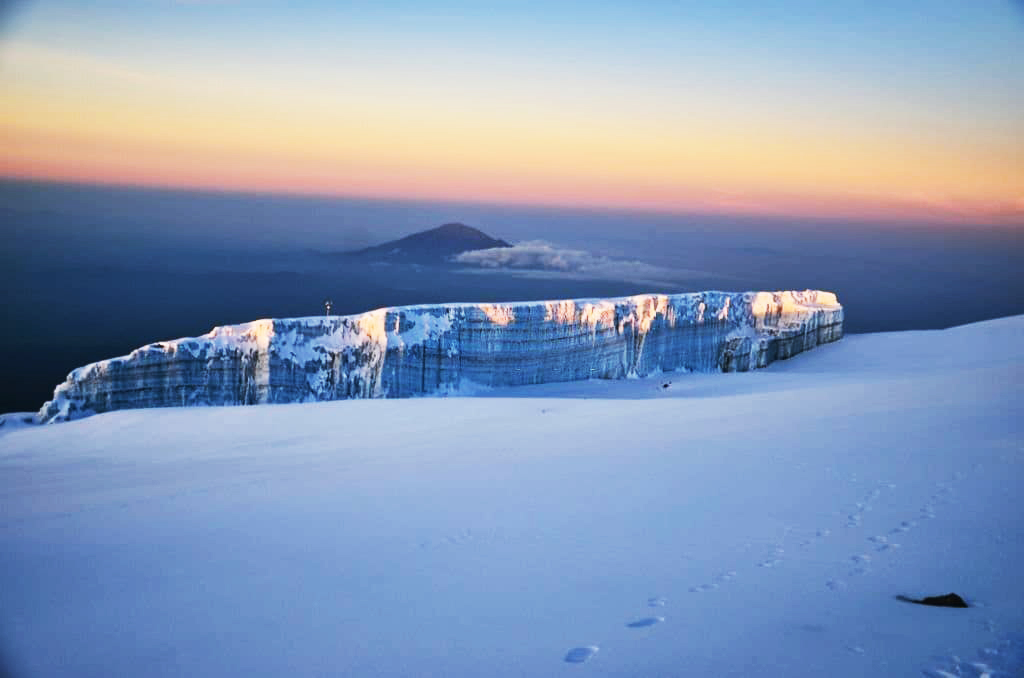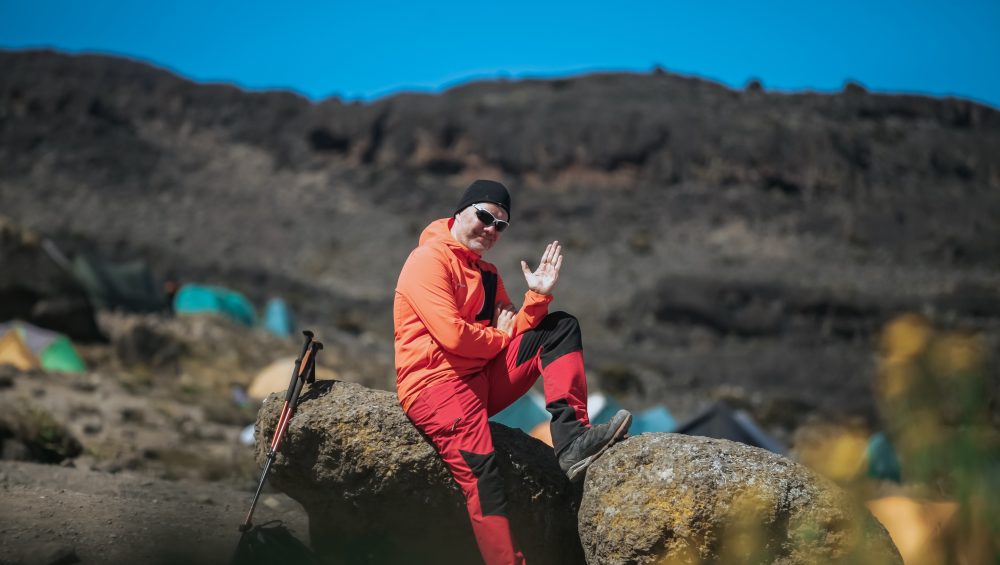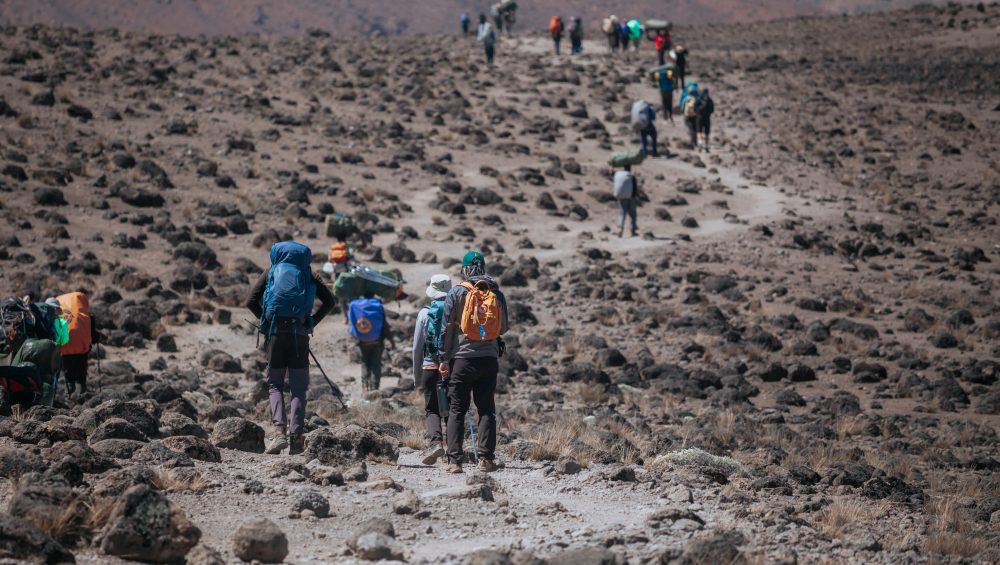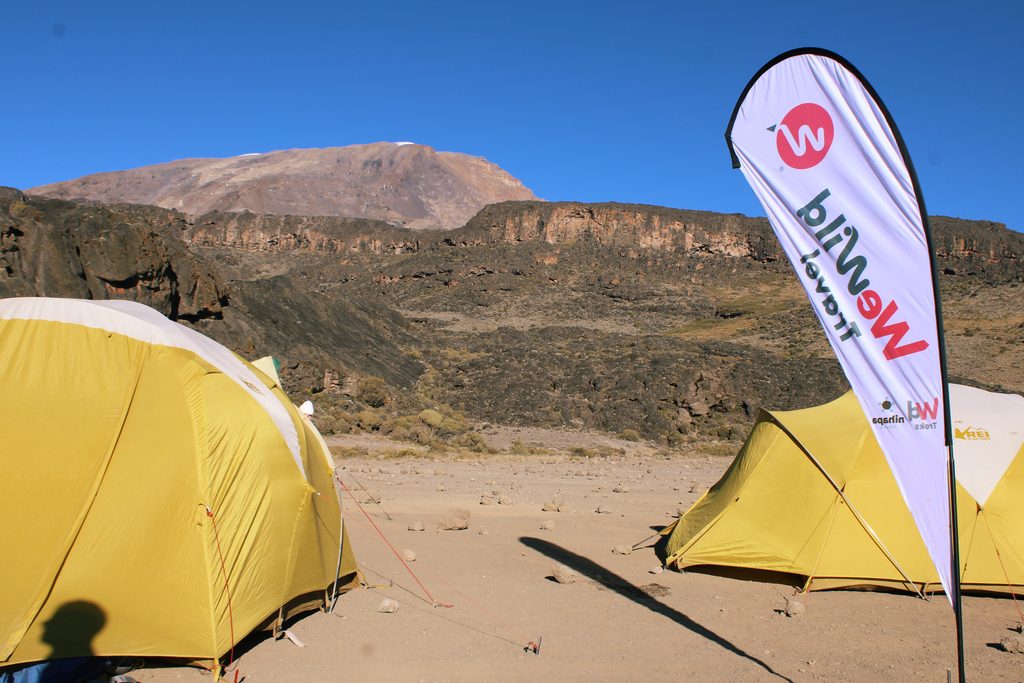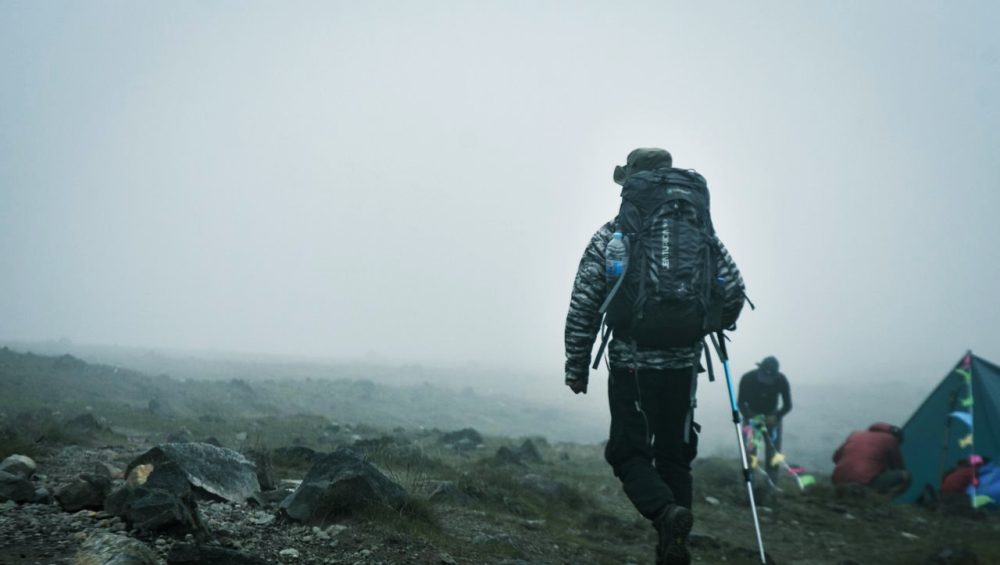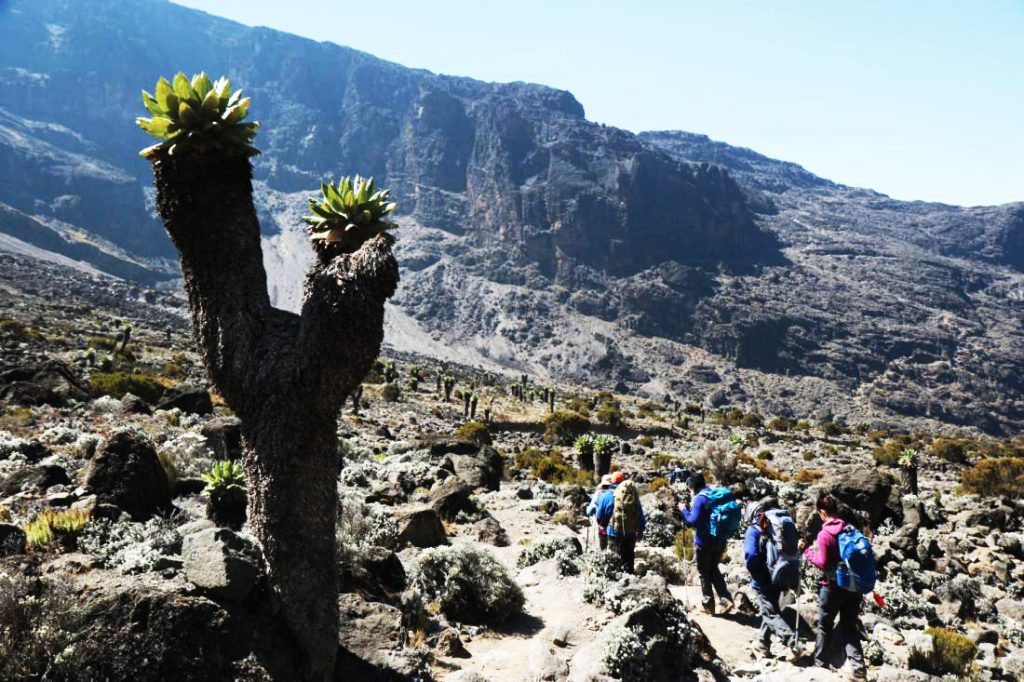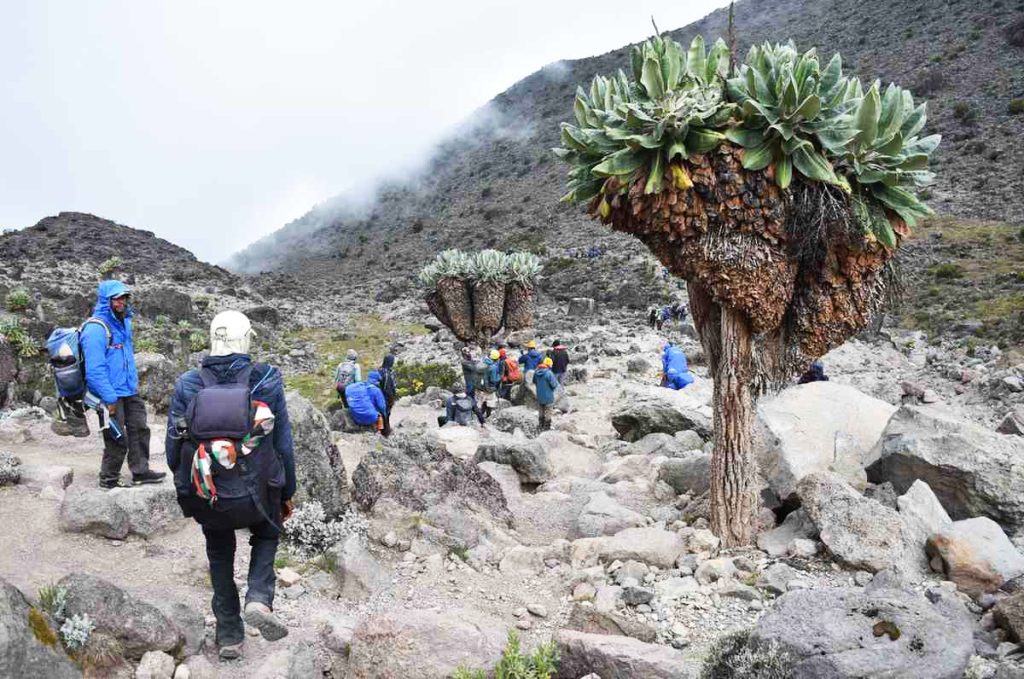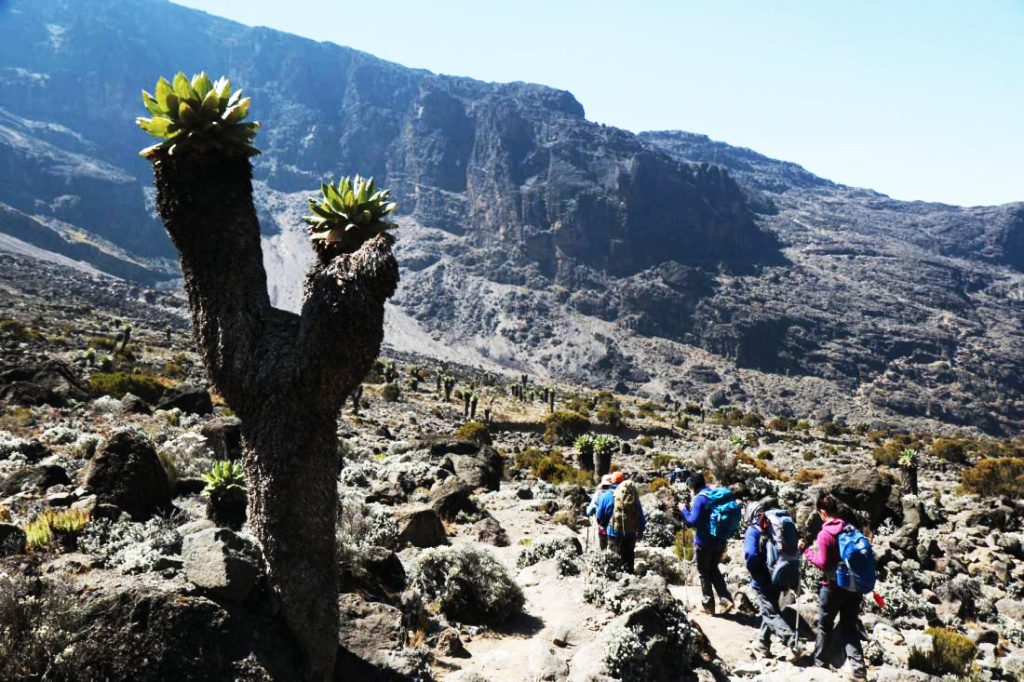
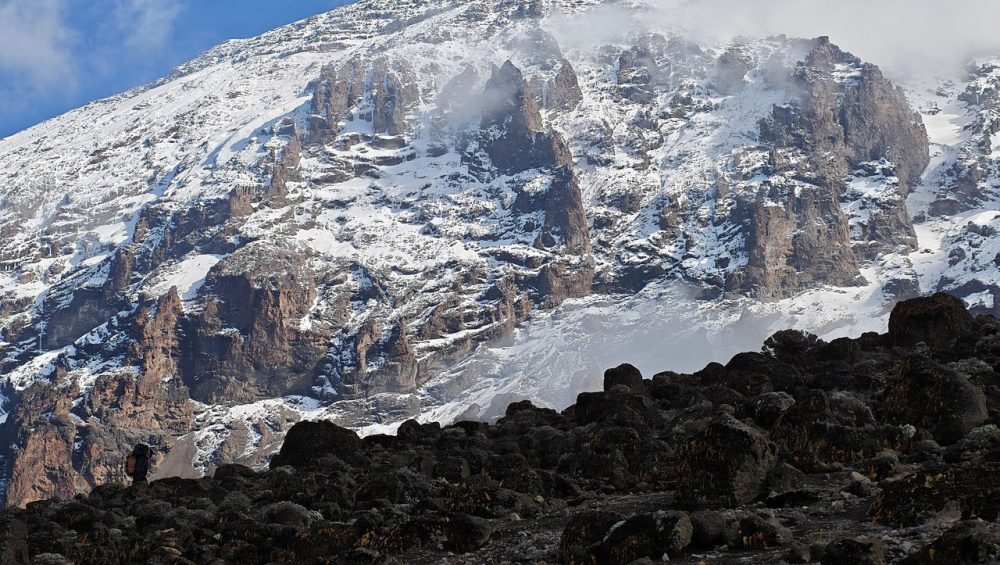
Mountain Kilimanjaro trekking guide 2026 showing hikers on scenic mountain trails and natural landscapes

Mount Kilimanjaro Trekking Guide

Complete Trekking Guide 2026: Everything You Need to Know

A Kilimanjaro trek is a 5 to 9 day high-altitude hike to 5,895m (19,341ft) that does not require technical climbing skills but demands good fitness and preparation. Success depends on choosing the right route, with longer options like Lemosho or Machame improving acclimatization and summit chances.

Trekkers should train for 2 to 3 months, prepare for long hiking days, and pack for changing climates from rainforest to freezing summit conditions. The main challenge is altitude, which can cause fatigue and sickness, so a slow pace, hydration, and guide support are essential for a safe and successful climb.

This guide is created specifically for beginners and first-time trekkers who want to understand everything about climbing Kilimanjaro in a simple and practical way. Whether you are planning your first trekking adventure or comparing different tour options, this guide will help you make the right decisions before you begin your journey. It is designed to remove confusion and give you clear, step-by-step knowledge about what to expect on the mountain.

In this you will learn all the essential details needed to prepare for a successful climb. We will explore the best routes available, including which ones are most suitable for beginners and which offer the highest success rates. You will also understand the real cost of climbing Kilimanjaro, including what is included in the price such as park fees, guides, porters, food, and equipment. This helps you plan your budget properly and avoid unrealistic expectations when booking your trip.

In addition, this guide will cover important tips that significantly increase your chances of reaching the summit, such as how to walk at the right pace, how to deal with altitude, and how to stay strong throughout the journey. You will also discover the best time to climb Kilimanjaro, helping you choose the ideal months for weather, visibility, and overall trekking conditions.

By the end of this guide, you will have a complete understanding of how to prepare, what to expect, and how to successfully climb Mount Kilimanjaro with confidence.

What Is Mount Kilimanjaro?

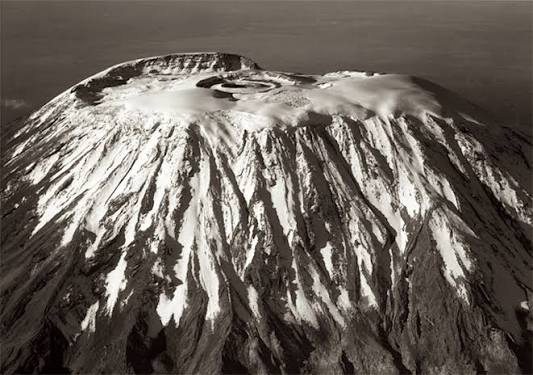
Mount Kilimanjaro is the highest mountain in Africa and one of the most famous trekking destinations in the world. It is a free-standing volcanic mountain that rises dramatically from the surrounding plains, making it visible from far distances. Unlike many other high mountains that are part of long ranges, Kilimanjaro stands alone, which gives it a unique and powerful presence that attracts thousands of trekkers every year.

Location and Geography

Mount Kilimanjaro is located in northern Tanzania, close to the border with Kenya. It sits within the protected Kilimanjaro National Park, a UNESCO World Heritage Site known for its rich biodiversity and stunning landscapes. The mountain is easily accessed from Arusha, which is the main gateway city for climbers and safari travelers.

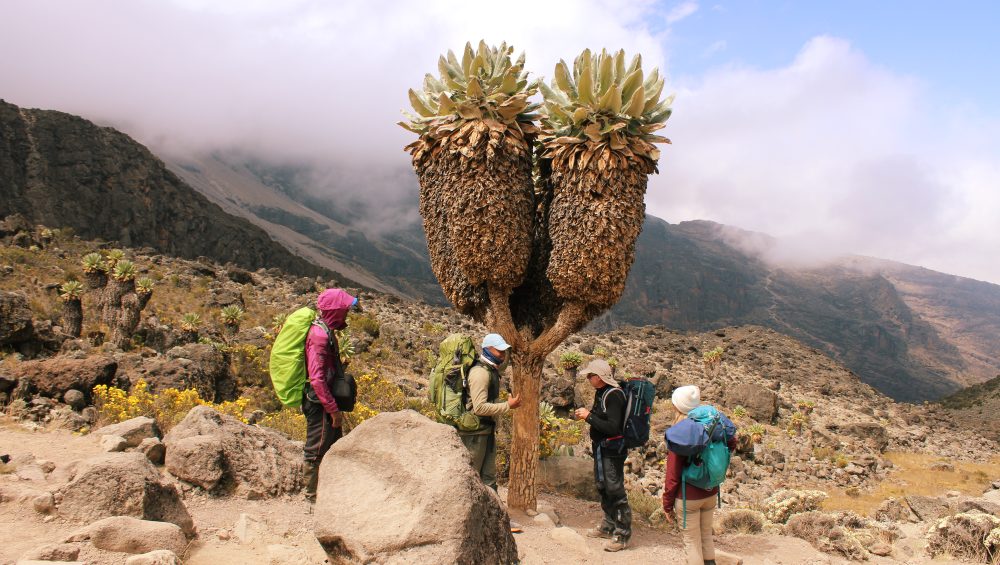
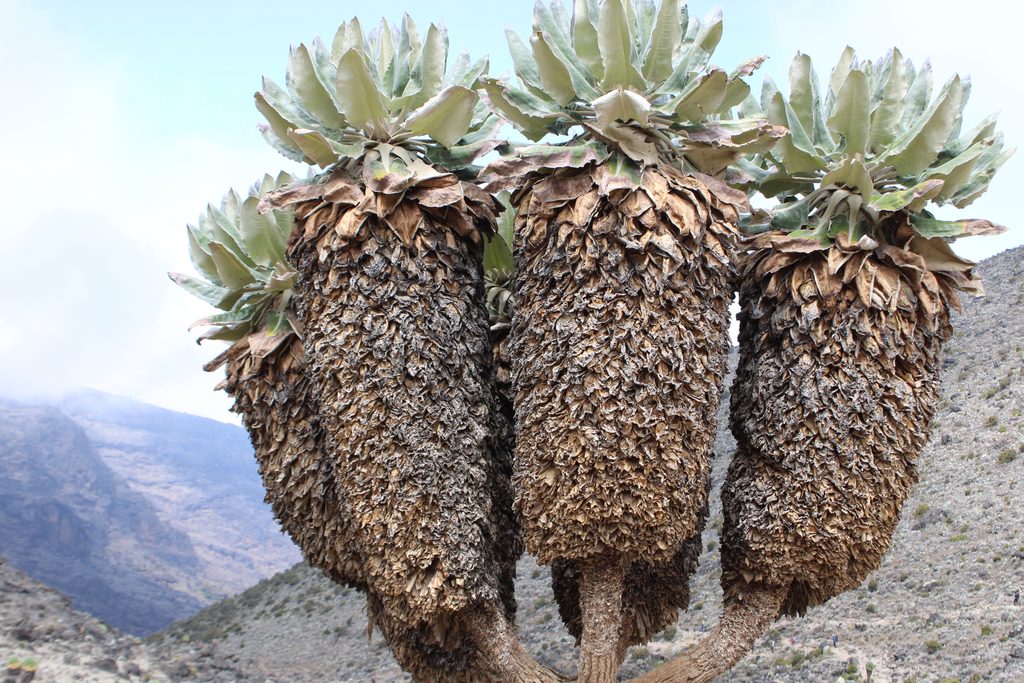
Because of its location near the equator, Kilimanjaro features multiple climate zones, ranging from tropical rainforest at the base to icy conditions at the summit. This makes the climb feel like passing through several different worlds in a single journey.

Height and Climbing Challenge

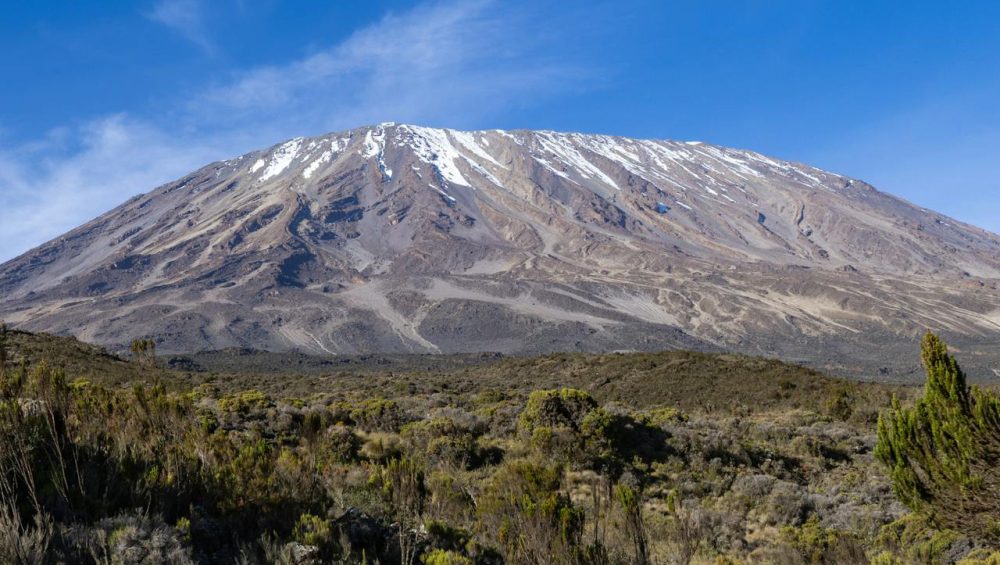
In terms of height, Mount Kilimanjaro stands at an impressive 5,895 meters (19,341 feet) above sea level. This makes it not only the tallest mountain in Africa but also the highest free-standing mountain in the world.

Its height creates a significant challenge due to the decrease in oxygen levels as you ascend. However, despite its altitude, Kilimanjaro does not require technical climbing skills, which makes it accessible to many first-time trekkers who are physically prepared and properly guided.

Why Mount Kilimanjaro Is Famous

Mount Kilimanjaro is famous because it is the highest mountain in Africa and the tallest free-standing mountain in the world. It attracts climbers due to its unique mix of accessible trekking without technical climbing skills, stunning scenery, and diverse climate zones from rainforest to glaciers. It is also part of the Seven Summits challenge, making it a top global adventure destination.

Best Time to Climb Mount Kilimanjaro

The best time to climb Kilimanjaro is during January to March and June to October. These months are known for having less rain, clearer skies, and more comfortable trekking conditions. January to March is slightly colder, especially at higher altitudes, but it offers fewer crowds and beautiful snow-capped summit views. June to October is the most popular climbing season because it is warmer, drier, and provides the most stable weather conditions, making it ideal for first-time trekkers and beginners.

The main reason the dry season is considered the best time to climb Kilimanjaro is because it reduces the challenges caused by rain and slippery trails. During the rainy seasons, which occur in April to May and November, the paths become muddy and more difficult to navigate. Visibility is also lower due to clouds and mist, which can reduce the overall trekking experience. In contrast, dry conditions make walking safer, camps more comfortable, and mountain views more enjoyable.

Choosing the right time to climb Mount Kilimanjaro is very important for a successful and enjoyable trekking experience. Weather conditions on the mountain change throughout the year, and selecting the right season can greatly improve visibility, trail conditions, and your overall summit success rate. Most trekkers prefer to climb during the dry seasons because the weather is more stable and the views are much clearer.

Overall, choosing the dry season significantly increases your chances of a successful summit. It provides better trail conditions, improved safety, and a more rewarding experience as you ascend through the different climate zones of Kilimanjaro.

Best Kilimanjaro Routes

The best Kilimanjaro routes are Lemosho, Machame, and Rongai. Lemosho offers the best scenery and high success rates, Machame is popular and well-balanced for acclimatization, and Rongai is quieter with a gentler ascent. Longer routes (7 to 8 days) give the highest chance of reaching the summit safely.

Choosing the right route on Mount Kilimanjaro is one of the most important decisions for a successful climb. Each route offers a different experience in terms of scenery, difficulty, acclimatization, and summit success rate. Some routes are more scenic and longer, while others are shorter and more direct. Understanding each option helps trekkers select the best path based on their fitness level, time, and experience.

Machame Route 

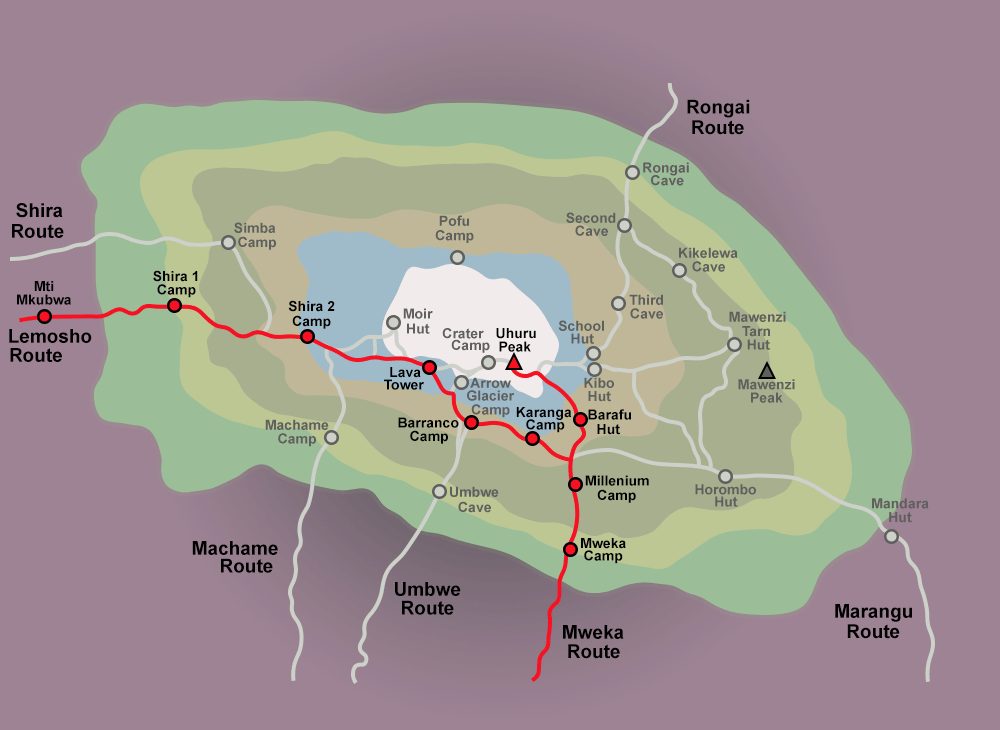
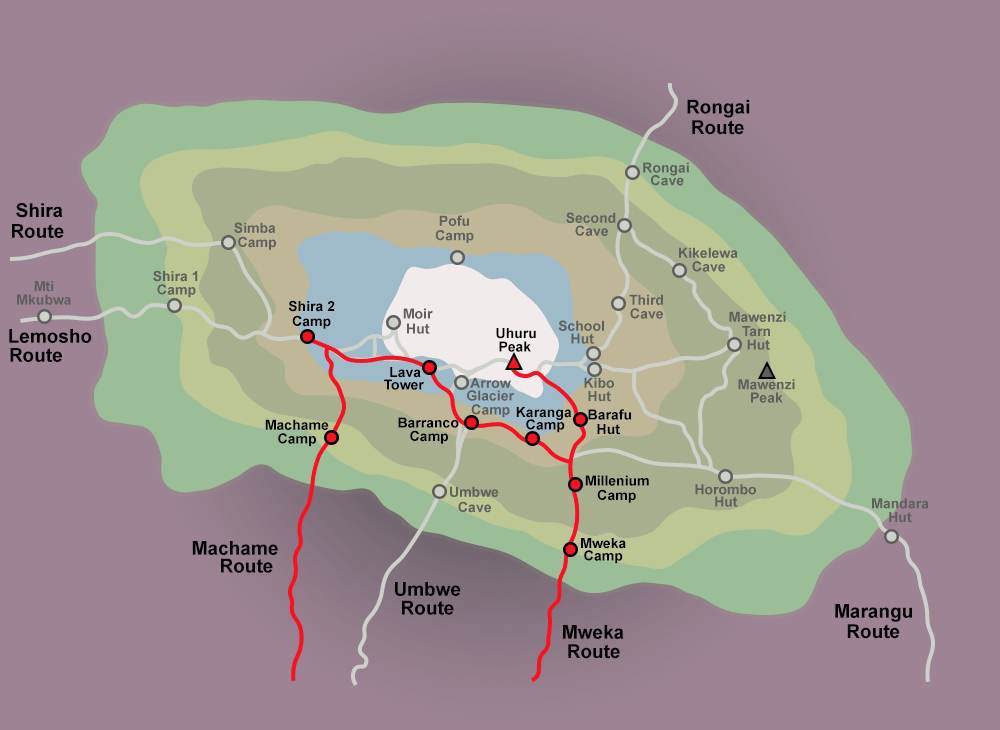
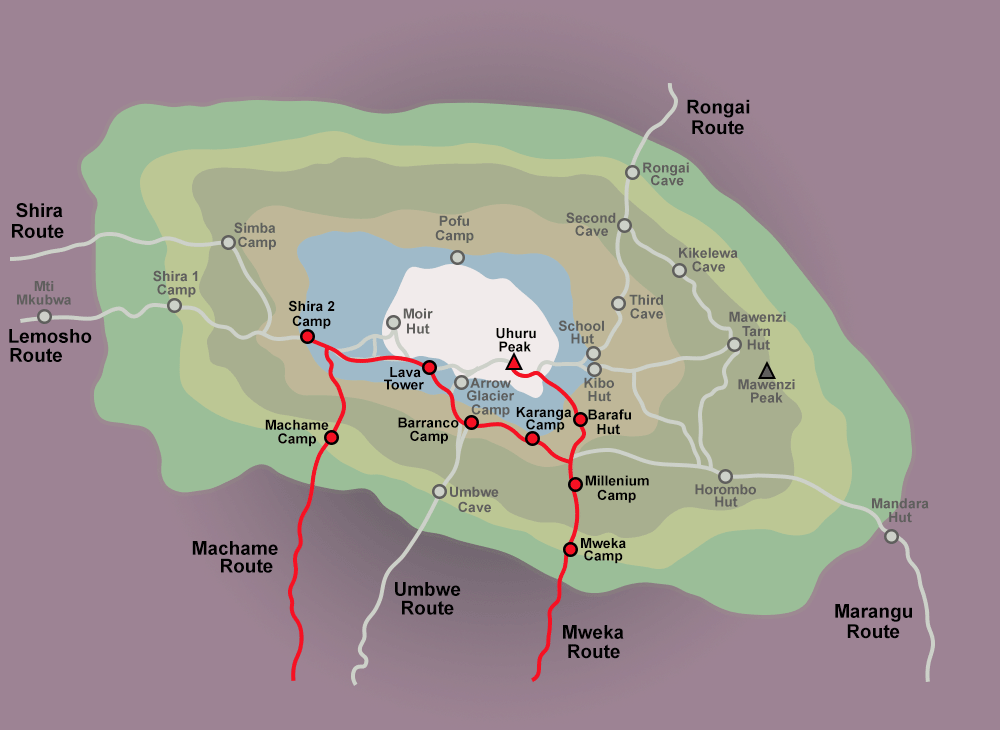
The Machame Route is one of the most popular routes on Kilimanjaro, often called the “Whiskey Route.” It is known for its beautiful scenery and challenging but rewarding trekking experience. The route usually takes 6 to 7 days, which allows good acclimatization and increases summit success rates. It passes through diverse landscapes including rainforest, moorland, and alpine desert, making it one of the most scenic options on the mountain. However, it includes steep sections, so it requires moderate fitness and determination.

Lemosho Route

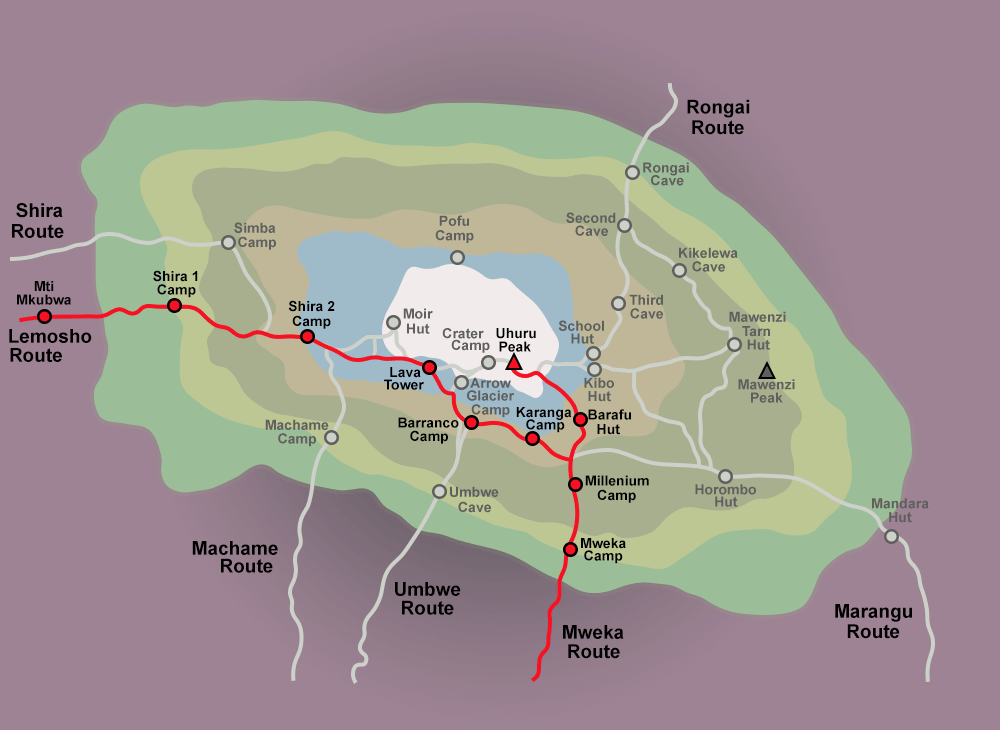
The Lemosho Route is widely considered one of the best routes for both scenery and success rate. It starts on the western side of Kilimanjaro and offers a quieter, more remote experience in the early days. This route takes 7 to 8 days, giving climbers more time to adjust to altitude changes. Because of its gradual ascent, it has one of the highest summit success rates, making it an excellent choice for beginners who want a safer and more enjoyable climb.

Marangu Route

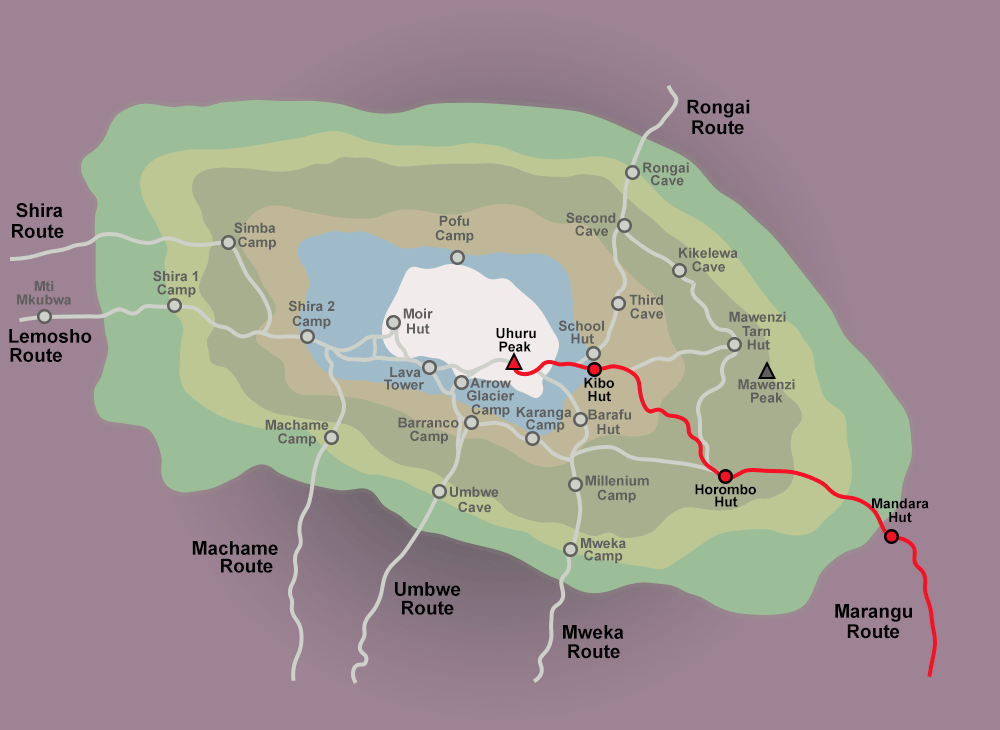
The Marangu Route is the oldest and most established route on Kilimanjaro and is often known as the “Coca-Cola Route.” It is the only route that offers hut accommodation instead of camping, which makes it more comfortable for some trekkers. However, it is shorter, usually taking 5 to 6 days, which reduces acclimatization time. Because of this, it has a lower summit success rate compared to longer routes. It is easier in terms of terrain but more challenging in terms of altitude adaptation.

Rongai Route

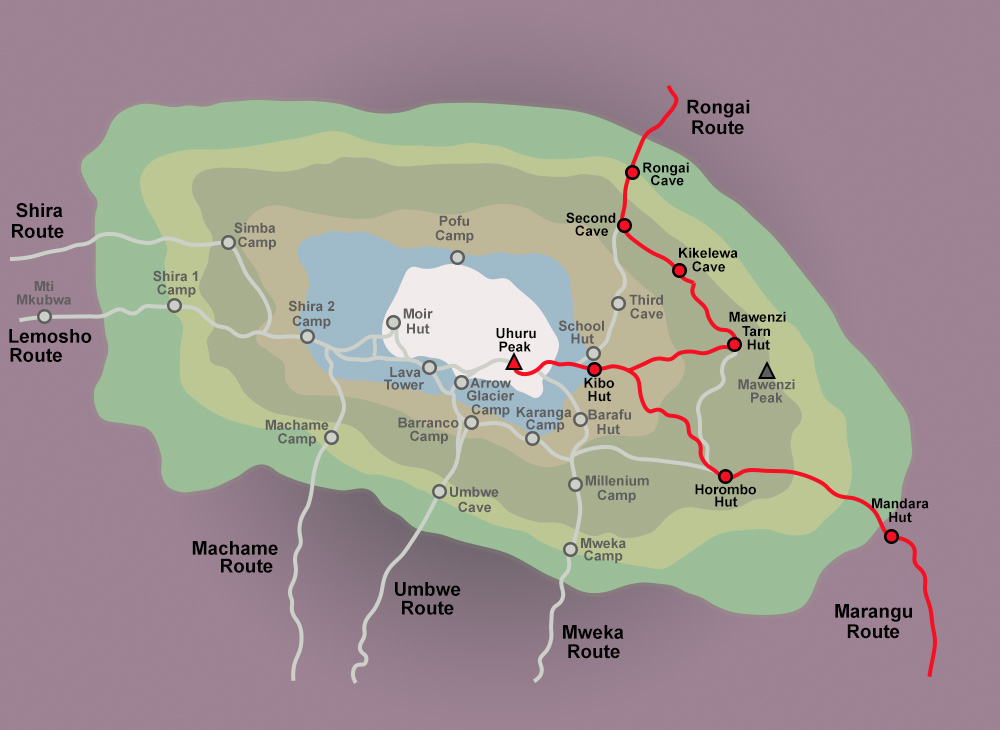
The Rongai Route approaches Kilimanjaro from the northern side near the Kenyan border. It is quieter and less crowded, offering a more peaceful trekking experience. The route is drier and less affected by rain, making it a good option during wet seasons. It takes about 6 to 7 days and has a gradual ascent, which makes it physically easier for many trekkers. While the scenery is less dramatic at the beginning, it provides a unique and calm climbing experience.

Which Route is Best for Beginners?

For first-time trekkers, the Lemosho Route is generally considered the best option because it offers a gradual ascent, excellent acclimatization, and a high summit success rate. The Machame Route is also a strong choice for beginners who want a slightly more adventurous and scenic experience. Both routes provide enough time for the body to adjust to altitude, which is the key factor for success on Kilimanjaro.

Cost of Climbing Mount Kilimanjaro

The cost of climbing Mount Kilimanjaro varies depending on the route, number of days, level of service, and type of tour operator you choose. On average, the total price ranges from $1,500 to $4,000+ per person. This cost reflects a full mountain expedition that includes safety support, accommodation on the mountain, food, equipment, and a professional crew. Understanding this breakdown helps trekkers plan properly and avoid extremely cheap offers that may compromise safety and success.

Budget Range ($1,500 – $4,000+)

Kilimanjaro climbs are generally divided into budget, mid-range, and luxury options. Budget climbs start from around $1,500 to $2,000 and usually involve group tours with basic services. Mid-range climbs range from $2,000 to $3,000 and offer better equipment, more experienced guides, and improved comfort. Luxury climbs can go above $4,000 and include private guides, upgraded tents, better meals, and a more personalized experience. The price increases with better service, longer routes, and higher comfort levels.

Park Fees

Park fees are a mandatory part of every Kilimanjaro climb and are paid directly to Kilimanjaro National Park. These fees include entry fees, camping or hut fees, rescue fees, and conservation charges. They are essential for maintaining the park, protecting the environment, and funding emergency rescue services. Because Kilimanjaro is a protected national park, these fees are fixed and make up a significant portion of the total cost.

Guides & Porters

Every climb requires a professional mountain crew, including guides, assistant guides, cooks, and porters. Guides are responsible for navigation, safety, and monitoring your health throughout the trek. Porters carry tents, food, and equipment, making the climb possible for trekkers. Their wages, insurance, and working support are included in the total cost. This system ensures safety, organization, and proper support during the entire journey.

Food & Logistics

Food and logistics are also a major part of the climbing cost. Climbers are provided with three meals per day, including breakfast, lunch, and dinner, prepared by the mountain cook. Meals are designed to provide enough energy for long trekking days at high altitude. Logistics also include transportation to and from the mountain, camping equipment, cooking supplies, and daily operational support. Everything must be carefully organized and carried up the mountain by the support team.

Budget vs Luxury Climbs

Budget climbs focus on affordability, offering group tours, basic camping, and standard services. They are ideal for travelers who want a lower-cost adventure while still reaching the summit. Luxury climbs, on the other hand, provide more comfort, including private guides, upgraded tents, better food, and smaller group sizes. While both options follow the same mountain routes, the difference lies in comfort level, personalization, and overall experience quality.

Kilimanjaro Packing List

Packing correctly for climbing Mount Kilimanjaro is extremely important because you will experience multiple climate zones from hot rainforest at the base to freezing temperatures near the summit. Having the right gear keeps you warm, safe, and comfortable throughout the trek, and it can significantly improve your chances of reaching the top successfully.

Warm Clothes (Layered Clothing System)

Warm clothing is one of the most important parts of your packing list. Temperatures on Kilimanjaro can drop below freezing, especially at night and near the summit. You need a proper layering system, including thermal base layers, fleece jackets, and a heavy insulated jacket for extreme cold.

Layering is important because it allows you to adjust your clothing depending on changing weather conditions. You may feel warm while hiking through lower zones, but freezing conditions can appear quickly as you climb higher. Good warm clothing protects you from hypothermia and keeps your body energy stable.

Hiking Boots (Strong and Comfortable)

High-quality hiking boots are essential for a successful climb. The terrain on Kilimanjaro includes rocky paths, muddy trails, and steep sections, so your boots must provide strong ankle support, good grip, and waterproof protection.

Wearing uncomfortable or new boots can cause blisters and pain, which can slow you down or even stop your climb. It is highly recommended to break in your boots before the trek to ensure comfort and avoid injuries during long walking days.

Sleeping Bag (Cold Weather Rated)

A proper sleeping bag is necessary because nights on Kilimanjaro are very cold, especially at higher camps. You should use a sleeping bag rated for low temperatures (at least -10°C to -20°C).

A good sleeping bag helps your body recover after long trekking days by keeping you warm and comfortable. Without proper insulation, you may struggle to rest, which affects your energy levels for the next day’s climb.

Trekking Poles (Balance and Support)

Trekking poles are highly recommended for Kilimanjaro climbs because they provide stability and reduce pressure on your knees. The terrain includes steep ascents and descents, especially on summit night, where fatigue is high.

Using trekking poles helps distribute weight evenly and improves balance on uneven surfaces. Many experienced climbers consider them essential for reducing strain and increasing endurance during long hiking hours.

Backpack (Daypack for Essentials)

A good backpack is needed to carry your daily essentials such as water, snacks, extra clothing, sunscreen, and personal items. Most trekkers use a small daypack (20 to 30 liters) during the climb while porters carry the heavier luggage.

Your backpack should be lightweight, comfortable, and water-resistant. Proper packing helps you stay organized and ensures that important items are easily accessible during the trek, especially when weather conditions change quickly.

Tips for a Successful Climb

Climbing Mount Kilimanjaro successfully requires more than just physical strength. It is a combination of real pacing, mental discipline, hydration, preparation, and listening to experienced guides. Many trekkers underestimate how much altitude affects the body, and this is the main reason some people fail to reach the summit. By following the correct strategies below, you greatly improve your chances of reaching Uhuru Peak safely and enjoying the full experience of the mountain.

Go Slowly (“Pole Pole”)

“Pole pole” meaning slowly, slowly in Swahili, is the most important rule on Kilimanjaro and is repeated constantly by guides for a reason. The biggest mistake climbers make is walking too fast at the beginning when they still feel strong. However, Kilimanjaro is not a race it is a long endurance challenge where energy management is more important than speed.

Walking slowly allows your body to adapt gradually to lower oxygen levels as you gain altitude. Even if you feel capable of moving faster, you should maintain a steady, controlled pace. This helps reduce fatigue, prevents early exhaustion, and significantly lowers the risk of altitude sickness. Successful climbers often say that slow walking is what ultimately got them to the summit, not physical strength alone. The key is consistency small, steady steps taken over long hours are what lead to success.

Drink Enough Water

Hydration plays a critical role in your performance on Kilimanjaro. At higher altitudes, the air is dry, and your body loses moisture faster through breathing and physical effort. If you do not drink enough water, you may experience headaches, dizziness, fatigue, and reduced performance, all of which can affect your climb.

Climbers are advised to drink at least 3 to 4 liters of water per day, even when they do not feel thirsty. This is because thirst is not always a reliable indicator at high altitude. Drinking regularly throughout the day helps your body adjust better to oxygen changes and improves circulation. Proper hydration also supports digestion and energy levels, which are essential for long trekking days. Staying well-hydrated is one of the simplest but most effective ways to increase your chances of reaching the summit.

Train Before Climbing

Physical preparation is essential for a successful Kilimanjaro climb, even though technical climbing skills are not required. The trek involves long walking days, often on steep and uneven terrain, which can last several hours per day. Without proper training, fatigue can build up quickly and make the journey more difficult than expected.

Effective training should focus on endurance rather than speed. Activities such as hiking on hills, jogging, cycling, swimming, and stair climbing are highly recommended. One of the best training methods is walking long distances with a backpack, as this simulates real mountain conditions. Training should ideally begin at least 6 to 8 weeks before your trip. The better your fitness level, the more enjoyable and manageable your climb will be, especially during the final summit push.

Choose a Longer Route

Selecting a longer route is one of the smartest decisions you can make when planning your climb. Routes that take more days on the mountain allow your body more time to adjust to altitude changes. This process, known as acclimatization, is the key factor in reaching the summit successfully.

Shorter routes may seem attractive because they save time or money, but they significantly increase the risk of altitude sickness. Longer routes such as Lemosho or Machame give your body a gradual ascent, which improves oxygen adaptation and reduces stress on your system. Climbers who choose longer routes generally have higher success rates because their bodies are better prepared for the final push to the summit. In simple terms, more days on the mountain means a safer and more successful climb.

Follow Guide Instructions

Professional mountain guides are one of the most valuable parts of your Kilimanjaro experience. They have years of experience dealing with different weather conditions, altitude effects, and terrain challenges. Listening to and following their instructions is critical for both safety and success.

Guides carefully monitor your health throughout the climb and can identify early signs of altitude sickness before they become serious. They also control the group’s pace, ensure proper rest stops, and make important decisions based on weather and trail conditions. Ignoring their advice can put your climb at risk, while trusting their guidance greatly increases your chances of reaching the summit. Communication is also important if you feel unwell or tired, always inform your guide immediately. Their support is designed to help you succeed safely.

How to Prepare for Kilimanjaro

Preparing properly for climbing Mount Kilimanjaro is one of the most important steps for a successful summit. Many first-time trekkers think the climb is only about fitness, but in reality, success depends on a combination of physical readiness, mental strength, proper equipment, and understanding how your body reacts to high altitude. Good preparation increases your chances of reaching the summit safely and enjoying the journey instead of struggling on the mountain.

Physical Training

Physical training is essential before attempting Kilimanjaro because the trek involves long walking days on steep and uneven terrain. You do not need to be an athlete, but you must have good endurance. Training should focus on building stamina rather than speed.

Activities such as hiking, jogging, cycling, swimming, and stair climbing are highly recommended. Hiking on hills or mountains is especially useful because it simulates real trekking conditions. One of the best ways to prepare is to walk long distances with a backpack, which helps your body get used to carrying weight over time. Training should ideally start at least 6 to 8 weeks before your climb. The stronger your fitness level, the easier it will be to handle long trekking days and the final summit push.

Mental Preparation

Mental preparation is just as important as physical fitness. Kilimanjaro is not a technical climb, but it is a mental challenge because of long hours of walking, cold temperatures, and altitude effects. Many trekkers struggle not because they are unfit, but because they lose motivation during difficult moments.

You need patience, determination, and a positive mindset. The climb is slow, and progress may feel difficult at times. Understanding that discomfort is normal helps you stay focused. You should prepare yourself mentally for cold nights, tired legs, and slow walking. Staying positive and breaking the journey into small steps makes the climb more manageable and increases your chances of success.

Acclimatization

Acclimatization is one of the most important factors for reaching the summit successfully. As you climb higher on Mount Kilimanjaro, oxygen levels decrease, and your body needs time to adjust. Without proper acclimatization, you may experience altitude sickness, which can stop your climb.

Choosing longer routes helps your body adapt gradually. Good operators also follow the “climb high, sleep low” method, which improves oxygen adaptation. Walking slowly, drinking enough water, and taking rest days when needed also support acclimatization. This process cannot be rushed, and patience is key to reaching the summit safely.

Gear Preparation

Proper gear preparation is essential for comfort and safety on Kilimanjaro. The mountain has different climate zones, so you must be ready for both warm and freezing conditions. Essential gear includes layered clothing, waterproof jackets, hiking boots, gloves, hats, and sunglasses.

A warm sleeping bag rated for low temperatures is very important because nights can be extremely cold, especially at higher camps. Trekking poles are also highly recommended because they reduce pressure on your knees and improve balance on steep terrain. A comfortable daypack is needed to carry water, snacks, and personal items during daily hikes. Proper gear ensures you stay warm, dry, and comfortable throughout the entire climb.

Frequently Asked Questions (FAQ)

Here are the most common questions about climbing Mount Kilimanjaro, answered in a simple and clear way to help first-time trekkers prepare better for their journey.

Do I need climbing experience to climb Kilimanjaro?

No, you do not need technical climbing experience to climb Kilimanjaro. It is a trekking mountain, which means you walk on established trails without ropes or special climbing equipment. However, you should be physically fit and well prepared for long walking days and high altitude conditions.

How long does it take to climb Kilimanjaro?

Most climbs take between 5 and 9 days depending on the route you choose. Longer routes such as Lemosho and Machame are recommended because they give your body more time to adjust to altitude, which increases your chances of reaching the summit successfully.

What is the success rate of climbing Kilimanjaro?

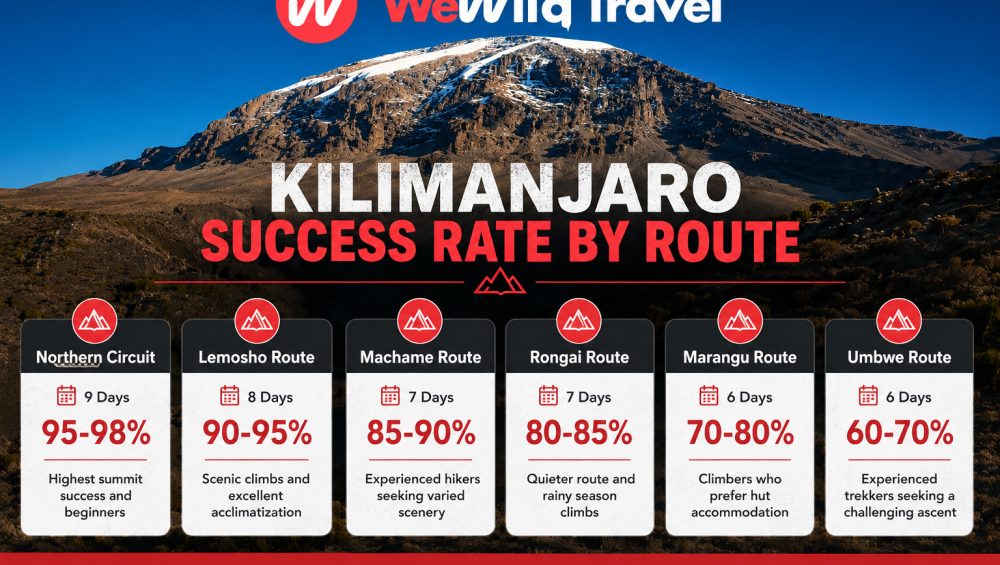
The success rate depends mainly on the route and number of days spent on the mountain. Longer routes with better acclimatization have higher success rates, while shorter routes have lower success rates because the body has less time to adjust to altitude.

How difficult is climbing Kilimanjaro?

Climbing Kilimanjaro is physically challenging but not technically difficult. The main difficulty is altitude, not climbing skills. As you go higher, oxygen levels decrease, which can make walking more tiring. With proper pacing, hydration, and preparation, many beginners successfully reach the summit.

What is included in the cost of climbing Kilimanjaro?

The cost usually includes park fees, professional guides, porters, food, camping equipment, and transportation. These services are essential for safety, comfort, and logistics during the climb. The price reflects a full mountain expedition, not just a hiking trip.

What should I pack for Kilimanjaro?

You should pack warm layered clothing, waterproof jackets, hiking boots, gloves, hats, sunglasses, a sleeping bag, and a daypack. Proper gear is important because the mountain has different climate zones, including cold summit conditions.

What is the best time to climb Kilimanjaro?

The best time to climb is during the dry seasons: January to March and June to October. These months offer better weather, clearer views, and safer trekking conditions compared to the rainy seasons.

Do I need a guide to climb Kilimanjaro?

Yes, a licensed guide is required to climb Kilimanjaro. Independent climbing is not allowed. Guides ensure your safety, help with navigation, and monitor your health throughout the trek.

Final Thoughts

Climbing Mount Kilimanjaro is one of the most rewarding adventure experiences in the world. It is not just about reaching the summit, but about the journey itself passing through different climate zones, testing your limits, and discovering how strong you really are. For many first-time trekkers, this climb becomes a life-changing experience that builds confidence, patience, and a deep sense of achievement.

Throughout this guide, you have learned everything needed to prepare for a successful trek. From understanding the best routes and their difficulty levels, to knowing the real cost of climbing, packing the right gear, and training your body properly, each step plays an important role in your success. You also now understand how important altitude is, and why slow pacing, hydration, and acclimatization are key factors for reaching the summit safely.

One of the most important lessons is that climbing Kilimanjaro is not a race. Success comes from preparation, consistency, and following your guide’s instructions. Choosing the right route, especially longer ones like Lemosho or Machame, greatly increases your chances of reaching Uhuru Peak. Mental strength is just as important as physical fitness, because the climb will test your patience and determination at every stage.

In the end, standing at the Roof of Africa is a moment few people in the world experience. It is a powerful achievement that stays with you forever. With the right preparation and mindset, your dream of climbing Kilimanjaro can become a reality and one of the greatest adventures of your life.

Kilimanjaro tour and activities 2026 showcasing mountain trekking and outdoor adventure experiences

Kilimanjaro Tour and Activities

Planning a trek to the “Roof of Africa” in 2026–2027 requires choosing the right route, operator, and timing to maximize safety and success. With summit heights reaching 5,895 meters (19,341 feet), this guide outlines the top routes, costs, and best times for your adventure.

Climbing Kilimanjaro is a multi-day trekking experience that takes you through diverse climate zones, from rainforest to alpine desert and finally to arctic conditions at the summit. Most climbs take between 5 and 9 days, depending on the route you select.

To increase your chances of success, longer routes such as Lemosho and Machame are highly recommended because they allow better acclimatization. Choosing a reliable operator is also essential, as guided support, safety planning, and proper logistics play a key role in reaching the summit.

The best time to visit is during the dry seasons January to March and June to October when weather conditions are more stable and trails are safer for trekking. Costs typically include park fees, guides, porters, food, and accommodation, as Kilimanjaro is a fully supported expedition.

With proper preparation, fitness training, and the right itinerary, climbers can safely enjoy one of the world’s most iconic trekking adventures.

Trekking Mount Kilimanjaro

Trekking Mount Kilimanjaro is a multi-day hiking adventure that takes you to the highest point in Africa at 5,895 meters (19,341 feet), and it is achievable without technical climbing skills when you are properly prepared.

It involves walking through different climate zones from rainforest to icy summit conditions over 5 to 9 days depending on the route. Success depends on choosing a longer route for better acclimatization, maintaining a slow pace, staying hydrated, and following your guide’s instructions.

With the right preparation and mindset, most fit trekkers can safely reach the summit.

Unlike many other high mountains, climbing Kilimanjaro does not require technical mountaineering skills. However, trekkers must be physically prepared because the journey involves several days of hiking at high altitude.

The trek usually takes 6 to 9 days, depending on the route chosen. Climbers pass through different climate zones during the journey. The trek begins in a tropical rainforest, then moves into moorland, alpine desert, and finally reaches the cold and icy summit zone.

Several routes lead to the summit, and each route offers a different trekking experience. Popular routes include the Machame Route, Lemosho Route, Marangu Route, and Rongai Route. Some routes are longer and allow better acclimatization, which increases the chances of reaching the summit successfully.

During the trek, climbers are supported by experienced mountain guides, cooks, and porters who help carry equipment and prepare meals. Their support plays an important role in helping climbers safely reach the summit.

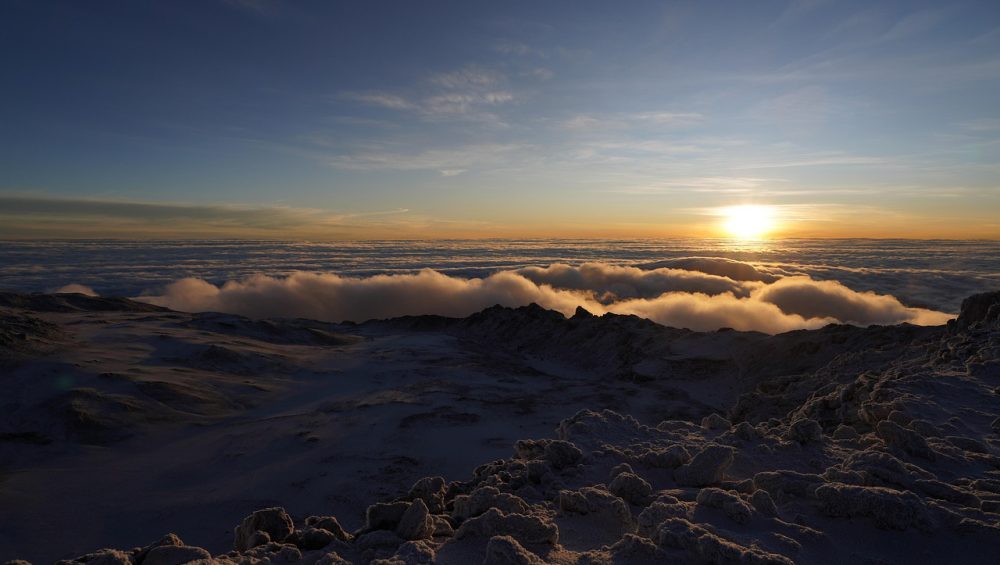
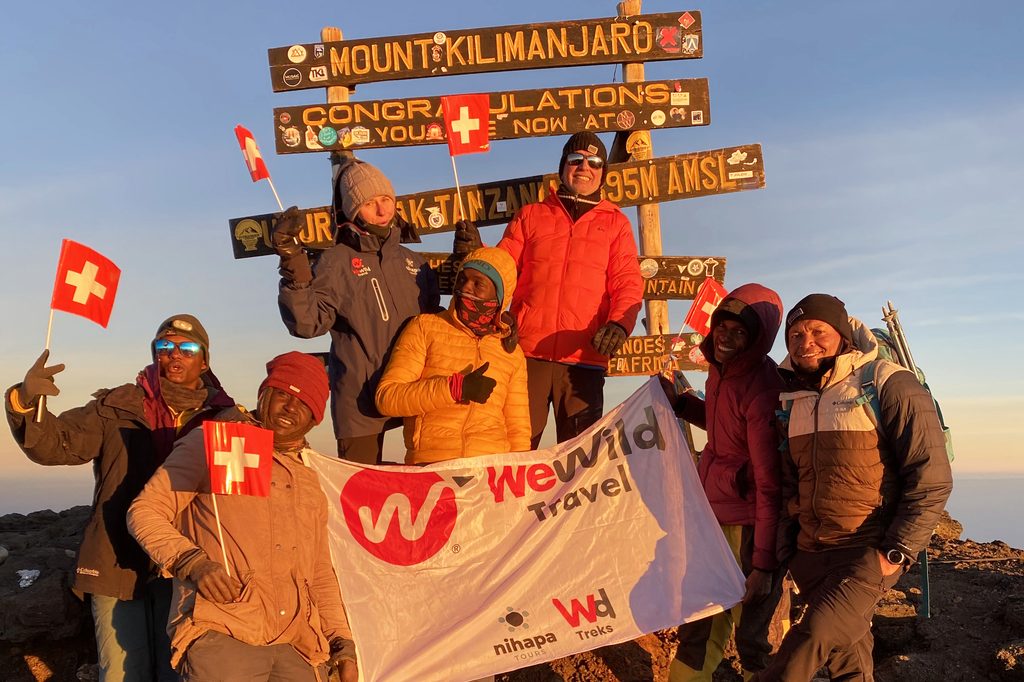
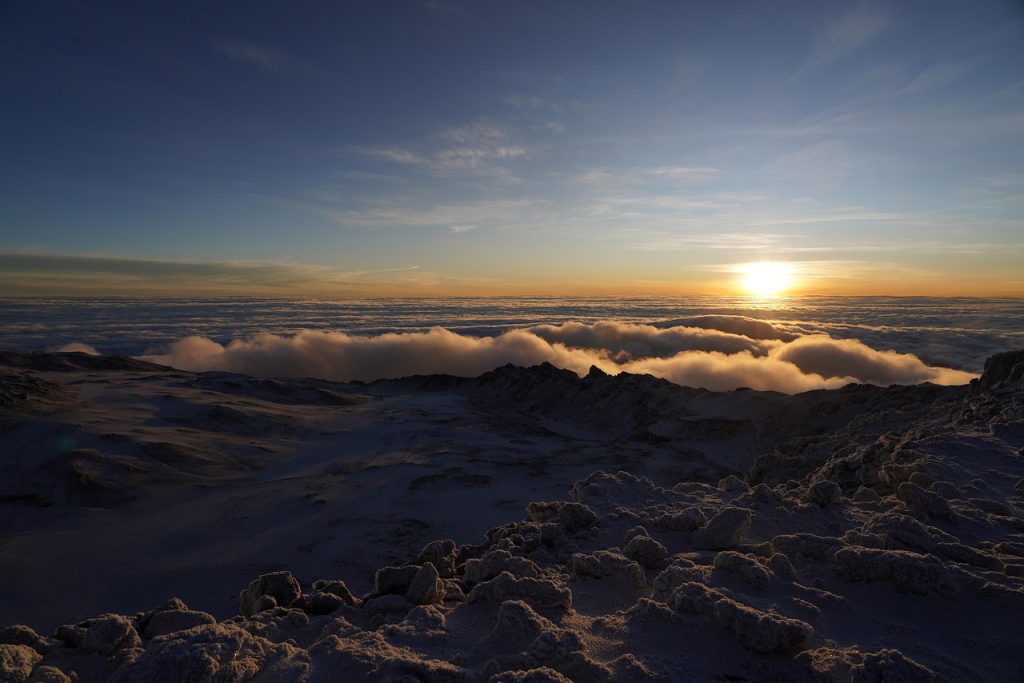
Reaching Uhuru Peak is a challenging but rewarding achievement. Standing on the roof of Africa and watching the sunrise above the clouds is an unforgettable experience for many travelers.

Acclimatization Strategies for Climbing Kilimanjaro

Acclimatization is one of the most important factors for successfully climbing Mount Kilimanjaro. Because the mountain rises to 5,895 meters, the oxygen level becomes lower as climbers ascend. Without proper acclimatization, trekkers may experience Acute Mountain Sickness, which can affect their ability to reach the summit.

To increase the chances of reaching Uhuru Peak, climbers should follow several important acclimatization strategies during the trek.

Gradual Ascent Plan

A gradual ascent is the best way to allow the body to adjust to high altitude. Most Kilimanjaro itineraries are designed so climbers gain elevation slowly over several days. Longer routes such as the Lemosho Route and Machame Route are popular because they provide more time for acclimatization compared to shorter routes.

Climbing slowly helps the body adapt to decreasing oxygen levels and reduces the risk of altitude sickness.

Rest Days and Acclimatization Hikes

Many Kilimanjaro trekking itineraries include rest days at certain camps. These days allow climbers to recover and adjust to the altitude before continuing the ascent.

Trekkers may also take short acclimatization hikes during the afternoon after reaching camp. This strategy is often called “climb high, sleep low.” Climbers hike to a slightly higher elevation during the day and then return to sleep at a lower altitude, which helps the body adapt more effectively.

Hydration During the Trek

Drinking enough water is essential during the climb. Proper hydration helps the body adjust to altitude and reduces symptoms such as headaches and fatigue.

Most guides recommend drinking three to four liters of water per day while trekking. Climbers should also avoid excessive alcohol and caffeine because these can contribute to dehydration.

Preventing Altitude Sickness

Altitude sickness is one of the biggest challenges when climbing Kilimanjaro. Common symptoms include headaches, dizziness, nausea, fatigue, and shortness of breath.

To prevent serious problems, climbers should:

  • Walk slowly and maintain a steady pace
  • Drink plenty of water
  • Eat enough food to maintain energy
  • Inform the guide immediately if symptoms appear

Professional mountain guides carefully monitor climbers’ health throughout the trek and may recommend descending if symptoms become severe.

Why Acclimatization Is Important

Proper acclimatization greatly increases the chance of successfully reaching the summit of Kilimanjaro. Climbers who follow gradual ascent plans, stay hydrated, and listen to their guides are more likely to have a safe and enjoyable trekking experience.

Guided vs Self-Guided Treks on Kilimanjaro

When planning a trek to Mount Kilimanjaro, climbers often wonder whether they should choose a guided tour or attempt an independent trek. Understanding the differences between these options helps travelers prepare properly for the adventure.

In reality, climbing Kilimanjaro is different from many mountains around the world because trekking with a licensed guide is required by the park authorities. However, it is still useful to understand the advantages of guided trekking and the considerations involved in independent-style travel.

Guided Trekking on Kilimanjaro

Most climbers reach the summit through organized guided tours. These tours are operated by licensed trekking companies that provide professional guides, porters, and cooks to support climbers during the expedition.

Guided treks usually include transportation, park permits, camping equipment, meals, and safety monitoring throughout the journey. Guides also help climbers manage altitude challenges while trekking toward Uhuru Peak.

Benefits of a Guided Tour

Guided trekking offers several important advantages for climbers attempting to reach the summit.

First, experienced guides understand the mountain conditions and know how to manage altitude-related challenges such as Acute Mountain Sickness. They monitor climbers’ health and can respond quickly if symptoms appear.

Second, guides and porters handle most of the logistics. Porters carry camping equipment, food supplies, and other gear, allowing climbers to focus mainly on walking and conserving energy during the trek.

Another benefit is safety. Professional teams are trained in mountain rescue procedures and emergency protocols, which greatly improves climbers’ chances of completing the trek successfully.

Independent Trekking Considerations

Unlike some trekking destinations in other countries, independent trekking is not allowed on Kilimanjaro. All climbers must be accompanied by a registered guide according to the regulations of Kilimanjaro National Park.

However, travelers can still choose smaller or more customized trekking groups if they prefer a more private experience. Some climbers book private expeditions with fewer participants, which offers greater flexibility and a more personal trekking pace.

Choosing the Best Option

For most travelers, joining a guided Kilimanjaro trek is the safest and most practical way to climb the mountain. Professional support, proper logistics, and experienced leadership greatly increase the chances of reaching the summit while maintaining safety throughout the journey.

Wildlife Safari in Amboseli National Park

A wildlife safari in Amboseli National Park is one of the best experiences travelers can enjoy after climbing Mount Kilimanjaro. Located just across the border in southern Kenya, Amboseli is famous for its incredible wildlife and spectacular views of the snow-capped mountain rising in the background.

The park is particularly well known for its large herds of African elephants. Visitors on safari can often see elephants walking across the open plains with Mount Kilimanjaro towering behind them. This creates one of the most iconic safari landscapes in East Africa.

Wildlife in Amboseli

Amboseli National Park is home to a wide variety of wildlife species. During a safari, visitors may encounter elephants, lions, cheetahs, giraffes, zebras, wildebeests, hyenas, and many other animals. The park is also a great destination for birdwatching, with hundreds of bird species living around its wetlands and open savannah.

Because the park has wide open plains, animals are often easy to spot during game drives. This makes Amboseli an excellent safari destination for photographers and wildlife lovers.

Scenic Views of Mount Kilimanjaro

One of the most unique features of Amboseli is its clear view of Mount Kilimanjaro, Africa’s highest mountain. On clear mornings, the snow-covered summit can be seen rising above the clouds while wildlife moves across the savannah below.

These breathtaking views make Amboseli one of the most photographed safari locations in Africa.

Combining Kilimanjaro Trekking and Safari

Many travelers combine a Kilimanjaro climbing adventure with a safari in Amboseli. After several days of trekking to Uhuru Peak, relaxing on a safari while watching wildlife and enjoying scenic landscapes is a perfect way to complete the journey.

This combination of mountain adventure and wildlife exploration makes the Kilimanjaro region one of the most diverse and exciting travel destinations in East Africa

Cultural Experience in a Maasai Village

A cultural visit to a Maasai village is one of the most memorable experiences for travelers exploring the region around Mount Kilimanjaro and northern Tanzania. The Maasai people are one of the most well-known communities in East Africa, famous for their traditional lifestyle, colorful clothing, and strong cultural heritage.

Learning About Maasai Traditions

During a village visit, travelers can learn about the daily life and traditions of the Maasai people. Local guides often explain how the community lives, including their pastoral lifestyle based on raising cattle and goats. Livestock is very important in Maasai culture and represents wealth and social status.

Visitors may also learn about traditional Maasai homes called bomas, which are built using natural materials such as mud, sticks, and grass.

Traditional Dance and Music

A highlight of the cultural experience is watching traditional Maasai songs and dances. Maasai warriors often perform the famous jumping dance, where young men jump high into the air while singing rhythmic chants. This dance is part of cultural ceremonies and celebrations within the community.

Travelers are sometimes invited to join the dance, making the experience interactive and memorable.

Maasai Handicrafts and Beadwork

Another important part of the visit is seeing handmade Maasai crafts. Maasai women are well known for their beautiful beadwork, which includes necklaces, bracelets, and earrings made with colorful beads. These items are often sold to visitors and provide an important source of income for the community.

Supporting Local Communities

Visiting a Maasai village is not only a cultural experience but also a way to support local communities. Tourism helps provide income for families and supports education and development projects within the village.

A Unique Cultural Experience

Combining a Kilimanjaro trek with a Maasai cultural visit allows travelers to experience both the natural beauty and cultural richness of Tanzania. It offers visitors a deeper understanding of the traditions and lifestyle of one of Africa’s most iconic communities.

Birdwatching in Lake Natron

Birdwatching at Lake Natron is one of the most unique wildlife experiences in northern Tanzania. Located in the eastern Great Rift Valley, the lake is famous for its dramatic landscapes, alkaline waters, and large populations of birds.

The lake is especially known as one of the most important breeding sites for the Lesser Flamingo in the world. Thousands to millions of flamingos gather at Lake Natron each year, creating a spectacular pink landscape along the shoreline.

Flamingo Breeding Ground

Lake Natron provides a safe environment for flamingos to breed because its highly alkaline water protects them from predators. The shallow waters and abundant algae provide the perfect feeding conditions for these birds.

During the breeding season, visitors can witness large flocks of flamingos nesting and feeding around the lake, which makes it a paradise for bird lovers and wildlife photographers.

Other Bird Species

Besides flamingos, Lake Natron is home to many other bird species. Birdwatchers may see pelicans, storks, herons, and various migratory birds that visit the region throughout the year.

The surrounding wetlands, rivers, and escarpments provide different habitats that support a wide diversity of birdlife.

Scenic Landscape and Nature Walks

The area around Lake Natron is also known for its stunning natural scenery. Visitors can enjoy guided nature walks, explore nearby waterfalls, and admire views of Ol Doinyo Lengai, an active volcano considered sacred by the Maasai people.

The combination of birdlife, dramatic landscapes, and cultural experiences makes Lake Natron a fascinating destination for travelers exploring northern Tanzania.

A Perfect Addition to the Mountain Experience

Many travelers include Lake Natron in their itinerary after trekking Mount Kilimanjaro or visiting nearby national parks. Birdwatching in this remote and beautiful location offers a peaceful and unique way to experience Tanzania’s natural environment.

Hiking in West Kilimanjaro Forest Reserve

Hiking in West Kilimanjaro Forest Reserve is an exciting outdoor activity for travelers who want to explore nature around Mount Kilimanjaro without climbing to the summit. This protected area lies on the western side of the mountain and is known for its beautiful landscapes, diverse wildlife, and peaceful hiking trails.

Natural Environment and Scenic Views

The reserve features a mixture of forests, open savannah, and volcanic landscapes. During hikes, visitors can enjoy breathtaking views of Mount Kilimanjaro rising above the surrounding plains. On clear days, the snow-capped summit creates a spectacular background for nature walks and photography.

Wildlife Encounters

West Kilimanjaro is also home to a variety of wildlife species. Hikers may encounter animals such as giraffes, zebras, antelopes, and sometimes elephants moving through the woodland areas. Because the reserve is less crowded than many national parks, visitors can enjoy a quieter and more natural wildlife experience.

Guided Nature Walks

Most hikes in the reserve are conducted with experienced local guides who know the terrain and wildlife behavior. Guided walks allow visitors to learn about the plants, animals, and ecosystems found in the Kilimanjaro region. These walks are usually shorter and less demanding than climbing the main mountain.

A Relaxing Adventure Near Kilimanjaro

For travelers who want to experience the natural beauty of the Kilimanjaro area at a slower pace, hiking in West Kilimanjaro Forest Reserve is an excellent option. It offers a combination of scenic landscapes, wildlife viewing, and fresh mountain air.

This activity is often included in travel itineraries before or after trekking Mount Kilimanjaro, making it a perfect addition to a Kilimanjaro adventure.

Coffee Plantation Tours

A coffee plantation tour is a wonderful cultural and agricultural experience for visitors exploring the slopes of Mount Kilimanjaro. The fertile volcanic soil and favorable climate around the mountain create perfect conditions for growing high-quality coffee. Many local farms produce Arabica coffee, which is known for its rich flavor and aroma.

Discovering Local Coffee Farms

Most coffee plantations are located in villages on the lower slopes of Kilimanjaro, where the local Chagga people have been cultivating coffee for generations. During the tour, visitors walk through green coffee farms surrounded by banana trees and learn how coffee is grown and harvested.

Local guides explain the different stages of coffee production, from planting and picking ripe coffee cherries to drying and preparing the beans.

Traditional Coffee Processing

One of the highlights of the tour is participating in the traditional coffee-making process. Visitors can help roast coffee beans over a small fire, grind them using traditional tools, and brew fresh coffee in the traditional way.

This interactive experience allows travelers to understand the effort and skill involved in producing one of Tanzania’s most famous agricultural products.

Cultural Interaction with Local Communities

Coffee plantation tours also provide an opportunity to interact with local families and learn about their daily life. Visitors may hear stories about farming traditions, local history, and the importance of coffee in the community.

In many villages, guests are welcomed with traditional songs and dances, making the experience both educational and enjoyable.

A Perfect Cultural Activity Near Kilimanjaro

After hiking or trekking on Mount Kilimanjaro, a coffee plantation tour offers a relaxing and authentic cultural experience. It allows travelers to explore rural life, taste freshly prepared coffee, and appreciate the agricultural heritage of the Kilimanjaro region.

Cultural Immersion at Mto wa Mbu Village

A visit to Mto wa Mbu Village is a perfect way to end your Kilimanjaro adventure with an authentic cultural immersion. Located between Lake Manyara National Park and the slopes of Mount Kilimanjaro, Mto wa Mbu is a vibrant village known for its rich cultural diversity, agriculture, and warm local community.

Exploring Local Life

Visitors to Mto wa Mbu can explore the bustling village markets, where locals sell fresh fruits, vegetables, spices, and handmade crafts. Walking through the streets, travelers can see traditional homes, interact with families, and learn about daily life in a rural Tanzanian community.

Cultural Activities and Traditions

Mto wa Mbu offers a variety of cultural experiences, such as:

  • Traditional cooking demonstrations  learn how local dishes like ugali, chapati, and banana-based meals are prepared.
  • Craft workshops  watch artisans create beadwork, pottery, and other handicrafts.
  • Music and dance performances  enjoy traditional songs and dances performed by village residents.

Agricultural Tours

The village is also surrounded by farms and plantations. Visitors can participate in farming activities such as banana, cassava, and maize cultivation. This hands-on experience provides insight into the agricultural practices that sustain local communities.

Why Visit Mto wa Mbu?

Cultural immersion at Mto wa Mbu allows travelers to:

  • Gain a deeper understanding of Tanzanian rural life
  • Interact directly with local communities in a respectful way
  • Support local tourism and community development

Perfect Ending to a Kilimanjaro Adventure

After trekking Mount Kilimanjaro, going on wildlife safaris, and exploring northern Tanzania’s natural wonders, visiting Mto wa Mbu offers a meaningful way to connect with the people and culture of the region. It’s an experience that combines learning, participation, and cultural appreciation, leaving travelers with lasting memories.

Waterfall Hikes in Materuni

Hiking to Materuni Waterfalls is one of the most scenic and rewarding outdoor activities near Mount Kilimanjaro. Located on the slopes of the mountain, the trail takes visitors through lush tropical forests, local farms, and small villages before reaching the stunning waterfall.

The Hiking Experience

The Materuni hike is a moderate trek suitable for most travelers, including families. Along the trail, visitors can enjoy:

  • Dense forests with tropical plants and wildlife
  • Local banana and coffee farms
  • Scenic viewpoints overlooking the Kilimanjaro region

The trek usually takes 1 to 2 hours to reach the waterfall, depending on fitness levels and pace.

Reaching Materuni Waterfalls

At the end of the hike, the waterfall offers a spectacular sight as water cascades into a natural pool below. Visitors can swim in the refreshing water, relax on rocks near the falls, and enjoy the peaceful natural surroundings.

Cultural and Coffee Experience

Many tours combine the Materuni waterfall hike with a coffee plantation visit, where travelers learn about the Chagga people’s traditional coffee farming methods. This makes the hike both a natural and cultural experience.

Why Visit Materuni Waterfalls

Materuni is perfect for travelers looking for a day activity after climbing Kilimanjaro or as part of a northern Tanzania itinerary. It offers:

  • Beautiful scenery and nature trails
  • A moderate physical challenge suitable for most visitors
  • A cultural experience with local guides and coffee tours

Hiking to Materuni Waterfalls provides a refreshing way to connect with Tanzania’s natural beauty while learning about the local communities living on the slopes of Kilimanjaro.

Visit Chemka (Kikuletwa) Hot Springs

After climbing the mountain, many travelers relax at the beautiful Chemka Hot Springs. The natural geothermal springs are located about 40 kilometers from Moshi and are surrounded by palm trees and clear turquoise water.

Visitors can swim, relax in the warm water, and enjoy a picnic under the trees. It is one of the most popular places to visit after a Kilimanjaro trek.

Cultural Tours in Chagga Villages

The Kilimanjaro region is home to the Chagga people, who have lived on the mountain slopes for centuries. Cultural tours allow visitors to explore traditional villages, banana farms, and historical sites.

Some tours include visits to the famous Chagga underground caves, which were used as protection during historical conflicts with Maasai warriors.

These tours give travelers the opportunity to learn about local traditions, food, and lifestyle.

FAQs

Can I combine my Kilimanjaro trek with a safari experience?

Yes! Many travelers combine a Mount Kilimanjaro trek with a safari in northern Tanzania or even across the border in Kenya. After reaching Uhuru Peak, you can relax and enjoy wildlife experiences in some of East Africa’s most famous parks.

Popular safari destinations near Kilimanjaro include:

  • Amboseli National Park  Known for large elephant herds and spectacular views of Kilimanjaro.
  • Arusha National Park  Offers game drives, walking safaris, and crater exploration.
  • Lake Manyara National Park   Famous for flamingos, tree climbing lions, and diverse birdlife.
  • Serengeti National Park   Perfect for classic safari experiences with lions, cheetahs, and wildebeests.

Tips for combining trekking and safari:

  • Schedule rest days after the trek before starting a safari.
  • Book a safari with a reputable tour operator to handle logistics.
  • Choose a safari that matches your time and budget you can do a 2 to 5 day safari after the climb.

Combining a Kilimanjaro trek with a safari is a perfect way to experience both adventure and wildlife in northern Tanzania, creating an unforgettable journey.

Are there cultural experiences available during the tour?

Absolutely! The Kilimanjaro region offers rich cultural experiences that travelers can enjoy alongside trekking and wildlife activities. Visiting local communities allows you to learn about the traditions, lifestyle, and history of the people who live on the mountain slopes.

Popular cultural experiences include:

  • Maasai Village Visits  Learn about Maasai traditions, watch traditional dances, explore their bomas (homes), and interact with local families.
  • Chagga Village and Coffee Plantation Tours  Discover how the Chagga people farm coffee and bananas, participate in traditional coffee-making, and see local farming practices.
  • Mto wa Mbu Village Immersion  Explore local markets, enjoy cooking demonstrations, try traditional foods, and witness community life.

These cultural activities provide hands on experiences and allow travelers to connect with local communities in a meaningful way. They also support sustainable tourism by contributing directly to the income of these villages.

Can I include birdwatching during the mountain tour?

Yes! Birdwatching is a fantastic activity to include in your Kilimanjaro tour. The Kilimanjaro region and its surrounding areas host a wide variety of bird species, making it a paradise for both amateur and experienced birdwatchers.

Top birdwatching spots include:

  • Lake Natron  Famous for huge flocks of Lesser Flamingos and other waterbirds.
  • West Kilimanjaro Forest Reserve   Offers forest and savannah bird species such as turacos, hornbills, and sunbirds.
  • Arusha and Lake Manyara National Parks   Great for seeing raptors, pelicans, storks, and colorful wetland birds.

Tips for birdwatching during your tour:

  • Bring binoculars and a camera for capturing birds in their natural habitat.
  • Go early in the morning when birds are most active.
  • Hire a local guide to help spot and identify species.

Including birdwatching in your itinerary not only enhances your nature experience but also complements trekking and wildlife safaris, making your Kilimanjaro adventure diverse and memorable.

How long is a typical Maasai village visit included in the itinerary?

A typical Maasai village visit usually lasts 2 to 4 hours, depending on the package and the activities included

What the visit typically includes:

  • Walking around the village to explore traditional bomas (homes) and livestock areas.
  • Watching traditional Maasai dances and songs performed by village warriors and women.
  • Interacting with the community and learning about daily life, culture, and customs.
  • Sometimes, visiting local markets or craft stalls to see handmade beadwork and souvenirs.

Tips for planning your visit:

  • Schedule the visit in the morning or early afternoon to avoid the hottest part of the day.
  • Respect local customs by asking before taking photos and following guide instructions.
  • Combine the visit with other nearby activities, like coffee plantation tours or Materuni Waterfall hikes, to make the most of your day.

A Maasai village visit is a short but immersive experience that adds a meaningful cultural dimension to your Kilimanjaro adventure.

What wildlife can I expect to see during an Amboseli safari?

During a safari in Amboseli National Park, visitors can experience some of Africa’s most iconic wildlife species, all set against the stunning backdrop of Mount Kilimanjaro. The park is famous for its open savannah, large elephant herds, and excellent game viewing opportunities.

Key wildlife species you may see include:

  • African elephants   Amboseli is renowned for its large herds and matriarch led family groups.
  • Lions and cheetahs  Predators often spotted on the plains or near water sources.
  • Giraffes and zebras   Commonly seen grazing across the savannah.
  • Buffalo, wildebeest, and impalas   Herd animals frequently observed during game drives.
  • Birdlife  Over 400 species, including flamingos, storks, pelicans, and raptors.

Tips for wildlife viewing in Amboseli:

  • Go on early morning or late afternoon game drives when animals are most active.
  • Bring binoculars and a camera for the best viewing experience.
  • Hire a knowledgeable safari guide to spot animals and explain their behaviors.

An Amboseli safari is a perfect complement to a Kilimanjaro trek, offering a peaceful and unforgettable wildlife experience while enjoying the majestic view of Africa’s highest mountain.

Is Lake Natron suitable for novice birdwatchers?

Yes! Lake Natron is an excellent destination for novice birdwatchers as well as experienced enthusiasts. Its shallow, alkaline waters attract thousands of birds, creating a visually stunning environment that is easy to enjoy even for beginners.

Why it’s beginner friendly:

  • High visibility: The large flocks of Lesser Flamingos and other waterbirds are easy to spot from a distance.
  • Guided tours available: Local guides help novice birdwatchers identify species and understand their behaviors.
  • Accessible terrain: Viewing areas around the lake are safe and require only light walking.
  • Short excursions possible: You don’t need a full day trek to enjoy the birds; half-day tours are common.

Tips for novice birdwatchers at Lake Natron:

  • Bring binoculars and a camera for better viewing.
  • Visit during early morning or late afternoon when birds are most active.
  • Combine the visit with nearby attractions like Ol Doinyo Lengai volcano views or local village visits to enrich your experience.

Lake Natron provides a rewarding and low-stress birdwatching experience, making it a perfect addition to a Kilimanjaro tour for families, first-time travelers, or anyone new to birdwatching.

How is transportation arranged for these additional activities?

Transportation for nearby experiences such as safaris, cultural visits, waterfalls, and birdwatching is usually arranged by your operator to ensure a smooth and stress-free journey.

Common transportation arrangements include:

  • Private 4×4 vehicles or safari jeeps  Most safaris (e.g., Amboseli, Lake Manyara, Serengeti) are done in 4×4 vehicles with open roofs for wildlife viewing.
  • Shuttle or minivans  For shorter day trips, such as Materuni Waterfalls, coffee tours, or Maasai village visits, comfortable vans or minibuses transport visitors from Moshi or Kilimanjaro area hotels.
  • Guided transfers   Many tour companies provide a driver and guide who also serve as your local expert for navigation, safety, and insights during the trip.
  • Airport and lodge pickups  Transfers to and from Kilimanjaro International Airport, Moshi, or nearby lodges are usually included in multi day tour packages.

Tips for travelers:

  • Confirm with your tour operator whether transportation is included or if it needs to be booked separately.
  • Check vehicle comfort, especially for longer drives (e.g., Amboseli or Lake Natron).
  • Private or small-group transport often provides more flexibility for stopping at viewpoints or taking photos.

With organized transportation, travelers can focus on enjoying the experience rather than navigating roads, making the Kilimanjaro adventure safer and more convenient.

Conclusion

Visiting Mount Kilimanjaro and exploring the surrounding region offers a unique blend of adventure, nature, and culture. From trekking to Uhuru Peak, to wildlife safaris in Amboseli National Park, birdwatching at Lake Natron, and immersive cultural experiences in Maasai and Chagga villages, there is something for every type of traveler.

The Kilimanjaro region is not just about the mountain itself. Activities such as hiking through West Kilimanjaro Forest Reserve, visiting Materuni Waterfalls, and touring local coffee plantations give travelers a deeper connection to Tanzania’s landscapes, communities, and traditions. Each experience offers both relaxation and adventure, making it an ideal destination for 2026 to 2027.

By following proper trekking and acclimatization strategies, participating in guided tours, and exploring both natural and cultural attractions, visitors can enjoy a safe, memorable, and enriching journey. Whether you are a seasoned adventurer or a first-time traveler to Africa, Kilimanjaro tours provide a perfect mix of challenge, discovery, and cultural immersion.

In summary, Kilimanjaro and its surrounding region are among the top destinations in Africa, offering unforgettable experiences that combine mountains, wildlife, waterfalls, forests, and vibrant communities. Planning your adventure carefully will ensure you make the most of all that northern Tanzania has to offer in 2026 to 2027.

Beginners climbing Mount Kilimanjaro on a hiking trail during summit trek

How to Climb Mount Kilimanjaro for Beginners

Beginner Guide to Climbing Mount Kilimanjaro

Climbing Mount Kilimanjaro as a beginner is possible, but it requires good preparation and determination. You do not need technical climbing skills, which makes it different from many other high mountains. However, the climb is still challenging because of the high altitude and long trekking days.

Mount Kilimanjaro is located in Tanzania and stands at 5,895 meters above sea level. It is the highest mountain in Africa and attracts thousands of climbers every year, including many first-time trekkers. The journey to the summit usually takes between 6 to 9 days, depending on the route you choose. During this time, you will walk through different environments, from rainforest to alpine desert and finally to the snowy summit.

The main difficulty of climbing Kilimanjaro is not the steep paths, but the reduced oxygen at high altitude. As you climb higher, your body needs time to adjust. Without proper acclimatization, you may experience altitude sickness. This is why choosing the right route and walking slowly are very important for beginners.

In this guide, you will learn everything you need to start your journey. It will explain how hard the climb is, how to prepare physically and mentally, what equipment to bring, and which routes are best for beginners. With the right planning and support, many people with no prior climbing experience successfully reach the summit every year.

What Is Mount Kilimanjaro?

Mount Kilimanjaro is the highest mountain in Africa and one of the most famous trekking destinations in the world. It is located in northern Tanzania, near the border with Kenya, and rises to a height of 5,895 meters above sea level. Because of its great height and unique environment, it attracts thousands of climbers every year, including many beginners.

Kilimanjaro is a free-standing mountain, which means it is not part of a mountain range. It was formed by volcanic activity and has three main volcanic cones: Kibo, Mawenzi, and Shira. The highest point, called Uhuru Peak, is found on Kibo and is the main goal for climbers. Reaching this summit is considered a major achievement, especially for those who are climbing a high mountain for the first time.

One of the reasons Mount Kilimanjaro is so popular is that it does not require technical climbing skills. Unlike other high mountains, you do not need ropes or advanced equipment. This makes it accessible to beginners who are physically prepared and willing to take on the challenge. However, the climb is still demanding because of the altitude and changing conditions.

Another reason for its popularity is the variety of landscapes you experience during the climb. As you go higher, you pass through different climate zones, starting from lush rainforest, then moving to moorland, alpine desert, and finally the icy summit. This makes the journey not only challenging but also very scenic and memorable.

In addition, Kilimanjaro is known as the “Roof of Africa,” which gives it a special attraction for travelers and adventurers. Many people see climbing it as a once-in-a-lifetime experience. With proper preparation, guidance, and determination, it is a goal that many beginners can achieve.

How Difficult Is Mount Kilimanjaro

Climbing Mount Kilimanjaro is considered a moderate to challenging trek, but it is not a technical climb. This means you do not need special climbing skills such as using ropes, harnesses, or ice axes. In fact, many people who have never climbed a mountain before successfully reach the summit every year. The real difficulty comes from endurance, altitude, and long walking days rather than technical skills.

The main challenge on Kilimanjaro is high altitude. As you climb higher, the air becomes thinner and contains less oxygen. This can make your body feel tired, slow, or uncomfortable. Some climbers may also experience altitude sickness, which is why proper acclimatization is very important. Walking slowly, drinking enough water, and choosing a longer route can greatly improve your chances of success.

Another factor that affects difficulty is the duration of the trek. Most routes take between 6 to 9 days to complete. Each day involves several hours of hiking, sometimes on steep or uneven paths. While the pace is slow, the continuous walking can still be physically demanding, especially for beginners who are not used to long-distance trekking.

Weather conditions also change as you climb. You start in a warm rainforest, but as you go higher, temperatures drop significantly, especially near the summit where it can be freezing. This requires good preparation in terms of clothing and mental strength.

Overall, Kilimanjaro is not a technical mountain, but it is a physically and mentally challenging adventure. With the right preparation, fitness level, and route choice, beginners can successfully reach the summit.

Best Routes for Beginners

The best routes for beginners on Mount Kilimanjaro are Lemosho Route, Machame Route, and Marangu Route. These routes are popular because they offer different levels of comfort, scenery, and success rates. Among them, the Lemosho Route is often recommended as the best option for first-time climbers due to its excellent acclimatization and high summit success rate.

Each route has its own advantages, but beginners usually choose based on how much time they have, their fitness level, and how comfortable they want the journey to be. Choosing the right route is very important because it directly affects how your body adapts to altitude and how enjoyable your climb will be.

Lemosho Route (Best for Beginners)

The lemosho Route is considered the best choice for beginners because it offers a longer and more gradual ascent. This helps your body adjust slowly to high altitude, reducing the risk of altitude sickness. It also has some of the most beautiful scenery on Kilimanjaro, starting from lush rainforest and passing through diverse landscapes. The route usually takes 7 to 8 days, giving climbers enough time to acclimatize properly and increase their chances of reaching the summit successfully.

Marangu Route (Shortest but More Challenging for Beginners)

The Marangu Route is often called the “Coca-Cola Route” because it is the only route that offers hut accommodation instead of camping. This makes it seem easier, but in reality, it is one of the hardest routes for beginners in terms of acclimatization. The climb is shorter, usually 5 to 6 days, which gives less time for the body to adjust to altitude. Because of this, the success rate is lower compared to Lemosho and Machame.

Overall, these three routes are popular because they are well-established, offer different levels of challenge, and provide safe access to the summit. For beginners, choosing a longer route like Lemosho is usually the best option for a safer and more successful climb.

Fitness and Preparation

To successfully climb Mount Kilimanjaro, you do not need to be an elite athlete, but you must have a reasonable level of fitness and good preparation. The climb is long, involves many hours of walking each day, and takes place at high altitude. This means your body and mind must be ready for steady effort over several days. Proper preparation greatly increases your chances of reaching the summit safely and comfortably.

Walking Practice

One of the best ways to prepare is simple walking practice. Since Kilimanjaro is mainly a trekking mountain, your body needs to get used to walking for long hours. You should practice walking for 2 to 6 hours at a time, ideally on uneven ground or hills. This helps strengthen your legs, improve endurance, and prepare your feet for long-distance hiking boots. The more you walk before the climb, the easier the trek will feel.

Cardio Training

Cardio exercises are very important because they improve your heart and lung strength. Activities like jogging, cycling, swimming, or fast walking can help your body use oxygen more efficiently. This is especially useful because Kilimanjaro has high altitude where oxygen levels are lower. Doing cardio training at least 3 to 4 times a week before your trip can make a big difference in your energy levels during the climb.

Mental Preparation

Mental strength is just as important as physical fitness. Kilimanjaro is not a race it requires patience, discipline, and determination. You will walk slowly for many hours each day, sometimes in cold or tiring conditions. Being mentally prepared helps you stay positive when the journey becomes difficult. Setting realistic expectations and understanding that altitude can slow you down will help you stay focused and motivated.

Overall, preparing for Kilimanjaro is about building steady endurance, improving your heart fitness, and strengthening your mindset. With consistent preparation, even beginners can handle the challenge and enjoy the journey to the summit.

Best Time to Climb

The best time to climb Mount Kilimanjaro is during the dry seasons, when the weather is more stable, the trails are less slippery, and visibility is better for enjoying the scenery. Choosing the right time is very important because it can make your climb safer, more comfortable, and increase your chances of reaching the summit successfully.

The first ideal period is from January to March. During these months, the weather is generally clear and slightly warmer compared to other times of the year. The skies are often open, giving you beautiful views of the mountain and surrounding landscapes. This period is also less crowded, so you can enjoy a quieter and more peaceful trekking experience. However, it can be colder at the summit, especially in the early morning hours.

The second best period is from June to October, which is the most popular climbing season. This time falls during the long dry season in Tanzania, meaning there is very little rain and the trails are in good condition. The weather is stable, and the chances of clear summit views are very high. Because of this, many climbers choose this period, so routes can be busier compared to January March.

Avoiding the rainy seasons (April to May and November) is usually recommended for beginners. Heavy rain can make the trails muddy and more difficult to walk, and clouds may block the views.

Overall, the best time to climb Kilimanjaro depends on your preference, but both dry seasons January to March and June to October offer the safest and most enjoyable conditions for beginners.

Tips for Success

On this mountain climb, walking slowly is essential because it helps the body adjust to high altitude. Hydration is also a key factor during the journey, as the air becomes thinner while ascending Mount Kilimanjaro. Choosing the right route plays a major role in reaching the summit of Kilimanjaro, especially for first-time climbers.

Walk Slowly (Pole Pole)

One of the most important tips is to walk slowly, also known as “pole pole” in Swahili, which means “slowly, slowly.” On Kilimanjaro, speed is not important steady movement is. Walking too fast can cause exhaustion and increase the risk of altitude sickness. A slow and steady pace helps your body adjust to higher altitudes and saves energy for the final summit push. Even if you feel strong, it is better to move slowly and consistently.

Drink Water

Another key factor is to drink enough water throughout the day. Staying hydrated is essential because your body loses water faster at high altitude. Dehydration can make you feel tired, dizzy, or increase symptoms of altitude sickness. Most guides recommend drinking small amounts of water regularly instead of waiting until you feel thirsty. Proper hydration keeps your body strong and helps you maintain energy during long trekking days.

Choose Longer Route

It is also very important to choose a longer route for better acclimatization. Routes that take more days, such as Lemosho or Machame, give your body more time to adjust to the altitude. This significantly increases your chances of reaching the summit compared to shorter routes. Although longer routes may seem more difficult at first, they are actually safer and more successful for beginners.

Overall, success on Kilimanjaro comes from patience, preparation, and smart decisions. By walking slowly, staying hydrated, and choosing the right route, beginners can greatly improve their chances of completing this incredible journey.

Cost of Climbing

The cost of climbing Mount Kilimanjaro depends on the route, number of days, tour operator, and level of service you choose. In general, climbing Kilimanjaro is not a cheap trip because it includes park fees, guides, porters, food, camping equipment, and safety services. However, understanding the cost helps beginners plan properly and avoid unexpected expenses.

Most Kilimanjaro climbs fall into a budget range of around 1,800 to 4,500 USD per person. Lower-cost trips usually use basic services and shorter routes, while higher-cost packages include better equipment, more experienced guides, and longer routes that improve acclimatization and summit success rates. Choosing the cheapest option is not always the best idea because safety and quality support are very important on the mountain.

The price usually includes several key services. First, it covers park fees, which are required by Kilimanjaro National Park for entry, camping, and conservation. These fees make up a large part of the total cost. Second, it includes professional guides and porters who carry equipment, prepare meals, and support you throughout the climb. Their experience is essential for safety and success on the mountain.

Most packages also include meals and drinking water during the trek, ensuring you stay energized and hydrated. In addition, basic camping equipment such as tents, sleeping mats, and cooking gear is usually provided by the tour company. Some higher-end packages may also include extra services like portable toilets or better-quality tents for more comfort.

Overall, the cost of climbing Kilimanjaro reflects the level of safety, support, and experience provided. While it may seem expensive, it includes everything needed for a safe and well-organized adventure to the highest peak in Africa.

Frequently Asked Questions (FAQ)

Is Mount Kilimanjaro Suitable for First-Time Climbers?

Yes, Mount Kilimanjaro is suitable for beginners because it does not require technical climbing skills. You do not need ropes or special equipment. However, you must be physically prepared for long walking days and high altitude conditions.

Kilimanjaro Climb Duration: How Long Does It Take?

Most Kilimanjaro climbs take between 6 to 9 days, depending on the route you choose. Longer routes give your body more time to adjust to altitude and increase your chances of reaching the summit successfully.

What is the hardest part of climbing Kilimanjaro?

The hardest part is the high altitude, not the walking itself. As you go higher, oxygen levels decrease, which can make you feel tired or slow. Proper acclimatization and a slow pace help reduce this challenge.

Do I need to be very fit to climb Kilimanjaro?

You do not need to be an athlete, but you should have a good level of fitness. Regular walking, cardio exercises, and mental preparation are usually enough for most beginners.

What is the best route for beginners?

The Lemosho Route is considered the best for beginners because it offers gradual ascent and better acclimatization. The Machame Route is also popular, while the Marangu Route is shorter but gives less time for adjustment.

How much does it cost to climb Kilimanjaro?

The cost usually ranges from 1,800 to 4,500 USD, depending on the route, number of days, and level of service. This price includes park fees, guides, porters, food, and camping equipment.

What should I pack for Kilimanjaro?

You should pack warm clothes, hiking boots, water bottles or hydration systems, and a headlamp. Layered clothing is important because temperatures change from hot at the base to freezing near the summit.

Conclusion

Climbing Mount Kilimanjaro is a challenging but achievable adventure for beginners when proper preparation is done. It is not a technical climb, but it requires patience, physical endurance, and the right mindset to deal with high altitude and long trekking days. With good planning, even first-time climbers can successfully reach the summit.

The key to success is choosing the right route, preparing your body with regular walking and cardio, and following simple but important rules during the climb such as walking slowly, staying hydrated, and listening to your guide. Longer routes like Lemosho or Machame are often better for beginners because they give the body more time to adjust to altitude, increasing the chance of reaching Uhuru Peak.

Packing the right equipment and choosing the best season also make a big difference in your overall experience. Dry seasons such as January to March and June to October offer better weather and safer trekking conditions.

In the end, Kilimanjaro is not just about reaching the top it is about the journey, the landscapes, and the personal achievement. With the right preparation and attitude, beginners can turn this dream into a reality and enjoy one of the most unforgettable adventures in Africa.

Kilimanjaro route comparison map showing Lemosho, Machame, and Marangu routes

Kilimanjaro route comparison

Machame route vs Marangu route comparison

Introduction

The Machame Route and Marangu Route are two of the most popular ways to climb Mount Kilimanjaro, but they offer very different experiences. If you are trying to choose between them, the main difference is simple: Machame is more scenic and has a higher success rate, while Marangu is shorter and offers hut accommodation instead of camping. This makes Machame a better choice for most climbers who want a higher chance of reaching the summit, while Marangu may appeal to those looking for more comfort.

The Machame Route, often called the “Whiskey Route,” is known for its beautiful landscapes and gradual acclimatization. It usually takes 6 to 7 days and follows a “climb high, sleep low” approach, which helps the body adjust to altitude. On the other hand, the Marangu Route, also known as the “Coca-Cola Route,” is the only route with hut accommodation. It is shorter, typically 5 to 6 days, but this shorter duration gives less time for acclimatization, which can make it more challenging in terms of altitude.

Choosing the right route is very important, especially for beginners, because it affects your comfort, safety, and chances of success. Some climbers prefer the adventure and scenery of Machame, while others prefer the simplicity and shelter provided by Marangu.

In this guide, you will learn the key differences between the Machame and Marangu routes, including difficulty level, success rates, cost, and overall experience. By the end, you will have a clear understanding of which route is best for your Kilimanjaro climb.

Overview

The Machame Route and Marangu Route are two well-known paths used to reach the summit of Mount Kilimanjaro. While both routes lead to the same peak, they offer different experiences in terms of scenery, comfort, and how your body adjusts to altitude. Understanding how each route works will help you choose the one that best fits your needs and expectations.

What Is the Machame Route?

The Machame Route is one of the most popular routes on Mount Kilimanjaro. It is often chosen by climbers who want a more scenic and adventurous experience. This route usually takes about 6 to 7 days to complete and follows a gradual path that helps the body adjust to high altitude more effectively.

Along the Machame Route, you will pass through a variety of landscapes, starting from dense rainforest and moving into moorland, rocky terrain, and finally the alpine desert near the summit. The route is known for its “climb high, sleep low” approach, which means you hike to higher altitudes during the day and sleep at lower elevations. This method improves acclimatization and increases the chances of reaching the summit successfully.

However, the Machame Route involves camping throughout the trek, so climbers sleep in tents instead of huts. It is slightly more physically demanding, but it is often recommended because of its higher success rate and beautiful views.

What Is the Marangu Route?

The Marangu Route is one of the oldest and most established routes on Kilimanjaro. It is often considered the simplest route in terms of path structure, as it follows a direct trail to the summit. This route usually takes 5 to 6 days, making it shorter than Machame.

One of the main features of the Marangu Route is that it offers hut accommodation instead of camping. Climbers sleep in shared huts with basic facilities, which can be more comfortable, especially during cold or rainy conditions. Because of this, some beginners prefer Marangu for its convenience.

However, the shorter duration means there is less time for acclimatization. This can make it harder for the body to adjust to altitude, which may lower the chances of reaching the summit compared to longer routes. Despite this, it remains a popular choice for those who prefer a more direct and less physically demanding path.

Main Differences in Difficulty, Comfort, and Experience

The Machame Route and Marangu Route may both lead to the summit of Mount Kilimanjaro, but they are very different in terms of difficulty, scenery, accommodation, success rate, and duration. Understanding these differences helps climbers choose the route that best matches their fitness level, comfort preference, and climbing goals.

Difficulty Level

The Machame Route is generally more challenging because it involves longer walking days, steeper sections, and a more physically demanding trail. However, it is also better for acclimatization. The Marangu Route is often considered easier in terms of walking terrain because it is more direct, but it can actually feel harder for some climbers due to faster altitude gain and less time to adjust.

Scenery and Experience

Machame is known for its beautiful and diverse scenery. Climbers pass through rainforest, moorland, alpine desert, and glacier zones, making the journey very scenic and adventurous. Marangu also offers nice views, but the experience is more direct and less varied since it follows the same up-and-down trail.

Accommodation (Camping vs Huts)

One major difference is accommodation. The Machame Route uses camping, meaning climbers sleep in tents at designated campsites. The Marangu Route offers hut accommodation, which provides basic beds and shelter inside shared huts. This makes Marangu feel more comfortable, especially during cold or rainy conditions.

Success Rate

The Machame Route has a higher success rate because it allows better acclimatization due to its longer itinerary. The Marangu Route has a lower success rate for some climbers because the shorter schedule gives the body less time to adjust to high altitude.

Duration (Number of Days)

Machame usually takes 6 to 7 days to complete, while Marangu is shorter and typically takes 5 to 6 days. The extra days on Machame help climbers adjust gradually, which improves overall performance on the mountain.

Which Route Is Better for Beginners?

For beginners, the Machame Route is generally the better choice compared to the Marangu Route. The main reason is that Machame gives your body more time to adjust to high altitude, which is one of the most important factors for successfully reaching the summit of Mount Kilimanjaro. Although it is slightly more physically demanding, the gradual ascent and longer itinerary make it safer and more effective for first-time climbers.

The Machame Route follows a “climb high, sleep low” approach, which helps the body adapt slowly to changing oxygen levels. This reduces the risk of altitude sickness and increases the chances of reaching Uhuru Peak. It also offers a more scenic and varied experience, which makes the journey more enjoyable for many beginners who want adventure as well as success.

On the other hand, the Marangu Route may seem easier at first because it has hut accommodation and a more direct path. However, its shorter duration gives less time for acclimatization. This can make it more difficult for beginners to adjust to altitude, which may lower the success rate for some climbers.

In simple terms, if your goal is comfort and shelter, Marangu might feel more convenient. But if your goal is a higher chance of reaching the summit, Machame is usually the better option. Most guides recommend Machame for first-time climbers because it balances challenge, safety, and success more effectively.

Overall, beginners should focus not just on comfort, but also on how well their body can adapt to altitude. That is why Machame is often considered the smarter and more successful choice for first-time Kilimanjaro climbers.

Cost Comparison Between Machame and Marangu

When comparing the cost of the Machame Route and the Marangu Route, the main difference comes from how long the trek lasts and the type of accommodation used. Both routes go to the same summit of Mount Kilimanjaro, but the overall price is not the same because the experience and logistics are different.

The Marangu Route is usually more affordable because it takes fewer days to complete, typically 5 to 6 Days Marangu Route . A shorter trek means lower costs for park fees, food, and staff support. Another reason it is cheaper is because climbers sleep in huts instead of tents, which reduces the need for extra camping equipment. This makes Marangu a more budget-friendly option, especially for people looking for a simpler and faster climb.

The Machame Route, on the other hand, is usually a bit more expensive because it takes longer, around 6 to 7 days. More days on the mountain means higher costs for park entry, meals, and support staff like guides and porters. In addition, Machame uses camping throughout the journey, which requires more equipment and setup. However, this extra cost also comes with benefits such as better acclimatization, more time to adjust to altitude, and a higher chance of reaching the summit.

In simple terms, Marangu is the cheaper and more basic option, while Machame costs more but offers a richer and more rewarding trekking experience. Beginners who are very budget-focused may prefer Marangu, but those who want a safer and more successful climb often choose Machame even if it costs a little more.

Pros and Cons of Each Route

What are the advantages and disadvantages of the Machame and Marangu Routes on Mount Kilimanjaro? The answer is that both routes have clear strengths and weaknesses, and the best choice depends on what kind of experience you want more adventure and scenery, or more comfort and simplicity.

Machame Route Pros and Cons

The Machame Route is popular because it offers a more scenic and rewarding climbing experience. One of its biggest advantages is the variety of landscapes, from rainforest to alpine desert and glaciers. It also has a higher success rate because the route is longer, giving climbers more time to adjust to altitude. The “climb high, sleep low” approach helps the body adapt better, which is very helpful for beginners.

However, Machame also has some challenges. It is more physically demanding because of steeper trails and longer walking days. Climbers also sleep in tents, which may feel less comfortable compared to huts, especially in cold or rainy weather. Overall, it requires more effort but gives a better chance of reaching the summit.

Marangu Route Pros and Cons

The Marangu Route is often chosen for its simplicity and comfort. One major advantage is that it offers hut accommodation, so climbers sleep in shared wooden huts instead of tents. This can be more comfortable and convenient, especially during bad weather. It is also considered the shortest route, making it appealing for those with limited time.

However, Marangu has some disadvantages. The shorter duration means less time for acclimatization, which can lower the chances of reaching the summit. The scenery is also less varied because climbers use the same path for both ascent and descent. Because of this, the overall experience can feel less adventurous compared to Machame.

In summary, Machame is better for scenery and success rate, while Marangu is better for comfort and simplicity.

Which Route Should You Choose?

Choosing between the Machame Route and the Marangu Route depends on what kind of climbing experience you want, your fitness level, and how much time you have for the trek. Both routes lead to the summit of Mount Kilimanjaro, but they offer very different journeys.

If your main goal is to increase your chances of reaching the summit, the Machame Route is usually the better choice. It gives more days on the mountain, which helps your body adjust slowly to high altitude. This is very important because altitude is the main challenge on Kilimanjaro. Machame also offers more beautiful scenery, making the journey more enjoyable and adventurous. It is a good option for climbers who are ready for a bit more physical effort and want a richer trekking experience.

On the other hand, the Marangu Route may be better for climbers who prefer more comfort and a shorter itinerary. It is the only route with hut accommodation, which can feel more convenient than camping. It is also slightly faster, which can be helpful if you have limited time for your trip. However, the shorter duration means less time for your body to adapt, which can make the climb more challenging for some people.

In simple terms, choose Machame if you want a higher success rate and a more scenic adventure. Choose Marangu if you prefer comfort and a simpler, quicker route. Neither option is wrong it just depends on your personal goals and how you want to experience Kilimanjaro.

Overall, the best route is the one that matches your fitness, time, and expectations for the climb.

FAQ

Which is better for Kilimanjaro?

Machame is generally better for most climbers because it offers more time for acclimatization, which increases the chance of reaching the summit. Marangu is better for comfort since it has hut accommodation, but it has a shorter schedule.

Is Machame Route harder than Marangu Route?

Yes, Machame is slightly harder because it has longer walking days and steeper sections. However, it is also more rewarding and gives better acclimatization, which helps many climbers succeed.

Why is Marangu Route called the easiest route?

Marangu is called the easiest mainly because of its hut accommodation and direct path. However, it can still be challenging because the shorter duration gives less time to adjust to altitude.

Which route has a higher success rate?

The Machame Route usually has a higher success rate because climbers spend more days on the mountain, allowing the body to adjust gradually to altitude.

Can beginners climb the mountain using either route?

Yes, beginners can climb both routes. However, most guides recommend Machame for first-time climbers because it offers better acclimatization and a higher chance of reaching the summit.

Which route is more scenic?

Machame is more scenic because it passes through different landscapes like rainforest, moorland, and alpine desert. Marangu is less varied since it follows a more direct path.

Which route is cheaper?

Marangu is usually cheaper because it takes fewer days and uses hut accommodation instead of camping, which reduces overall costs.

Conclusion

Both the Machame Route and the Marangu Route offer unique ways to experience Mount Kilimanjaro, but they suit different types of climbers. The Machame Route is more scenic, longer, and gives better acclimatization, which increases the chances of reaching the summit. It is ideal for climbers who want a more adventurous journey and a higher success rate.

On the other hand, the Marangu Route is simpler, shorter, and more comfortable because it offers hut accommodation instead of camping. It is a good option for climbers who prefer a more direct path and less time on the mountain, although the shorter duration can make altitude adjustment more difficult.

In the end, the best choice depends on your personal goals, fitness level, budget, and available time. If you want a higher chance of success and a richer trekking experience, Machame is often the better option. If you value comfort and a quicker climb, Marangu may suit you more.

No matter which route you choose, proper preparation, the right mindset, and good guidance are the key factors that will help you successfully reach the summit of Mount Kilimanjaro.

Best Kilimanjaro route for beginners showing Lemosho and Machame trekking paths

Best Kilimanjaro Route for Beginners

Best Routes to Climb Kilimanjaro for First-Timers

Introduction

What is the best Kilimanjaro route for beginners, and why does choosing the right one matter? The answer is simple: the route you choose can greatly affect your overall experience, comfort, safety, and most importantly, your chances of reaching the summit. Although all Kilimanjaro routes lead to Uhuru Peak, they are not the same when it comes to difficulty, altitude adjustment, and success rate.

For beginners, this decision is very important because climbing Mount Kilimanjaro is not a technical climb, but a high-altitude trek. This means the biggest challenge is not the terrain, but how your body reacts to rising altitude. Some routes allow more time for acclimatization, giving your body a better chance to adjust slowly. Other routes are shorter, which may feel faster but can increase the risk of altitude sickness and reduce the chances of reaching the summit.

Difficulty level also varies between routes. Some paths are more gradual and beginner-friendly, while others involve steeper sections or faster ascents. This directly impacts how tired you feel during the climb and how well your body performs each day. In addition, success rates are higher on routes that give more days for adjustment, which is why route selection plays a key role in your overall success.

In this guide, you will learn the best Kilimanjaro route for beginners and understand how different options compare in terms of difficulty, altitude adaptation, and summit success. By the end, you will have a clear idea of which route gives you the best chance to reach the top safely and confidently.

What Makes a Route Suitable for First-Time Climbers?

What makes a Kilimanjaro route suitable for beginners? The answer depends on several important factors that directly influence safety, comfort, and the chances of reaching the summit successfully. Since Mount Kilimanjaro is a high-altitude trek rather than a technical climb, beginners should focus on routes that give the body enough time to adapt while keeping the physical challenge manageable.

Altitude acclimatization

Altitude acclimatization is the most important factor when choosing a route. As you climb higher, oxygen levels gradually decrease, and your body needs time to adjust to these changes. A good beginner-friendly route follows a gradual ascent, allowing climbers to move slowly between different elevation zones. This helps reduce the risk of altitude sickness, such as headaches, fatigue, and dizziness, and improves overall performance during the climb. Routes that include rest days or a “climb high, sleep low” pattern are especially helpful for beginners because they give the body more time to adapt naturally.

Duration of climb

The number of days spent on the mountain plays a major role in determining how easy or difficult the experience will be. Longer routes are generally better for beginners because they spread the climb over more days, reducing daily walking pressure. This allows climbers to rest properly, recover energy, and adjust to altitude step by step. Shorter routes may seem attractive because they take less time, but they often increase physical strain and reduce the body’s ability to adapt, making the climb more challenging.

Difficulty level

Difficulty level refers to how physically demanding the route is in terms of terrain, walking hours, and elevation gain. Some routes have steep sections and longer hiking days, while others are more gradual and easier to manage. Beginners should choose routes with steady slopes and moderate daily distances to avoid exhaustion. A less difficult route helps conserve energy, reduces stress on the body, and makes the overall experience more enjoyable and sustainable.

Success rate

Success rate shows how many climbers actually reach the summit using a specific route. Routes that allow better acclimatization and longer trekking periods usually have higher success rates. For beginners, choosing a route with a strong success rate is very important because it increases the likelihood of reaching Uhuru Peak safely. A higher success rate often means the route is well-designed for gradual climbing and proper altitude adjustment.

Overall, a good Kilimanjaro route for beginners is one that balances gradual altitude gain, enough climbing days, manageable difficulty, and a high success rate.

Best Routes for First-Time Climbers

What is the best Kilimanjaro route for beginners? The answer depends on how well a route supports altitude acclimatization, overall safety, comfort, and success rate. Since Kilimanjaro is a high-altitude trek, beginners should choose routes that give the body enough time to adjust gradually while still offering a manageable level of physical challenge.

Machame Route (Best Overall Choice)

The Machame Route is widely regarded as one of the best options for beginners who are physically prepared and want a higher chance of reaching the summit. It usually takes 6 to 7 days to complete, which is important because the extra time helps the body adapt slowly to the decreasing oxygen levels at higher altitudes. This gradual ascent makes a big difference in reducing altitude-related problems.

Why it is recommended

The Machame Route is recommended because it follows a “climb high, sleep low” strategy. This means climbers hike to higher elevations during the day and descend slightly to sleep at lower camps. This pattern helps the body adjust more efficiently to altitude changes. It also reduces stress on the body and improves endurance over the entire journey. Another reason it is popular is that it offers a balanced mix of challenge and support, making it suitable for beginners who are reasonably fit.

Success rate

The success rate on the Machame Route is generally higher than shorter routes. This is mainly because the longer itinerary allows proper acclimatization, which is the key factor in reaching Uhuru Peak. Beginners benefit from the extra days of gradual climbing, giving them more time to recover and adjust each day. As a result, many climbers using this route successfully reach the summit compared to faster routes with shorter schedules.

Scenery

One of the biggest highlights of the Machame Route is its scenery. Climbers experience a wide range of environments, starting from dense rainforest, moving through moorland, and eventually reaching alpine desert and glacier zones near the summit. This variety makes the journey more interesting and enjoyable, especially for first-time climbers who want to experience different landscapes during their adventure.

Marangu Route (Easier but Riskier)

The Marangu route is often considered the most straightforward route on Mount Kilimanjaro. It is popular among beginners who prefer a more comfortable experience because it offers hut accommodation instead of tents. However, despite its comfort, it has both advantages and disadvantages that climbers should understand before choosing it.

Comfort (huts)

One of the main advantages of the Marangu Route is its hut accommodation. Climbers sleep in shared wooden huts that provide basic shelter, beds, and protection from rain and cold. This makes the experience more comfortable compared to camping routes. It is especially appealing to beginners who are not used to outdoor camping conditions and prefer a more structured sleeping environment.

Shorter duration

The Marangu Route usually takes 5 to 6 days, making it one of the shortest routes on Kilimanjaro. This shorter duration can be attractive for travelers with limited time. However, it also means that the body has less time to adjust to increasing altitude levels. The faster pace of ascent can make the climb more physically demanding in terms of acclimatization, even if the walking itself feels easier.

Lower success rate

Because of the shorter itinerary, the Marangu Route generally has a lower success rate compared to longer routes like Machame or Lemosho. The limited time for acclimatization increases the risk of altitude sickness, especially for beginners. Many climbers find it more challenging to adapt quickly to high altitude conditions, which can affect their ability to reach the summit successfully.

Overall, while the Marangu Route offers comfort and simplicity, the Machame Route is often considered the better choice for beginners due to its higher success rate, better acclimatization, and more rewarding trekking experience.

Machame vs Marangu for Beginners

What is the difference between Machame and Marangu for beginners, and which one is better? The answer depends on what you value more success rate and scenery, or comfort and simplicity. Both routes can be completed by beginners, but they offer very different climbing experiences on Mount Kilimanjaro.

Difficulty Comparison

When comparing difficulty, Machame is generally more physically demanding than Marangu. The Machame Route involves longer walking days, steeper sections, and a more gradual ascent that requires steady endurance. It is not technical, but it does require good fitness and patience. Marangu, on the other hand, follows a more direct and straightforward path. The walking terrain is slightly easier, but the faster ascent can make it more challenging for the body to adjust to altitude. In simple terms, Machame feels harder on the legs, while Marangu can feel harder on altitude adaptation.

Success Rate Comparison

Success rate is one of the most important differences between the two routes. Machame has a higher success rate because it allows more days for acclimatization. This gives the body time to adjust slowly to thinner air, reducing the risk of altitude sickness. Marangu has a lower success rate for many climbers because it is shorter, meaning less time for the body to adapt. Even though it may feel easier in terms of walking, the faster schedule can make reaching the summit more difficult for beginners.

Comfort and Experience

In terms of comfort, Marangu is the more convenient option because it offers hut accommodation instead of tents. This makes sleeping more comfortable, especially in cold or rainy conditions. Machame uses camping, which is less comfortable but gives a more adventurous and immersive experience in nature. When it comes to overall experience, Machame is more scenic and varied, while Marangu is simpler and more structured.

Overall, Machame is better for success and adventure, while Marangu is better for comfort and simplicity.

Essential Tips for First-Time Climbers

What are the most important tips for beginners climbing Mount Kilimanjaro? The answer is that success on the mountain depends more on smart habits than speed or strength. Since Kilimanjaro is a high-altitude trek, beginners should focus on pacing, hydration, preparation, and choosing the right route to increase their chances of reaching the summit safely.

Go slowly (pole pole)

One of the most important rules on Kilimanjaro is “pole pole,” which means “slowly, slowly” in Swahili. Walking slowly helps your body adjust to the decreasing oxygen levels as you climb higher. Many beginners fail because they walk too fast at the beginning and become exhausted later. A slow and steady pace conserves energy and reduces the risk of altitude sickness, which is the main challenge on the mountain.

Choose longer route

Choosing a longer route is one of the smartest decisions for beginners. Routes that take more days, such as 7 to 8 days, give your body enough time to adapt to altitude changes. This gradual ascent improves your comfort and significantly increases your chances of reaching Uhuru Peak. Shorter routes may seem easier, but they often reduce the time needed for proper acclimatization.

Stay hydrated

Staying hydrated is very important during the climb. At high altitude, your body loses water faster, even if you do not feel thirsty. Drinking water regularly helps reduce headaches, fatigue, and symptoms of altitude sickness. Beginners should aim to drink small amounts frequently throughout the day instead of waiting until they feel thirsty.

Train before climb

Physical preparation before the trip also makes a big difference. Beginners should do simple training such as walking, hiking, jogging, or stair climbing to build stamina and leg strength. You do not need to be extremely fit, but being prepared helps your body handle long trekking days more comfortably.

Overall, following these simple tips walking slowly, choosing a longer route, staying hydrated, and training in advance greatly improves your chances of successfully climbing Mount Kilimanjaro.

FAQ

Which climbing path is best for first-time climbers?

The best Kilimanjaro route for beginners is usually the Lemosho Route or Machame Route because both offer longer trekking days and better altitude acclimatization. These routes give your body more time to adjust to high elevation, which greatly increases the chance of reaching the summit safely. Lemosho is often considered the best overall because it is longer, less crowded, and has a very high success rate. Machame is also a strong option because it is popular, scenic, and provides good acclimatization through its gradual ascent.

Is Kilimanjaro difficult for first-time climbers?

Kilimanjaro is not a technical mountain, so you do not need climbing skills or ropes to reach the summit. However, it is still challenging for first-time climbers because of the high altitude. As you go higher, oxygen levels drop, and your body needs time to adjust. Most beginners succeed when they walk slowly, stay hydrated, choose a longer route, and follow guide instructions carefully. With proper preparation, even first-time climbers can reach Uhuru Peak.

How many days are needed for a successful summit attempt?

Beginners should choose a route that takes at least 6 to 8 days. Longer climbs are better because they allow gradual acclimatization to altitude changes. Shorter routes may seem faster, but they reduce the time your body has to adjust, which can increase the risk of altitude sickness. Extra days on the mountain significantly improve comfort and summit success rates.

Which option offers the highest summit success?

The Lemosho Route has one of the highest success rates for beginners because it follows a slow and steady ascent. This gives climbers enough time to adapt to altitude and reduces the risk of fatigue or sickness. The Machame Route also has a good success rate, but Lemosho is generally considered safer and more beginner-friendly due to its longer itinerary and lower crowd levels.

Is the Marangu Route suitable for first-time climbers?

Yes, beginners can choose the Marangu Route because it is easier in terms of walking and offers hut accommodation instead of tents. However, it is shorter, usually 5 to 6 days, which means less time for acclimatization. This can make it harder for some climbers to adjust to altitude, resulting in a lower success rate compared to longer routes like Machame or Lemosho.

Do I need experience to climb Kilimanjaro?

No, you do not need any mountaineering experience to climb Kilimanjaro. It is a trekking mountain, not a technical climb, so no ropes or special climbing skills are required. However, beginners should still prepare physically by walking, hiking, or doing cardio exercises before the trip. Good fitness, mental preparation, and following guide instructions are very important for a successful summit attempt.

Conclusion

What is the best Kilimanjaro route for beginners? The answer depends on safety, acclimatization, and overall success rate, but in most cases, longer routes such as Lemosho and Machame are the best choices. These routes give your body more time to adjust to high altitude, which is the most important factor when climbing Mount Kilimanjaro.

For beginners, Lemosho is often considered the best overall option because it is longer, less crowded, and has a very high success rate. Machame is also a great choice because it offers a good balance of adventure, scenery, and acclimatization. The Marangu Route can still be an option for those who prefer comfort and hut accommodation, but its shorter duration can make altitude adjustment more difficult.

In the end, there is no single “perfect” route for everyone. The best choice depends on your fitness level, budget, available time, and personal comfort. However, beginners should always prioritize routes that allow gradual climbing and enough time for the body to adapt.

With proper preparation, a positive mindset, and the right route, even first-time climbers can successfully reach the summit of Mount Kilimanjaro and enjoy one of the greatest trekking experiences in the world.

Affordable Kilimanjaro tour 2026 climbers hiking Mount Kilimanjaro on a budget route

Affordable Kilimanjaro Tours Tanzania  2026

Affordable Kilimanjaro Tours Tanzania 2026 Packages

Introduction

Are affordable Kilimanjaro tours possible, and can beginners really climb Africa’s highest mountain on a budget? The answer is yes affordable Kilimanjaro tours are possible in 2026 if you choose the right route, travel style, and tour operator. While climbing Mount Kilimanjaro is not the cheapest adventure in Africa, it can still be done at a reasonable price without reducing safety or overall experience.

The reason Kilimanjaro tours are often expensive is because of several fixed costs involved in every climb. These include national park fees, guide and porter wages, camping or hut fees, food supplies, and safety services. These costs are required by the Kilimanjaro National Park Authority, which means every operator must include them in the package price. However, even though these costs are fixed, the total price can still be reduced depending on how you plan your trip.

For example, choosing shorter routes, joining group climbs, or booking with local tour operators can make the experience more affordable. At the same time, longer routes may cost more but often increase your chances of reaching the summit successfully. This is why understanding the balance between cost, safety, and success rate is very important before booking your climb.

In this guide, you will learn everything you need to know about affordable Kilimanjaro tours. It will explain different route prices, what is included in budget packages, how to save money without risking safety, and which options are best for beginners. By the end, you will have a clear idea of how to plan a budget-friendly Kilimanjaro adventure while still enjoying a safe and unforgettable journey to the Roof of Africa.

Price Comparison Table for Budget Climbing Routes

How much does it cost to climb Mount Kilimanjaro on a budget in 2026? The answer is that affordable Kilimanjaro tours usually range between $1,200 and $2,000 USD, depending on the route, number of days, and type of tour package. This means beginners can still experience Africa’s highest mountain without paying luxury prices if they choose the right option.

The price changes mainly because of duration, route difficulty, and the tour company you choose. Shorter climbs are cheaper, while longer and more scenic routes cost more due to extra park fees, food, and staff support.

How Much Do Budget Climbing Tours Cost?

RankStarting PointRoute & PackageDurationPrice (USD)Specialty
1MoshiMarangu Group Join5 Day1200$Cheapest shared climb
2MoshiMarangu Route5 Day1250$Budget option, hut accommodation
3MoshiMarangu Route6 Day1280$Better acclimatization
4ArushaMachame Route6 Day1500$Popular value route
5ArushaMachame Route7 Day1700$Higher summit success rate
6ArushaLemosho Route7 Day1760$Scenic and less crowded
7ArushaLemosho Route8 Day2000$Best acclimatization, highest success rate

What Affects the Cost?

Several key factors influence the final price of a Kilimanjaro tour:

  • Number of days on the mountain: Longer routes cost more because of extra park fees, food, and staff support.
  • Route choice: Scenic routes like Lemosho are more expensive than shorter routes like Marangu.
  • Tour operator: Local budget operators are usually cheaper than international luxury companies.
  • Group size: Joining a group climb reduces the cost compared to private climbs.

What’s Included in the Tour Package?

What do you get when you book an affordable Kilimanjaro tour? The answer is that a budget tour still includes all the essential services needed to climb the mountain safely and successfully. Even though it is called “affordable,” it is not basic in terms of support. Everything important for the trek is already organized for you, so you can focus on walking and reaching the summit.

Most affordable Kilimanjaro packages are designed for beginners, so they include the main things you need on the mountain such as park access, professional support, food, and places to sleep. This helps avoid confusion because you do not have to arrange each part separately. It also ensures that your climb follows the rules of Kilimanjaro National Park.

Park Fees

Park fees are always included in a proper Kilimanjaro tour. These are official charges paid to the national park authority. They cover entry into the park, camping or hut use, rescue services, and environmental protection. Without these fees, climbing Kilimanjaro is not allowed, so they are a required part of every package.

Guides and Porters

Every affordable tour includes trained mountain guides and porters. Guides lead the climb, help with safety decisions, and monitor your health during the trek. Porters carry group equipment such as tents, food, and cooking supplies. This support is very important because it makes the climb easier and safer, especially for first-time climbers.

Meals and Accommodation

Meals are also included in budget Kilimanjaro tours. Climbers usually get three meals per day prepared on the mountain to keep energy levels high. Accommodation depends on the route you choose. Some routes provide tents, while others offer hut accommodation. Everything is planned so climbers can rest properly and continue the next day with enough strength.

Overall, an affordable Kilimanjaro tour still gives you full mountain support, safety, and basic comfort, making it suitable even for beginners.

Budget Tours vs Very Cheap Options Explained

What is the difference between affordable and cheap Kilimanjaro tours? The answer is that affordable tours are safe and well-organized, while very cheap tours often reduce important services, which can affect your safety, comfort, and success on the mountain. This difference is very important for beginners who may think all low-cost options are the same.

An affordable Kilimanjaro tour is designed to balance price and quality. It still includes experienced guides, enough food, proper equipment, and fair treatment of porters. Even though the price is lower than luxury packages, safety standards are still respected. These tours follow park rules and make sure climbers are supported properly from start to summit.

On the other hand, very cheap tours often cut costs in unsafe ways. Some operators may reduce the number of guides, provide low-quality food, or use poor equipment. In some cases, they may also overwork porters or skip important safety checks. This can increase the risk of altitude sickness, exhaustion, or even failure to reach the summit. While the price may look attractive, the experience can become stressful and unsafe.

For beginners, safety should always come first. A slightly higher price in an affordable tour usually means better support, better food, and better chances of reaching Uhuru Peak. It also means you will have trained professionals who understand the mountain and can help you in case of emergency.

In simple terms, affordable Kilimanjaro tours give you value and safety, while very cheap tours may reduce important services and increase risk. Choosing wisely is the key to a successful and enjoyable climb.

Best Budget Routes for Kilimanjaro

Which Kilimanjaro routes are best for a budget climb? The answer is that some routes are more affordable because they are shorter or more commonly used, while still giving climbers a good chance to reach the summit. For beginners who want to save money but still have a safe and successful experience, choosing the right route is very important.

Budget-friendly routes usually balance cost, duration, and success rate. Shorter routes tend to be cheaper because they require fewer days on the mountain, while slightly longer routes may cost more but give your body more time to adjust to altitude, which increases your chances of reaching Uhuru Peak.

Marangu Route (Lower Cost)

The Marangu Route is often considered the most budget-friendly option for climbing Kilimanjaro. It is shorter compared to other routes, which helps reduce the total cost of the tour. One unique feature of this route is that climbers stay in mountain huts instead of camping, which makes it more comfortable for beginners.

Because of its shorter duration and direct path, Marangu is usually cheaper, but it also gives less time for the body to adjust to altitude. This means climbers need to be physically prepared and move slowly to improve their chances of reaching the summit.

Machame Route (Best Value)

The Machame Route is one of the most popular choices for budget climbers because it offers a good balance between cost and success rate. Even though it costs slightly more than Marangu, it provides more days on the mountain, which helps the body adjust better to altitude.

This route is known for its beautiful scenery and higher summit success rate. Many climbers prefer Machame because it increases the chance of reaching the top while still keeping the price affordable. It is a strong option for beginners who want both value and a better overall climbing experience.

How to Book Affordable Climbing Packages

How can you find affordable Kilimanjaro tours without risking safety or quality? The answer is that you need to plan smartly and choose the right booking options. A budget-friendly climb is not just about picking the cheapest price, but about finding a trusted operator, choosing the right group option, and traveling at the right time. With the correct approach, you can reduce costs while still having a safe and well-organized experience on the mountain.

Book with Local Operators

One of the best ways to find affordable Kilimanjaro tours is to book with local tour operators based in Tanzania. Local companies often have lower operating costs compared to international agencies, which helps reduce the overall price. They also have direct access to guides, porters, and park services, making the process more efficient and cost-friendly. Choosing a reliable local operator can give you better value while still maintaining good safety standards.

Join Group Climbs

Joining a group climb is another effective way to lower the cost of your Kilimanjaro adventure. When you share the trip with other climbers, costs such as transport, guides, and logistics are divided among the group. This makes the overall price more affordable compared to private climbs. Group climbs are also a great way to meet other travelers and enjoy a shared experience on the mountain.

Travel in Low Season

Traveling during the low season can also help reduce the cost of Kilimanjaro tours. During less busy months, some operators offer discounted prices or special deals to attract climbers. In addition to saving money, you may also experience fewer crowds on the mountain, which can make the climb feel more peaceful and enjoyable. Planning your trip outside peak seasons is a simple but effective way to stay within budget.

Bottom of Form

Common Mistakes to Avoid

What mistakes should you avoid when booking an affordable Kilimanjaro tour? The answer is that many beginners focus only on price and forget that safety, quality, and clear information are just as important. Making the wrong choice can affect your experience on the mountain and even reduce your chances of reaching the summit. Understanding these common mistakes will help you plan a safer and more successful climb.

Choosing Too Cheap

One of the biggest mistakes is choosing the cheapest option without checking what is included. Extremely low prices may look attractive, but they often mean reduced services such as poor food, weak equipment, or underpaid staff. In some cases, safety standards may also be ignored. A very cheap tour can end up costing more in stress, discomfort, or even failure to complete the climb.

Ignoring Safety

Another serious mistake is ignoring safety standards when selecting a tour operator. Kilimanjaro is a high-altitude mountain, and proper safety support is essential. Beginners should always choose operators who provide experienced guides, emergency support, and proper health monitoring. Saving money is important, but safety should always come first on a challenging climb like this.

Not Checking Inclusions

Many climbers also make the mistake of not checking what is included in the package. Some tours may look affordable at first but do not include essentials like park fees, meals, or equipment. This can lead to hidden costs later during the trip. Always read the package details carefully to understand exactly what you are paying for before booking.

Overall, avoiding these mistakes helps you choose a reliable and affordable Kilimanjaro tour that is both safe and well-organized.

Are Budget Climbing Tours Worth It?

Are affordable Kilimanjaro tours really worth it, and can you still have a good experience on a budget? The answer is yes affordable Kilimanjaro tours are worth it as long as you choose a reliable operator and focus on safety and proper organization rather than just the lowest price. A well-planned budget tour can still give you a safe, enjoyable, and successful climb to the summit of Mount Kilimanjaro.

Many beginners worry that lower-cost tours mean lower quality, but this is not always true. Affordable tours are designed to remove unnecessary luxury costs while still keeping essential services like professional guides, porters, meals, and park fees. This means you are not paying for extras you do not need, but you are still getting the core support required for a safe mountain experience.

What makes an affordable Kilimanjaro tour truly worth it is the balance between price, safety, and service quality. A good budget tour still provides trained guides who understand altitude challenges, proper food to keep your energy high, and safe accommodation during the climb. These factors are more important than luxury features when you are trekking at high altitude.

However, it is also important to choose wisely. Not all cheap options are good, and extremely low prices may cut important services that affect safety and comfort. That is why it is better to choose a trusted operator with clear inclusions rather than focusing only on the cheapest price.

In simple terms, affordable Kilimanjaro tours are absolutely worth it for beginners who want a safe and memorable adventure without overspending. With the right choice, you can enjoy the full experience of climbing Africa’s highest mountain while staying within your budget.

Frequently Asked Questions (FAQ)

How much does it cost to climb Kilimanjaro on a budget?

The cost of an affordable Kilimanjaro tour usually ranges between $1,200 and $2,000 USD. The final price depends on the route, number of days, and tour operator. Shorter routes are cheaper, while longer routes cost more but often give better chances of reaching the summit.

Is It Safe to Choose a Budget Climb?

Yes, affordable tours are safe if you book with a trusted operator. A good budget package still includes professional guides, porters, meals, and park fees. The most important factor is not the price, but whether safety standards and proper mountain support are included.

What is the best time to climb Kilimanjaro on a budget?

The best time is during the dry seasons: January to March and June to October. These months have better weather conditions, clearer views, and higher summit success rates. Some travelers also find better prices during less busy periods.

How can I reduce the cost of climbing Kilimanjaro?

You can reduce costs by joining group climbs, booking with local tour operators, and choosing budget routes like Marangu or Machame. Avoid unnecessary luxury services and focus on packages that include all essential services without extra add-ons.

Conclusion

Affordable Kilimanjaro tours in 2026 make it possible for many travelers to experience the adventure of climbing Africa’s highest mountain without spending a huge amount of money. With the right planning, you do not need a luxury package to reach the summit of Mount Kilimanjaro.

The most important thing is to choose wisely. Focus on safety, experienced guides, and clear package inclusions instead of only looking for the lowest price. Budget-friendly routes like Marangu and Machame can still offer a safe and memorable climbing experience when organized properly.

In the end, climbing Kilimanjaro is not just about cost it is about preparation, patience, and choosing the right tour. If you plan well and follow a trusted operator, an affordable Kilimanjaro tour can still give you a successful and unforgettable journey to the Roof of Africa.

Kilimanjaro packing list for beginners showing essential hiking gear and clothing for mountain climb

Kilimanjaro packing list for beginners

Kilimanjaro Packing list : A Beginners Guide

Introduction

What should first-time climbers pack for Mount Kilimanjaro, and why is it so important to prepare the right gear? The answer is simple: packing correctly can make the difference between a successful, comfortable climb and a very difficult experience on the mountain.

Mount Kilimanjaro has extremely changing weather conditions. As you start your journey, you will walk through warm and humid rainforest areas at the base of the mountain. In this section, light clothing may feel comfortable. However, as you continue climbing higher, the environment changes dramatically. You move through colder moorlands, then dry alpine desert, and finally reach the summit zone, where temperatures can drop below freezing. This means your body must be ready for both hot and extremely cold conditions within the same trek.

Because of these rapid weather changes, many first-time climbers make the mistake of either overpacking or forgetting essential items. Carrying the wrong gear can lead to discomfort, fatigue, or even safety risks during the climb. That is why having a clear and well-planned packing list is very important before starting your Kilimanjaro adventure.

This guide is designed to help beginners understand exactly what to pack for a successful climb. It explains the essential clothing, equipment, and personal items needed for different stages of the mountain. By following this packing list, you will be better prepared for the journey, stay more comfortable in changing conditions, and improve your chances of reaching the summit safely and confidently.

Why Packing Correctly Matters on Kilimanjaro

Packing correctly for Mount Kilimanjaro is very important because it directly affects your safety, comfort, and success on the mountain. The answer is simple: if you bring the right gear, your climb becomes easier, safer, and more enjoyable, but if you pack poorly, the journey can become uncomfortable and even risky, especially at high altitude where conditions are harsh and unpredictable.

Safety and Comfort

The main reason proper packing matters is safety and comfort. Kilimanjaro is not a single-weather mountain it changes as you climb. You may start in warm rainforest conditions and end in freezing temperatures near the summit. Without the right clothing and equipment, you can easily feel too cold, too hot, or exhausted. Good packing ensures you stay warm at night, dry during rain, and comfortable while walking long distances. Items like layered clothing, strong hiking boots, and a headlamp help you move safely and confidently on different terrains. When you are comfortable, your energy is saved for the long trek instead of struggling with bad gear.

Protection from Cold and Altitude

Another important reason is protection from extreme cold and high altitude conditions. As you climb higher, the air becomes thinner and temperatures drop significantly. At the summit, it can be freezing even during the day. Proper warm clothing, gloves, hats, and insulated layers protect your body from cold-related problems like hypothermia. At the same time, good hydration tools and suitable gear help your body adjust better to altitude, reducing the risk of altitude sickness. Packing the right equipment gives your body the support it needs to perform in these challenging conditions.

Avoid Overpacking or Missing Essentials

Packing correctly also helps you avoid two common mistakes: overpacking and missing important items. Overpacking makes your backpack heavy and slows you down, increasing fatigue during long hikes. On the other hand, forgetting essentials like water bottles, warm layers, or a headlamp can create serious problems on the mountain, especially during summit night when conditions are most difficult. A well-planned packing list ensures you carry only what is necessary, keeping your load light and efficient.

Hiking Efficiency and Confidence

Good packing also improves your overall hiking experience. When everything you need is organized and ready, you can focus more on the climb instead of worrying about missing items. This builds confidence, reduces stress, and helps you enjoy the journey from the rainforest to the summit.

Overall, packing correctly is not just about preparation it is a key part of your success on Mount Kilimanjaro.

Clothing You Need for Kilimanjaro

What clothing do you need for Mount Kilimanjaro, and why is it important? The answer is that you need a layered clothing system that can handle very different temperatures as you climb. Kilimanjaro does not have one stable climate. You will move from warm rainforest at the base to freezing conditions near the summit. Because of this, wearing the right clothing in layers is the best way to stay warm, dry, and comfortable throughout the journey.

Base Layers (Thermal wear)

Base layers are the clothing you wear closest to your skin. Their main job is to keep your body warm and manage sweat. During long walking days, your body produces heat and sweat, and without proper base layers, you can quickly feel cold once you stop moving. Thermal shirts and leggings made from materials like merino wool or synthetic fabric are ideal because they dry quickly and keep heat trapped close to your body. Cotton should be avoided because it stays wet and makes you cold. For beginners, having at least two sets of base layers is recommended so you can change when needed.

Mid Layers (Fleece or warm jackets)

The mid layer is where most of your warmth comes from. This layer traps body heat and protects you from the cold air as you gain altitude. A fleece jacket or lightweight insulated jacket is commonly used. As you climb higher, temperatures drop, especially in the evening and at night. The mid layer helps you stay warm without adding too much weight to your backpack. Many climbers also carry an extra warm jacket for summit night when temperatures can become extremely low.

Outer Layers (Waterproof jacket & pants)

The outer layer is your protection against wind, rain, and snow. Kilimanjaro weather can change quickly, and you may experience rain in the lower zones or strong winds at higher altitudes. A waterproof and windproof jacket and pants are essential to keep you dry and protect your inner layers. This layer acts as a shield, allowing you to stay comfortable even in harsh weather conditions. Good quality outerwear also prevents heat loss, which is very important when climbing at night or in cold environments.

Overall, using a proper three-layer clothing system ensures that you stay warm, dry, and adaptable throughout your Kilimanjaro climb.

Backpack and Daypack Essentials

What kind of bags do you need for Mount Kilimanjaro, and why are they important? The answer is that you need two different types of bags: a main backpack (duffel bag) and a daypack. Each one has a specific role during the climb. The main backpack is carried by porters, while the daypack is carried by you. Using the right setup helps you stay organized, reduce weight on your shoulders, and carry everything needed for a safe and comfortable trek.

Main Backpack (Carried by Porters)

The main backpack, often a duffel bag, is where you store most of your gear for the entire climb. This bag is carried by the porters from camp to camp, so you do not have to carry its full weight during the hike. It should be strong, waterproof, and durable, because it will go through different weather conditions and rough handling on the mountain.

In this bag, you pack items such as extra clothing, sleeping gear, toiletries, and anything you do not need during the day. Since porters carry it, you should organize your items in waterproof bags inside the main backpack to protect them from rain or dust. It is also important to keep the weight within the limit set by your tour operator, usually around 15–20 kg, to ensure safe and fair porter support.

Daypack (You Carry Daily Essentials)

The daypack is the small backpack you carry every day during hiking. This bag is very important because it holds everything you need while walking on the trail. Unlike the main bag, you will have access to the daypack throughout the day, so it must be light, comfortable, and easy to carry.

Inside your daypack, you should carry essential items such as water bottles or hydration systems, snacks, a rain jacket, sunscreen, sunglasses, a camera or phone, and any personal medication. These items help you stay hydrated, protected, and energized during long trekking hours.

A good daypack should have padded shoulder straps and a waist belt to reduce pressure on your back. It should also be large enough to carry essentials but not too heavy, usually around 15 to 25 liters in size.

Overall, having the right backpack system helps you stay organized and comfortable throughout the climb. The main backpack supports your heavy gear, while the daypack keeps your daily essentials within easy reach, making your Kilimanjaro journey smoother and more efficient.

Hydration and Health Items

What hydration and health items do you need for Mount Kilimanjaro, and why are they so important? The answer is that you need proper water storage and basic medical supplies because your body is under more stress at high altitude. On Kilimanjaro, you walk for several hours each day in changing weather conditions, and your body loses water faster than normal. At the same time, altitude can affect how you feel physically, so staying hydrated and prepared for minor health issues is essential for a safe and successful climb.

Water Bottles or Hydration System

Staying hydrated is one of the most important parts of climbing Kilimanjaro. At high altitude, your body uses more water, and dehydration can lead to tiredness, headaches, and increased risk of altitude sickness. That is why you must carry enough water every day and drink regularly, even if you do not feel thirsty.

You can use either water bottles or a hydration system (hydration bladder). Water bottles are simple and reliable, and they allow you to easily track how much water you are drinking. Most climbers carry two bottles so they have enough water between refill points. A hydration system is another option, where water is stored in a bladder inside your backpack with a tube for easy drinking while walking. This makes it easier to sip water regularly without stopping.

It is important to choose a system that is easy to use and does not leak. Drinking small amounts consistently throughout the day helps maintain energy and reduces altitude-related problems.

First Aid Kit and Medication

A basic first aid kit is also essential for Kilimanjaro. Even though guides carry group medical supplies, having your own kit ensures you can handle small health issues quickly. Common items include pain relievers, blister plasters, bandages, antiseptic wipes, and any personal medication you may need.

Blisters are very common due to long walking hours, so foot care items are especially important. You should also consider altitude medication if recommended by a doctor, as it can help your body adjust to higher elevations. In addition, items like rehydration salts can help restore energy if you feel weak or dehydrated.

Overall, proper hydration tools and a well-prepared first aid kit are key to staying healthy, strong, and comfortable during your Kilimanjaro climb.

Important Gear for Safety and Comfort

What important gear do you need for safety and comfort on Mount Kilimanjaro, and why is it necessary? The answer is that you need specific equipment that helps you stay safe, stable, and comfortable during long hiking days and extreme conditions. Kilimanjaro is not only about walking it also includes cold nights, steep paths, and summit trekking in darkness. Having the right gear makes the journey safer and much easier, especially for first-time climbers.

Headlamp (for summit night)

A headlamp is one of the most important safety items on Kilimanjaro. During summit night, climbers usually start walking very early in the morning, often around midnight or 1 a.m., when it is completely dark. A headlamp allows you to see the trail clearly while keeping your hands free for balance and trekking poles. This is very important because the path to the summit can be steep, rocky, and tiring. A good headlamp should be lightweight, bright, and have extra batteries, since cold temperatures can reduce battery life quickly.

Trekking Poles

Trekking poles are extremely helpful for balance and reducing strain on your legs. The Kilimanjaro trail includes long downhill sections that can put pressure on your knees, and uphill sections that require extra support. Trekking poles help distribute your weight and make walking more stable, especially on loose gravel or slippery paths. Many beginners find that poles reduce fatigue and help them maintain a steady pace, which is important for altitude adjustment.

Gloves, Hat, and Sunglasses

Gloves, hats, and sunglasses are essential for protecting your body from cold, sun, and wind. At higher altitudes, temperatures can drop below freezing, so warm gloves are needed to keep your hands comfortable and functional. A warm hat helps retain body heat, especially during cold nights and summit attempts. Sunglasses are equally important because the sun’s reflection on snow and bright landscapes can be very strong, causing eye strain or discomfort. UV-protected sunglasses help protect your eyes during the entire climb.

Overall, these essential gear items improve your safety, comfort, and performance on Mount Kilimanjaro. With proper equipment, beginners can handle changing conditions more confidently and focus on reaching the summit successfully.

Personal Items You Should Not Forget

What personal items should you bring for Mount Kilimanjaro, and why are they important? The answer is that small personal essentials help you stay clean, protected, and comfortable throughout the climb. Even though Kilimanjaro is a remote mountain, you still need basic hygiene and skin protection items because you will be hiking for several days in different weather conditions. These items may seem small, but they make a big difference in your overall comfort and health during the trek.

Toiletries

Basic toiletries are necessary for maintaining hygiene on the mountain. You should pack items such as a toothbrush, toothpaste, biodegradable soap, toilet paper, and hand sanitizer. Since camping conditions are basic, you need simple and compact products that are easy to use and carry. Keeping clean during the trek helps you feel more comfortable and reduces the risk of infections. Hand sanitizer is especially important because access to clean water is limited at certain points during the climb.

Sunscreen and Lip Balm

Sun protection is extremely important on Mount Kilimanjaro. At higher altitudes, the sun becomes stronger because there is less atmosphere to filter UV rays. This means you can get sunburned even when it feels cold. A high-SPF sunscreen protects your skin from damage during long hours of walking. Lip balm is also essential because cold wind and strong sun can quickly dry out your lips, causing cracks and discomfort. Using sunscreen and lip balm regularly helps protect your skin throughout the journey.

Wet Wipes and Towel

Wet wipes are very useful on Kilimanjaro because shower facilities are not available during the trek. They help you clean your face, hands, and body after long hiking days, making you feel fresh and comfortable. A small quick-dry towel is also important for drying yourself or cleaning up when needed. These items are lightweight but very effective for maintaining hygiene in a mountain environment.

Overall, personal items like toiletries, sun protection, and wet wipes help you stay clean, healthy, and comfortable. Even though they are simple, they play an important role in making your Kilimanjaro experience more enjoyable and manageable.

What NOT to Pack

What should you avoid packing for Mount Kilimanjaro, and why does it matter? The answer is that carrying the wrong items can make your climb much harder, slower, and more uncomfortable. Kilimanjaro is a trekking mountain, not a casual trip, so every extra kilogram adds pressure on your body and affects your energy. Packing smart is just as important as packing the right items.

Heavy Unnecessary Items

One of the biggest mistakes first-time climbers make is bringing heavy items they do not actually need. Things like extra gadgets, large books, unnecessary electronics, or too many luxury items only increase the weight of your bag. Since porters carry your main luggage within a strict weight limit, overpacking can also cause problems and extra stress. The key rule is simple: if an item is not essential for warmth, safety, or basic comfort, it is better to leave it behind.

Too Many Clothes

Another common mistake is packing too many clothes. Kilimanjaro requires a layered clothing system, not a large wardrobe. Many beginners think they need different outfits for each day, but this is unnecessary. You will repeat outfits during the climb, and that is completely normal. Bringing too many clothes makes your bag heavier and harder to manage. Instead, focus on a few high-quality, warm, and quick-drying layers that can be reused and adjusted depending on weather conditions.

Hard Suitcases (Not Suitable for Trekking)

Hard suitcases are not suitable for Kilimanjaro at all. The mountain requires soft, waterproof duffel bags because they are easier for porters to carry and fit better in storage areas. Hard suitcases are bulky, difficult to transport on rough terrain, and can easily get damaged. They are also inconvenient during transfers from vehicles to camps. A flexible, durable duffel bag is always the best choice for this type of adventure.

Overall, avoiding unnecessary weight, overpacking clothes, and using the wrong luggage type will make your Kilimanjaro experience smoother, safer, and more enjoyable. Packing light and smart is one of the most important steps toward a successful climb.

Frequently Asked Questions (FAQ)

What is the most important thing to pack for Kilimanjaro?

The most important items are warm layered clothing, good hiking boots, a waterproof jacket, and a headlamp. These items protect you from cold weather, rough terrain, and help you stay safe during night climbing on summit day.

How many clothes should I pack for Kilimanjaro?

You do not need many clothes. It is better to pack a small number of high-quality layers that you can reuse. Most climbers rotate 2 to 3 sets of base layers, a few warm mid-layers, and one outer waterproof set.

Can I wear sneakers or normal shoes on Kilimanjaro?

No, you should not use sneakers or normal shoes. You need strong, waterproof hiking boots that support your ankles and protect your feet on rocky and uneven paths. Proper boots also reduce the risk of injury and blisters.

Do I need a sleeping bag for Kilimanjaro?

Yes, a warm sleeping bag is very important, especially for cold nights at higher altitude. Most tour companies also recommend a sleeping bag rated for freezing temperatures.

Is it better to pack light or heavy for Kilimanjaro?

It is always better to pack light and smart. Heavy bags make the climb harder and increase fatigue. Only pack essential items like clothing layers, safety gear, and personal necessities.

What should I avoid packing for Kilimanjaro?

You should avoid heavy unnecessary items, too many clothes, and hard suitcases. These items make traveling and trekking more difficult and are not suitable for mountain conditions.

Do I need special gear for summit night?

Yes, summit night requires extra gear such as a headlamp, warm gloves, thick jacket, hat, and trekking poles because temperatures drop very low and you will be walking in the dark for several hours.

Conclusion

Climbing Mount Kilimanjaro may look challenging at first, but with the right preparation, it is absolutely achievable for beginners. The key to a successful climb is not only fitness, but also packing smart and choosing the right equipment for the changing mountain conditions. From warm layered clothing to strong hiking boots and essential safety gear, every item you bring plays an important role in your comfort and success.

Kilimanjaro is a mountain of many environments, starting from rainforest at the base and rising to freezing temperatures at the summit. Because of these extreme changes, having a clear and well-planned packing list helps you stay ready for every stage of the journey. It also reduces stress, prevents unnecessary weight, and ensures you do not forget important essentials.

For first-time climbers, the most important lesson is to keep things simple and practical. Do not overpack, focus on quality gear, and make sure everything you carry has a purpose. With good preparation and the right mindset, you can fully enjoy the experience and increase your chances of reaching Uhuru Peak successfully.

In the end, Kilimanjaro is not just about reaching the top it is about the journey, the preparation, and the achievement. With proper planning, beginners can turn this dream into reality and enjoy one of the most unforgettable adventures in Africa.

Climbers on Mount Kilimanjaro experiencing high altitude conditions and symptoms of altitude sickness

Mount Kilimanjaro Altitude Sickness

Mount Kilimanjaro Altitude Sickness: Symptoms, Prevention and Tips

 Introduction

What is altitude sickness, and why do so many climbers talk about it when planning to climb Mount Kilimanjaro? The answer is that altitude sickness is a common condition that can affect people when they move quickly to high elevations where the air has less oxygen. On Mount Kilimanjaro, this becomes an important topic because the mountain rises to 5,895 meters above sea level, making it one of the highest free-standing mountains in the world.

Altitude sickness happens because your body needs time to adjust to lower oxygen levels as you climb higher. At lower altitudes, breathing feels normal because there is enough oxygen in the air. However, as you go higher on Kilimanjaro, the air becomes thinner, and your body must work harder to get the oxygen it needs. This change can cause symptoms like headache, tiredness, dizziness, or nausea, especially if you ascend too quickly without proper acclimatization.

Kilimanjaro is unique because climbers start in warm rainforest zones and move through different environments up to freezing conditions near the summit. This fast change in altitude makes the body adjustment even more challenging, especially for beginners who may not have experience with high-altitude trekking.

Understanding altitude sickness is very important for first-time climbers because it helps you prepare mentally and physically before the journey. Many people assume that fitness alone is enough, but in reality, altitude is the main challenge on Kilimanjaro. Knowing how your body reacts to height can help you make better decisions during the climb, such as walking slowly, drinking enough water, and choosing the right route.

In simple terms, altitude sickness is not something to fear, but something to understand. With the right knowledge and preparation, beginners can reduce the risks and enjoy a safer and more successful journey to the Roof of Africa.

What Is Altitude Sickness on Mount Kilimanjaro?

What exactly is altitude sickness on Mount Kilimanjaro? The answer is that it is a condition that can happen when your body struggles to adjust to the lower oxygen levels found at high elevations. As you climb higher on Kilimanjaro, your body receives less oxygen with every breath, and this change can affect how you feel physically and mentally.

Altitude sickness is not a disease, but a natural reaction of the body to fast changes in height. Many climbers experience it when they move too quickly from low altitude areas to higher camps without giving their body enough time to adapt. On Mount Kilimanjaro, this is especially important because climbers ascend from warm, lowland areas into very high, cold environments within a few days.

The main reason altitude sickness happens is the decrease in oxygen pressure as you go higher. Even though the air still contains oxygen, the amount your body can absorb becomes lower at higher altitudes. This means your lungs and blood must work harder to deliver oxygen to your brain and muscles. If your body does not adjust properly, you may start feeling symptoms such as headache, tiredness, or dizziness.

On Kilimanjaro, the altitude increases very quickly compared to normal hiking conditions. This rapid change is what makes altitude sickness more common for climbers, especially beginners who are not used to high elevations. That is why guides always recommend walking slowly and allowing the body enough time to adapt during the climb.

In simple terms, altitude sickness on Mount Kilimanjaro is your body’s response to less oxygen in the air. Understanding this helps climbers prepare better, move at the right pace, and increase their chances of reaching the summit safely.

Symptoms of Altitude Sickness

What are the symptoms of altitude sickness on Mount Kilimanjaro? The answer is that symptoms can appear in different stages, from mild signs that are common and manageable, to severe symptoms that require immediate attention. Recognizing these signs early is very important for a safe and successful climb because it helps climbers react before the condition becomes worse.

Altitude sickness affects people differently, but most climbers will notice changes as they go higher on Kilimanjaro. These symptoms usually happen because the body is getting less oxygen and is trying to adjust to the new environment. Understanding both mild and severe symptoms helps beginners stay alert and prepared during the trek.

Mild Symptoms

Mild symptoms are the first signs that your body is adjusting to high altitude. These symptoms are common and do not always mean you must stop climbing, but they should not be ignored.

  • Headache is one of the most common early signs and may feel like a constant pressure in the head.
  • Tiredness can appear even after a short walk, as your body uses more energy to get oxygen.
  • Dizziness may occur when standing or walking slowly, especially at higher camps.

These mild symptoms often improve when climbers rest, drink enough water, and move at a slower pace.

Severe Symptoms

Severe symptoms are more serious and require immediate action. If they appear, climbers should not continue ascending.

  • Vomiting can happen when the body is struggling to adjust to low oxygen levels.
  • Difficulty breathing may feel like shortness of breath even when resting.
  • Confusion can affect thinking clearly and may cause difficulty following instructions.

These symptoms are warning signs that the body is not coping well with altitude and should be taken very seriously. On Kilimanjaro, guides are trained to monitor these signs and take action to keep climbers safe.

In simple terms, knowing the symptoms of altitude sickness helps climbers react early, stay safe, and improve their chances of reaching the summit successfully.

How to Prevent Altitude Sickness on Kilimanjaro

How can you prevent altitude sickness on Mount Kilimanjaro? The answer is that you cannot fully remove the risk, but you can greatly reduce it by following the right climbing habits. Prevention is very important because it helps your body adjust slowly to high altitude and lowers the chances of getting sick during the trek. Most successful climbers reach the summit not because they are the fittest, but because they climb smartly and take care of their body along the way.

Climb Slowly (important)

One of the most effective ways to prevent altitude sickness is to climb slowly. On Kilimanjaro, guides often use the phrase “pole pole,” which means “slowly slowly.” Walking at a steady, slow pace allows your body to adjust to decreasing oxygen levels. Rushing increases the risk of fatigue and altitude symptoms, while a slow pace improves your chances of reaching the summit safely.

Stay Hydrated

Drinking enough water is very important during the climb. At high altitude, your body loses more water through breathing and sweating, even if you do not feel thirsty. Staying hydrated helps your body function properly and can reduce headaches and tiredness. Climbers are usually advised to drink small amounts of water regularly throughout the day.

Choose Longer Routes

Choosing a longer route is one of the best ways to prevent altitude sickness. Routes that take more days give your body extra time to adjust to higher elevations. This gradual ascent reduces stress on the body and increases your chances of a successful summit. Short routes may be cheaper, but they give less time for acclimatization.

Proper Acclimatization

Proper acclimatization means allowing your body enough time to adapt to altitude changes. This includes spending extra days on the mountain, sleeping at different elevations, and following the “climb high, sleep low” approach when possible. Good acclimatization is one of the key reasons experienced climbers reach the summit successfully.

In simple terms, preventing altitude sickness on Kilimanjaro is about patience, hydration, and choosing the right route. With these habits, climbers can greatly improve their safety and overall experience on the mountain.

Tips to Handle Altitude on the Mountain

How should you handle altitude while climbing Mount Kilimanjaro? The answer is that you need to support your body with good habits during the climb. Even if you feel strong at the beginning, altitude becomes more challenging as you go higher. The key is to stay calm, follow guidance, and take care of your energy every day on the mountain.

Listen to Your Guide

Your mountain guide is your most important support during the climb. Guides are trained to recognize early signs of altitude sickness and understand how the body reacts at different heights. Listening carefully to their instructions can help you stay safe and make the right decisions at the right time. If a guide tells you to slow down or rest, it is important to follow their advice immediately.

Rest When Needed

Rest is very important at high altitude. Your body uses more energy than usual, even when walking slowly. Taking short breaks during the hike and getting enough sleep at camp helps your body recover and adjust. Ignoring tiredness can increase the risk of altitude sickness, so it is better to rest early instead of pushing too hard.

Eat Enough Food

Eating well gives your body the energy it needs to cope with low oxygen levels. Even if you do not feel very hungry, it is important to eat all meals provided during the climb. Carbohydrates and warm meals help maintain energy and keep your body strong throughout the trek.

Don’t Rush to the Summit

One of the biggest mistakes climbers make is moving too fast on summit day. Rushing can quickly exhaust your body and make altitude symptoms worse. A slow and steady pace is the safest way to reach the top. Remember that reaching the summit is not a race, but a journey that requires patience.

In simple terms, handling altitude on Kilimanjaro is about listening, resting, eating well, and moving slowly. These simple habits can make a big difference in your safety and success on the mountain.

Is Altitude Sickness Dangerous?

Is altitude sickness on Mount Kilimanjaro dangerous? The answer is that it can become serious if it is ignored, but it is usually manageable when climbers act early and follow proper guidance. In most cases, altitude sickness starts with mild symptoms, but if a person continues to climb without rest or treatment, it can develop into a more severe condition that affects breathing, balance, and clear thinking.

The main risk of altitude sickness is that it reduces the body’s ability to function normally at high elevation. When oxygen levels are too low for the body to adapt, symptoms can get worse quickly. This is why climbers are always advised not to ignore early warning signs such as headache, dizziness, or unusual tiredness. Acting early is the safest way to prevent the condition from becoming dangerous.

On Mount Kilimanjaro, guides play a very important role in keeping climbers safe. Professional guides are trained to monitor each climber’s health throughout the journey. They regularly check how you are feeling, how you are walking, and whether you show any signs of altitude problems. If needed, they can make decisions such as slowing the pace, giving extra rest, or stopping the climb to protect your health.

Early signs of altitude sickness are extremely important because they are your body’s warning system. Recognizing these signs early allows climbers to take action before the situation becomes worse. Simple steps like resting, drinking water, or descending slightly can make a big difference in recovery.

In simple terms, altitude sickness can be dangerous if ignored, but it is usually safe when managed properly. With the help of experienced guides and careful attention to early symptoms, climbers can reduce the risks and continue their journey safely toward the summit of Kilimanjaro.

FAQ Section

Who gets altitude sickness?

Altitude sickness can affect anyone, even very fit people. It does not depend only on age or fitness level. What matters most is how your body adjusts to lower oxygen as you climb higher on Mount Kilimanjaro. Some people feel symptoms quickly, while others adjust more easily, but no one is completely immune.

Can beginners avoid altitude sickness?

Beginners cannot fully avoid altitude sickness, but they can greatly reduce the risk. The key is to climb slowly, stay hydrated, choose longer routes, and listen to your guide. Proper preparation and good pacing make a big difference in how your body reacts to altitude.

Which route is safest for altitude sickness?

Longer routes are generally safer because they give your body more time to adjust. Routes like Lemosho and Northern Circuit are considered best for acclimatization, while Machame (7 days) is also a good balance of safety and popularity.

How long does it take for the body to adjust to altitude?

Most climbers need a few days to start adjusting. This is why longer Kilimanjaro routes (6–8 days or more) are recommended. The slower the ascent, the better your body adapts to reduced oxygen levels.

When should you stop climbing?

You should stop climbing if symptoms become severe, such as strong headache, vomiting, confusion, or difficulty breathing. In such cases, guides usually recommend resting or descending immediately for safety.

Does fitness prevent altitude sickness?

Good fitness helps you climb easier, but it does not fully prevent altitude sickness. Even strong athletes can feel symptoms at high altitude because the main challenge is oxygen, not strength.

What is the best way to prepare before climbing Kilimanjaro?

The best preparation includes regular walking or hiking, cardio exercise, staying hydrated, and mentally preparing for slow trekking. Understanding altitude sickness before the climb also helps you react better on the mountain.

Conclusion

Altitude sickness is one of the most important challenges to understand before climbing Mount Kilimanjaro. While it can affect any climber, it is not something to fear if you are well prepared and aware of how your body reacts at high altitude. The key is to recognize that the mountain becomes harder not because of distance or fitness, but because of the decreasing oxygen as you go higher.

The good news is that altitude sickness can be managed and reduced with the right approach. Climbing slowly, staying hydrated, choosing longer routes, and following your guide’s instructions all play a major role in keeping you safe. Most climbers who take their time and listen to their bodies are able to adjust well and continue their journey toward the summit.

For beginners, the most important lesson is patience. Kilimanjaro is not a race. It is a step-by-step journey where your body needs time to adapt. When you understand altitude sickness and prepare properly, you increase your chances of reaching Uhuru Peak safely and enjoying the experience.

In simple terms, with the right knowledge, good preparation, and smart decisions on the mountain, altitude sickness becomes manageable and your dream of climbing Kilimanjaro becomes achievable.

Moerland and short grass landscape on Mount Kilimanjaro showing the best time to climb Mount Kilimanjaro with natural vegetation zone

The Best Time to Climb Mount Kilimanjaro

The best time to climb Mount Kilimanjaro is during the dry seasons, because the weather is more stable, the skies are clearer, and the trekking conditions are safer and more comfortable for climbers. While it is possible to climb the mountain throughout the year, not all months offer the same experience. Some seasons bring heavy rain, muddy trails, and limited visibility, which can make the journey more difficult, especially for beginners.

In general, the dry months give climbers a better chance of enjoying the full experience of the mountain. Trails are easier to walk on, views of the landscapes are clearer, and the chances of reaching the summit successfully are higher. This is important because Kilimanjaro is not only about reaching the top but also about enjoying the journey through its different ecological zones, from rainforest at the base to the icy summit at Uhuru Peak.

The two main periods considered best for climbing are from January to March and from June to October. During these months, rainfall is low, and weather conditions are more predictable. This allows trekkers to focus on walking and acclimatization instead of dealing with slippery paths or heavy rain. The temperature is also more stable, although it still becomes very cold at higher elevations.

Choosing the right time is important because weather directly affects comfort, safety, and overall success on the mountain. Good conditions make it easier for the body to adapt to altitude and reduce unnecessary stress during the climb. Even though Kilimanjaro can be climbed in other months, the experience is usually more challenging due to rain and cloud cover.

In summary, the best time to climb Mount Kilimanjaro is during the dry seasons when conditions are clearer, safer, and more enjoyable, giving climbers a stronger chance to reach the summit successfully.

Best Overall Months to Climb Kilimanjaro

The best months to climb Mount Kilimanjaro are generally divided into two main dry seasons: from January to mid-March and from June to October. These periods are considered the most reliable times for trekking because they offer better weather conditions, clearer skies, and safer trails. Most climbers choose these months because they provide a more comfortable experience and increase the chances of reaching the summit successfully compared to the rainy seasons.

January to mid-March

This period is one of the most favorable times to climb Kilimanjaro because the weather is usually stable, warm, and relatively clear. The mountain is less crowded compared to the peak tourist season, which allows for a quieter and more peaceful trekking experience. Visibility is often good, giving climbers beautiful views of the landscapes, from the lower rainforest zones to the high alpine desert.

However, even during this season, conditions change as you go higher. While lower slopes may feel warm during the day, temperatures drop significantly at night, especially in the upper camps and near the summit. Climbers should still prepare for cold weather and be ready for altitude-related challenges despite the generally good conditions.

June to October

This is the most popular and busiest climbing season on Kilimanjaro because it falls within the long dry period. During these months, rainfall is minimal, making the trails drier, firmer, and easier to walk on. The skies are often clear, offering stunning panoramic views throughout the climb.

Because of the excellent weather conditions, this period also records the highest number of successful summit attempts. Many climbers prefer this season because the combination of good visibility, stable weather, and safer trekking conditions improves both comfort and confidence on the mountain. However, since it is peak season, the routes can be busier with more trekking groups along the trails.

Months You Should Be Careful With

Even though climbing Mount Kilimanjaro is possible throughout the year, there are certain months that are more challenging due to weather conditions. During these periods, the mountain becomes wetter, cloudier, and more difficult to navigate, which can affect both comfort and safety. Climbers who choose these months should be well prepared for slippery trails, reduced visibility, and changing temperatures.

April to May (Heavy Rain Season)

This is the main rainy season on Kilimanjaro, and it is generally considered the most difficult time to climb. During these months, the mountain receives heavy and continuous rainfall, especially on the lower slopes and rainforest zone. As a result, the trails often become muddy, wet, and slippery, making trekking more physically demanding and slower than usual.

Cloud cover is also very common during this period, which reduces visibility and limits the chance to enjoy clear mountain views. The combination of rain and mist can make the landscape feel cold and damp, even at lower elevations. Because of these conditions, hiking becomes more tiring, and climbers may find it harder to maintain energy and motivation during long trekking days.

November (Short Rain Season)

November marks the short rainy season on Kilimanjaro. While the rainfall is usually lighter compared to April and May, the weather is still unpredictable. Climbers may experience a mix of sunshine, rain, and cloud cover within the same day, making it difficult to plan comfortable trekking conditions.

Trails can still be wet and slippery in some areas, especially after rain showers. However, one advantage of this period is that there are fewer climbers on the mountain, which means a quieter and more peaceful trekking experience. Despite this, proper preparation for changing weather conditions is still very important to ensure safety and comfort throughout the climb.

Why Timing Matters for Your Climb

Choosing the right time to climb Mount Kilimanjaro is very important because weather conditions directly affect your safety, comfort, and overall success on the mountain. Even though the mountain can be climbed all year, the experience changes a lot depending on whether the season is dry or rainy. Good timing helps you enjoy the journey more, reduces unnecessary challenges, and increases your chances of reaching the summit.

Better weather – higher success

When the weather is good, the entire climbing experience becomes smoother and more enjoyable. Clear and stable conditions make it easier to focus on walking and adjusting to altitude instead of struggling with harsh weather.

Good weather improves several important areas:

Visibility on the trail becomes much clearer, allowing you to enjoy beautiful views of the mountain landscapes and follow the path more easily without confusion.
Comfort during trekking increases because you are not constantly dealing with heavy rain, strong winds, or muddy and slippery trails that slow you down and drain your energy.
Safety on steep or rocky sections is also improved because dry ground provides better grip, reducing the risk of slipping or injuries during the climb.

Easier acclimatization experience

Good timing also plays a big role in how well your body adjusts to altitude on Mount Kilimanjaro. When the weather is stable, your body can focus more on adapting to thinner air instead of coping with harsh environmental stress.

Stable conditions help climbers maintain a steady pace, rest properly, and follow a gradual ascent schedule, which is essential for acclimatization. This reduces the chances of altitude sickness and allows your body to adjust step by step over several days. As a result, the climb feels more manageable, and your chances of reaching the summit successfully become much higher.

Frequently Asked Questions (FAQs)

1.How difficult is the climb?

The optimal is during the dry seasons, which occur from January to March and June to October. These months usually offer the most stable weather conditions, clearer skies, and drier trails, making the trekking experience safer and more enjoyable. January and February are especially good for climbers who prefer fewer crowds and beautiful summit views, while the period from June to October is the most popular because of its cooler temperatures and excellent climbing conditions. Choosing one of these dry months increases your chances of a successful summit and allows you to fully enjoy the stunning landscapes of Africa’s highest mountain.

2. What is the difficulty level of the climb?

Climbing Mount Kilimanjaro is considered moderately difficult, but it does not require technical climbing skills such as ropes or specialized mountaineering equipment. The main challenge comes from the high altitude, long trekking days, and changing weather conditions. Climbers usually hike for several hours each day, often for 6 to 8 days, gradually ascending through different climate zones before attempting the final summit push.

The biggest difficulty many trekkers face is altitude sickness, which occurs as the body struggles to adapt to the thinner air at higher elevations. This is why choosing a longer route with proper acclimatization is important for increasing the chances of reaching the summit successfully. Physical fitness, mental determination, and proper preparation all play a key role in completing the climb.

Overall, while Kilimanjaro is a challenging trek, many people with good fitness levels, proper guidance, and the support of experienced guides and porters are able to reach the summit. With the right preparation and pace, climbing the highest mountain in Africa can be an achievable and rewarding adventure.

3. What is the summit success rate for Mount Kilimanjaro?

The summit success rate for Mount Kilimanjaro varies depending on the route, the number of days spent on the mountain, and the climber’s preparation. On average, about 65% to 75% of climbers successfully reach the summit, known as Uhuru Peak, the highest point in Africa.

However, the success rate can change significantly depending on the length of the climb and the route chosen. Shorter routes, such as 5-day climbs, often have much lower success rates because climbers do not have enough time to acclimatize to the high altitude. In contrast, longer routes allow the body more time to adjust, which greatly increases the chances of reaching the summit.

For example, some routes have higher success rates than others:

  • Northern Circuit Route: about 90 to 95% success rate
  • Lemosho Route: about 85 to 90% success rate
  • Machame Route: about 75 to 85% success rate
  • Rongai Route: about 70 to 80% success rate
  • Marangu Route: about 60 to 70% success rate

The most common reason climbers fail to reach the summit is altitude sickness, not technical difficulty. Choosing a longer itinerary, maintaining a slow climbing pace, staying hydrated, and trekking with experienced guides can greatly improve your chances of success.

In summary, while Kilimanjaro is a challenging mountain, many climbers successfully reach the summit each year. With proper preparation, good fitness, and the right route, your chances of standing on the Roof of Africa can be very high.

4.How many days does a take to Climb kilimanjaro?

Climbing Mount Kilimanjaro typically takes 5 to 9 days, depending on the route chosen and the itinerary designed for proper altitude acclimatization. Most climbers spend about 6 to 7 days on the mountain, which provides a better balance between trekking distance and allowing the body to adjust to the high altitude.

Shorter routes, such as 5 day itineraries, are available but are generally not recommended because they do not provide enough time for acclimatization, which lowers the chances of reaching the summit successfully. Longer routes, such as 7 or  8 day treks, are considered the best option because they allow climbers to ascend more slowly, reduce the risk of altitude sickness, and improve summit success rates.

During the climb, trekkers hike for several hours each day while passing through different ecological zones, including rainforest, moorland, alpine desert, and the arctic summit zone. The final summit attempt usually begins around midnight, allowing climbers to reach Uhuru Peak, the highest point in Africa, at sunrise.

Overall, allowing enough time on the mountain is one of the most important factors for a safe, enjoyable, and successful Kilimanjaro climbing experience.

5. Are any special abilities or technical skills needed to reach the Mount Kilimanjaro summit?

Climbing Mount Kilimanjaro does not require special technical climbing skills or mountaineering experience. Unlike many high mountains, Kilimanjaro is considered a non-technical trek, which means climbers do not need ropes, ice axes, or advanced rock-climbing abilities to reach the summit.

However, reaching the summit still requires good physical fitness, mental determination, and proper preparation. Climbers must be able to hike for several hours each day over different types of terrain, including forest trails, rocky paths, and steep slopes. The biggest challenge on Kilimanjaro is usually high altitude, as the air becomes thinner the higher you climb, which can cause altitude sickness if the body does not acclimatize properly.

To successfully reach the summit, climbers should prepare with cardiovascular training such as hiking, walking, running, or cycling before the trip. Having the right gear, maintaining a slow climbing pace, staying hydrated, and following the guidance of experienced mountain guides are also very important.

In summary, while no technical climbing skills are required, good fitness, preparation, and determination are essential for reaching the summit of Africa’s highest mountain successfully.

6.What Preparation and Training Should You Undertake Before Climbing Mount Kilimanjaro?

Preparing properly before climbing Mount Kilimanjaro is very important for improving your chances of reaching the summit safely and enjoying the experience. Although the climb does not require technical mountaineering skills, it does demand good physical fitness, endurance, and mental preparation because of the long trekking days and high altitude.

The most important preparation is cardiovascular training. Activities such as hiking, walking long distances, running, cycling, or swimming help strengthen your heart and lungs. These exercises improve stamina and make it easier to handle several hours of trekking each day. Training should ideally start at least 2 to 3 months before the climb so that your body gradually builds endurance.

Another important preparation is hiking practice. If possible, practice walking on hills or uneven terrain while carrying a small backpack. This helps your body get used to the type of movement you will experience on Kilimanjaro. Building strong leg muscles through activities like stair climbing, trekking, and strength exercises can also help reduce fatigue during the climb.

In addition to physical training, you should prepare with the right gear and equipment. Essential items include good hiking boots, warm clothing for cold summit nights, waterproof jackets, gloves, and proper trekking gear. Testing your equipment during training hikes helps ensure comfort and reliability during the climb.

Mental preparation is also important. Kilimanjaro requires patience and determination, especially during the challenging summit night, when climbers begin the final ascent around midnight. Staying positive, pacing yourself, and following your guide’s instructions will greatly improve your chances of success.

Overall, combining regular fitness training, hiking practice, proper gear, and mental readiness will prepare you well for the adventure of climbing the highest mountain in Africa.

7. What are altitude sickness symptoms and how can I mitigate them during my climb?

Altitude sickness is one of the most common challenges climbers face when ascending Mount Kilimanjaro. It occurs because the air becomes thinner at higher elevations, meaning there is less oxygen available for the body. As climbers move above 2,500 meters (8,200 feet), some people may begin to experience symptoms as their bodies try to adjust to the high altitude.

Common symptoms of altitude sickness include headache, dizziness, fatigue, nausea, loss of appetite, shortness of breath, and difficulty sleeping. These symptoms can vary from mild to severe depending on how quickly a person ascends and how well their body adapts to the altitude. In most cases, the symptoms are mild and improve as the body acclimatizes, but they should always be taken seriously.

There are several ways to reduce the risk of altitude sickness during your Kilimanjaro climb. The most important strategy is ascending slowly, which allows the body enough time to adjust to the decreasing oxygen levels. Choosing a longer route, such as a 7 or 8 day itinerary, can significantly improve acclimatization and increase the chances of reaching the summit. Staying well hydrated, eating regular meals, and maintaining a slow, steady trekking pace also help the body cope with altitude changes.

Climbers should also listen carefully to their guides, who are trained to monitor altitude sickness symptoms and ensure the safety of the group. If symptoms become severe, the best treatment is to descend to a lower altitude immediately. With proper pacing, hydration, and guidance from experienced mountain staff, most climbers can safely manage altitude challenges and continue their journey toward the summit of Africa’s highest mountain.

8. Which route should I choose to ascend Mount Kilimanjaro?

Choosing the right route for climbing Mount Kilimanjaro can greatly influence your experience, the scenery you’ll see, and your chances of reaching the summit. There is no single “best” route for everyone  the ideal choice depends on your fitness level, time availability, desire for scenic diversity, and preference for solitude or social trekking. Below are the most popular routes and what makes each one unique:

Machame Route


This is one of the most popular choices because it offers excellent scenery and a good acclimatization profile. It usually takes 6 to 7 days and crosses varied landscapes, from rainforest to alpine desert. The Machame route is sometimes called the “Whiskey Route” and is a great balance of challenge and beauty.

Lemosho Route


Considered one of the most scenic and gradual routes, Lemosho starts on the western side of the mountain and joins the Machame route later. It typically takes 7 to 8 days, giving climbers better acclimatization and higher summit success rates. This route is perfect for those who want both spectacular views and a slightly easier acclimatization process.

Northern Circuit Route


This is the longest and least crowded route, usually lasting 9 days. It provides fantastic panoramic views and excellent acclimatization, making it a great choice for climbers aiming for the highest success rate. If you enjoy solitude, extended trekking, and diverse scenery, the Northern Circuit is a top option.

Rongai Route


Coming from the northern side near the Kenyan border, Rongai is one of the easier approaches with fewer steep sections. It usually takes 6 to 7 days and is less crowded than southern routes. Rongai is a good choice for those who prefer a quieter trail and a more gradual ascent.

Marangu Route


Known as the “Coca‑Cola Route,” Marangu is one of the oldest and most traditional paths. It offers hut accommodation instead of camping and usually takes 5 to 6 days. Because of the shorter itinerary and faster ascent, it has a lower summit success rate compared to longer routes, but it can be suitable for climbers with limited time.

Summary:

  • Best for acclimatization & success: Lemosho (7 to 8 days), Northern Circuit (9 days)
  • Best for scenery & popularity: Machame (6 to 7 days)
  • Best for quieter trekking: Rongai (6 to 7 days)
  • Best for shorter time: Marangu (5 to 6 days)

Your choice should reflect your schedule, physical preparedness, and what you want to experience. For most climbers, routes that allow slower ascent and good acclimatization (longer itineraries) are recommended to improve summit success and safety.

9. What gear and clothing are necessary for climbing Mount Kilimanjaro?

Climbing Mount Kilimanjaro requires careful preparation and the right gear because the mountain has multiple climate zones, from tropical rainforest at the base to arctic conditions near the summit. Proper clothing and equipment are essential for comfort, safety, and a successful summit.

Clothing Essentials:

  • Base layers: Moisture-wicking thermal tops and bottoms to keep you dry and warm.
  • Insulating layers: Fleece jackets or down jackets for warmth during cold summit nights.
  • Outer layer: Waterproof and windproof jackets and pants to protect against rain, wind, and snow.
  • Trekking pants and shirts: Lightweight, quick-drying, and breathable for daytime hikes.
  • Hat and gloves: Warm hats for summit nights and lightweight sun hats for lower zones; insulated gloves for high-altitude cold.
  • Socks: Moisture-wicking hiking socks and warmer socks for summit nights.
  • Gaiters: To prevent dirt, snow, or rain from entering your boots.

Footwear:

  • Hiking boots: Sturdy, waterproof, and well-broken-in boots with good ankle support.
  • Camp shoes or sandals: Comfortable footwear for evenings at the campsites.

Gear Essentials:

  • Backpack: 30 to 40 liters for personal gear and a daypack for essentials during trekking.
  • Sleeping bag: Rated for at least 10°C to 15°C (14°F to 5°F) for summit nights.
  • Trekking poles: Helpful for balance and reducing strain on knees during steep climbs.
  • Headlamp: Essential for summit night, with extra batteries.
  • Water bottles or hydration system: To stay hydrated at high altitudes.
  • Sunglasses and sunscreen: High UV exposure at altitude requires protection.
  • Personal items: First-aid kit, snacks, toiletries, and camera.

Optional but recommended:

  • Hot water bottle or hand warmers for summit night
  • Lightweight crampons if there is icy terrain near the summit

Having the right gear and clothing is crucial because temperatures can vary from warm tropical conditions at the base to freezing cold at the summit. Proper preparation ensures comfort, prevents injuries, and significantly improves your chances of successfully reaching Uhuru Peak, the highest point in Africa.

10. Is a guide needed for climbing Mount Kilimanjaro?

Yes, a guide is required for climbing Mount Kilimanjaro. The Tanzanian government mandates that all trekkers use licensed guides, along with support staff such as porters and cooks. This requirement ensures climbers’ safety, proper acclimatization, and compliance with park regulations.

A professional guide is essential for several reasons:

  1. Navigation and Safety: Kilimanjaro has multiple routes and challenging terrain. Guides know the trails, weather patterns, and safe paths to reduce risks and help you reach the summit safely.
  2. Altitude Acclimatization: Guides monitor climbers for signs of altitude sickness and adjust the trekking pace accordingly. They can make critical decisions, including when to descend, if someone is experiencing severe symptoms.
  3. Support and Logistics: Guides organize campsite setup, meals, and equipment handling, allowing climbers to focus on trekking. Porters carry tents, food, and heavy gear, which makes the climb more manageable.
  4. Local Knowledge: Guides provide valuable insights about Kilimanjaro’s geography, wildlife, cultural history, and unique ecological zones, enriching the trekking experience.

In summary, climbing with a licensed guide is mandatory, safe, and highly recommended. Even experienced hikers benefit from their expertise, especially during the challenging summit night. Choosing a reputable trekking company ensures your climb is well-organized, safe, and enjoyable while adhering to Tanzanian park regulations.

11. What is the total cost of climbing Mount Kilimanjaro?

The total cost of climbing Mount Kilimanjaro generally ranges from $2,000 to $4,000 per person, depending on factors such as the route chosen, the duration of the trek, the level of service, and the trekking company. This price typically includes park fees, VAT, accommodation during the trek, guide and porter services, meals, and sometimes airport transfers.

Breakdown of costs:

  • Park fees and conservation fees: These are set by the Tanzanian government and vary depending on the route and number of trekking days. They are included in most climbing packages.
  • Guide and porter services: Experienced guides and porters are required by law and are usually included in the package.
  • Accommodation and meals: Most packages provide camping equipment, tents, sleeping arrangements, and three meals per day while on the mountain.
  • Transportation and logistics: Many trekking operators include transfers from hotels or the airport to the trailhead.

The cost can vary depending on the quality of services. Luxury or private treks with smaller groups, extra support staff, or special amenities can exceed $4,000, while budget treks with larger groups may fall closer to $2,000.

In summary, climbers should expect to spend between $2,000 and $4,000 per person for a standard Kilimanjaro trek, fully inclusive of park fees, VAT, guides, porters, and essential services. This investment ensures a safe, comfortable, and well-supported experience on Africa’s highest mountain.

12. How do I select a reputable tour operator

Choosing the right tour operator or guide is one of the most important decisions for a safe and successful climb of Mount Kilimanjaro. A reputable operator ensures proper planning, experienced staff, reliable logistics, and compliance with Tanzanian park regulations. Here are key points to consider:

1. Licensing and Certification:

Make sure the company is officially licensed by the Tanzanian government to operate Kilimanjaro treks. Guides should be trained and certified, and porters should be employed under fair working conditions.

2. Reviews and Reputation:

Check online reviews, testimonials, and social media feedback from previous climbers. Reputable operators usually have consistent positive reviews for safety, professionalism, and support.

3. Experience and Expertise:

Look for companies with years of experience organizing Kilimanjaro treks and guides who know the mountain’s routes, weather patterns, and safety protocols. Experienced guides can help prevent altitude sickness and handle emergencies.

4. Group Size and Support Staff:

A good operator provides adequate guide to climber ratios and sufficient porters for carrying luggage. Smaller groups often receive more personalized attention and better safety monitoring.

5. Transparent Pricing:

Choose operators with clear pricing that includes park fees, VAT, guides, porters, accommodation, and meals. Avoid hidden costs or operators offering extremely low prices, as quality and safety may be compromised.

6. Safety and Emergency Preparedness:

Reputable operators have first aid kits, oxygen supplies, communication devices, and emergency evacuation plans. They also monitor climbers for altitude sickness and can adjust the trek as needed.

7. Ethical and Sustainable Practices:

Look for companies that follow eco friendly practices, support local communities, and treat porters fairly. This ensures a responsible trekking experience that benefits both climbers and locals.

Summary: Selecting a reliable and experienced tour operator or guide is essential for safety, summit success, and an enjoyable Kilimanjaro adventure. Research thoroughly, read reviews, and choose companies with transparent pricing, trained guides, and a strong reputation for professionalism.

13. Are vaccination and health requirements necessary for climbing Mount Kilimanjaro?

Yes, vaccination and health preparations are strongly recommended before climbing Mount Kilimanjaro to ensure a safe and healthy trek. While Kilimanjaro itself does not pose infectious disease risks at high altitudes, travelers are exposed to tropical environments at the base of the mountain and in Tanzania in general.

Vaccinations:

  • The Yellow Fever vaccination is required if you are arriving from a country with risk of Yellow Fever transmission.
  • Other recommended vaccinations include Tetanus, Hepatitis A and B, Typhoid, and routine immunizations like measles or influenza.
  • Always consult a travel clinic or your doctor at least 4 to 6 weeks before your trip to receive the proper vaccines.

Health Preparations:

  • Medical check up: High altitude trekking can be strenuous, so a check-up is recommended for cardiovascular, respiratory, or other health concerns.
  • Medications: Bring altitude sickness medication if prescribed (e.g., acetazolamide), pain relievers, anti diarrheal drugs, and any personal medications.
  • Travel insurance: Ensure your policy covers high-altitude trekking and emergency evacuation.

Other precautions:

  • Drink plenty of water to prevent dehydration.
  • Protect yourself from sun exposure with sunscreen, sunglasses, and hats.
  • Follow hygiene and food safety measures to avoid stomach illnesses.

Summary: Proper vaccinations, a medical check-up, and health preparations are essential for a safe climb. Taking these precautions ensures you stay healthy while trekking through Tanzania’s varying climates and reaching the summit of Africa’s highest peak safely.

14. Is travel insurance mandatory for climbing Mount Kilimanjaro?

While travel insurance is not legally mandatory to climb Mount Kilimanjaro, it is strongly recommended for every climber. Trekking to Africa’s highest peak involves long days at high altitude, unpredictable weather, and physical challenges, so having comprehensive insurance protects you in case of accidents, illness, or emergency evacuation.

What to look for in travel insurance:

  • High-altitude coverage: Ensure the policy covers trekking up to at least 6,000 meters (19,700 feet), since Kilimanjaro’s summit reaches 5,895 meters.
  • Emergency evacuation: The ability to be safely evacuated in case of severe altitude sickness or injury is crucial.
  • Medical expenses: Coverage for hospitalization, medication, and treatment in Tanzania.
  • Trip cancellation/interruption: Protection in case unforeseen events prevent you from starting or completing the trek.

Many reputable tour operators require climbers to have travel insurance before joining their treks, as it ensures safety and financial protection for both the climber and the company.

Summary: Travel insurance is highly recommended for Kilimanjaro climbs. It provides peace of mind, safeguards against emergencies, and ensures you can focus on reaching the summit safely without worrying about unforeseen risks.

Final Advice for Choosing Your Time

The best time to climb Mount Kilimanjaro depends on your personal goal, experience level, and what kind of trekking experience you want. Some climbers prioritize perfect weather and the highest chance of reaching the summit, while others prefer fewer crowds and a quieter journey on the mountain. Understanding your goal helps you choose the right season and plan your climb more effectively.

If your priority is best weather and the highest summit success rate, then the ideal time is June to October. During this period, the weather is generally dry, the skies are clearer, and the trekking conditions are more stable. These factors make the climb more comfortable and increase the chances of reaching the summit successfully.

If you prefer fewer crowds and still good trekking conditions, then January to March is a great option. The weather is still relatively stable, and the mountain is less busy compared to the peak season. This allows for a more peaceful experience with more space on the trails and camps.

However, no matter which season you choose, success on Kilimanjaro is not determined by timing alone. Proper preparation, a steady pace, and strong support from your trekking team are even more important factors. Many climbers succeed because they respect the “pole pole” approach, stay consistent, and follow guidance from experienced guides.

Mount Kilimanjaro view showing complete guide for first time trekkers climbing Africa’s highest mountain

First-Time Trekker’s Kilimanjaro Guide

Mountain Kilimanjaro Climb Complete Guide for First Time Trekkers

First-time trekkers can successfully climb Kilimanjaro with proper preparation, as it is a non-technical trek that does not require climbing skills. Success mainly depends on choosing the right route (7 to 8 days recommended), building good cardio fitness, and preparing for high altitude conditions. Slow pacing (“pole pole”), proper hydration, and guided support are key to reaching the summit safely.

Climbing Mount Kilimanjaro is one of the most rewarding adventures in the world, especially for first-time trekkers looking to challenge themselves and experience Africa’s highest peak. Standing at 5,895 meters (19,341 feet), Mount Kilimanjaro attracts thousands of climbers every year, not because it is the easiest mountain, but because it is one of the most accessible high-altitude summits without technical climbing skills. For beginners, this makes it both exciting and achievable with the right preparation.

If you are planning your first Mount Kilimanjaro climb, it is normal to have many questions. How difficult is it? What is the best time to go? Which route should you choose? And how much does it cost? These are important considerations that can greatly affect your experience and your chances of reaching the summit. Unlike regular hiking trips, climbing Kilimanjaro requires careful planning, proper acclimatization, and guidance from experienced professionals.

This complete guide targets first-time trekkers and provides clear, practical, and reliable information. You will learn everything you need to know before your climb, including how to choose the right route, when to travel for the best weather, what gear to pack, and how to prepare physically and mentally. Understanding these factors will not only improve your chances of success but also make your journey safer and more enjoyable.

Whether your goal is adventure, personal challenge, or simply experiencing the beauty of Tanzania’s landscapes, this guide will help you take the first step toward a successful Mount Kilimanjaro climb.

What is Mount Kilimanjaro?

Mount Kilimanjaro is the highest mountain in Africa and one of the most famous trekking destinations in the world. It is a free-standing volcanic mountain, meaning it rises alone from the surrounding plains without being part of a mountain range. This makes it visually dramatic and globally recognized. Every year, thousands of trekkers from different countries travel to Tanzania with the goal of reaching its summit, Uhuru Peak. For many first-time trekkers, we see Kilimanjaro as a dream adventure because it offers a rare combination of accessibility, natural beauty, and personal challenge.

Location (Tanzania)

Mount Kilimanjaro is located in northern Tanzania, near the border with Kenya. It sits within the protected area of Kilimanjaro National Park, which we manage to preserve its unique ecosystem and wildlife. The mountain is approximately a few hours’ drive from the city of Arusha, which is the main hub for most climbing expeditions and safari tours in Tanzania.

The location of Kilimanjaro is one of the reasons it is so popular among international travelers. Visitors can easily combine a Kilimanjaro climb with a safari experience in famous parks like Serengeti or Ngorongoro. The surrounding region is also rich in culture, with local communities such as the Chagga people living on the mountain’s lower slopes. This makes the climb not only a physical adventure but also a cultural experience.

Because it is located near the equator, Kilimanjaro has a unique climate system. Instead of traditional seasonal weather patterns, the mountain has multiple ecological zones stacked on top of each other, ranging from rainforest at the base to arctic conditions at the summit. This makes the journey feel like traveling through different continents within a single climb.

Mount Kilimanjaro stands at 5,895 meters (19,341 feet) above sea level, making it the tallest mountain in Africa and the highest free-standing mountain in the world. Its height is one of the main reasons why it is both challenging and rewarding for climbers.

Unlike many other high mountains that require technical climbing skills, we climb Kilimanjaro by trekking. However, the real difficulty comes from the altitude. As climbers ascend higher, oxygen levels decrease significantly, which can affect physical performance and stamina. This is why proper acclimatization is very important during the climb.

Why it is popular

Mount Kilimanjaro is popular for several powerful reasons that attract both beginners and experienced trekkers. We consider it a non-technical climb, so it does not require ropes, crampons, or advanced mountaineering skills.This makes it one of the most accessible high-altitude mountains in the world.

Another reason for its popularity is its global recognition as part of the Seven Summits challenge, which involves climbing the highest mountain on each continent. Many adventurers use Kilimanjaro as a stepping stone toward bigger mountaineering goals.

The mountain is also famous for its breathtaking scenery. The landscapes change dramatically as climbers ascend, offering views of dense forests, unique wildlife, volcanic rock formations, and glacier-covered peaks. This variety makes the journey visually unforgettable.

Finally, reaching the summit at Uhuru Peak is a life-changing achievement. Standing at the “Roof of Africa” gives climbers a powerful sense of success and accomplishment. For many first-time trekkers, this emotional reward is the main reason they choose Kilimanjaro over other mountains in the world.

How Hard is Climbing Kilimanjaro?

We often see Mount Kilimanjaro as a “beginner-friendly” high mountain, but this idea can be misleading. While it is true that it does not require technical mountaineering skills, it is still a serious physical and mental challenge. Many first-time trekkers underestimate it because there is no climbing equipment involved, but the real difficulty comes from the environment, altitude, and endurance needed over several days. Understanding each challenge clearly is important for successful preparation and summit success.

Not Technical Climbing (But Still Demanding)

One of the biggest advantages of Kilimanjaro is that it is a non-technical trekking mountain, meaning you do not need ropes, helmets, or climbing experience. We follow well-established hiking trails that gradually take you from the base of the mountain to the summit. This is why many beginners choose Kilimanjaro as their first major mountain adventure.

However, “non-technical” does not mean “easy.” The terrain changes constantly as you climb. You start in dense rainforest, move through rocky moorlands, and eventually enter a cold, icy desert near the summit. Some sections are steep and require careful walking, especially when the air becomes thinner. Even though you are only walking, doing so for many hours each day at increasing altitude makes the journey physically exhausting. The combination of long trekking distances, uneven terrain, and changing weather conditions still requires strong endurance and discipline.

Altitude is the Main Challenge (Most Important Factor)

The most difficult part of climbing Kilimanjaro is not the distance it is the high altitude. As you ascend, oxygen levels gradually decrease, making it harder for your body to perform normal physical activities. At the summit, the oxygen level is nearly half of what it is at sea level.

This low oxygen environment can affect climbers in different ways. Some climbers feel constant tiredness, shortness of breath, headaches, nausea, or difficulty sleeping. We call these symptoms altitude sickness, and they can affect even very fit individuals.

To manage altitude, climbers must ascend slowly and allow their bodies time to adjust.We call this acclimatization, and longer routes such as Lemosho or Machame give the body more time to adapt. Hydration is also very important, as drinking enough water helps the body cope better with altitude changes. The local guide phrase “pole pole” (slowly, slowly) is not just advice it is a survival strategy on the mountain.

Fitness Needed for the Climb (Physical and Mental Preparation)

Even though Kilimanjaro is non-technical, it still requires good physical fitness and mental strength. We expect climbers to handle long trekking days that usually last 5 to 8 hours, and sometimes longer depending on the route and pace. On summit night, the challenge becomes even more intense, with continuous walking for 12 to 15 hours in cold, dark, and windy conditions.

Physical preparation should start at least a few weeks or months before the climb. Activities like hiking on hills, running, cycling, swimming, and stair climbing help build stamina and leg strength. Endurance is more important than speed, because the climb is about long-distance effort over many days rather than short bursts of energy. Strong legs and good cardiovascular fitness make a big difference when trekking uphill with a backpack.

Mental fitness is equally important and often overlooked. Many climbers struggle not because of their physical condition, but because of fatigue, cold weather, or slow progress. Staying mentally strong means being patient, focused, and determined even when conditions become uncomfortable. It also means accepting that the climb is slow and challenging, and that success depends on persistence rather than speed.

In the end, climbing Kilimanjaro is a combination of physical endurance, altitude adaptation, and mental resilience. With the right preparation and mindset, even first-time trekkers can successfully reach the summit and experience one of the most rewarding achievements in the world of adventure travel.

Best Time to Climb Mount Kilimanjaro

The best time to climb Mount Kilimanjaro is during the dry seasons, when weather conditions are more stable, skies are clearer, and trekking paths are less slippery. Choosing the right time is very important for first-time trekkers because it directly affects visibility, comfort, and overall summit success. We recommend climbing Kilimanjaro year-round, but some months offer better conditions due to rainfall patterns and temperature changes.

The most recommended periods for climbing are January to March and June to October, as these months provide the best combination of clear weather and safer trekking conditions. During these times, climbers enjoy better trail conditions, beautiful views, and a higher chance of reaching the summit.

January to March – Quiet Season with Cooler Conditions

We find the mountain generally quieter between January and March compared to the peak tourist season. The weather is often cooler, and there is a higher chance of snow at the summit, creating a dramatic and beautiful landscape.

These months are ideal for trekkers who prefer fewer crowds and a more peaceful climbing experience. However, temperatures can drop significantly at higher altitudes, so proper cold-weather gear is essential.

June to October – Best Weather and Peak Season

We consider the period from June to October the most popular and busiest time to climb Kilimanjaro. This is the main dry season in Tanzania, meaning there is very little rain and the skies are usually clear.

These conditions make trekking easier and more comfortable, especially for beginners. Visibility is excellent, allowing climbers to enjoy stunning views of the surrounding landscapes and the glaciers near the summit. Because of the stable weather, this season also records the highest number of successful summit attempts.

Choosing the Right Time for Your Climb

Both recommended seasons offer excellent climbing conditions, but the best choice depends on personal preference. Some trekkers prefer the quiet atmosphere of January to March, while others choose June to October for the most reliable weather.

In both cases, proper preparation, physical fitness, and choosing a longer acclimatization route remain key factors for success.

Kilimanjaro Routes Explained

When planning a climb on Mount Kilimanjaro, choosing the right route is one of the most important decisions for first-time trekkers. Each route offers a different experience in terms of scenery, difficulty, duration, and success rate. Some routes are more scenic but longer, while others are shorter but more direct. Understanding these routes helps climbers select the best option based on fitness level, budget, and personal preference.

Machame Route

The Machame Route is one of the most popular trekking paths on Mount Kilimanjaro, often referred to as the “Whiskey Route” because it is more challenging than easier options like Marangu. We know it for its beautiful scenery and high summit success rate, and we make it a top choice for many first-time trekkers who want both adventure and a strong chance of reaching the top.

This route typically takes 6 to 7 days, allowing better acclimatization compared to shorter routes. Climbers pass through diverse landscapes including dense rainforest, moorland, and alpine desert before reaching the summit. One of the main advantages of Machame is its “climb high, sleep low” profile, which helps the body adjust gradually to altitude changes. Although it includes steeper sections and longer walking days, we consider it one of the best routes for scenic beauty and overall experience.

Lemosho Route

We regard the Lemosho Route as one of the most scenic and successful routes on Kilimanjaro.

It starts on the western side of the mountain and offers a quieter, more remote experience in the early days of the trek. This makes it ideal for trekkers who want fewer crowds and a more peaceful connection with nature.

The route usually takes 7 to 8 days, which provides excellent acclimatization and increases the chances of reaching the summit successfully. Climbers enjoy breathtaking views of untouched rainforest, wildlife, and wide open landscapes before merging with the Machame Route later in the journey. We recommend the Lemosho Route for beginners because its longer duration and gradual ascent give climbers a safer, more comfortable experience and a higher summit success rate.

Marangu Route

The Marangu Route stands as the oldest and most established route on Kilimanjaro, and we often call it the “Coca-Cola Route” because many trekkers consider it the easiest in terms of terrain.Unlike other routes where climbers sleep in tents, Marangu offers hut accommodation, making it more comfortable for some trekkers.

This route typically takes 5 to 6 days, which is shorter than other options. However, the shorter duration also means less time for acclimatization, which can lower summit success rates. The trail is more direct and less scenic compared to routes like Lemosho or Machame, but it is still a good option for climbers who prefer basic shelter and a more structured path.It often attracts trekkers with limited time, but we recommend careful preparation due to the faster ascent.

Rongai Route

Here’s the active-voice version:

The Rongai Route approaches Kilimanjaro from the northern side near the Kenyan border, and we consider it the quietest route on the mountain. It is less crowded, making it a great option for trekkers who want a more remote and peaceful experience away from the busier southern trails.

This route usually takes 6 to 7 days, and its gradual slope makes it one of the easier ascents.Because it is drier than other routes, it is also a good choice during the rainy season. The scenery is different from other routes, featuring dry landscapes, wide views, and a unique approach to the summit. Although it has slightly less dramatic scenery in the early stages, it offers a steady and manageable climb, especially suitable for beginners who prefer a quieter trekking experience.

Cost of Climbing Kilimanjaro

The cost of climbing Mount Kilimanjaro varies depending on the route, number of days, level of comfort, and the tour operator you choose. Unlike a simple hiking trip, Kilimanjaro operates as a fully supported expedition that includes guides, porters, food, park fees, and camping or hut accommodation. Understanding the cost breakdown is very important for first-time trekkers so you can plan your budget properly and avoid choosing unsafe or unrealistically cheap options.

Below, we break down the main cost components of a Kilimanjaro climb.

Kilimanjaro Climbing Cost Breakdown

Cost ComponentWhat It IncludesWhy It Matters
Park FeesEntry fees, camping/hut fees, rescue fees, conservation chargesThese are mandatory payments to Kilimanjaro National Park and support conservation, rescue services, and maintenance of the mountain environment
Guide & Crew CostsProfessional mountain guides, assistant guides, cooks, porters, staff insurance, wagesEnsures safety on the mountain, proper navigation, daily food preparation, and carrying of equipment and supplies
EquipmentSleeping bags, jackets, boots, trekking poles, backpacks, rental gear if neededEssential for survival in different climate zones, from rainforest conditions at the base to freezing temperatures near the summit
Budget ClimbsGroup tours, basic camping setups, shared services, standard mealsMore affordable option for travelers who want a cost-effective adventure while still receiving full mountain support
Luxury ClimbsPrivate guides, upgraded tents, better meals, personalized service, smaller groupsOffers higher comfort, more privacy, and a flexible climbing experience with increased attention from guides

Here’s the active-voice version:

Safety standards and operational requirements mainly influence the cost of a Kilimanjaro climb. Park fees alone make up a significant portion of the total price because the mountain is located inside a protected national park.We use these non-negotiable fees to maintain trails, protect wildlife, and support rescue operations when needed.

Another major factor is the guide and crew system. Here’s the active-voice version:

We support every climber with a team of guides, porters, and cooks.This system is essential for safety and success because it ensures proper navigation, food preparation, and equipment management throughout the trek. The number of crew members depends on group size and route selection.

Equipment also plays an important role in the overall cost. Because climbers pass through multiple climate zones, from warm forests to freezing summit conditions, proper gear is necessary for safety and comfort. Many operators include gear rental options for those who do not want to purchase expensive equipment.

Finally, the price varies depending on whether you choose a budget group climb or a luxury private experience. Budget climbs are more affordable but use shared services and basic camping, while luxury climbs offer more comfort, privacy, and personalized attention.

In general, investing in a properly organized climb is more important than choosing the cheapest option, because safety, success rate, and overall experience depend heavily on the quality of support provided on the mountain.

Tips for First-Time Trekkers

Climbing Mount Kilimanjaro for the first time is a life-changing experience, but it also requires smart preparation and the right mindset. Many first-time trekkers think fitness alone is enough, but success on the mountain depends on a combination of pacing, hydration, route selection, and mental strength. These practical tips are based on real climbing experience and are essential for increasing your chances of reaching the summit safely and comfortably.

Go Slowly (“Pole Pole”)

One of the most important rules on Kilimanjaro is the Swahili phrase “pole pole,” which means slowly, slowly. This is not just advice it is a survival strategy on the mountain. As you climb higher, your body needs time to adjust to lower oxygen levels. Walking too fast increases the risk of altitude sickness and exhaustion.

Experienced guides always encourage climbers to maintain a slow, steady pace, even when the trail feels easy. Many successful climbers are not the fastest hikers they are the most patient ones. Taking breaks, breathing properly, and keeping a consistent rhythm helps the body adapt gradually and improves your chances of reaching the summit.

Choose a Longer Route

Choosing a longer route is one of the smartest decisions for first-time trekkers. Routes that take more days, such as 7 to 8 days, give your body more time to adjust to altitude changes. This We call this process acclimatization, and it significantly increases summit success rates.

Shorter routes may seem attractive because they cost less time and money, but they often increase the risk of altitude sickness. Longer routes allow a gradual ascent, meaning your body can produce more red blood cells and adjust better to the reduced oxygen levels. That’s why we often recommend routes like Lemosho and Machame for beginners.

Drink Enough Water

Hydration is extremely important during the climb. At high altitude, the body loses water faster due to breathing dry air and increased physical effort. Drinking enough water helps prevent dehydration, reduces fatigue, and supports the body in adjusting to altitude.

We advise climbers to drink at least 3 to 4 liters of water per day.

Even if you do not feel thirsty, regular drinking is necessary. Proper hydration also helps reduce symptoms of altitude sickness such as headaches and dizziness. Many guides encourage small, frequent sips throughout the day rather than drinking large amounts at once.

Train Before Climbing

Physical preparation before the climb greatly improves your experience on the mountain. While Kilimanjaro does not require technical climbing skills, it still demands strong endurance. Training helps your body handle long walking days, steep sections, and changing weather conditions.

Effective training includes activities like hiking, jogging, cycling, stair climbing, and walking long distances with a backpack. The goal is not speed but stamina. Preparing your legs, lungs, and core muscles makes it easier to handle daily trekking for several hours.

Mental preparation is also part of training. Understanding that the climb is slow, sometimes tiring, and mentally challenging helps you stay focused and motivated. Many climbers who fail do so not because of fitness, but because they underestimate the mental challenge of continuous trekking at high altitude.

Listen to Your Guide and Respect Your Body

Another critical tip is to always follow your guide’s instructions. Professional mountain guides understand altitude, weather changes, and trail conditions. They train to monitor your health and help you make safe decisions.

It is also important to listen to your own body. If you feel symptoms like dizziness, nausea, or extreme fatigue, you should speak to your guide immediately. Ignoring early signs of altitude sickness can make the situation worse. Successful climbers are those who balance determination with awareness of their physical limits.

Why Climb with WeWild Travel

WeWild Travel is a trusted local operator in Tanzania offering affordable and personalized Kilimanjaro climbs. As a locally based team, we understand the mountain, the routes, the weather conditions, and the needs of first-time trekkers better than anyone. Our goal is not just to take you to the summit of Mount Kilimanjaro, but to make sure you enjoy a safe, well-organized, and memorable journey from start to finish.

Choosing the right operator is one of the most important decisions for your climb because it directly affects your safety, comfort, and success rate. WeWild Travel focuses on providing a balance of affordability, professionalism, and personalized service so that every climber feels supported throughout the entire expedition.

We commit to delivering a high-quality mountain experience through carefully planned services, experienced guides, and clear communication before and during your climb.

Private Climbs with Expert Guides

We offer private and small-group climbs led by experienced local guides who know every route in detail. Our guides train in altitude management, safety procedures, and emergency response to keep you safe throughout the trek.

Flexible Itineraries

We understand that every traveler is different. That’s why we offer flexible climbing schedules and route options based on your fitness level, time, and preferences. Whether you want a longer acclimatization route or a shorter adventure, we customize the plan for you.

Strong Safety Focus

Safety is our top priority on every climb. We provide proper acclimatization planning, daily health checks, and professional support staff to monitor your condition. Our team makes every decision on the mountain with your well-being in mind.

Excellent Customer Support

From the first inquiry to the final summit, our team is always available to support you. We offer fast communication, clear guidance, and assistance with packing lists, travel planning, and preparation so you feel confident before your journey begins.

With WeWild Travel

With WeWild Travel, you are not just booking a climb you are joining a team that supports you every step of the way, from the base of Kilimanjaro to the summit.t booking a climb you are joining a dedicated team that cares about your success on Mount Kilimanjaro.

Frequently Asked Questions (FAQ) About Climbing Mount Kilimanjaro

Here are some of the most common questions first-time trekkers ask before climbing Mount Kilimanjaro. These answers will help you better understand the climb, prepare properly, and feel more confident before your journey.

Do I need climbing experience to climb Kilimanjaro?

No, you do not need any technical climbing experience to climb Mount Kilimanjaro. It is a trekking mountain, not a technical mountaineering peak. This means you will mainly be walking on established trails. However, good physical fitness and mental preparation are very important because the trek is long and takes place at high altitude.

How long does it take to climb Kilimanjaro?

Most Kilimanjaro climbs take 5 to 9 days, depending on the route you choose. Longer routes such as Lemosho or Machame give your body more time to adjust to altitude. This improves acclimatization and increases your chances of reaching the summit successfully.Most Kilimanjaro climbs take between 5 to 9 days, depending on the route you choose.

What is the hardest part of climbing Kilimanjaro?

The hardest part of the climb is not the walking distance it is the high altitude. As you go higher, oxygen levels decrease, which can cause fatigue, headaches, and altitude sickness. Summit night is also very challenging because it involves many hours of climbing in cold temperatures and darkness.

What is the best time to climb Kilimanjaro?

The best time to climb Kilimanjaro is during the dry seasons: Januaryto March and June toOctober. These months offer better weather conditions, clearer views, and safer trekking paths compared to rainy seasons.

How much does it cost to climb Kilimanjaro?

The cost of climbing Kilimanjaro usually ranges from budget to luxury options. On average, it can cost between $1,500 to $4,000+, depending on the route, number of days, and level of comfort. The price includes park fees, guides, porters, food, and camping or hut accommodation.

What should I pack for Kilimanjaro?

You should pack warm clothing, waterproof jackets, hiking boots, gloves, hats, sunglasses, a sleeping bag, and a daypack. Layered clothing is very important because temperatures change significantly as you move through different climate zones on the mountain

Can beginners successfully climb Kilimanjaro?

Yes, beginners can successfully reach the summit of Mount Kilimanjaro if they prepare properly. Each year, many first-time trekkers achieve the climb. Choosing the right route, maintaining a slow pace, drinking enough water, and carefully following your guide’s instructions all improve your chances of success.

Final Thoughts

Climbing Mount Kilimanjaro is more than just a trek it is a personal journey that tests your endurance, patience, and determination. For first-time trekkers, it may feel challenging at the beginning, but with the right preparation, mindset, and support, it becomes one of the most rewarding experiences in the world. The mountain offers a unique combination of adventure, natural beauty, and personal achievement that stays with you for a lifetime.

Throughout this guide, you have learned what Kilimanjaro is, how difficult the climb can be, the best time to go, the different routes available, the cost breakdown, and essential tips for success. Each of these factors plays an important role in helping you prepare properly. The key takeaway is that success on Kilimanjaro is not about speed or strength alone it is about pacing yourself, choosing the right route, staying hydrated, and respecting altitude.

For beginners, the journey to the summit is as important as reaching the top. Every step through the rainforest, every sunrise above the clouds, and every challenging section of the trail contributes to the full experience. When you finally reach Uhuru Peak, it becomes a moment of achievement that very few people in the world experience.

If you are planning your first climb, make sure you choose a trusted and experienced local operator who can guide you safely from start to finish. Proper planning, good support, and a positive mindset will greatly increase your chances of success.

With the right preparation and determination, your dream of standing on the “Roof of Africa” can become a reality.