Hiker using pee bottle inside tent at night during Mount Kilimanjaro trekking expedition

Do I Need a Pee Bottle for Kilimanjaro

Do I Need a Portable Urinal Bottle for Climbing Kilimanjaro? Advice from Climbers & How to Choose One

Climbing Mount Kilimanjaro is one of the most exciting trekking adventures in the world, and yes, a portable urinal bottle is highly recommended, especially for summit night. Many first-time climbers ask this question because it sounds unusual, but experienced trekkers and guides agree that it is a very practical item that makes the journey more comfortable and safe.

During summit night on Mount Kilimanjaro, temperatures drop extremely low and climbers often hike for hours in darkness with limited oxygen and high fatigue. At this altitude, there are no toilet facilities near the upper camps, and leaving the tent at night can be very uncomfortable and even risky due to cold weather and exhaustion. This is why many climbers prefer to stay inside their sleeping bags and use a portable urinal bottle instead of going outside.

It is completely normal to feel unsure or even embarrassed about this topic before your climb, but in reality, it is one of the most common practical concerns among trekkers preparing for Kilimanjaro. Guides and experienced climbers often discuss it as part of essential packing because it directly affects comfort, rest, and energy levels during the expedition.

In this guide, you will understand why a portable urinal bottle is useful on Mount Kilimanjaro, how it improves hygiene and comfort during the climb, what features make the best bottle for mountain conditions, and practical tips shared by climbers who have already experienced summit night.

Do You Really Need a Pee Bottle for Kilimanjaro?

Yes, most climbers strongly recommend using a pee bottle when climbing Mount Kilimanjaro, especially during summit night. While it may seem like a small item, it becomes very important in high-altitude conditions where comfort, safety, and rest are limited. Many experienced trekkers say it is one of those items you do not fully appreciate until you are actually on the mountain.

The reason this question comes up so often is because first-time climbers are usually unsure whether it is necessary or just optional. In reality, it is a practical solution that helps manage basic needs during extreme trekking conditions.

Yes, especially for summit night

A pee bottle is especially useful during summit night on Mount Kilimanjaro because this is the coldest, longest, and most exhausting part of the climb. Climbers usually wake up around midnight and trek for several hours in freezing temperatures with strong winds and very low oxygen levels.

At this stage, even small tasks like leaving the tent can feel extremely difficult. Many trekkers prefer to stay inside their sleeping bags to conserve body heat and energy. A pee bottle allows them to avoid unnecessary exposure to cold conditions while still managing basic needs comfortably and safely.

No toilet access at high camps

As you ascend higher on Mount Kilimanjaro, toilet facilities become very limited, especially during nighttime hours. While some camps have basic shared toilets, they are often far from tents and not convenient to use in the middle of the night.

On summit night, there are no toilet breaks along the route because climbers are moving continuously toward the peak in darkness. This makes a portable urinal bottle a very practical solution, helping climbers avoid leaving the tent and struggling in cold, unsafe conditions.

Safety and comfort reasons

Using a pee bottle on Mount Kilimanjaro is not just about convenience it is also about safety and comfort. Going outside at night in freezing temperatures increases the risk of losing body heat, getting disoriented, or wasting valuable rest time.

Inside the tent, climbers are warmer, more secure, and able to rest better for the next stage of the climb. Good rest is extremely important for energy recovery and summit success. For this reason, many guides consider a pee bottle part of essential trekking gear rather than an optional item.

What Is the Best Pee Bottle for Kilimanjaro?

The best pee bottle for climbing Mount Kilimanjaro is a simple, durable, and leak-proof portable urinal designed for camping or high-altitude trekking. Most experienced climbers recommend choosing a bottle that is easy to use inside a tent, safe to seal tightly, and strong enough to handle cold mountain conditions without cracking or leaking.

A good bottle is not about luxury but about practicality. Since summit night is long, cold, and physically demanding, the right bottle can make a big difference in comfort and rest quality during the climb.

Recommended size (1 liter or more)

Most climbers prefer a bottle that is at least one liter in size because it provides enough capacity for use during long nights, especially summit night on Mount Kilimanjaro. A larger size reduces the need for multiple trips or worrying about overflow in cold conditions.

At the same time, it should not be too large or bulky, because it must fit comfortably inside a backpack or next to your sleeping area. The goal is to balance capacity with portability so it remains easy to handle inside a small tent.

Leak-proof and wide-mouth design

A leak-proof design is extremely important when trekking on Mount Kilimanjaro because temperatures drop significantly at higher altitudes. A tightly sealed screw cap or secure locking lid prevents spills inside the tent, which can be uncomfortable and unhygienic.

A wide-mouth opening also makes the bottle easier to use in low-light conditions, especially at night when climbers may be tired or half-asleep. This design reduces mistakes and makes the experience more practical during summit night when conditions are difficult.

Plastic vs camping-grade materials

Most climbers choose strong plastic bottles because they are lightweight and easy to carry throughout the trek on Mount Kilimanjaro. However, not all plastic is the same. Camping-grade bottles are preferred because they are designed to withstand cold temperatures and repeated use without cracking.

Cheaper plastic bottles may become brittle in freezing conditions, especially near the summit zone. For this reason, experienced trekkers recommend investing in a durable, purpose-built camping urinal instead of using random household bottles.

Male and female options

There are different designs available depending on the climber’s needs on Mount Kilimanjaro. Male climbers usually use standard portable bottles, while female climbers may prefer specially designed unisex bottles or funnel attachments for easier use.

These designs help improve comfort and hygiene inside the tent, especially during summit night when movement is limited. Choosing the right style ensures that the bottle is practical, easy to use, and suitable for individual needs during the expedition.

Advantages of Using a Portable Urinal on Kilimanjaro

Climbing Mount Kilimanjaro involves long trekking days, cold nights, and very limited facilities at higher camps. Because of these conditions, using a portable urinal becomes a very practical solution that improves comfort, safety, and overall trekking experience. Many experienced climbers say it is one of the simplest items that makes a big difference during summit night.

Comfort during cold nights

One of the biggest advantages of a portable urinal on Mount Kilimanjaro is comfort during extremely cold nights. Temperatures can drop significantly at higher camps, especially near the summit zone. Having to leave the tent in the middle of the night can feel uncomfortable, tiring, and stressful due to the freezing conditions.

A portable urinal allows climbers to manage basic needs inside the sleeping bag, keeping the body warm and reducing unnecessary exposure to cold air. This helps maintain comfort and reduces sleep interruptions during important rest periods.

No need to leave the tent

Another major advantage on Mount Kilimanjaro is that climbers do not need to leave the tent during the night. At high altitude, walking outside in darkness can be difficult because of fatigue, low oxygen levels, and freezing temperatures.

Staying inside the tent improves safety and convenience. It also reduces the risk of slipping, getting cold, or losing energy before summit push. This makes the overall trekking experience smoother, especially during summit night when every bit of energy matters.

Saves energy during summit push

Energy conservation is extremely important when climbing Mount Kilimanjaro. Summit night is long and physically demanding, and even small movements can affect your stamina. Using a portable urinal helps save energy by eliminating the need to get dressed, leave the tent, and walk outside in harsh conditions.

This saved energy can then be used for the actual climb toward Uhuru Peak. Many climbers find that small conveniences like this make a noticeable difference in their endurance during the final push.

Improves sleep quality

Good sleep is essential before and during a climb on Mount Kilimanjaro, but interruptions during the night are common at high altitude. Cold temperatures and frequent wake-ups can reduce rest quality, affecting performance the next day.

A portable urinal helps reduce these interruptions by allowing climbers to stay warm and comfortable inside the tent. Better sleep leads to improved recovery, higher energy levels, and a stronger chance of successfully reaching the summit.

Disadvantages of Portable Urinals

While a portable urinal can be very useful during a climb on Mount Kilimanjaro, especially on summit night, it is not a perfect solution for everyone. Like any piece of trekking gear, it also comes with some disadvantages that climbers should understand before deciding to bring one. Knowing these drawbacks helps you choose the right quality product and use it more confidently during the expedition.

Risk of leakage if low quality

One of the main disadvantages is the risk of leakage, especially if the bottle is low quality or not properly sealed. On Mount Kilimanjaro, temperatures can drop below freezing at higher camps, and weak plastic or poorly designed caps may fail under pressure.

A leaking bottle inside a small tent can create discomfort, odor, and hygiene problems. This is why experienced climbers strongly recommend choosing a high-quality, leak-proof design rather than cheap alternatives.

Hygiene requires careful handling

Another challenge is hygiene. Using a portable urinal on Mount Kilimanjaro requires careful handling, especially in cold and low-light conditions. If not managed properly, it can lead to unpleasant smells or contamination inside the tent.

Climbers must ensure the bottle is properly sealed after each use and cleaned when possible. Good hygiene habits are essential to avoid discomfort and maintain a clean sleeping environment throughout the trek.

Extra item to carry and manage

A portable urinal is an additional item in your trekking gear, which means more weight and responsibility to manage during the climb on Mount Kilimanjaro. Although it is not very heavy, every item counts when packing for a multi-day trek.

Climbers must also remember to keep it accessible at night, store it safely during the day, and avoid mixing it with other bottles. This extra management can be slightly inconvenient for some trekkers, especially beginners.

Psychological discomfort for beginners

For many first-time climbers on Mount Kilimanjaro, the idea of using a portable urinal inside a tent can feel uncomfortable or awkward at first. It is not something most people are used to in daily life.

This psychological barrier can make some climbers hesitant to use it properly, especially during the first nights. However, most trekkers quickly adapt once they realize how practical it is during cold summit conditions, and it becomes a normal part of the trekking routine.

Hygiene on Kilimanjaro (Very Important Section)

Hygiene is one of the most important but often overlooked parts of trekking on Mount Kilimanjaro. Because climbers spend several days in remote mountain environments with limited facilities, maintaining cleanliness becomes essential for comfort, health, and overall success on the mountain. Good hygiene habits help prevent infections, reduce discomfort, and make the experience more manageable, especially during cold nights and summit push.

How climbers manage hygiene in camps

On Mount Kilimanjaro, climbers manage hygiene using basic but effective routines at camp. Since there are no full bathroom facilities, most camps have simple toilet tents provided by the trekking company. These are shared and used carefully to maintain cleanliness.

Climbers also follow strict personal routines such as washing hands before meals, keeping sleeping areas clean, and changing clothes when necessary. Because conditions are basic, discipline is important. Good hygiene habits help reduce illness risk and improve overall comfort during the trek.

Cleaning and storing bottles safely

If using a portable urinal on Mount Kilimanjaro, proper cleaning and storage is very important. After use, the bottle should be tightly sealed to prevent spills or odor inside the tent. Climbers usually store it in a stable position near their sleeping area so it is easy to access during the night.

Whenever possible, it should be cleaned during daylight hours using safe water and basic hygiene practices. Keeping the bottle separate from drinking water bottles is also essential to avoid confusion and maintain cleanliness throughout the climb.

Use of wet wipes and sanitizer

Wet wipes and hand sanitizer are essential hygiene tools on Mount Kilimanjaro. Since showers are not available during the trek, wet wipes help climbers stay clean, especially after long hiking days or before meals.

Hand sanitizer is equally important for preventing germs, especially before eating or handling food. Many climbers also use biodegradable wipes to reduce environmental impact. These simple items make a big difference in maintaining personal hygiene in a remote mountain environment.

Waste management rules on the mountain

Waste management is strictly controlled on Mount Kilimanjaro to protect the environment. Climbers are expected to follow Leave No Trace principles, meaning all waste must be handled responsibly and removed from the mountain by the trekking team.

Human waste is managed using designated toilet systems provided at camps. For portable items like urinals, proper sealing and disposal procedures are followed by guides and porters. These rules help preserve the natural beauty of Kilimanjaro and ensure that future climbers can enjoy a clean and safe environment.

How to Use a Pee Bottle on Kilimanjaro

Using a pee bottle on Mount Kilimanjaro may feel unusual at first, especially for beginner trekkers, but most climbers quickly realize how practical it becomes during cold nights and summit push. The key is to use it carefully, hygienically, and in a way that keeps your tent environment safe and comfortable.

Experienced climbers often prepare before sleeping so they can use the bottle easily during the night without stress or confusion. Proper handling makes the process simple and helps avoid accidents inside the tent.

Using it inside your sleeping bag safely

During cold nights on Mount Kilimanjaro, many trekkers prefer using the bottle while remaining partially inside the sleeping bag to preserve body heat. This reduces exposure to freezing temperatures and helps maintain comfort before summit night.

The safest approach is to position the bottle carefully before use and make sure the cap is immediately secured afterward. Climbers usually keep a headlamp nearby for visibility during nighttime use. Slow and careful handling is important because tents are small and movement is limited at high camps.

Labeling bottles to avoid mistakes

One of the most important tips on Mount Kilimanjaro is clearly labeling the pee bottle. Since climbers also carry drinking bottles inside the tent, confusion in darkness can happen if containers look similar.

Many trekkers use bright tape, permanent markers, or different bottle shapes to make identification easy at night. Keeping the urinal bottle stored separately from drinking water is also strongly recommended for hygiene and safety reasons.

Best time to use it during the night

Most climbers on Mount Kilimanjaro use the bottle during late-night hours when temperatures are coldest and leaving the tent becomes uncomfortable. Summit night is the most common time because climbers try to conserve as much energy and warmth as possible before the final ascent.

Experienced trekkers also recommend using the toilet before sleeping to reduce interruptions during the night. However, because hydration is very important at altitude, many people still wake up needing to urinate. In these situations, having the bottle nearby makes the night much easier and more comfortable.

What Happens If You Don’t Bring One?

Some climbers successfully complete Mount Kilimanjaro without carrying a pee bottle, but many later say they wish they had brought one. At lower camps it may not seem necessary, but conditions become much harder at higher altitude, especially during summit night when temperatures are extremely cold and energy levels are low.

Without a portable urinal, climbers must leave the tent whenever they need to use the toilet during the night. This can create discomfort, interrupt sleep, and make the summit experience more difficult than expected.

Leaving the tent is risky in cold weather

One of the biggest problems on Mount Kilimanjaro is having to leave the tent during freezing nighttime conditions. At high camps near the summit, temperatures can drop well below freezing, and even short exposure to cold air can feel very uncomfortable.

Climbers often need to put on extra layers, boots, and headlamps before stepping outside in darkness. At altitude, this process feels much harder because the body is already tired and oxygen levels are lower. Although it may not sound serious before the climb, many trekkers realize on the mountain that repeated exposure to cold conditions drains both comfort and energy.

Loss of sleep and energy

Sleep is extremely important during a climb on Mount Kilimanjaro because the body is constantly recovering from long trekking days and altitude stress. Without a pee bottle, getting out of the tent during the night can interrupt sleep repeatedly.

Each interruption forces climbers to wake fully, leave the warmth of the sleeping bag, and spend extra energy moving around camp in cold conditions. Over several nights, this loss of rest can affect recovery, mood, and overall trekking performance.

More difficult summit night experience

Summit night on Mount Kilimanjaro is already one of the hardest parts of the climb. Climbers face freezing temperatures, darkness, strong winds, and physical exhaustion while hiking toward Uhuru Peak.

Without a portable urinal, nighttime toilet trips become another challenge added to an already demanding experience. Many trekkers who skip bringing one later say summit night felt harder because they lost warmth, sleep, and comfort before the final ascent. Even though a pee bottle is a simple item, it can make a surprisingly big difference during the toughest stage of the climb.

Female vs Male Pee Bottle Options

When preparing for a climb on Mount Kilimanjaro, many trekkers wonder whether portable urinals are designed differently for different body types and comfort needs. The good news is that there are several practical options available today, including unisex designs that work well in cold mountain conditions.

Choosing the right style is important because comfort and ease of use become much more valuable during summit night when temperatures are freezing and leaving the tent is difficult. The best option is usually the one that feels simple, secure, and easy to manage inside a small tent.

Unisex portable urinals explained

Unisex portable urinals are designed to work for both male and female climbers on Mount Kilimanjaro. These products usually have a wider opening and ergonomic shape that allows easier use in confined spaces such as mountain tents.

Many climbers prefer unisex models because they are versatile, leak-resistant, and specifically made for camping or trekking environments. They are also practical for beginners who want a simple solution without carrying multiple accessories during the climb.

Funnel attachments for women

Female climbers on Mount Kilimanjaro often use funnel-style attachments designed to make urination easier while standing or using a bottle inside the tent. These lightweight devices are especially useful during cold nights or summit push when movement outside the tent is uncomfortable.

Most funnel attachments are made from flexible silicone or soft plastic, making them easy to clean and pack. Many experienced female trekkers say these devices improve convenience and reduce stress during high-altitude nights on the mountain.

Choosing the right design for comfort

Comfort is one of the most important factors when selecting a pee bottle for Mount Kilimanjaro. A good design should feel stable, easy to handle, and secure enough to prevent leakage inside the tent.

Some climbers prioritize larger capacity, while others focus on portability or ease of cleaning. Wide openings, strong caps, and durable materials usually provide the best overall experience during summit night. Choosing the right design before the trek helps climbers feel more confident and comfortable using it in real mountain conditions.

Expert Tips for Kilimanjaro Hygiene Gear

Good hygiene gear is an important part of preparing for Mount Kilimanjaro. While many trekkers focus mainly on clothing and boots, experienced climbers know that small hygiene items can greatly improve comfort during the expedition. Because facilities on the mountain are basic, carrying the right hygiene equipment helps climbers stay clean, healthy, and comfortable throughout the trek.

Simple preparation also reduces stress during summit night and makes camp life much easier in cold, high-altitude conditions.

Always carry toilet paper + wipes

Toilet paper and wet wipes are essential items when climbing Mount Kilimanjaro. Camps may not always provide enough supplies, so climbers should carry their own throughout the trek.

Wet wipes are especially useful because there are no showers on the mountain. They help clean hands, face, and body after long trekking days and before sleeping. Many trekkers also use biodegradable wipes to reduce environmental impact while maintaining hygiene in remote camp conditions.

Keep bottles separate from drinking water

One of the most important hygiene rules on Mount Kilimanjaro is keeping urinal bottles completely separate from drinking bottles. At high camps, tents are dark and climbers are often tired, making confusion possible if containers look similar.

Experienced trekkers usually label bottles clearly using tape, stickers, or different colors. Many also store urinal bottles in a separate area inside the tent to avoid mistakes and maintain safe hygiene practices throughout the climb.

Choose durable, tested equipment

Mountain conditions on Mount Kilimanjaro can be harsh, especially near the summit where temperatures become extremely cold. This is why experienced climbers recommend choosing durable and tested hygiene equipment rather than cheap or low-quality products.

Strong camping-grade bottles, reliable caps, and leak-proof designs help prevent accidents inside the tent. Good equipment also lasts longer and performs better in freezing conditions, making the overall trekking experience safer and more comfortable.

 FAQ – Pee Bottle for Kilimanjaro

Is a pee bottle really necessary?

A pee bottle is not officially required for climbing Mount Kilimanjaro, but most experienced trekkers highly recommend bringing one, especially for summit night. Cold temperatures, darkness, and limited toilet access at high camps make it a very practical item for comfort and safety during the climb.

Many climbers who decide not to bring one later say they wish they had packed it after experiencing the freezing nighttime conditions on the mountain.

Can women use portable urinals?

Yes, women can absolutely use portable urinals on Mount Kilimanjaro. There are specially designed female urination devices and unisex portable urinals that make the process easier and more comfortable during cold nights or summit push.

Many female climbers use funnel attachments together with leak-proof bottles to avoid leaving the tent at night. These systems are commonly used on high-altitude expeditions around the world.

How do you clean it on the mountain?

Climbers on Mount Kilimanjaro usually clean portable urinals during the daytime using safe water and basic hygiene practices. The bottle should always be tightly sealed after use and stored separately from drinking bottles inside the tent.

Many trekkers also use wet wipes, sanitizer, or biodegradable soap when available to maintain cleanliness throughout the expedition.

H3: Is it used every night or only summit night?

Most trekkers mainly use a pee bottle during summit night on Mount Kilimanjaro because this is when temperatures are coldest and leaving the tent becomes most difficult.

However, some climbers also use it on other nights at high camps depending on weather conditions, fatigue, or personal comfort preferences. Its usefulness usually increases as altitude and cold temperatures increase.

Can I buy one in Tanzania?

Yes, portable urinals and camping pee bottles can sometimes be found in trekking shops in towns near Moshi and Arusha. However, availability and quality may vary depending on the season and store.

Because of this, many climbers prefer buying a reliable camping-grade bottle before traveling to Tanzania so they can choose a product they trust for summit night conditions.

Final Thought

Yes, bringing a portable urinal bottle for climbing Mount Kilimanjaro is highly recommended, especially for summit night and higher camps where cold temperatures and limited toilet access make nighttime conditions more difficult. While it may seem like a small piece of gear, many experienced climbers consider it one of the most practical items for improving comfort during the trek.

A good pee bottle helps climbers stay warm inside the tent, conserve energy, and reduce unnecessary exposure to freezing nighttime conditions. Better rest and comfort can also improve overall trekking performance, especially during the challenging summit push toward Uhuru Peak.

Most importantly, preparing properly for hygiene and camp life makes the entire Kilimanjaro experience smoother and less stressful. Small details often make a big difference at high altitude.

If you are planning your climb, experienced operators like WeWild Travel can also help guide you on essential packing advice, summit preparation, and practical mountain gear for a safer and more comfortable trekking experience.

Is Climbing Kilimanjaro Worth It showing trekkers reaching summit of Mount Kilimanjaro Tanzania

Is Climbing Kilimanjaro Worth It

introduction Is it really worth it?

Yes, climbing Mount Kilimanjaro is absolutely worth it for many trekkers because the experience is far more than simply reaching a mountain summit. Kilimanjaro is one of the famous Seven Summits, the highest mountains on each continent, making it a dream destination for hikers and adventure travelers from around the world. Standing on Uhuru Peak, the highest point in Africa, is a life goal for many people because it combines physical challenge, natural beauty, and personal achievement in one unforgettable journey.

Many trekkers wonder whether the cost, training, altitude, and physical effort are really worth it before booking the climb. A Kilimanjaro expedition requires preparation, several trekking days, and the ability to handle changing weather and high altitude conditions. Summit night can be cold, mentally exhausting, and physically demanding, especially for first-time climbers. Because of this, some people question whether the experience truly matches the time, money, and energy required to reach the top.

What makes Kilimanjaro special is that the reward is not only the summit itself. During the climb, trekkers pass through multiple climate zones, from rainforest trails to alpine desert and icy summit landscapes. The mountain teaches patience, endurance, and mental strength while creating memories that stay with climbers for the rest of their lives. Many people finish the climb with greater confidence and a stronger sense of personal accomplishment than they expected before starting the journey.

Another reason people dream about climbing Kilimanjaro is that it is one of the few Seven Summits that does not require technical climbing skills. Ordinary people, including beginners, can successfully reach the summit with proper preparation, good acclimatization, and experienced guides. This makes the mountain accessible to travelers who want a serious adventure without needing mountaineering experience.

In this guide, you will learn what truly makes Kilimanjaro worth climbing, including the personal rewards, challenges, costs, scenery, emotional experience, and important things many trekkers wish they knew before starting the expedition.

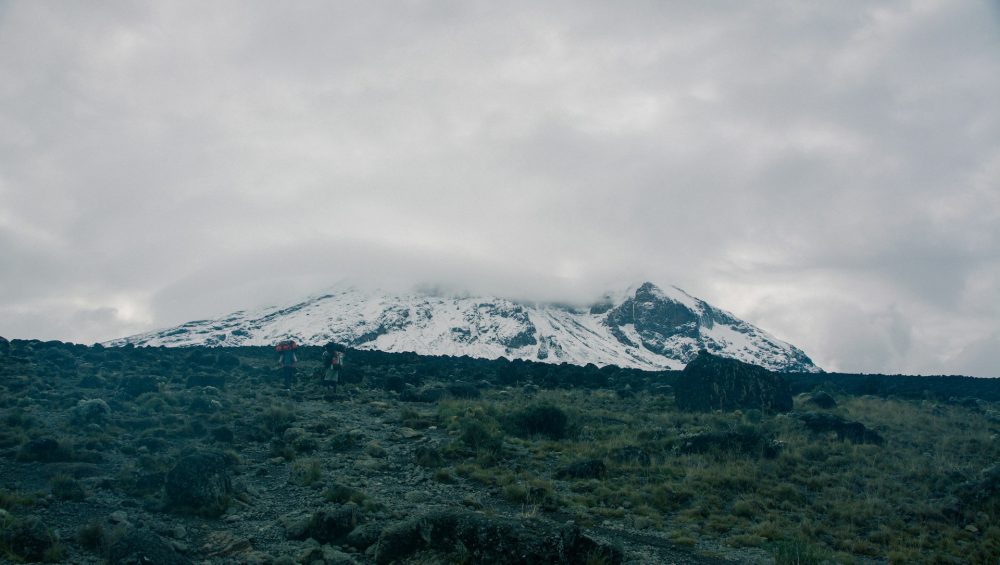
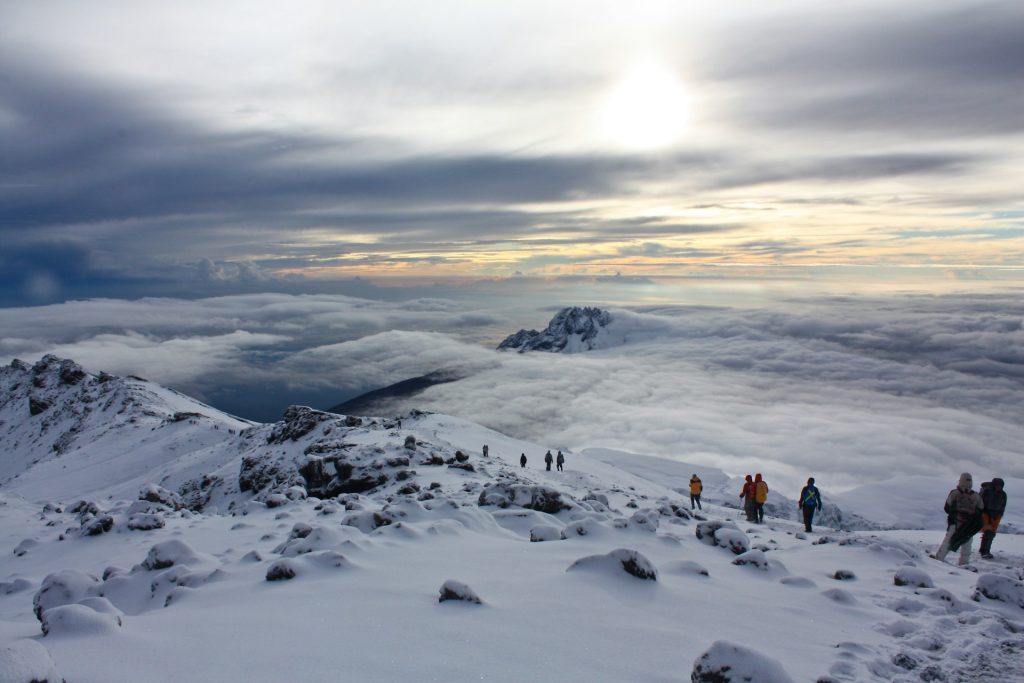
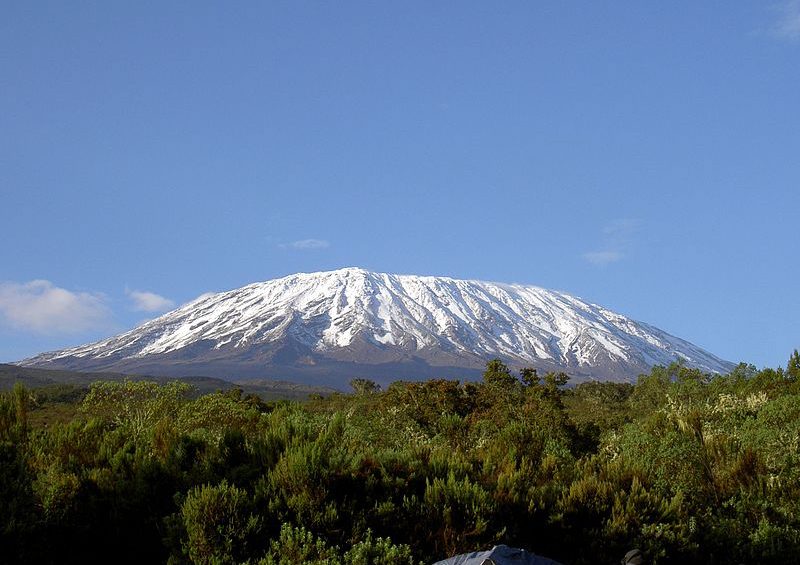
Snow-covered summit of Mount Kilimanjaro rising above clouds under a clear blue sky.

What Makes Kilimanjaro So Special?

Mount Kilimanjaro is one of the most famous mountains in the world because it offers much more than a normal trekking experience. The mountain combines adventure, natural beauty, personal achievement, and global recognition in a way that few destinations can match. Every year, thousands of trekkers travel from different countries to experience the challenge of standing on the highest point in Africa.

Unlike many other major mountains, Kilimanjaro is accessible to beginners while still feeling like a major accomplishment. The journey takes climbers through changing climate zones, unique landscapes, and high-altitude environments that create a memorable experience from the first day to the final summit push.

Kilimanjaro is one of the Seven Summits

One of the biggest reasons Mount Kilimanjaro is so special is because it is part of the famous Seven Summits challenge. The Seven Summits are the highest mountains on each continent, and many climbers dream of reaching all seven as a major life achievement.

The Seven Summits include:

  • Mount Everest in Asia
  • Aconcagua in South America
  • Denali in North America
  • Kilimanjaro in Africa
  • Mount Elbrus in Europe
  • Vinson Massif in Antarctica
  • Carstensz Pyramid or Mount Kosciuszko in Oceania

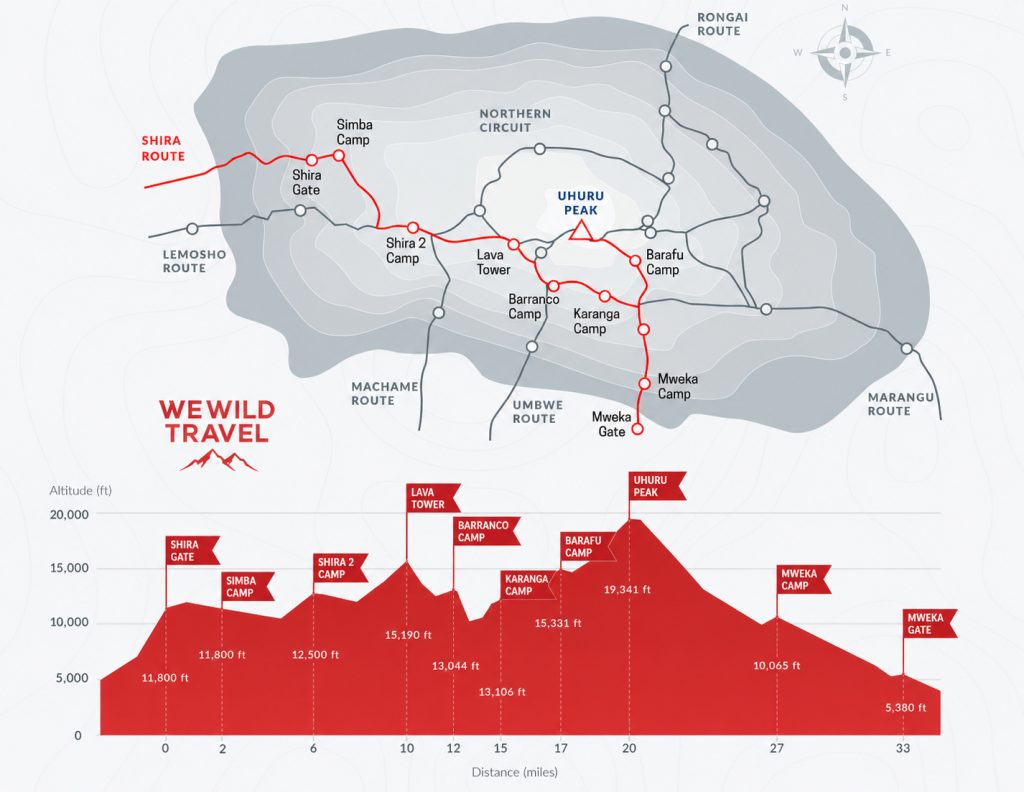
Kilimanjaro represents Africa in this challenge and stands at 5,895 meters (19,341 feet) above sea level. For many trekkers, climbing Kilimanjaro becomes their first experience with a Seven Summits mountain because it does not require technical mountaineering skills like ropes or ice climbing.

Even climbers who never plan to complete all Seven Summits still feel inspired by the idea of standing on the highest point in Africa. Reaching Uhuru Peak gives many trekkers a strong sense of pride and accomplishment because they are completing one of the world’s most famous mountain challenges.

Africa’s highest mountain attracts climbers worldwide

As the tallest mountain in Africa, Mount Kilimanjaro attracts climbers from all over the world every year. People travel to Tanzania from different countries, cultures, and backgrounds with the shared goal of reaching the summit.

Part of Kilimanjaro’s attraction comes from its unique location near the equator while still having snow and glaciers near the summit. This creates a rare environment where trekkers can experience warm rainforest conditions and freezing alpine temperatures within the same expedition.

The mountain also offers incredible scenery throughout the climb. Trekkers move through rainforest, moorland, alpine desert, and icy summit zones, making the experience visually different every day. Combined with sunrise views above the clouds and wide African landscapes, the climb feels unlike almost any other trekking destination in the world.

No technical climbing skills are required

Another reason Mount Kilimanjaro is so popular is that no technical mountaineering skills are required to reach the summit. Unlike mountains that require ropes, ice climbing, or advanced alpine training, Kilimanjaro is primarily a trekking mountain.

This means beginners can successfully climb it with proper preparation, physical training, and acclimatization. Climbers do not need previous mountaineering experience, which makes the mountain accessible to a much larger number of people.

However, even though technical climbing skills are not needed, the trek is still physically and mentally demanding because of altitude and long trekking days. Success depends more on pacing, endurance, hydration, and determination than technical ability. This balance between accessibility and challenge is one of the main reasons Kilimanjaro continues to attract so many trekkers worldwide.
Is Climbing Kilimanjaro Really Worth the Money?

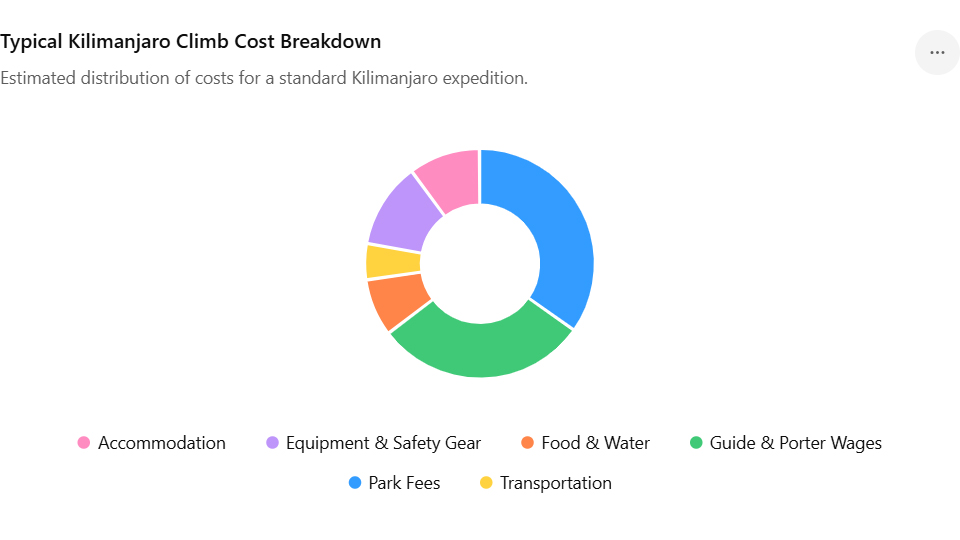
Many people planning to climb Mount Kilimanjaro ask whether the experience is truly worth the cost. Compared to regular vacations, a Kilimanjaro expedition can seem expensive because it includes park fees, guides, porters, accommodation, food, transportation, and safety support. At first, some trekkers focus mainly on the price, but after completing the climb, many realize the experience offers much more value than they expected.

Climbing Kilimanjaro is not simply paying for a mountain hike. The journey combines physical challenge, natural beauty, cultural interaction, and personal achievement into one life-changing experience. For many climbers, the memories and emotional rewards last much longer than the cost of the trip itself.

The experience is more valuable than the cost

For many trekkers, climbing Mount Kilimanjaro becomes one of the most meaningful experiences of their lives. Reaching Uhuru Peak after several days of trekking creates a strong sense of accomplishment that is difficult to compare with ordinary travel experiences.

The value of the climb comes from more than just the summit photo. Trekkers experience changing landscapes, high-altitude trekking, mountain camps, sunrise views, and the emotional journey of pushing beyond personal limits. Many climbers return home feeling more confident, motivated, and mentally stronger after the expedition.

People often spend money on temporary experiences, but Kilimanjaro creates memories and personal stories that remain meaningful for years. This is one reason many trekkers later say the climb was worth every dollar they spent.

What is included in a Kilimanjaro climb

A guided climb on Mount Kilimanjaro usually includes much more than many first-time trekkers expect. Most trekking packages cover park entry fees, professional guides, porter support, meals on the mountain, camping equipment, transportation, and accommodation before and after the trek.

The expedition also includes a full mountain crew that helps ensure safety and comfort during the climb. Porters carry equipment, cooks prepare meals, and guides monitor trekkers for altitude sickness while helping maintain a safe trekking pace.

When climbers understand how many services and people are involved in the expedition, the cost becomes easier to understand. A successful Kilimanjaro climb depends on a large support system working together behind the scenes.

Why cheap climbs can reduce the experience

Choosing the cheapest option for climbing Mount Kilimanjaro can sometimes reduce the overall quality and safety of the experience. Extremely low prices may mean lower-quality food, poor equipment, inexperienced guides, or unfair treatment of porters.

Cheap operators may also cut important services related to safety and acclimatization. This can increase discomfort during the climb and reduce summit success rates. In some cases, very low-cost companies overload porters or fail to provide proper gear and support for staff.

A well-organized expedition usually costs more because it includes experienced guides, ethical porter treatment, better meals, quality camping equipment, and safer trekking conditions. Many trekkers later realize that paying for a responsible operator improves both the climbing experience and overall peace of mind.

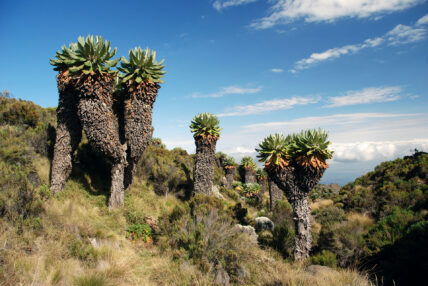
Unique giant groundsels thriving in Kilimanjaro's moorland zone beneath mountain peaks.

The Personal Achievement of Reaching the Summit

One of the biggest reasons people believe climbing Mount Kilimanjaro is worth it is the personal achievement that comes with reaching the summit. The journey is not only about hiking up a mountain it is about overcoming physical exhaustion, mental doubt, changing weather, and high altitude conditions over several days of trekking.

For many climbers, the experience becomes deeply emotional because the mountain pushes them outside their normal comfort zone. Every difficult step, cold night, and slow uphill section makes the final summit moment feel more meaningful. Reaching the top becomes proof that patience, preparation, and determination can lead to something extraordinary.

Standing on Uhuru Peak feels unforgettable

Reaching Uhuru Peak on Mount Kilimanjaro is one of the most unforgettable moments many trekkers ever experience. After days of climbing and a long summit night, standing at the highest point in Africa creates a powerful mix of relief, pride, excitement, and emotion.

Many climbers describe the summit as more emotional than expected. Some feel overwhelmed when they see the sunrise above the clouds, while others feel proud simply because they refused to give up during difficult moments on the mountain.

The atmosphere at the summit is unique because every person there has worked hard to reach the top. Whether someone is an experienced hiker or a beginner, arriving at Uhuru Peak feels like a major personal victory that stays in memory for years.

Mental and physical growth during the climb

Climbing Mount Kilimanjaro changes many people mentally and physically. The trek requires endurance, patience, and consistency over several days of walking at high altitude. Trekkers learn how to keep moving even when they feel tired, cold, or uncomfortable.

Physically, the climb improves stamina and teaches the body how to handle challenging environments. Mentally, the mountain teaches resilience and discipline because success often depends more on mindset than speed or strength.

Many trekkers return home with greater confidence after completing the climb. They realize they are capable of handling more challenges than they originally believed. This personal growth becomes one of the most valuable parts of the entire experience.

Completing a Seven Summit challenge milestone

For many climbers, reaching the summit of Mount Kilimanjaro feels even more meaningful because the mountain is part of the famous Seven Summits challenge. The Seven Summits are the highest mountains on each continent, and climbing one of them is considered a major achievement in the adventure world.

Kilimanjaro is often the first Seven Summit mountain people attempt because it does not require technical climbing skills. Even so, standing on the highest point in Africa still feels like completing something globally recognized and respected.

Some climbers continue toward other Seven Summits after Kilimanjaro, while others simply enjoy knowing they successfully climbed one of the world’s most famous mountains. Either way, reaching Uhuru Peak becomes a milestone that many people remember with pride for the rest of their lives.

The Scenery and Nature Are Unlike Anywhere Else

Yes, one of the biggest reasons climbing Mount Kilimanjaro is truly worth it is because the scenery and natural environments are unlike almost anywhere else in the world. Many trekkers expect the challenge of reaching the summit, but they are often surprised by how beautiful and diverse the mountain becomes throughout the journey. Every day on Kilimanjaro feels different because the landscapes, temperatures, vegetation, and views constantly change as you gain altitude.

Unlike many trekking destinations where the scenery remains mostly similar from start to finish, Kilimanjaro offers completely different environments within the same expedition. Trekkers can walk through humid rainforest, open moorland, rocky alpine desert, and icy summit landscapes in only a few days. This variety makes the climb feel much more exciting and rewarding because the environment never stays the same for long.

Nature is also one of the reasons many climbers describe Kilimanjaro as a life-changing experience. The peaceful mountain atmosphere, sunrise views, huge open landscapes, and quiet nights above the clouds create moments that feel very different from everyday life. For many people, these experiences become just as meaningful as reaching the summit itself.

Five climate zones in one mountain

One of the most fascinating things about Mount Kilimanjaro is that trekkers pass through five major climate zones during the climb. Very few mountains in the world offer such dramatic environmental changes over such a short distance.

The adventure usually starts in the rainforest zone near the lower slopes of the mountain. This area is warm, humid, and filled with thick vegetation, tall trees, birds, and sometimes monkeys. The trails can be muddy, especially during the rainy season, and many trekkers are surprised by how tropical the beginning of the climb feels.

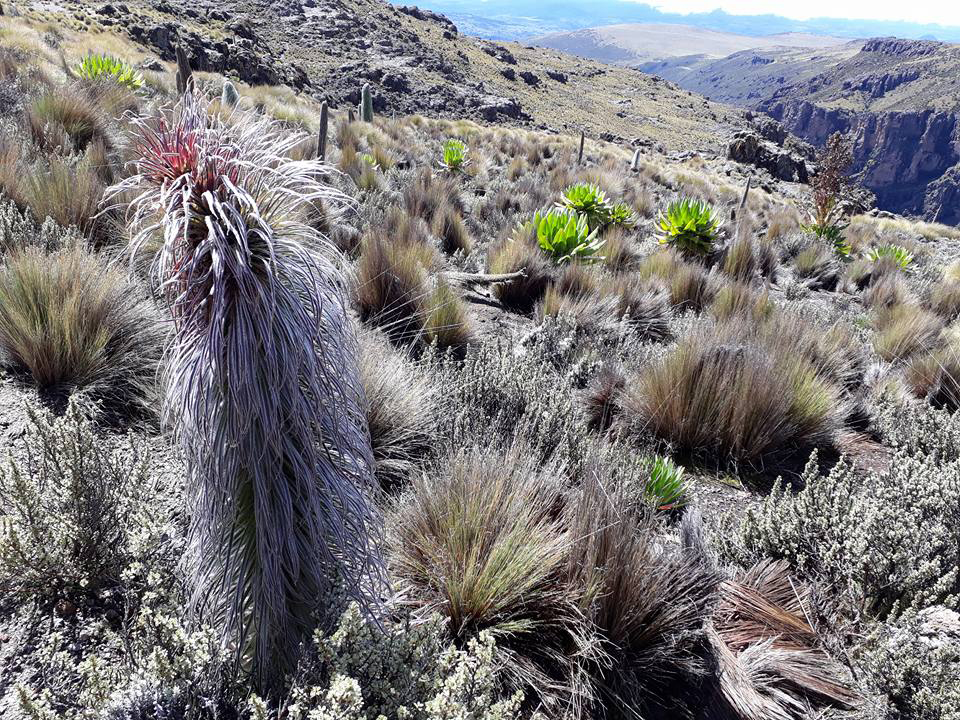
As climbers move higher, the rainforest slowly changes into moorland. This zone has cooler temperatures, open landscapes, and unusual plants such as giant groundsels and lobelias. The scenery becomes wider and more dramatic, with clearer views of the mountain and surrounding plains.

Higher on the mountain, trekkers enter the alpine desert zone. This environment feels dry, rocky, and harsh compared to the lower sections. Vegetation becomes very limited, temperatures drop significantly, and the landscape begins to feel more remote and extreme.

Near the summit, climbers reach the arctic zone where conditions become cold, windy, and icy. Snow and glaciers can still be seen near Uhuru Peak despite Kilimanjaro being located close to the equator. Experiencing all these climate zones during one expedition is one of the main reasons the mountain feels so unique and unforgettable.

Sunrise views above the clouds

The sunrise during summit morning on Mount Kilimanjaro is one of the strongest reasons many people believe the climb is worth every challenge. Most climbers begin the summit push around midnight, hiking slowly in darkness for several hours through cold and thin air.

Although summit night is physically demanding, the reward often comes just before reaching the top. As the sky begins to brighten, climbers can watch the sunrise appear above endless clouds stretching across the African landscape below. The colors slowly change from deep blue to orange and gold, creating a view that many trekkers describe as magical.

At such high altitude, the scenery feels completely different from normal mountain views. The silence, freezing air, glaciers, and early morning light create an atmosphere that is difficult to explain until experienced in person.

For many trekkers, this moment becomes emotional because it represents the reward after days of effort, exhaustion, and determination. Watching the sunrise near the summit reminds climbers why they started the journey in the first place. Even people who struggle during summit night often say the sunrise alone made the climb worthwhile.

Unique landscapes from rainforest to glacier

Another reason Mount Kilimanjaro feels so special is the incredible variety of landscapes found across the mountain. Few places in the world allow trekkers to move from tropical rainforest conditions to icy glaciers within the same expedition.

The lower slopes are filled with green forests, flowing water, and thick vegetation, while higher sections become rocky, dry, and almost moon-like in appearance. Some areas feel ancient and untouched, especially in the alpine desert where large volcanic rock formations dominate the landscape.

As climbers approach the summit area, the scenery changes once again into snow-covered sections with glaciers and freezing winds. Seeing ice and snow so close to the equator surprises many first-time visitors and makes the mountain feel even more extraordinary.

The constantly changing environment helps keep the trek interesting every single day. Instead of feeling repetitive, the climb feels like traveling through multiple worlds within one journey. This natural diversity is one of the biggest reasons so many trekkers consider Kilimanjaro one of the most rewarding mountains in the world.

Challenges That Make Kilimanjaro Worth It

Many people ask if climbing Mount Kilimanjaro is really worth it, and the answer often comes from the challenges themselves. The mountain is not just about beautiful views or reaching the summit it is about overcoming difficulty step by step. The physical and mental challenges are exactly what make the experience so meaningful and unforgettable.

What surprises many trekkers is that the hardest parts of the climb are not always about strength. Instead, they are about altitude, patience, mindset, and how well you adapt to changing conditions over several days.

Altitude makes the climb demanding

One of the biggest challenges on Mount Kilimanjaro is altitude. As you climb higher, the air becomes thinner and oxygen levels decrease. This makes your body work harder even when walking slowly or carrying a light daypack.

Many trekkers experience symptoms such as headache, tiredness, or shortness of breath, especially if they ascend too quickly. This is why acclimatization is very important on Kilimanjaro. The body needs time to adjust to the higher elevation in order to function properly.

Even physically fit people can struggle with altitude because fitness alone does not protect against it. This is why Kilimanjaro is often described as a “slow and steady” mountain where pacing and hydration are more important than speed or strength.

Summit night tests mental strength

Summit night on Mount Kilimanjaro is one of the most mentally challenging parts of the entire journey. Climbers usually start walking around midnight in darkness, cold temperatures, and strong winds. The goal is to reach Uhuru Peak before sunrise.

The climb during this time is slow and exhausting. The combination of altitude, cold weather, and fatigue can make the journey feel much longer than expected. Many trekkers describe it as a mental battle more than a physical one.

What helps most during summit night is focus and determination. Step by step progress, encouragement from guides, and the thought of reaching the top help climbers continue even when they feel tired. For many, this is the moment where they realize how strong they can be mentally.

Slow trekking teaches patience and endurance

Another important challenge on Mount Kilimanjaro is the slow trekking pace. Climbers are often surprised at how slowly they must walk, especially on steep sections. This pace is not accidental it is designed to help the body adjust to altitude and increase the chance of reaching the summit safely.

At first, many trekkers find slow walking frustrating because it feels too easy or too slow. However, over time, they learn that patience is a key part of success on the mountain. Moving slowly allows the body to conserve energy and reduces the risk of altitude sickness.

This slow rhythm also teaches mental endurance. Climbers learn to accept discomfort, stay calm, and focus on small steps instead of rushing. By the end of the journey, many trekkers realize that patience was one of the most important lessons they learned on Kilimanjaro.

Scenic view of Mount Kilimanjaro rewarding climbers after days of trekking.

Is Kilimanjaro Worth It for Beginners?

Many people wonder if climbing Mount Kilimanjaro is suitable for beginners, especially those who have never done a high-altitude trek before. The good news is that Kilimanjaro is one of the few major mountains in the world that can be successfully climbed without technical mountaineering experience. This makes it a popular choice for first-time trekkers who want a serious adventure challenge.

However, being a beginner-friendly mountain does not mean it is easy. Success depends on preparation, pacing, and choosing the right route. With the right mindset and support, many beginners reach the summit every year and describe it as one of the most rewarding experiences of their lives.

Many first-time trekkers reach the summit

A large number of people who climb Mount Kilimanjaro each year are first-time high-altitude trekkers. This shows that prior mountaineering experience is not required to reach Uhuru Peak.

What matters most is following a slow pace, staying hydrated, and listening to guides. Many beginners successfully reach the summit because the trekking routes are designed to support acclimatization and gradual ascent. This allows the body time to adjust to changing altitude conditions.

Even though it is physically and mentally challenging, Kilimanjaro remains achievable for beginners who are determined and well-prepared.

Preparation matters more than experience

On Mount Kilimanjaro, preparation is far more important than experience. A person who trains properly and understands altitude challenges often performs better than someone who is naturally fit but unprepared.

Good preparation includes endurance training, long hikes, stair climbing, and learning how to walk at a steady pace for many hours. Mental preparation is also important because climbers must stay positive during cold nights, slow trekking days, and altitude discomfort.

Beginners who prepare well often feel more confident and enjoy the journey more, which increases their chances of reaching the summit successfully.

Choosing the right route improves success

The choice of route on Mount Kilimanjaro plays a major role in whether beginners succeed. Longer routes such as Machame or Lemosho are often recommended because they provide better acclimatization time.

These routes allow climbers to ascend slowly, giving the body more time to adjust to high altitude. This reduces the risk of altitude sickness and improves summit success rates. Shorter routes may seem easier or cheaper, but they often feel rushed and can be more difficult for beginners.

Selecting the right route with an experienced operator greatly increases comfort, safety, and the overall enjoyment of the climb.

The Emotional Side of Climbing Kilimanjaro

One of the most powerful reasons climbing Mount Kilimanjaro is considered worth it is not just the physical challenge, but the emotional journey it creates. Many trekkers arrive expecting a tough hike, but they leave with something much deeper personal transformation, strong memories, and emotional growth that stays with them long after the climb ends.

The experience is filled with moments of struggle, joy, fatigue, and achievement. These emotions build up over several days and make reaching the summit feel far more meaningful than a normal travel experience. For many climbers, Kilimanjaro becomes a life story rather than just a trip.

Confidence after completing the climb

After successfully climbing Mount Kilimanjaro, many trekkers experience a strong boost in confidence. Reaching Uhuru Peak shows them that they are capable of handling difficult physical and mental challenges.

The climb requires persistence through altitude, cold temperatures, and long trekking days. Completing it gives climbers a sense of achievement that often changes how they view future challenges in life. Many return home feeling stronger, more focused, and more confident in their abilities.

This confidence is one of the biggest emotional rewards of the journey and is often mentioned as a reason why Kilimanjaro is “worth it.”

The bond created with guides and porters

Climbing Mount Kilimanjaro also creates a strong human connection between climbers, guides, and porters. These mountain crews support trekkers every step of the way, carrying equipment, preparing meals, and ensuring safety on the route.

Spending several days together in challenging conditions builds trust, teamwork, and friendship. Many climbers form deep respect for the porters and guides who make the journey possible, often describing them as the heart of the expedition.

This bond adds emotional value to the climb because it turns the experience into a shared journey rather than an individual achievement.

Memories that last a lifetime

The emotional memories created on Mount Kilimanjaro stay with climbers long after they return home. From early morning starts and difficult summit pushes to sunrise views above the clouds, each moment becomes part of a powerful life story.

Many trekkers remember not just the summit, but also the laughter in camps, the support from guides, and the feeling of pushing through personal limits. These memories often become highlights of their lives and are shared for years afterward.

This lasting emotional impact is one of the strongest reasons people say Kilimanjaro is truly worth climbing.

Common Reasons Some People Regret the Climb

Even though climbing Mount Kilimanjaro is one of the most rewarding adventures in the world, some trekkers still say they regret it afterward. However, in most cases, the regret does not come from the mountain itself it comes from poor planning, wrong expectations, or lack of understanding before the climb. When people are well-prepared, Kilimanjaro is usually an unforgettable and positive experience.

Below are the most common reasons why some climbers feel disappointed and how these problems can be avoided.

Poor preparation before the trek

The biggest reason people regret climbing Mount Kilimanjaro is simple: they were not properly prepared. Many trekkers think it is just a long hike, but in reality it is a high-altitude expedition that lasts several days. Without preparation, even basic trekking becomes very difficult.

Some climbers arrive without enough physical training, so long walking days feel exhausting. Others do not prepare mentally for slow pacing, cold nights, or simple mountain living conditions like limited showers and basic camps. This can lead to frustration and discomfort during the climb.

Altitude is also part of preparation. If climbers do not understand how altitude affects the body, they may feel surprised by headaches, fatigue, or loss of appetite. Proper preparation does not need to be extreme, but it should include hiking practice, endurance training, and learning about altitude before arriving in Tanzania.

Choosing low-quality operators

Another major reason for regret on Mount Kilimanjaro is booking with low-quality or irresponsible trekking companies. Some operators offer very cheap prices, but they reduce costs in ways that affect the whole experience.

This can include poor-quality food, old or unsafe camping equipment, inexperienced guides, or unfair treatment of porters. When the support team is not well organized, the entire climb becomes stressful and less enjoyable.

A good operator plays a huge role in your success on the mountain. Professional guides help with pacing, altitude monitoring, and safety decisions. Ethical companies also ensure that porters are treated fairly and that the expedition runs smoothly from start to finish. Choosing the wrong operator can turn an amazing adventure into a difficult and frustrating experience.

Underestimating altitude and weather

Many trekkers also regret their climb on Mount Kilimanjaro because they underestimate how extreme the altitude and weather can be. The mountain is close to the equator, but conditions change dramatically as you go higher.

At lower levels, it can feel warm or rainy, especially in the rainforest zone. However, as climbers ascend, temperatures drop quickly, and near the summit it can become extremely cold with strong winds and even snow. This surprise in weather conditions often makes climbers feel unprepared.

Altitude is even more challenging than weather. The air becomes thinner as you climb, meaning your body receives less oxygen. This can lead to tiredness, slower movement, and altitude-related symptoms. Even very fit people can struggle if they ignore acclimatization rules.

When climbers understand altitude and weather before starting the journey, they are much better prepared mentally and physically, which greatly reduces the chance of regret.

Why Responsible Climbing Makes the Experience Better

Climbing Mount Kilimanjaro becomes far more meaningful when it is done responsibly. Responsible climbing is not only about reaching the summit it is about how the journey affects the people who make the expedition possible and the environment around the mountain. When trekkers choose ethical operators and behave responsibly, the entire experience becomes safer, smoother, and more rewarding.

Many climbers realize after the trip that the quality of their experience depends heavily on responsibility, not just price or equipment. Ethical tourism creates a positive impact for everyone involved.

Ethical treatment of porters matters

One of the most important parts of responsible trekking on Mount Kilimanjaro is the fair treatment of porters. Porters are the backbone of every expedition because they carry equipment, set up camps, and support climbers throughout the journey.

When porters are treated ethically, they receive fair pay, safe working conditions, proper food, and reasonable weight limits. This improves their health, motivation, and overall performance on the mountain. In return, climbers benefit from better support, smoother logistics, and a more professional trekking experience.

Ignoring porter welfare can lead to overworked staff and unsafe conditions, which negatively affects the entire expedition.

Responsible tourism supports local communities

Responsible tourism on Mount Kilimanjaro plays a major role in supporting local communities. Thousands of people in Tanzania depend on trekking tourism for their income, including guides, porters, cooks, drivers, and hotel workers.

When climbers choose ethical companies, they help ensure that money from tourism is distributed fairly. This supports families, improves living standards, and creates stable jobs in nearby towns like Moshi and Arusha.

Responsible tourism also encourages long-term development. Instead of short-term profit, it focuses on sustainability, ensuring that future generations can continue benefiting from Kilimanjaro tourism.

Good operators improve safety and comfort

Choosing a good trekking company on Mount Kilimanjaro greatly improves both safety and comfort during the climb. Experienced operators provide trained guides who understand altitude, weather changes, and emergency situations.

They also ensure that climbers have proper meals, clean water, quality camping equipment, and well-organized logistics throughout the expedition. This reduces stress and allows trekkers to focus on enjoying the journey instead of worrying about basic needs.

Good operators also follow proper acclimatization schedules, which increases summit success rates and reduces the risk of altitude sickness. In the end, responsible operators make the entire Kilimanjaro experience safer, more comfortable, and more enjoyable from start to finish.

FAQ – Is Climbing Kilimanjaro Worth It?

Many people considering climbing Mount Kilimanjaro have similar questions before booking their trip. These FAQs help you understand the real challenge, cost, and success chances so you can decide if the experience is right for you.

Is Kilimanjaro harder than expected?

Yes, for many trekkers climbing Mount Kilimanjaro is harder than they expect, not because of technical difficulty, but because of altitude. The slow pace, long trekking days, cold nights, and summit night challenge many people mentally and physically.

Even fit hikers can struggle if they underestimate altitude effects like fatigue, headaches, and shortness of breath. However, with proper preparation, hydration, and pacing, most people are able to complete the climb successfully.

Is Kilimanjaro worth it for beginners?

Yes, Mount Kilimanjaro is one of the best high-altitude mountains in the world for beginners. No technical climbing skills are required, so first-time trekkers can reach the summit with proper training and preparation.

Many beginners succeed every year because the routes are designed for gradual acclimatization. The key is choosing the right route, moving slowly, and listening carefully to guides. Beginners who prepare well often find the experience extremely rewarding.

How much does climbing Kilimanjaro cost?

The cost of climbing Mount Kilimanjaro varies depending on the route, number of days, and quality of the tour operator. On average, a safe and ethical climb typically costs between $1,800 and $4,000+.

This price usually includes park fees, guides, porters, food, camping equipment, and transport. Very cheap packages may cut important services, which can affect safety and porter welfare. Paying a fair price usually means a better and safer experience.

What is the hardest part of the climb?

The hardest part of climbing Mount Kilimanjaro is usually summit night. Climbers start walking around midnight in cold, dark, and low-oxygen conditions, aiming to reach Uhuru Peak before sunrise.

The combination of altitude, exhaustion, and freezing temperatures makes this section very challenging. However, most trekkers find that slow pacing, mental strength, and guide support help them push through to the summit.

How many people reach the summit?

On Mount Kilimanjaro, summit success rates vary depending on the route and number of days. On average, around 60% to 85% of climbers reach Uhuru Peak.

Longer routes with better acclimatization have higher success rates, while shorter routes are more challenging. Success depends heavily on pacing, hydration, preparation, and choosing a good operator rather than just fitness level.

Final Thought

Yes, climbing Mount Kilimanjaro is truly worth it for most trekkers because it is much more than just reaching a mountain summit. It is a full journey that combines physical challenge, mental strength, and emotional growth in a way that very few adventures in the world can offer.

For many people, the experience becomes a personal transformation. You learn patience during slow trekking, resilience during altitude challenges, and confidence when pushing through summit night. Reaching Uhuru Peak is not just about standing on the highest point in Africa it is about proving to yourself that you can overcome limits you once thought were impossible.

Kilimanjaro is also part of the famous Seven Summits challenge, which makes the achievement even more meaningful on a global scale. Even if you are not planning to climb all seven mountains, standing on one of them still feels like a major life milestone.

Most importantly, the experience creates unforgettable memories. From sunrise views above the clouds to the bond formed with guides and porters, every moment becomes part of a story that lasts a lifetime.

If you are planning your adventure, choosing a responsible and experienced operator like WeWild Travel can make your journey safer, more organized, and even more rewarding.

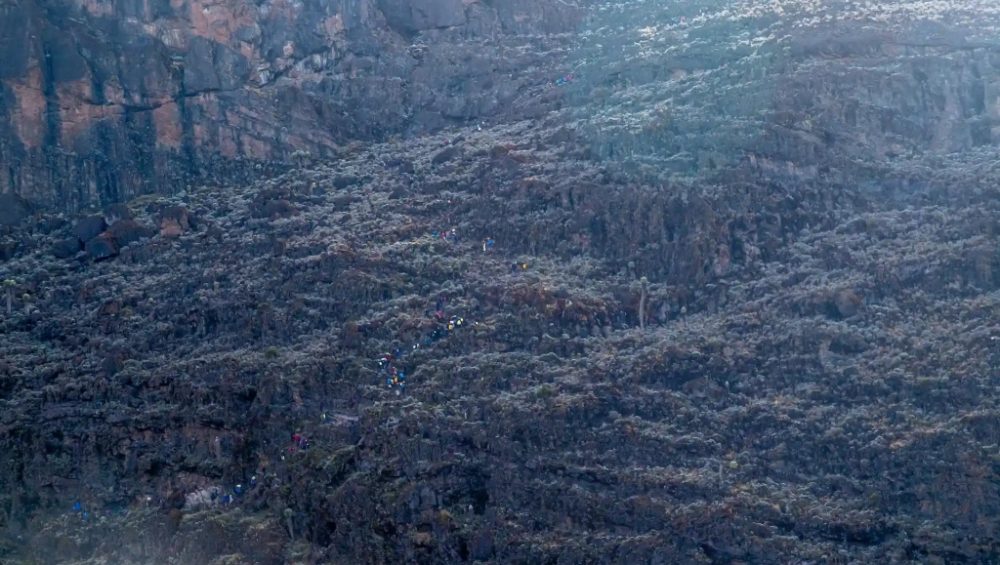
How to Climbing Kilimanjaro without Exploiting the Porters showing ethical trekking support team on Mount Kilimanjaro

How to Climbing Kilimanjaro without Exploiting the Porters

Climbing Mount Kilimanjaro is a dream adventure for many trekkers, but behind every successful summit there is a hardworking team of porters who make the journey possible. Ethical Kilimanjaro Climbing: How to Summit Without Exploiting Porters is about understanding that reaching the top of Africa should never come at the cost of unfair treatment, low wages, or unsafe working conditions for the people supporting your climb.

Many first-time climbers focus only on preparation, gear, and fitness, but they often do not think deeply about how trekking companies treat their mountain crews. Porters carry heavy loads, set up tents, transport food, and support climbers every single day in challenging high-altitude conditions. Without them, most expeditions would not be possible. However, not all companies follow fair standards, and some workers may face overloading, poor pay, or lack of proper equipment.

This guide explains how you can climb Kilimanjaro responsibly while protecting porter rights and supporting ethical tourism. You will learn how to choose the right trekking operator, what fair treatment looks like on the mountain, and how your decisions as a traveler can make a positive difference. Ethical climbing is not just about reaching Uhuru Peak it is about respecting the people who help you get there and ensuring that your adventure contributes to a better and fairer trekking industry in Tanzania.

Why Ethical Climbing Matters on Kilimanjaro

Ethical climbing on Mount Kilimanjaro is important because every trekking experience depends on the people working behind the scenes, especially porters and guides. When climbers choose ethical practices, they are not only improving their own journey but also protecting the dignity, safety, and livelihoods of the mountain crew who make the expedition possible. Responsible tourism ensures that success on the summit is shared fairly by everyone involved.

Understanding ethical climbing also helps trekkers make better decisions when choosing tour operators. It encourages respect for local workers, fair wages, and safe working conditions, which directly improve the quality and safety of the entire expedition.

Porters are the backbone of every expedition

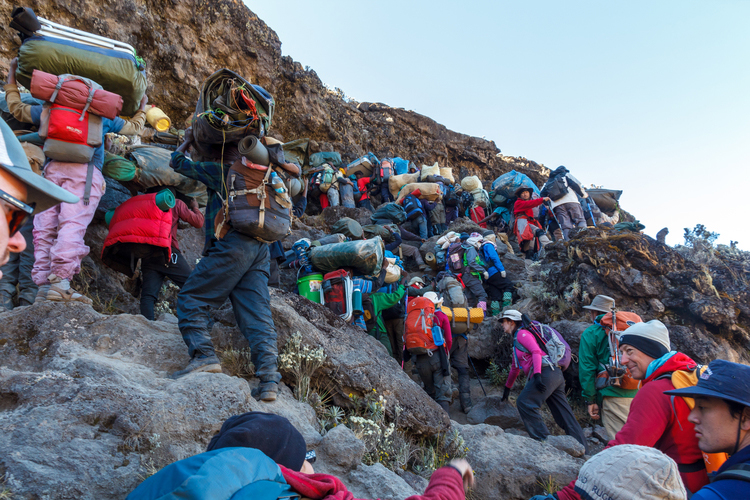
Kilimanjaro porter carrying trekking gear along a mountain trail during a guided climb.

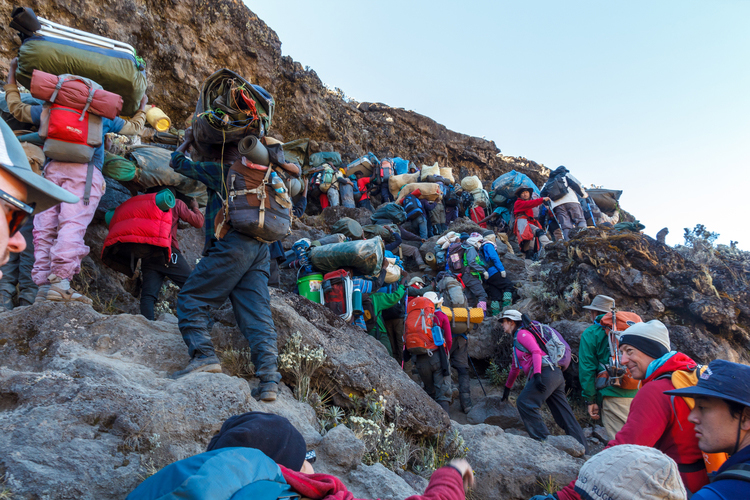
Porters are the most essential part of any climb on Mountain Kilimanjaro because they carry the heavy equipment that allows trekkers to move comfortably with only a small daypack. They transport tents, food, cooking supplies, and climbing gear across long and difficult mountain routes, often under challenging weather conditions.

Without porters, it would be nearly impossible for most climbers to complete the expedition safely or comfortably. They arrive at camps before trekkers, set up tents, prepare meals, and ensure everything is ready for rest and recovery. Their work is physically demanding, requiring strength, endurance, and consistency over several days at high altitude.

Recognizing porters as the backbone of the expedition helps trekkers understand that Kilimanjaro is not a solo achievement it is a team effort where every role matters equally.

Fair treatment improves safety and success

Fair treatment of porters and guides on Mount Kilimanjaro directly improves the safety and success of every climb. When workers are well-paid, properly equipped, and not overloaded, they can perform their duties more effectively and with greater energy throughout the expedition.

Ethical treatment also creates a more stable and motivated team. Guides can focus better on monitoring climbers’ health, managing pace, and responding to altitude-related challenges when they are supported by a well-treated crew. This improves overall group safety and increases summit success rates.

In contrast, unfair conditions can lead to fatigue, stress, and reduced performance, which may negatively affect the entire trekking experience. Ethical practices ensure that everyone on the mountain from climbers to porters works in a safe and supportive environment.

Tourism impacts local livelihoods in Tanzania

Tourism on Mount Kilimanjaro plays a major role in supporting local communities and the national economy. Thousands of people in Tanzania depend on trekking tourism for their income, including porters, guides, cooks, drivers, and hotel staff.

When climbers choose ethical tour operators, they help ensure that this income is distributed fairly and sustainably. Fair wages and proper working conditions allow workers to support their families, improve their quality of life, and continue working in the tourism industry with dignity.

Responsible tourism also helps preserve the long-term future of Kilimanjaro trekking. By supporting fair practices today, travelers contribute to a healthier, safer, and more sustainable industry that benefits both visitors and local communities for years to come.

Understanding Porter Working Conditions

To climb Mount Kilimanjaro ethically, it is important to first understand what life and work are like for porters on the mountain. Porters are the people who make the expedition possible by carrying equipment, setting up camps, and supporting trekkers every day. Their working conditions can be very demanding because they operate in high altitude, changing weather, and physically challenging terrain. Understanding their reality helps climbers make better, more responsible decisions when choosing a trekking company.

What porters carry and do daily

Porters on Mount Kilimanjaro carry essential expedition supplies such as tents, cooking equipment, food, water containers, sleeping gear, and climbers’ duffel bags. While trekkers walk with only a small daypack, porters often carry heavy loads across long distances each day.

Their work begins early in the morning and continues until camp is fully set up for the climbers’ arrival. They are responsible for pitching tents, organizing sleeping areas, preparing dining spaces, and ensuring all equipment is ready for use. In many cases, they also assist with cooking and cleaning camp areas.

This daily routine requires strength, endurance, and discipline, especially because it is repeated for several days at high altitude.

Common challenges they face on the mountain

Porters working on Mount Kilimanjaro face many physical and environmental challenges. One of the biggest difficulties is carrying heavy loads in thin air, especially at higher elevations where oxygen levels are low. This makes physical effort more tiring and increases fatigue over time.

Weather is another major challenge. Porters work in rain, strong sun, cold temperatures, and sometimes snow near the upper zones of the mountain. They must continue working regardless of conditions to ensure camps are ready for climbers.

Long working hours, limited rest, and repeated multi-day climbs can also affect their physical well-being. Despite these challenges, porters continue to support expeditions with dedication and resilience.

Why fair pay and limits matter

Fair pay and reasonable weight limits are essential for porters on Mount Kilimanjaro because they directly affect health, safety, and overall working conditions. When porters are paid fairly, they can support their families and continue working in the tourism industry with dignity.

Weight limits are equally important because carrying excessive loads increases the risk of injury, exhaustion, and long-term health problems. Ethical trekking companies set clear rules to ensure porters are not overloaded and have enough time to rest during the expedition.

When fair pay and proper limits are respected, the entire trekking system becomes safer and more sustainable. It also ensures that climbers are supported by a healthy, motivated, and well-treated team throughout their journey.

How to Choose an Ethical Kilimanjaro Operator

Choosing the right trekking company for Mount Kilimanjaro is one of the most important steps in ensuring your climb is ethical and responsible. A good operator not only helps you reach the summit safely but also ensures that porters and guides are treated fairly throughout the expedition. Many first-time trekkers focus only on price or itinerary, but ethical choices have a long-term impact on the people who make the climb possible.

A responsible operator will prioritize fair wages, safe working conditions, proper equipment, and reasonable loads for porters. They will also follow guidelines that protect both workers and climbers during the trek.

Guided Kilimanjaro porter carrying supplies on hiking trail in Tanzania mountains.

Look for KPAP or responsible certifications

One of the best ways to identify an ethical company on Mount Kilimanjaro is to check whether they are affiliated with KPAP (Kilimanjaro Porters Assistance Project) or other recognized responsible tourism organizations. These certifications show that the company follows strict standards for porter treatment, including fair pay, proper food, and safe working conditions.

KPAP also monitors trekking companies to ensure that porters are not overloaded and that their rights are respected throughout the expedition. When a company is certified, it gives trekkers more confidence that their climb supports ethical tourism practices.

Check porter salary and welfare policies

Before booking a climb on Mount Kilimanjaro, it is important to ask how the company treats its porters financially and socially. Ethical operators clearly explain how much porters are paid, whether tips are fairly distributed, and what additional benefits are provided.

Good companies also offer proper meals, sleeping equipment, and protective clothing for their staff. They ensure that porters have access to clean water, safe camping conditions, and medical support when needed.

Understanding these policies helps trekkers avoid companies that prioritize profit over people. Transparency is a strong sign of responsible tourism.

Avoid extremely cheap tour operators

While low prices may seem attractive when planning a trip to Mount Kilimanjaro, extremely cheap tour operators often cut costs in ways that affect porter welfare and safety. This can include underpaying staff, overloading porters, or reducing the quality of food and equipment provided on the mountain.

Ethical trekking requires proper resources to support both climbers and the crew. If a price seems unusually low compared to other operators, it may be a sign that corners are being cut somewhere in the system.

Choosing a fairly priced operator ensures that everyone involved in the expedition is treated with respect and that your climb contributes positively to local livelihoods and sustainable tourism.

Signs of Unethical Trekking Companies

When planning a climb on Mount Kilimanjaro, it is very important to recognize warning signs of unethical trekking companies. Not all operators follow responsible tourism standards, and some may prioritize profit over the safety and well-being of their staff. Understanding these signs helps trekkers avoid supporting harmful practices and choose companies that treat porters and guides fairly.

Ethical awareness is not just about personal experience it also protects the people who work hard behind the scenes to make the climb possible. Spotting unethical behavior early can help you make better booking decisions.

Overloaded porters

One of the clearest signs of an unethical operator on Mount Kilimanjaro is when porters are carrying excessively heavy loads. Every porter should have a reasonable weight limit to protect their health and safety, but some companies ignore these rules to reduce costs.

Overloading porters can lead to serious physical strain, injuries, and exhaustion, especially at high altitude where oxygen levels are already low. Ethical companies carefully manage weight distribution and ensure that each porter carries a safe and fair load.

If you notice porters struggling with very heavy bags or carrying more than expected, it may indicate that the company is not following responsible guidelines.

Poor food or equipment for staff

Another warning sign on Mount Kilimanjaro is when porters and guides are not provided with proper food, clothing, or equipment. Ethical trekking companies ensure that their staff receive nutritious meals, warm clothing, and adequate camping gear to survive and work comfortably in mountain conditions.

Unethical operators may reduce costs by giving staff low-quality food, insufficient gear, or outdated equipment. This not only affects their health but also reduces their ability to support climbers effectively during the expedition.

Good treatment of staff is a strong indicator of a responsible company, while poor conditions often reflect a lack of care for the people behind the climb.

Hidden costs or unclear pricing

Hidden costs or unclear pricing structures are another sign of unethical trekking companies on Mount Kilimanjaro. Some operators advertise very low prices but later add unexpected fees for essentials such as park permits, equipment, or staff wages.

In some cases, unclear pricing can also mean that money intended for porters is reduced or not distributed fairly. Ethical companies provide transparent pricing that clearly explains what is included in the package and how funds are used.

Clear communication and honest pricing are key signs of a trustworthy operator. If details are vague or constantly changing, it is often better to choose a more transparent and responsible company.

How You Can Support Porters as a Climber

When climbing Mount Kilimanjaro, every trekker has a responsibility not only to reach the summit but also to support the porters and guides who make the journey possible. Ethical climbing is not only about choosing the right company it is also about how you behave and the decisions you make during the expedition. Small actions from climbers can greatly improve the working conditions and experience of the mountain crew.

Supporting porters ensures that your adventure contributes positively to local livelihoods and promotes fair treatment throughout the trekking industry.

Kilimanjaro porter carrying trekking gear along a mountain trail during a guided climb.

Tip fairly and respectfully

Tipping is an important part of trekking culture on Mount Kilimanjaro because it directly supports the income of porters, guides, and cooks. While wages are provided by tour operators, tips are often a significant part of their total earnings.

Tipping fairly means recognizing the effort and hard work each crew member puts into the expedition. Porters carry heavy loads, guides ensure safety, and cooks prepare meals under challenging conditions. A fair and respectful tip shows appreciation for their dedication and helps improve their livelihoods.

It is also important that tipping is done transparently, usually organized through the guide at the end of the climb, so that distribution is fair among the entire team.

Pack responsibly and avoid overloading

Responsible packing on Mount Kilimanjaro helps reduce unnecessary strain on porters. Even though trekkers only carry a daypack, the total weight of duffel bags and equipment still affects the workload of the support team.

Avoid bringing unnecessary items and try to keep your gear as light and efficient as possible. Overpacking increases the load that porters must carry, which can lead to fatigue and discomfort during the climb.

Packing responsibly is a simple but powerful way to show respect for the people who are physically supporting your journey up the mountain.

Respect staff and follow guide instructions

Respecting guides and porters on Mount Kilimanjaro is essential for both safety and ethical trekking. Guides are highly experienced professionals who understand altitude, weather conditions, and route safety. Following their instructions helps ensure a smooth and successful climb.

Respect also means treating staff with kindness, patience, and appreciation. The mountain environment is challenging for everyone, and positive communication creates a better atmosphere for the entire team.

By listening to guides and respecting the crew, climbers contribute to a safer expedition and a more supportive working environment for all involved.

Responsible Tourism Benefits Everyone

Responsible tourism on Mount Kilimanjaro is not only about protecting porters and guides, it also improves the overall experience for climbers and supports the long-term future of trekking in Tanzania. When travelers choose ethical operators and respect local working conditions, the benefits are shared by everyone involved in the journey.

This approach ensures that climbing Kilimanjaro remains safe, sustainable, and meaningful for both visitors and local communities.

Better trekking experience for climbers

When trekking is done responsibly on Mount Kilimanjaro, climbers often enjoy a smoother, safer, and more organized experience. Ethical operators provide well-trained guides, properly equipped porters, and structured itineraries that prioritize acclimatization and safety.

This leads to better pacing, improved meal quality, reliable camping setups, and stronger support during difficult sections of the climb. Climbers also benefit emotionally, knowing that their journey is not harming the people who support it.

A well-managed expedition creates more comfort, less stress, and a higher chance of reaching the summit successfully.

Sustainable jobs for local communities

Responsible tourism on Mount Kilimanjaro plays a major role in creating stable and fair employment for local communities. Thousands of people depend on trekking tourism, including porters, guides, cooks, drivers, and hotel staff in nearby towns like Moshi and Arusha.

When tourists choose ethical companies, they help ensure that these jobs provide fair wages, safe working conditions, and long-term stability. This allows families to depend on tourism income in a sustainable way.

It also strengthens the local economy and reduces exploitation, making tourism a positive force for development in the region.

Protecting future Kilimanjaro trekking culture

Sustainable tourism on Mount Kilimanjaro helps protect the future of the mountain trekking industry. If ethical standards are ignored, poor working conditions and environmental damage could harm the reputation and sustainability of the route.

By supporting responsible operators, climbers help maintain high standards of safety, environmental care, and fair treatment of workers. This ensures that future generations of travelers can still enjoy a safe, well-managed, and respectful climbing experience.

Protecting Kilimanjaro trekking culture means preserving both the natural environment and the human systems that make the journey possible.

FAQ – Ethical Kilimanjaro Climbing

Climbing Mount Kilimanjaro raises many questions about how trekking companies operate and how porters are treated. This FAQ section helps clarify the most important concerns so climbers can make informed, responsible decisions before booking their expedition. Understanding these answers will help you choose ethical operators and support fair treatment throughout your journey.

Do all companies treat porters fairly?

No, not all companies treat porters fairly on Mount Kilimanjaro. While many operators follow responsible tourism standards, some still cut costs by underpaying staff, overloading porters, or providing poor equipment. This is why it is important for climbers to research companies carefully before booking. Ethical operators are usually transparent about wages, working conditions, and porter welfare policies. Choosing the right company makes a big difference in ensuring fair treatment.

How can I check if a tour is ethical?

You can check if a trekking company is ethical on Mount Kilimanjaro by looking for certifications like KPAP (Kilimanjaro Porters Assistance Project). These organizations monitor companies to ensure fair treatment of porters and guides. You should also check if the company clearly explains porter salaries, weight limits, and working conditions. Reviews from past climbers can also give insight into how staff are treated. If a company is transparent and open about its policies, it is usually a good sign of ethical practice.

What is fair tipping on Kilimanjaro?

Fair tipping on Mount Kilimanjaro depends on the length of the trek and the size of the support team, but it is an important part of supporting porters and guides. Tips are usually shared among the crew, including guides, cooks, and porters. A fair tip recognizes the effort and hard work they put into making the climb safe and successful. Most ethical companies provide tipping guidelines at the end of the trek to ensure fair and transparent distribution.

Are porters trained and insured?

Yes, many porters working on Mount Kilimanjaro receive basic training and safety instruction, especially when working with ethical trekking companies. Training often includes safety procedures, load management, and mountain awareness. Insurance coverage is also provided by responsible operators to protect porters in case of injury or illness during the climb. However, this is not universal, which is why choosing a certified and ethical company is very important. Supporting well-trained and insured porters helps improve safety and ensures better working conditions throughout the expedition.

Final Thought

Ethical climbing on Mount Kilimanjaro is not only about reaching Uhuru Peak it is about understanding the human effort behind every successful expedition. When climbers choose responsible operators, they help ensure that porters and guides are treated fairly, paid properly, and supported in safe working conditions.

This approach does not reduce the quality of the adventure in fact, it improves it. Ethical trekking teams are often better organized, more professional, and more focused on safety, which creates a smoother and more enjoyable experience for climbers. At the same time, it ensures that the journey contributes positively to local communities who depend on tourism for their livelihood.

In the end, reaching the summit feels even more meaningful when you know your climb respected the people who made it possible.

What I Wish I Knew Before Climbing Kilimanjaro trekking journey showing mountain challenges and altitude experience

What I Wish I Knew Before Climbing Kilimanjaro

Introduction

What I wish I knew before climbing Kilimanjaro is that reaching the summit of Mount Kilimanjaro is possible for many people, even beginners, but proper preparation matters far more than most trekkers expect. Before my climb, I thought physical fitness would be the biggest challenge. What I later realized is that altitude plays a much bigger role than strength alone. The mountain tests your breathing, energy, patience, and mental endurance in ways many first-time climbers do not fully understand before arriving in Tanzania.

One of the biggest surprises about Kilimanjaro is how quickly conditions change during the trek. You move from warm rainforest trails to freezing summit temperatures within just a few days. Many climbers underestimate how important acclimatization, hydration, proper gear, and slow pacing truly are. Even experienced hikers can struggle if they climb too fast or ignore early altitude symptoms.

Another thing I wish I understood earlier is that climbing Kilimanjaro is not just a physical journey it is also a mental challenge. Summit night can feel long, cold, and exhausting, especially when hiking in darkness at high altitude. Small things like staying positive, drinking enough water, and listening carefully to guides become extremely important during difficult moments on the mountain.

At the same time, Kilimanjaro is one of the most rewarding adventures in the world. The scenery, changing landscapes, mountain camps, and final sunrise at Uhuru Peak create an unforgettable experience. In this guide, I will share the biggest lessons, mistakes, and useful advice I wish I knew before climbing Kilimanjaro, including altitude tips, route choices, packing mistakes, hydration, mental preparation, and what first-time trekkers often underestimate before starting the journey.

Kilimanjaro Is Harder Than Most People Expect

Many people think climbing Mount Kilimanjaro is simply a long hike, but the reality is much more challenging than most first-time trekkers expect. Before starting the climb, many beginners focus mainly on fitness and assume that being physically strong is enough to reach the summit. What surprises many climbers is that Kilimanjaro tests much more than muscles and stamina. The mountain challenges your breathing, mental strength, energy management, sleep, and ability to adapt to high altitude.

Unlike shorter mountain hikes, Kilimanjaro involves several consecutive days of trekking while sleeping at increasing elevation. The higher you go, the less oxygen your body receives. Even simple activities like walking slowly, eating meals, or sleeping can start to feel harder at high altitude. This is why many experienced hikers are surprised by how difficult the mountain can become near the summit.

At the same time, Kilimanjaro is still achievable for many trekkers when approached correctly. Understanding the real challenges before the expedition helps climbers prepare mentally and physically for the journey ahead.

Altitude is the biggest challenge

The biggest challenge on Mount Kilimanjaro is not steep trails or technical climbing. The real challenge is altitude. As trekkers climb higher, oxygen levels become lower, making it harder for the body to function normally. Many people do not realize how much altitude can affect them until they personally experience it on the mountain.

Before climbing Kilimanjaro, many trekkers believe physical fitness alone guarantees summit success. In reality, even strong athletes can struggle with altitude sickness because the body reacts differently at high elevation. Symptoms can include headaches, nausea, dizziness, loss of appetite, tiredness, and difficulty sleeping. These problems can appear even when trekking slowly and following proper preparation.

One important lesson many climbers learn too late is that altitude affects everyone differently. Some people feel strong during the first days but become exhausted near the summit, while others adjust more easily. This is why acclimatization is extremely important. Choosing longer routes like the Machame Route or Lemosho Route gives the body more time to adapt to changing oxygen levels.

Hydration, slow pacing, rest, and listening to guides all play a major role in managing altitude safely. Most successful climbers understand that respecting the mountain and allowing the body to adjust gradually is far more important than trying to move quickly.

Summit night is mentally demanding

Before climbing Kilimanjaro, many trekkers imagine summit night as an exciting final push to the top. While reaching the summit is an unforgettable experience, the reality of summit night is often much harder than expected. For many climbers, it becomes the most physically and mentally difficult part of the entire expedition.

Summit night usually begins around midnight in freezing temperatures and complete darkness. Trekkers spend several hours walking slowly uphill while dealing with cold wind, exhaustion, and thin air. At high altitude, even small movements require extra effort because the body receives less oxygen. Simple actions like breathing, drinking water, or adjusting clothing can suddenly feel tiring.

The mental challenge becomes just as difficult as the physical climb. Many trekkers feel discouraged when they see the slow pace, darkness, and long distance still remaining before sunrise. Some climbers become emotional or frustrated because the summit feels farther away than expected. This is why mental preparation is very important before the expedition.

One of the most helpful strategies during summit night is focusing on small goals instead of thinking only about the summit itself. Many experienced guides encourage trekkers to concentrate on each step, each break, and each section of the trail. Staying positive, drinking water, and trusting the process helps climbers continue moving forward even when conditions become difficult.

Despite the challenge, summit night also creates some of the most powerful memories of the entire journey. Watching the sunrise above Africa from Uhuru Peak becomes an emotional reward that many climbers never forget.

Slow trekking is normal

One thing many first-time trekkers do not expect on Mount Kilimanjaro is how slowly the climb is done. Beginners often arrive prepared for fast hiking and long walking speeds, only to discover that Kilimanjaro trekking follows a completely different rhythm. Guides constantly repeat the phrase “pole pole,” which means “slowly slowly” in Swahili.

At first, this slow pace can feel unusual or even frustrating. Some trekkers think they are walking too slowly or wasting energy by moving at such a gentle speed. However, the slow pace is actually one of the most important reasons many climbers successfully reach the summit.

Walking slowly helps the body conserve energy and adapt to altitude more effectively. Fast climbing increases exhaustion and makes altitude sickness symptoms appear more quickly. By maintaining a steady and controlled pace, trekkers give their bodies more time to adjust to lower oxygen levels during the expedition.

Another important reason for slow trekking is endurance. Kilimanjaro is not a short race. Trekkers spend multiple days hiking for many hours while gaining altitude gradually. Moving too fast early in the climb often leads to extreme fatigue later during summit night.

Many climbers later realize that the slow pace was one of the smartest parts of the expedition. It allows trekkers to save strength, reduce stress on the body, and improve their overall chances of safely reaching Uhuru Peak.

Physical Preparation Matters More Than I Expected

Before climbing Mount Kilimanjaro, many people focus only on reaching the summit and underestimate how demanding several consecutive trekking days can become. One of the biggest lessons many trekkers learn is that physical preparation affects not only summit success, but also comfort, recovery, confidence, and overall enjoyment during the expedition.

Kilimanjaro is not a technical climb, but it still requires the body to work for many hours each day while adjusting to high altitude. Trekkers often walk through steep trails, changing weather, rocky terrain, and cold conditions while carrying a daypack and sleeping at elevation. This combination makes preparation much more important than many beginners first realize.

The good news is that Kilimanjaro is achievable for ordinary people with the right mindset and preparation. You do not need to be a professional athlete, but preparing your endurance, leg strength, and mental resilience before the expedition can make a huge difference on the mountain.

Endurance is more important than speed

One thing many first-time trekkers misunderstand about Kilimanjaro is the type of fitness needed for the climb. Fast running speed or short intense workouts are not the most important factors. What matters much more is endurance the ability to keep moving steadily for long periods over multiple days.

On Kilimanjaro, trekkers often walk for several hours each day while gradually gaining altitude. Some days feel manageable, but others become physically demanding because of longer hiking times, cold temperatures, and reduced oxygen levels. This is why stamina becomes much more important than speed.

Many experienced trekkers recommend training with long walks, hiking practice, and steady cardio exercises before the expedition. Activities like long-distance walking, cycling, jogging, or hiking with moderate elevation gain help prepare the body for the rhythm of mountain trekking. Consistency is usually more helpful than extremely difficult workouts.

Recovery is another important part of preparation that many climbers overlook. During the climb, your body needs to recover overnight before trekking again the next morning. Proper sleep, hydration, stretching, and balanced nutrition before the expedition help improve the body’s ability to handle multiple trekking days in a row.

Trekkers who focus on endurance training often feel more comfortable on the mountain because their bodies are already used to sustained physical effort over long periods.

Leg strength and cardio help a lot

Strong legs and good cardiovascular fitness make a major difference during a Kilimanjaro expedition. Although the mountain does not require technical climbing skills, trekkers still spend many hours walking uphill, descending rocky paths, and moving through uneven terrain while carrying a daypack.

Leg strength becomes especially important during steep sections and summit night when fatigue increases significantly. Exercises such as squats, lunges, uphill hiking, and stair climbing help prepare muscles for the physical demands of the mountain. Many trekkers are surprised by how tiring downhill sections can also become, especially for knees and lower legs during descent days.

Cardio fitness is equally important because the body works harder at high altitude where oxygen levels are lower. Good cardiovascular conditioning helps trekkers maintain energy and breathing efficiency during long hiking days. Activities like jogging, cycling, swimming, or brisk walking help improve endurance before the climb.

Training while carrying a small backpack is also helpful because it prepares the body for trekking with water, snacks, rain gear, and personal items during the expedition. Even though porters carry most heavy equipment, trekkers still use their own daypack every day on the mountain.

Physical preparation does not guarantee an easy climb, but it helps the body handle stress, fatigue, and altitude much more effectively during the expedition.

Mental preparation is equally important

Before climbing Mount Kilimanjaro, many trekkers focus heavily on physical training while forgetting that the climb is also a mental challenge. In reality, mindset becomes extremely important during difficult moments on the mountain, especially during summit night or when dealing with cold weather and fatigue.

There are times during the expedition when trekkers feel uncomfortable, tired, or discouraged. Long trekking days, freezing temperatures, limited sleep, and altitude symptoms can test patience and emotional strength. Even strong hikers sometimes struggle mentally when conditions become difficult.

One important lesson many climbers learn is that patience matters a lot on Kilimanjaro. The mountain rewards slow and steady progress rather than speed or competition. Trekkers who stay calm, follow the pace, and trust the process usually adapt better both physically and mentally.

Learning to stay positive also makes a huge difference. Encouraging yourself, focusing on small goals, and appreciating the experience can help during difficult sections of the climb. Many trekkers find motivation through their guides, teammates, scenery, or personal reasons for climbing.

Mental preparation helps climbers handle discomfort without panic and continue moving forward even when conditions feel challenging. In many cases, determination and positive mindset become just as important as physical fitness for reaching Uhuru Peak successfully.

Drinking Plenty of Water Changes Everything

One of the most important things I wish I understood before climbing Mount Kilimanjaro is how much hydration affects the entire trekking experience. Drinking enough water is not just about avoiding thirst. Proper hydration helps the body adjust to altitude, maintain energy levels, improve recovery, and reduce the risk of altitude sickness during the climb.

Many first-time trekkers underestimate how quickly the body loses water on Kilimanjaro. Long hiking hours, dry mountain air, physical exertion, cold weather, and increased breathing at high altitude all contribute to dehydration. Even climbers who do not feel very sweaty can still lose large amounts of fluid during the expedition.

Guides constantly encourage trekkers to drink water throughout the day because hydration becomes one of the key factors in successful acclimatization. Many experienced climbers later realize that regular water intake helped them feel stronger, think more clearly, and manage altitude more effectively during difficult sections of the mountain.

Hydration helps acclimatization

Hydration plays a major role in helping the body acclimatize to high altitude on Mount Kilimanjaro. As climbers move higher, oxygen levels decrease, forcing the body to work harder in order to function properly. Drinking enough water supports this adjustment process and helps the body respond more effectively to altitude changes.

When the body is properly hydrated, blood circulation and oxygen delivery work more efficiently. This can help reduce stress on the body and improve overall energy levels during trekking. Many guides encourage climbers to drink water regularly even when they do not feel thirsty because dehydration can develop quickly at altitude without obvious warning signs.

Hydration also helps reduce common altitude-related discomforts such as headaches, fatigue, dizziness, and dry mouth. Although drinking water alone cannot completely prevent altitude sickness, it significantly supports the acclimatization process when combined with slow trekking pace and proper rest.

Many trekkers later realize that maintaining hydration consistently throughout the expedition helped them feel stronger and more comfortable during the climb.

Dehydration increases altitude symptoms

One thing many climbers do not expect is how quickly dehydration can make altitude symptoms feel worse. At high elevation, the body already experiences stress because of reduced oxygen levels. When dehydration is added to the situation, symptoms like headaches, nausea, dizziness, and exhaustion often become more intense.

The mountain environment itself increases the risk of dehydration. Cold air, dry conditions, increased breathing, physical activity, and long trekking hours all cause the body to lose fluids steadily throughout the expedition. Some trekkers drink less water simply because cold temperatures reduce their feeling of thirst, but this can create problems later in the climb.

Dehydration can also affect energy, concentration, and recovery. Trekkers may feel weak, irritable, or mentally tired much faster when they are not drinking enough water. This becomes especially difficult during summit night when the body already faces extreme physical and mental demands.

Many experienced guides pay close attention to hydration because they know that regular drinking helps trekkers manage altitude more safely and comfortably. Simple habits like taking small sips frequently during the hike can make a major difference during the expedition.

Electrolytes and regular drinking help energy

Drinking water regularly throughout the day helps maintain energy levels during a Kilimanjaro expedition. Instead of drinking large amounts only during breaks, many experienced trekkers take small sips consistently while walking. This helps the body stay hydrated more effectively during long hiking hours.

Electrolytes are also very helpful because the body loses important minerals through sweat and physical activity during the climb. Electrolyte drinks or tablets help replace minerals like sodium and potassium, which support muscle function, hydration balance, and energy production.

Some trekkers notice that plain water alone sometimes feels difficult to drink at altitude, especially when appetite decreases. Adding electrolytes can improve taste and encourage more regular hydration during the trek.

Maintaining energy on Kilimanjaro depends on several small habits working together. Regular water intake, electrolyte balance, proper meals, and steady pacing all help the body perform better during high-altitude trekking. Many climbers later realize that consistent hydration was one of the simplest but most powerful factors supporting their summit success.

Choosing the Right Route Matters More Than You Think

Before climbing Mount Kilimanjaro, many trekkers focus mainly on reaching the summit and pay little attention to route selection. One of the biggest lessons many climbers later realize is that the route you choose can strongly affect your comfort, acclimatization, safety, and overall summit success.

Kilimanjaro has several trekking routes, and each one offers different scenery, acclimatization profiles, camping experiences, and difficulty levels. Some routes are shorter and more physically demanding, while others allow slower altitude gain and better recovery. Choosing the right route is not only about scenery or popularity it is also about giving your body the best chance to adapt to high altitude safely.

Many first-time climbers underestimate how important route selection becomes once the effects of altitude begin to appear. Longer routes often provide a much better experience because they allow the body to adjust gradually instead of rushing toward the summit too quickly.

Longer routes improve acclimatization

One of the most important advantages of longer Kilimanjaro routes is better acclimatization. Acclimatization is the process where the body slowly adjusts to lower oxygen levels at high altitude. The more time your body has to adapt, the better your chances of reaching the summit successfully.

Longer routes spread altitude gain over additional days, allowing trekkers to climb slowly and recover properly between camps. This gradual ascent helps reduce stress on the body and lowers the risk of serious altitude sickness symptoms. Many experienced guides strongly recommend routes with extra acclimatization days because they improve both safety and overall comfort during the expedition.

Another benefit of longer routes is reduced physical exhaustion. Climbers have more time to rest, hydrate, and adjust mentally to the mountain environment. Trekking days may still be challenging, but the slower progression often feels more manageable compared to short and aggressive itineraries.

Many trekkers later realize that adding even one or two extra days on the mountain can make a major difference in energy levels, breathing comfort, and summit confidence.

Machame and Lemosho are popular for a reason

The Machame Route and Lemosho Route are two of the most popular Kilimanjaro trekking routes, and there are good reasons why many experienced climbers recommend them for first-time trekkers.

Both routes provide better acclimatization profiles because they allow climbers to spend more days gradually gaining altitude. This slower progression helps the body adjust more effectively compared to shorter routes with faster elevation gain. As a result, Machame and Lemosho often have higher summit success rates than shorter itineraries.

These routes are also known for their beautiful scenery and diverse landscapes. Trekkers pass through rainforest, moorland, alpine desert, and high-altitude summit zones during the expedition. The changing environments make the journey feel more rewarding and visually impressive.

The Lemosho Route is often praised for its quieter atmosphere during the early days of the trek, while the Machame Route is famous for scenic viewpoints and a well-balanced acclimatization profile. Many climbers feel these routes offer a good combination of adventure, safety, and summit opportunity.

For beginners, choosing a route with strong acclimatization advantages often becomes one of the smartest decisions for improving both experience and success.

Short routes can feel rushed

Short Kilimanjaro routes may seem attractive because they require fewer trekking days and often cost less money. However, many first-time trekkers later realize that shorter itineraries can feel much more difficult because the body has less time to adapt to altitude.

Rapid altitude gain places extra stress on the body and increases the risk of altitude sickness symptoms appearing earlier during the expedition. Climbers may feel stronger during the first days but suddenly struggle near the summit because their bodies did not have enough time to acclimatize properly.

Short routes can also become more physically exhausting because trekkers spend long days hiking while gaining elevation quickly. There is less time for recovery, rest, and gradual adjustment between camps. This can make summit night feel significantly harder both physically and mentally.

Although some trekkers successfully complete short routes, many experienced guides believe longer routes provide a safer and more enjoyable overall experience. Beginners especially benefit from slower itineraries because they allow more time for acclimatization, energy management, and enjoying the mountain itself instead of constantly rushing toward the summit.

Booking a Hotel Near Kilimanjaro Helps You Prepare Better

One thing many trekkers do not think about before climbing Mount Kilimanjaro is how important the days before the expedition can be. Many climbers focus heavily on training and packing but underestimate how useful it is to stay in a comfortable hotel near the mountain before starting the trek.

Arriving in Tanzania can already feel tiring after long international flights, airport transfers, and travel stress. Starting the climb immediately without enough rest often leaves trekkers physically and mentally exhausted before the expedition even begins. Spending one or two nights in a hotel near Kilimanjaro gives the body time to recover, organize equipment, and mentally prepare for the adventure ahead.

Towns like Moshi are popular because they provide easy access to the mountain, gear rental shops, trekking briefings, and experienced operators. Many trekkers later realize that staying near Kilimanjaro before the climb helped them feel calmer, more organized, and better prepared for the expedition.

Rest before the climb is important

Proper rest before starting the Kilimanjaro trek is extremely important, especially after long travel days. Many international climbers arrive in Tanzania tired from flights, airport waiting times, and time zone changes. Beginning a multi-day mountain expedition while already exhausted can make the first trekking days much harder than necessary.

Sleeping well before the climb allows the body to recover energy and prepare physically for long hiking hours ahead. Good rest also improves concentration, mood, hydration, and overall recovery before entering high-altitude conditions.

Many experienced trekkers recommend arriving at least one or two days before the expedition instead of starting the climb immediately after landing. This extra time helps reduce travel stress and gives climbers an opportunity to relax before the demanding trekking schedule begins.

Resting properly before the expedition may seem simple, but many climbers later realize it made a major difference in how strong and prepared they felt during the first days on the mountain.

Gear checks and briefing become easier

Staying in a hotel near Kilimanjaro also makes gear preparation much easier before the expedition begins. Many trekking operators organize equipment checks and climbing briefings at hotels in Moshi before departure day. This process helps climbers confirm they have all the necessary gear for the mountain conditions.

During gear checks, guides inspect important items such as jackets, sleeping bags, hiking boots, gloves, and waterproof clothing. Trekkers who forgot equipment or packed unsuitable items still have time to rent or purchase missing gear before starting the climb.

Briefings are equally important because they help trekkers understand the route, weather conditions, daily schedule, altitude challenges, and safety procedures. Many beginners feel nervous before climbing Kilimanjaro, so meeting guides and learning about the expedition helps build confidence and reduce uncertainty.

Having extra time before the trek also allows climbers to organize their bags carefully and avoid last-minute stress. Many trekkers later realize that proper preparation before departure helped the expedition feel smoother and more comfortable from the very beginning.

Hotels in Moshi help climbers adjust mentally

Climbing Mount Kilimanjaro is not only a physical challenge. It is also a mental journey that requires preparation, focus, and emotional readiness. Spending time in a hotel near the mountain helps many climbers mentally transition from everyday life into trekking mode before the expedition begins.

Hotels in Moshi often have peaceful mountain environments where trekkers can relax, organize gear, meet guides, and slowly build excitement for the climb ahead. Seeing the mountain for the first time from town can make the adventure feel more real and help climbers mentally prepare for what is coming.

Many trekkers use this time to hydrate properly, eat balanced meals, review packing lists, and calm pre-climb nervousness. Meeting other climbers and speaking with experienced guides also helps reduce anxiety before the expedition starts.

Mental preparation becomes especially important because Kilimanjaro requires patience, endurance, and positive mindset during difficult moments on the mountain. Starting the trek feeling rested, organized, and mentally focused often improves confidence throughout the entire journey.

Good Gear Makes a Huge Difference

Before climbing Mount Kilimanjaro, many trekkers assume that expensive equipment is the most important factor for success. However, one of the biggest lessons most climbers later learn is that good gear does not have to be expensive it just needs to be suitable, functional, and well prepared for changing mountain conditions.

Kilimanjaro has a wide range of weather zones, from warm rainforest at the base to freezing temperatures near the summit. This means trekkers must be ready for both heat, rain, wind, and extreme cold within the same expedition. Proper gear helps the body stay comfortable, dry, and safe throughout the climb.

Many first-time climbers realize too late that comfort matters more than brand names. Simple but reliable gear, combined with smart layering and proper preparation, often performs better than expensive items that are not suited for mountain conditions.

Layering matters more than expensive gear

One of the most important lessons on Kilimanjaro is that layering is more effective than simply buying expensive clothing. The mountain has constantly changing temperatures, so no single outfit can work for the entire climb.

A proper layering system usually includes a base layer, an insulation layer, and an outer waterproof layer. The base layer helps manage sweat and moisture, the insulation layer traps body heat, and the outer layer protects against wind, rain, and snow. When used correctly, these layers can be adjusted throughout the day depending on weather and activity level.

Many beginners think a single thick jacket is enough, but this approach often leads to overheating during hiking or feeling too cold during rest breaks. Layering allows trekkers to add or remove clothing as needed, making it much easier to stay comfortable in different climates.

On Mount Kilimanjaro, this flexibility is extremely important because conditions can change quickly as you move between rainforest, moorland, and alpine desert zones.

Broken-in boots are essential

One of the most important pieces of gear for Kilimanjaro is a good pair of hiking boots, but even more important than the brand is how well the boots are broken in before the climb. Many first-time trekkers make the mistake of wearing new boots straight on the mountain, which often leads to blisters, pain, and discomfort.

Broken-in boots have already adapted to the shape of your feet, making them more comfortable for long trekking days. Since Kilimanjaro involves multiple days of walking on uneven terrain, comfort becomes essential for protecting your feet and maintaining energy.

Proper hiking boots should provide ankle support, good grip, and protection against rough trails and wet conditions. Wearing them on practice hikes before the expedition helps identify any pressure points or discomfort in advance.

Many experienced trekkers agree that comfortable boots can make the difference between an enjoyable climb and a painful experience on the mountain.

Summit night cold is serious

One of the biggest surprises for many climbers on Mount Kilimanjaro is how extreme the cold becomes during summit night. Temperatures at high altitude can drop far below freezing, and strong winds make the conditions feel even colder.

Summit night usually begins around midnight and lasts for several hours until sunrise. During this time, trekkers face darkness, fatigue, and very low temperatures while slowly making their way toward Uhuru Peak. Without proper gear, the cold can quickly become overwhelming.

Many first-time climbers underestimate how important warm clothing is at this stage. Items such as insulated jackets, thermal layers, gloves, hats, and face protection become essential for safety and comfort.

The combination of altitude, wind, and cold makes summit night one of the most challenging parts of the entire expedition. Proper preparation and high-quality cold-weather gear help trekkers stay warm, focused, and motivated until they reach the summit.

Weather on Kilimanjaro Changes Constantly

Weather on Mount Kilimanjaro is one of the most surprising parts of the climb for many first-time trekkers. Before the expedition, many people expect simple mountain weather, but Kilimanjaro actually has multiple climate zones. This means the temperature, wind, and conditions change dramatically as you move from the base to the summit.

One of the most important things to understand is that Kilimanjaro is not a single weather environment. Instead, it is a mountain with rainforest, moorland, alpine desert, and arctic summit zones. Each zone has its own climate, and trekkers experience all of them in just a few days. This constant change is what makes the mountain both beautiful and challenging.

Many climbers later realize that being prepared for all weather conditions is more important than expecting stable conditions during the trek. The ability to adapt quickly with proper clothing and gear is a key factor for comfort and success.

Multiple climate zones surprise many trekkers

One of the biggest surprises for trekkers on Mount Kilimanjaro is how many different climate zones they pass through during the climb. The journey begins in warm, humid rainforest where temperatures are relatively mild and vegetation is dense. As climbers move higher, the landscape gradually changes into moorland with cooler air and open views.

Further up, trekkers enter the alpine desert zone, where conditions become dry, windy, and much colder. Finally, near the summit, the environment turns into an arctic-like zone with freezing temperatures, strong winds, and snow or ice depending on the season.

Many first-time climbers do not expect such dramatic changes within a single expedition. This variety makes Kilimanjaro unique but also requires careful preparation. Clothing, hydration, and pacing must be adjusted depending on each zone.

Understanding these climate transitions helps trekkers stay comfortable and better prepared for the physical demands of each stage of the climb.

Rain and sun can happen on the same day

Another surprising reality on Mount Kilimanjaro is that weather can change very quickly within a single day. Trekkers often experience strong sunshine in the morning followed by rain, mist, or cold wind in the afternoon. This unpredictable pattern makes proper gear essential throughout the entire expedition.

In lower zones like the rainforest, sudden rain showers are very common. Trails can become wet and slippery even when the day starts with clear skies. As climbers continue upward, the weather may shift again to dry and windy conditions, creating constant variation in temperature and comfort levels.

Many trekkers are surprised that they need both sun protection and rain protection in the same day. Items like sunscreen, sunglasses, waterproof jackets, and rain covers must always be kept accessible inside the daypack.

This changing weather is one of the reasons layering is so important. Being able to add or remove clothing quickly helps trekkers stay comfortable no matter how conditions shift during the hike.

Cold becomes intense near the summit

As climbers approach the upper zones of Mount Kilimanjaro, temperatures drop significantly and cold conditions become one of the biggest challenges of the entire expedition. Even if earlier parts of the trek feel mild or comfortable, the summit area is completely different and requires full cold-weather preparation.

Near the top, especially during summit night, temperatures can fall well below freezing. Strong winds make the cold feel even more intense, and the lack of oxygen adds extra stress on the body. Simple movements become harder, and maintaining warmth becomes a priority for safety and comfort.

Many first-time climbers underestimate how severe the cold can be at this stage. Without proper gloves, hats, thermal layers, and insulated jackets, trekkers can quickly feel exhausted and uncomfortable. Even experienced hikers find summit conditions challenging because of the combination of cold, altitude, and fatigue.

Proper preparation and high-quality cold-weather gear make a major difference during the final ascent. Staying warm helps climbers remain focused, conserve energy, and continue moving steadily toward Uhuru Peak.

Guides and Porters Make the Experience Possible

One of the most important things I wish I knew before climbing Mount Kilimanjaro is how much the entire experience depends on guides and porters. Many first-time trekkers focus only on personal fitness and gear, but the truth is that the mountain journey is only possible because of the support team behind every expedition.

Guides and porters are not just support staff. They are the backbone of every successful Kilimanjaro climb. Guides ensure safety, monitor health, and make critical decisions, while porters handle logistics, equipment, and camp setup. Without them, trekking on the mountain would not be safe or manageable for most climbers.

Understanding their role before the climb helps trekkers appreciate the experience more and also choose responsible operators who treat mountain crews fairly and professionally.

Guides monitor your health daily

During a climb on Mount Kilimanjaro, guides play a very important role in keeping trekkers safe and healthy. Each day, they check how climbers are feeling, observe walking pace, and watch for early signs of altitude sickness such as headaches, dizziness, nausea, or unusual fatigue.

Many trekkers do not realize that guides are constantly making safety decisions in the background. They adjust the pace of the group, recommend rest breaks, and sometimes decide whether a climber should continue or descend for safety reasons. These decisions are based on experience and deep knowledge of mountain conditions.

Guides also provide motivation and encouragement during difficult sections of the climb. On summit night, when trekkers feel exhausted or discouraged, guides help maintain morale and ensure everyone stays on track toward the summit goal.

Their presence significantly increases both safety and summit success rates, especially for first-time climbers who are unfamiliar with high-altitude trekking conditions.

Porters work harder than many climbers expect

Porters are an essential part of every Kilimanjaro expedition, yet many first-time trekkers do not fully understand how demanding their job is. On the mountain, porters carry heavy duffel bags, tents, food supplies, cooking equipment, and other essential gear needed for the entire journey.

While trekkers carry only a small daypack, porters often walk faster, arrive earlier at camps, and immediately begin setting up tents and preparing the campsite. By the time climbers arrive, the camp is already organized and ready for rest, meals, and recovery.

Many trekkers are surprised by the physical strength, endurance, and dedication required for this role. Porters often climb the same routes multiple times each season, supporting different groups while handling heavy loads at high altitude and in changing weather conditions.

Their hard work ensures that climbers can focus on walking, acclimatizing, and enjoying the experience without worrying about logistics or camp setup.

Responsible operators improve safety

Choosing a responsible trekking operator is one of the most important decisions before climbing Mount Kilimanjaro. The quality of guides, porters, and overall support directly affects safety, comfort, and success on the mountain.

Responsible operators follow ethical standards for porter treatment, ensure proper equipment is used, and employ experienced guides trained in altitude safety and emergency response. This makes a significant difference when dealing with challenging situations such as altitude sickness, weather changes, or physical exhaustion.

Good operators also provide proper meals, clean camping equipment, and structured itineraries that allow for safe acclimatization. They understand the importance of pacing, hydration, and daily health checks throughout the expedition.

Many climbers later realize that the success of their Kilimanjaro journey was not only about personal effort but also about choosing a professional and responsible team that prioritizes safety and well-being on the mountain.

Things Many First-Time Trekkers Don’t Expect

Many trekkers arrive at Mount Kilimanjaro with excitement and good preparation, but they are still surprised by some real conditions on the mountain. Kilimanjaro is not just a normal hiking experience. It is a multi-day high-altitude journey where comfort, hygiene, sleep, and emotions feel very different from everyday life. Knowing these realities before the climb helps trekkers adjust faster and feel more prepared mentally and physically.

A lot of first-time climbers focus only on reaching the summit, but they often do not expect the small daily challenges that come with living on the mountain. These experiences are normal and part of the adventure, but understanding them in advance makes the journey easier to handle.

Limited showers on the mountain

One of the biggest surprises for many trekkers on Mount Kilimanjaro is the lack of regular showers during the expedition. Unlike hotel stays or normal travel experiences, shower facilities are extremely limited or not available on most routes.

This happens because the mountain environment is cold, remote, and designed for lightweight camping. Carrying large amounts of water for bathing is not practical at high altitude. As a result, trekkers usually go several days without a proper shower.

Instead, most climbers use wet wipes or basic washing methods to stay clean during the trek. While this may feel unusual at first, it becomes normal after a few days on the mountain. Many trekkers later realize that comfort and safety are more important than hygiene routines during the expedition.

Early mornings and long trekking days

Another thing many first-time climbers do not expect is how early the trekking schedule begins each day. On Mount Kilimanjaro, mornings often start very early after waking up in cold conditions inside the tent. Trekkers usually have breakfast, pack gear, and begin hiking shortly after sunrise.

The trekking days can be long, often lasting several hours depending on the route and altitude section. Even though the pace is slow, the continuous walking combined with changing terrain can feel tiring for beginners.

Most trekkers also notice that daily routines are very structured. Guides plan stops, meals, and camping times carefully to support acclimatization. At first, this schedule may feel strict, but it helps climbers conserve energy and adjust safely to high altitude conditions.

Over time, many trekkers adapt to the rhythm of waking early, walking steadily, and resting at camps in the afternoon.

Dust, dry lips, and cold nights

The environment on Mount Kilimanjaro can feel very different from what many first-time trekkers expect. In lower and mid-altitude zones, dust is common on dry trails, especially during windy conditions. This can make clothing, shoes, and faces feel dry or dirty during the day.

As climbers go higher, the air becomes much drier. Many trekkers experience dry lips, dry skin, and throat discomfort because of low humidity and increased breathing at altitude. Staying hydrated becomes very important to manage these effects.

At night, temperatures drop significantly, especially in higher camps. Cold nights inside tents are a normal part of the Kilimanjaro experience. Proper sleeping bags, thermal clothing, and insulation are essential for staying warm and getting enough rest before the next trekking day.

These changing conditions are all part of the mountain environment and become easier to manage with proper preparation.

Emotional summit moments

One of the most unexpected parts of climbing Mount Kilimanjaro is the emotional experience at the summit. Many trekkers assume the final goal is only physical, but reaching Uhuru Peak often becomes a deeply emotional moment.

After days of trekking, fatigue, cold, and altitude challenges, standing at the top of Africa brings a strong sense of achievement. Many climbers feel joy, relief, pride, and even tears because of the long journey it took to reach the summit.

The combination of sunrise views, high altitude, and personal effort creates a powerful memory that stays with trekkers long after the expedition ends. For many people, this moment becomes the highlight of their entire Kilimanjaro experience.

What I Would Do Differently Next Time

After climbing Mount Kilimanjaro, many trekkers often reflect on the experience and realize there are a few things they would change to make the journey more comfortable and successful. The mountain teaches valuable lessons, and these improvements usually come from real experience rather than theory. Looking back, small adjustments in preparation, packing, and mindset can make a big difference on the climb.

The key idea is that Kilimanjaro is not just about reaching the summit it is about how smooth and comfortable the entire journey feels from start to finish. Many climbers later understand that better planning could have reduced fatigue, improved comfort, and increased enjoyment during the expedition.

Spend more acclimatization days

One of the most important things many climbers wish they did differently on Mount Kilimanjaro is adding more acclimatization time. Acclimatization means giving the body enough time to adjust to lower oxygen levels as altitude increases. Without enough time, the risk of altitude sickness becomes higher, and the climb can feel much more difficult than expected.

Many trekkers choose shorter itineraries because of time or budget, but later realize that extra days on the mountain can significantly improve comfort and summit success. Longer routes allow the body to adapt gradually, reducing symptoms like headaches, fatigue, and dizziness.

Spending more acclimatization days also improves overall energy levels. Trekkers feel less rushed, sleep better at camps, and enjoy the scenery more. Instead of struggling with altitude, the focus shifts back to the experience of the mountain itself.

Experienced guides often recommend longer routes for first-time climbers because they increase safety and give the body a better chance to adjust naturally. Many climbers later say this is the single most important decision they would change.

Pack lighter

Another lesson many trekkers learn on Mount Kilimanjaro is the importance of packing lighter. Even though porters carry most of the heavy equipment, climbers still carry a daypack with essential items like water, snacks, rain gear, and personal items. A heavy or poorly organized pack can make trekking more tiring than necessary.

Before the climb, many people tend to overpack, thinking they might need extra clothing or equipment. However, in reality, Kilimanjaro trekking requires only essential, functional items. Carrying unnecessary gear only adds weight and slows down movement during long hiking days.

Packing lighter improves comfort, balance, and energy efficiency. It also makes it easier to move at the recommended “pole pole” pace without feeling overloaded. Many climbers later realize that simplicity is better and that most unused items could have been left behind.

Organizing gear properly before the expedition also reduces stress on the mountain. When everything has a clear place and purpose, daily routines like packing, unpacking, and changing layers become much easier.

Bring warmer gloves

One of the most commonly mentioned regrets after climbing Mount Kilimanjaro is not bringing warm enough gloves. While many trekkers prepare well for jackets and boots, hand protection is often underestimated before the expedition begins.

During summit night, temperatures can drop well below freezing, and strong winds make conditions even harsher. In these moments, cold hands can quickly become uncomfortable and even painful. Without proper insulation, simple tasks like holding trekking poles or adjusting gear become difficult.

Many climbers later realize that lightweight gloves alone are not enough for summit conditions. Insulated gloves or mittens provide much better protection against extreme cold and help maintain warmth during long hours of night climbing.

Better hand protection improves comfort, focus, and safety during the final ascent. When hands stay warm, trekkers can move more confidently and concentrate on pacing instead of discomfort.

Take more photos during the climb

Another common reflection after completing Mount Kilimanjaro is wishing there were more photos taken during the journey. The climb is full of changing landscapes, unique weather conditions, and emotional moments that are easy to overlook in the focus of trekking.

Many trekkers become so focused on reaching camps or managing altitude that they forget to capture the small details of the experience. However, these moments—rainforest trails, mountain camps, sunrise views, and summit emotions become some of the most meaningful memories later on.

Taking more photos does not mean stopping frequently or slowing down the group. Even simple, quick photos during breaks can preserve memories of each stage of the climb. Many climbers later appreciate having visual records of their journey beyond just the summit itself.

Looking back, most trekkers agree that the experience passes quickly, and capturing more moments helps keep the memory of the adventure alive long after the expedition ends.

FAQ

This FAQ section answers the most common questions people ask before climbing Mount Kilimanjaro. These answers are based on real trekking experience and focus on what most first-time climbers wish they had understood before starting the journey.

Is Kilimanjaro harder than expected?

Yes, for most people it is harder than expected, but not because of technical climbing difficulty. Mount Kilimanjaro is a non-technical mountain, meaning you do not need ropes or climbing skills. However, the real challenge comes from altitude, long trekking days, and changing weather conditions. Many trekkers arrive thinking fitness alone is enough. In reality, altitude affects everyone differently. Even strong hikers can feel tired, dizzy, or slow because of reduced oxygen levels. Summit night also surprises many people because of cold temperatures and long hours of walking in darkness. So yes, it is harder than expected but also very achievable with proper preparation, pacing, and mindset.

What is the hardest part of Kilimanjaro?

The hardest part of climbing Mount Kilimanjaro is usually summit night. This is when trekkers start hiking around midnight in freezing temperatures and complete several hours of uphill walking in darkness. The combination of cold weather, altitude, fatigue, and low oxygen makes this section mentally and physically demanding. Many trekkers feel exhausted, slow, and emotionally challenged during this final push. Another difficult factor is the “slow pace.” Climbers must walk very slowly to conserve energy and manage altitude. While this is essential for success, it can feel frustrating or tiring for beginners who expect a faster climb.

How much water should you drink?

On Mount Kilimanjaro, trekkers are usually advised to drink around 3 to 4 liters of water per day. This amount helps the body stay hydrated in dry mountain air and supports acclimatization at high altitude. Drinking water regularly is more important than drinking large amounts at once. Small, frequent sips throughout the day help maintain energy levels and reduce altitude-related symptoms like headaches and fatigue. Many climbers also use electrolytes to replace minerals lost through sweating and physical effort. Staying properly hydrated is one of the simplest ways to improve comfort and performance during the climb.

How fit should you be?

You do not need to be an elite athlete to climb Mount Kilimanjaro, but you should have a reasonable level of endurance fitness. The most important ability is to walk for several hours per day at a steady pace. Good preparation includes walking, hiking, stair climbing, or light cardio exercises before the trip. Leg strength and stamina are more important than speed or intense gym workouts. Mental fitness is equally important. The climb requires patience, consistency, and the ability to keep going even when tired or uncomfortable. Many successful climbers are not the fittest but they are well-prepared and mentally steady.

Which route is best for beginners?

For beginners climbing Mount Kilimanjaro, longer routes like the Machame Route or Lemosho Route are usually recommended. These routes give the body more time to acclimatize, which increases comfort and summit success rates. Shorter routes may seem easier because they take fewer days, but they often involve faster altitude gain, which can make acclimatization more difficult. This increases the risk of altitude sickness and reduces recovery time between trekking days. Lemosho is often preferred for its scenic views and quieter trails, while Machame is popular for its balance of challenge and success rate. Both are excellent choices for first-time climbers when done over enough days.

Final Thought

Climbing Mount Kilimanjaro is not just about reaching the summit, it is about how well you prepare before the journey begins. One of the biggest lessons from the mountain is that preparation changes everything. When trekkers take time to train, pack correctly, understand altitude, and choose the right route, the entire experience becomes safer, smoother, and more enjoyable.

Another important lesson is that slow trekking improves success. Many beginners think speed will help them reach the top faster, but on Kilimanjaro, the opposite is true. Moving slowly allows the body to adjust to altitude, conserve energy, and reduce the risk of altitude sickness. The famous “pole pole” approach is not just advice it is one of the main reasons many climbers successfully reach Uhuru Peak.

Kilimanjaro is challenging, but it is also achievable for ordinary people with the right mindset and preparation. It does not require technical climbing skills, but it does require patience, endurance, and mental strength. Every step becomes part of a longer journey that tests both the body and the mind.

Finally, experienced guides matter more than many trekkers expect. A professional team helps monitor health, manage pace, and ensure safety throughout the expedition. Their knowledge and support can make a major difference between a difficult climb and a successful summit experience.

Kilimanjaro trekking gear packed for summit climb

Ultimate Kilimanjaro Packing List for Every Trekker

Kilimanjaro Packing List

Climbing Mount Kilimanjaro requires proper preparation, and one of the most important parts of that preparation is having the right packing list. In simple terms, a good Kilimanjaro packing list should include warm layered clothing, waterproof gear, strong hiking boots, sleeping equipment, and essential personal items needed for high-altitude trekking. Packing correctly is very important because weather conditions on Kilimanjaro change dramatically from the rainforest at the base to freezing temperatures near the summit.

Many trekkers are surprised by how quickly temperatures can change during the climb. One moment the weather may feel warm and humid in the forest zone, while a few days later climbers experience strong wind, freezing temperatures, and thin air during summit night. Because of these changing conditions, layering clothing is extremely important on Kilimanjaro. Instead of wearing one heavy outfit, trekkers use multiple layers that can be added or removed depending on temperature and weather conditions throughout the journey.

Packing the wrong gear can make the climb much more difficult and uncomfortable. Poor footwear may cause blisters, weak jackets may fail in cold conditions, and cotton clothing can stay wet and increase the risk of feeling cold at high altitude. In some situations, incorrect gear can even affect safety and reduce summit success chances.

A well-prepared packing list helps trekkers stay warm, dry, comfortable, and physically ready for the challenges of the mountain. Whether climbing through rainforest trails, camping in alpine zones, or reaching Uhuru Peak during summit night, the right equipment plays a major role in both safety and enjoyment on Kilimanjaro.

Why Packing Properly for Kilimanjaro Matters

Packing properly for Mount Kilimanjaro is extremely important because the mountain presents changing weather conditions, physical challenges, and high-altitude environments that require the right equipment. In simple terms, proper packing helps trekkers stay warm, dry, healthy, and comfortable throughout the climb. It also increases safety and improves the chances of reaching the summit successfully.

Many first-time climbers underestimate how demanding Kilimanjaro can be. Even though the mountain does not require technical climbing skills, poor preparation and incorrect gear can make the journey much harder. A well-planned Kilimanjaro packing list helps trekkers manage cold temperatures, rain, strong wind, and long trekking days more effectively.

Weather changes by altitude

One of the biggest reasons packing matters on Kilimanjaro is the dramatic change in weather conditions as climbers move higher. The trek usually begins in warm rainforest areas where temperatures can feel humid and tropical. As altitude increases, the environment becomes colder, drier, and windier.

Near the summit, temperatures often drop below freezing, especially during summit night. Trekkers may experience rain, strong sunlight, cold winds, and icy conditions all within the same expedition. Because of this, climbers need layered clothing that can adapt to changing temperatures and weather conditions throughout the climb.

Safety and comfort during trekking

Proper gear also plays a major role in safety and comfort during trekking. Good hiking boots help prevent blisters and ankle injuries on rocky trails. Waterproof jackets and pants protect trekkers from rain and cold wind, while warm sleeping bags help the body recover during cold nights at high altitude.

Without proper equipment, climbers may become too cold, wet, or exhausted, which can reduce energy levels and make trekking more difficult. Comfortable gear allows trekkers to focus on the experience instead of struggling with preventable problems caused by poor packing choices.

Packing affects summit success

Many successful summit attempts depend partly on having the correct gear. Warm clothing, proper hydration equipment, and reliable trekking essentials help climbers conserve energy and stay physically prepared during difficult sections of the mountain.

Summit night is especially challenging because trekkers climb in freezing temperatures and thin air for several hours in darkness. Without proper layers, gloves, or head protection, climbers may struggle to continue safely. Good preparation and smart packing increase confidence, improve comfort, and greatly support summit success on Kilimanjaro.

Essential Clothing for Kilimanjaro

Choosing the right clothing is one of the most important parts of any Mount Kilimanjaro packing list. Because the mountain passes through several climate zones, trekkers must prepare for both warm daytime temperatures and freezing summit conditions. Wearing proper clothing layers helps regulate body temperature, protect against rain and wind, and keep the body comfortable during long trekking days.

Instead of packing one heavy outfit, climbers should focus on a layering system that allows clothing to be added or removed depending on weather and altitude changes. Proper clothing not only improves comfort but also helps reduce the risk of cold-related problems and exhaustion on the mountain.

Base layers

Base layers are the first clothing layer worn directly against the skin. Their main purpose is to keep the body dry by moving sweat away from the skin during trekking. This is very important on Kilimanjaro because wet clothing can quickly make trekkers feel cold at higher altitude.

Good base layers are usually lightweight, breathable, and designed for outdoor activities. Thermal tops and leggings are especially useful during cold mornings and summit night. Trekkers should avoid cotton because it absorbs moisture and dries slowly, increasing discomfort in cold conditions.

Insulation layers

Insulation layers help retain body heat and keep trekkers warm as temperatures drop higher on the mountain. Fleece jackets, insulated pullovers, and warm mid-layers are commonly used for this purpose.

These layers become especially important in the moorland, alpine desert, and summit zones where temperatures can become extremely cold. A good insulation layer traps heat while still allowing the body to breathe during movement. Trekkers often wear multiple insulation layers during summit night for extra warmth and protection.

Waterproof outer layers

Weather on Kilimanjaro can change quickly, especially in the rainforest zone where rain is common. Waterproof outer layers protect trekkers from rain, wind, and cold air. A quality waterproof jacket and rain pants are essential items on any Kilimanjaro packing list.

These layers should be lightweight but strong enough to handle mountain conditions. Staying dry is extremely important because wet clothing combined with cold temperatures can quickly reduce body warmth and energy levels during the trek.

Trekking pants and shirts

Comfortable trekking pants and moisture-wicking shirts are important for daily hiking. Trekkers spend many hours walking each day, so clothing should allow easy movement and good ventilation.

Lightweight trekking shirts help keep the body cool during warmer lower sections of the mountain, while long-sleeve options provide extra sun and wind protection. Trekking pants should be flexible, breathable, and suitable for both warm afternoons and colder mornings.

Down jacket importance

A down jacket is one of the most essential clothing items for Kilimanjaro, especially for high-altitude camps and summit night. Temperatures near the summit can drop far below freezing, and strong winds make conditions feel even colder.

A high-quality down jacket provides excellent insulation while remaining lightweight and easy to pack. It helps climbers stay warm during rest periods, early morning starts, and the long summit push to Uhuru Peak. Without a proper down jacket, trekkers may struggle to stay comfortable and safe in extreme cold conditions.

Best Footwear for Kilimanjaro

Choosing the right footwear is extremely important when climbing Mount Kilimanjaro because trekkers spend many hours walking on different types of terrain every day. The mountain includes muddy rainforest trails, rocky paths, loose volcanic gravel, and cold summit conditions, so proper footwear helps improve comfort, safety, and overall trekking performance.

Poor footwear can cause blisters, foot pain, wet feet, and even injuries that may affect summit success. A good Kilimanjaro packing list should always include strong hiking boots, comfortable camp shoes, and proper trekking socks designed for long-distance hiking.

Hiking boots

Hiking boots are one of the most important items for climbing Kilimanjaro. Trekkers need boots that provide strong ankle support, good grip, waterproof protection, and comfort for long trekking days. Since the mountain includes uneven and slippery sections, proper boots help improve stability and reduce the risk of slipping or ankle injuries.

Waterproof hiking boots are especially important during rainy conditions and in wet forest zones where trails can become muddy. Trekkers should also make sure their boots are already broken in before the climb. New boots that have not been tested can cause painful blisters and discomfort during the expedition.

Camp shoes

Camp shoes are lightweight shoes or sandals worn after reaching camp each day. After many hours of trekking, climbers often want to remove their heavy hiking boots and allow their feet to rest and recover.

Comfortable camp shoes help improve relaxation at camp and give feet time to dry and breathe. They are especially useful during evenings, meal times, and short walks around camp areas. Many trekkers choose lightweight sandals or soft outdoor shoes because they are easy to pack and comfortable to wear after long hiking days.

Socks and blister prevention

Good trekking socks are just as important as hiking boots on Kilimanjaro. High-quality hiking socks help reduce friction, manage moisture, and keep feet warm in cold conditions. Wearing the wrong socks can quickly lead to blisters and discomfort during long treks.

Many experienced climbers use moisture-wicking socks and sometimes wear liner socks underneath for extra blister protection. Keeping feet dry is also important because wet feet increase friction and discomfort. Trekkers should pack several pairs of clean hiking socks to change regularly throughout the climb.

Blister prevention is very important because even small foot problems can become serious during multi-day trekking. Proper boots, quality socks, and good foot care greatly improve comfort and help trekkers stay strong during the journey to the summit.

Headgear for Kilimanjaro

Headgear is one of the most important parts of your Kilimanjaro packing list because your head is directly exposed to both extreme sun and freezing temperatures on Mount Kilimanjaro. During the climb, you will experience completely different weather conditions depending on altitude hot sunlight at lower levels and icy wind near the summit. That is why choosing the right headgear is not optional; it is essential for both comfort and safety.

Sun Hat (Essential)

A sun hat is one of the most important items for daytime trekking on Kilimanjaro. At lower and mid-altitudes, the sun can be very strong, and because you are closer to the equator, UV radiation is much more intense than many trekkers expect. A good sun hat protects your face, ears, and neck from sunburn and overheating. Many high-quality trekking sun hats also come with a neck flap, which gives extra protection for the back of your neck where sunburn often happens without notice. During long hiking days, especially in open areas with little shade, a sun hat helps regulate your body temperature by reducing direct heat from the sun and making walking more comfortable.

Beanie (Warm Hat)

A beanie is a warm hat designed for cold conditions and is absolutely necessary for summit night on Kilimanjaro. As you move higher up the mountain, temperatures drop significantly, and at night it can become freezing cold with strong winds. A beanie helps trap heat around your head and ears, preventing heat loss from one of the most exposed parts of the body. Without proper head protection, climbers can lose warmth very quickly and feel uncomfortable during long trekking hours. On summit night, a good insulated beanie becomes essential because it allows you to stay warm and focused while climbing in extreme cold conditions.

Balaclava (Optional but Highly Useful)

A balaclava is a full-face covering that protects your head, neck, nose, and cheeks from extreme cold and wind. It is especially useful during summit night when temperatures drop below freezing and wind chill makes conditions even harsher. What makes the balaclava special is that it covers areas that normal hats cannot protect. Your nose and cheeks are very sensitive to cold air, and without protection, they can quickly become painful or numb. Although it is optional, many experienced trekkers strongly recommend it because it improves comfort and makes breathing in cold wind easier during the final push to the summit.

Neck Warmer (Optional)

A neck warmer is a simple but very effective piece of gear that helps protect your neck from cold wind and heat loss. Even though it looks small, it plays an important role in maintaining body warmth during cold sections of the climb. The neck is one of the areas where warm air can escape quickly, especially in windy conditions. A neck warmer acts as a barrier that keeps warmth inside while blocking cold air from entering. It is also very flexible you can easily pull it up over your mouth or nose when conditions become colder, or lower it when you feel warm, making it very practical for changing mountain weather.

Sunglasses (Very Important Safety Gear)

Sunglasses are not just for comfort on Kilimanjaro-they are an important safety item. At high altitude, UV radiation becomes much stronger because the air is thinner and offers less protection from the sun. Near the summit, sunlight reflects strongly off rocks and clouds, creating intense brightness that can strain your eyes. Without proper protection, climbers can experience snow blindness, which causes pain and temporary vision loss. That is why high-quality UV-protection sunglasses are essential. Even on cloudy days, sunglasses should still be worn at high altitude because UV rays remain strong and can still damage your eyes.

Headlamp (Essential for Summit Night)

A headlamp is one of the most important tools for climbing Kilimanjaro. It is used during both campsite movement and summit night ascent, making it a must-have item for every trekker. At camp, a headlamp helps you move safely at night, find your tent, and navigate around ropes and uneven ground. During summit night, climbers usually start walking in complete darkness, and the headlamp allows you to see the trail clearly while keeping your hands free for balance and trekking poles. When choosing a headlamp, brightness and battery life are very important because cold temperatures can reduce battery performance quickly, so spare batteries are always recommended.

Cold Weather Gear for Summit Night

Cold weather gear is one of the most important parts of your Kilimanjaro packing list because summit night on Mount Kilimanjaro is extremely cold and physically demanding. Temperatures can drop below freezing, and strong wind can make it feel even colder. This is the moment when proper clothing decides your comfort, safety, and success. Every item in this section has a specific role in protecting your body from cold, wind, and fatigue during the final push to the summit.

Thermal base layers for extreme cold

Thermal base layers are the first clothing layer worn directly on your skin during summit night. Their main purpose is to keep your body warm while also controlling sweat. When you climb, your body produces heat and sweat, and if moisture stays on your skin, you can quickly feel cold when you stop moving. Good thermal layers help solve this problem by keeping warmth close to your body while allowing sweat to dry quickly. Most climbers choose merino wool or synthetic fabrics because they perform well in freezing conditions and stay comfortable for long hours. On Kilimanjaro, these layers are essential because they support your body during both movement and rest in extreme cold.

Gloves, liner gloves, and mittens

Your hands are very sensitive to cold, and without proper protection they can quickly become numb during summit night on Mount Kilimanjaro. That is why proper hand layering is very important. Each type of glove has a different role, and using them together gives the best protection in freezing conditions.

Liner gloves

Liner gloves are thin, lightweight inner gloves worn directly on your hands. Their main purpose is to provide a basic layer of warmth while still allowing full finger movement. You can easily use them for small tasks such as adjusting zippers, handling trekking poles, checking your phone, or fixing gear without exposing your hands to cold air.

They are especially useful during active walking when your body is producing heat but your hands still need light protection. Liner gloves also help reduce moisture and keep your hands dry, which is important because wet skin loses heat quickly in cold mountain conditions.

Mittens

Mittens are the warmest form of hand protection because they keep all your fingers together in one space instead of separating them like gloves. This design helps trap more body heat, making mittens much more effective in extreme cold conditions.

During summit night, many trekkers prefer mittens because temperatures can drop significantly and strong winds can make it feel even colder. Mittens provide maximum insulation and are especially useful during long rest breaks or the final push to the summit when warmth becomes more important than finger flexibility.

Some climbers use mittens over liner gloves to combine warmth and comfort, creating a layered system that protects against both cold air and wind.

Sleeping Gear and Bags

Proper sleeping gear is very important during a climb on Mount Kilimanjaro because trekkers spend several nights camping at high altitude where temperatures can become extremely cold. Good sleeping equipment helps the body rest, recover energy, and stay warm after long trekking days. Without proper sleeping gear, climbers may struggle to sleep comfortably, which can affect energy levels and overall performance during the expedition.

In addition to sleeping comfort, the right bags are also important for protecting gear from dust, rain, and rough mountain conditions. A well-prepared sleeping and luggage system makes the entire Kilimanjaro experience safer, more organized, and more comfortable.

Sleeping bag temperature ratings

A sleeping bag is one of the most important items for a Kilimanjaro expedition because temperatures at higher camps can drop well below freezing, especially during summit night. The main purpose of a sleeping bag is to keep the body warm during cold mountain nights so trekkers can rest properly and recover energy for the next day.

When choosing a sleeping bag, temperature rating is extremely important. For Kilimanjaro, trekkers usually need a sleeping bag rated for at least -10°C to -15°C because temperatures at high altitude become very cold. A warmer sleeping bag provides better insulation and helps prevent discomfort during freezing nights.

Sleeping bags designed for cold-weather trekking usually contain down or synthetic insulation. Down sleeping bags are lighter and warmer, while synthetic sleeping bags perform better in wet conditions. Choosing the right sleeping bag can make a huge difference in comfort and sleep quality during the climb.

Sleeping pads

A sleeping pad is placed underneath the sleeping bag to provide insulation and cushioning between the body and the cold ground. Many first-time trekkers underestimate how important this item is, but sleeping directly on cold ground can quickly reduce body warmth even with a good sleeping bag.

Sleeping pads help trap heat and improve overall sleeping comfort during the expedition. They also reduce pressure on the body, making it easier to rest after long trekking days.

There are different types of sleeping pads, including foam pads and inflatable sleeping mats. Both options help improve warmth and comfort, especially at high-altitude camps where ground temperatures become very cold during the night.

Duffel bags

A duffel bag is the main bag used to carry most of your equipment during the Kilimanjaro climb. Unlike a backpack that you carry yourself during trekking, the duffel bag is usually carried by porters throughout the expedition.

Duffel bags should be strong, spacious, and resistant to water because mountain conditions can include rain, dust, and rough handling during transportation. Most trekkers choose soft waterproof duffel bags because they are flexible and easier for porters to carry.

Your sleeping bag, extra clothing, and most personal gear are usually packed inside the duffel bag, while you carry only essential daily items in your daypack. A well-organized duffel bag helps keep equipment dry, protected, and easy to access during the journey.

Daypack Essentials

A daypack is the small backpack you carry yourself during the climb on Mount Kilimanjaro. While porters carry your main duffel bag, the daypack contains the important items you need immediate access to during trekking. Choosing the right items for your daypack is very important because weather conditions, temperature, and physical needs can change quickly throughout the day.

A good daypack should be comfortable, lightweight, and large enough to carry water, snacks, extra clothing, rain protection, and personal essentials without becoming too heavy. Proper organization helps trekkers stay comfortable, hydrated, and prepared during long hiking hours on the mountain.

Water bottles and hydration

Hydration is extremely important during a Kilimanjaro climb because the body loses water quickly at high altitude. Trekking for many hours, breathing dry mountain air, and physical exertion all increase the risk of dehydration.

Most climbers carry reusable water bottles or hydration systems inside their daypack. Drinking water regularly helps maintain energy levels, supports acclimatization, and reduces the risk of altitude sickness symptoms such as headaches and fatigue.

During summit night, water can become very cold or even freeze in extreme temperatures, so insulated bottles are often recommended. Staying hydrated throughout the expedition is one of the most important habits for a successful climb.

Snacks and energy foods

Snacks and energy foods are important because trekking on Kilimanjaro requires constant energy throughout the day. Even though climbers receive meals at camp, small snacks during hiking help maintain strength and reduce fatigue between breaks.

Popular trekking snacks include energy bars, nuts, chocolate, dried fruits, biscuits, and electrolyte snacks because they are lightweight and easy to carry. Foods with quick energy are especially useful during summit night when climbers walk for many hours in cold conditions.

At higher altitude, appetite sometimes decreases, so having small snacks available makes it easier to continue eating enough energy during the climb.

Sunscreen and sunglasses

Sun protection is very important on Kilimanjaro because UV radiation becomes much stronger at high altitude. Many trekkers underestimate how powerful the sun can be on the mountain, especially in open areas with little shade.

Sunscreen helps protect exposed skin from sunburn during long trekking days. High SPF sunscreen is recommended because climbers spend many hours under direct sunlight.

Sunglasses are equally important because they protect the eyes from strong glare and UV exposure. Near the summit, sunlight reflecting from rocks and clouds can create intense brightness that strains the eyes. Good UV-protection sunglasses improve comfort and help protect long-term eye health during the climb.

Rain protection

Weather on Mount Kilimanjaro can change very quickly, especially in the rainforest and moorland zones where rain showers are common. That is why rain protection should always be carried inside the daypack even when the weather appears clear.

A waterproof rain jacket and rain cover for the backpack help keep both the trekker and important gear dry during sudden weather changes. Wet clothing can quickly make the body cold and uncomfortable, especially at higher altitude where temperatures are lower.

Keeping rain gear easily accessible inside the daypack allows trekkers to react quickly when weather conditions change during the hike.

Toiletries and Personal Hygiene

Personal hygiene is an important part of staying comfortable and healthy during a climb on Mount Kilimanjaro. Since trekkers spend several days camping on the mountain without normal hotel facilities, carrying basic toiletries helps maintain cleanliness and improve comfort throughout the expedition.

Cold temperatures, dust, sweat, and long trekking days can make climbers feel uncomfortable if hygiene items are not properly prepared. Simple personal care products help trekkers stay fresh, prevent irritation, and feel more relaxed during the climb. It is also important to keep toiletries lightweight and easy to organize inside waterproof bags or small packing pouches.

Wet wipes and sanitizer

Wet wipes are one of the most useful hygiene items on Kilimanjaro because access to showers is very limited during the climb. Trekkers often use wet wipes to clean their face, hands, and body after long hiking days when water is cold or unavailable.

They help remove sweat, dust, and dirt, making climbers feel more refreshed and comfortable before resting at camp. Many trekkers also use them during summit night and early mornings for quick cleaning.

Hand sanitizer is equally important because it helps maintain hygiene before eating and after using the toilet. Since climbers spend several days sharing campsites and trekking in outdoor conditions, keeping hands clean helps reduce the risk of stomach problems or illness during the expedition.

Toilet paper

Toilet paper is an essential personal item for any Kilimanjaro trek. Even though some camps may provide basic toilet facilities, trekkers are usually advised to carry their own supply because availability can be limited on the mountain.

It is best to pack toilet paper in waterproof bags or zip-lock pouches to protect it from moisture and rain. Keeping it easily accessible inside the daypack is also important because toilet stops can happen during long trekking days.

Many trekkers underestimate how important this item becomes during a multi-day camping expedition, so carrying extra rolls is always a good idea.

Toothbrush and soap

A toothbrush and toothpaste help trekkers maintain basic daily hygiene during the climb. Brushing your teeth after meals and before sleeping helps keep your mouth fresh and comfortable throughout the expedition.

Soap is also useful for cleaning hands, face, and small personal items at camp. Many climbers prefer biodegradable soap because it is better for the mountain environment and responsible tourism practices.

Even though Kilimanjaro is a challenging trek, maintaining small daily hygiene routines helps trekkers feel cleaner, more comfortable, and mentally refreshed during long days on the mountain.

Medications and Health Items

Health preparation is one of the most important parts of any successful climb on Mount Kilimanjaro. The mountain’s high altitude, cold temperatures, and physical demands can affect the body in different ways, so carrying the right medications and health supplies helps trekkers stay safe and comfortable during the expedition.

Although professional guides and support teams usually carry emergency medical equipment, every climber should still bring personal health items and basic medication. Small health problems can become more difficult at high altitude, so being properly prepared helps reduce stress and allows trekkers to focus on the climb.

Altitude sickness medication

Altitude sickness is one of the biggest challenges on Kilimanjaro because oxygen levels decrease as trekkers climb higher toward the summit. Some climbers use altitude sickness medication to help their bodies adjust more easily to high elevation.

These medications are commonly taken before or during the climb depending on medical advice and personal needs. Their purpose is to support acclimatization and help reduce symptoms such as headaches, nausea, dizziness, and fatigue that can happen at high altitude.

However, medication should never replace proper acclimatization, slow trekking pace, hydration, and listening to guides. Climbers should always consult a medical professional before using altitude medication to understand proper use and possible side effects.

First aid basics

A small personal first aid kit is very useful during a Kilimanjaro expedition because minor problems can happen during long trekking days. Simple items like blister plasters, pain relievers, bandages, lip balm, and antiseptic cream help manage small injuries and discomfort before they become more serious.

Blisters are especially common during multi-day hiking, so carrying blister treatment supplies is very important. Cold weather, dry air, and strong sun exposure can also cause dry lips, skin irritation, and headaches, making small medical items very helpful for daily comfort.

Even though guides usually carry larger emergency medical kits, having your own basic first aid items allows you to quickly manage personal needs during the climb.

Personal prescriptions

Trekkers who use prescription medication should pack enough supply for the entire Kilimanjaro expedition and keep it safely stored inside waterproof bags or containers. It is important to carry prescription medication inside the daypack rather than the main duffel bag so it is always easy to access during trekking.

Because mountain conditions can involve cold temperatures, rain, and dust, medications should be protected carefully to avoid damage. Trekkers are also encouraged to inform guides about important medical conditions or necessary medications before starting the climb.

Bringing extra medication is often recommended in case of delays, weather changes, or unexpected travel situations during the journey.

Electronics and Photography Gear

Electronics and photography gear help trekkers capture memories and stay connected during their climb on Mount Kilimanjaro. From taking summit photos to using phones for navigation, music, or communication, electronic devices are an important part of the modern trekking experience.

However, mountain conditions can be difficult for electronics because cold temperatures, dust, moisture, and long trekking days affect battery life and device performance. Proper preparation and protection help keep equipment working safely throughout the expedition.

Trekkers should focus on carrying only essential electronics to avoid unnecessary weight while still having enough power and storage for the entire journey.

Power banks

Power banks are one of the most important electronic items for a Kilimanjaro climb because there are usually no charging facilities available on the mountain camps. Since the trek lasts several days, climbers need a reliable backup power source to keep devices charged.

Most trekkers use power banks to recharge phones, headlamps, cameras, smart watches, and other small electronics during the expedition. High-capacity power banks are especially useful because cold weather can drain batteries much faster than normal.

It is also recommended to keep power banks inside insulated pouches or sleeping bags during cold nights because low temperatures reduce battery performance significantly at high altitude.

Cameras and phones

Cameras and phones are essential for capturing the unforgettable scenery of Kilimanjaro, including rainforest trails, high-altitude landscapes, campsites, sunrise views, and summit moments at Uhuru Peak.

Many trekkers use smartphones because they are lightweight and easy to carry, while others prefer cameras for higher-quality photography and better zoom capabilities. Regardless of the device used, it is important to protect electronics from dust, rain, and accidental drops during trekking.

Trekkers should also manage storage space carefully because long expeditions often involve taking many photos and videos. Carrying extra memory cards or clearing storage before the trip helps avoid running out of space during important moments.

Protecting batteries from cold

Cold weather is one of the biggest challenges for electronic devices on Mount Kilimanjaro because batteries lose power much faster in freezing temperatures. During summit night, phones, cameras, and headlamps may drain quickly even when fully charged.

To reduce this problem, trekkers often keep batteries and electronic devices close to the body inside jacket pockets where body heat helps maintain warmth. Spare batteries should also be stored in insulated pouches or sleeping bags during the night.

Turning off unnecessary applications, reducing screen brightness, and limiting device usage can also help preserve battery life throughout the climb. Proper battery protection is very important because electronics often become most needed during summit night and high-altitude conditions.

Documents and Travel Essentials

Travel documents and essential personal items are a very important part of preparing for a climb on Mount Kilimanjaro. Even with the best trekking gear, a trip can become stressful if important documents or financial preparations are forgotten. Proper organization before arrival helps make the entire expedition smoother, safer, and more comfortable.

Trekkers should keep all important documents protected inside waterproof pouches or travel organizers because mountain travel often involves dust, rain, and multiple transfers between airports, hotels, and trekking camps. It is also recommended to keep digital copies of important documents stored safely on a phone or email for backup.

Passport and insurance

A valid passport is essential for international travel to Tanzania and for participation in a Kilimanjaro expedition. Trekkers should make sure their passport remains valid for the required travel period and has enough empty pages for immigration stamps and visa processing.

Travel insurance is equally important because climbing Kilimanjaro involves high altitude, remote mountain conditions, and physical challenges. Good travel insurance should include high-altitude trekking coverage and emergency evacuation protection in case medical assistance becomes necessary during the climb.

Many trekking companies also recommend checking policy details carefully before traveling to ensure Kilimanjaro trekking is fully covered. Carrying both printed and digital copies of insurance documents is a smart safety precaution.

Cash and tipping

Cash is important during a Kilimanjaro trip because some services in Tanzania may not always accept cards, especially in smaller towns or during travel before and after the climb.

Trekkers also need cash for tipping mountain crews, including guides, porters, and cooks. Tipping is a common and important part of Kilimanjaro trekking culture because mountain crews work extremely hard to support climbers throughout the expedition.

It is usually recommended to carry clean and organized cash in small denominations for easier distribution and personal purchases. Keeping money inside waterproof bags or secure travel pouches helps protect it during the journey.

Park permits

Park permits are mandatory for every climber entering Kilimanjaro National Park. These permits are normally arranged by the trekking company before the expedition begins and include access to the mountain, camping fees, rescue services, and conservation charges.

Trekkers usually do not need to manage the permit process personally if they book with a licensed Kilimanjaro operator, but it is still important to confirm that all park fees and permits are included in the tour package before arrival.

Park permits are an important part of maintaining conservation efforts and supporting the management of Kilimanjaro National Park, helping protect the mountain environment for future climbers.

What NOT to Pack for Kilimanjaro

Packing for Mount Kilimanjaro is not only about bringing the right gear. It is also about avoiding unnecessary items. Many first-time trekkers pack too much equipment without realizing how extra weight affects comfort and energy during the climb.

Kilimanjaro is a multi-day expedition with changing weather conditions. Every item in your bag should have a clear purpose. Heavy or unnecessary gear can make trekking harder and reduce overall comfort on the mountain.

Heavy unnecessary items

Many trekkers make the mistake of carrying items they never actually use. Heavy books, extra shoes, large bottles, unnecessary electronics, and too many clothing options can quickly increase bag weight.

Even though porters carry the main duffel bags, weight limits still exist on Kilimanjaro. Overpacked bags are harder to organize and transport during the expedition.

It is better to focus on lightweight and practical gear. Smart packing helps improve movement, comfort, and organization during the climb.

Cotton clothing mistakes

Cotton clothing is not recommended for trekking on Mount Kilimanjaro because it absorbs sweat and moisture very quickly. Unlike technical trekking fabrics, cotton dries very slowly once it becomes wet. This can make climbers feel cold, heavy, and uncomfortable, especially at higher altitude where temperatures drop significantly.

Wearing damp clothing during cold conditions increases discomfort and can reduce body warmth during the climb. For this reason, most experienced trekkers choose synthetic materials or merino wool instead. These fabrics dry faster, remove moisture from the skin, and help regulate body temperature much more effectively.

Overpacking problems

Overpacking creates unnecessary problems during a Kilimanjaro expedition. Large amounts of gear make bags heavier and harder to organize. Finding important items quickly also becomes more difficult.

Many beginners pack extra clothes and equipment “just in case.” In reality, most trekkers use only the essential items they prepared for layering and weather protection.

A better approach is to pack versatile and lightweight equipment. Smart packing improves comfort, reduces stress, and makes the trekking experience more enjoyable.

Can You Rent Kilimanjaro Gear?

Yes, trekkers can rent many types of climbing equipment for a trek on Mount Kilimanjaro. Gear rental is a popular option for climbers who do not already own mountain equipment or who want to avoid traveling with large amounts of luggage. Many Kilimanjaro operators provide rental services for essential cold-weather and trekking gear before the expedition begins.

Renting equipment can help reduce travel costs and make preparation easier, especially for first-time trekkers. However, it is still important to understand which items are safe to rent and which personal items are better brought from home.

Rental equipment availability

Most Kilimanjaro trekking companies offer rental equipment in towns such as Moshi and Arusha before the climb starts. Common rental items include sleeping bags, trekking poles, insulated jackets, waterproof pants, gaiters, duffel bags, and headlamps.

This service is especially useful for international travelers who may not want to purchase expensive gear for a single expedition. Renting also helps trekkers avoid carrying bulky equipment during flights and transfers.

Most operators organize gear checks before departure to ensure climbers have the necessary equipment for the mountain conditions.

Quality considerations

When renting Kilimanjaro gear, quality is very important because mountain weather can become extremely cold and unpredictable. Trekkers should always inspect rental equipment carefully before starting the expedition.

Items such as sleeping bags, waterproof jackets, gloves, and insulated clothing should be clean, warm, and in good condition. Poor-quality gear may not provide enough protection against rain, wind, or freezing temperatures during summit night.

It is also important to choose a trusted Kilimanjaro operator that maintains equipment properly and offers gear suitable for high-altitude trekking conditions.

What should be personal

Some trekking items are usually better as personal equipment rather than rentals. Clothing worn directly on the skin, such as underwear, thermal base layers, socks, and personal hygiene products, should normally be brought by the trekker for comfort and cleanliness.

Personal footwear is also very important because hiking boots need proper fit and comfort to prevent blisters and foot pain during long trekking days. Many experienced climbers recommend using boots that are already broken in before the expedition.

Small personal items such as sunglasses, medication, water bottles, and toiletries are also better carried individually because they relate directly to comfort, hygiene, and personal needs during the climb.

Packing Tips for First-Time Trekkers

Packing correctly for a climb on Mount Kilimanjaro can make a big difference in comfort, safety, and overall trekking experience. Many first-time trekkers either overpack or pack items in a disorganized way, which makes it harder to find important gear during the climb. Simple packing strategies can help you stay prepared and stress-free throughout the expedition.

Good packing is not about bringing more items. It is about bringing the right items in a smart and organized way. When everything is well arranged, it becomes easier to handle changing weather, long trekking days, and summit challenges.

Keep bags organized

Keeping your bags organized is very important during the Kilimanjaro climb. A well-organized bag helps you quickly find items like jackets, snacks, or rain gear when you need them.

Most trekkers use small packing cubes or separate bags inside their main duffel bag to divide clothing, electronics, and toiletries. This system saves time and reduces stress, especially during cold or rainy conditions when quick access is important.

A clean and structured packing system also helps you avoid forgetting important items at camp or mixing clean and used clothing.

Waterproof everything

Weather on Kilimanjaro can change quickly, especially in rainforest and high-altitude zones. That is why waterproof protection is essential for all gear.

Important items like clothes, electronics, and sleeping gear should be stored in waterproof bags or plastic dry sacks. Even if your main duffel bag is water-resistant, extra protection helps prevent damage from heavy rain or moisture.

Keeping everything dry is very important because wet gear becomes cold and uncomfortable, especially at higher altitude where temperatures are already low.

Test gear before climb

Testing your gear before the trek is very important, especially for first-time climbers. Hiking boots, backpacks, jackets, and headlamps should all be checked in advance to make sure they are comfortable and working properly.

Wearing new boots without testing them can cause blisters and discomfort during long trekking days. Similarly, unfamiliar gear can slow you down or create problems on the mountain.

By testing everything before the climb, you reduce risks and ensure that your equipment performs well in real mountain conditions.

FAQ

This FAQ section answers the most common packing questions for climbers preparing for a trek on Mount Kilimanjaro. Many first-time trekkers are unsure about cold weather, gear requirements, and what equipment is truly necessary. Clear answers help you pack correctly and avoid mistakes before the climb.

How cold is Kilimanjaro summit night?

Summit night is extremely cold. Temperatures can drop between -10°C to -20°C depending on weather conditions and altitude. Strong wind can make it feel even colder. That is why warm layers, gloves, hats, and insulated gear are essential for safety and comfort during the final ascent.

Can I rent gear in Tanzania?

Yes, you can rent many types of Kilimanjaro gear in Tanzania, especially in Moshi and Arusha. Items like sleeping bags, jackets, trekking poles, and duffel bags are commonly available. Renting is helpful for trekkers who do not want to travel with heavy equipment. However, personal items like boots and base layers are better brought from home.

Do I need a sleeping bag?

Yes, a sleeping bag is essential for Kilimanjaro trekking. Nights at high altitude are very cold, and temperatures can drop below freezing. A good sleeping bag rated for at least -10°C to -15°C is recommended to ensure warmth and proper rest during the expedition.

How many layers do I need?

Most trekkers use a 3-layer system: a base layer, an insulation layer, and an outer waterproof layer. This system helps you adjust to changing temperatures throughout the climb. You may add extra warm layers for summit night when conditions become extremely cold.

What bag should I bring?

You should bring two bags: a duffel bag and a daypack. The duffel bag is carried by porters and holds most of your gear. The daypack is carried by you and includes essentials like water, snacks, jacket, and personal items needed during the hike.

Final Thought

Proper packing plays a major role in both comfort and safety during a climb on Mount Kilimanjaro. When trekkers bring the right gear and avoid unnecessary items, the journey becomes easier, lighter, and more enjoyable from start to summit. Good preparation also helps the body adapt better to changing weather conditions on the mountain.

Well-planned packing directly increases your chances of reaching the summit successfully. Items like layered clothing, cold-weather protection, and essential safety gear support your body during long trekking days and challenging summit night conditions. When everything is organized and ready, you can focus more on the experience instead of worrying about missing equipment.

Most importantly, preparation builds confidence. Trekkers who pack correctly are more likely to stay warm, safe, and energized throughout the expedition. That is why choosing a reliable and experienced operator matters. With a safety-focused approach and professional mountain support, WeWild Travel ensures that climbers are fully prepared for every stage of the Kilimanjaro journey, from base to summit.

Trekkers climbing Mount Kilimanjaro in Kilimanjaro National Park

Top Things to Do in Kilimanjaro National Park

introduction Things to Do in Kilimanjaro National Park

Kilimanjaro National Park is not only for climbing, it is a complete adventure destination that offers nature, culture, wildlife, and unforgettable travel experiences in Tanzania. Located in northern Tanzania, the park is home to Mount Kilimanjaro, the highest mountain in Africa, but its beauty goes far beyond the summit. Many travelers come expecting only a trekking experience, but they discover a rich combination of activities that make the journey more meaningful and diverse.

For adventure lovers, the most famous activity is climbing Mount Kilimanjaro. This experience takes trekkers through different ecological zones, from rainforest to alpine desert, and finally to the icy summit. However, even for those who do not plan to climb to the top, the park still offers many exciting options such as day hikes, nature walks, and scenic exploration of the lower slopes.

The surrounding areas of the park are filled with natural beauty. Visitors can explore peaceful rainforest trails, discover hidden waterfalls, and enjoy panoramic views of the mountain from different angles. These experiences are perfect for travelers who want to enjoy nature without doing a full summit climb.

Cultural experiences are also an important part of visiting Kilimanjaro National Park. Around the mountain, travelers can meet the Chagga people, learn about their traditional lifestyle, and explore local villages. Coffee tours are especially popular, where visitors can see how coffee is grown, harvested, and processed on the fertile slopes of the mountain.

Wildlife observation adds another layer to the experience. The lower forest zones are home to monkeys, birds, and other small animals, making it a great destination for nature lovers and photographers. The changing landscapes also create excellent opportunities for photography, especially during sunrise and sunset.

In this guide, we will explore the top things to do in Kilimanjaro National Park, including climbing adventures, day hikes, waterfalls, cultural tours, coffee experiences, wildlife viewing, and photography spots that make this destination truly unique.

Climb Mount Kilimanjaro – The Ultimate Adventure

Climbing Mount Kilimanjaro is the most famous and rewarding activity in Kilimanjaro National Park. It is a once-in-a-lifetime adventure that attracts trekkers from all over the world who want to stand on the highest point in Africa. The climb is not just about reaching the summit, but also about experiencing different landscapes, weather conditions, and natural beauty along the way.

Reach Africa’s highest peak

The main goal of the climb is to reach the summit of Mount Kilimanjaro, known as Uhuru Peak. At 5,895 meters above sea level, it is the highest point in Africa and one of the most iconic trekking destinations in the world. Standing at the summit gives climbers a powerful sense of achievement, as they complete a challenging journey that tests both physical strength and mental determination.

Different routes like Machame and Lemosho

There are several routes to climb Kilimanjaro, each offering a different experience. Popular options include the Machame Route and the Lemosho Route, both known for their beautiful scenery and higher success rates due to better acclimatization. These routes take trekkers through rainforests, moorlands, and alpine desert zones, giving a full experience of the mountain’s changing environment. Choosing the right route is important for both enjoyment and safety.

Experience altitude zones and summit night

One of the most unique parts of climbing Kilimanjaro is passing through different altitude zones. Trekkers move from lush rainforest to cold alpine desert and finally to icy summit conditions. As altitude increases, oxygen levels decrease, making the climb more challenging.

The final stage is summit night, which is the most difficult part of the journey. Climbers usually start walking around midnight in cold, dark conditions to reach the summit at sunrise. This moment is physically demanding but emotionally powerful, making the achievement of reaching Uhuru Peak unforgettable for every trekker.

Explore Scenic Day Hikes Around the Park

One of the most enjoyable and accessible activities in Kilimanjaro National Park is exploring scenic day hikes around the lower slopes of Mount Kilimanjaro. These hikes are perfect for travelers who want to experience the beauty of the mountain without committing to a full multi-day climb. They also give visitors a chance to see different landscapes, learn about the environment, and enjoy a real trekking experience in a shorter time.

Short hikes for beginners

Day hikes on Kilimanjaro are designed to be friendly for beginners, families, and travelers who may not have previous trekking experience. These routes are guided and usually last a few hours, making them suitable for people with limited time in Tanzania. Even though they are short, they still offer an authentic mountain experience with gradual elevation gain and beautiful natural surroundings.

During these hikes, trekkers walk through well-maintained forest trails while learning basic trekking rules such as pacing and hydration. Guides also explain the local environment and help visitors understand how the mountain changes with altitude. This makes the experience not only enjoyable but also educational for first-time visitors.

Rainforest trails with wildlife views

Many of the day hikes pass through the rich rainforest zone, which is one of the most beautiful parts of Kilimanjaro. This area is full of tall trees, thick vegetation, and a cool, misty atmosphere that feels very different from the lower towns. The rainforest is also home to a variety of wildlife, including monkeys, colorful birds, and unique plant species.

As trekkers move deeper into the forest, they experience peaceful surroundings and natural sounds that create a strong connection with nature. The combination of greenery, wildlife, and mountain views makes this section of the hike one of the most memorable experiences for visitors.

Perfect for acclimatization

Day hikes are also very useful for climbers who are planning to summit Mount Kilimanjaro. Walking at higher altitude for a few hours helps the body slowly adjust to lower oxygen levels. This process is called acclimatization, and it is very important for reducing the risk of altitude sickness during longer climbs.

Even a short hike can help the body understand how it reacts to altitude changes. Many experienced trekkers use these hikes as preparation before starting full routes like Machame or Lemosho. Better acclimatization increases comfort, improves endurance, and can significantly improve summit success rates.

Visit Beautiful Waterfalls Near Kilimanjaro

Visiting waterfalls is one of the most relaxing and refreshing activities in Kilimanjaro National Park and the surrounding areas of Mount Kilimanjaro. These waterfalls are formed by natural mountain streams that flow from the higher slopes down into the valleys, creating scenic spots filled with fresh air, green vegetation, and peaceful sounds of flowing water. Many travelers ask what they can do around Kilimanjaro besides climbing, and waterfall visits are one of the best answers because they combine nature, light adventure, and cultural experience in one activity.

Natural waterfalls in Moshi region

Most of the well-known Kilimanjaro waterfalls are located in the Moshi region, at the base of the mountain. These waterfalls are fed by clean mountain water coming from the forest zones above, making them active throughout the year. Some are large and powerful, while others are smaller and hidden inside green forest areas.

Visitors often take guided tours to explore these waterfalls safely, as local guides know the best routes and viewpoints. These tours are not only about seeing water falling from cliffs but also about enjoying the surrounding nature, including birds, butterflies, and tropical plants. The cool environment near the waterfalls is also a great escape from the warm lowland areas, making it a refreshing stop for travelers.

Easy cultural trekking routes

Waterfall tours around Kilimanjaro are usually combined with short cultural trekking routes. These paths are easy to walk and suitable for most travelers, even those without trekking experience. Along the way, visitors pass through local villages, banana plantations, and coffee farms, giving them a closer look at daily life in the Kilimanjaro region.

This combination of nature and culture makes the experience more meaningful. Travelers not only reach the waterfalls but also learn how local communities live, farm, and use natural water sources for agriculture and daily needs. Guides often explain traditions, farming methods, and the importance of the mountain ecosystem to the surrounding people.

Great photography spots

Kilimanjaro waterfalls are also excellent for photography because they offer a mix of water, forest, and mountain scenery. The natural lighting, especially in the morning and late afternoon, creates beautiful conditions for capturing landscapes and nature shots. The movement of water combined with green surroundings makes every photo visually powerful and attractive.

These locations are perfect for both professional photographers and casual travelers who want to capture memories of their trip. Whether taking wide landscape photos or close-up shots of flowing water, the waterfalls provide endless creative opportunities.

Overall, visiting waterfalls near Mount Kilimanjaro gives travelers a deeper understanding of the region’s natural beauty, cultural life, and peaceful environment, making it one of the most rewarding experiences in Kilimanjaro National Park.

Experience Chagga Culture and Local Villages

One of the most meaningful experiences around Mount Kilimanjaro is learning about the Chagga culture and visiting local villages at the foothills of the mountain. Many travelers focus only on climbing, but the cultural side of Kilimanjaro is just as important. The Chagga people have lived in this region for generations, and their traditions, farming systems, and daily lifestyle are deeply connected to the mountain environment.

This experience gives visitors a chance to understand how local communities live alongside one of Africa’s most famous natural landmarks. It also adds cultural value to the journey, making the trip more than just a physical adventure.

Traditional lifestyle at the foothills

The Chagga people Kilimanjaro region live mainly on the fertile slopes of the mountain, where the soil is rich and suitable for farming. Their traditional lifestyle is closely linked to agriculture, community cooperation, and respect for nature. Many homes are built within green landscapes filled with banana trees, coffee plants, and small gardens.

Visitors on cultural tours Moshi often get the opportunity to walk through these villages and observe how daily life is organized. Locals may demonstrate traditional cooking methods, farming techniques, and household activities that have been passed down through generations. This gives travelers a deeper understanding of how people adapt and thrive in a mountain environment.

Local food and farming culture

Food is an important part of Chagga culture. Families grow crops such as bananas, maize, beans, and coffee on the fertile volcanic soil of Kilimanjaro. These crops form the base of their daily meals and also support the local economy.

During cultural visits, travelers may taste traditional dishes made from fresh local ingredients. They can also learn about farming practices, including how coffee is grown, harvested, and processed by hand. This connection between farming and daily life shows how deeply the Chagga people are connected to the land and the mountain.

Cultural storytelling and history

Storytelling is an important tradition in Chagga culture. Elders often share stories about the history of the region, ancient beliefs, and the importance of Mount Kilimanjaro in their heritage. These stories help preserve cultural identity and pass knowledge from one generation to another.

On cultural tours, guides and local hosts often share these stories with visitors, explaining how the community has evolved over time. Travelers gain insight into both historical and modern life in the Kilimanjaro region, making the experience more educational and memorable.

Overall, experiencing Chagga culture adds depth to any visit to Kilimanjaro National Park, giving travelers a balanced mix of nature, adventure, and human connection.

Coffee Tours on the Slopes of Kilimanjaro

One of the most enjoyable cultural experiences around Mount Kilimanjaro is taking part in coffee tours on the fertile slopes of the mountain. This region is famous for producing high-quality Arabica coffee because of its rich volcanic soil, cool climate, and steady rainfall. Many travelers visiting Kilimanjaro National Park combine their adventure with a coffee experience to learn how local farmers produce one of Tanzania’s most important crops.

Coffee tours are not only about tasting coffee but also about understanding the full journey from farm to cup. Visitors get a chance to see how local communities grow, harvest, process, and prepare coffee using traditional methods that have been passed down for generations.

Learn coffee farming process

During coffee tours, travelers first learn how coffee is grown on the slopes of Kilimanjaro. The plants are usually cultivated in small farms under shade trees, which help protect them from strong sun and maintain soil moisture. Local farmers explain the planting process, seasonal care, and how coffee cherries develop over time.

Visitors can also walk through the farms and see the coffee plants up close. This hands-on experience helps travelers understand the amount of work and care needed before coffee reaches the market. It also highlights how important coffee farming is to the livelihoods of people living in the Kilimanjaro region.

From bean to cup experience

One of the most interesting parts of the tour is seeing the transformation of coffee cherries into roasted beans. Travelers learn how cherries are picked, dried, roasted, and ground using traditional techniques. In many villages, this process is done manually, making the experience authentic and educational.

Guides often demonstrate each step and allow visitors to try parts of the process themselves. This “bean to cup” journey helps travelers appreciate the effort behind every cup of coffee and understand why Kilimanjaro coffee is highly valued.

Local organic coffee tasting

At the end of the tour, visitors get to enjoy freshly brewed organic coffee made from beans grown right on the mountain slopes. The taste is often rich, smooth, and aromatic due to the natural growing conditions in the region.

Many travelers describe this as one of the highlights of their trip because it combines flavor, culture, and storytelling in one experience. Drinking coffee while overlooking the green landscapes of Kilimanjaro makes the moment even more special.

Overall, coffee tours offer a perfect blend of culture, education, and relaxation, making them a must-do activity when exploring Kilimanjaro National Park.

Wildlife and Nature Observation

Another amazing experience in Kilimanjaro National Park is wildlife and nature observation. While many travelers know Mount Kilimanjaro mainly for trekking, the mountain is also home to a rich and diverse ecosystem. The lower slopes and forest zones offer a peaceful natural environment where visitors can observe animals, birds, and unique plant life. This makes Kilimanjaro not only a trekking destination but also a great place for nature lovers and wildlife photography.

Forest animals in lower zones

The lower forest zones of Kilimanjaro are filled with life and natural activity. These areas are part of the tropical rainforest, where conditions are warm, humid, and ideal for different types of animals. Small forest mammals and other creatures live in this environment, relying on the thick vegetation for food and shelter.

Visitors walking through these zones often experience a quiet and untouched natural world. The dense forest, combined with misty weather, creates a magical atmosphere that feels very different from the higher alpine areas of the mountain. This part of Kilimanjaro is an important habitat that supports the overall ecosystem of the region.

Birds and monkeys in rainforest

The rainforest on Kilimanjaro is especially famous for birdlife and primates. Many species of birds can be seen or heard in the trees, making it a great destination for birdwatching. Their sounds create a natural soundtrack throughout the trekking routes.

Monkeys are also commonly seen in the forest, especially along hiking trails. They move through the trees and sometimes appear near trekking paths, giving visitors a chance to observe them in their natural habitat. These rainforest animals Tanzania experience adds excitement and variety to the trekking journey.

Unique mountain ecosystem

Kilimanjaro has a unique ecosystem because it includes multiple climate zones within one mountain. As altitude increases, the environment changes from rainforest to moorland, then alpine desert, and finally to arctic conditions near the summit. Each zone supports different types of plants and animals.

This natural transition makes Kilimanjaro one of the most interesting ecological systems in the world. It allows visitors to experience completely different environments in a single journey. The combination of Kilimanjaro wildlife, changing landscapes, and altitude zones makes the mountain a truly special destination for nature observation and environmental learning.

Photography and Scenic Viewpoints

Photography is one of the most rewarding experiences in Kilimanjaro National Park because every stage of the journey offers different and dramatic landscapes. From dense forests to open mountain views, Mount Kilimanjaro provides endless opportunities for travelers to capture unforgettable moments. Many visitors come not only for trekking or wildlife, but also to experience the natural beauty through photography and scenic viewpoints.

Sunrise views of Mount Kilimanjaro

One of the most iconic photography moments is sunrise over Mount Kilimanjaro. Early in the morning, the first light of the day slowly reveals the mountain peaks above the clouds. This creates a magical scene where golden sunlight touches the snow-capped summit while the lower valleys remain covered in mist.

For many travelers, capturing this sunrise is a highlight of their trip. The contrast between light, shadow, and clouds makes it one of the most beautiful natural scenes in Africa. It is also a powerful moment that represents the spirit of adventure and achievement.

Cloud forest photography

The cloud forest zone of Kilimanjaro is another excellent location for photography. This area is often covered in mist, creating a soft and dreamy atmosphere. Tall trees, hanging moss, and filtered sunlight make the forest look almost like a natural painting.

Photographers can capture unique shots of vegetation, light rays breaking through the fog, and wildlife hidden among the trees. The ever-changing weather conditions in this zone make each photo different and special. It is a perfect place for nature lovers who enjoy creative and atmospheric photography.

Best spots for travelers

There are many scenic viewpoints across Kilimanjaro where travelers can stop and take photos. These include forest clearings, mountain ridges, and viewpoints along trekking routes. Each location offers a different perspective of the mountain and surrounding landscapes.

Some spots provide wide panoramic views, while others are ideal for close-up nature shots. Guides often help trekkers find the best photography locations depending on weather and lighting conditions. This ensures visitors can capture the most memorable and high-quality images of their journey.

Overall, photography on Kilimanjaro is not just about taking pictures it is about preserving memories of one of the most beautiful natural environments in the world.

Camping and Nature Experience

Camping is one of the most authentic ways to experience Kilimanjaro National Park and the natural beauty of Mount Kilimanjaro. Unlike normal travel experiences, camping on the mountain allows visitors to fully connect with nature, sleep in different altitude zones, and experience the real atmosphere of high-altitude trekking. It is a key part of multi-day climbs and gives trekkers a deeper understanding of mountain life.

Camping in different ecological zones

One of the most unique parts of Kilimanjaro camping is that trekkers sleep in different ecological zones as they ascend the mountain. Each camp is located in a different environment, starting from lush rainforest at the lower levels and gradually moving into moorland, alpine desert, and colder high-altitude zones.

This means every night feels different, with changing temperatures, scenery, and altitude conditions. Camping in these zones helps climbers experience the full diversity of Kilimanjaro’s ecosystem in a very direct and immersive way. It also allows proper acclimatization, which is important for a safe summit attempt.

Night sky and mountain atmosphere

At night, Kilimanjaro offers one of the most beautiful natural skies in the world. Because the mountain is far from city lights, the stars appear extremely bright and clear. Many trekkers describe the night sky as one of the most peaceful and unforgettable parts of the journey.

The mountain atmosphere at night is calm, cold, and quiet, creating a strong sense of adventure and reflection. The sound of wind and the stillness of nature make camping a unique experience that is very different from everyday life. It is a moment where trekkers truly feel connected to the natural world.

Guided trekking experience

Camping on Kilimanjaro is always done with the support of experienced guides and mountain crews. They help set up tents, prepare meals, and ensure safety throughout the journey. Their presence allows trekkers to focus on the experience while everything else is professionally managed.

Guides also lead daily trekking routes between camps, ensuring the group follows the correct pace and acclimatization strategy. This guided experience is important for both safety and success, especially in high-altitude conditions.

Overall, camping is not just accommodation on Kilimanjaro it is a core part of the adventure, offering comfort, safety, and a deep connection with nature.

Best Time to Visit Kilimanjaro National Park

The best time to visit Kilimanjaro National Park and climb Mount Kilimanjaro is during the dry seasons when weather conditions are more stable and trekking trails are safer. In simple terms, this is the time when there is less rain, better visibility, and more comfortable hiking conditions, which makes the overall climbing experience easier and more enjoyable.

The dry seasons usually offer clear skies, dry paths, and better mountain views, which help climbers enjoy the scenery and improve their chances of reaching the summit. In contrast, the rainy seasons bring muddy trails, cloudy weather, and reduced visibility, making trekking more challenging.

The most popular months for climbing are January to March and June to October. These months are preferred because they provide the best balance of weather stability and trekking safety.

Dry season vs rainy season

The dry season is the best time to visit because there is less rain, fewer muddy trails, and clearer views of the mountain. During this time, trekking is safer and more enjoyable because paths are stable and weather conditions are more predictable. Climbers also get better chances to see sunrise and summit views without heavy clouds blocking the scenery.

The rainy season is more challenging because trails become slippery and forest sections can be wet and muddy. Visibility is often reduced due to clouds and mist. However, this season is quieter, meaning fewer tourists on the mountain, and the landscape becomes very green and beautiful. It is suitable for travelers who prefer fewer crowds and do not mind difficult weather.

Best months for trekking

The best months for trekking Kilimanjaro are January to March and June to October. These months fall in the dry seasons, which provide the most stable weather conditions for climbing. Most successful summit attempts happen during these periods because climbers face fewer weather-related challenges.

During these months, skies are usually clearer, temperatures are more manageable, and the overall trekking experience is more comfortable. Because of this, these months are also the busiest, so routes and camps may have more trekkers compared to low season.

Weather conditions explained

Weather on Kilimanjaro changes a lot depending on altitude. At the base, it is warm and tropical, especially in the rainforest zone. As you climb higher, temperatures gradually drop and the environment becomes colder and more extreme.

Near the summit, conditions can be freezing with strong winds and very thin air. This is why proper preparation is important regardless of the season. Even if you climb during the best months, you must still be ready for cold nights, rain at lower zones, and freezing summit conditions.

In summary, the best time to visit Kilimanjaro National Park is during the dry seasons because they offer safer trails, better visibility, and a more enjoyable trekking experience.

Responsible Tourism in Kilimanjaro National Park

Responsible tourism in Kilimanjaro National Park is very important for protecting nature, supporting local people, and ensuring safe travel experiences for every visitor. When exploring Mount Kilimanjaro, travelers are not only enjoying a natural wonder but also entering a sensitive mountain ecosystem and living cultural environment. Responsible trekking helps preserve this beauty for future generations while improving the experience for both visitors and local communities.

Respect nature and wildlife

Respecting nature is one of the key principles of responsible tourism. Visitors should avoid littering, stay on marked trails, and protect the natural environment of the mountain. The ecosystem of Kilimanjaro is fragile, and even small actions can have long-term effects on plants and wildlife.

Wild animals and natural habitats should also be observed from a safe distance without disturbing their behavior. By respecting nature, trekkers help maintain the balance of this unique mountain environment.

Support local communities

Supporting local communities is another important part of responsible travel. Around Kilimanjaro, many people depend on tourism for their income, including guides, porters, drivers, and local farmers. Choosing local services helps improve livelihoods and strengthens the regional economy.

Travelers can also support communities by purchasing local products, joining cultural experiences, and respecting traditions. This creates a positive connection between visitors and local people, making tourism more meaningful and beneficial for everyone.

Travel with experienced guides

Traveling with experienced guides is essential for both safety and sustainability. Professional guides understand the mountain, weather conditions, and altitude challenges. They ensure that trekkers follow safe routes and proper acclimatization practices.

Experienced guides also help reduce environmental impact by promoting responsible trekking behavior. Their knowledge improves safety, increases summit success, and ensures that visitors have a well-organized and respectful journey.

Overall, responsible tourism is not just about following rules it is about protecting Kilimanjaro’s natural beauty, respecting local culture, and ensuring a safe and meaningful travel experience.

FAQ – Top Things to Do in Kilimanjaro National Park

Can you visit Kilimanjaro without climbing?

Yes, you can visit Mount Kilimanjaro without doing a full summit climb. Many travelers explore the lower slopes, enjoy day hikes, visit waterfalls, and experience cultural tours around the mountain. This makes the park suitable for both serious trekkers and casual visitors.

What activities can beginners do?

Beginners can enjoy short guided hikes, rainforest walks, waterfall visits, and cultural tours. These activities do not require climbing experience and are safe for most fitness levels. They are also a great way to experience the mountain environment without reaching high altitude zones.

Is Kilimanjaro National Park only for trekking?

No, Kilimanjaro National Park is not only for trekking. While climbing is the main attraction, visitors can also enjoy nature walks, wildlife viewing, photography, coffee tours, and cultural experiences with local communities.

Are there cultural tours available?

Yes, cultural tours are available around the Kilimanjaro region. Visitors can meet the Chagga people, explore traditional villages, learn about farming methods, and experience local food and history. These tours give a deeper understanding of life at the foothills of the mountain.

What wildlife can you see?

The lower forest zones of Kilimanjaro are home to rainforest animals such as monkeys, birds, and other small wildlife species. The area is also rich in plant life, making it a great destination for nature lovers and photography.

Final Thought

Kilimanjaro is more than just a mountain climb on Mount Kilimanjaro-it is a complete travel experience that combines nature, adventure, and culture in one destination. From rainforest hikes and wildlife observation to cultural visits and coffee tours, every part of the journey offers something unique and memorable for travelers of all levels.

This destination is not only about reaching the summit but also about enjoying the landscapes, learning from local communities, and experiencing the natural beauty of Tanzania. Whether a visitor chooses a full climb or shorter activities around the park, Kilimanjaro always delivers a meaningful and unforgettable experience.

For the best experience, it is important to travel with experienced and responsible operators who understand the mountain well. Trusted companies like WeWild Travel help ensure safety, proper guidance, and well-organized itineraries that make the journey smoother and more enjoyable.

In the end, Kilimanjaro is not just a destination it is a journey that stays with you forever.

Helicopter evacuation on Mount Kilimanjaro during medical emergency

Helicopter Evacuations on Mount Kilimanjaro: What Trekkers Should Know

Introduction :Helicopter Evacuations on Mount Kilimanjaro

Climbing Mount Kilimanjaro is a life-changing adventure, but it also comes with real high-altitude challenges that every trekker should understand before reaching the summit. Helicopter evacuations on Mount Kilimanjaro are available for serious medical emergencies, especially severe altitude sickness or injuries that require fast evacuation to lower altitude medical care.

One important safety topic many climbers ask about is helicopter evacuation on Kilimanjaro. The simple answer is yes helicopter evacuations are available on some parts of the mountain and are mainly used during serious medical emergencies.

Although helicopter rescue systems exist, trekkers should not view Kilimanjaro as dangerous or frightening. In reality, most climbers complete the trek safely without needing emergency evacuation. The best approach is proper preparation, responsible trekking, and climbing slowly to help the body adjust to the mountain’s altitude. Good planning and experienced guides greatly reduce the risk of serious problems during the expedition.

One of the biggest challenges on Kilimanjaro is altitude sickness, which happens because oxygen levels decrease as climbers move higher toward the summit. Symptoms can range from headaches and nausea to more serious breathing difficulties if ignored. This is why guides and rescue teams carefully monitor climbers throughout the journey. In some situations, emergency evacuation becomes the safest decision to protect a climber’s health.

Understanding how helicopter evacuations work can help trekkers prepare responsibly for the climb. In this guide, we will explain when evacuations happen, warning signs of altitude sickness, how helicopter rescues operate on Kilimanjaro, and why route choice, acclimatization, and proper preparation are extremely important for both safety and summit success.

Why Helicopter Evacuations Happen on Kilimanjaro

Helicopter evacuations on Mount Kilimanjaro are emergency procedures used when a climber’s health becomes too serious to continue trekking safely. While most climbers complete the journey without needing evacuation, some situations require fast medical response to protect life and prevent complications. These emergencies are mainly related to altitude, injuries, or sudden health problems that occur during the climb.

Altitude sickness is the main reason

Altitude sickness is the leading cause of helicopter evacuation on Kilimanjaro. As climbers go higher, oxygen levels in the air become lower, making it harder for the body to function normally. This condition is known as Acute Mountain Sickness (AMS), and if it becomes severe, it can develop into more dangerous conditions like High Altitude Pulmonary Edema (HAPE) or High Altitude Cerebral Edema (HACE).

AMS often starts with mild symptoms such as headache, dizziness, nausea, tiredness, and loss of appetite. If a climber ignores these signs and continues ascending, the condition can worsen quickly. HAPE affects the lungs and causes breathing difficulties, while HACE affects the brain and can lead to confusion, loss of coordination, and dangerous changes in behavior. When these symptoms become severe, immediate descent or evacuation is necessary to prevent life-threatening situations.

Injuries and medical emergencies

Not all evacuations are related to altitude sickness. Injuries are another important reason for emergency evacuation on Kilimanjaro. The mountain has rocky paths, steep slopes, and loose gravel, which can sometimes lead to slips, falls, or ankle and knee injuries. When a climber cannot walk safely, continuing the trek becomes impossible without assistance.

Other medical emergencies may include severe dehydration, exhaustion from long trekking days, asthma attacks, chest pain, or unexpected illness that becomes worse at high altitude. In these cases, the body cannot recover properly on the mountain, and descending quickly becomes the safest option. Helicopter evacuation helps move the patient to medical facilities faster than walking down.

Fast evacuation can save lives

Quick decision-making is one of the most important parts of mountain safety. Guides on Kilimanjaro are trained to monitor climbers throughout the trek and identify early warning signs of altitude sickness or physical distress. They check symptoms regularly and encourage climbers to move slowly, rest properly, and communicate any discomfort.

Early action is extremely important because altitude-related conditions can worsen within hours. If a guide notices that a climber’s condition is becoming serious, they will make the decision to stop ascent and arrange descent or evacuation. Helicopter evacuation, when available, provides a fast way to reach lower altitude where oxygen levels are higher and medical treatment is more effective.

How Helicopter Evacuations on Mount Kilimanjaro Work

Helicopter evacuations on Mount Kilimanjaro are designed to help climbers during serious medical emergencies, especially when descending on foot becomes too dangerous or too slow. These rescue operations are carefully coordinated and depend on several important factors, including weather conditions, communication from the mountain, and the location of the injured or sick climber. Understanding how the evacuation process works helps trekkers prepare responsibly before beginning the climb.

Rescue helicopters operate only in certain conditions

Helicopter rescues on Kilimanjaro cannot happen at any time or in every location. Weather conditions play a major role in determining whether a rescue helicopter can safely fly on the mountain. Heavy clouds, strong winds, rain, or poor visibility may delay evacuation flights because safety for both the patient and rescue crew is extremely important.

Daylight is also very important during helicopter operations. Most evacuations are easier and safer during daytime when pilots can clearly see mountain terrain and landing areas. In addition, helicopters can only land in specific locations on Kilimanjaro where the terrain is suitable and safe enough for evacuation procedures.

Emergency communication from the mountain

When a serious medical problem occurs, guides quickly communicate with rescue teams and park authorities to begin emergency response procedures. Experienced mountain guides are trained to recognize dangerous altitude symptoms and make fast decisions when evacuation becomes necessary.

Communication systems help coordinate rescue operations between guides, evacuation teams, and medical support services. This is one reason why climbing with experienced operators is extremely important on Kilimanjaro. Professional teams understand emergency procedures and know how to respond quickly in difficult mountain situations.

Patients are transported for medical care

After evacuation begins, climbers are usually transported to lower altitude areas where oxygen levels are higher and medical treatment becomes easier. In serious cases, patients may be transferred to hospitals in Moshi or Arusha for professional medical assessment and further treatment.

The main goal of helicopter evacuation is to protect the climber’s health and reduce the risks caused by altitude sickness or other emergencies. Although rescue systems are available, prevention through proper acclimatization, slow pacing, and responsible trekking remains the best way to stay safe while climbing Mount Kilimanjaro.

Signs Trekkers Should Never Ignore

When climbing Mount Kilimanjaro, understanding early warning signs of altitude sickness is very important for safety. Many serious mountain emergencies can be prevented if trekkers recognize symptoms early and respond quickly. Ignoring these signs can make the condition worse and may lead to emergency evacuation. This is why climbers are strongly advised to stay honest with their guides and communicate any health changes immediately.

Severe headaches and confusion

One of the first and most common warning signs of altitude sickness is a severe headache that does not improve with rest or hydration. At high altitude, headaches can become stronger as oxygen levels drop. If a headache is combined with confusion, slow thinking, or unusual behavior, it becomes a serious concern.

Confusion is especially dangerous because it shows that the brain is not getting enough oxygen. This condition may be linked to High Altitude Cerebral Edema (HACE), which requires immediate attention. Trekkers should never ignore persistent headaches or mental changes, as early action can prevent serious complications.

Difficulty breathing at rest

Breathing should feel harder during physical activity at high altitude, but difficulty breathing even while resting is a warning sign that something is wrong. This may indicate conditions such as High Altitude Pulmonary Edema (HAPE), where fluid begins to build up in the lungs.

Climbers may feel shortness of breath, chest tightness, or an inability to take deep breaths. If breathing becomes difficult even without movement, it is important to stop climbing immediately and inform the guide. This symptom should never be ignored, as it can quickly become life-threatening if left untreated.
Loss of balance or extreme weakness

Another serious warning sign is loss of balance, dizziness, or extreme weakness that makes walking difficult. At high altitude, fatigue is normal, but when weakness becomes severe or coordination is affected, it may indicate the body is struggling to adapt.

Trekkers may feel unsteady, stumble while walking, or experience sudden exhaustion that does not improve with rest. These symptoms can be early signs of dangerous altitude-related conditions. In such situations, continuing to climb increases risk, and descending becomes the safest option.

Recognizing these symptoms early, staying honest with guides, and acting quickly are the most important steps in preventing serious altitude emergencies and ensuring a safe trekking experience on Kilimanjaro.

Prevention Is Better Than Rescue

The safest way to deal with emergencies on Mount Kilimanjaro is not to rely on evacuation, but to prevent serious problems before they happen. Most altitude-related emergencies can be avoided with proper preparation, slow ascent, and good trekking habits. Prevention is always better than rescue because it keeps climbers safe and increases the chances of reaching the summit successfully.

Proper acclimatization improves safety

Proper acclimatization is one of the most important factors for a safe Kilimanjaro climb. This means giving the body enough time to adjust to lower oxygen levels as you go higher. Longer routes are better because they allow gradual ascent, which reduces stress on the body.

Routes like the Machame Route and Lemosho Route are popular because they include more days for acclimatization. Extra acclimatization days help the body adapt slowly, lowering the risk of altitude sickness. A well-planned itinerary gives climbers a much higher chance of reaching the summit safely.

Pole pole pace matters

“Pole pole,” which means “slowly slowly” in Swahili, is one of the most important rules on Kilimanjaro. Walking slowly helps the body use less energy and reduces the strain caused by high altitude. Many climbers make the mistake of walking too fast at the beginning, which increases fatigue and altitude stress.
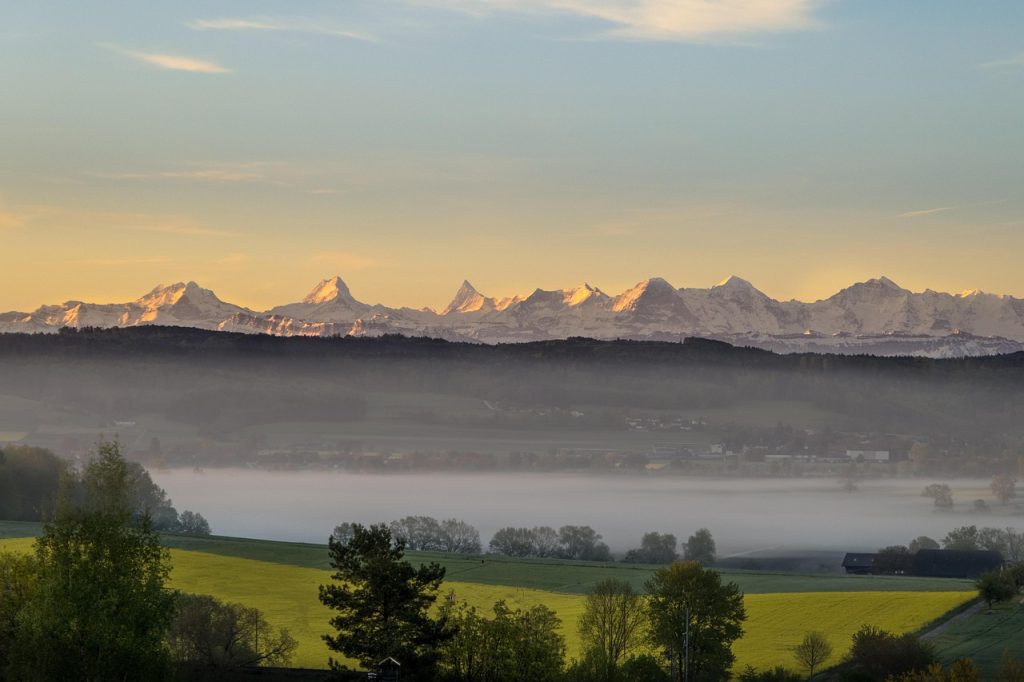
A slow and steady pace allows better breathing, improves endurance, and helps climbers adjust naturally to changing altitude conditions. Energy conservation is key, especially on long trekking days where the body is already working harder than normal.

Hydration, food, and rest are essential

Staying hydrated is extremely important during the climb because dehydration can worsen altitude sickness symptoms. Climbers are encouraged to drink water regularly, even when they do not feel thirsty. Proper hydration helps the body function better at high altitude.
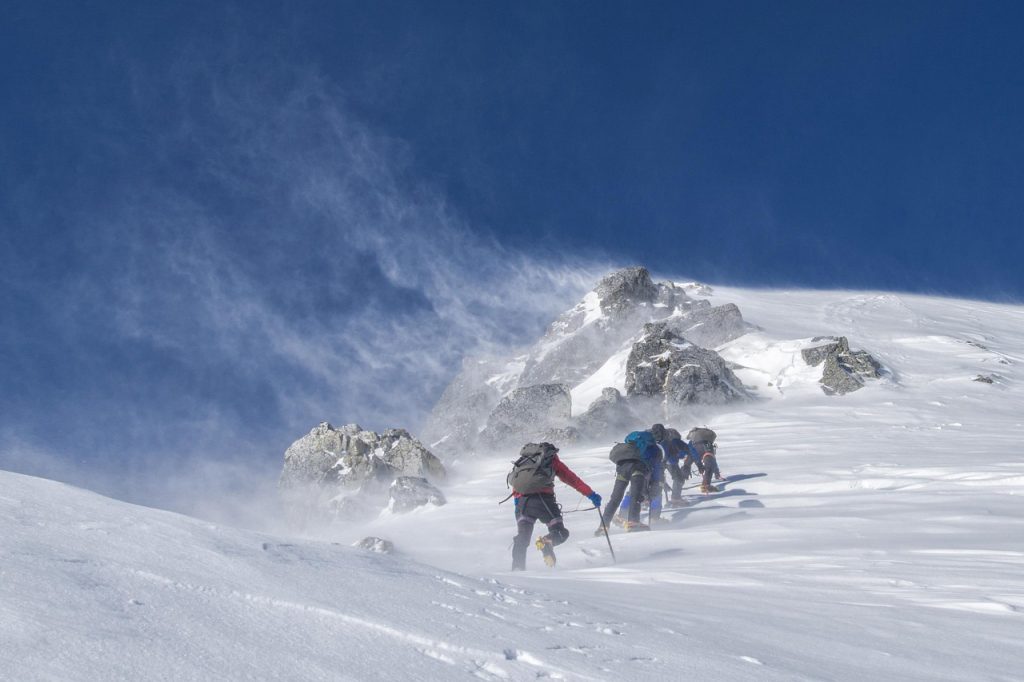
Eating enough food is also important, even though appetite often decreases as altitude increases. Meals provide the energy needed for long trekking days and help maintain strength. Rest and sleep are equally important because they allow the body to recover and adapt to the mountain environment.
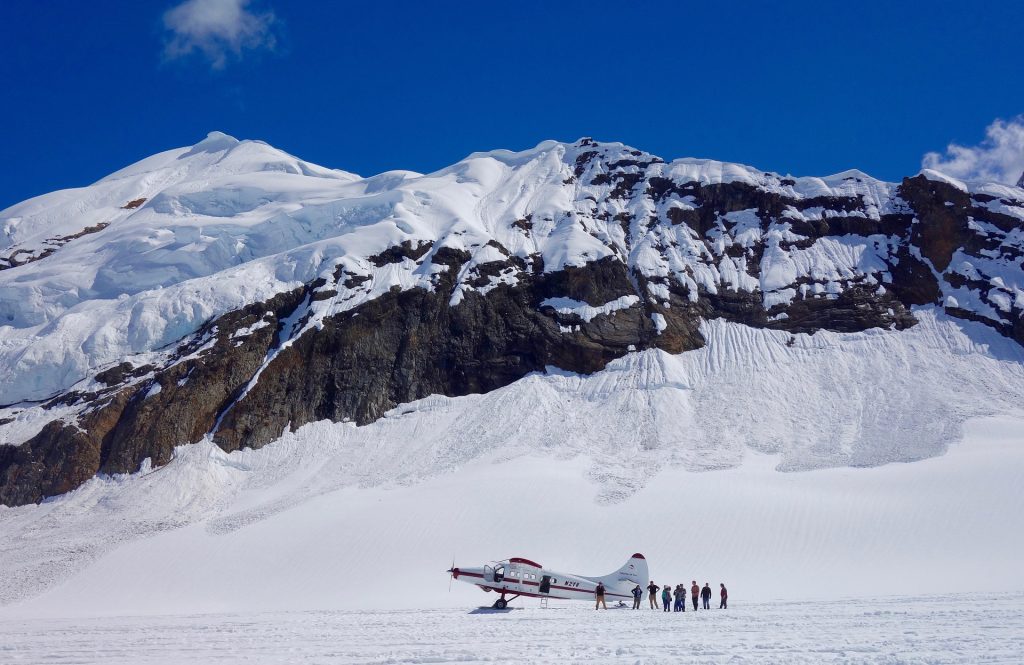
Why Route Choice Can Reduce Emergency Risk

Choosing the right route on Mount Kilimanjaro is one of the most important decisions for safety and summit success. Different routes offer different levels of acclimatization time, difficulty, and exposure to altitude. A good route choice can significantly reduce the risk of altitude sickness and emergency situations, including helicopter evacuation.

Longer routes allow better acclimatization

Longer trekking routes give the body more time to adjust to high altitude gradually. This slow ascent helps climbers adapt to lower oxygen levels step by step, which reduces the chance of developing severe altitude sickness.

Routes like the Machame Route and Lemosho Route are well known for their longer itineraries and better acclimatization profiles. These routes include gradual elevation gain and additional camping nights, which give the body more time to recover and adapt. As a result, climbers on longer routes often have higher summit success rates and fewer medical emergencies.

Short climbs increase altitude stress

Shorter Kilimanjaro routes may seem attractive because they take fewer days, but they increase the risk of altitude-related problems. Rapid ascent does not give the body enough time to adjust to oxygen changes, which can lead to faster onset of altitude sickness.

When climbers ascend too quickly, symptoms such as headache, nausea, and fatigue can develop earlier and become more severe. This increases the likelihood of turning back or requiring emergency support. In some cases, it may also increase the need for evacuation if symptoms become dangerous.

Experienced guides improve decision-making

Experienced mountain guides play a key role in reducing risk during the climb. They monitor climbers daily, check for early signs of altitude sickness, and make important safety decisions when needed. Their experience helps identify when a climber should slow down, rest, or descend.

Good guides also understand weather conditions, route challenges, and group pacing, which helps the entire team stay safe. With proper guidance, climbers are more likely to make it safely to the summit without serious health issues.

The Role of Guides and Support Teams

Guides and support teams play a very important role during climbs on Mount Kilimanjaro. They are responsible not only for leading the route but also for ensuring the safety, health, and overall well-being of every trekker on the mountain. In many cases, their decisions can prevent serious altitude problems and reduce the need for emergency helicopter evacuation.

Daily health monitoring on the mountain

Every day on Kilimanjaro, guides closely monitor the health condition of each climber. They check for early signs of altitude sickness such as headache, fatigue, dizziness, nausea, or unusual behavior. These daily checks help identify problems before they become serious.

Guides also observe how each trekker is walking, breathing, and responding to altitude changes. If someone is struggling, they can adjust the pace, recommend rest, or make changes to the climbing plan. This constant monitoring is one of the most important safety systems on the mountain.

Oxygen checks and safety procedures

In some cases, especially at higher camps, guides may use safety tools such as pulse oximeters to measure oxygen levels in the blood. These checks help determine how well a climber is adapting to the altitude.

Safety procedures are followed carefully throughout the expedition. This includes controlling ascent speed, ensuring proper hydration, and maintaining communication within the team. Guides are trained to recognize when a climber’s condition is becoming risky and when extra precautions are needed.

Quick decisions during emergencies

When a serious health issue occurs, guides must make fast and confident decisions. This may include stopping the climb, organizing a safe descent, or calling for emergency assistance if necessary.

Quick decision-making is critical because altitude-related conditions can worsen rapidly. Experienced guides know when a situation is becoming dangerous and act immediately to protect the climber’s life. Their training and experience are key factors in preventing serious complications and ensuring safety on the mountain.

Responsible Trekking Means Preparing Properly

Responsible trekking on Mount Kilimanjaro is not only about reaching the summit, but also about preparing correctly before and during the climb. Proper preparation reduces risks, improves safety, and lowers the chances of serious altitude problems that could lead to emergency evacuation. Every climber has a responsibility to take the journey seriously and follow expert guidance from the beginning to the end of the expedition.

Physical preparation before the climb

Good physical preparation helps the body handle long trekking days and changing altitude conditions. Climbers should train their stamina before arriving on Kilimanjaro by walking regularly, climbing stairs, or doing hiking exercises. This helps build endurance and prepares the legs and lungs for continuous movement on steep and uneven terrain.

However, fitness alone is not enough. Even strong and experienced hikers can be affected by altitude sickness, so physical preparation should be combined with proper knowledge of mountain conditions. Being physically ready makes the journey easier, reduces fatigue, and helps climbers recover better after each trekking day.

Travel insurance and emergency coverage

Travel insurance is an important part of responsible trekking. Because Kilimanjaro is a high-altitude mountain, there is always a small risk of injury or altitude-related illness. Good insurance should include emergency medical coverage and evacuation support, including helicopter rescue if needed.

Having insurance gives climbers peace of mind and ensures that they can receive proper medical care in case of emergencies. It is a key safety step that should never be ignored when planning a Kilimanjaro expedition.

Listening to guides during the expedition

One of the most important rules on Kilimanjaro is to always listen to your guides. They have experience in managing altitude, weather changes, and group safety. Ignoring their instructions can increase risks and lead to serious health problems.

Guides make decisions based on safety, not speed. If they advise resting, slowing down, or descending, it is important to follow their guidance immediately. Trusting the guide team helps ensure a safer and more successful climb, and greatly reduces the chance of needing emergency evacuation.

FAQ – Helicopter Evacuations on Kilimanjaro

Can helicopters rescue climbers on Kilimanjaro?

Yes, helicopter rescues are available on Mount Kilimanjaro, but they are only used in serious medical emergencies. These include severe altitude sickness, major injuries, or situations where a climber cannot safely descend on foot. Helicopters are not used for minor problems, and the decision for evacuation is always made carefully by medical teams and mountain guides to ensure safety.

What causes most evacuations on Kilimanjaro?

Most evacuations are caused by altitude sickness, especially when climbers ascend too quickly without proper acclimatization. Other common causes include injuries from slips or falls, extreme exhaustion, dehydration, or breathing problems at high altitude. In many cases, early symptoms are ignored, which is why conditions can become serious and require emergency evacuation.

Is altitude sickness dangerous on Kilimanjaro?

Yes, altitude sickness can become dangerous if it is not treated early. Mild symptoms like headache or nausea are common, but severe forms such as HAPE and HACE can affect breathing and brain function. If ignored, these conditions can become life-threatening. However, with proper acclimatization, slow ascent, and good monitoring by guides, the risk can be greatly reduced.

Can helicopter evacuations happen at night?

In most cases, helicopter evacuations do not happen at night on Kilimanjaro. Flights depend on visibility, weather conditions, and safe landing zones, which are usually only suitable during daylight hours. If an emergency happens at night, the climber is stabilized by guides and evacuated as soon as conditions are safe in the morning.

Which routes have better acclimatization?

Longer routes like the Machame Route and Lemosho Route generally offer better acclimatization because they include more days for gradual ascent. These routes allow the body to adjust slowly to lower oxygen levels, reducing the risk of altitude sickness and increasing summit success rates compared to shorter itineraries.

How can trekkers reduce evacuation risk?

Trekkers can reduce evacuation risk by choosing longer routes, climbing slowly (“pole pole”), staying well hydrated, eating properly even when appetite is low, and following guide instructions carefully. Good physical preparation and proper rest also help the body adapt better to altitude, making the climb safer and more successful overall.

Final Thought

Helicopter evacuations on Mount Kilimanjaro are not something climbers should fear. They are important emergency safety systems designed to protect lives when serious altitude sickness or medical issues occur. The main purpose of these evacuations is not to encourage risk, but to ensure that every trekker has a safe way out in case of emergency.

The best way to avoid such situations is through proper preparation and acclimatization. Climbing slowly, choosing longer routes, staying hydrated, and listening to the body all help reduce the risk of altitude-related problems. When climbers prepare well, the chances of reaching the summit safely increase significantly, and the need for emergency evacuation becomes much lower.

Responsible trekking is one of the most important factors for both safety and success on Kilimanjaro. It means respecting the mountain, following guide instructions, and understanding that altitude can affect anyone regardless of fitness level. Good decision-making during the climb plays a big role in preventing dangerous situations.

Experienced guides and strong support teams are also essential for a safe expedition. They monitor climbers daily, identify early signs of altitude sickness, and make critical decisions when needed. With the right team, climbers feel more confident and secure throughout the journey.

With a safety-focused approach, experienced mountain crew, and responsible trekking philosophy, WeWild Travel helps climbers enjoy a safer and more meaningful adventure on Kilimanjaro while increasing their chances of reaching the summit successfully.

Himalayan Sherpas guiding climbers on Mount Everest expedition

Difference Between Himalayan Sherpas and Kilimanjaro Porters

Introduction:Difference Between Himalayan Sherpas and Kilimanjaro Porters

The difference between Himalayan Sherpas and Kilimanjaro porters is mainly based on their roles, experience, and the mountain environments where they work. Sherpas are highly skilled mountain professionals from Nepal, especially from the Everest region in the Himalayas, while porters on Mount Kilimanjaro are support team members who help carry equipment and assist climbers during trekking expeditions. In simple terms, Sherpas are often experienced high-altitude climbing experts, while Kilimanjaro porters mainly provide essential physical support to ensure expeditions run smoothly and safely.

Sherpas are famous worldwide for their deep knowledge of extreme mountain climbing. They are not only strong at high altitude but are also trained in technical skills such as guiding routes, fixing ropes, and leading expeditions on dangerous peaks like Mount Everest. Many Sherpas grow up in high-altitude regions, which helps them naturally adapt to low oxygen conditions. Because of this, they play both a guiding and supporting role in Himalayan climbing expeditions.

In contrast, Kilimanjaro porters play a very important but different role. They are responsible for carrying tents, food, water, cooking equipment, and other essential supplies needed during the climb. Without porters, it would be extremely difficult for climbers to complete the journey safely and comfortably. Their work allows climbers to focus on walking, resting, and adjusting to altitude changes.

Both Sherpas and Kilimanjaro porters are extremely important in mountaineering because they ensure safety, organization, and success during expeditions. Even though their roles are different, they share one common goal: helping climbers reach the summit safely. In the next sections, we will explore their roles, skills, altitude ability, working conditions, and teamwork in more detail.

Who Are Himalayan Sherpas?

Himalayan Sherpas are highly respected mountain people from Nepal, especially from the Everest region in the Himalayas. They are known around the world for their incredible strength, experience, and knowledge of high-altitude climbing. When people ask who Sherpas are, the simple answer is that they are professional mountain experts who play a key role in helping climbers reach some of the highest peaks on Earth safely. They are not just workers in the mountains they are skilled guides, climbers, and expedition leaders.

Mountain experts from Nepal

Sherpas come from remote, high-altitude villages in Nepal, where mountain life is part of their daily routine. From a young age, they grow up walking steep paths, carrying loads, and living in thin air conditions. This natural environment helps them develop strong physical endurance and deep knowledge of mountain terrain.

In modern mountaineering, Sherpas are considered essential team members in Himalayan expeditions. They guide climbers, set up camps, fix ropes on difficult sections, and help manage logistics during long climbing journeys. Their experience allows them to make important decisions in changing weather conditions, which helps keep climbers safe during the expedition.

Strong adaptation to high altitude

One of the most remarkable qualities of Sherpas is their ability to perform well in extreme high altitude. The oxygen level in the Himalayas is very low, but Sherpas are naturally adapted to these conditions due to generations of living in high mountain regions. This gives them an advantage in endurance, breathing efficiency, and physical performance at altitude.

Because of this adaptation, Sherpas can work longer and more effectively at heights where many climbers struggle. They are able to move through difficult terrain with confidence, even when conditions become cold, steep, or dangerous. This makes them extremely valuable in high-altitude expeditions.

Experience in Everest expeditions

Sherpas are especially famous for their role in Mount Everest expeditions, the highest mountain in the world. They have decades of experience supporting climbers on challenging routes to the summit. Their responsibilities include carrying equipment, fixing climbing ropes, and guiding climbers through dangerous sections like icefalls and steep ridges.

Their deep knowledge of the mountain, changing weather conditions, and safe climbing techniques helps reduce risks for international climbers.

Over time, Sherpas have earned a strong reputation as highly trusted and skilled high-altitude professionals. Their experience, teamwork, and understanding of extreme environments make them an essential part of major Himalayan expeditions.

Who Are Kilimanjaro Porters?

Kilimanjaro porters are the essential support team members who work on climbing expeditions on Mount Kilimanjaro. They play a very important role in making the journey possible for climbers from around the world. When people ask who Kilimanjaro porters are, the simple answer is that they are hardworking mountain workers who carry supplies, set up camps, and support both climbers and guides throughout the trek. Without them, most climbing expeditions would be extremely difficult to complete safely and comfortably.

Backbone of Kilimanjaro trekking teams

Kilimanjaro porters are often called the backbone of trekking teams because they carry out the most physically demanding work on the mountain. While climbers focus on walking and acclimatization, porters handle the logistics that keep the expedition running smoothly. They ensure that everything needed for the climb is available at each campsite, making them a crucial part of every successful summit attempt.

Carrying loads and camping equipment

One of the main responsibilities of Kilimanjaro porters is carrying heavy loads, including tents, food, cooking equipment, water, and climbers’ luggage. These items are necessary for survival and comfort during the multi-day trek. Porters often walk long distances each day, sometimes covering the same routes as climbers but with additional weight. Their strength and endurance are vital in maintaining the rhythm of the expedition and ensuring that camps are properly prepared in advance.

Supporting climbers and guides daily

In addition to carrying loads, Kilimanjaro porters also support guides and climbers in many ways. They help set up tents, prepare meals, and organize camp facilities at each stop. Their work allows climbers to rest and recover after long trekking hours. Porters also contribute to teamwork and morale, often encouraging climbers during difficult sections of the climb.

Overall, Kilimanjaro porters are not just support workers they are an essential part of the climbing experience. Their dedication, strength, and teamwork help make summit success possible for thousands of climbers every year.

Main Differences Between Sherpas and Porters

The main difference between Himalayan Sherpas and Kilimanjaro porters on Mount Kilimanjaro comes down to their roles, skills, and responsibilities during mountain expeditions. Although both groups are extremely important for the success of climbing journeys, they do different types of work. Sherpas are mainly technical mountain experts in the Himalayas, while porters are essential support workers who focus on carrying loads and managing logistics during trekking expeditions.

Sherpas – technical mountain experts

Sherpas are highly trained and experienced mountain professionals, especially in high-altitude environments like the Himalayas. Their role goes beyond physical support. They are responsible for guiding climbers, fixing ropes, choosing safe routes, and leading expeditions in dangerous mountain sections. Sherpas often have advanced climbing skills and deep knowledge of weather conditions, terrain, and altitude risks. This makes them not only helpers but also technical leaders in many Himalayan climbs, including Mount Everest expeditions.

Porters – support and logistics workers

In contrast, Kilimanjaro porters focus mainly on physical support and logistics. Their job is to carry essential equipment such as tents, food, water, and camping gear needed for the climb. They also help set up camps, prepare meals, and ensure that climbers have everything they need to continue the journey comfortably. While they do not usually take on technical climbing roles, their work is physically demanding and extremely important for the success of the expedition.

Different roles but same importance

Even though Sherpas and porters have different responsibilities, both are equally important in mountain expeditions. Sherpas provide technical expertise and leadership in challenging terrain, while porters ensure that the entire operation runs smoothly behind the scenes. Without either group, climbing would become much more difficult and less safe.

Altitude Ability and Environment

One of the biggest differences between Himalayan Sherpas and Kilimanjaro porters on Mount Kilimanjaro is the environment in which they work and how they adapt to altitude conditions. Both groups operate in high mountains, but the Himalayas and East African mountains are very different in height, climate, and terrain. These differences shape how Sherpas and porters perform their duties during expeditions.

Sherpas live and work in extreme Himalayan altitude

Himalayan Sherpas come from high-altitude regions in Nepal, where daily life takes place thousands of meters above sea level. Living in these mountain villages means people naturally adapt to low-oxygen conditions from childhood. This long-term exposure helps develop strong physical endurance and a natural ability to function in extreme mountain environments.

Because of this lifestyle, Sherpas are highly adapted to conditions found in the Himalayas, including peaks like Mount Everest. Unlike most climbers who need time to adjust, Sherpas are already familiar with cold temperatures, steep mountain terrain, and rapidly changing weather. This gives them a natural advantage when working in high-altitude expeditions.

As a result of their adaptation and experience, Sherpas can work efficiently in environments where oxygen levels are very low and conditions are physically demanding. They are able to move through difficult routes, support expedition teams, and maintain performance even in freezing winds and challenging landscapes. This makes them extremely valuable in technical mountaineering and high-altitude guiding roles.

Sherpas are not only strong in physical ability but also deeply experienced in mountain culture and survival techniques. Their knowledge of terrain, weather patterns, and safe climbing practices plays a key role in the success of Himalayan expeditions. This combination of natural adaptation and experience makes them one of the most important groups in global mountaineering.

Kilimanjaro porters work in African mountain conditions

Kilimanjaro porters operate in the unique environment of East Africa’s highest mountain, Mount Kilimanjaro. Unlike the icy Himalayan peaks, Kilimanjaro has a range of ecological zones, including rainforest, moorland, alpine desert, and arctic summit conditions. Porters must adjust to changing environments as they move up the mountain each day.

While they also experience high altitude, the conditions are generally less extreme compared to the Himalayas. However, the long trekking distances, carrying heavy loads, and changing weather still make their work physically demanding and challenging.

Different climate and terrain challenges

The Himalayas and Kilimanjaro present very different types of challenges. The Himalayas are known for technical climbing routes, glaciers, and extreme cold, while Kilimanjaro features long trekking routes with diverse ecological zones and less technical climbing.

Sherpas deal more with technical mountaineering challenges, while porters focus on endurance and logistics over long trekking days. Despite these differences, both groups must remain strong, adaptable, and highly resilient in order to support successful expeditions.

Training and Experience

Another key difference between Himalayan Sherpas and Kilimanjaro porters on Mount Kilimanjaro is how they gain their skills and experience. Both groups work in mountain environments, but their training paths, background knowledge, and level of exposure to high-altitude climbing are quite different. This affects how they perform during expeditions and the type of responsibilities they handle.

Sherpas trained from early age in mountain culture

Himalayan Sherpas are born and raised in high-altitude regions of Nepal, where mountain life is part of their daily routine. From a young age, they grow up walking steep trails, carrying loads, and adapting to thin air conditions. This natural environment acts as an early form of training that builds their strength, endurance, and confidence in the mountains.

As they grow older, many Sherpas continue to gain experience by working in trekking and climbing expeditions. They learn advanced skills such as route navigation, rope fixing, and high-altitude rescue techniques. This long-term exposure makes them highly skilled and trusted professionals in extreme mountaineering.

Porters gain experience through trekking industry

Kilimanjaro porters usually enter the mountain tourism industry through practical work experience rather than formal training. Many start by assisting more experienced porters and gradually learn how expeditions operate. Over time, they become familiar with carrying loads, setting up camps, and supporting climbers and guides.

Their skills are developed through real trekking conditions on Mount Kilimanjaro. Each expedition gives them more knowledge about terrain, weather changes, and teamwork on the mountain. This hands-on experience is essential for building their confidence and ability to handle long trekking days.

Skill level grows with expedition exposure

Both Sherpas and porters improve their skills over time as they participate in more expeditions. Sherpas often reach a higher level of technical expertise due to their deep cultural and environmental connection with the Himalayas. Porters, on the other hand, develop strong endurance, teamwork, and practical knowledge through repeated trekking experiences.

Although their training paths are different, both groups become highly valuable members of mountain teams. Their experience ensures that climbers are supported safely and effectively during expeditions, regardless of the mountain environment.

Role in Expeditions

In mountain expeditions, both Himalayan Sherpas and Kilimanjaro porters on Mount Kilimanjaro play very important but different roles. Each group contributes in its own way to ensure that climbers have a safe, organized, and successful journey. Understanding their roles helps explain why both are essential in mountaineering, even though their responsibilities are not the same.

Sherpas guide, fix ropes, and lead climbs

Himalayan Sherpas take on a highly technical and leadership-focused role in mountain expeditions. They are responsible for guiding climbers through difficult and dangerous sections of the mountain. This includes choosing safe routes, fixing ropes on steep slopes, and helping climbers navigate glaciers and icy terrain.

In many cases, Sherpas act as expedition leaders, especially on high-altitude peaks like Mount Everest. They use their deep experience and knowledge of mountain conditions to make important decisions during the climb. Their guidance is crucial in managing risks such as sudden weather changes, crevasses, and low oxygen levels.

Porters carry gear, set camps, support logistics

Kilimanjaro porters focus mainly on the physical and logistical side of expeditions. Their primary responsibility is carrying essential equipment such as tents, food, water, cooking supplies, and climbers’ personal bags. They also help set up and break down camps at each stage of the climb.

In addition to carrying loads, porters support guides by organizing camp operations and ensuring everything is ready for climbers when they arrive. Their work allows climbers to rest properly and focus on walking and acclimatization without worrying about logistics.

Both ensure climber safety and success

Even though Sherpas and porters have different roles, both are essential for climber safety and expedition success. Sherpas provide technical expertise and leadership in challenging terrain, while porters ensure that the entire team has the supplies and support needed throughout the journey.

Together, they create a strong support system that allows climbers to focus on reaching the summit safely. Without their combined effort, many high-altitude expeditions would not be possible or would be significantly more difficult and risky.

Why Both Are Important

Both Himalayan Sherpas and Kilimanjaro porters on Mount Kilimanjaro play a vital role in the success of mountain expeditions. Even though their responsibilities are different, they share one common purpose: helping climbers reach the summit safely. Without these support teams, most high-altitude climbs would be extremely difficult, unsafe, and in many cases impossible.

Teamwork in mountain expeditions

Mountain climbing is never a solo effort. Every successful expedition depends on strong teamwork between climbers, guides, Sherpas, and porters. Sherpas provide technical leadership and navigation in the Himalayas, while Kilimanjaro porters ensure that all necessary equipment and supplies are available throughout the trek.

This teamwork allows climbers to focus on walking, acclimatization, and mental preparation instead of worrying about logistics. Each member of the team has a specific responsibility, and when everyone works together, the chances of reaching the summit increase significantly.

Safety and success depend on support teams

Safety is one of the most important factors in any mountain expedition. Sherpas and porters both contribute to this safety in different ways. Sherpas manage technical risks such as route selection, rope fixing, and high-altitude decision-making in the Himalayas. Porters support safety on Kilimanjaro by ensuring camps are properly set up and that climbers have the necessary supplies to continue the journey.

Their support helps reduce risks related to exhaustion, altitude sickness, and poor planning. In many cases, the success of an expedition depends directly on how well the support team performs their duties.

Respect for mountain workers worldwide

Sherpas and porters deserve respect for their strength, endurance, and dedication. They work in some of the harshest environments on Earth, carrying heavy loads and supporting climbers in challenging conditions. Their contribution often goes unnoticed, but it is essential for the success of mountain tourism and expeditions.

Recognizing their value helps create a more ethical and respectful approach to mountaineering. Whether in the Himalayas or on Mount Kilimanjaro, these mountain workers are the backbone of every successful climb and deserve appreciation for their hard work and commitment.

FAQ – Sherpas vs Kilimanjaro Porters

What is the main difference between Sherpas and Kilimanjaro porters?

The main difference is that Sherpas are highly skilled high-altitude mountain experts from Nepal, while Kilimanjaro porters are support workers who carry equipment and help with logistics during climbs on Mount Kilimanjaro.

Do Sherpas and Kilimanjaro porters do the same job?

No. Sherpas often guide climbers, fix ropes, and lead expeditions in the Himalayas, while Kilimanjaro porters mainly carry loads, set up camps, and support guides and climbers.

Which is harder work, Sherpas or porters?

Both jobs are physically demanding in different ways. Sherpas work in extreme high-altitude technical environments, while porters carry heavy loads over long trekking distances on Kilimanjaro.

Are porters important on Kilimanjaro?

Yes, Kilimanjaro porters are very important. Without them, climbers would not be able to carry all necessary gear such as food, tents, and equipment needed for the expedition.

Why are Sherpas famous in mountaineering?

Sherpas are famous because of their incredible ability to work in high-altitude conditions and their key role in major Himalayan expeditions, including Mount Everest climbs.

Do both Sherpas and porters help climbers reach the summit?

Yes. Both Sherpas and porters play a key role in supporting climbers, ensuring safety, carrying supplies, and helping expeditions succeed.

Final Thought

Sherpas and porters have different roles, but they share the same purpose in every mountain expedition helping climbers reach the summit safely and successfully. Whether in the Himalayas or on Mount Kilimanjaro, both groups play a crucial part in making high-altitude journeys possible. Sherpas provide technical expertise, guidance, and leadership, while porters ensure that all necessary equipment and support systems are in place throughout the climb.

Both are essential for successful climbs because no expedition can be completed by climbers alone. Every step taken toward the summit depends on teamwork, preparation, and strong support from the mountain crew. Without Sherpas and porters, the risks would be much higher, and the experience would be far more difficult for climbers.

Respect and teamwork matter most in mountaineering. These mountain workers operate in extreme conditions, carrying heavy loads and supporting climbers in challenging environments. Their dedication, strength, and professionalism are a key reason why many expeditions succeed every year. Recognizing their contribution is important for building a more responsible and ethical approach to mountain tourism.

For climbers planning their own adventure, choosing a reliable and experienced operator makes a big difference. With a trusted team like WeWild Travel, climbers receive proper guidance, strong support, and well-organized expeditions from start to summit. This ensures not only a higher chance of success but also a safer and more meaningful climbing experience.

Climber standing at Uhuru Peak on Mount Kilimanjaro summit

What It Feels Like to Stand on the Summit of Kilimanjaro

Standing on the summit of Mount Kilimanjaro is one of the most powerful and emotional moments a climber can ever experience. It is not just about reaching the highest point in Africa it is about everything your body and mind go through to get there. At the very top, when you finally see the “Uhuru Peak” sign, many climbers feel a mix of exhaustion, relief, happiness, and even tears. It feels like time stops for a moment, and every step you took up the mountain suddenly becomes worth it.

But this feeling does not happen instantly. It is the result of a long and challenging journey that starts long before you reach the summit. First comes training, where you prepare your body for long walking days, steep paths, and changing weather conditions. Without proper preparation, the climb becomes much harder, especially when altitude starts to affect your energy.

After training, the real adventure begins as you move through different trekking zones. You pass from rainforest to moorland, then to alpine desert, where the landscape becomes colder, drier, and more extreme. Each zone feels like a different world, slowly guiding you closer to the top of the mountain.

One of the most exciting and challenging parts of the climb is the Barranco Wall, a steep but rewarding section that tests your confidence and balance. It is not technical climbing, but it feels like a big achievement once you reach the top.

Finally comes the summitattempt, usually starting at night. In freezing temperatures and darkness, you take slow steps toward Uhuru Peak. This is where mental strength becomes more important than physical strength. And when you finally arrive at the summit, all the struggle turns into pure emotion and unforgettable achievement.

Training Before Climbing Kilimanjaro

Before climbing Mount Kilimanjaro, training is one of the most important steps that helps you prepare your body and mind for the journey ahead. The climb is not a technical mountaineering expedition, but it is still physically demanding because of long trekking days, changing weather, and high altitude. Good preparation makes the experience safer, more enjoyable, and increases your chances of reaching the summit successfully.

Physical preparation builds endurance

Physical training is all about building endurance so your body can handle several hours of walking each day. On Kilimanjaro, you may walk for 5 to 8 hours daily, sometimes even longer depending on the route. Because of this, your legs, lungs, and overall stamina need to be ready.

Endurance training does not require advanced fitness levels or professional athletic ability. Instead, it focuses on gradually improving your ability to walk longer distances without becoming too tired. The more consistent your preparation is, the more comfortable you will feel during the actual climb. This helps reduce fatigue and allows you to enjoy the journey instead of struggling with every step.

Walking, stairs, and stamina training

One of the simplest and most effective ways to prepare is regular walking. Long walks, especially on uneven paths or small hills, help your body get used to trekking conditions. Stair climbing is also very helpful because it strengthens your legs and simulates the uphill sections of the mountain.

Some climbers also include light jogging or hiking with a backpack to build strength and balance. Carrying a small weight while training helps simulate the real experience on the mountain, where you will carry a daypack. The goal is not to become extremely fit, but to build steady stamina so your body can adapt gradually to long days of movement.

Mental preparation is equally important

While physical training prepares your body, mental preparation prepares your mindset. Climbing Kilimanjaro is a journey of patience, especially when altitude makes you feel slower or more tired than usual. Understanding this in advance helps you stay calm during difficult moments.

A positive mindset is very important because the mountain challenges everyone differently. Some days may feel easy, while others may feel very demanding. Being mentally prepared helps you accept these changes without frustration. It also helps you trust your guides, follow the “pole pole” (slowly, slowly) pace, and stay focused on your goal.

Entering the High Altitude Zone (Alpine Desert Feel)

As climbers continue their journey up Mount Kilimanjaro, one of the most noticeable changes is entering the high altitude zone, often called the alpine desert. This stage of the mountain feels very different from the lower forests and green landscapes seen earlier in the climb. The environment becomes more extreme, the air feels lighter, and the body begins to react more strongly to the altitude. For many trekkers, this is the moment when they truly start to feel they are high above the ground.

Oxygen becomes thinner

As altitude increases, the amount of oxygen in the air gradually decreases. This is one of the most important changes climbers experience. Breathing may start to feel slightly harder, especially during uphill sections. Even simple walking can require more effort than before.

This does not mean something is wrong it is a natural response to high altitude. The body is simply adjusting to lower oxygen levels. That is why climbers are always encouraged to move slowly, take regular breaks, and drink enough water. When the body is given time to adapt, it becomes easier to continue the climb safely and steadily.

Landscape becomes dry and cold

In the alpine desert zone, the scenery changes dramatically. Trees become very rare, and the environment turns dry, rocky, and open. The air feels colder, especially in the mornings and evenings, even though the sun may still be strong during the day.

This unique landscape can feel both beautiful and challenging at the same time. There is less vegetation, fewer natural shelters, and stronger winds in some areas. Because of this, climbers need proper clothing to stay warm and comfortable throughout the day. The contrast between hot sunlight and cold wind makes this zone feel like a completely different world compared to the lower rainforest.

Body starts to slow down

At this stage of the climb, many trekkers notice that their body naturally slows down. Steps become more deliberate, breathing becomes deeper, and energy levels may drop more quickly. This is a normal part of high-altitude trekking and happens to almost everyone, even experienced climbers.

The key is not to fight this feeling but to accept it and adjust your pace. Walking slowly, resting when needed, and listening to your body are very important. This helps prevent exhaustion and supports better acclimatization.

Barranco Wall Challenge

One of the most memorable and exciting sections during the climb of Mount Kilimanjaro is the Barranco Wall. This famous part of the route is often called the “Breakfast Wall” because many climbers start tackling it soon after their morning meal. Even though it looks steep and intimidating from a distance, it is one of the most rewarding experiences on the mountain and a moment that many trekkers remember for a long time.

The famous “Breakfast Wall” climb

The Barranco Wall is well-known among climbers as a fun yet challenging section of the journey. From below, it appears like a huge rocky wall rising sharply into the sky. Many first-time climbers may feel nervous when they see it, but once they start climbing, they quickly realize that it is manageable with the right pace and guidance.

The climb involves moving slowly, carefully, and using both hands and feet at times. Guides often encourage climbers with positive support, helping everyone feel safe and confident. Despite its dramatic appearance, the wall is not about speed or strength-it is about steady movement and trust in the process.

Steep but safe scrambling section

Although the Barranco Wall looks very steep, it is considered a non-technical scrambling section, which means no ropes or special climbing equipment are required. Climbers simply use natural rock steps and handholds to move upward.

Safety is always a priority, and guides are experienced in helping climbers choose the best paths. The key is to move carefully, follow instructions, and take your time. Many trekkers are surprised at how enjoyable it becomes once they settle into a rhythm. The sense of achievement after reaching the top is very rewarding.

Confidence booster for climbers

The Barranco Wall is more than just a physical challenge-it is also a big confidence booster. After completing it, many climbers feel more capable and ready for the rest of the journey. It shows that they can handle difficult sections of the mountain with patience and focus.

For many, this moment builds trust in their ability to reach higher sections of Kilimanjaro. It becomes a turning point in the climb where fear turns into motivation, and hesitation turns into confidence.

Final Summit Attempt (Night Climb)

The final summit attempt on Mount Kilimanjaro is the most demanding and emotional part of the entire journey. This is the moment when climbers leave camp in the middle of the night and begin their slow, steady push toward Uhuru Peak. It is a section where physical strength, mental focus, and determination all come together. Even experienced climbers find this stage extremely challenging because of the cold, darkness, and high altitude conditions.

Start around midnight in cold darkness

The summit attempt usually begins around midnight when the mountain is completely dark and temperatures are at their lowest. Climbers wake up, dress in multiple warm layers, and start walking under a sky full of stars. There is no sunlight, only headlamps lighting the narrow trail ahead.

This early start is carefully planned so that climbers can reach the summit around sunrise. Although the conditions feel harsh, the quiet and darkness also create a unique atmosphere. Each step feels slow and focused, and climbers often walk in silence, concentrating only on their breathing and movement.

Low oxygen and slow movement

As climbers go higher, oxygen levels become even lower, making this section physically demanding. Every step requires more effort, and breathing becomes deeper and more controlled. This is where the “pole pole” (slowly, slowly) approach becomes extremely important.

Walking slowly is not optional it is necessary for conserving energy and allowing the body to cope with altitude. Many climbers describe this part as feeling like a long, endless uphill walk, where progress is slow but steady. Rest breaks become more frequent, and hydration is essential to maintain strength.

Mental strength becomes everything

At this stage, mental strength becomes more important than physical ability. Fatigue, cold temperatures, and altitude can make climbers feel exhausted, but staying focused and determined helps them continue forward.

Positive thinking, trust in the guides, and motivation from the goal ahead all play a big role. Many climbers remind themselves why they started the journey in the first place. Step by step, they move closer to the summit, proving that patience and resilience are key to success.

Reaching Uhuru Peak (The Summit Moment)

Reaching Uhuru Peak on Mount Kilimanjaro is the moment every climber dreams of, but few fully understand until they experience it. After hours of slow, exhausting night climbing, the final steps suddenly feel different. The air is thin, the body is tired, and yet there is a powerful feeling of excitement growing inside. This is the summit moment where every challenge of the journey comes together into one unforgettable achievement.

Emotional achievement

When climbers finally see the “Uhuru Peak” sign, emotions often take over. Many feel a mix of joy, relief, pride, and disbelief. Some smile, some cry, and others simply stand in silence trying to absorb the moment. It is not just about reaching the top of Africa; it is about proving to yourself that you can overcome physical and mental limits. Every step taken during training, trekking, and summit night suddenly feels worth it.

Sunrise above the clouds

One of the most magical parts of reaching the summit is witnessing the sunrise above the clouds. As the first light of the day appears, the sky slowly changes colors, and the world below is covered in a sea of white clouds. Standing at this height feels like being above everything, as if the mountain has lifted you into another world.

This view is often described as one of the most beautiful sights in Africa. The cold air, golden light, and silence together create a peaceful and unforgettable atmosphere. It is a moment that stays in memory forever.

Realization of personal strength

At the summit, many climbers realize something very important they are stronger than they thought. The journey shows that patience, discipline, and determination can overcome even the hardest challenges. Reaching Uhuru Peak is not only a physical achievement but also a deep personal victory.

This realization often stays with climbers long after they leave the mountain. It becomes a reminder that with the right mindset, preparation, and support, difficult goals in life are always possible.

Why This Journey Changes Every Climber

Climbing Mount Kilimanjaro is not just a physical adventure it is a life experience that transforms every climber in a unique way. Whether it is your first time or a return journey, the mountain challenges your body, tests your mindset, and teaches important lessons about patience, endurance, and self-belief. After completing the climb, many people return home with a completely new perspective on what they are capable of achieving.

Physical  mental transformation

The journey up Kilimanjaro affects both the body and the mind. Physically, climbers become stronger through long trekking days, high altitude walking, and challenging summit night conditions. The body learns to adapt to less oxygen and continues moving step by step even when tired.

Mentally, the transformation is even deeper. Climbers develop patience, discipline, and resilience. They learn to slow down, focus on the present moment, and trust the process instead of rushing. Challenges such as altitude, cold weather, and exhaustion teach important lessons about staying calm under pressure. This combination of physical effort and mental strength creates a powerful personal change that lasts long after the climb ends.

Memory that lasts forever

One of the most beautiful parts of the Kilimanjaro experience is that it creates memories that stay for a lifetime. From walking through different ecological zones to reaching the summit, every stage of the journey becomes a story worth remembering. The friendships formed with guides and fellow climbers, the quiet moments on the trail, and the emotional summit experience all become part of a personal achievement that cannot be forgotten.

Many climbers find themselves thinking back to the journey years later, remembering how they felt during difficult moments and how they overcame them step by step.

Respect for the mountain

After completing the climb, most people develop a deep respect for Mount Kilimanjaro. The mountain is not just a destination it is a powerful natural environment that demands preparation, humility, and awareness. Climbers realize that success is not only about reaching the top but also about respecting the conditions, listening to guides, and moving with patience.

This respect stays with climbers and often changes how they approach other challenges in life. Kilimanjaro becomes more than a mountain it becomes a lesson in discipline, endurance, and respect for nature.

FAQ – Climbing Mount Kilimanjaro

How hard is it to climb Mount Kilimanjaro?

Climbing Mount Kilimanjaro is challenging but not technical. It does not require ropes or climbing experience, but it needs good fitness, mental strength, and proper acclimatization. The biggest difficulty is high altitude, not climbing skills.

Do I need experience to climb Kilimanjaro?

No, you do not need mountaineering experience. Most climbers are beginners. However, basic fitness and preparation like walking, hiking, or stair training will make the journey much easier and more enjoyable.

What is the hardest part of Kilimanjaro?

The hardest part for most climbers is summit night. It involves climbing in cold temperatures, darkness, and low oxygen levels. This section requires strong mental focus, patience, and a slow pace.

How long does it take to reach Uhuru Peak?

Most routes take between 6 to 9 days depending on the itinerary. Longer routes give better acclimatization and higher summit success rates.

What is the best route to climb Kilimanjaro?

Popular and successful routes include Machame and Lemosho. These routes are preferred because they offer better acclimatization and scenic views, increasing the chances of reaching the summit safely.

Why is altitude so important on Kilimanjaro?

Altitude affects oxygen levels. As you go higher, oxygen becomes lower, which can cause tiredness, headache, and slow movement. Proper acclimatization and a slow pace help the body adjust safely.

Why choose WeWild Travel for Kilimanjaro?

With WeWild Travel, climbers get experienced guides, proper safety support, and well-planned itineraries. This increases comfort, safety, and summit success rates while ensuring a well-organized trekking experience.

Final Thought

The journey up Mount Kilimanjaro is often more meaningful than the summit itself. While reaching Uhuru Peak is an incredible achievement, the real value of the experience comes from everything that happens along the way. Every step, every challenge, and every moment of doubt contributes to a deeper understanding of your own strength and resilience.

Each stage of the climb builds something important. Training prepares your body, trekking through different zones builds endurance, the Barranco Wall builds confidence, and the summit attempt builds mental strength. By the time you reach the top, you are not the same person who started the journey you are stronger, more patient, and more aware of what you are capable of achieving.

This is why climbing Kilimanjaro is not just about reaching a destination. It is about personal growth, discipline, and learning to move forward even when conditions are difficult. The mountain teaches you to slow down, stay focused, and trust the process step by step.

To every climber preparing for this adventure, the message is simple: believe in your journey, prepare well, and respect the mountain. With the right mindset and support, this experience can become one of the most life-changing moments of your life.

Climber trekking Mount Kilimanjaro on second ascent journey

Climbing Mount Kilimanjaro for the Second Time

Climbing Mount Kilimanjaro for the Second Time: What Changes and What to Expect

Introduction

Climbing Mount Kilimanjaro for the second time is a very different experience compared to your first journey. Even though the mountain remains the same, your mindset, confidence, and understanding of the climb change completely. On your first attempt, everything feels new the altitude, the long trekking days, the changing weather, and the challenge of reaching the summit. But on your second climb, you already know what to expect, which makes the journey more focused and mentally prepared.

However, one important thing never changes: the altitude challenge. No matter how experienced you are, the lack of oxygen at higher elevations still affects your body. You may still feel tired, slower, or less hungry as you go higher. This is why even second-time climbers must respect the mountain and continue to move slowly and carefully.

Another part that remains just as challenging is summit night. The cold temperatures, darkness, and long hours of walking to Uhuru Peak can still test your mental strength. Even if you have done it before, summit night always demands patience, determination, and strong focus. It is the moment where mindset becomes more important than physical strength.

In this blog, you will learn what really changes when climbing Kilimanjaro a second time, including how your experience improves, how altitude still affects you, and why preparation becomes more strategic. We will also look at important factors such as food on the mountain, oxygen levels at high altitude, summit night preparation, and mental strength. These key elements help you understand the mountain in a deeper way and prepare better for a successful second ascent.

Your Experience Changes Everything

When you climb Mount Kilimanjaro for the second time, one of the biggest differences you notice is how your experience completely changes the way you approach the mountain. The journey feels more familiar, and many things that seemed difficult or confusing during your first climb now feel more manageable. You already understand how the days on the mountain are structured, how the camps work, and what the trekking rhythm feels like from morning to evening.

You already understand the basics of trekking

On your second climb, you no longer struggle with learning the basics of mountain trekking. You already know how to prepare your backpack, how to dress in layers, and how the daily hiking routine works. You understand the importance of pacing yourself, drinking enough water, and following guide instructions. This knowledge makes the entire journey smoother because you spend less time worrying about small details and more time focusing on the climb itself.

More confidence, less fear

Confidence is one of the biggest improvements on a second climb. During your first experience, it is normal to feel uncertain about altitude, weather changes, and how your body will react. But after completing it once, you gain mental strength and trust in yourself. You know that you are capable of handling long trekking days and difficult conditions. This reduces fear and helps you stay calm even when the climb becomes challenging.

But altitude still affects everyone

Even with experience, one thing never changes: altitude. The higher you go on Kilimanjaro, the less oxygen there is in the air, and your body still reacts to it. This means you may still feel tired, slower, or less energetic, just like your first climb. Experience helps you manage it better, but it does not remove the challenge completely. That is why patience and a slow pace are still very important, even for second-time climbers.

Food on Mount Kilimanjaro Matters More Than You Think

When climbing Mount Kilimanjaro for the second time, many trekkers realize that food is not just a basic need-it is a major part of your success on the mountain. Even experienced climbers are often surprised by how much proper nutrition affects energy levels, mood, and performance during long trekking days. On the mountain, every meal is designed to keep your body strong enough to handle altitude, cold weather, and continuous walking.

Mountain meals are simple but powerful

Meals on Kilimanjaro are usually simple, but they are carefully planned to give you enough energy for each stage of the climb. Most food is focused on carbohydrates, which provide quick and long-lasting energy for trekking. Common meals include rice, pasta, potatoes, vegetables, soups, and hot tea. These foods are not fancy, but they are very effective in keeping your body active and warm in high-altitude conditions.

Energy-focused food like carbohydrates helps your muscles stay strong during long walking hours, while soups and hot drinks help you stay warm and hydrated. Even though the menu is simple, it is designed specifically to support endurance trekking in tough mountain conditions.

Appetite changes at high altitude

One important challenge many climbers face is a reduced appetite as they go higher. At altitude, your body reacts to lower oxygen levels, which can make you feel less hungry than usual. Even experienced climbers on their second ascent may notice that food does not feel as appealing, especially in the higher camps.

However, this is a natural response to altitude and should not be ignored. Even if you do not feel hungry, your body still needs energy to continue climbing and to recover after each trekking day.

Eating – energy for summit success

On Kilimanjaro, eating regularly is directly linked to your success on summit day. Every meal you take helps your body store energy for the final push to Uhuru Peak. Even when you do not feel like eating, it is very important to try and consume small portions of food and drink enough fluids.

Skipping meals can make you feel weaker, increase fatigue, and reduce your ability to handle altitude challenges. That is why experienced guides always encourage climbers to eat something at every meal, even if it is just a small amount. Proper nutrition is one of the key factors that keeps you strong all the way to the summit.

Lack of Oxygen Is Still the Biggest Challenge

Even when climbing Mount Kilimanjaro for the second time, one of the most important realities you must remember is that lack of oxygen at high altitude remains the biggest challenge. Experience helps you understand the mountain better, but it does not change the natural conditions. As you go higher, the air becomes thinner, and your body must work harder to function normally.

Air gets thinner as you go higher

As altitude increases, the amount of oxygen in the air gradually decreases. At lower elevations, breathing feels normal and easy, but as you climb higher on Kilimanjaro, every breath contains less oxygen than before. This change is not very noticeable at first, but as you continue ascending, you start to feel the difference more clearly. The air feels lighter, and simple walking begins to require more effort than usual.

Your body works harder with every step

Because there is less oxygen available, your body has to work harder to supply energy to your muscles and brain. This is why even slow walking can feel tiring at higher camps. Your breathing becomes deeper and faster, and your energy levels may drop more quickly than expected. Even experienced climbers notice that their pace naturally slows down as they approach higher elevations.

Second-time climbers still feel altitude effects

One important thing many repeat climbers learn is that altitude does not become easier the second time. Even if you know what to expect, your body still reacts in the same way to low oxygen levels. You may feel tired, lose appetite, or experience slower movement just like during your first climb. The difference is that second-time climbers usually manage these symptoms better because they understand the importance of pacing, hydration, and listening to their body.

Summit Night Preparation Is the Hardest Part

One of the most challenging moments when climbing Mount Kilimanjaro is summit night. This is the final push to Uhuru Peak, and it is where both your body and mind are tested the most. Even for second-time climbers, summit night remains intense because it combines extreme cold, darkness, fatigue, and very long walking hours. This is the moment where preparation and mindset become more important than anything else on the mountain.

Cold, dark, and long walking hours

Summit night usually starts around midnight, when temperatures are at their lowest and the mountain is completely dark. Climbers begin their ascent in freezing conditions, often wearing multiple layers of clothing to stay warm. The trail is steep and rocky, and the climb can take several hours before reaching the summit.

Because of the cold and lack of sleep, your body feels more tired than usual. Every step becomes slow and heavy, and the distance to the top may feel longer than expected. However, this is a normal part of the journey, and every climber experiences it.

Mental strength becomes very important

At this stage, mental strength plays a bigger role than physical fitness. Many climbers feel exhausted, but those who stay focused and determined continue moving forward. The ability to stay calm, patient, and positive helps you push through difficult moments.

Even experienced climbers understand that summit night is not about speed, but about endurance. Keeping a strong mindset helps you manage discomfort and continue step by step toward the summit.

Slow pace (“pole pole”) is key to success

The Swahili phrase “pole pole,” meaning “slowly, slowly,” becomes extremely important during summit night. Moving too fast can quickly drain your energy and make breathing more difficult at high altitude. A slow and steady pace allows your body to adjust and conserve energy for the final push.

Guides always encourage climbers to follow this rhythm because it increases the chances of reaching the summit safely. Even on your second climb, respecting this slow pace remains the most important strategy for success.

You Pack Smarter the Second Time

When climbing Mount Kilimanjaro for the second time, one of the biggest improvements you will notice is how you prepare and pack your gear. After experiencing the mountain once, you understand what is truly important and what is not needed. This makes your packing more efficient, lighter, and more practical, which can significantly improve your comfort during the trek.

Better gear choices

On your second climb, you already know which equipment works best in high-altitude conditions. You are more likely to choose stronger hiking boots, better layered clothing, and higher-quality waterproof gear. Instead of guessing what might work, you select items based on real experience from your first climb. This helps you stay warm, dry, and comfortable throughout the journey.

Less unnecessary items

First-time climbers often pack too many unnecessary items, thinking they might need everything. However, after completing the climb once, you understand that every extra item adds weight and makes trekking more tiring. On your second attempt, you pack more carefully and avoid carrying things you will not use. This lighter load helps you save energy and move more easily on the trail.

More focus on comfort and warmth

With experience, you begin to prioritize comfort and warmth over extra belongings. You know how cold the summit can be and how important it is to stay protected from low temperatures. As a result, you focus more on warm clothing, good sleeping gear, and essential personal items that support your endurance. This smarter packing approach makes the entire climb more comfortable and improves your overall trekking experience.

Route Choice Becomes More Strategic

When climbing Mount Kilimanjaro for the second time, one of the biggest improvements in your planning is how you choose your route. After experiencing the mountain once, you no longer select a route randomly. Instead, you understand how different routes affect your success rate, comfort, and overall experience. This makes your decision more strategic and focused on achieving a better climbing experience.

Longer routes improve success rate

With experience, many climbers realize that longer routes often lead to higher summit success. This is because longer itineraries give your body more time to adjust to altitude gradually. Instead of rushing to the top, you climb slowly over more days, which reduces the risk of altitude sickness and improves your overall endurance. On your second climb, you are more likely to choose a route that prioritizes safety and acclimatization rather than speed.

Better acclimatization understanding

After your first climb, you gain a clearer understanding of how acclimatization works. You learn that giving your body enough time to adapt to lower oxygen levels is one of the most important factors for reaching the summit. This knowledge helps you appreciate why some routes are designed with extra days or gradual elevation gain. On your second attempt, you are more aware of how your body responds and can choose a route that supports better adaptation.

Choosing Machame or Lemosho wisely

Experienced climbers often prefer routes like Machame or Lemosho because they offer better acclimatization profiles and scenic variety. Machame is known for its beautiful landscapes and challenging terrain, while Lemosho is often chosen for its longer duration and quieter trails. On a second climb, you are more likely to select based on your personal experience, fitness level, and previous challenges, making your decision more informed and intentional.

Mental Strength Is Even Stronger the Second Time

When climbing Mount Kilimanjaro for the second time, one of the biggest changes is your mental strength. Even though the physical challenge remains the same, your mindset becomes much stronger because you already know what the mountain feels like. You understand the long trekking days, the altitude effects, and the emotional ups and downs that come with the journey. This experience helps you prepare mentally in a deeper and more realistic way.

You already know the struggle

On your first climb, everything feels new and unpredictable. But on your second attempt, you already know how hard certain parts of the climb can be, especially summit night and high-altitude trekking. This awareness helps you prepare mentally before you even start the journey. Instead of being surprised by difficulty, you accept it as part of the process and stay more composed during tough moments.

Less surprise, more control

Second-time climbers usually feel more in control because they understand what to expect at each stage of the climb. You know when your energy might drop, when altitude effects might increase, and when you need to slow down. This reduces stress and helps you stay calm in difficult situations. With less uncertainty, you can focus more on pacing, breathing, and following your guide’s instructions.

Motivation changes from curiosity to mastery

The first climb is often driven by curiosity and the desire to reach the summit. But on the second climb, motivation becomes deeper. It is no longer just about reaching the top, but about mastering the experience and improving your personal journey. You start to appreciate the mountain in a different way, focusing more on growth, endurance, and personal achievement rather than just the final destination.

Why People Climb Kilimanjaro Again

Many climbers return to climb Mount Kilimanjaro a second time because the experience is not just about reaching the summit-it is about the journey itself. Each climb feels different depending on the season, the route, the weather, and even your personal mindset at that time. This is why Kilimanjaro is often described as a mountain you can experience more than once and still discover something new.

Personal achievement

For many people, climbing Kilimanjaro again is about pushing personal limits. After completing the mountain once, some climbers want to challenge themselves further by improving their performance, choosing a longer route, or reaching the summit with a stronger pace. It becomes a way to measure personal growth and prove to yourself that you can do it again, but better and more confidently than before.

Different season experience

Another reason people return is to experience the mountain in a different season. Kilimanjaro changes a lot depending on the time of year. Dry seasons offer clear skies and easier trails, while wetter seasons bring more challenging conditions and a different atmosphere. Climbers often return to see the mountain from a new perspective and enjoy landscapes they may not have fully experienced during their first climb.

Love for the mountain journey

Some climbers simply fall in love with the journey itself. The landscapes, the ecological zones, the teamwork with guides and porters, and the emotional experience of reaching high altitudes create lasting memories. For these climbers, Kilimanjaro is not just a one-time adventure but a meaningful journey they want to relive. The mountain offers a unique experience each time, making it worth returning again and again.

Final Thought

Climbing Mount Kilimanjaro for a second time is more than just repeating a mountain trek it is a deeper and more meaningful experience. While the first climb is often about discovery and reaching the summit for the first time, the second climb is about understanding the mountain better, improving your approach, and enjoying the journey with greater awareness and confidence.

A second climb also shows that better preparation leads to a smoother and more successful expedition. When you already know what to expect such as altitude effects, summit night difficulty, and daily trekking routines you can prepare more strategically. This helps you choose better gear, manage your energy wisely, and make smarter decisions throughout the journey.

However, no matter how experienced you are, having a strong support team is still very important. Professional guides and porters play a key role in your safety, motivation, and success on the mountain. Their experience helps you manage altitude challenges, maintain the right pace, and stay focused when the climb becomes difficult.